MLB Run Line Betting Strategy in May 2026: When to Lay -1.5, Take +1.5, and Capture Edge

MLB run line betting strategy hinges on three structural inputs: starting pitcher quality, bullpen depth, and ballpark factors. Laying -1.5 with elite starters in pitcher-friendly parks consistently outperforms moneyline plays at long-term ROI. The Best Bet on Sports breaks down which run line spots produce repeatable edge in May 2026, when to take +1.5, and how to read closing line movement on the run line versus the moneyline.
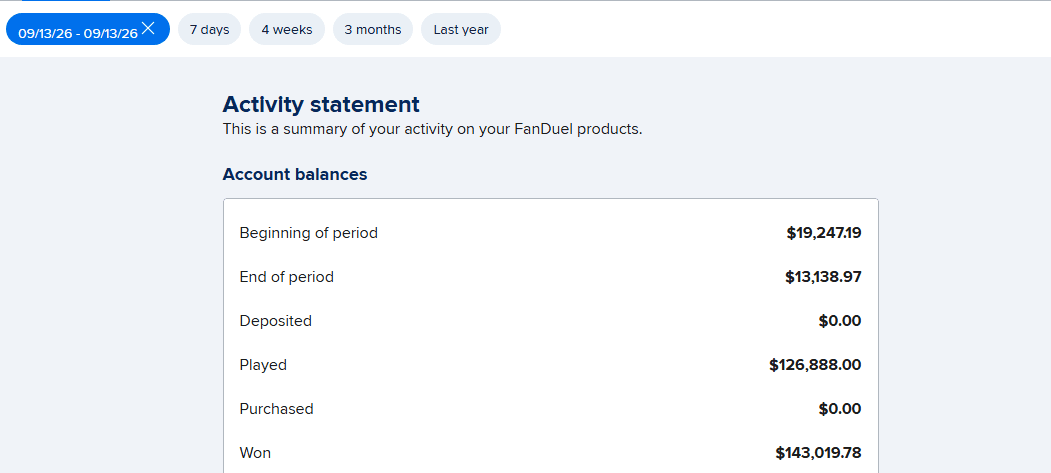
MLB run line betting in May 2026 is one of the most underutilized edges in baseball wagering because most casual bettors default to the moneyline without measuring whether the run line offers superior expected value, and the run line consistently does in three structural spots: elite starters in pitcher-friendly parks, two-tiered bullpen mismatches, and dome-game totals where late-inning variance compresses. Across 20+ years and a verified +$367,520 in tracked profit, The Best Bet on Sports has built a run line framework that reads the moneyline-to-run-line price gap and identifies where the market mis-prices the 1.5-run threshold. Sports Betting TikTok, walks through the May 2026 application below.
The MLB run line is a fixed 1.5-run handicap on every game, with the favorite priced at -1.5 and the underdog at +1.5. Unlike the NFL spread, the run line never moves off 1.5 — only the price moves. That single structural feature creates predictable mispricings throughout the season. Our MLB picks framework treats run line value as a primary input on every game, not a secondary thought after the moneyline.
What is the MLB Run Line and How Does It Work?
The MLB run line is a 1.5-run point spread applied to every Major League Baseball game. The favored team must win by two or more runs to cover the -1.5 line. The underdog covers the +1.5 line by either winning the game outright or losing by exactly one run. Because nearly 28% to 30% of MLB games are decided by exactly one run, the +1.5 underdog cashes far more often than its moneyline equivalent, and the -1.5 favorite cashes far less.
The market prices this asymmetry with juice. A heavy moneyline favorite at -200 might be priced -1.5 at +110 to +130 on the run line. A small moneyline underdog at +110 might be priced +1.5 at -150. Reading this price relationship is the core skill of run line betting. The bettor is not choosing between "risk less, win less" and "risk more, win more" in any abstract sense — the bettor is comparing two distinct probability distributions and choosing the one with greater expected value at the offered price.
Which MLB Run Line Spots Produce the Most Edge?
Five structural spots produce repeatable run line edge across long sample sizes:
| Spot | Direction | Typical Price Range | Edge Source |
|---|---|---|---|
| Elite starter in pitcher-friendly park | -1.5 | +100 to +130 | Suppressed total compresses run distribution, raising win-by-2+ probability |
| Two-tiered bullpen mismatch | -1.5 | +110 to +140 | Late-inning run scoring concentrates against weaker pen |
| Heavy moneyline underdog with quality starter | +1.5 | -130 to -160 | One-run loss probability is mispriced relative to outright win |
| Dome game with two strong starters | -1.5 with road favorite | +120 to +150 | Closed-environment variance compresses scoring tail |
| Series finale with bullpen day | +1.5 either side | -150 to -180 | Bullpen-game variance breaks late, often by 2+ runs |
These figures represent tracked edge spots from our internal database rather than published market estimates. The bettor's job is to identify when a given game falls into one of these categories and compare the run line price to the moneyline-implied probability. Our blog library covers each of these in deeper individual breakdowns.
How Should I Lay -1.5 in May 2026?
Laying -1.5 in May 2026 requires three confirmations: the starting pitcher's run support and runs allowed splits across the prior 12 starts, the opposing bullpen's leverage-weighted ERA over the prior 30 days, and the ballpark's three-year run scoring index relative to league average. When all three confirmations align — elite starter, weak opposing pen, pitcher-friendly park — the -1.5 price typically returns positive expected value at +100 to +130.
The most common error new run line bettors make is laying -1.5 with a heavy favorite simply because the moneyline price feels expensive. A -200 moneyline implies a 66.7% win probability, but the same team's win-by-2-or-more probability might only be 48% to 52%. At +130 on the -1.5, the breakeven probability is 43.5%. That is the spot that produces edge — when the implied breakeven on the run line falls below the team's true win-by-2 probability. Below that threshold, the run line is a positive expected value play even though the moneyline alone might be neutral or negative. Our MLB picks team uses this exact decision tree on every favorite priced at -180 or higher.
How Should I Take +1.5 in May 2026?
Taking +1.5 in May 2026 produces edge in two specific spots: heavy moneyline underdogs with quality starters, and series-finale bullpen games where one team has a depleted relief corps. The +1.5 price on a moneyline underdog at +130 to +160 is often -150 to -180, which seems expensive on its face, but the one-run-loss probability is significant enough that the breakeven implied probability on the +1.5 is typically beaten by quality underdogs.
The framework is simple. A team priced +140 on the moneyline has an implied 41.7% win probability. The same team's "win or lose by one" probability is typically 56% to 62%. At -160 on the +1.5, the breakeven implied probability is 61.5%. The edge appears when the team's one-run-or-better outcome probability exceeds the breakeven, which happens consistently when the underdog has a top-30 starter and the favorite has a back-end rotation arm.
What Role Does the Bullpen Play in Run Line Betting?
The bullpen plays a larger role in run line betting than in moneyline betting because run line outcomes are decided in the late innings more than 60% of the time. The starter's six innings establish the base run distribution; the bullpen determines whether a 3-2 lead becomes a 3-2 final or a 5-2 final. That difference is the entire run line outcome.
Three bullpen patterns matter most:
1. Leverage-weighted ERA. The simple bullpen ERA is a poor predictor of late-inning run prevention. Leverage-weighted ERA — the ERA of relievers in high-leverage situations only — predicts late-inning run scoring far better. A bullpen with a 3.50 overall ERA but a 5.20 leverage-weighted ERA is a fade target on the -1.5 against any quality opposing offense.
2. Closer availability after consecutive-day usage. Closers used in three consecutive days are unavailable for the fourth day in 80%+ of cases. Identifying these spots before the lineup posts gives a one-day window to take +1.5 against teams forced to use a setup man in the ninth.
3. Bullpen days. A team starting an opener or a sub-replacement spot starter typically uses 5+ relievers in a single game. The variance on bullpen days breaks toward both extremes — either a tight low-scoring win or a blowout loss — which makes the run line more volatile and the +1.5 more valuable on the underdog side.
How Do Ballpark Factors Affect MLB Run Line Bets?
Ballpark factors affect run line bets through their effect on total run distribution shape, not just total runs scored. Pitcher-friendly parks like Petco Park, Oracle Park, and Tropicana Field compress the run distribution, making 1-run, 2-run, and 3-run final margins more common than in run-rich parks. Hitter-friendly parks like Coors Field, Great American Ball Park, and Yankee Stadium expand the run distribution, producing more 4+ run margins and more blowouts.
The applied edge: -1.5 favorites in pitcher-friendly parks cash at higher rates than the price implies because the run distribution is compressed and "win by exactly 2" becomes a meaningfully larger share of all wins. The opposite is true in hitter-friendly parks, where the +1.5 underdog cashes less often than the moneyline-only implied probability suggests because more games end in 5+ run margins. Our MLB picks framework adjusts run line plays for park factor on every game, not as an afterthought.
When Does Closing Line Movement Reveal Run Line Value?
Closing line movement on the run line versus the moneyline reveals the sharpest signal of relative value in MLB betting. Three patterns repeat:
1. Run line steam without moneyline steam. When the -1.5 price drops from +120 to +100 while the moneyline stays static at -150, sharp money is targeting the run line specifically. The signal is that informed bettors believe the favorite has a higher win-by-2 probability than the prior price implied, often because of late lineup news, weather, or umpire assignment.
2. Moneyline steam without run line steam. When the moneyline moves from -130 to -150 while the run line price stays static at +130, the market is pricing a higher win probability without a higher win-by-2 probability — typically a one-run-game expectation. The applied edge is taking the +1.5 underdog at the static price.
3. Reverse run line movement. When the moneyline tightens but the run line lengthens, the market is pricing a closer game with the favorite winning more often by one run. The +1.5 is the bet.
Reading these patterns requires a closing line tracker that captures both prices at multiple time stamps before first pitch. The Best Bet on Sports has been limited on all six major U.S. sportsbooks — FanDuel, DraftKings, Caesars, BetMGM, Fanatics, and ESPN BET — for sustained CLV-positive run line and live betting volume. Our results page documents how this framework has produced verified profit over 20+ years of tracked picks. The same closing-line discipline carries over to our NBA picks framework on totals, which uses an analogous structure.
Readers working through this should also see our companion piece on MLB runline -1.5 betting strategy.
Related Strategy Reading
For deeper context on the angles covered above, our analysis of mlb home plate umpire betting strategy totals strikeout props and mlb weather betting wind temperature totals pairs well with this guide; our baseball picks reflect these same principles applied to live games.
Frequently Asked Questions
What is the MLB run line and how does it differ from the moneyline?
The MLB run line is a fixed 1.5-run point spread on every game. The favorite must win by two or more runs to cover -1.5; the underdog covers +1.5 by winning outright or losing by exactly one run. The moneyline is a straight win-loss bet with no margin requirement. The run line offers larger payouts on favorites and shorter prices on underdogs, with the price reflecting the asymmetric probability of winning by two-plus runs versus winning outright.
When should I lay -1.5 on an MLB favorite?
Lay -1.5 when three conditions align: the starting pitcher is top-30 in run prevention, the ballpark is pitcher-friendly with a multi-year run index below 100, and the opposing bullpen has a leverage-weighted ERA above 4.50. The price target is +100 to +130. Below those filters, the moneyline is typically the better play. Above them, the -1.5 returns positive expected value at long-term sample size.
When should I take +1.5 on an MLB underdog?
Take +1.5 on a moneyline underdog priced +130 to +160 when the underdog has a top-40 starter and the favorite has a back-end rotation arm or is on a bullpen day. The +1.5 typically prices -150 to -180 in these spots, and the one-run-or-better outcome probability beats the breakeven. Avoid -200 or worse on the +1.5 unless the underdog is in a series finale against a depleted relief corps.
How much does the bullpen matter for run line betting?
The bullpen is the primary determinant of run line outcomes because more than 60% of run line decisions are made in the seventh inning or later. Leverage-weighted ERA is the most predictive bullpen statistic for run line betting. Overall bullpen ERA hides high-leverage failures and produces false confidence. A bullpen with a 3.50 overall ERA and a 5.20 leverage-weighted ERA is a fade on the -1.5 against any quality offense.
How do ballpark factors affect MLB run line strategy?
Ballpark factors compress or expand the run distribution. Pitcher-friendly parks compress the distribution, raising the share of 1-run, 2-run, and 3-run finals and increasing the cash rate on -1.5 favorites in those parks. Hitter-friendly parks expand the distribution, raising the share of 4+ run finals and reducing +1.5 underdog value. Multi-year park indices are the right input — single-season indices are too noisy for May application.
What is the most common run line betting mistake?
The most common run line betting mistake is laying -1.5 with a heavy moneyline favorite without checking the win-by-2 probability against the price. A -200 moneyline does not imply a profitable -1.5 at any price; the win-by-2 probability is often 15 to 20 points below the moneyline win probability. The bettor must compare the run line breakeven directly to the win-by-2 probability, not to the moneyline.
How do I track run line closing line value?
Track the run line price and the moneyline price at multiple timestamps before first pitch — typically opening, six hours pre-game, two hours pre-game, and lineup release. The relative movement between the two prices reveals where sharp money is targeting. Run line steam without moneyline steam indicates a win-by-2 expectation; moneyline steam without run line steam indicates a one-run-game expectation. The applied edge is on the static line.
The Best Bet on Sports · 1.5M followers on TikTok
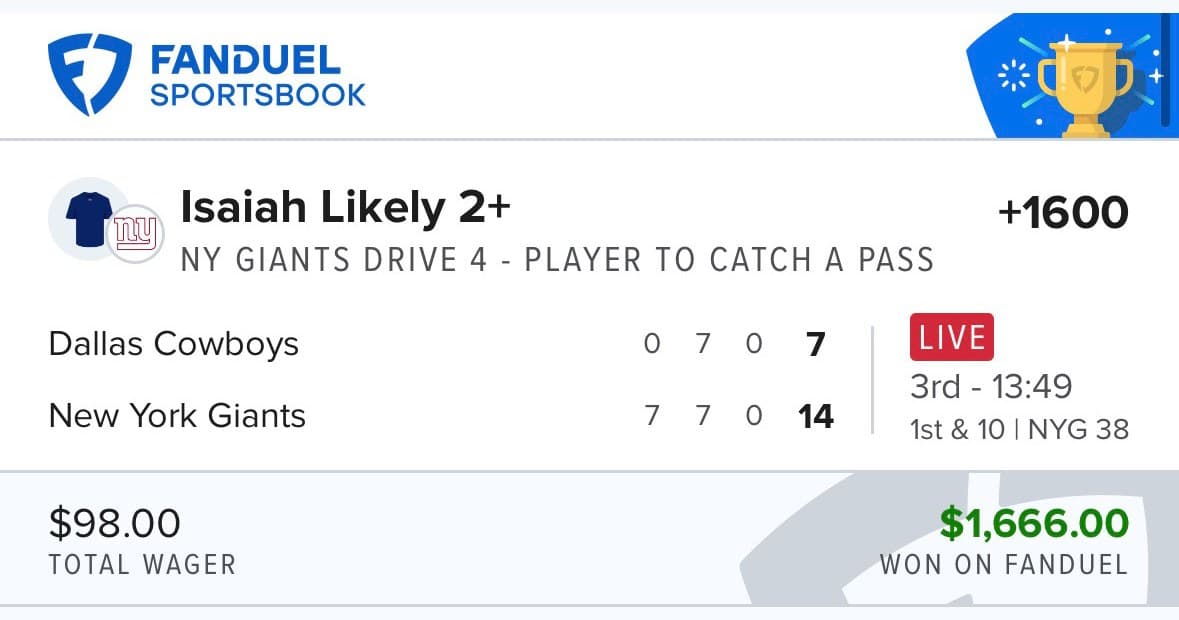
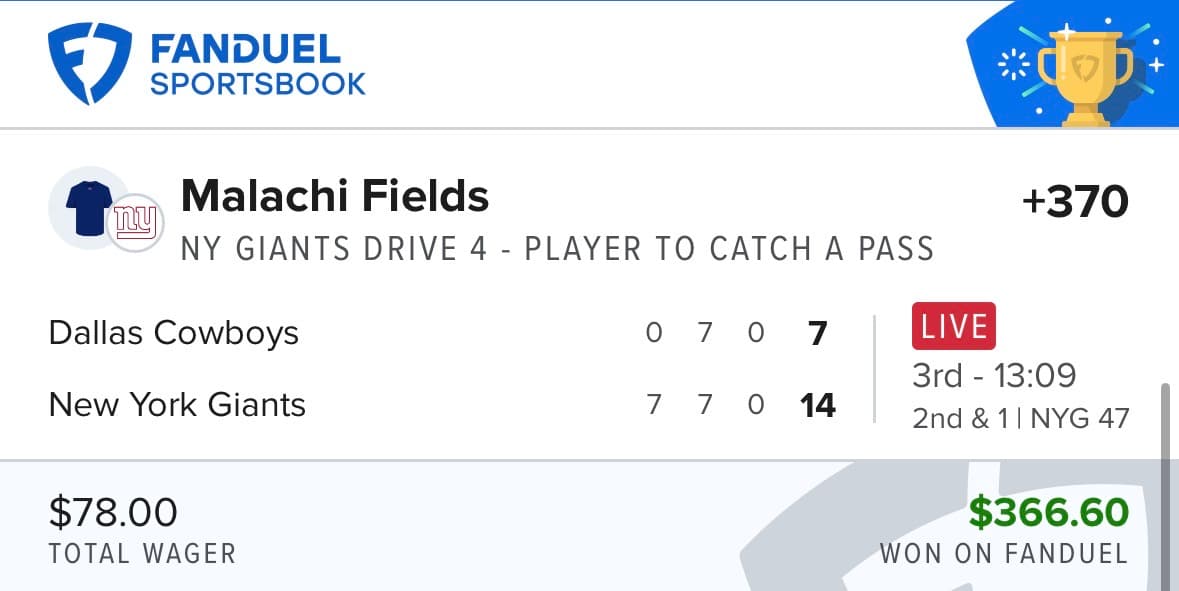
Sports Betting TikTok is the live betting account behind The Best Bet on Sports, covering NFL, NCAAF, NBA, NCAAB, MLB and WNBA markets in real time. The account has been limited on all six major U.S. sportsbooks — FanDuel, DraftKings, Caesars, BetMGM, Fanatics and ESPN BET — for winning on live betting, with $367,520 in verified profit since 2005. View full profile →
Past results do not guarantee future performance. Must be 21 or older to wager.
Related Articles
MLB Pinch Hitter and Double Switch Live Betting Strategy May 2026
MLB Catcher Framing Pop Time Totals Props May 2026
MLB Extra Innings Ghost Runner Betting Strategy May 2026: How the Zombie Runner Rule Reshapes Totals, Run Lines, and Live Bets
MLB Doubleheader Game 2 Betting Strategy May 2026: Bullpen Carryover, Position Player Rest, and Total Mispricing
MLB Starting Pitcher Pitch Count Live Totals Betting May 2026
MLB Lefty-Righty Platoon Splits Betting in May 2026: How LHP/RHB Matchups Reshape Run Lines, Totals, and Player Props
Get real live betting picks
From $39.95/mo · Cancel anytime · Email + Discord delivery
● Get The Picks
Choose your package
Tap any tier below to select · Subscribe in one tap
👇 Tap any package to select it
✓ You're selecting
25 Units · $99.95/month
25 unit picks per month. Sweet spot for most bettors — plenty of action without going all-in.
- ✓25 live betting selections/month
- ✓Email + Discord delivery
- ✓All sports (NFL, NCAAF, NBA, NCAAB, MLB)
- ✓Mix of 1, 2, 3, 5-unit rated plays
- ✓Cancel anytime
Secure PayPal · Cancel anytime · No hidden fees · 21+ · +$367K verified
+$367,520 verified · Limited on 6 sportsbooks · 20 years documented · See Proof
Join Our Newsletter
Get free expert sports picks and analysis delivered weekly.