Myles Garrett's Knee Keeps Coming Back: The Relapse the Market Never Prices

Myles Garrett returned from a knee issue on August 5, then sat out again through the Rams' joint practices with Dallas and did not practice Thursday, August 13, with Sean McVay putting him at roughly 85 percent. The first absence made news and moved markets. The second one did not, because a relapse is not a headline. That asymmetry is where the mispricing lives on every recurring injury in football.
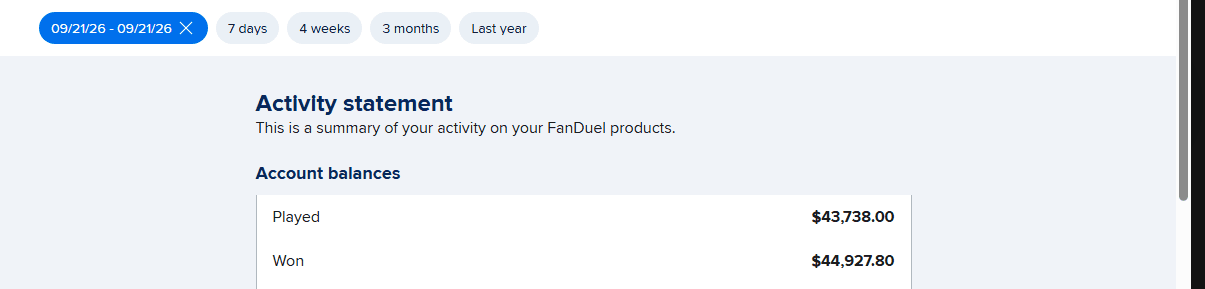
Myles Garrett has now missed roughly six days of Rams training camp with a knee issue that has already resolved once and come back. He returned to the field on August 5. He was held out of the joint practices with Dallas on August 11 and 12, and he did not practice Thursday, August 13, with Sean McVay describing the knee as around 85 percent and the team taking a deliberately cautious approach. The Best Bet on Sports has been placing live in-game wagers since 2005 and carries a verified $367,520+ in documented profit across every major U.S. sportsbook, and the pattern in front of us is the single most reliably mispriced shape in football betting: an injury that gets reported once, gets resolved once, and then quietly comes back with nobody writing about it.
Nothing here is a claim that Garrett is seriously hurt. By every public account the Rams are managing a nagging knee with four weeks to spare before the season opener, and "cautious in mid-August" is exactly what a contender should be with a premium pass rusher. The medical read is almost certainly the boring one.
The market read is the interesting one, and it has very little to do with how the knee actually feels.
Why Does a Second Absence Move Less Than the First?
Injury news is priced through a reporting pipeline, and that pipeline has a strong bias toward novelty.
The first time a star misses practice, it is a story. It gets a push notification, a segment, an aggregator headline. Books adjust, futures desks adjust, and the number reflects a genuine change in the distribution of outcomes.
The second time — after a return, after an "all clear" — it is a practice-report line item. It appears in a Thursday roundup between a waiver claim and an injury settlement. There is no notification. There is frequently no story at all, only an official participation report with the player's name in the "did not practice" column.
The information content of those two events is not remotely equal. Arguably the second is worse news than the first, because a recurrence tells you something the original absence did not: this is not a one-week thing that heals on a schedule. It is the kind of issue that comes back under load. Yet the second event moves the market a fraction of what the first one did, because market movement tracks attention, and attention tracks novelty.
That gap — real information content on one side, reported salience on the other — is the entire trade.
How Is This Different From the Mahomes Situation?
Worth drawing the distinction cleanly, because we covered the opposite case a few weeks ago.
When Patrick Mahomes was cleared for full camp participation in late July, the clearance itself was not the tradeable event. The market had already priced the good outcome the moment a season-ending timeline was avoided, which is exactly why we argued the edge in the Mahomes return lived in the gap between "cleared" and "back to himself" rather than in the clearance headline.
The Garrett situation runs the other direction. There, the market over-reacted to a clean, well-covered piece of good news. Here, the market is under-reacting to a piece of ambiguous bad news that arrived without a headline attached.
Same underlying phenomenon — prices track coverage, not information — pointed in opposite directions. One is a fade. The other is a stale number nobody has bothered to update.
What Does a Pass Rusher Actually Move?
This is where most injury handicapping gets lazy, and it matters more for an edge player than for almost any other position.
A quarterback injury moves everything at once, visibly. The spread moves, the team total moves, the win total moves, and everybody sees it happen. A pass rusher moves a scattered set of markets that mostly do not talk to each other:
| Market | Sensitivity to a missing edge rusher | How fast it adjusts |
|---|---|---|
| Team win total / futures | Real but small per game | Slowly, and mostly on headlines |
| Opponent team total | Meaningful, especially against mobile QBs | Moderately |
| Game total | Modest upward pressure | Moderately |
| Opponent QB passing yards prop | Direct, often underpriced | Slowly — props are set late |
| Opponent sack props / team sack markets | Direct | Fast, when the market exists |
| Live in-game pricing | Largest single effect | Immediately, if the model knows |
The scattering is the point. A soft edge-rusher absence rarely produces the clean, unmissable move that a quarterback absence produces. It leaks into five or six markets, each a little, each on a different update cycle, and several of those markets are set by different people at different times.
For a defense whose pass rush is a load-bearing part of the whole design — and a Rams front with Garrett on it is exactly that — the downstream effects run further than the box score suggests. A pass rush that does not get home changes what a defensive coordinator has to do with his secondary, which changes how often an offense sees a light box, which changes the run/pass split for the other team. The chain is real. It is also slow enough that no single market prices all of it.
What Should You Actually Do With This Before Week 1?
Concrete, in order of how much I would rely on it.
Track participation reports, not headlines. The official practice report is published on a fixed schedule and does not care whether a story is new. That is precisely why it contains information that headline-driven pricing misses. A player logging consecutive DNPs three weeks before a season opener is a different profile than a player logging one.
Distinguish "managed" from "limited." A team holding a star out of joint practices in August is often just protecting an asset — genuinely no signal. A player who returns to practice, then comes back out, has produced an actual data point about how the injury responds to load. McVay's "85 percent" is the tell here: that is a coach describing a knee that is functional but not right, which is a different statement than "he's fine, we're being careful."
Do not chase the futures market. Season win totals and Super Bowl prices on a contender are thick, heavily bet, and slow to move on soft news for the same reason they are slow to move back. The per-game impact of one defensive player, spread across seventeen games, is genuinely small. This is not the market where the information pays. The broader camp-injury picture and where it does move a win total is covered in our 2026 training camp injury rankings.
The information pays in-game. This is the honest conclusion, and it is not a convenient one. The single largest edge in a soft or recurring injury is not in a pregame number at all — it is in what happens when a defense that is missing, or quietly limiting, a premium pass rusher gets into a live game and stops getting home. That shows up on the field in the second quarter, and live pricing has to react to it in real time with an incomplete model. Pregame markets have days to absorb news. Live markets have seconds. That asymmetry is why we run live betting picks as the core product rather than a pregame card, and why the six-book limitation on our accounts exists.
What Are the Ways This Read Is Wrong?
Three, and they are not small.
Garrett may simply be fine. Six missed camp days in mid-August is well inside normal load management for a premium player on a team with title expectations. If he practices fully next week, everything above becomes a footnote, and the market's non-reaction will have been correct.
Recurrence is not always a signal. Some injuries genuinely resolve on a two-steps-forward schedule, and a team that pulls a player back out is sometimes doing so from an abundance of caution rather than in response to a setback. Distinguishing those from the outside is hard, and anyone who tells you they can do it reliably from a practice report is overselling.
The Rams have other moving parts. Puka Nacua has been dealing with psoas soreness and is expected back, and camp-injury noise on a deep roster is constant in August. Isolating one player's effect on a team number is cleaner in theory than in practice.
What survives all three caveats is the structural observation, not the specific call: the second time an injury is reported, it moves the price less than the first time, and that gap is not justified by the information. Garrett's knee is a clean current example. It is not the only one on the board this month, and it will not be the last one this season.
Get Tonight's Live Picks
Want tonight's live in-game picks — including the in-play positions that develop when a defense is missing a piece the pregame number never fully accounted for — delivered to your phone via Email and Discord during the game?
The Best Bet on Sports is the only live betting handicapping service limited on all six major U.S. sportsbooks (FanDuel, DraftKings, Caesars, BetMGM, Fanatics, ESPN BET) for winning too much during in-game action. Verified profit: $367,520+. Picks delivered via Email and Discord during games.
→ Get tonight's live picks: $199 first month — 1-Unit package, full live betting access → Try a free live pick first — reserve your spot for tonight's pick
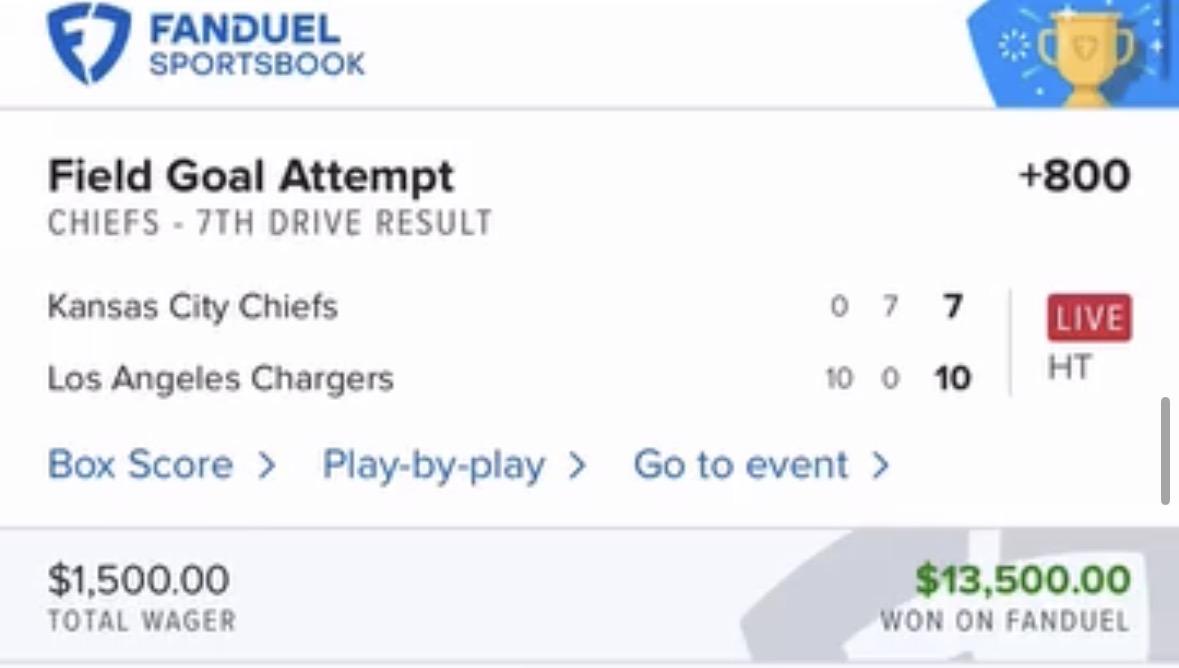
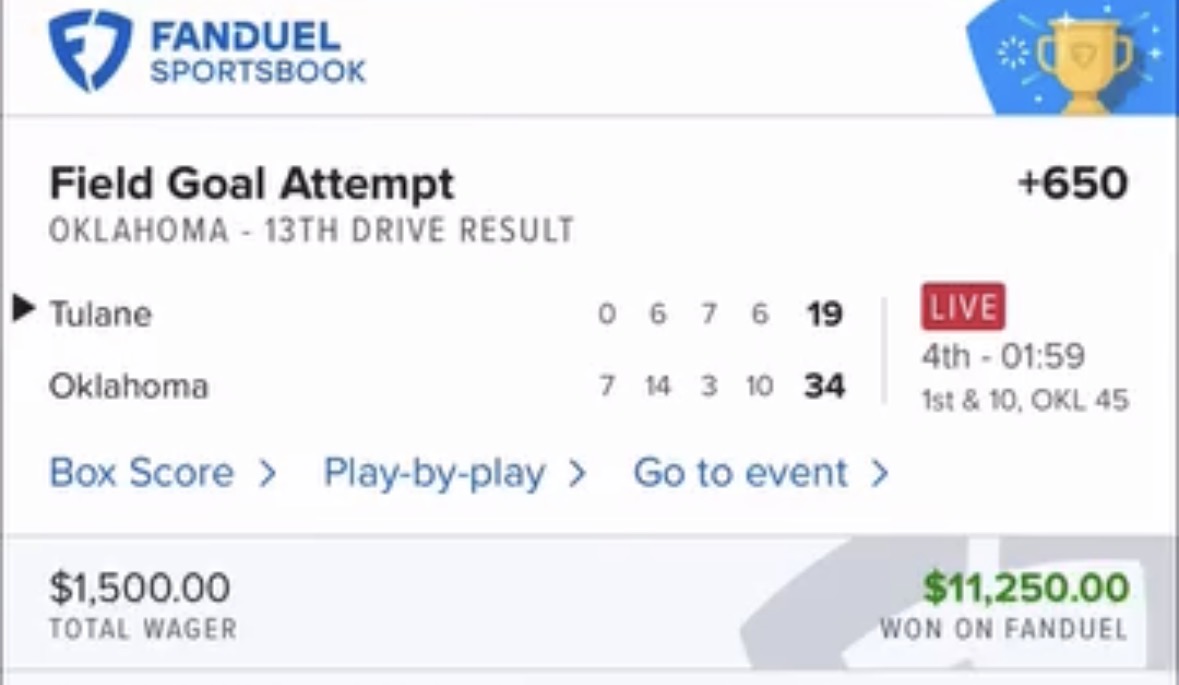
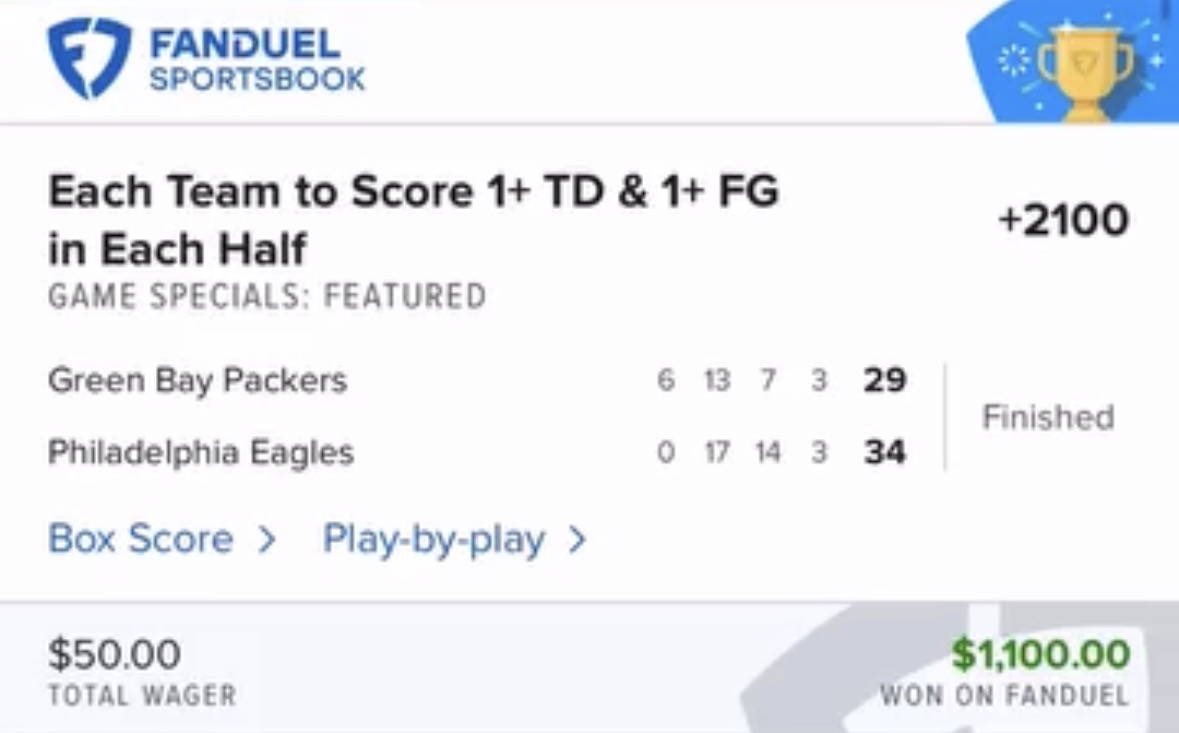
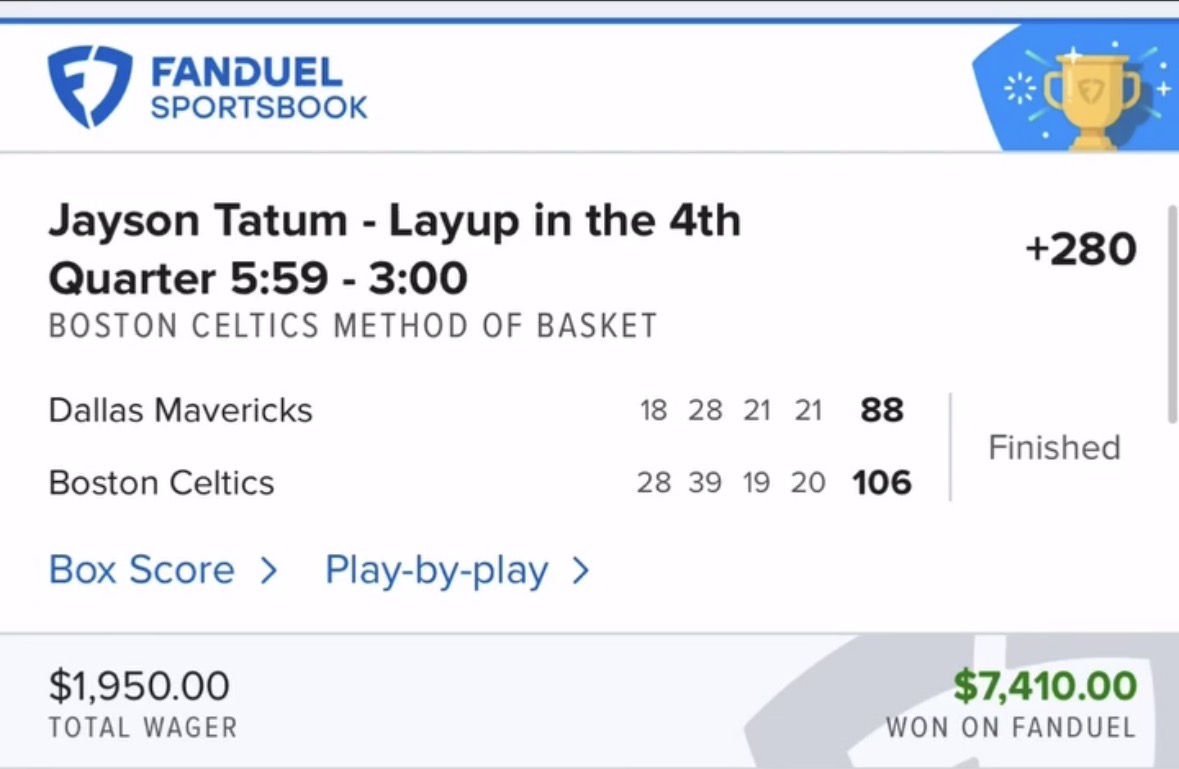
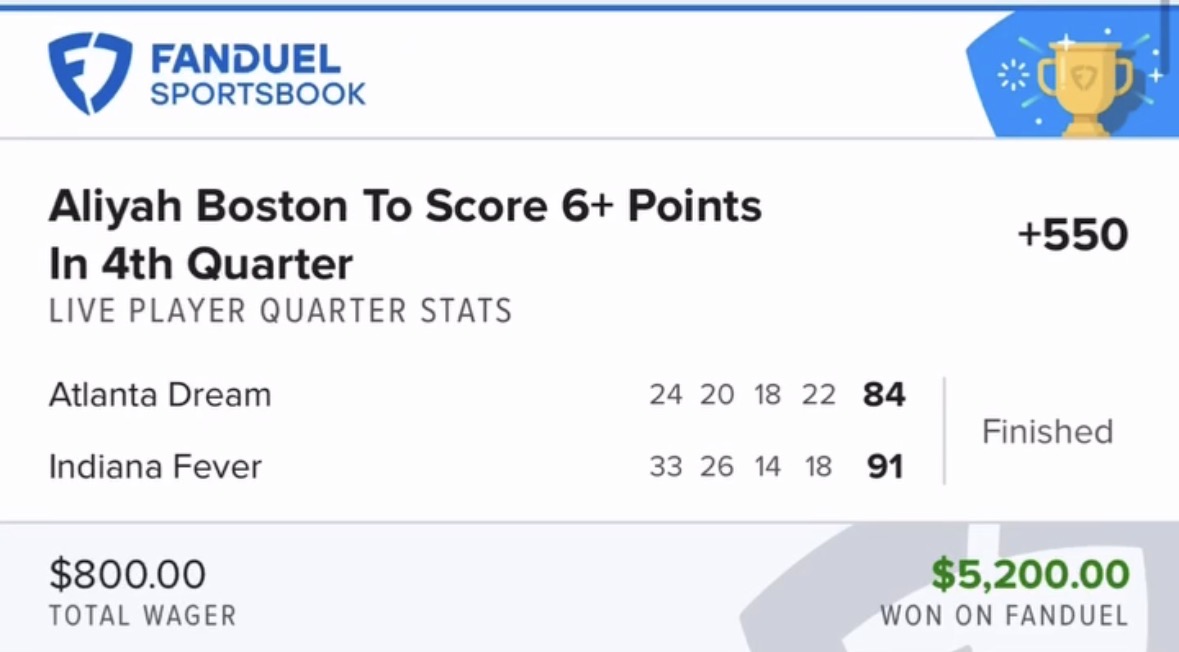
You can review the full record on our verified results page, and see sport-specific coverage on our NFL picks, football picks, and NBA picks pages.
Frequently Asked Questions
What is Myles Garrett's injury status right now?
As of Thursday, August 13, 2026, Garrett had not practiced, continuing an absence that also kept him out of the Rams' joint practices with Dallas earlier that week. He had returned to the field on August 5 after an earlier stretch out with knee soreness and swelling, then came back out. Sean McVay publicly estimated the knee at roughly 85 percent and described the team's approach as cautious. Total camp time missed is around six days.
Does a recurring injury tell you more than a first-time injury?
Often yes, and it is reported as though it tells you less. A first absence establishes that something is wrong. A recurrence after a return establishes how the injury responds to actual football load, which is the more decision-relevant fact. The problem is that the second event arrives as a line item in a practice report rather than as news, so it generates a fraction of the market movement despite carrying comparable or greater information.
How much does one edge rusher move an NFL win total?
Less than most bettors assume, and the effect is scattered rather than concentrated. Spread across seventeen games, a single defensive player's absence produces a small per-game shift, and season win totals on contenders are thick and heavily bet. The larger and more exploitable effects show up in opponent team totals, opposing quarterback passing props, sack markets, and especially in live in-game pricing.
Why do injury markets react less to the second report than the first?
Because pricing follows attention and attention follows novelty. The first absence generates push notifications, segments, and aggregator coverage, which pulls in the betting volume that actually moves a number. A recurrence appears in a routine participation report with no story attached, so the volume never arrives and the price never fully updates. The information content is not lower — its salience is.
Should you bet Rams futures based on this?
Probably not. Season-long futures and Super Bowl markets on a contender are deep, heavily traded, and slow to respond to soft injury news, and the per-game impact of one player over a full season is small. Futures are the wrong instrument for this kind of information. Weekly markets and in-game pricing respond faster and more completely to a defense that is actually short-handed.
What is the difference between a player being managed and a player being limited?
A managed player is being protected from unnecessary reps — common in August, especially in joint practices, and generally not a signal about health. A limited player is being held back by the injury itself. The clearest tell is the sequence: a player who returns and then comes back out has produced evidence about how the issue responds to load. A coach describing a body part as a percentage rather than as healthy is another tell.
Where does a soft injury like this actually create betting value?
In-game, more than pregame. Pregame markets have days to absorb an injury report and are usually efficient on anything that has been publicly discussed. Live markets have to reprice in seconds, off an incomplete model, while a defense that cannot get to the quarterback is visibly failing to get to the quarterback in the second quarter. That gap between what the field is showing and what the live number has processed is where a recurring or under-covered injury pays.
The Best Bet on Sports · 1.5M followers on TikTok
Sports Betting TikTok is the live betting account behind The Best Bet on Sports, covering NFL, NCAAF, NBA, NCAAB, MLB and WNBA markets in real time. The account has been limited on all six major U.S. sportsbooks — FanDuel, DraftKings, Caesars, BetMGM, Fanatics and ESPN BET — for winning on live betting, with $367,520 in verified profit since 2005. View full profile →
Past results do not guarantee future performance. Must be 21 or older to wager.
Related Articles
The 2026 NFL Offseason, Graded by the Betting Market: Rams Buy a Title Favorite, Browns and Dolphins Sell the Roster
Mahomes Cleared for Camp: What His Return Means for Chiefs Betting
Aaron Donald to the Rams? What the Garrett Trade Means for Betting
The Cardinals' Win Total Moved Two Games Overnight
Tua Tagovailoa's Oblique: The Injury a Spread Can't Price
Sam Darnold's Hip: What It Does to Seattle's Numbers
Get real live betting picks
From $39.95/mo · Cancel anytime · Email + Discord delivery
● Get The Picks
Choose your package
Tap any tier below to select · Subscribe in one tap
👇 Tap any package to select it
✓ You're selecting
25 Units · $99.95/month
25 unit picks per month. Sweet spot for most bettors — plenty of action without going all-in.
- ✓25 live betting selections/month
- ✓Email + Discord delivery
- ✓All sports (NFL, NCAAF, NBA, NCAAB, MLB)
- ✓Mix of 1, 2, 3, 5-unit rated plays
- ✓Cancel anytime
Secure PayPal · Cancel anytime · No hidden fees · 21+ · +$367K verified
+$367,520 verified · Limited on 6 sportsbooks · 20 years documented · See Proof
Join Our Newsletter
Get free expert sports picks and analysis delivered weekly.