NBA Playoff Foul Trouble Betting: Officiating & Star Whistles April 2026

NBA playoff foul trouble creates predictable line movement in April 2026. When star players collect early fouls, second-quarter spreads, totals, and live moneylines reprice within seconds. Sharp bettors track foul rates by crew, star usage on the bench, and rotation minutes to identify mispriced live numbers across playoff series.
NBA playoff foul trouble is one of the most under-priced betting variables in April 2026. When a star player collects two early fouls or picks up a third in the third quarter, live spreads can move three to four points in seconds — but the rebound when that player returns is rarely priced correctly. The Best Bet on Sports has compiled a verified profit of $367,520 across 20+ years partly by exploiting these short-window mispricings on live moneylines, second-half spreads, and player prop unders. Officiating crew tendencies, star usage on the bench, and rotation depth all feed into a repeatable edge.
Foul trouble is one of the few NBA betting variables that produces immediate, observable line movement and a predictable counter-move. When a star picks up two fouls in the first quarter, sportsbook algorithms react within seconds — second-quarter spreads widen, the trailing team's moneyline shortens, and the game total often drops a half-point or more. The reaction is mechanical. The question is whether the market is overreacting, under-reacting, or pricing the situation correctly given the specific player, opponent, and officiating crew involved.
Most retail bettors either ignore foul trouble entirely or panic-bet the obvious side. Both approaches leak money. The bettors who quietly profit on these spots have done the homework: they know which crews call tight games, which stars play through foul trouble effectively, and which coaches are willing to leave a foul-trouble starter on the floor versus pulling them at the first hint of risk. Those edges become especially sharp in the playoffs, when whistles tighten, rotations shrink, and a star's bench minutes carry more leverage than during the regular season.
How Foul Trouble Moves NBA Playoff Lines
When a star picks up his second foul in the first quarter, three things happen to the in-game number almost simultaneously. First, the live spread on his team widens by 1.5 to 3 points depending on the star's pre-game projected impact. Second, the live total drops by a half-point to a full point because most foul-trouble removals reduce the offensive output of the affected team without proportionally increasing the opponent's pace. Third, the moneyline on the trailing team shortens by 30 to 60 cents.
Those moves are correct in direction but often wrong in magnitude. The reason: sportsbook pricing models tend to assume foul-trouble stars miss roughly 6 to 10 minutes of bench time. In the playoffs, that assumption frequently breaks. Coaches in elimination-stakes games are far more willing to ride a foul-trouble starter than during the regular season, where load management and statistical convention dominate decision-making. A coach who would normally bench a star with two fouls at the 4:00 mark of the first quarter may, in a playoff Game 5, leave him on the floor and trust him to play disciplined defense.
That coaching behavior creates exploitable spots for in-game NBA betting. When the live spread widens 2.5 points off a star's second foul but the head coach has historical tendencies to play through it, the underdog team's adjusted spread is often a buy. Conversely, when a coach has a documented pattern of hooking foul-trouble stars early — and the live number hasn't yet adjusted enough — the favorite's live spread becomes the value side.
Officiating Crew Tendencies and Crew-Adjusted Foul Rates
Not all officiating crews call playoff games the same way. Some crews — particularly veteran combinations who have worked together through multiple postseasons — let players play, call fewer touch fouls, and rarely reach the bonus until the last 90 seconds of a quarter. Other crews call tight from the opening tip, and bonus situations arise by the 6:00 mark of the second quarter. Foul-trouble betting strategy depends heavily on identifying which crew is on the floor before placing any pre-game prop or first-half wager.
| Crew Tendency | First-Half Foul Rate | Bonus Reached | Star Foul-Trouble Risk |
|---|---|---|---|
| Tight (top quartile) | 22+ team fouls | Q2 6:00 mark | High — bet star unders |
| Average | 18–21 team fouls | Q2 3:00 mark | Moderate |
| Loose (bottom quartile) | Under 18 team fouls | Q2 final minute | Low — bet star overs |
Crew assignments are typically released the morning of the game. Sharp bettors use that window to adjust their player prop strategy. If a tight crew is assigned and the star carries a high usage rate, his points and minutes props become live unders — particularly if the crew has a history of calling marginal off-ball fouls in transition. If a loose crew is assigned, the same star's overs become more attractive because the rotation will likely run cleaner with fewer mid-quarter substitutions.
Our NBA betting team tracks crew-by-crew foul rates across the entire playoff bracket, weighted toward postseason games rather than regular-season output. Postseason whistles diverge meaningfully from regular-season patterns, and using only October-through-April data introduces noise that can wipe out the edge.
Star Usage on the Bench: The Hidden Variable
When a star sits with foul trouble, the offensive output of his team during those bench minutes determines whether the live spread move is justified. Teams with elite second units can survive 6 to 10 minutes without a star and barely surrender any margin. Teams with thin benches often lose 6 to 9 points during the same stretch. The market sometimes prices both situations identically, which is the core mispricing.
The metric that matters most here is the team's net rating with the star off the floor during the playoffs specifically. Regular-season net ratings include garbage time, blowouts, and load-management games where bench units played meaningful minutes. Playoff net ratings strip out most of that noise. A team whose star-off net rating is positive in playoff minutes is a buy when their live spread widens off foul trouble. A team whose star-off rating is deeply negative is a sell.
Coaches reinforce these patterns. Some staffs trust their bench units enough to run normal rotations even with a starter on the bench in foul trouble. Others compress rotations and bring the star back early — sometimes too early, leading to a third foul before halftime. Tracking these tendencies coach-by-coach, paired with the crew assignment, gives a clean read on how the second quarter will play out before the live number has fully adjusted.
Live Betting Foul Trouble: Entry Points and Triggers
The cleanest live betting entries on foul trouble come at three specific moments. First, immediately after a star's second foul is whistled in the first quarter, the live spread tends to overshoot. Books over-correct by a half-point to a full point, and the rebound bet — taking the team that just lost its star at the inflated price — has historical positive expected value when the coach has a track record of riding through the situation.
Second, the moment a foul-trouble star checks back in for the second quarter, the live number snaps back partially but not fully. The remaining gap is often the cleanest in-game spot of the half. Sharp bettors who anticipated the re-entry — based on rotation tracking and timeout patterns — beat the live model to the adjusted price.
Third, the early third quarter is the hidden window. If a star comes out of halftime and picks up his third foul within the first six minutes, the rest-of-game numbers move sharply. Most retail bettors don't track third-quarter foul accumulation aggressively. Books do. The arbitrage window is narrow, but the edges are clean for bettors who watch live and act within seconds of the whistle.
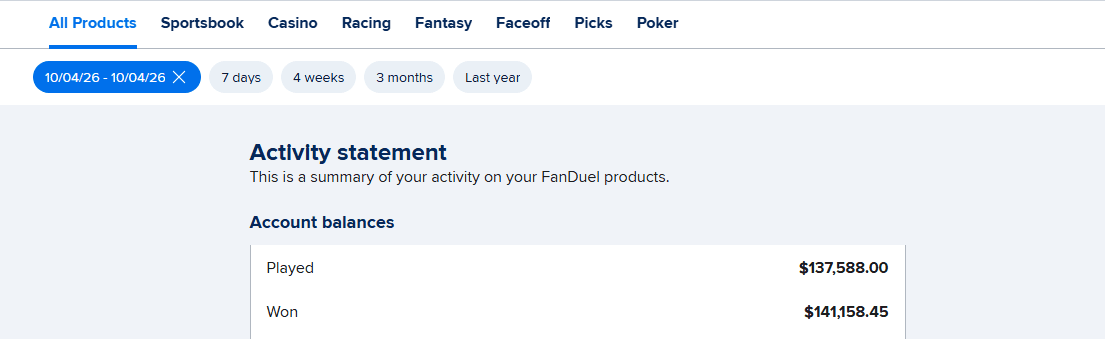
The ability to act inside those windows is exactly why we are limited on all six major U.S. sportsbooks (FanDuel, DraftKings, Caesars, BetMGM, Fanatics, and ESPN BET). Sportsbooks identify the bettors who consistently beat live numbers and restrict bet size or close the account. We've built a verified $367,520 profit record across 20+ years partly by being faster on these spots than the live models that price them.
Player Prop Adjustments for Foul-Trouble Stars
Player props are where foul trouble produces the most consistent edge. A star projected for 32 minutes who picks up two early fouls is often capped at 28 to 30 minutes by his coach's risk tolerance. That four-minute reduction translates to roughly 3 to 4 fewer points, 1 to 2 fewer rebounds, and 1 fewer assist on average for elite usage stars. The pre-game prop number rarely accounts for early foul-trouble risk because it's an in-game development.
Smart prop bettors monitor the first-half foul rate by crew and adjust live prop entries accordingly. If a tight crew is calling and a star is averaging 0.8 fouls per minute in playoff games against the specific defender he's facing, the live under on his points prop becomes a positive-expected-value play even before the first foul is called. Similarly, foul-trouble stars often see their teammates' usage rates spike — the secondary scorer's points prop over becomes a paired play, hedging the conditional outcome.
Our NFL betting, NBA picks, MLB analysis, and college basketball coverage all incorporate similar live-betting and prop-adjustment frameworks. The principle is the same across sports: identify variables the live model under-weights, act inside the adjustment window, and verify the edge with a tracked record over time.
Related Strategy Reading
For deeper context on the angles covered above, our analysis of nba playoffs rest travel schedule spots betting and nba playoff conference finals futures betting pairs well with this guide; our NBA handicappers reflect these same principles applied to live games.
Frequently Asked Questions
How much does foul trouble move an NBA playoff spread?
When a star collects his second foul in the first quarter of a playoff game, the live spread on his team typically widens by 1.5 to 3 points, depending on the star's pre-game projected impact and the team's bench depth. The total often drops by a half-point to a full point. The moneyline on the trailing team shortens by 30 to 60 cents. The size of the move depends heavily on whether the coach is expected to bench the star immediately or play through it.
Should I bet against a team after their star picks up early fouls?
Not always. The line move that follows an early foul is mechanical, and books often overshoot the adjustment. If the head coach has a track record of riding through foul trouble — particularly in playoff elimination games — the live spread on the affected team can become a buy. The cleanest read is to compare the coach's historical playoff foul-trouble usage against the magnitude of the line move and bet the side where the gap is largest.
Do officiating crews matter more in the playoffs than the regular season?
Yes. Playoff crews are smaller in number and more consistent across rounds, which means the same crews work multiple games and develop reputations bettors can track. Tight crews call more touch fouls, reach team-foul bonus earlier, and force more star-rotation adjustments. Loose crews let players play and reduce foul-trouble variance. Adjusting your pre-game prop and totals strategy by crew tendency is one of the highest-leverage research steps for playoff betting.
What's the best player prop play when a star is in foul trouble?
The cleanest play is the live under on the foul-trouble star's points and minutes props, paired with the live over on his team's secondary scorer's points prop. The secondary scorer typically sees a usage spike when the star sits, and that pair captures both sides of the in-game shift. The entries are sharpest within 30 to 60 seconds of the second foul being called, before the live model has fully repriced both numbers.
How do I find playoff foul-rate data by crew?
Crew assignments are released the morning of each playoff game by the NBA. Foul rates by crew are tracked across the season in public databases, but the most useful data is filtered to postseason games only — regular-season noise distorts the read. Crew foul rates, broken down by quarter and by team-foul bonus timing, are tracked internally by The Best Bet on Sports and feed into our live betting recommendations during the playoffs.
Is foul-trouble betting profitable long-term?
It is for bettors who execute inside the live-betting window and have access to multiple books for line shopping. The edges per bet are typically modest — 2 to 4 cents of expected value — but the volume of foul-trouble events across a playoff bracket is high. The bigger challenge is sustaining the edge after sportsbooks identify the pattern and restrict the account, which is why we are limited on all six major U.S. sportsbooks. Our results page tracks the long-term verified record across 20+ years.
How can I subscribe to The Best Bet on Sports for playoff picks?
Picks are delivered by email and Discord throughout the NBA playoffs and across NFL, NCAAF, NBA, NCAAB, MLB, and WNBA seasons. Membership tiers and pricing details are available on our subscription page. Live-betting alerts and pre-game pick releases are time-stamped and tracked, with all results published to our verified results page for full transparency.
The Best Bet on Sports · 1.5M followers on TikTok
Sports Betting TikTok is the live betting account behind The Best Bet on Sports, covering NFL, NCAAF, NBA, NCAAB, MLB and WNBA markets in real time. The account has been limited on all six major U.S. sportsbooks — FanDuel, DraftKings, Caesars, BetMGM, Fanatics and ESPN BET — for winning on live betting, with $367,520 in verified profit since 2005. View full profile →
Past results do not guarantee future performance. Must be 21 or older to wager.
Related Articles
NBA Playoff Foul Trouble Betting in May 2026: How Star Foul Counts Move Live Totals and Spreads
Knicks Set NBA Playoff Record With 47-Point Halftime Lead in 140-89 Game 6 Rout of Hawks
Magic Push Top-Seeded Pistons to Brink: 8-vs-1 NBA Upset One Win Away From History
NBA Game 7 and Elimination Game Betting Strategy: 2026 Playoff Edition
NBA Conference Semifinals 2026: Best Bets, Series Picks, and Playoff Angles
NBA Playoff Second Round Picks & Best Bets: April 2026
Get real live betting picks
From $39.95/mo · Cancel anytime · Email + Discord delivery
● Get The Picks
Choose your package
Tap any tier below to select · Subscribe in one tap
👇 Tap any package to select it
✓ You're selecting
25 Units · $99.95/month
25 unit picks per month. Sweet spot for most bettors — plenty of action without going all-in.
- ✓25 live betting selections/month
- ✓Email + Discord delivery
- ✓All sports (NFL, NCAAF, NBA, NCAAB, MLB)
- ✓Mix of 1, 2, 3, 5-unit rated plays
- ✓Cancel anytime
Secure PayPal · Cancel anytime · No hidden fees · 21+ · +$367K verified
+$367,520 verified · Limited on 6 sportsbooks · 20 years documented · See Proof
Join Our Newsletter
Get free expert sports picks and analysis delivered weekly.