NBA Playoff Second Round Picks & Best Bets: April 2026

NBA playoff second round betting picks for April 2026 require adjustments from first-round analysis. Defenses tighten, pace slows, and matchup advantages become decisive. Target series prices on teams with superior coaching depth, defensive versatility, and recent playoff experience in high-leverage moments.
NBA playoff second round betting picks for April 2026 demand a different analytical lens than regular-season or first-round analysis. By the second round, defensive schemes have tightened, coaches have burned timeouts studying opponents' tendencies, and individual matchup advantages become the decisive variable. Target teams with coaching depth, defensive versatility, and demonstrated composure in high-leverage moments.
The second round of the NBA playoffs separates the legitimate championship contenders from teams that merely survived a favorable first-round draw. At this stage, eight teams remain, and every series involves elite competition on both sides. There are no easy wins. The separation that exists — and where betting value emerges — comes from coaching adjustments, roster depth, and situational basketball execution.
Understanding how to bet the second round requires revisiting what you thought you knew about these teams after round one. First-round opponents often distort what you see. A team that blew out a lottery squad in five games may have inflated offensive metrics against a poor defensive scheme. A team that grinded through a seven-game series may have discovered the defensive rotations that will win them a championship. The market sometimes fails to account for this contextual gap.
How Second-Round Dynamics Differ from Round One
The first round of the NBA playoffs frequently features lopsided talent matchups. A 2-seed facing a 7-seed often has a significant roster advantage, and the series odds reflect it. By the second round, that gap narrows substantially. Every remaining team earned their spot, and pure talent differential alone won't determine series outcomes.
Several dynamics shift specifically in round two:
Pace and scoring drop: Second-round games play three to five points per 100 possessions slower than first-round games, on average. Elite defenses have full scouting reports and have eliminated early tendencies. Over/under bettors who anchor to regular-season scoring averages will consistently be burned by these numbers.
Bench depth becomes critical: First-round series sometimes end before coaching staffs need to deplete their rotations. By game four or five of a second-round series, fatigue creates real separation between teams with eight or nine quality players and teams that relied heavily on seven. Our NBA picks page tracks rotation minutes and rest-day advantages throughout the playoff bracket.
Road wins become harder: In the first round, upsets happen frequently — second-round teams have generally figured out their defensive identity, and home-court advantage asserts itself more consistently. Historically, home teams cover the spread at a significantly higher rate in round two than round one.
Coach adjustments matter more: Regular-season coaches with strong advanced-analytics staffs demonstrate the clearest edge in series with multiple games. If a head coach demonstrates the ability to take away an opponent's primary action and force them into secondary offense, that has compounding value as the series extends. Four to seven games gives a scheme time to work.
Series-Level Betting vs. Game-by-Game Wagering
One of the most important decisions for second-round bettors is whether to focus on series prices or game-by-game wagers. Each approach has distinct advantages depending on your read.
Series prices offer the clearest value when you have strong conviction about team quality mismatch that the market hasn't fully priced. A team you view as a 65% win probability priced at -175 (58.5% implied) represents roughly 6.5% of edge per series. Over a full second-round slate, that edge compounds meaningfully. Check our results page to see how our playoff series calls have performed historically.
Game-by-game spreads offer value when you have specific situational reads — a team playing on short rest, a star player nursing an injury, or a coaching matchup that creates identifiable patterns in specific game contexts. The challenge is that second-round spreads are set very efficiently, and market overreactions to single-game outcomes create the most consistent opportunities.
The best approach for most bettors is to establish a series position early — before the market fully settles — then look for game-level opportunities when situational factors create divergence from the pre-series line.
Analyzing Defensive Matchup Advantages
In a seven-game series, the team that wins individual defensive matchups in the highest-leverage moments almost always wins the series. This is not a universal truth — turnovers, offensive rebounds, and free-throw rates also matter significantly. But in close series between evenly matched teams, the defensive matchup edge is the tipping point.
Here's the framework The Best Bet on Sports uses to evaluate defensive matchup advantages in second-round series:
| Matchup Type | Advantage Indicator | Betting Implication |
|---|---|---|
| Primary defender on opponent's best player | Containment rate under 40% on drives | Target under-calibrated opponent spread |
| Switch vs. mismatch hunting | High rate of small-on-big switches | Under total, opponent exploits |
| Help rotation quality | Transition points allowed per game | Monitor pace-adjusted scoring |
| Bench unit defense | Plus/minus of backup lineups | Short rotation teams vulnerable in games 5-7 |
The team that controls the defensive matchup on the opponent's primary scorer has a historically significant advantage in series outcomes. This is especially true when that primary scorer is a high-usage isolation player rather than a motion-offense creator — isolation players are more vulnerable to specific defender assignments than motion-offense stars.
The Rest-and-Travel Advantage in Second Round Scheduling
The NBA schedule in the second round creates genuine situational betting opportunities that casual bettors often overlook. Teams that won their first-round series in four or five games enjoy extra rest heading into round two. Teams that played six or seven games are often fatigued physically and mentally.
But rest advantages aren't always obvious. A team that won in five games but had back-to-back contests in rounds one through five may be more fatigued than their record suggests. Meanwhile, a team that played seven games but had well-spaced rest days may enter round two fresher than expected. Our NBA betting hub tracks rest-day advantages and travel schedules throughout the postseason.
Additionally, travel scheduling in the playoffs sometimes creates a specific edge: when Team A is at home for Games 3 and 4 after winning Game 2 on the road, they've had minimal travel disruption. The road team crossing time zones multiple times in a week carries a documented performance discount, particularly on the defensive end.
Player Props: Where Second-Round Value Lives
Player proposition markets in the second round offer some of the best value available in playoff betting, specifically because books are slower to adjust props than game spreads. When a primary offensive option faces a matchup that will demonstrably affect their production, the prop market sometimes lags the game spread by 24 hours or more.
Look specifically for:
Usage rate shifts: If a team's second-best scorer is now facing a more demanding defensive assignment because the opponent's best defender is switching to him, his assist and point totals often decline below the posted prop. Books price props on season-long usage rates; second-round series create specific assignment changes.
Rest-game point props: Stars who logged heavy first-round minutes occasionally come out of rest days shooting above their average while the prop line stays near their season average. The market takes a game or two to adjust.
Rebound props for mismatch exploiters: When a team has a clear size advantage at a specific position and the opponent must switch, the big man involved in the mismatch often over-rebounds his prop total significantly.
These market inefficiencies narrow quickly. The closer you are to tip-off, the more efficiently the prop market is priced. Early in the week, before the betting public floods the books with action, is when the best prop values exist.
How Sharp Money Moves Second-Round Lines
By the second round, the public is heavily invested in recognizable stars and marquee matchups. Teams with nationally televised stars attract disproportionate public betting action, which distorts lines in predictable ways.
When a team with a globally famous star is favored by six or more, the public's love of that team often makes the favorite a poor bet. Books set the number knowing the public will bet the star-powered team regardless, meaning the spread needs to be higher than true probability to balance the book. The underdog in these situations — especially when they have specific defensive matchup advantages — carries value that sharp bettors consistently exploit.
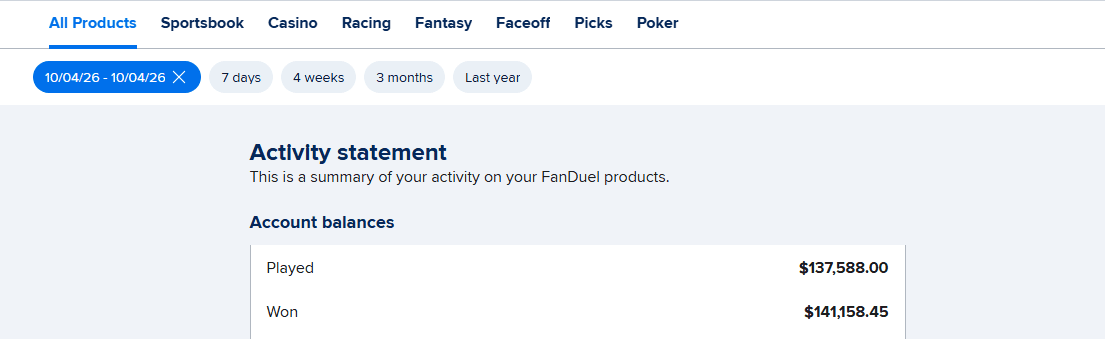
The Best Bet on Sports has been limited on all six major sportsbooks (FanDuel, DraftKings, Caesars, BetMGM, Fanatics, and ESPN BET) for consistently identifying these public-vs.-sharp pricing discrepancies. The limits themselves confirm that the edges we find are real — books don't restrict customers who bet with the crowd.
Home-Court Advantage Calibration for Round Two
The conventional wisdom that home teams cover more in the playoffs is true on average, but the degree of advantage varies by situation. Second-round series between evenly matched opponents in raucous home environments show a stronger home-court effect than first-round mismatches. When the talent differential narrows, crowd energy and familiarity with the court environment become more meaningful.
The most exploitable home-court situations in the second round include:
- Game 1 at a high-energy home environment: Teams playing their first home game of a second-round series with adequate rest cover at a notably higher rate than game-by-game averages suggest.
- Must-win home games (Game 5 in a 2-2 series, Game 6 when trailing): Home teams in elimination-pressure games perform significantly above their regular-season home average. The defensive intensity and crowd pressure elevate both teams, typically producing lower-scoring, more physical contests — favor unders in these spots.
- Revenge spots after a home loss: If a team lost at home in Game 2 and is returning home for Game 5, the narrative pressure creates additional motivation that often surfaces in team defense metrics. Our NBA picks analysis tracks these situational patterns throughout each series.
Totals Strategy for Second-Round NBA Games
The total (over/under) in second-round games is one of the most consistent value markets, specifically because books shade their totals toward public demand for high-scoring action. The public loves overs. Books know this and set totals slightly higher than pure model outputs.
In the second round, go through this checklist before betting any total:
1. Identify the primary offensive action each team runs in half-court sets. If both teams rely heavily on P&R at a rate that the opposing defense has spent two weeks preparing for, look under. 2. Check pace at home vs. road for both teams. Road teams often slow pace to protect against transition; home teams respond. Two slow-pace teams produce the lowest totals. 3. Verify rest patterns. Teams entering Game 5 on two days rest after a physical Game 4 play a different game than teams entering on full rest. Fatigue hurts offensive efficiency more than defense. 4. Monitor injury reports. A key perimeter defender missing even one game changes the total by two to three points in expectation.
Related Strategy Reading
For deeper context on the angles covered above, our analysis of nba conference finals 2026 betting preview and nba playoff totals pace rest officiating pairs well with this guide; our NBA handicappers reflect these same principles applied to live games.
Frequently Asked Questions
How do NBA second-round betting odds differ from first-round odds?
Second-round odds are generally tighter — the spread is smaller, the series prices closer to -110 on both sides — because eight elite teams remain and talent differentials are narrow. Books price second-round markets more efficiently because more data exists on both teams. The best value typically comes from series prices set within 12 hours of first-round series endings, before the full public betting flow normalizes the line.
Is it better to bet game spreads or series prices in the NBA second round?
Series prices offer more value when you have strong conviction about overall team quality that isn't reflected in the price. Game spreads offer more value when specific situational factors — rest advantages, injury news, or home-court pressure games — create predictable divergence from expected performance. Many experienced bettors do both, establishing a series position and then supplementing with game-level situational bets.
How much does rest advantage matter in NBA playoff betting?
Rest advantage is statistically significant but often overstated in public betting markets. A team entering with three extra days of rest performs approximately 2-3 points per 100 possessions better than their fatigued opponents, on average. But the size of that advantage depends on how physically demanding the prior series was, whether any players are nursing injuries, and whether the extra rest came at the cost of rhythm and timing.
Why do overs tend to fail in NBA second-round games?
Second-round defenses are significantly better prepared than regular-season or first-round defenses. Coaches have full scouting reports, specific personnel matchup assignments, and 10+ games of opponent tendencies to work from. Offensive efficiency typically drops three to five points per 100 possessions from first round to second round. Books set totals based on recent averages rather than fully adjusting for this regression, which creates persistent under value in close second-round series.
Should I bet player props during NBA playoff series?
Player props offer genuine value in the early part of a series when prop lines still reflect season-long averages rather than specific series matchup adjustments. As a series progresses to games four through seven, lines adjust more aggressively and value narrows. Target props in Games 1 and 2, especially for players whose usage will clearly change based on the specific defensive assignments in this series.
How do I identify which team has the defensive matchup advantage?
Start with primary defender quality on the opponent's leading scorer. Look for their matchup efficiency metrics — how well they've defended similar player archetypes this season. Then evaluate whether the team can switch matchups without creating exploitable mismatches. Teams with versatile defenders who can guard multiple positions have significant advantages in playoff series where opponents specifically scheme to create mismatches.
Is The Best Bet on Sports available for NBA second-round picks?
Yes. The Best Bet on Sports provides real-time NBA playoff picks delivered via email and Discord throughout the postseason. Our team has been limited on all six major U.S. sportsbooks for winning at live betting — a distinction that reflects genuine, consistent edge. Our results page documents our complete performance history, and our sports handicappers overview explains the analytical process behind every play.
The Best Bet on Sports · 1.5M followers on TikTok
Sports Betting TikTok is the live betting account behind The Best Bet on Sports, covering NFL, NCAAF, NBA, NCAAB, MLB and WNBA markets in real time. The account has been limited on all six major U.S. sportsbooks — FanDuel, DraftKings, Caesars, BetMGM, Fanatics and ESPN BET — for winning on live betting, with $367,520 in verified profit since 2005. View full profile →
Past results do not guarantee future performance. Must be 21 or older to wager.
Related Articles
NBA Conference Semifinals 2026: Best Bets, Series Picks, and Playoff Angles
NBA Playoffs 2026 Betting Picks and Series Predictions
Knicks Set NBA Playoff Record With 47-Point Halftime Lead in 140-89 Game 6 Rout of Hawks
Magic Push Top-Seeded Pistons to Brink: 8-vs-1 NBA Upset One Win Away From History
NBA Game 7 and Elimination Game Betting Strategy: 2026 Playoff Edition
NBA Playoff Foul Trouble Betting: Officiating & Star Whistles April 2026
Get real live betting picks
From $39.95/mo · Cancel anytime · Email + Discord delivery
● Get The Picks
Choose your package
Tap any tier below to select · Subscribe in one tap
👇 Tap any package to select it
✓ You're selecting
25 Units · $99.95/month
25 unit picks per month. Sweet spot for most bettors — plenty of action without going all-in.
- ✓25 live betting selections/month
- ✓Email + Discord delivery
- ✓All sports (NFL, NCAAF, NBA, NCAAB, MLB)
- ✓Mix of 1, 2, 3, 5-unit rated plays
- ✓Cancel anytime
Secure PayPal · Cancel anytime · No hidden fees · 21+ · +$367K verified
+$367,520 verified · Limited on 6 sportsbooks · 20 years documented · See Proof
Join Our Newsletter
Get free expert sports picks and analysis delivered weekly.