NFL Divisional Game Betting Strategy: Rivalry Edges That Pay

NFL divisional game betting strategy requires a fundamentally different approach than standard game handicapping because division opponents play each other twice annually, know each other's schemes intimately, and motivation factors are amplified beyond normal regular-season stakes. Divisional games produce tighter spreads, lower scoring totals, and more second-half comeback situations than non-divisional matchups — all of which create specific betting angles that sharp bettors exploit systematically throughout the NFL season when the market underestimates the familiarity factor.
NFL divisional game betting strategy requires a fundamentally different approach than standard game handicapping because division opponents know each other deeply, motivation factors are amplified, and historical trends within rivalries create identifiable patterns. Divisional games produce tighter spreads, lower scoring totals, and more second-half comeback situations than non-divisional matchups—all of which create specific betting angles that sharp bettors exploit systematically throughout the NFL season and into the playoffs.
I've been writing about NFL betting markets for over 20 years, and no subset of games has produced more reliable situational patterns than divisional matchups. There's something structurally different about teams that play each other twice every season. Coaching familiarity, scheme adjustments, and personal motivation create dynamics that raw power rankings and efficiency models often miss—and those misses translate directly into betting value.
The team at The Best Bet on Sports pays special attention to divisional game dynamics when evaluating weekly spreads, totals, and live betting opportunities. This guide breaks down the most powerful divisional game angles, explains why these patterns occur, and gives you a framework for integrating divisional context into your NFL betting process.
Why Are NFL Divisional Games Structurally Different from Non-Division Matchups?
The fundamental difference is mutual familiarity. When two teams have played each other multiple times in recent seasons—including twice per year within the division—both coaching staffs have extensive tape on the opponent's tendencies, alignments, and personnel adjustments. This levels the playing field between mismatched teams and creates tighter, more competitive games than efficiency metrics alone would predict.
Several structural differences make divisional games unique:
- Film study depth: Coaches prepare with 6–10 recent games worth of specific opponent footage
- Personnel knowledge: Defensive coordinators know every receiver's route trees and timing
- Familiarity reduces big plays: Both defenses limit explosive plays more effectively against familiar offenses
- Emotional stakes: Division games carry playoff implications that elevate intensity and competitive effort
- Travel familiarity: Teams often know division city venues, reducing road disadvantage
These factors consistently push divisional games toward the under and toward the underdog—two of the most consistent patterns in NFL divisional betting.
The Data Behind Divisional Game Totals
Historical NFL data going back two decades shows divisional games produce lower-scoring outcomes than non-divisional matchups with similar implied totals. When a game between division rivals is set at 47, it plays more like a 44-point game compared to a non-divisional matchup set at the same number.
The primary reason is defensive preparation. When a coordinator has 12 months of specific opponent film—two recent games, preseason tape, and practice reports—they design more targeted coverages and run-defense looks. Explosive pass plays and big run gains become rarer when both defenses are specifically prepared for the opponent's offense. This systematic suppression of big plays reduces scoring output below what generic efficiency models project.
How Does Motivation Affect NFL Divisional Betting Lines?
Motivation is one of the most underrated factors in NFL handicapping, and divisional games are the clearest example of elevated competitive motivation affecting outcomes. Consider these specific scenarios:
| Motivational Spot | Impact on Betting | Direction |
|---|---|---|
| Team eliminated from playoff contention facing division rival in playoff contention | Division rival may underperform vs. desperate opponent | Fade division rival |
| Team needing win to clinch division title | Elevated execution but also conservative play-calling | Slight under lean |
| Revenge game after divisional loss last meeting | Losing team statistically over-performs in rematch | Lean toward upset |
| Prime time division game with national audience | Public overloads favorite, creating value on dog | Fade public |
| Late-season game with nothing to play for vs. division rival fighting for wild card | Trap game dynamics reduce effort from clinched team | Fade clinched team |
The revenge game scenario is particularly well-documented. Teams that lost divisional matchups the previous time they faced the same opponent show statistically improved performance in the rematch, particularly when the loss was a blowout. The pride factor in divisional competition is real and measurable in outcome data.
Why Do Divisional Underdogs Cover More Often Than Non-Divisional Dogs?
This is one of the most consistently documented patterns in NFL betting research. Division underdogs—teams getting points against a divisional opponent—cover the spread at a higher rate than underdogs in non-divisional games, across multiple seasons and across all divisions.
The reasons align with the structural factors already discussed:
Familiarity closes talent gaps: A 7-point underdog in a non-divisional game faces an opponent that outclasses them and may not have strong scheme-specific preparation. A 7-point divisional underdog faces an opponent they know deeply and have specific game plans to slow down.
Motivational parity: Inferior division teams frequently raise their effort level dramatically against rivals, particularly in rivalry-steeped divisions like the AFC North, NFC East, and NFC West.
Conservative play by favorites: Division favorites, especially those protecting playoff positioning, sometimes play conservatively with their starters, which limits cover potential on large spreads.
Public underestimates familiarity: Public bettors bet the better team on the spread without accounting for how much familiarity reduces the edge. Oddsmakers know this and price divisional underdogs slightly tighter, but public money still pushes favorites past efficient prices.
For our current NFL picks that account for divisional dynamics, visit our NFL handicappers page and browse our football picks service.
How Should You Bet Divisional Totals Differently Than Non-Division Games?
The systematic under tendency in divisional games is one of the most actionable patterns in NFL betting. When evaluating a divisional total, I apply a mental adjustment of roughly 2–3 points from the non-divisional equivalent.
The under tends to be most reliable in these divisional total scenarios:
- Teams meeting for the second time in a season with the second game having a higher total than the first
- Physical, run-first teams in the same division (AFC North, NFC South historically)
- Late-season divisional games played in bad weather conditions
- Teams with defensive coordinators specifically known for week-to-week scheme adaptations
- Second halves of divisional games that are tied or within a touchdown at halftime
The second-meeting effect on totals is particularly notable. When two teams played a high-scoring first divisional meeting and the rematch total is set near the same number, the rematch frequently goes under. Both defensive staffs adjusted aggressively after the first meeting, and both offenses face scheme adjustments they haven't yet solved.
How Does Weather Amplify Divisional Under Tendencies?
Bad weather—cold temperatures, strong winds, rain, snow—further suppresses scoring in games already trending toward defensive play. Divisional games in outdoor northern stadiums (Lambeau Field, MetLife, Soldier Field, Highmark Stadium) during November and December face both the familiar-opponent effect and weather-driven scoring suppression simultaneously.
This combination creates some of the strongest under value in the entire NFL calendar. When a cold-weather divisional rivalry matchup has a total at or above 44, the under deserves strong consideration.
What Are the Best NFL Divisions for Situational Betting Patterns?
Not all divisions produce equal betting patterns. Some have more consistent trends than others based on competitive balance, coaching continuity, and schematic diversity:
AFC North (Ravens, Steelers, Browns, Bengals): The most physically punishing division in football. Games here consistently trend under, divisional dogs cover at high rates, and second meetings frequently produce lower-scoring games than the first. Strong coaching staffs with defensive identity.
NFC East (Eagles, Cowboys, Giants, Commanders): High-profile national attention means more public money distortion. Division favorites here are regularly overpriced due to market size and media exposure. Divisional dogs against Cowboys and Eagles have historically been strong fade targets when the public loads up.
NFC West (49ers, Seahawks, Rams, Cardinals): Scheme diversity creates interesting matchup dynamics. West Coast travel factors add a unique wrinkle—divisional games at Arizona and Las Vegas create genuine travel fatigue for visiting teams, which complicates standard divisional models.
AFC West (Chiefs, Chargers, Raiders, Broncos): The Chiefs' dominance has made them heavy favorites in most divisional games. Fading the Chiefs spread when they're laying 10+ points against a division rival has historically been a strong contrarian play.
How Do Divisional Patterns Apply in NFL Playoff Matchups?
Divisional rematches in the NFL playoffs create some of the most compelling betting scenarios of the entire season. When a wild-card or divisional playoff game is a rematch from the regular season, the familiarity factor intensifies further—and so do the analytical opportunities.
Key playoff divisional rematch dynamics:
1. The team that lost the regular season meeting often performs better in the playoff rematch—coordinators have spent weeks specifically addressing what went wrong 2. Totals tend to be even more suppressed in playoff divisional rematches than regular season equivalents 3. Public money often overvalues the team that dominated the regular season meeting—creating dog value on the side that lost 4. Home field matters less in divisional playoff games than in non-division matchups because away teams are already familiar with the venue
Our NFL playoff betting strategy guide covers playoff-specific angles in more detail, and our NFL betting page has full coverage of our picks and methodology.
Why Does Live Betting Create Unique Opportunities in Divisional Games?
Divisional games produce more fourth-quarter and late-game drama than non-divisional matchups. Both teams know each other well enough to make crucial adjustments and mount comebacks—which creates real-time live betting opportunities that outperform standard game prediction models.
The Best Bet on Sports team specifically monitors divisional games for these live betting patterns:
- First-half blowouts that reverse: When a team goes down 14+ points in the first half of a divisional game, their live moneyline value is often dramatically higher than statistical probability suggests—because divisional familiarity enables faster second-half adjustments
- Tight games going to overtime: Divisional games reach overtime at a higher rate than non-divisional games with similar pre-game lines, creating value in live totals
- Halftime line adjustments: When a divisional game is close at half, the second-half line is often too short on the total because both defenses are increasingly prepared for the opponent's adjustments
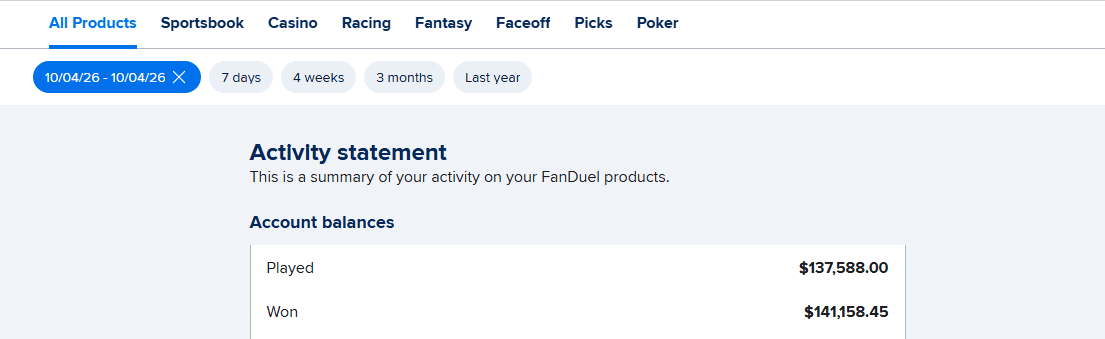
With +$367,520 in verified profit across FanDuel, DraftKings, Caesars, Fanatics, BetMGM, and ESPN BET since 2005, The Best Bet on Sports has built its track record significantly on finding live betting opportunities in exactly these high-drama divisional situations. View our documented performance at our results page.
How to Get NFL Picks That Incorporate Divisional Analysis?
Divisional game analysis is baked into every NFL pick The Best Bet on Sports releases. Our team evaluates motivation spots, scheme familiarity, head-to-head recent history, and divisional trends alongside the standard efficiency and matchup analysis that drive most picks services.
You can receive NFL picks via email or Discord text throughout the NFL season. Our NFL picks page has full information on packages and delivery options, and our football handicapping resource explains our overall methodology.
For a deeper look at how we approach weekly NFL spreads, read our NFL Sunday best bets guide and our breakdown of NFL betting trends for 2026.
Frequently Asked Questions About NFL Divisional Game Betting
Do divisional underdogs cover more often in the NFL?
Yes, historical NFL data consistently shows divisional underdogs cover at a higher rate than non-divisional underdogs with similar point spreads. The reason is mutual familiarity—inferior division teams have specific game plans built over multiple meetings that reduce the talent gap. Combined with elevated motivation and home crowd dynamics, divisional underdogs consistently outperform their spread number.
Should I always bet the under in divisional NFL games?
Not automatically, but the under bias in divisional NFL games is real and documented. Defensive coordinators prepare more specifically for familiar division opponents, reducing big explosive plays that drive high scoring. The under tendency is strongest in physical divisions like the AFC North, in cold-weather outdoor games, and when both teams have played each other recently and made defensive adjustments.
Why are divisional games more competitive than non-divisional matchups?
Both teams have deep mutual knowledge from playing twice per season and studying extensive film. This levels talent gaps, makes big plays harder to generate, and elevates the emotional stakes for coaches and players who feel personal rivalry with division opponents. Competitive parity creates tighter games that underdog-friendly bettors can exploit on the spread.
Are NFL divisional playoff games different from regular season divisional matchups?
Yes. Playoff divisional rematches often produce even more competitive games than the regular season meetings because both teams have additional preparation time specifically targeting what went wrong. The team that lost the regular season meeting often performs better in the playoff rematch—a consistent pattern worth factoring into playoff betting analysis.
How do I use divisional patterns alongside standard handicapping?
Use divisional context as a filter and tiebreaker, not as a standalone betting reason. When standard matchup analysis leaves you with a borderline decision, divisional patterns can tip the scale. For example, if efficiency metrics suggest a small favorite should cover but it's a divisional game, the divisional under and dog-cover tendencies are worth factoring in before finalizing your bet.
What divisions produce the most consistent NFL betting patterns?
The AFC North has the most consistent under and divisional underdog patterns due to its physical, defensive identity. The NFC East produces more public money distortion due to media attention, creating periodic value on divisional dogs against the Cowboys and Eagles. The AFC West has produced value fading large Chiefs spreads against division rivals historically.
Where can I find NFL picks that account for divisional matchup analysis?
The Best Bet on Sports incorporates divisional game analysis into every NFL selection. Our team reviews head-to-head history, motivational spots, and scheme familiarity alongside efficiency and matchup data. Visit our NFL picks page for full coverage, or access picks via email or Discord through our football picks service.
The Best Bet on Sports · 1.5M followers on TikTok
Sports Betting TikTok is the live betting account behind The Best Bet on Sports, covering NFL, NCAAF, NBA, NCAAB, MLB and WNBA markets in real time. The account has been limited on all six major U.S. sportsbooks — FanDuel, DraftKings, Caesars, BetMGM, Fanatics and ESPN BET — for winning on live betting, with $367,520 in verified profit since 2005. View full profile →
Past results do not guarantee future performance. Must be 21 or older to wager.
Related Articles
Bears 59, Panthers 37: Chicago Beat the Game Total By Itself
A Taunting Flag Killed the Over 48.5 in Cowboys-Giants
Vikings 39, Packers 22: The Alternate Line Nobody Was Watching
The NFL's First Australia Game: What a Streaming-Only Kickoff Does to Live Betting
NFL 2026 Season Win Totals Betting: Where the Value Is This Offseason
NFL Playoff Betting Strategy and Picks: How to Win in the Postseason
Get real live betting picks
From $39.95/mo · Cancel anytime · Email + Discord delivery
● Get The Picks
Choose your package
Tap any tier below to select · Subscribe in one tap
👇 Tap any package to select it
✓ You're selecting
25 Units · $99.95/month
25 unit picks per month. Sweet spot for most bettors — plenty of action without going all-in.
- ✓25 live betting selections/month
- ✓Email + Discord delivery
- ✓All sports (NFL, NCAAF, NBA, NCAAB, MLB)
- ✓Mix of 1, 2, 3, 5-unit rated plays
- ✓Cancel anytime
Secure PayPal · Cancel anytime · No hidden fees · 21+ · +$367K verified
+$367,520 verified · Limited on 6 sportsbooks · 20 years documented · See Proof
Join Our Newsletter
Get free expert sports picks and analysis delivered weekly.