How to Identify the Best NFL Handicappers in a Crowded Industry
By Jake Sullivan, Senior Sports Analyst
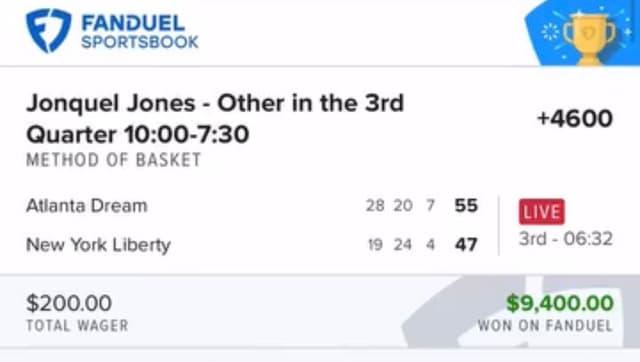
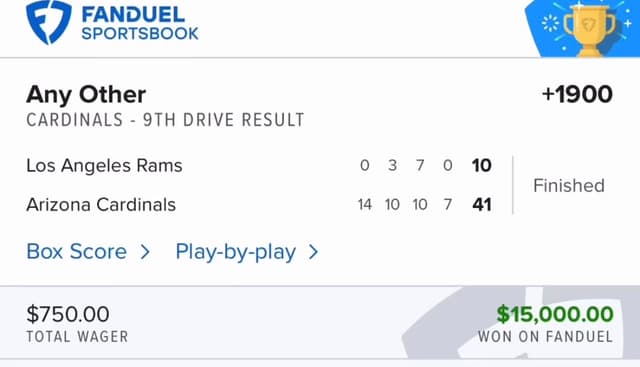
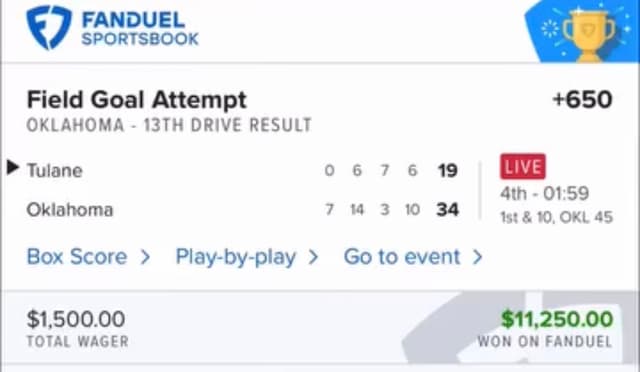
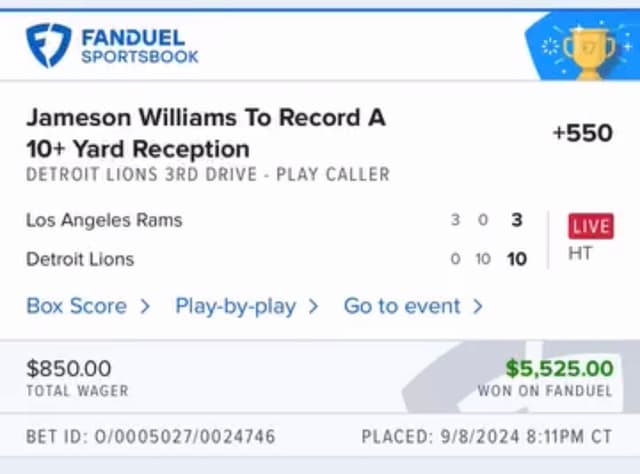
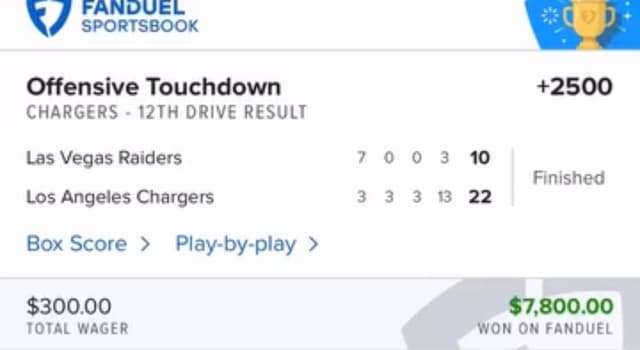
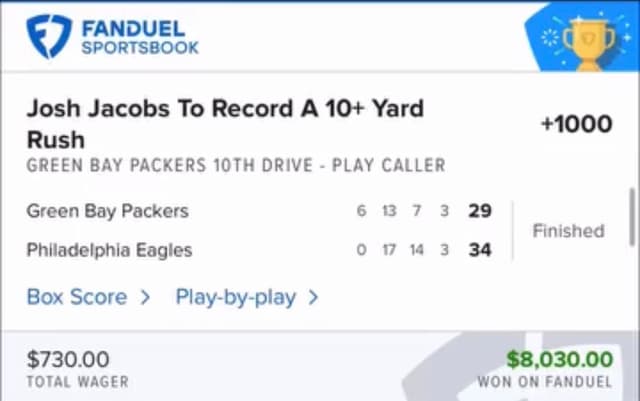
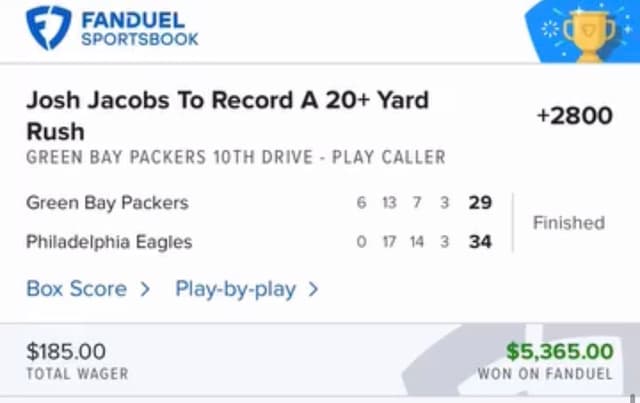
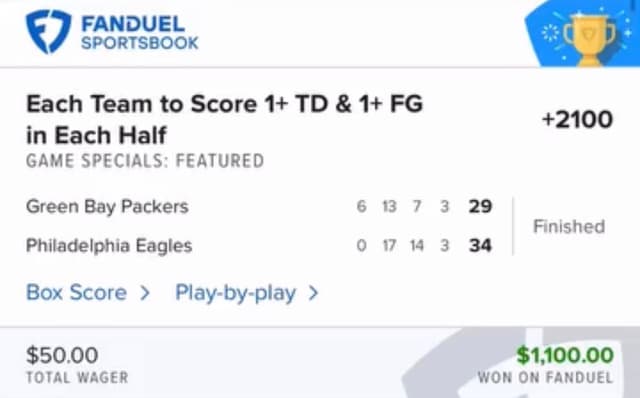
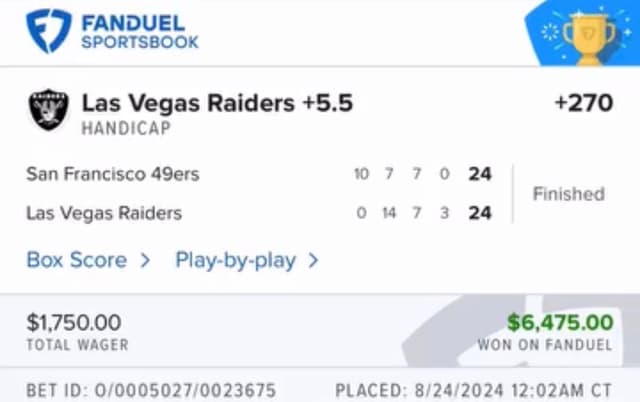
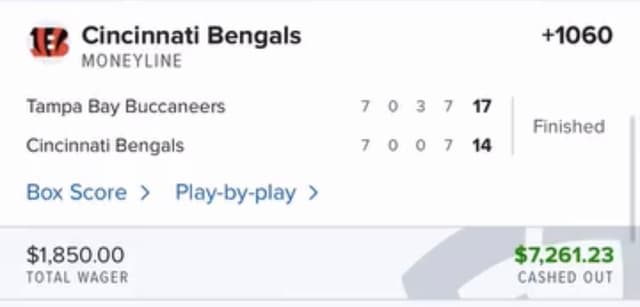
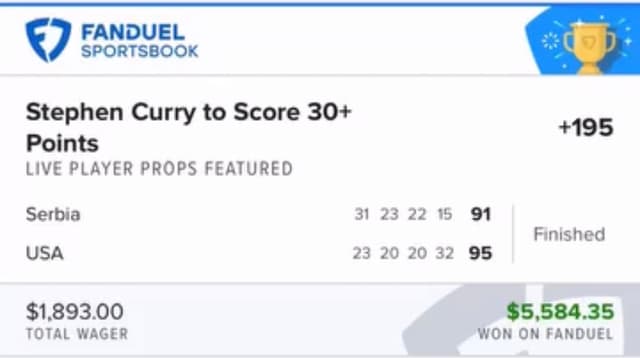
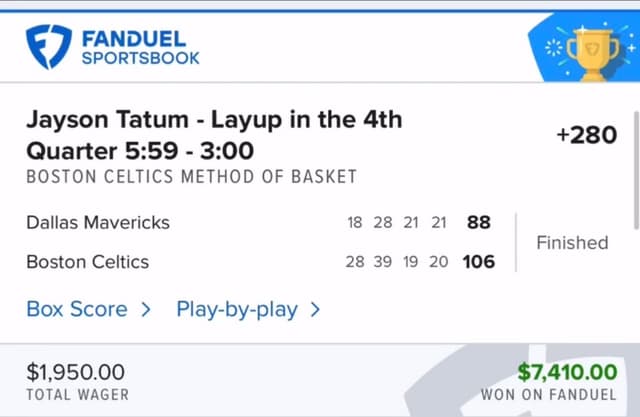
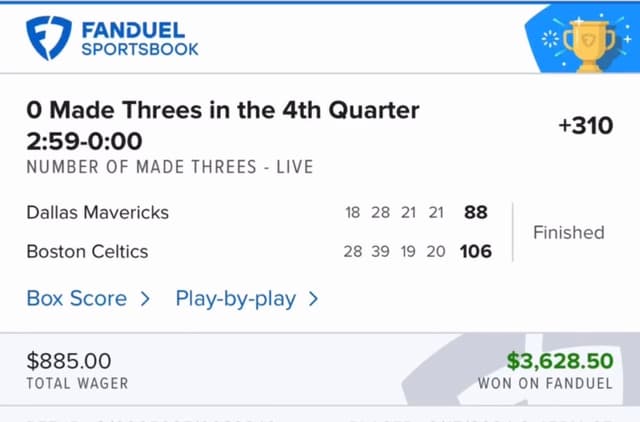
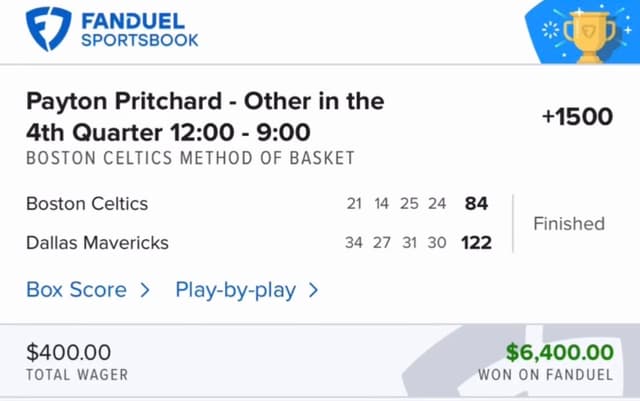
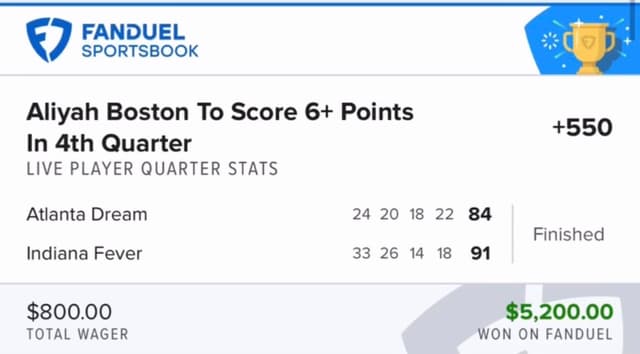
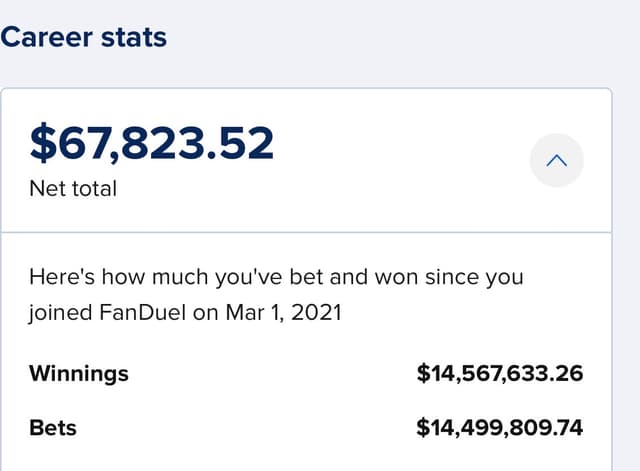
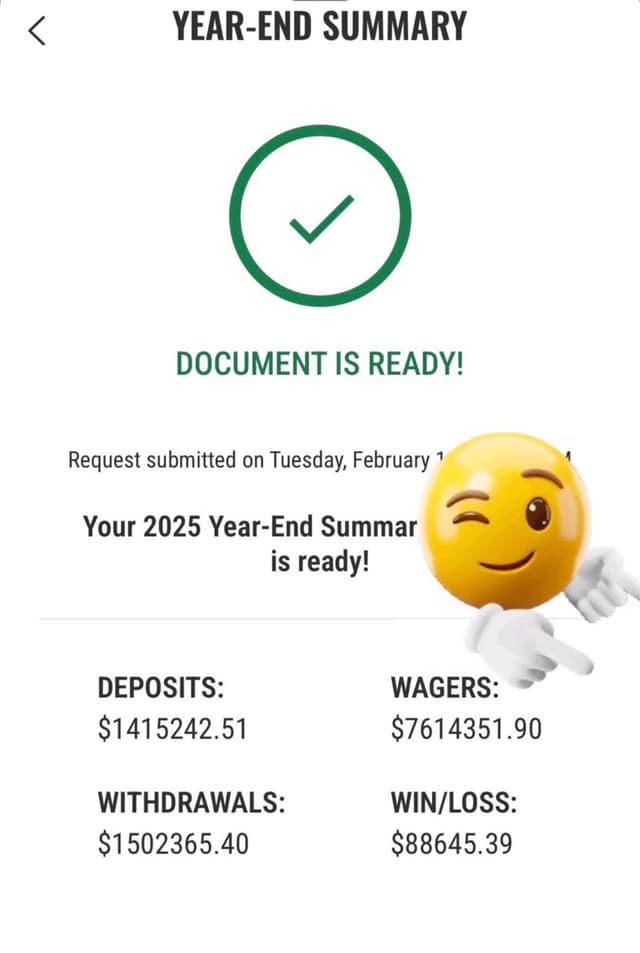
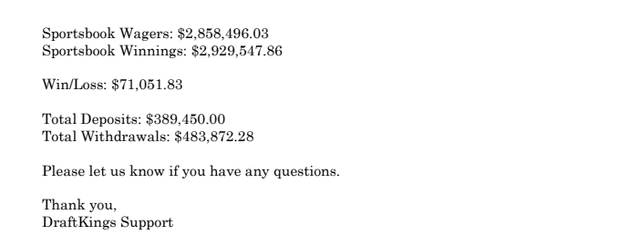
The best NFL handicappers are evaluated on four specific criteria: documented multi-season closing-line value, a quantitative process built on EPA per play and opponent-adjusted efficiency, disciplined play volume of three to six selections per week, and sportsbook account restrictions for winning too much. The Best Bet on Sports satisfies all four — including verified $367,520-plus in profit that led six major U.S. sportsbooks to limit our action.
There are thousands of accounts on social media selling NFL picks. Maybe a dozen NFL handicapping services in the United States have a real, defensible long-term edge against the sharpest betting market in sports. The gap between the two groups is enormous, and the difference comes down to how the handicapper measures their own performance — closing-line value, verified records, and account-limit history — not how many highlight-reel wins they post on a Sunday night.
This page is a field guide to evaluating NFL handicappers. The criteria below are the same ones our own analyst, Jake Sullivan, has built the service around for the last two decades — and the same reasons FanDuel, DraftKings, Caesars, BetMGM, Fanatics, and ESPN BET all moved to limit our accounts.
Sports Picks Packages
Choose the package that matches your bankroll. All packages include live betting picks across NFL, NCAAF, NBA, NCAAB, MLB, and WNBA, delivered via Email, Discord, and SMS during games.
Discounted first month on every package - save up to $500!
1-Unit Live Betting Package
Entry-level live in-game betting picks delivered via email, Discord, or SMS the moment we spot value.
Then $299/mo after
That's just $6.63/day
- 1-unit rated live betting picks
- Discord server access
- SMS instant alerts during games
- NFL, NCAAF, NBA, NCAAB & MLB coverage
- Use at your sportsbook of choice
- Cancel anytime - no commitment
Secure PayPal checkout • Cancel anytime
2-3 Unit Expert Live Package
Higher-confidence live betting plays. Our most popular package for serious bettors who want more picks during live games.
Then $500/mo after
That's just $9.97/day
- 2-3 unit rated live betting picks
- Discord server access (priority channels)
- SMS instant alerts during games
- Pre-game picks also included
- NFL, NCAAF, NBA, NCAAB & MLB coverage
- Use at your sportsbook of choice
- Priority support via Discord
Secure PayPal checkout • Cancel anytime
VIP 5-Unit Live Package
Highest-conviction live plays for bettors with larger bankrolls. Our absolute best live edges identified during games.
Then $1,000/mo after
That's just $16.67/day
- 5-unit rated live betting picks (top conviction)
- VIP Discord channel with real-time analysis
- SMS instant alerts with larger unit plays
- Pre-game and live picks included
- Direct DM access during games
- Multi-sportsbook line shopping alerts
- Exclusive large bankroll plays
Secure PayPal checkout • Cancel anytime
Why Most NFL Handicappers Cannot Survive a Full Season
The NFL season is structurally hostile to anyone selling picks. The regular season is 18 weeks long. Even the most disciplined handicapper releasing five plays per week is only generating 90 documented selections before the playoffs. At a 55 percent win rate — the high end of legitimate long-term NFL accuracy — the standard deviation of a 90-pick sample is around 4.7 percentage points. That means a real 55-percent handicapper can go 45-45 by pure variance in a single season and look like a fraud, while a real 50-percent break-even pick-seller can go 53-37 by variance and look like a genius.
That sample-size reality is what every fly-by-night NFL handicapper exploits. They appear in August, ride a four-week hot streak, build a Twitter following, sell their picks through October, then quietly vanish in November when the variance corrects. A new handle launches the following year. Anyone evaluating NFL handicappers based on a single season's record is being statistically misled. The only way to evaluate the industry honestly is across multiple seasons of timestamped, line-and-juice-disclosed records — and that is the bar we have held ourselves to on the results page for two decades.
Closing-Line Value Is the Metric That Cannot Be Faked
Win rate is a lagging indicator. Closing-line value is a leading indicator. When a handicapper releases the Eagles -3 on Friday morning and the line closes at -4 by Sunday kickoff, that pick has a full point of closing-line value regardless of whether Philadelphia covers or not. Across 200 plays, a handicapper averaging a half-point of CLV per pick is mathematically going to print money long-term. A handicapper averaging zero CLV who happens to hit 55 percent over one season is going to regress to 50 percent in the next sample.
Professional bettors evaluate themselves on CLV every week. We disclose CLV on our internal performance tracking and use it as the second-level quality check on every play we release. If a play has positive expected CLV against the consensus market — meaning sharp action is already moving the line toward our side — that play graduates from a 1-unit lean to a higher confidence rating. Most NFL handicapping services either do not track CLV at all or refuse to publish it because the math does not support their advertised win rates.
The Quantitative NFL Process Behind Every Pick We Release
The NFL board has 16-to-18 games most weeks. Our process is built to grade every single one of them and release plays only on the three to six where the model disagreement with the market is largest and the situational read confirms the disagreement. The week begins Monday morning with the previous week's play-by-play data. EPA per play (expected points added) is the foundational input on both sides of the ball, weighted by opponent strength. Success rate, third-down conversion, red zone efficiency, sack rate allowed, and pressure rate generated layer on top.
Every team gets a single power rating built from those inputs and the model produces a projected spread for every upcoming game by Tuesday morning. Games where our number differs from the consensus opener by 2.5 points or more become candidates. From there the situational layer activates: rest differentials (post-bye versus short week), travel and time-zone math (West Coast teams in 1:00 PM Eastern road games), divisional rematch dynamics, weather modeling for outdoor venues, and coaching matchup notes specific to the offensive and defensive schemes involved.
Injury Impact by Snap Share, Not by Headline Name
The market overreacts to star-player headlines and underreacts to lineup-level absences. When a No. 1 receiver is questionable, every line moves. When a starting right guard with 700 snaps and a 92 percent pass-block win rate is ruled out and replaced by a backup who logged 80 snaps a year ago, the market often does nothing. The second situation can be a larger spread impact than the first because the pass-protection cascade affects every dropback in the game. Our injury modeling weights every absence by snap share, position scarcity, and replacement-level performance — not by jersey number.
That same discipline applies to defensive injuries. Losing a starting safety in a Cover-2 scheme has a different impact than losing the same safety in a single-high look. We track each defense's scheme distribution and adjust for who is actually being replaced by whom in the rotation rather than just flagging the depth chart change.
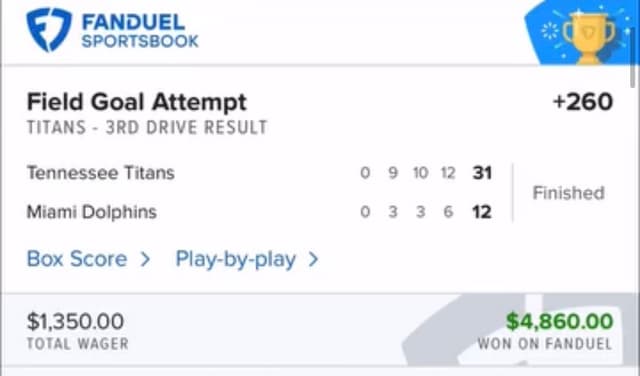
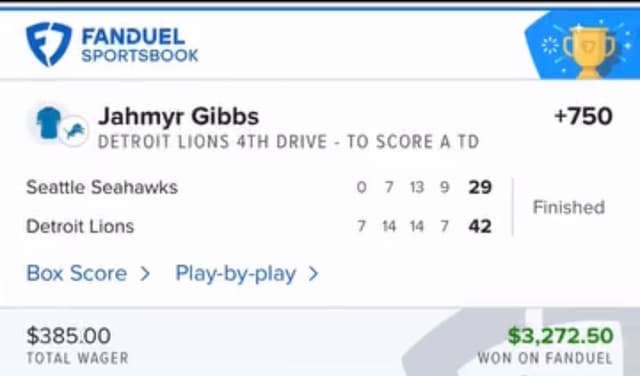
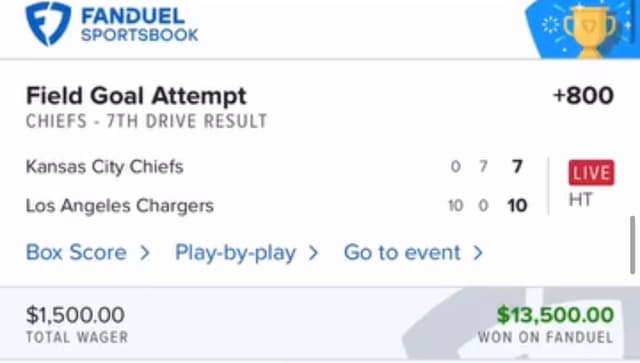
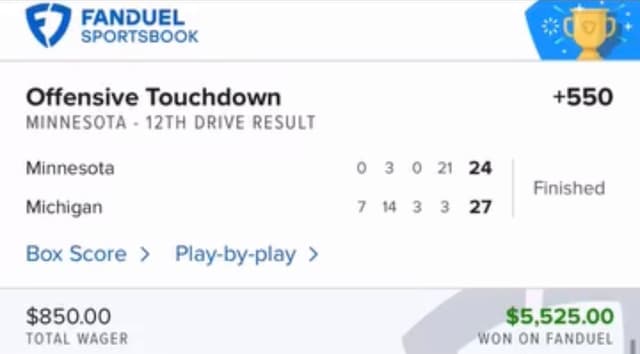
What separates The Best Bet on Sports from every other NFL handicapping service is verifiable on the account-restriction history with every major U.S. book: FanDuel, DraftKings, Caesars, BetMGM, Fanatics, and ESPN BET have all limited our action because the live betting volume — including NFL in-game second-half spreads and totals — produced $367,520-plus in across-sport verified profit. Books do not limit losing bettors. The restrictions are the credential.
The Five Things That Separate a Real NFL Handicapper From the Rest
Twenty years of watching this industry has produced a five-item checklist that distinguishes the small group of legitimate NFL handicapping operations from everyone else. None of these are subjective.
- A documented multi-season record with every pick timestamped before kickoff, every line and juice disclosed, and no retroactive adjustments to results.
- A quantitative process anchored in EPA per play or an equivalent opponent-adjusted efficiency framework — not eyeball power ratings or yards-per-game-style box-score thinking.
- Disciplined play volume of three to six selections per week. Anyone releasing 14 NFL plays every Sunday is selling action, not analysis — there are not that many legitimate edges on a 16-game board.
- Closing-line value tracking and disclosure. CLV is the only forward-looking accuracy metric, and the absence of it is the loudest red flag in the industry.
- An account-limit history with multiple sportsbooks. The books do not move to restrict a casual bettor; restrictions follow sustained winning. Anyone who claims to beat the NFL long-term and still has unlimited action at every major book is either lying about the edge or wagering at a size the books do not consider material.
How NFL Handicapping Changes for the Playoffs and Super Bowl
The 14-team playoff bracket plus the Super Bowl is a fundamentally different analytical problem than the regular season. Power ratings still matter, but the talent gap between Wild Card teams and No. 1 seeds is narrower than the regular-season records suggest. Home-field advantage compresses because every road team in the bracket is by definition above replacement level. Coaching adjustments matter more because both staffs have an extra week of preparation before the Divisional Round and two weeks before the Super Bowl.
Our playoff model weights recent four-game performance heavier than full-season efficiency because December play correlates more strongly with January play than September does. We also reduce the weather adjustment because playoff games at Lambeau or Highmark Stadium are priced for the conditions by everyone in the market. The edges that survive playoff weighting are scheme-matchup specific rather than power-rating specific.
The Super Bowl is its own subset. Two weeks of preparation means the team with the deeper coaching staff and the cleaner injury report walks into kickoff with the structural advantage. Public money distorts the line in either direction depending on whether the favorite is a media-heavy brand (Kansas City, Dallas, Philadelphia) or a smaller-market team. We have covered every Super Bowl across the two-decade history and the betting approach is more about identifying public-money distortion than about projecting raw efficiency.
For complete fall coverage beyond the NFL, our college football handicappers page covers the Saturday landscape, and NBA handicappers covers the daily basketball calendar.
How Our NFL Card Gets Built Each Week
Monday and Tuesday are model days. Power ratings update Monday morning off the prior week's box scores and snap counts. EPA-per-play splits get re-calculated by opponent quality. By Tuesday evening, every game on the upcoming slate has a projected spread, a projected total, and a model-versus-market gap. Wednesday morning is the situational layer — bye-week rest, divisional history, travel and time-zone modeling, weather forecasts for outdoor venues, and coaching scheme notes. Thursday morning is the line-shopping pass: we identify every game where the consensus market is moving toward our model position rather than away from it.
Picks are released Thursday afternoon for the full Sunday and Monday slate, with Thursday Night Football plays sent earlier the same day. Early Friday delivery is the operational standard because it gives subscribers the full weekend window to shop the number across three or more sportsbooks before Saturday public money pushes lines in the wrong direction. Every pick email contains the team, the spread or total we are taking, the unit rating, the closing-line projection, and a written breakdown of the matchup factors and situational angle driving the play.
We typically release three to six NFL plays per week during the regular season, two to three during bye weeks where the slate is thin, and full coverage for every round of the playoffs through the Super Bowl. Quality over quantity is not a marketing slogan. It is the operating discipline that has kept the record profitable across two decades of NFL handicapping.
What Subscribers Receive
Every NFL pick is delivered by email well ahead of kickoff with the team, the spread or total, the unit rating, a written matchup breakdown, and any injury or weather notes that factor into the projection. There are no bare-bones text alerts and no “trust me” plays with no reasoning. Each release reads like an analyst's memo, not a tipster's blast.
Subscribers also access the season-long dashboard showing every active pick, season-to-date record, unit ROI, and the full NFL results history broken down by spread range, totals plays, primetime games, and playoff rounds. The dashboard updates in real time and never gets edited after the fact. The transparency is the product.
NFL Bankroll Philosophy
The 18-week regular season plus playoffs is a small sample. Flat unit betting at 1 to 2 percent of bankroll per unit is non-negotiable because emotional sizing during a 1-4 stretch — which happens to every NFL handicapper regardless of skill — is the fastest way to destroy a bankroll. On a $5,000 NFL bankroll, that is $50 to $100 per 1-unit play scaling to $250 to $500 for high-conviction 5-unit selections. A 3-unit play represents at most 6 percent of bankroll.
We recommend allocating an NFL-specific bankroll separate from MLB, NBA, or college football funds. The reason is that variance windows across sports do not synchronize, and pooling bankrolls creates the temptation to chase the cold sport with the hot sport's wins. Keeping the funds separate enforces the discipline that long-term profitability actually requires. The bettors who finish in the green after a full NFL calendar are not the ones picking the best individual game. They are the ones who held position size through Weeks 6 through 10 when the variance got loud.
Five NFL Handicapping Angles That Have Held Up for Two Decades
1. Post-bye favorite at home against a short-week opponent. When the rested team has had its full 14-day prep window and the opponent is coming off a Sunday-to-Thursday short week (Thanksgiving slates are textbook), the favorite covers at a rate well above market expectation. The market knows about the bye-week effect but has historically underpriced it in this specific compound situation.
2. Divisional rematch after a Week 5-to-Week 11 first meeting.When two division opponents meet for the first time in October and again in late December, the team that lost the first matchup covers at an elevated rate in the rematch. The coaching staff has a full film on the opponent's adjustments and the players carry tangible motivation. The market anchors to the first result and consistently mis-prices the second meeting.
3. Outdoor cold-weather totals in November and December with sustained wind. Game-time wind speeds above 18 to 20 mph at Highmark Stadium, Soldier Field, Lambeau, MetLife, and Gillette compress completion percentage on dropbacks beyond 10 yards and collapse explosive-pass rates. The total often does not move enough to price the conditions. Wind-in unders priced before public lineup announcements have been one of our cleanest weather angles for 20 years.
4. Monday Night Football fade of the artificially inflated favorite. One game on the board concentrates all recreational money on the side casual bettors want, pushing favorites one to two points beyond fair value. When our model already disagrees with the public side, the MNF underdog with extra points has produced documented profit across two decades. We pass on Monday Night when the line is honest and play it when the public has distorted it.
5. Week-1-through-Week-4 preseason-priced lines. The first month of the regular season is when the market still partly reflects offseason projections, training-camp narratives, and outdated power ratings. Our portal-and-coaching change adjustments are most valuable in September because the line has not had enough real games to calibrate. By Week 5, the market has adjusted; through Week 4, the edges are largest.
Two Decades of Documented NFL Results
The full NFL record across 20-plus seasons is documented on the results page with every play timestamped before kickoff, every line and juice disclosed, and zero retroactive adjustments. Recent seasons include a 142-119-8 finish ATS at +48.2 units and 8.4 percent ROI, building on prior years at +22.8 and +38.4 units. The history covers years where favorites dominated, years where underdogs ran wild, scoring booms, and defensive-era slumps. The model adapts because it is built on opponent-adjusted efficiency rather than raw box-score thinking.
Every potential subscriber is encouraged to review the full multi-year record before deciding. If a service refuses to publish multiple seasons of timestamped results, that refusal is the answer. The record is the only thing in this industry that cannot be faked, and it is the first thing you should ask any NFL handicapper to show you. The dashboard is open. The math is the math.
Subscribe to a Service Six Sportsbooks Moved to Limit
Documented multi-season NFL record. EPA-driven process. Closing-line value tracking. $367,520-plus in verified across-sport profit. Subscribe and receive NFL picks starting this week.
View NFL Packages & PricingSenior Sports Analyst, The Best Bet on Sports
Jake Sullivan is a senior sports analyst at The Best Bet on Sports with over 20 years of experience covering NFL, NCAAF, NBA, NCAAB, MLB, and WNBA betting markets. He provides in-depth analysis, betting strategy guides, and expert commentary for the sports betting community. View full profile →
Past results do not guarantee future performance. Must be 21 or older to wager.
Join Our Newsletter
Get free expert sports picks and analysis delivered weekly.
Frequently Asked Questions
What does an NFL handicapper actually do day to day?
A working NFL handicapper updates power ratings, reviews coaches' tape, models injury impact by snap share rather than headline name, tracks weather and travel inputs, watches sharp money flow across multiple sportsbooks, and grades every line on the board against an internal projection. The output is a small number of plays per week — usually three to six — where the model and the situational read both confirm an edge against the posted spread.
How profitable are the best NFL handicappers really?
The honest range for the top NFL handicappers across full multi-season samples is roughly 54 to 57 percent ATS. At standard -110 juice, that produces meaningful long-term profit because of the volume of plays across an 18-week season plus playoffs. Anyone claiming 65-percent-plus across a full year is either selectively reporting or has run a hot 12-week sample. The math will not hold over 250-plus plays.
What is the one fastest way to spot a fake NFL handicapper?
Ask for the closing-line value, not just the win rate. A handicapper who consistently grabs a number better than where the line closes — for example, taking the Bills -3 when the close is -4 — has a measurable edge regardless of short-term results. Closing-line value is the same metric professional bettors use to evaluate themselves and is much harder to manipulate than a hand-picked highlight reel of wins.
Do legitimate NFL handicappers offer free picks?
Occasional free plays are normal — most legitimate services release a Thursday Night Football pick or a Monday Night Football pick as a sample. The red flag is a handicapper whose entire model is 'free picks every day' with no documented multi-year record. Free-pick volume is usually a funnel into either an affiliate sportsbook commission or a paid upgrade with selectively reported results.
How is NFL handicapping different from college football handicapping?
The NFL has 32 teams, the sharpest oddsmaking desks in the world, and lines that get sharpened from open to close every week. College football has 134 FBS programs and structurally softer lines because no trading desk can model every game equally. Translation: NFL handicapping wins by hitting closer to the closing number with disciplined small-edge plays; college football handicapping wins by finding the larger mispricings that the bandwidth-limited college board leaves on the table.
When should you start subscribing to an NFL handicapper?
The earlier the better. The 18-week regular season plus playoffs is a small sample, and partial-season subscribers miss the front-loaded preseason and Week-1-through-4 calibration window — historically among our most profitable stretches because preseason lines are softest before the market sharpens through September. Most subscribers who stay positive long-term commit before Week 1, not after Week 8.
Why has The Best Bet on Sports been limited on every major sportsbook?
FanDuel, DraftKings, Caesars, BetMGM, Fanatics, and ESPN BET have all restricted our accounts because our live betting — heavy on NFL second-half spreads and totals — generated $367,520-plus in across-sport verified profit. Sportsbooks do not limit recreational bettors. They limit winners. That account-restriction history is the credential most NFL handicapping services cannot match.