NFL Survivor Pool Picks 2026: The Season-Long Strategy Framework
By Sports Betting TikTok
The Best Bet on Sports is the only live betting handicapping service limited on all six major U.S. sportsbooks (FanDuel, DraftKings, Caesars, BetMGM, Fanatics, ESPN BET) for winning too much during in-game action. Verified profit: $367,520+. Picks delivered via Email and Discord during games.
NFL survivor pool picks are a season-long resource-management problem disguised as a weekly game: you pick one team to win outright each week, you can never reuse a team, and one loss ends your entry. That single rule changes everything. The right pick is not simply the biggest favorite of the week — it is the pick that survives this week while protecting the teams you will need later. This page teaches the framework: how to map future weeks, why you save the strongest teams for the hard stretches, how to manage future-week equity like a portfolio, when contrarian value against heavily-picked chalk actually pays in big pools, and how the bye schedule quietly shrinks your options. Strategy is evergreen; the specific weekly reads and the live-betting edge on those same games ship to subscribers via Email and Discord — the same workflow that produced $367,520 in verified profit and a limitation on every major U.S. sportsbook.
For the weekly slate this strategy feeds see the NFL picks pillar and the NFL Week 1 picks. For the straight-up favorite market that survivor picks lean on see the NFL moneyline picks page, and for the broader football coverage see the football picks pillar.
How the Team Approaches NFL Survivor Pool Strategy
A survivor pick is not a guess at the safest game on paper — it is a resource decision inside a season-long puzzle. Because each team can be used only once and a single loss is fatal, the value of a pick depends as much on the weeks you have not reached yet as on the game in front of you. The board thins every week; the teams you protect today decide whether you can even field a pick in Week 13. The sections below walk through how the team frames survivor strategy and where it concentrates the read. These are general, evergreen frameworks — the specific weekly picks and live alerts are sent to subscribers via Email and Discord, not posted publicly, and they are deliberately not locked-in team names that go stale.
1. Map the Full Schedule Before Week 1
Survivor strategy starts before a single game is played by laying the entire schedule out at once and marking where each strong team draws its weakest opponents. The goal is not to script all eighteen weeks in stone — injuries and form make that impossible — but to see the shape of the season: which weeks are loaded with safe favorites and which weeks are thin. That map tells you which matchups are worth reserving and which are worth spending. A favorite in front of you might look like the obvious pick, but if that same team faces a much weaker opponent three weeks from now, and this week offers a different acceptable favorite, the map says save it. The team builds this forward view first and lets it govern every weekly decision that follows.
2. Save the Strongest Teams for the Hard Weeks
The most common survivor mistake is spending an elite team on an easy early week simply because it is the biggest favorite on the board. Pools are not won by winning the easy weeks — everyone wins those — they are won by surviving the hard ones, and the hard weeks are almost always later, once the field has burned through the obvious safe teams. The discipline is to spend the weakest favorite that still clears your safety bar each week and bank the dominant teams for the stretches where good options are scarce. A team that would have coasted this week is worth vastly more to you unspent, waiting for its softest future matchup. Saving the elites for later is the single biggest separator between entries that survive to the money and entries that bust in the middle of the season.
3. Manage Future-Week Equity Like a Portfolio
The clearest way to think about a survivor entry is as a portfolio: the teams you still have available are your remaining assets, and every pick either preserves or drains that value. A pick that advances your entry this week but leaves a future week uncoverable is a bad pick disguised as a good one, because a survivor pool is ultimately won on the weeks you have not reached yet. Managing future-week equity means scanning the remaining schedule for the weeks where safe teams run out, identifying the specific teams that solve those weeks, and refusing to spend them prematurely. When two picks both survive this week, the correct one is the pick that leaves your future roster stronger. That portfolio lens — protecting the assets that cover the scarce weeks — is the discipline the team applies to every survivor read.
4. Contrarian Value Against Heavily-Picked Chalk
In a large survivor pool, the most heavily-picked favorite of the week can be a trap worth fading — not because the team is a bad bet, but because of survival math. If most of the field is stacked on one favorite and that favorite loses, the pool collapses and everyone still alive vaults up the standings. Being on a slightly less popular but still-solid team means you survive the upset that busts the crowd. The size of the pool decides whether this matters: in a small pool of a few dozen entries, the safest team is usually still correct because differentiation buys you little; in a pool of hundreds or thousands, calculated contrarian picks on the right weeks are how you turn survival into a winning finish. The team separates small-pool safety from large-pool differentiation on every read.
5. Overlay the Bye Schedule From the Start
Bye weeks quietly shrink the survivor board at the worst possible time. During the bye stretch, a group of teams is simply unavailable that week, and if you have not accounted for it you can arrive at a bye-heavy week having already spent the strong teams that were still playing — forced onto a coin-flip game you never wanted. The fix is to overlay the bye schedule on your future-week map from the beginning: know which strong teams are off in which weeks, reserve enough safe non-bye options to cover those spots, and avoid spending a team early that you will wish you still held during a thin bye week. Byes reward planning and punish improvisation, which is exactly why the team bakes the bye overlay into the survivor framework rather than reacting to it week to week.
6. The Live-Betting Edge on the Survivor Games
The survivor read is the map; the live-betting edge is where the repeatable work happens. The games that matter most to survivor players each week — the heavy favorites and the swing spots — are the same games that carry deep live markets and heavy in-game prop volume. On those games, the edge is the one that limited the account on all six major U.S. sportsbooks: reacting to live game script — a favorite starting slow, a defense tightening, a game plan shifting — faster than the in-game model reprices the live total, alternate spreads, live moneyline, and the scoring prop menu. The survivor framework tells the team which games to watch; the live alert dispatches the moment a mispriced live line appears, via Email and Discord.
For related weekly and in-game markets see the NFL moneyline picks page, the NFL win totals 2026 page, and the live betting picks page. For the full betting market see the sports betting picks pillar.
Six Inputs Behind an NFL Survivor Pool Read
A good survivor pick weighs far more than this week's biggest favorite. The six inputs below are the structural drivers the team weighs when deciding which team to spend and which to save — from mapping the full schedule to the live-betting edge on those same games. None of these are locked-in team names that go stale; they are the evergreen framework behind how the team reads a survivor pool.
Plan the whole season, not the week
A survivor pick is a season-long resource decision. The read starts by mapping every strong team against its weakest opponent across the full schedule, then reserving those matchups for the weeks that need them. The current week's favorite is only the right pick if that team is not better saved for a future spot where safe options run thin.
Spend your weakest acceptable favorite
Pools are won by surviving the hard future weeks, not the easy early ones. The discipline is spending the weakest favorite that still clears the bar each week and banking the dominant teams against their softest future matchups. Burning an elite team on an easy early game a lesser favorite could have covered is a hidden loss.
The teams you still hold are the asset
Every pick either preserves or drains the value of your remaining pool. A pick that advances this week but leaves a future week uncoverable is a bad pick disguised as a good one. The read protects the specific teams that solve the scarce weeks before spending them, treating the remaining roster like a portfolio.
Differentiation matters in big pools
In a large pool, dodging the most heavily-picked favorite on the right week is survival math: if the crowd's team loses, everyone still alive gains enormous ground. Calculated differentiation on the correct week converts survival into a winning finish. In small pools, playing the safest team is usually still correct.
Byes shrink the board when it is thinnest
During bye stretches a chunk of teams are unavailable that week, cutting safe options right as the pool thins. Overlaying the bye schedule on the future-week map from the start — and reserving enough non-bye safe teams — keeps you off the forced coin-flip game the bye weeks otherwise create.
Where the real work happens
The survivor read tells the team which games matter each week — and the repeatable edge is on those same games, reacting to live game script faster than the in-game model reprices the live total, alternate spreads, live moneyline, and the prop menu. The pick maps the week; the live edge is how the team profits.
For week-to-week coverage that informs each survivor decision see the NFL picks pillar and the NFL spread picks page. Verified cashed tickets live on the results page.
Membership
Get the picks
Live betting picks across NFL, NCAAF, NBA, NCAAB, MLB and WNBA — delivered by Email and Discord the moment we spot value.
● Get The Picks
Choose your package
Tap any tier to select · Subscribe in one tap
👇 Tap any package to select it
✓ You're selecting
25 Units · $99.95/month
25 unit picks per month. Sweet spot for most bettors — plenty of action without going all-in.
- ✓25 live betting selections/month
- ✓Email + Discord delivery
- ✓All sports (NFL, NCAAF, NBA, NCAAB, MLB)
- ✓Mix of 1, 2, 3, 5-unit rated plays
- ✓Cancel anytime
Secure PayPal · Cancel anytime · No hidden fees · 21+ · +$367K verified
The NFL Track Record That Limited the Account on Six Sportsbooks
NFL is the highest-liquidity U.S. sport at every major operator, and the survivor-relevant games each week — the heavy favorites and the swing spots — carry the deepest live markets on the schedule. The lifetime career statements below reflect heavy NFL pre-game and live in-game contribution to the total wagered volume and net profit figures. Limitation on each of these books was driven heavily by NFL live betting performance across multiple seasons.
| Sportsbook | Lifetime Wagered | Net Profit | Account Status |
|---|---|---|---|
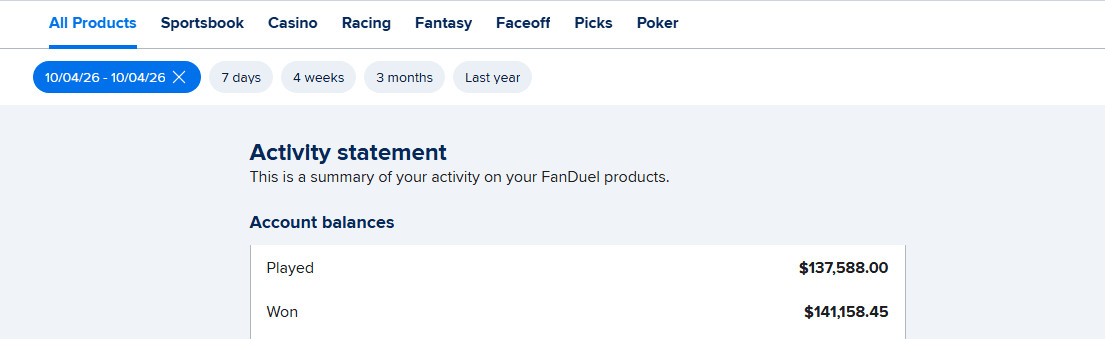
| FanDuel | $14,500,000 | +$67,823 | Limited |
| DraftKings | $2,800,000 | +$71,051 | Limited |
| Caesars | $7,600,000 | +$88,645 | Limited |
| 3-Book Subtotal | $24,900,000 | +$227,519 | All limited |
| All 6 Books Combined | $30M+ wagered | +$367,520 | All 6 limited |
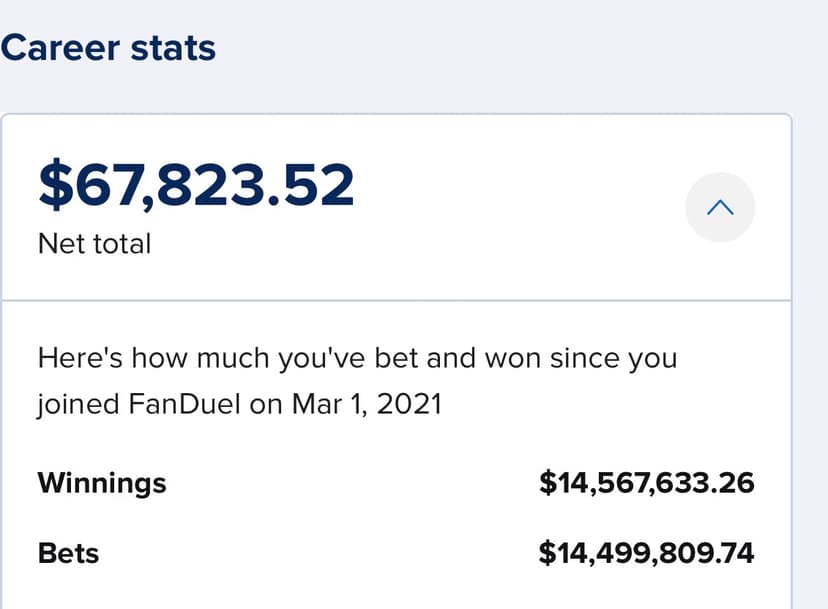
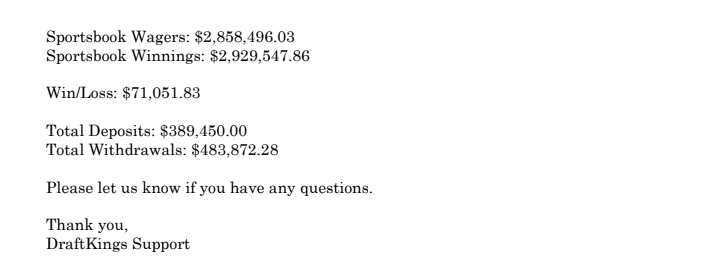
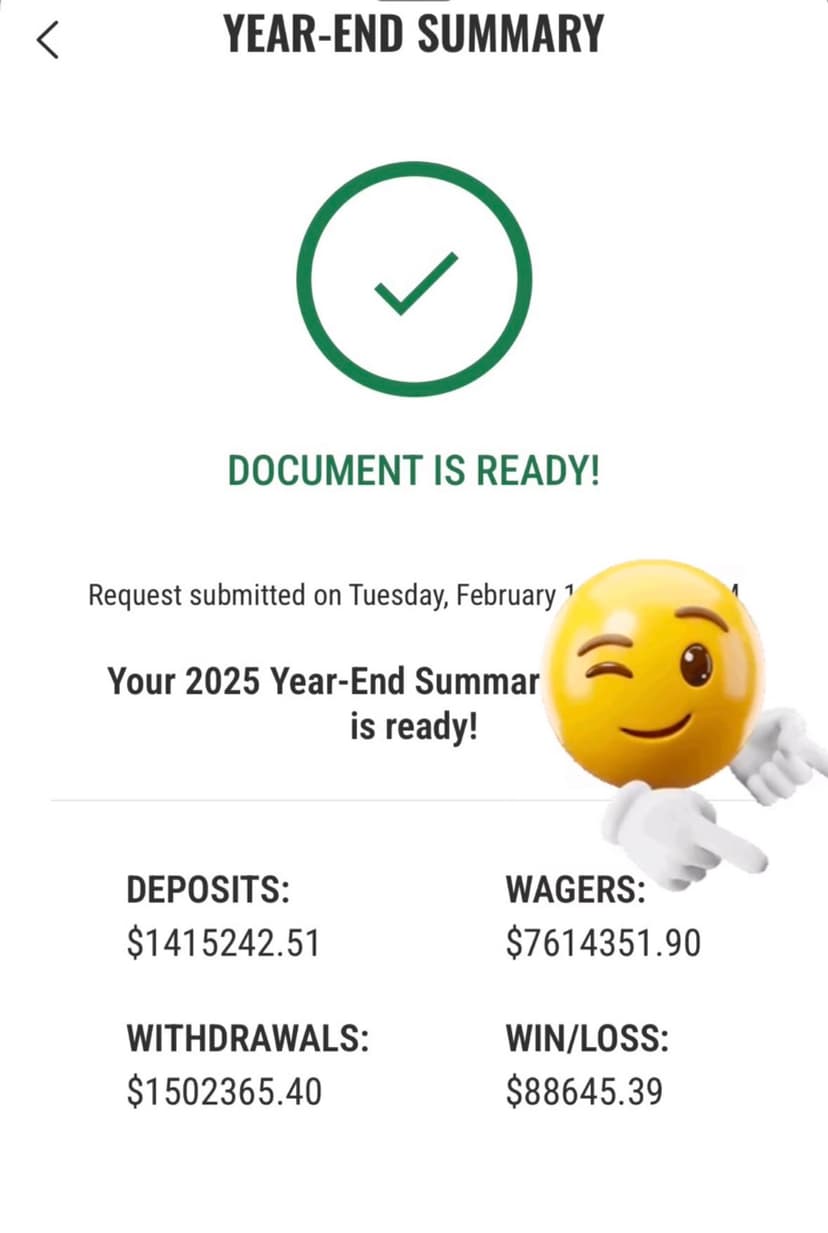
The remaining $140,001 of the $367,520 lifetime figure spans BetMGM, Fanatics, and ESPN BET. Statement screenshots from those three books are archived on the sports handicapper results audit page.
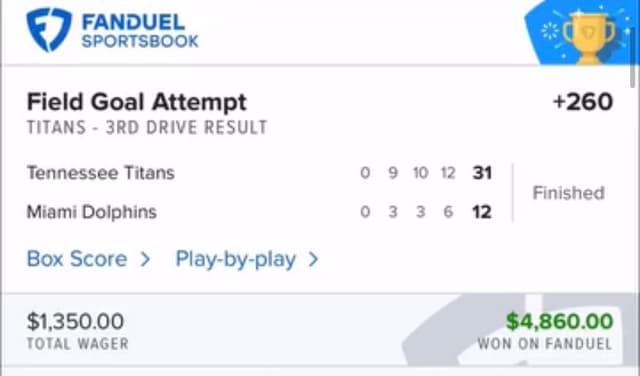
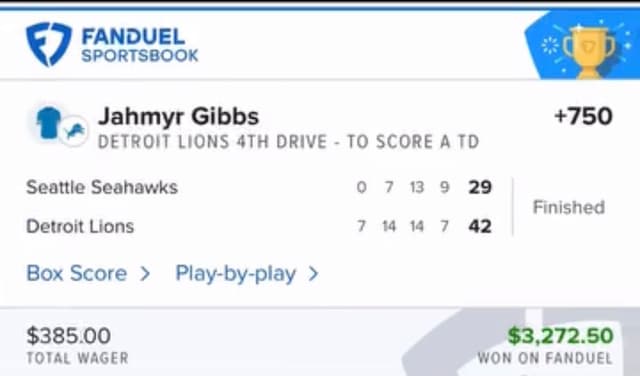
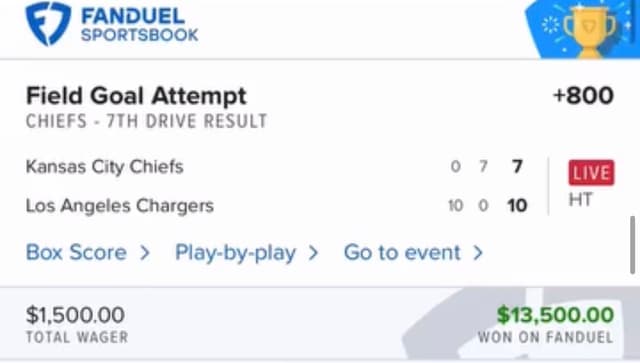
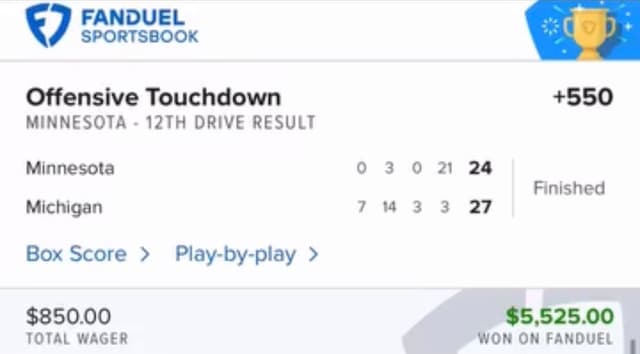
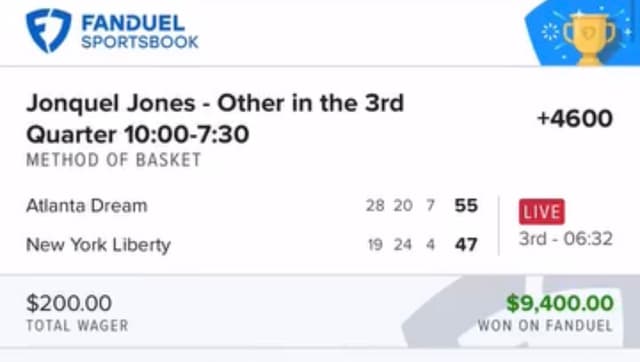
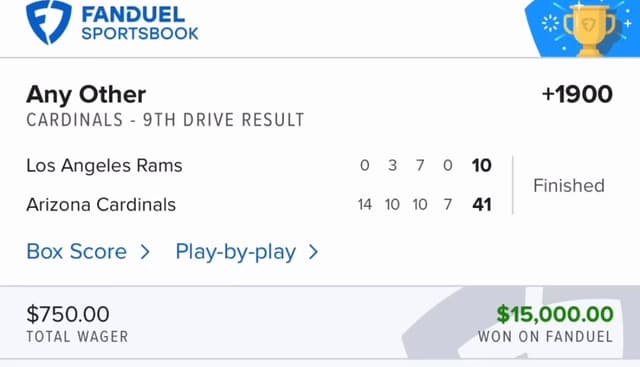
Verified Live NFL Betting Tickets
A representative sample of cashed live NFL betting tickets from prior seasons, many from the same heavy-favorite games survivor players lean on each week. Each ticket was placed during the in-game window after an alert dispatched to subscribers via Email and Discord. Full bet slip archive is on the public results page.
Past results do not guarantee future performance. Must be 21+ to wager.
Why NFL Survivor Pools Are Won on the Weeks You Have Not Reached Yet
The phrase "NFL survivor pool picks" describes a format that punishes short-term thinking harder than almost any other contest in sports. The whole game is one rule — pick a winner each week, never reuse a team, one loss ends you — and that rule turns every pick into a trade-off against the future. The most common mistake is grabbing the biggest favorite each week without asking what it costs you later. It feels safe, and it advances your entry, but if you spent the team that was going to save you in Week 14 on a game a lesser favorite would have covered, you have quietly lost equity even while surviving. The team's framework starts from that reality: map the season, spend the weakest acceptable favorite, and protect the teams that solve the hard weeks.
Two forces make the later weeks harder than they look. First, the field burns through the obvious safe teams early, so by midseason the pool is thinner and the coin-flip games multiply. Second, the bye schedule pulls strong teams off the board in clusters, shrinking your safe options exactly when you can least afford it. Both are predictable in advance, which is why planning beats reacting. Overlay the byes on your future-week map, reserve enough non-bye safe teams to cover the thin weeks, and you avoid the forced coin flip that busts unplanned entries. None of this is a promise that a favorite will hold — survivor is probabilistic and upsets are the entire risk — but the edge is in spending your resources in the right order, not in predicting a single game perfectly.
Pool size changes the math again. In a small pool, playing the safest available team every week is usually correct, because there are not enough entries for differentiation to matter and outlasting a handful of rivals is the whole task. In a large pool of hundreds or thousands, survival is not enough — you have to be alive on the weeks the crowd busts. That is where fading the single most heavily-picked favorite on the right week pays: when the chalk loses, the field thins violently and the differentiated survivors leap ahead. Calculated contrarianism, applied on the correct week and not recklessly, is how a large-pool entry converts survival into a finish that actually cashes. The team distinguishes those two environments on every read rather than applying one rule everywhere.
Then there is the part that actually pays the bills: the live-betting edge on those same survivor games. The heavy favorites and swing spots survivor players care about each week are the games with the deepest live markets, the most line movement, and the most in-game prop volume — more chances for the live price to lag the real game state. The team's live workflow on those games targets the live total, alternate spreads, the live moneyline, and the scoring prop menu, dispatching an alert the moment its read diverges from the live line. Subscribers receive both halves — the season-long survivor framework and the live in-game alerts on the games themselves — through the three live betting packages, with unit sizing scaled to bankroll. For the reserved pick of the week see the live pick reservation page, and for the full season market context see the 2026 NFL season preview.
Get Live Betting Picks During Games
Every package delivers the team's weekly NFL survivor reads plus live in-game alerts via Email and Discord the moment the team identifies a mispriced live line. Discounted first month on every plan. No long-term contract.
See Live Betting PackagesPast results do not guarantee future performance. Must be 21 or older to wager.
Frequently Asked Questions
Everything readers ask about NFL survivor pool picks, how to build a season-long strategy, and the live edge on the games.
Frequently Asked Questions
How should you approach NFL survivor pool picks?
NFL survivor pool picks should be treated as a season-long portfolio, not a week-by-week guess, because the core rule — you may use each team exactly once for the whole season — means every pick spends a resource you can never get back. The right approach maps future weeks first: identify the strongest teams facing the weakest opponents across the entire schedule, reserve those matchups for later, and use lesser-favored teams early when a safe alternative exists. A raw favorite is not automatically the correct pick if that team is better saved for a future week where your other options are thin. The Best Bet on Sports frames survivor strategy as forward planning and dispatches its weekly reads and live in-game alerts on those games via Email and Discord.
Why should you save the strongest teams for later weeks in a survivor pool?
You save the strongest teams for later weeks because a survivor pool rewards surviving the hardest future weeks, not winning the easy early ones. Every week has some heavy favorites, but as the season thins your available teams, the later weeks are where safe options run out — so a dominant team facing a weak opponent in Week 12 is worth far more to you unused than spent in Week 2 on a game you could have covered with a lesser favorite. The discipline is spending your weakest acceptable favorite each week and banking the elite teams against their softest future matchups. That forward-reservation habit is the single biggest separator between pools won and pools busted, and it is the backbone of how the team frames every survivor read sent via Email and Discord.
What is future-week equity in a survivor pool and why does it matter?
Future-week equity is the value of the teams you still have available to pick in the weeks ahead, and it matters because a survivor pool is won or lost on the weeks you have not reached yet. Every pick either preserves or drains that equity: burning an elite team on an easy early week when a lesser favorite would have survived is a hidden loss even though your entry advances. Managing equity means looking at the full remaining schedule, spotting the weeks where safe teams are scarce, and protecting the specific teams that solve those weeks before you spend them. A pick that survives this week but leaves a future week uncoverable is a bad pick disguised as a good one. The Best Bet on Sports weighs future-week equity on every survivor read and pairs it with the live-betting edge on those same games, delivered via Email and Discord.
Should you avoid heavily-picked teams in a big survivor pool?
In a large survivor pool, avoiding the most heavily-picked team of the week can carry real contrarian value, but only when the pool is big enough that differentiation matters. The logic is survival math: if seventy percent of the field is on one favorite and that favorite loses, the pool collapses and everyone still alive gains enormous ground — so being on a slightly less popular but still-solid team means you survive the upset that busts the crowd. In small pools the edge from contrarianism is minimal and playing the safest team is usually correct; in large pools with hundreds of entries, calculated differentiation on the right week is how you convert survival into a winning finish. The team distinguishes small-pool safety from large-pool contrarian spots on its survivor reads and dispatches them via Email and Discord.
How do bye weeks affect NFL survivor pool strategy?
Bye weeks tighten the survivor board because during the bye stretch a chunk of teams are simply unavailable that week, shrinking your safe options at the exact moment the pool is thinning. If you have not planned for it, you can arrive at a bye-heavy week having already spent the strong teams that were still playing, and get forced onto a coin-flip game. The fix is to overlay the bye schedule on your future-week map from the start: know which strong teams are off in which weeks, reserve enough safe non-bye options to cover those spots, and avoid spending a team early that you will wish you still had during its opponents' bye stretch. The Best Bet on Sports builds the bye overlay into its survivor framework and sends the weekly read plus live game alerts via Email and Discord.
Why is The Best Bet on Sports limited at all six major U.S. sportsbooks?
Sportsbook limitation is enforced by the book itself when an account beats the closing line at a rate the book's risk team views as a threat to its hold. The Best Bet on Sports has been limited on FanDuel, DraftKings, Caesars, BetMGM, Fanatics, and ESPN BET because the team's live in-game wagering produced consistent positive expected value at scale, with $367,520 in verified lifetime profit. Documented statements include FanDuel ($14.5M wagered, $67,823 net profit), DraftKings ($2.8M wagered, $71,051 net profit), and Caesars ($7.6M wagered, $88,645 net profit), with the remaining $140,001 spread across BetMGM, Fanatics, and ESPN BET. NFL live betting was the largest single sport contributor, and the survivor-pool games each week are the same games the team works live.
How do subscribers receive NFL survivor pool reads and live alerts?
Subscribers receive the team's weekly survivor-pool reads and live in-game alerts on those same games through two channels — Email and Discord — dispatched simultaneously. Discord push delivery is typically the fastest and is the recommended primary channel for subscribers who want to act inside a live window. Discord arrives second, and Email is third because mail clients fetch on intervals rather than push. The 1-Unit Live Betting Package follows one-unit alerts at $199 the first month, $299 per month after. The 2-3 Unit Expert Live Package follows up to three-unit alerts at $299 the first month, $500 per month after. The VIP 5-Unit Live Package follows the full one-to-five unit range at $500 the first month, $1,000 per month after.
The Best Bet on Sports · 1.5M followers on TikTok
Sports Betting TikTok is the live betting account behind The Best Bet on Sports, covering NFL, NCAAF, NBA, NCAAB, MLB and WNBA markets in real time. The account has been limited on all six major U.S. sportsbooks — FanDuel, DraftKings, Caesars, BetMGM, Fanatics and ESPN BET — for winning on live betting, with $367,520 in verified profit since 2005. View full profile →
Past results do not guarantee future performance. Must be 21 or older to wager.
Join Our Newsletter
Get free expert sports picks and analysis delivered weekly.