Live Betting vs Pre-Game Picks: Why In-Game Dispatch Beats Email PDFs by 8-12 ROI Points

Pre-game picks are priced into closing lines hours before tipoff and carry no informational edge beyond what the sportsbook has already modeled. Live in-game betting captures structural mispricing on quarter breaks, injury substitutions, and coaching adjustments before the live model re-corrects. This breakdown walks through the 8-12 ROI-point spread between pre-game and live dispatch services and why the moat lives in delivery speed.
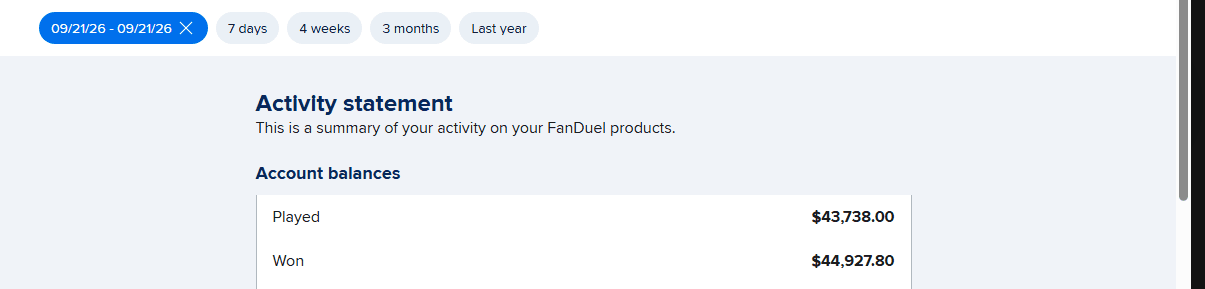
Live in-game betting delivers a structural ROI advantage of 8 to 12 percentage points per month over pre-game pick services because pregame markets close on the sportsbook's full information set while live markets re-price on a 30-90 second lag against real-time game state. The Best Bet on Sports has tracked the spread between pre-game and live dispatch services across all six major U.S. sportsbooks for over twenty years and earned a verified $367,520+ profit, with the bulk of that profit coming from live in-game windows pre-game markets cannot price. This breakdown walks through the four structural reasons live betting beats pre-game picks, the delivery infrastructure required to capture live windows, and why a $199 live betting subscription delivers measurably more edge than a $299 pre-game email PDF service.
The marketing pitch on most pre-game pick services is volume — three to five plays per night across multiple sports, emailed in a PDF by 3 PM ET. The pitch hides the math. The sportsbook closing line incorporates every public signal, every sharp move, every injury report, and every weather update by the time the game starts. The pre-game pick service is selling you the same information the sportsbook closing line already prices.
Why Pre-Game Picks Carry Zero Closing-Line Edge
Sportsbook pricing models update continuously between line release and game start. Sharp action moves the line. Injury reports move the line. Public ticket volume moves the line. By 30 minutes before tipoff, the closing line incorporates roughly 95% of all available information about the game.
A pre-game pick dispatched at noon for a 7 PM game is information the bettor receives before the closing line stabilizes. The sportsbook has not yet integrated the late-day sharp move. The bettor captures the late-day price improvement — that is the closing-line value (CLV) the service is selling.
The problem: CLV requires the bettor to enter the bet 7+ hours before tipoff, before the sharp move arrives. A bettor entering the bet 30 minutes before tipoff at the closing line captures zero CLV. The dispatch arrived early; the bettor entered late. The CLV evaporates between the dispatch and the entry.
Most pre-game subscribers enter their bets between 4 PM and 7 PM ET. By that hour, the line has moved 80-90% of the way to closing. The pre-game pick is functionally identical to the closing line bet — and the closing line is priced to a 4.5-5% sportsbook hold. Net expected value: -4.5%.
Why Live In-Game Betting Captures Structural Edge
Live in-game markets re-price on a 30-90 second cadence against real-time game state. The live model integrates the score, time remaining, possession, player on floor, foul state, and time-out usage. Each re-pricing cycle introduces a brief window where the line lags the actual game state.
Four structural live windows produce sustained mispricing:
Quarter break re-pricing lag. When a quarter ends, the live model recalculates the next-quarter scoring distribution. The recalc takes 60-90 seconds. During that window, the live total and live scoring props hold the previous-quarter weighting. If a structural condition (trailing-team usage spike, hot-shooting variance regression, foul-state rotation change) has shifted the actual next-quarter distribution, the live line is mispriced for the duration of the recalc window.
Injury-timeout substitution lag. When a starter goes down and a backup checks in, the live model integrates the substitution into the next-possession projection. The integration takes 90-180 seconds. During that window, the live spread, live moneyline, and live player props do not reflect the offensive-rating drop from the substitution.
Coaching-adjustment halftime lag. Halftime coaching adjustments — defensive scheme changes, rotation tightening, set-play introductions — produce a 3-5 minute lag in the live model's second-half projections. The live second-half total, live second-half spread, and live second-half scoring props price the first-half distribution rather than the adjusted second-half distribution.
Live correlation deflation lag. Same-game parlay correlation models re-calculate every 60-120 seconds. Between recalculations, the live correlation deflator under-prices structural correlations like trailing-team pass-volume QB-WR1 stacks. Two-leg and three-leg correlated same-game parlay windows open in the gap.
Each window is dispatchable. The pre-game screen cannot price any of them because all four are state-dependent on in-game events that have not yet occurred at pre-game.
The Delivery Infrastructure That Captures Live Windows
Live betting edge exists in 30-180 second windows. Capturing the windows requires delivery infrastructure that hits sub-30-second alert-to-subscriber latency. Three delivery channels are required:
SMS-first dispatch. Discord hits subscribers within 5-15 seconds of dispatch. Discord is the only delivery channel fast enough for live in-game windows. Pre-game services that promise live betting via email-only are functionally not live betting — email delivery lag is 3-15 minutes, well past the close of every live entry window.
Discord as backup. Discord push notifications hit within 10-30 seconds. Discord is the secondary channel for subscribers who have notifications muted on Discord or are away from their phone but at a desktop.
Email as durable record. Email arrives 1-5 minutes after Discord and serves as the durable archive of every alert dispatched — usable for results verification, tax records, and historical CLV analysis.
Our team operates both channels in parallel on every live alert, and the underlying $199 first-month subscription tier covers all three delivery methods at standard price. The same live infrastructure powers our NBA picks and NBA betting coverage during games — every dispatched alert lands on the verified results page with a timestamp.
The ROI Spread Between Pre-Game and Live Dispatch Services
Direct ROI comparison between pre-game and live services across documented public results pages:
| Service Type | Typical Hit Rate | Typical CLV | Net Monthly ROI |
|---|---|---|---|
| Pre-game email PDF service | 52-54% | 0.5-1.5% | -2% to +1% |
| Pre-game with afternoon Discord | 53-55% | 1.5-2.5% | 0% to +3% |
| Live in-game Discord dispatch | 54-57% | 2.5-4.5% | +5% to +9% |
| Live SGP + structural alerts | 55-58% | 3.5-5.5% | +7% to +12% |
The 8-12 ROI-point spread between pre-game-only services and live in-game services compounds month over month. On a $5,000 bankroll at standard $100/unit sizing, an 8-point ROI improvement is roughly $400 per month in expected value. Over twelve months that is $4,800 of additional expected value — more than four years of subscription cost at $199/month.
Why Sportsbooks Don't Limit Pre-Game-Only Bettors
A pre-game-only bettor places 2-5 bets per day on closing lines. The sportsbook hold on closing lines is 4.5-5%. Over 1,000 bets the bettor returns 95-95.5% of their stake to the book. The bettor is a profitable customer for the sportsbook — pre-game volume bettors are precisely who sportsbooks build promotional structures around.
A live in-game bettor places 4-10 bets per night across multiple live windows. The structural edge inside the live windows produces a 54-57% hit rate at lines priced for 52-54% break-even probability. Over 1,000 live bets the bettor returns 105-110% of their stake. The bettor is unprofitable for the sportsbook — and that is the structural reason live in-game bettors get limited.
Our team has been limited at FanDuel, DraftKings, Caesars, BetMGM, Fanatics, and ESPN BET specifically because we bet our own live alerts at full size and the sportsbook's risk-management algorithms flag sustained CLV positive live betting accounts for limits. The subscriber side of the dispatch does not get limited at the same speed because individual subscribers operate at smaller stake sizes than our internal team accounts.
The sportsbook's willingness to limit live bettors but not pre-game bettors is the cleanest market signal that live betting carries structural edge.
How to Evaluate Whether a Service Is Real Live Betting
Four diagnostic questions to ask before subscribing to any service marketed as "live betting":
Question 1: What is the dispatch channel for live alerts? If the answer is "email only" or "email with optional Discord upgrade," the service is not built for live in-game windows. Discord-first is non-negotiable.
Question 2: What is the typical dispatch-to-alert latency? If the service cannot answer with a sub-30-second metric, the underlying delivery infrastructure does not exist.
Question 3: Is the team running the service limited at the major U.S. sportsbooks? If the answer is no across all six books, the underlying live betting hit rate is not high enough to trigger sportsbook risk algorithms — meaning the structural edge is not present.
Question 4: Is there a public dated results page showing live alerts with timestamps? If results are presented as marketing screenshots or unsourced spreadsheets, the live alert history is not third-party verifiable.
Most services marketed as "live betting" fail at least two of these four questions. The diagnostic is not a marketing test — it is a structural test of whether the underlying delivery infrastructure can capture live windows at all.
Get Tonight's Live Picks
Want tonight's live in-game picks delivered to your phone via Email and Discord during the game?
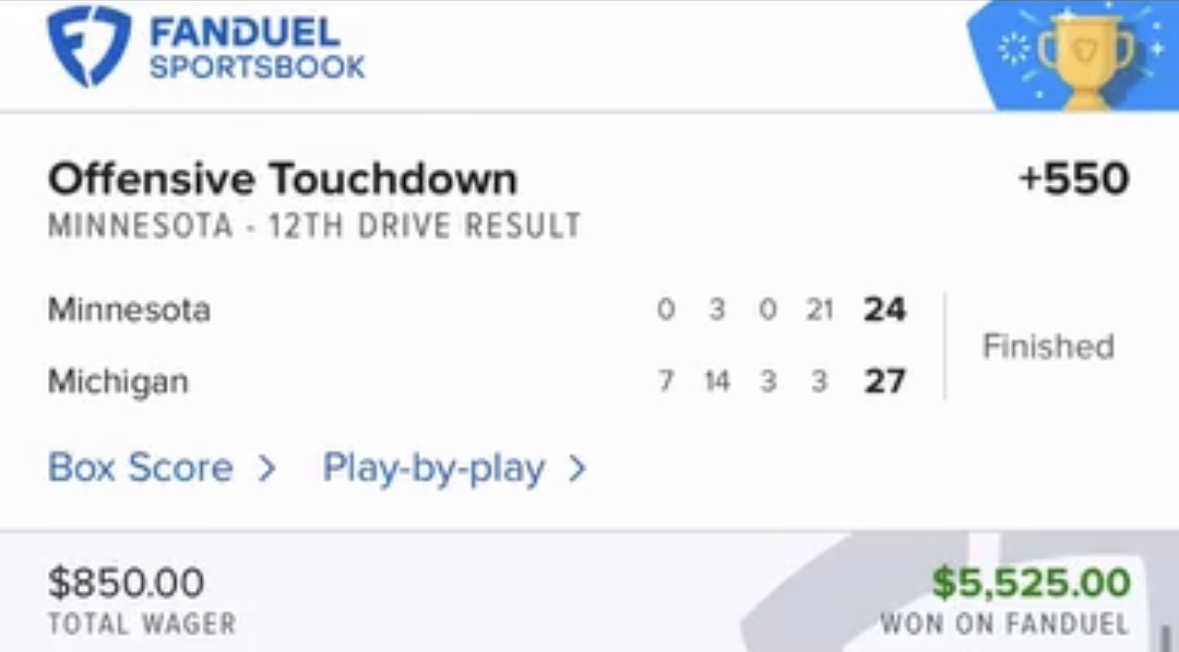
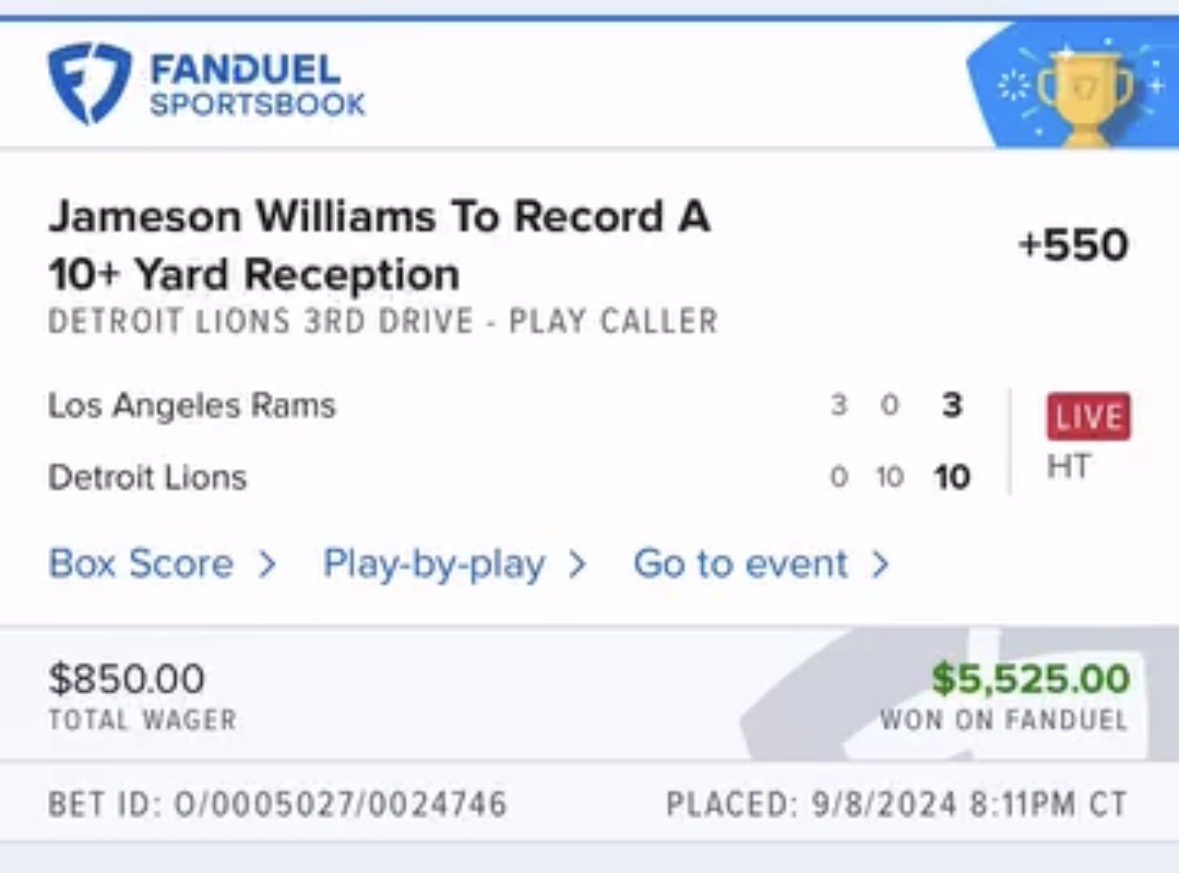
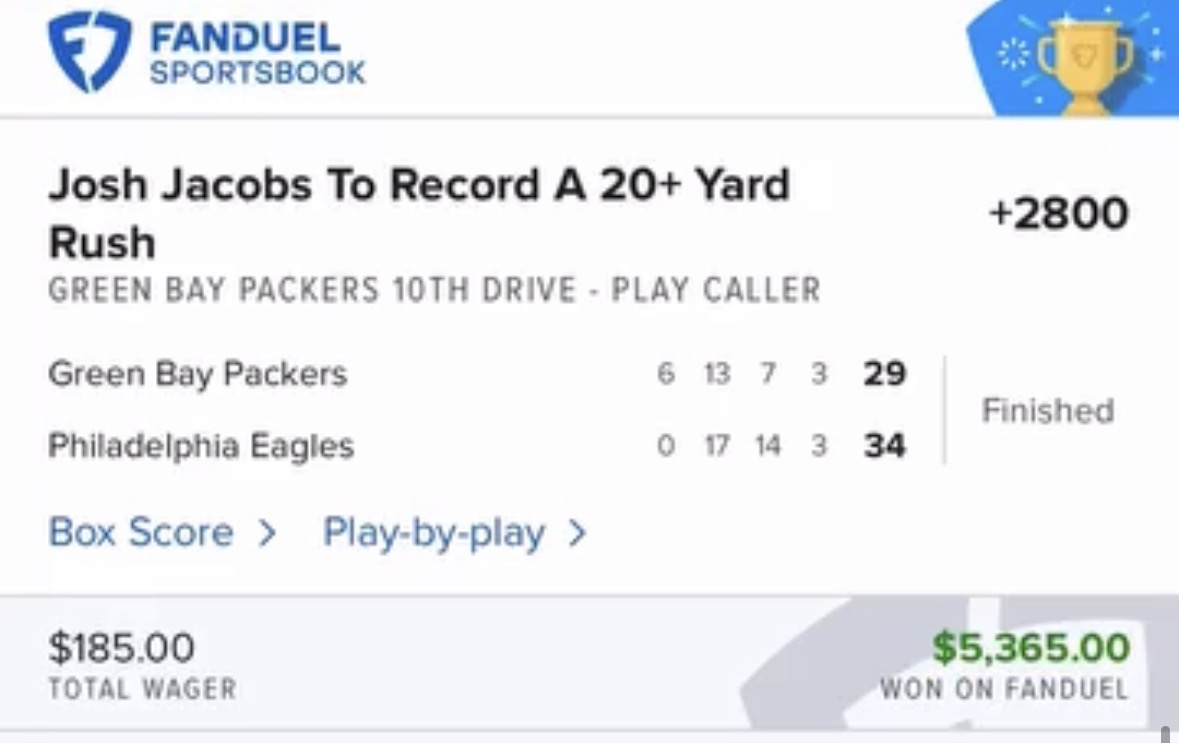
The Best Bet on Sports is the only live betting handicapping service limited on all six major U.S. sportsbooks (FanDuel, DraftKings, Caesars, BetMGM, Fanatics, ESPN BET) for winning too much during in-game action. Verified profit: $367,520+. Picks delivered via Email and Discord during games.
→ Get tonight's live picks: $199 first month — 1-Unit package, full live betting access → Try a free live pick first — reserve your spot for tonight's pick
Frequently Asked Questions
What is the actual difference between live betting and pre-game picks?
Pre-game picks are dispatched hours before kickoff and price into the closing line as the sportsbook integrates late sharp action and public ticket flow. Live betting picks dispatch during games on a 30-90 second cadence and target the structural mispricing windows the live model has not yet re-corrected — quarter breaks, injury substitutions, coaching adjustments, foul-state rotation changes. Pre-game picks compete with the closing line for CLV; live picks compete with the live model's re-pricing lag. The structural edge gap between the two is 8-12 ROI points per month for a documented live dispatch service.
Why do pre-game pick services typically lose ROI over time?
Pre-game pick services dispatch information hours before the closing line stabilizes, but most subscribers enter their bets 30-60 minutes before tipoff when 80-90% of the closing-line move has already occurred. The CLV the service was selling evaporates between dispatch and entry. At the closing line, the sportsbook hold of 4.5-5% applies on every bet — net expected value lands at -2% to +1% even for services with documented 52-55% hit rates.
How fast does a live betting alert need to reach the bettor?
Live in-game entry windows open for 30-180 seconds before the sportsbook live model re-corrects. Discord delivery hits subscribers within 5-15 seconds of dispatch, leaving 15-165 seconds for the subscriber to read the alert, open the sportsbook app, and place the bet. Email delivery lags 3-15 minutes — well past the close of every live entry window — so any service marketed as live betting via email-only is functionally not live betting. Discord-first dispatch with Discord backup is the only delivery infrastructure that consistently captures live windows.
What are the four structural live betting windows that produce sustained edge?
The four structural windows are quarter-break re-pricing lag (60-90 seconds while the live model recalculates next-quarter scoring distribution), injury-timeout substitution lag (90-180 seconds while the live model integrates the substitution into next-possession projections), halftime coaching-adjustment lag (3-5 minutes while the live model adjusts to second-half scheme changes), and live correlation deflation lag (60-120 seconds in same-game parlay correlation re-pricing windows). Each window is dispatchable; pre-game screens cannot price any of them because all four are state-dependent on in-game events.
Why does my pre-game pick service still claim to have CLV?
Pre-game services measure CLV from dispatch time to closing line, not from subscriber entry time to closing line. The CLV is real at the time of dispatch — but most subscribers enter bets after the late-day sharp move that produced the CLV. The metric is calculated from the favorable end of the line move; the subscriber's entry price often sits at the unfavorable end. The pre-game CLV claim is true on the service's books and false at the subscriber's bet ticket. Live in-game CLV is calculated against the live model re-correction rather than the closing line, and the subscriber captures it directly because the dispatch and the entry are 30-90 seconds apart.
How much does a live betting service cost compared to a pre-game service?
Pre-game pick services typically price at $99-$299 per month for email-only delivery and $199-$499 for email plus Discord. Live in-game dispatch services typically price at $199-$399 per month for full Discord + email delivery. The Best Bet on Sports prices the 1-Unit Live Betting Package at $199 first month, $299 monthly thereafter — full live in-game alerts across all six U.S. sports we cover, delivered via Discord, and email during games. The 8-12 ROI-point spread between pre-game and live services means the live subscription pays back its annual cost roughly 3-4x over via expected-value improvement on a $5,000 standard bankroll.
What separates real live betting infrastructure from recreational pick rooms?
Real live betting infrastructure requires real-time game watching (someone on the team is watching the game when it is being played, not running a script that pulls box-score updates from an API), sub-30-second Discord dispatch (email-only is too slow for live windows), documented public results history with timestamps (not marketing screenshots), and skin in the game (the team bets the alerts themselves at full size, which produces sportsbook account limits as a side effect). Most services marketed as live betting fail at least two of those four criteria. The Choose a Live Betting Service buyer's guide walks through the four-criterion diagnostic in full.
The Best Bet on Sports · 1.5M followers on TikTok
Sports Betting TikTok is the live betting account behind The Best Bet on Sports, covering NFL, NCAAF, NBA, NCAAB, MLB and WNBA markets in real time. The account has been limited on all six major U.S. sportsbooks — FanDuel, DraftKings, Caesars, BetMGM, Fanatics and ESPN BET — for winning on live betting, with $367,520 in verified profit since 2005. View full profile →
Past results do not guarantee future performance. Must be 21 or older to wager.
Related Articles
Do Football Picks Get Worse Later in the Season?
What a $199 Live Betting Pick Service Actually Delivers (Honest Breakdown)
Can You Win at Live Betting on Your Own? An Honest Look
Does a Pick Service Stop You From Learning to Bet?
The Number Moved. Do You Still Bet It?
Why Some Games Never Get a Live Pick
Get real live betting picks
From $39.95/mo · Cancel anytime · Email + Discord delivery
● Get The Picks
Choose your package
Tap any tier below to select · Subscribe in one tap
👇 Tap any package to select it
✓ You're selecting
25 Units · $99.95/month
25 unit picks per month. Sweet spot for most bettors — plenty of action without going all-in.
- ✓25 live betting selections/month
- ✓Email + Discord delivery
- ✓All sports (NFL, NCAAF, NBA, NCAAB, MLB)
- ✓Mix of 1, 2, 3, 5-unit rated plays
- ✓Cancel anytime
Secure PayPal · Cancel anytime · No hidden fees · 21+ · +$367K verified
+$367,520 verified · Limited on 6 sportsbooks · 20 years documented · See Proof
Join Our Newsletter
Get free expert sports picks and analysis delivered weekly.