Why Most Parlays Lose (And the One Structural Type That Beats the Math)

Most parlays lose because each added leg compounds bookmaker hold and shrinks your true expected value below break-even. Here is the structural math on why typical 4-6 leg parlays carry a 25-40% house edge, why correlated same-game stacks are the one type that survives the math, and how to bet parlays in the narrow window where the structure beats the deflated payout.
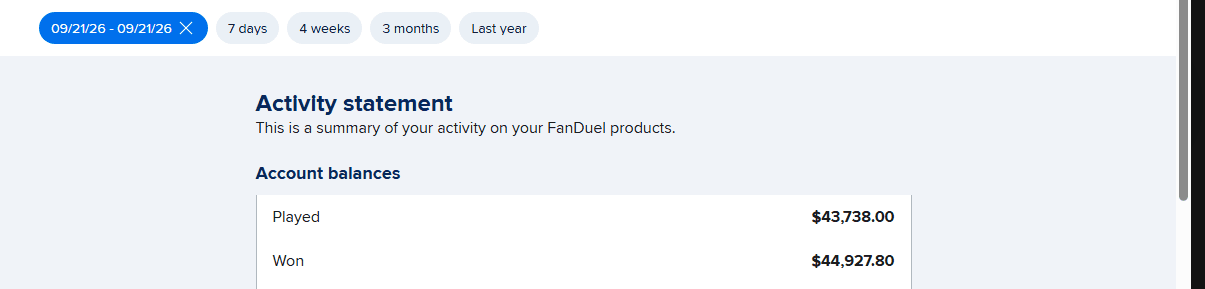
Most parlays lose because each additional leg compounds the bookmaker's hold percentage, and by the time you stack four or more uncorrelated legs the implied house edge crosses 25% — meaning the sportsbook is paying you back about $75 in long-run expected value for every $100 you wager. The Best Bet on Sports has spent over twenty years tracking parlay results across all six major U.S. sportsbooks and earned a verified $367,520+ profit, and the data is consistent: random parlay stacking is the single highest-vig bet on the board, while a narrow subset of correlated same-game structures and short two-leg legs can flip the math back toward break-even. This breakdown walks through the exact math of why 95% of parlays lose, the one structural type that beats the deflated payout, and how live in-game parlay entry windows let our team find correlated structures the pregame market is mispricing.
The marketing pitch on parlays is the payout. Hit a six-leg parlay at +5000 and turn $20 into $1,020. The pitch hides the math: at standard -110 legs, a true six-leg parlay carries a fair payout of +6300, not +5000. The sportsbook is keeping +1300 of implied edge. That is the parlay tax. Every leg you add deepens it.
How Parlay Math Actually Works
A parlay is a chained probability bet. To win, every leg must hit. The fair payout is the product of each leg's decimal odds. The sportsbook's payout is that product minus the sportsbook's hold.
Here is the leg-by-leg fair-versus-actual payout math at standard -110 lines (every leg priced at 1.909 decimal odds, equivalent to a 52.4% implied win probability):
| Legs | Fair Decimal Payout | Sportsbook Payout (Typical) | House Edge |
|---|---|---|---|
| 2 | 3.64 (+264) | +260 | ~4.5% |
| 3 | 6.95 (+595) | +600 | ~5.5% |
| 4 | 13.27 (+1227) | +1100 | ~9.5% |
| 5 | 25.34 (+2434) | +2200 | ~12% |
| 6 | 48.39 (+4739) | +4000 | ~17% |
| 7 | 92.36 (+9136) | +7500 | ~21% |
| 8 | 176.36 (+17536) | +13000 | ~26% |
| 10 | 642 (+64100) | +40000 | ~38% |
A 10-leg parlay at standard sportsbook payout returns about 62 cents on the dollar in long-run expected value. That is not a betting strategy. That is a lottery ticket priced like one.
The single-leg house edge at -110 is roughly 4.5%. The parlay compounds that edge multiplicatively across every leg, but the sportsbook pays you off a rounded-down number rather than the true product. That rounding is where the parlay tax lives.
Why the Average Parlay Bettor Loses Faster Than the Average Straight-Bet Bettor
A straight-bet bettor at -110 needs to hit 52.4% of their plays to break even. Hitting 54% over 1,000 plays produces a small but durable profit.
A parlay bettor stacking four-leg parlays at 52.4% per leg has a true hit rate of 0.524^4 = 7.5%. The sportsbook pays them at +1100 (or 12-to-1), so they need a 7.7% hit rate just to break even on the deflated payout. That is achievable only if every leg is priced above the line — which never happens to a random selection of legs.
Stacking six legs makes the gap worse. A 52.4%-per-leg six-leg parlay has a true hit rate of 2.1%. The sportsbook payout of +4000 means they need a 2.4% hit rate to break even. The 0.3% gap is the house edge, but variance is so wide on a 2% base rate that even when the gap is small, the bettor's bankroll bleeds through hundreds of cold parlays before catching the occasional win.
The reason most parlay bettors swear off parlays after a few bad months is exactly this: the payout flashes the dopamine, but the math grinds the bankroll.
The One Structural Type That Beats the Math
There is one structural exception. Correlated parlays — where the legs influence each other's probability of hitting — break the multiplicative independence assumption that the sportsbook uses to price the parlay. When two legs are positively correlated, the joint probability is higher than the product of the individual probabilities. If the sportsbook prices the parlay as if the legs were independent, the bettor captures the correlation as edge.
Same-game parlays are the most common correlated structure, and the mechanics are worth studying in depth in our guide to correlated parlays explained. A starting quarterback going over his passing yards total is positively correlated with his top wide receiver going over his receiving yards total. Sportsbooks know this and apply a correlation deflator to same-game parlay payouts to extract the edge back. But the deflator is a generic model — it doesn't always match the specific correlation strength of every leg combination. When the sportsbook deflator under-prices the actual correlation, the same-game parlay carries positive edge.
The four most reliable correlated structures we track:
| Structure | Correlation Driver | Where Sportsbook Mispricing Lives |
|---|---|---|
| QB pass yards over + WR1 receiving yards over | Pass-volume game script | Generic deflator misses team-specific WR1 target share |
| Team total over + opposing QB pass attempts over | Trailing-team pass volume | Deflator priced on full-game state, not trailing-team script |
| First-half total over + game total over | Pace/volume confirmation | Sportsbook treats halves as more independent than they are |
| Underdog moneyline + underdog team total over | Win script for underdog | Deflator weak when underdog is +180 or longer |
Our 2-leg parlay strategy breakdown shows why this shortest correlated structure is the one that consistently survives the math. A two-leg correlated same-game parlay on a structurally strong pairing — say a high-volume passing offense in a trailing game script — can return +280 to +330 on legs that would individually pay -110/-105. The fair price on that correlated pair, given the joint conditional probability, is closer to +220. The bettor captures roughly 60-100 basis points of edge per parlay.
That edge does not scale linearly with leg count. Adding a third correlated leg adds correlation but also adds more correlation deflation. The deflator gets tighter past three legs and the edge closes. The sweet spot is two-leg and three-leg correlated structures, not six-leg moonshots.
Why Live Same-Game Parlay Entry Windows Beat Pregame
Pregame same-game parlay pricing is set hours in advance and uses a generic correlation model. The model doesn't know that the starting safety just got ruled out. It doesn't know that the home crowd is producing a louder-than-baseline noise floor that's tilting first-half passing-game compression. It doesn't know that the trailing team's QB is now in script-locked pass-volume mode.
Live same-game parlay re-prices on a delay. The sportsbook's live model recalculates correlation every 30-90 seconds. In the gaps between recalculations — particularly after a quarter-break, a major injury timeout, or a coaching adjustment — the live correlation prices lag the real correlation strength. That is the entry window.
Our team monitors live same-game parlay markets across all six U.S. sportsbooks — FanDuel, DraftKings, Caesars, BetMGM, Fanatics, ESPN BET — and dispatches structural alerts when the live correlation deflator is mispricing a specific pair or triple. The alerts are time-sensitive: a typical live same-game parlay entry window opens for 60-180 seconds before the live model re-corrects.
A bettor working only from the pregame screen sees the deflated pregame number. A bettor on a live in-game parlay dispatch sees the live mispricing window. That delivery infrastructure — Discord + email during games — is the difference between a +EV parlay and a -EV parlay.
How to Cut Your Parlay Volume and Raise Your ROI
If you have been stacking five-and-six-leg parlays and losing month over month, the path back to profitable parlay betting is volume reduction and structure focus. Three rules:
Rule 1: Cap leg count at three. Two-leg and three-leg correlated parlays are the only structures with a realistic chance of positive expected value. Four legs and beyond compound bookmaker hold faster than any correlation can offset.
Rule 2: Skip uncorrelated parlays entirely. A two-leg parlay on Cowboys spread + Lakers spread has zero correlation — the only "edge" is the bookmaker payout, which is structurally below fair. Two straight bets is better. Always.
Rule 3: Focus on live in-game windows. Pregame correlation is priced tight. Live correlation deflation lags. The structural edge lives in the live window, not the pregame screen.
This is the same discipline our daily sports picks apply to every parlay we send, and it shows up most often on the football betting card where correlated game-script pairs are richest. The combination of these three rules turns parlay betting from a -20% expected-value pastime into a +1% to +5% expected-value strategy when paired with a live dispatch service. That is a 25-point swing on monthly ROI.
If this is your entry point, pair it with our guide to best parlay picks this weekend.
Get Tonight's Live Picks
Want tonight's live in-game parlay picks delivered to your phone via Email and Discord during the game?
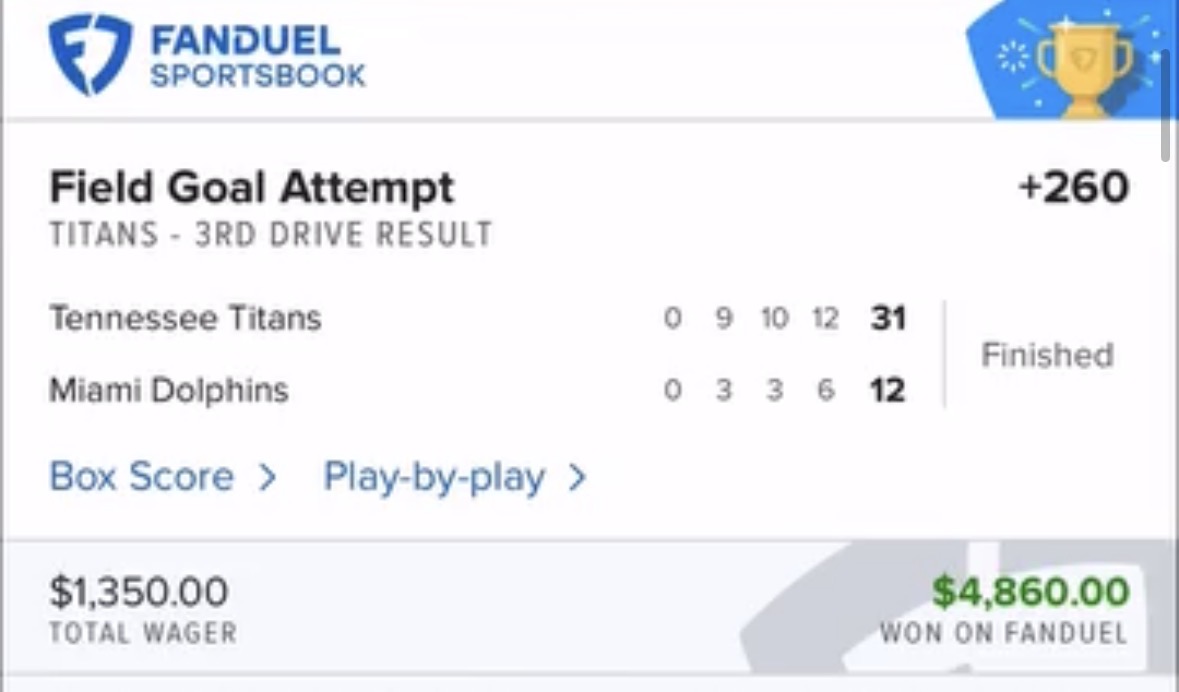
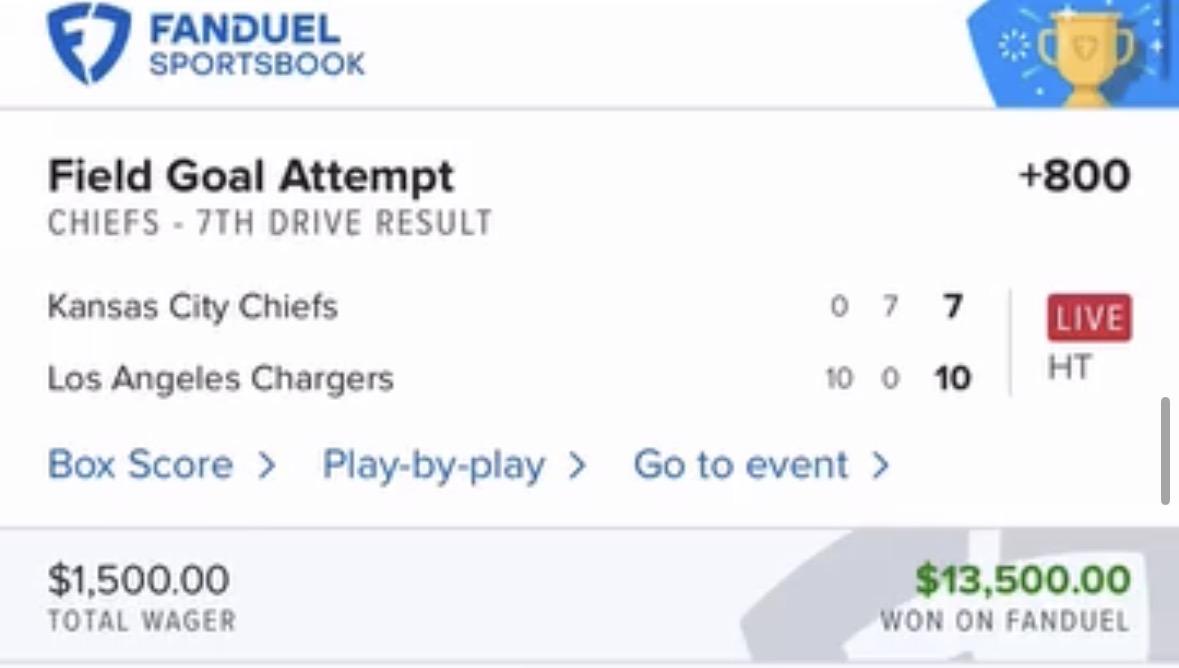
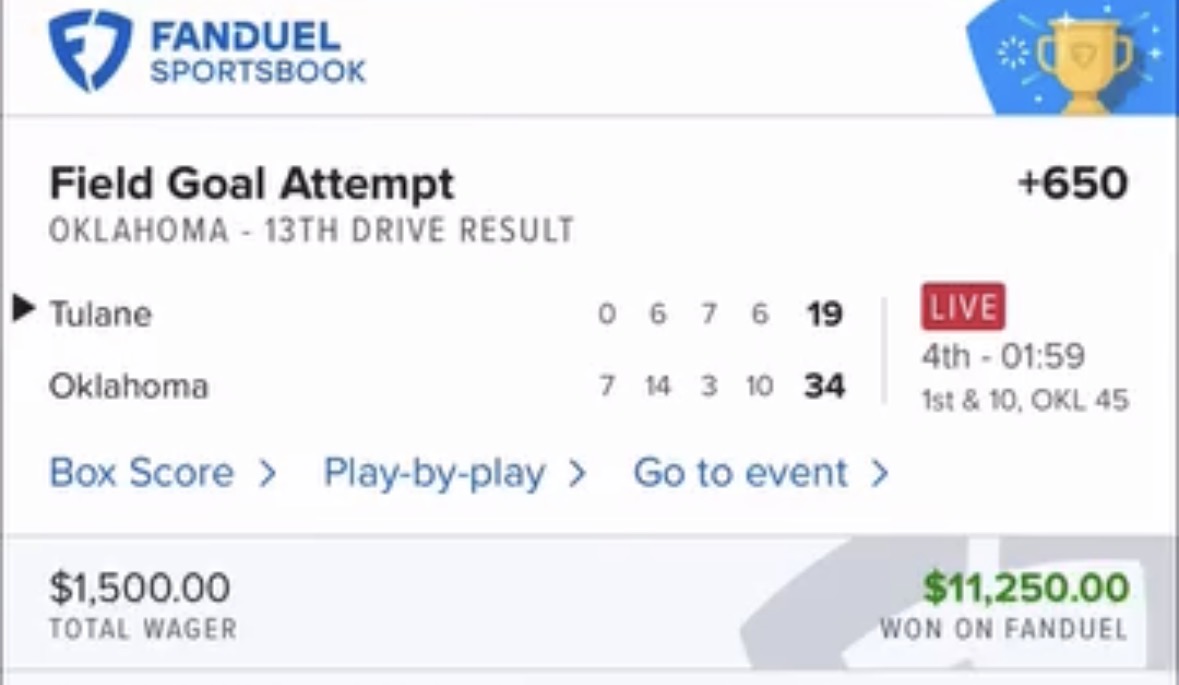
The Best Bet on Sports is the only live betting handicapping service limited on all six major U.S. sportsbooks (FanDuel, DraftKings, Caesars, BetMGM, Fanatics, ESPN BET) for winning too much during in-game action. Verified profit: $367,520+. Picks delivered via Email and Discord during games.
→ Get tonight's live picks: $199 first month — 1-Unit package, full live betting access → Try a free live pick first — reserve your spot for tonight's pick
Frequently Asked Questions
Why do most parlay bettors lose money long-term?
Most parlay bettors lose because the bookmaker's hold compounds across every added leg. At standard -110 lines, a four-leg parlay carries roughly a 9.5% house edge, a six-leg parlay carries 17%, and a ten-leg parlay crosses 38%. Each added leg deepens the gap between the fair payout and the sportsbook's actual payout. Random parlay stacking is the single highest-vig product on the board, and even a 54% straight-bet hit rate produces durable profit faster than chasing parlay payouts.
What is the math behind why each parlay leg increases the house edge?
A parlay is priced as the multiplicative product of each leg's decimal odds, but the sportsbook rounds the payout down and adds an extra hold layer on each rounding. At -110 a single leg implies 52.4% break-even probability. A four-leg parlay at 52.4% per leg has a true hit rate of 7.5%, and the sportsbook pays roughly +1100 instead of the fair +1227 — that gap is the house edge. The gap widens exponentially at five, six, and seven legs because the rounding compounds.
What is a correlated parlay and why does it beat the standard parlay math?
A correlated parlay is a parlay where the legs influence each other's probability of hitting. A starting quarterback over his passing yards is positively correlated with his top wide receiver over his receiving yards — both legs depend on a high-volume passing game script. When two legs are correlated, the joint probability is higher than the multiplicative product of the individual probabilities. Sportsbooks apply a correlation deflator to same-game parlays to extract that edge back, but the deflator is a generic model and doesn't always match the actual correlation strength. When the deflator under-prices the real correlation, the same-game parlay carries positive expected value.
How many legs should I put on a winning parlay strategy?
Two-leg and three-leg correlated structures are the only parlay configurations with realistic positive expected value. Four-leg and beyond compound bookmaker hold faster than any correlation strength can offset, and the sweet spot collapses past three legs because the correlation deflator tightens. Stick to two or three correlated legs, target structurally strong pairings (passing-game script same-game parlays, trailing-team game-script combinations, underdog moneyline plus team total over), and skip uncorrelated multi-leg stacks entirely.
Are same-game parlays better than traditional parlays?
Yes, same-game parlays are structurally better than traditional cross-game parlays when the leg combination is correlated and the sportsbook's correlation deflator is under-pricing the real correlation. Traditional cross-game parlays have zero correlation between legs, so the multiplicative independence assumption is correct and the bettor is paying full bookmaker hold on every leg. Correlated same-game parlays can carry 60-100 basis points of positive expected value when the deflator misses, while uncorrelated cross-game parlays are structurally negative expected value on every wager.
How does live in-game parlay betting beat pregame parlay pricing?
Pregame same-game parlay prices are set hours before kickoff using a generic correlation model and stay static. Live same-game parlay prices re-calculate every 30-90 seconds, and in the gaps between recalculations — after quarter breaks, major injury timeouts, coaching adjustments — the live correlation deflator lags the real correlation strength. That lag is the entry window. A bettor working only from the pregame screen sees the deflated pregame number, while a bettor on a live in-game dispatch service sees the mispricing window before the live model re-corrects.
What is the best parlay strategy for a $100 to $500 bettor?
Cap leg count at three, focus exclusively on correlated same-game structures, target live in-game entry windows over pregame screens, and skip uncorrelated multi-game parlays entirely. A $100-$500 bettor should size correlated two-leg parlays at 40-60% of standard unit size to account for higher variance, target three to six parlay attempts per week (not per day), and pair the parlay strategy with straight live betting picks for the bulk of weekly volume. Used this way, parlays become a +1% to +5% expected-value component of a broader live betting operation rather than the -20% expected-value drain they are for random multi-leg stackers.
The Best Bet on Sports · 1.5M followers on TikTok
Sports Betting TikTok is the live betting account behind The Best Bet on Sports, covering NFL, NCAAF, NBA, NCAAB, MLB and WNBA markets in real time. The account has been limited on all six major U.S. sportsbooks — FanDuel, DraftKings, Caesars, BetMGM, Fanatics and ESPN BET — for winning on live betting, with $367,520 in verified profit since 2005. View full profile →
Past results do not guarantee future performance. Must be 21 or older to wager.
Related Articles
Player Prop Parlay Strategy: The Volume Ceiling Problem
Same-Game Parlay Blocked? Why Sportsbooks Reject Leg Combinations
How to Build a Parlay Around an Anchor Leg
Same-Game Parlay Strategy for NFL: How to Build a Correlated SGP
Same-Game Parlay Strategy for Soccer: How to Build a Correlated SGP
How to Build a Winning Parlay: A Step-by-Step Strategy
Get real live betting picks
From $39.95/mo · Cancel anytime · Email + Discord delivery
● Get The Picks
Choose your package
Tap any tier below to select · Subscribe in one tap
👇 Tap any package to select it
✓ You're selecting
25 Units · $99.95/month
25 unit picks per month. Sweet spot for most bettors — plenty of action without going all-in.
- ✓25 live betting selections/month
- ✓Email + Discord delivery
- ✓All sports (NFL, NCAAF, NBA, NCAAB, MLB)
- ✓Mix of 1, 2, 3, 5-unit rated plays
- ✓Cancel anytime
Secure PayPal · Cancel anytime · No hidden fees · 21+ · +$367K verified
+$367,520 verified · Limited on 6 sportsbooks · 20 years documented · See Proof
Join Our Newsletter
Get free expert sports picks and analysis delivered weekly.