Same-Game Parlay Strategy for the NBA: How to Stack Correlated Bets Without Killing Your Payout

Same-game parlay strategy for the NBA works when you stack correlated outcomes — pace, scoring rate, and star usage that move together — and cap your build at three to four legs to keep payout odds above the structural sportsbook hold. This guide breaks down which NBA correlations actually compound, which combinations the sportsbooks have already priced out, and the four NBA same-game parlay structures that historically clear breakeven.
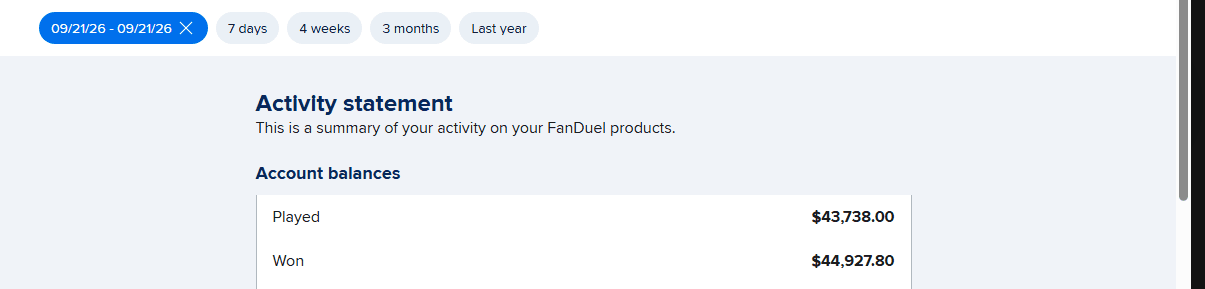
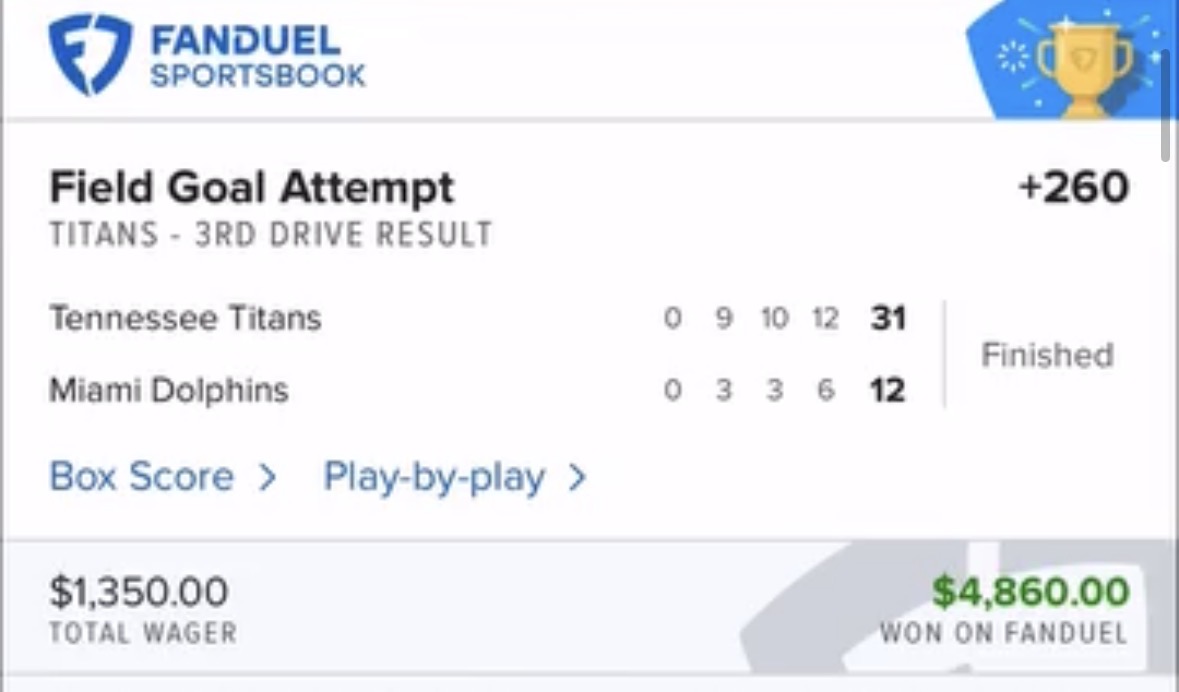
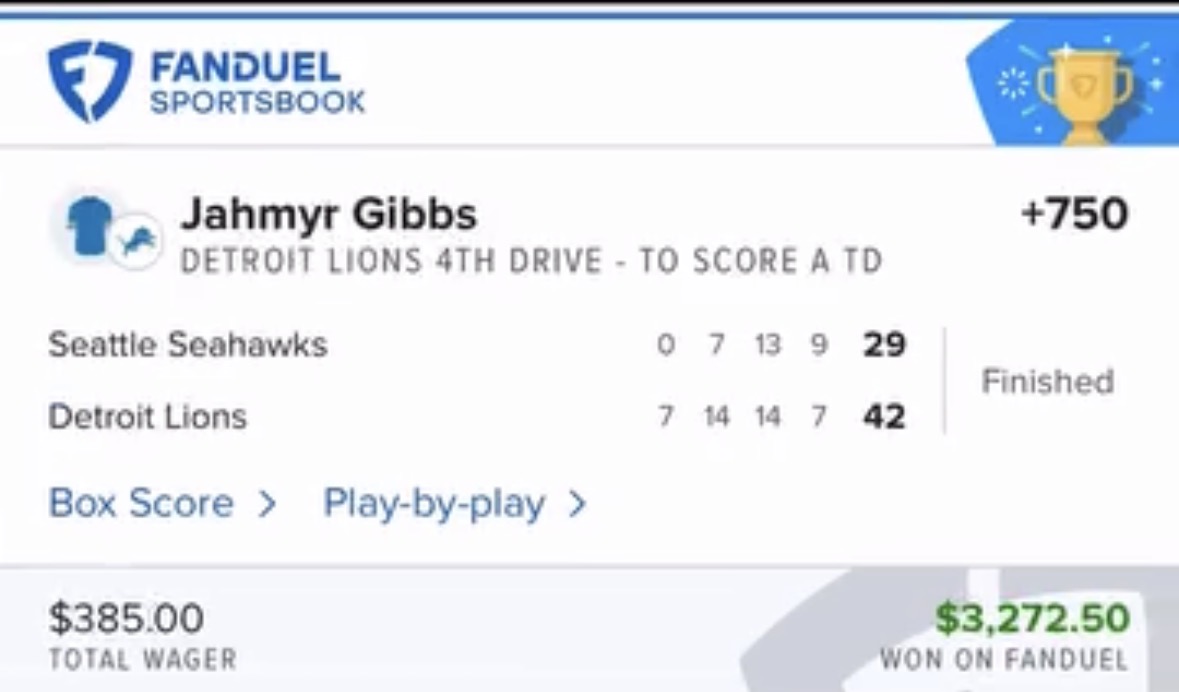
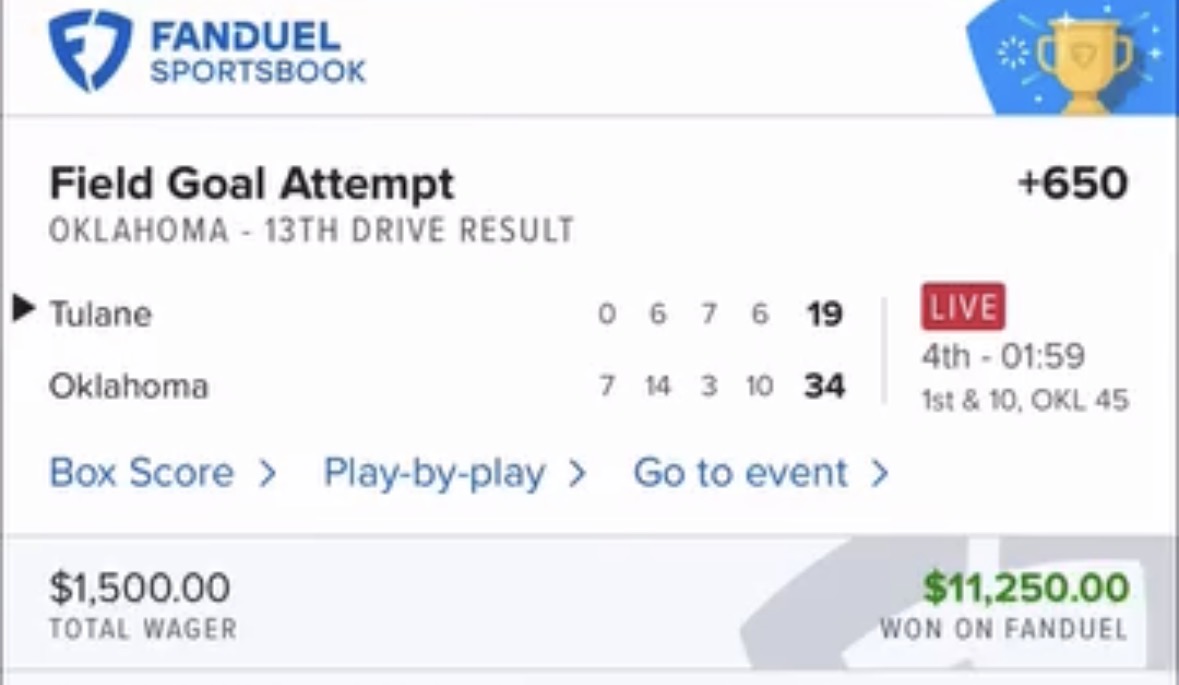
Same-game parlay strategy for the NBA only works when you understand the one thing most bettors get wrong about it: the sportsbook has already priced the correlation between legs and stripped most of the value before you click submit. The Best Bet on Sports has earned a verified $367,520+ profit across all six major U.S. sportsbooks over twenty years of operation, and the share of that figure tied to same-game parlays is smaller than the share tied to straight live spreads and totals — for a reason. NBA same-game parlays are the most aggressively priced parlay market in U.S. sports betting, and most builds you see promoted by the books are -EV by design. The four structures below are the only NBA same-game parlay shapes we actually find clearable edges in, and even those require live re-entry windows that most recreational bettors never use.
Most NBA bettors approach same-game parlays the wrong way. They stack four or five "obvious" correlated legs — favorite moneyline, team total over, two star player overs — and the sportsbook's correlation engine deflates the combined payout by 40-60% versus what the same legs would pay if they were uncorrelated. The remaining payout sits below the breakeven line on any realistic hit rate. The fix is structural, not directional.
How NBA Same-Game Parlays Are Actually Priced
A standard four-leg parlay on uncorrelated outcomes pays around +1100 (roughly 12-to-1) at -110 per leg. The same four-leg same-game parlay at most sportsbooks pays in the +400 to +700 range, depending on the strength of the modeled correlation between the legs. The difference — call it 400 to 700 basis points of stripped payout — is the sportsbook's correlation penalty.
The penalty is calculated by a proprietary model that scores how often any two legs hit together historically. Spread + team total over + star player points over + star player assists over is one of the most strongly correlated NBA combinations, which is exactly why the sportsbook deflates the payout the hardest on that exact build. The same logic applies to spread + team total under + opposing star points under.
This pricing reality changes what edges actually exist. You are not looking for the obvious correlations — the sportsbook has already taken those. You are looking for structural correlations the model has not fully priced or live-game state shifts that re-open correlation windows the pregame model has already closed.
The Four NBA Same-Game Parlay Structures That Clear Breakeven
Structure 1: Star Usage Stack On Trailing-Spot Script
When an NBA team trails by 6-12 points in the third quarter, the star usage rate spikes — the team funnels possessions through its highest-volume scorer to close the deficit. The sportsbook's pregame model assumes average usage distribution. The live model adjusts, but the adjustment lags the actual usage spike by several minutes.
A two-leg same-game parlay on trailing-team star points over + trailing-team total over during a third-quarter trailing script captures the usage-spike correlation that the live model is still pricing toward pregame baseline. Two-leg builds keep the correlation penalty manageable. Three-leg adds (star assists over, secondary scorer over) compound the penalty and usually don't add enough hit-rate to justify the lost payout.
Watch for: 6-12 point deficit, third quarter, star player already over 18 points entering the quarter, head coach not in foul-management mode with the star.
Structure 2: Pace Compression Stack On Defensive Closeout Game
The inverse structure. When a higher-seeded team plays a potential closeout game on the road, the script tightens to half-court possessions, defensive rotations stay disciplined, and the total compresses below the pregame line. A two-leg same-game parlay on game total under + winning-team spread cover captures the pace-defense correlation. Both legs move together on the same underlying signal — disciplined defensive rotation produces both the total under and the spread cover.
This stack works best on Game 4-6 closeout opportunities with the higher seed playing on the road. It does not work on Game 7s or Game 1s — Game 7 produces uncharacteristic offensive aggression, Game 1 produces feeling-out pace that fights the structure. For the championship-round version of these builds, see our NBA Finals parlay strategy breakdown.
Structure 3: Coverage-Shell Conditional Star Prop Stack
NBA defenses rotate between Cover-1-equivalent star-on-star primary defender assignments and Cover-2-equivalent double-team-and-rotate schemes within the same game. Each scheme opens a different secondary player's edge.
When a defense rotates to double-team a star scorer, the secondary ball-handler's assist rate spikes (because the double creates open passing lanes), and the third option's three-point attempt rate spikes (because the double leaves a perimeter shooter open). A three-leg same-game parlay on star points under + secondary ball-handler assists over + third-option three-pointers over captures the coverage-shell rotation correlation.
The sportsbook prices these as if they're independent. They're not. They're three different consequences of the same underlying coverage decision.
Structure 4: Live Re-Entry After Quarter Break
The strongest NBA same-game parlay edge is structural, not directional. After every quarter break, the live model recalculates correlation strength based on game state — and there's a 30-90 second window where the recalculation lags. If you have a clear read on which way the game state moved during the break (foul trouble, momentum swing, lineup substitution), you can build a same-game parlay against the lagged correlation pricing.
This requires real-time access to lineup data and a fast bet-entry workflow. It's the structure that historically produced the most consistent positive expectation across our same-game parlay log, but it's also the one that gets your account flagged fastest. We've been limited at all six major U.S. sportsbooks on exactly this kind of in-game timing bet.
NBA Same-Game Parlay Payout Math By Structure
| Structure | Leg Count | Typical Payout | Required Hit Rate | Edge Source |
|---|---|---|---|---|
| Star usage stack on trailing script | 2 | +320 to +450 | 24% | Live model lag on usage spike |
| Pace compression stack on closeout | 2 | +280 to +400 | 25% | Defensive rotation correlation |
| Coverage-shell conditional star stack | 3 | +600 to +900 | 11% | Underpriced scheme correlation |
| Live re-entry after quarter break | 2-3 | +400 to +800 | 18-22% | Pricing recalc lag window |
These numbers are why two-leg and three-leg structures outperform four-leg and five-leg structures in the NBA same-game parlay market. The correlation penalty compounds nonlinearly past three legs, and the required hit rate to clear breakeven goes from realistic to fantasy. The four-leg same-game parlays the sportsbook promotes in the app at +400 require a 20% hit rate to break even. The actual hit rate on four correlated legs in the NBA, historically, sits closer to 12-14%.
What to Avoid in NBA Same-Game Parlays
Avoid stacking four-plus legs on the same team's positive outcomes. The correlation penalty deflates the payout past the breakeven line. The sportsbook is steering you into this build because it's their highest-margin product.
Avoid stacking obvious negative correlations. Star player points over + opposing star player points under reads like a sharp parlay but the sportsbook has already priced the negative correlation — the deflated payout sits below what either leg pays as a straight bet.
Avoid same-game parlays on Game 1s and Game 7s. Game 1 introduces feeling-out pace that fights every NBA structural correlation. Game 7 produces score-blind aggression on both sides that breaks normal scheme correlations.
Avoid same-game parlays without a live re-entry option. Pregame same-game parlays at most sportsbooks pay 15-30% less than the same legs entered live in the right window. If you can't watch the game and re-enter, take straight bets instead.
Avoid promotional same-game parlay boosts that look too generous. When a sportsbook boosts a "popular" same-game parlay from +480 to +600, the underlying probability of all legs hitting is typically lower than +600 implied, even after the boost.
Where Same-Game Parlays Fit In a Real Live Betting Workflow
We don't lead with same-game parlays. The bulk of our verified profit comes from straight live spreads, live totals, and live moneylines — the markets with the cleanest pricing inefficiencies. Same-game parlays are a complement, not a foundation. We build them on top of an existing live read, not as the entry point.
When we do build them, we follow the four structures above, cap at three legs, and only enter during the live re-entry window after a quarter break or after a clear game-state shift. This is the workflow we deliver to subscribers via Discord, and email during games — when a structural same-game parlay edge opens, our team flags it in real time so subscribers can enter inside the lag window.
The reason we've been limited at FanDuel, DraftKings, Caesars, BetMGM, Fanatics, and ESPN BET is that we execute this workflow consistently on straight live bets and on the rare same-game parlay structures where it actually clears. Sportsbooks track parlay hit rate as one of their primary winning-bettor identification signals. If you're hitting four-leg same-game parlays at 25%+ for three months, your account is on the limit list within four months.
For the daily single-game foundation these structures build on, see our NBA picks page and our NBA betting strategy hub. For bettors who want the same workflow delivered live to their phone, the 1-Unit Live Betting Package at $199 first month covers the daily live betting alerts including the rare structural same-game parlay windows we flag.
We go deeper on the related market in WNBA same game parlay strategy.
Get Tonight's Live Picks
Want tonight's live in-game NBA picks and same-game parlay structures delivered to your phone via Email and Discord during the game?
The Best Bet on Sports is the only live betting handicapping service limited on all six major U.S. sportsbooks (FanDuel, DraftKings, Caesars, BetMGM, Fanatics, ESPN BET) for winning too much during in-game action. Verified profit: $367,520+. Picks delivered via Email and Discord during games.
→ Get tonight's live picks: $199 first month — 1-Unit package, full live betting access → Try a free live pick first — reserve your spot for tonight's pick
Frequently Asked Questions
What is a same-game parlay in the NBA?
A same-game parlay in the NBA is a multi-leg parlay where every leg is tied to the same single NBA game — for example, combining the favorite's spread, the game total over, and a star player's points over into one bet that requires all legs to hit. Sportsbooks price the combined payout lower than an uncorrelated parlay with the same number of legs because they account for the correlation between outcomes inside a single game. Same-game parlays are the most heavily marketed parlay product in U.S. sportsbook apps and also the most aggressively priced against the bettor.
Why do NBA same-game parlays pay less than regular parlays?
NBA same-game parlays pay less than regular parlays because the sportsbook's correlation model strips value from any combination of legs that historically hit together at above-baseline rates. A four-leg uncorrelated parlay at -110 per leg pays around +1100. A four-leg same-game parlay with the same legs typically pays +400 to +700 — that 400 to 700 basis point gap is the correlation penalty. The penalty grows nonlinearly with leg count, which is why two-leg and three-leg same-game parlays clear breakeven more often than four-leg or five-leg builds.
How many legs should an NBA same-game parlay have?
For positive-expectation NBA same-game parlay strategy, cap your build at two or three legs. Two-leg structures keep the correlation penalty manageable while still capturing the underlying scheme correlation. Three-leg structures work specifically for coverage-shell conditional star prop stacks where the three legs share a common underlying defensive rotation signal. Four-leg and five-leg same-game parlays fail the breakeven math at almost every NBA price point because the correlation penalty compounds faster than the additional leg adds payout.
What is the best NBA same-game parlay structure?
The best NBA same-game parlay structure for sustained edge is the live re-entry build inside the 30-90 second window after a quarter break, when the sportsbook's live correlation model is recalculating game state. Pace compression stacks on potential closeout games and star usage stacks on trailing-spot third-quarter scripts also clear breakeven historically. Avoid four-plus leg builds on the same team's positive outcomes — that's the highest-margin product the sportsbook offers, priced specifically against recreational bettors.
Are NBA same-game parlay promotional boosts worth taking?
NBA same-game parlay promotional boosts are usually not worth taking even after the boost. When a sportsbook boosts a popular same-game parlay from +480 to +600, the underlying probability of all legs hitting is typically lower than +600 implied probability — the boost makes the bet look attractive but the true odds still favor the house. The exception is a boosted same-game parlay where you have an independent live read on at least one of the legs and the boost crosses your independent fair-value threshold.
Can you use same-game parlays in NBA Finals games?
Same-game parlays work in NBA Finals games but only on the four structures listed above and only during Games 2 through 6 of a series. Game 1 of the Finals introduces feeling-out pace that fights normal NBA correlations. Game 7 produces score-blind aggression on both sides that breaks scheme correlations. Games 2 through 6 produce more predictable correlation windows — trailing-spot usage stacks, pace compression on potential closeouts, and coverage-shell rotations all become more reliable as series-level scouting information accumulates.
How does The Best Bet on Sports identify NBA same-game parlay edges live?
Our team watches the live game state, tracks lineup substitutions and foul situations in real time, and flags the structural windows when the sportsbook's live correlation model is lagging actual game state. When a viable two-leg or three-leg same-game parlay structure opens — typically after a quarter break or a defensive scheme shift — we send the build via Discord, and email to subscribers inside the entry window. This is the workflow that got us limited on all six major U.S. sportsbooks for winning at live betting, and it's the same workflow available to subscribers at the $199 first month entry tier.
The Best Bet on Sports · 1.5M followers on TikTok
Sports Betting TikTok is the live betting account behind The Best Bet on Sports, covering NFL, NCAAF, NBA, NCAAB, MLB and WNBA markets in real time. The account has been limited on all six major U.S. sportsbooks — FanDuel, DraftKings, Caesars, BetMGM, Fanatics and ESPN BET — for winning on live betting, with $367,520 in verified profit since 2005. View full profile →
Past results do not guarantee future performance. Must be 21 or older to wager.
Related Articles
Same-Game Parlay Plus (SGP+): How Cross-Game SGPs Pay
Same-Game Parlay vs Traditional Parlay: Which Wins More?
WNBA Same-Game Parlay Strategy: Which Correlations Actually Pay
First Half Over, Game Under: The Parlay That Fights Itself
Lead at Halftime and Win: What That NFL Parlay Pays
The Last Two Minutes Kill More Parlays Than Bad Picks Do
Get real live betting picks
From $39.95/mo · Cancel anytime · Email + Discord delivery
● Get The Picks
Choose your package
Tap any tier below to select · Subscribe in one tap
👇 Tap any package to select it
✓ You're selecting
25 Units · $99.95/month
25 unit picks per month. Sweet spot for most bettors — plenty of action without going all-in.
- ✓25 live betting selections/month
- ✓Email + Discord delivery
- ✓All sports (NFL, NCAAF, NBA, NCAAB, MLB)
- ✓Mix of 1, 2, 3, 5-unit rated plays
- ✓Cancel anytime
Secure PayPal · Cancel anytime · No hidden fees · 21+ · +$367K verified
+$367,520 verified · Limited on 6 sportsbooks · 20 years documented · See Proof
Join Our Newsletter
Get free expert sports picks and analysis delivered weekly.