Why the Same Parlay Pays Differently at Every Sportsbook

A straight parlay's price is pure multiplication, so any difference between sportsbooks is inherited entirely from the individual legs. A same-game parlay is not multiplied at all — it is priced by each operator's private correlation model, which means two books quoting identical leg prices will quote materially different same-game parlay prices. The parlay you can price-check does not need shopping as a separate skill. The one you cannot price-check is where every real gap lives.
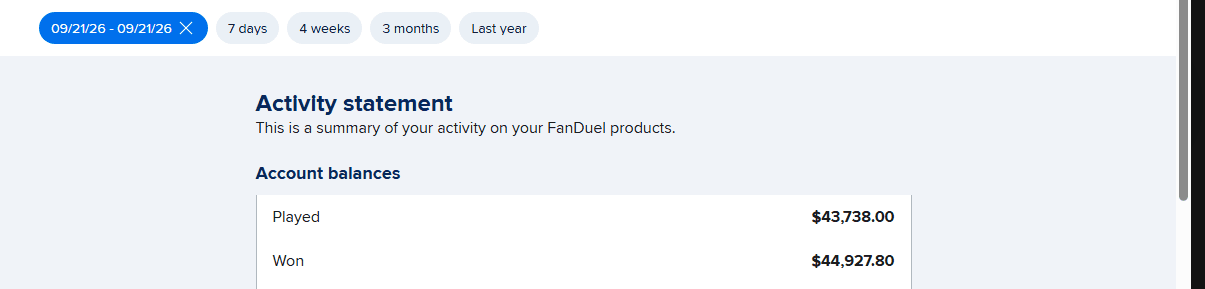
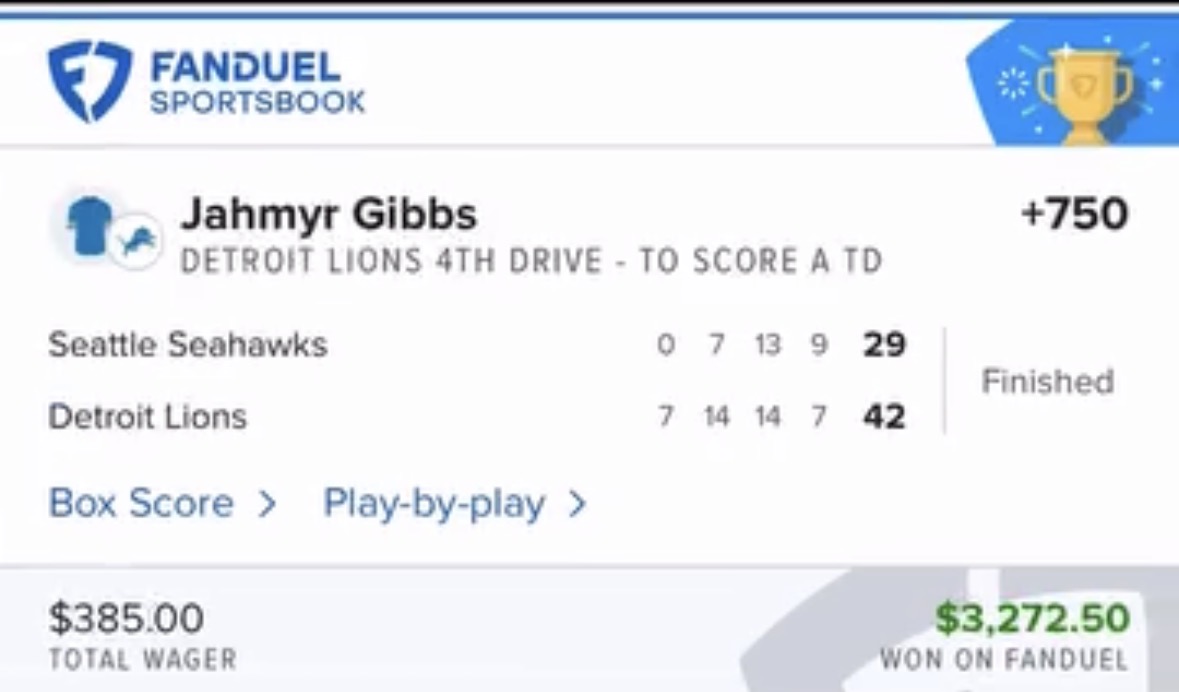
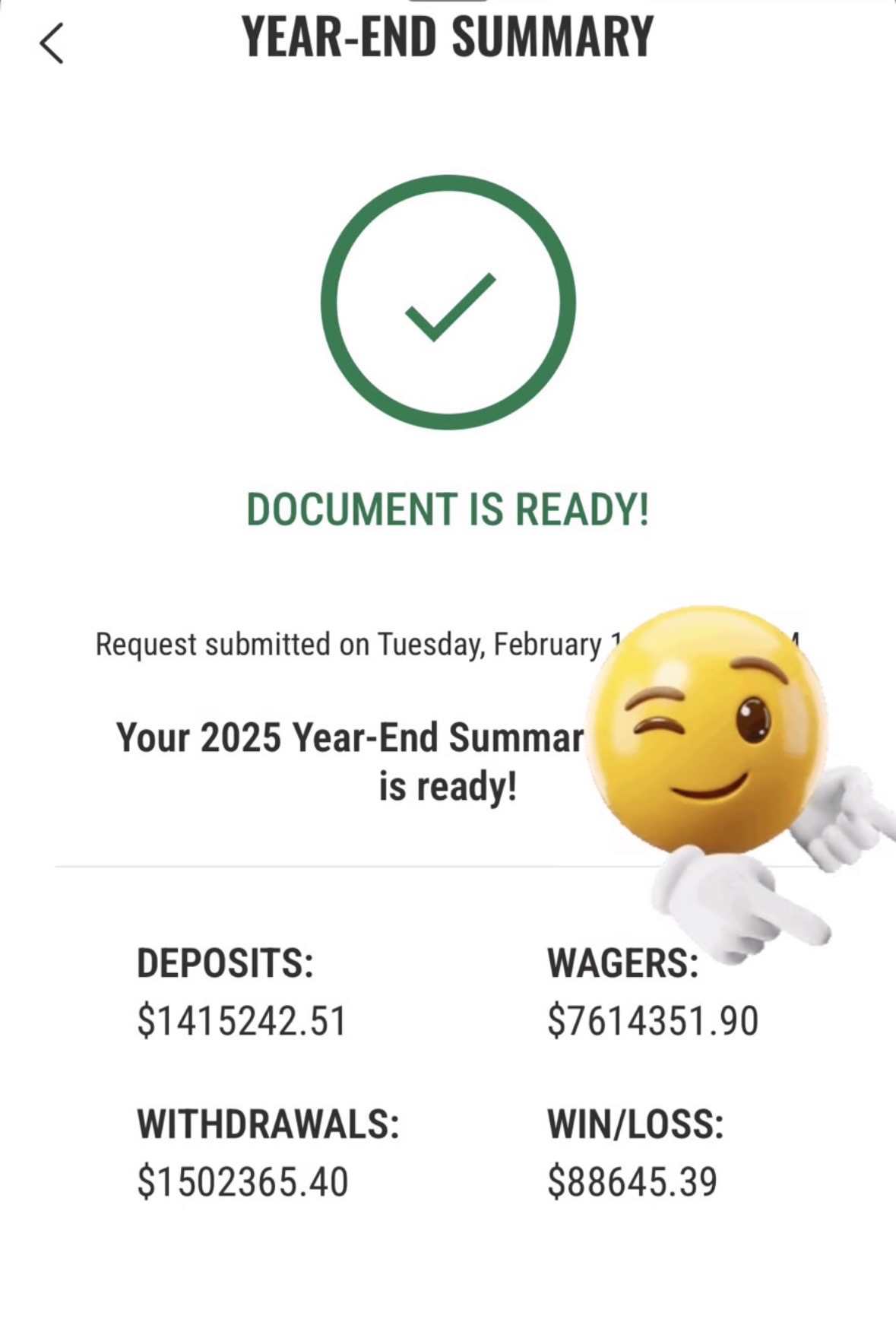
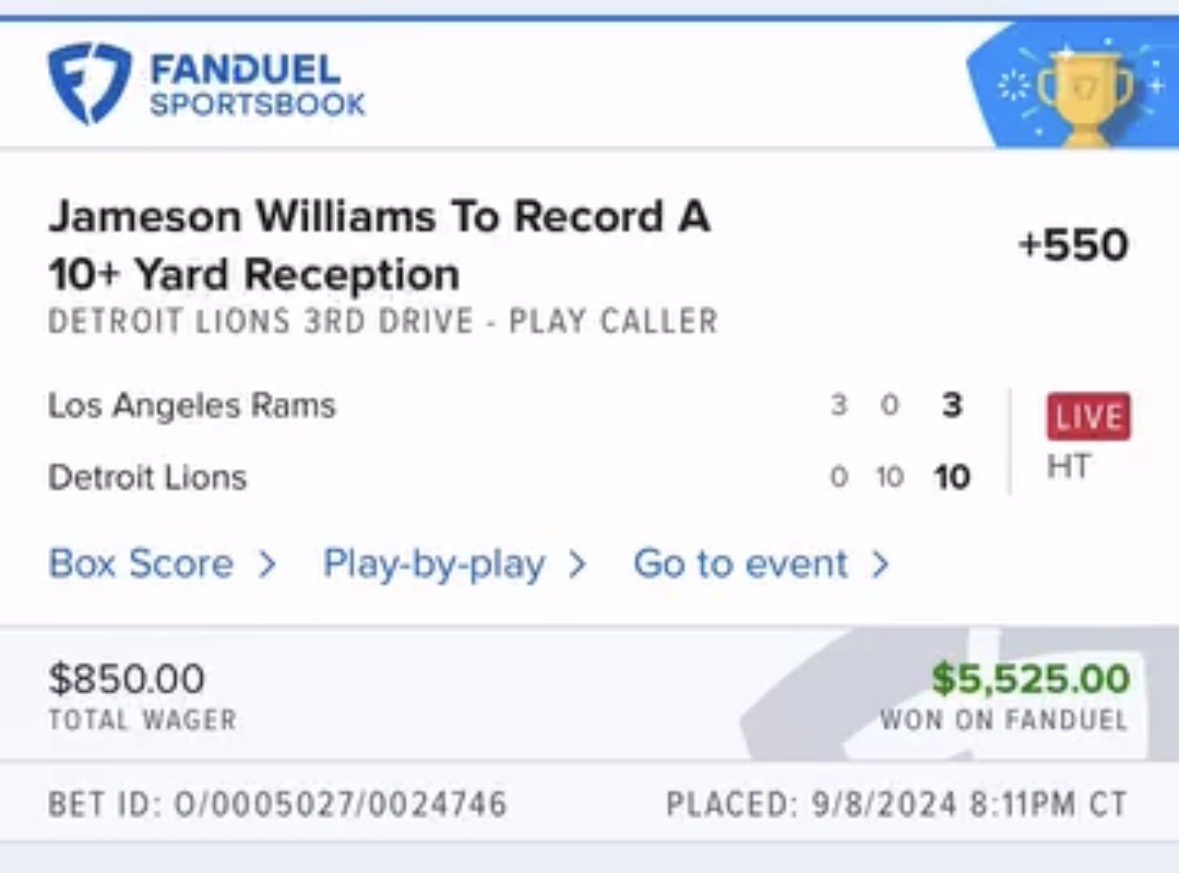
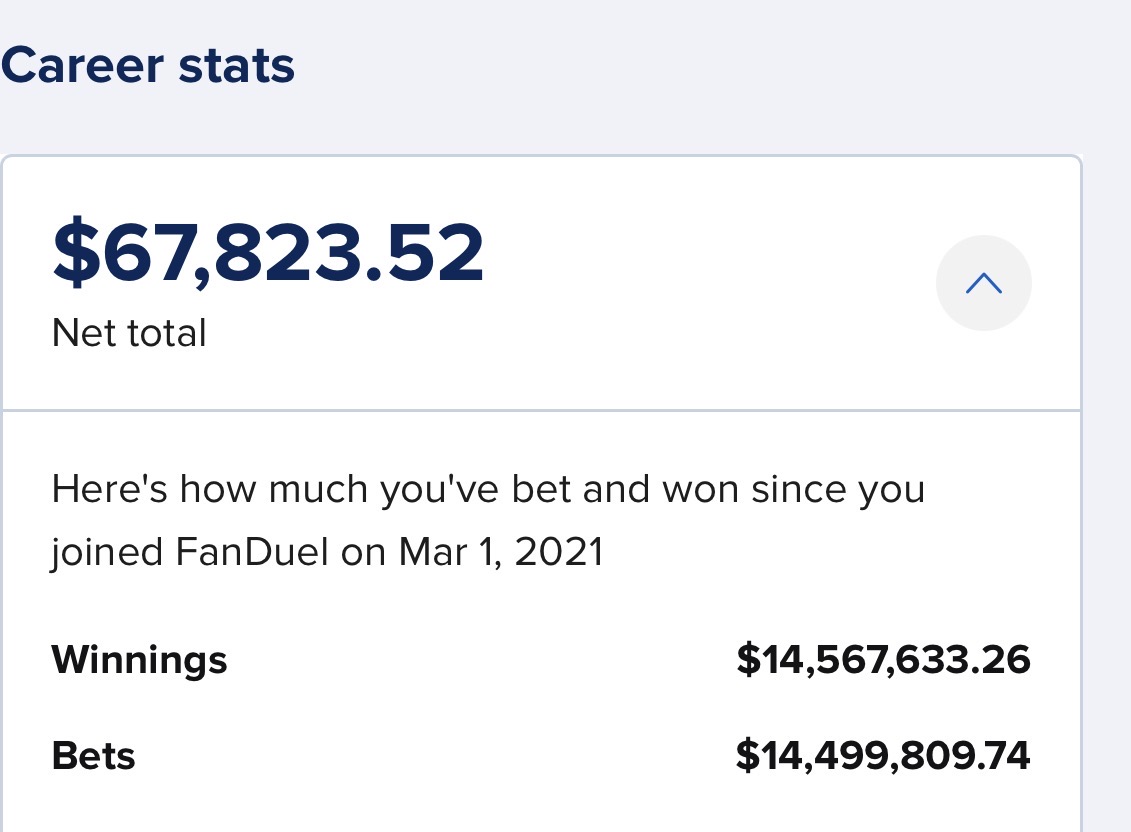
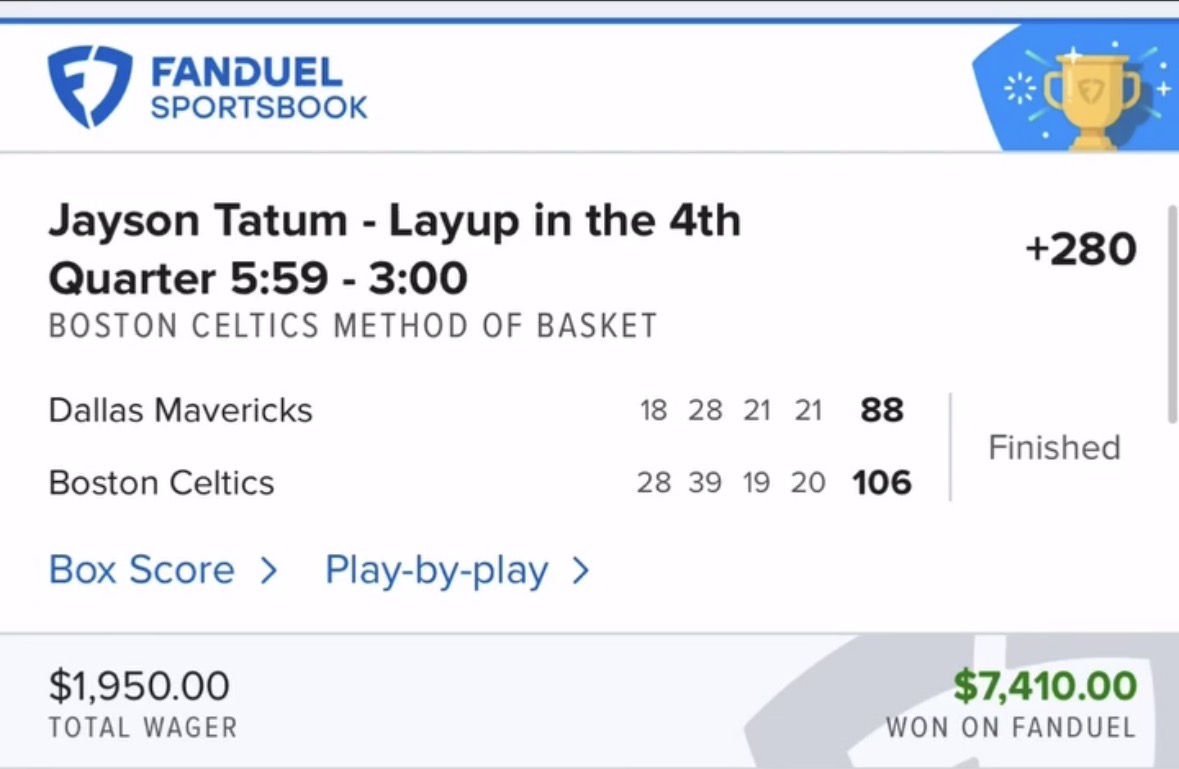
The same parlay pays differently at different sportsbooks for two completely different reasons, and only one of them is worth your time. A traditional parlay built from separate games is arithmetic — the book multiplies your legs together — so if two operators quote the same leg prices, they must quote the same parlay price. Any gap is inherited from the legs, and shopping it is just shopping the legs. A same-game parlay is not multiplication at all. It is the output of each operator's own correlation model, so two books showing you identical individual prices can and routinely do quote materially different same-game parlay prices, and nothing on the bet slip tells you which one is closer to right. The Best Bet on Sports has been limited on all six major U.S. sportsbooks (FanDuel, DraftKings, Caesars, BetMGM, Fanatics, ESPN BET) for winning too much during live action, with a verified $367,520+ in profit since 2005 — and holding all six accounts is the only reason we can see this gap at all.
Most bettors treat "shop for the best number" as one skill. On parlays it is two skills, applied to two products that share a name and share almost nothing else. Getting the distinction right changes where you spend the ninety seconds before you place a bet — and on live tickets, where you spend the nine.
Every price and figure below is illustrative and rounded to demonstrate structure. Real prices vary by operator, by market, by state, and by the minute. Confirm the current number in your own account before betting anything.
Two Products, One Word
A traditional parlay combines outcomes from different games. A same-game parlay combines outcomes from inside a single game. The interface presents them the same way, the bet slip stacks the legs the same way, and the confirmation screen looks identical. Underneath, they are built by different machinery.
The traditional parlay is computed. The same-game parlay is estimated. That single difference explains every price gap you will ever find between two books on a parlay, and it points your effort in opposite directions for each product.
We covered the structural differences between the two bet types in same-game parlay vs. traditional parlay. This piece is narrower and more practical: given that difference, where does shopping between operators actually pay?
The Straight Parlay Is Arithmetic, So It Cannot Disagree
A traditional parlay's price comes from converting each leg to decimal odds, multiplying the decimals, and applying the product to your stake. That procedure is not proprietary. It is not a trade secret. It is the same at every operator in every state, and we walked through it step by step in how parlay payouts are calculated.
The consequence people miss: if the legs match, the parlay must match. Two books cannot disagree about the product of the same numbers. So when a bettor says a four-leg parlay "pays more at one book," one of three things is true, and none of them is a parlay-pricing difference:
One or more legs is priced differently. This is the ordinary case and it is the whole explanation most of the time. A single leg quoted a few cents better at one operator flows straight through to the ticket. You did not find a better parlay price. You found a better leg price, which is regular line shopping doing what it always does.
One book is applying a parlay boost or a minimum-odds bump. This is a promotional overlay on top of the arithmetic, not a different calculation. It usually carries conditions — a minimum number of legs, a minimum price per leg, a capped return.
One book's payout ceiling has already bound and the other's has not. Once a ticket's potential return crosses an operator's maximum payout, the quoted odds keep climbing while the collectible amount stops. Two books with different ceilings will show the same odds and pay different money. This one is genuinely invisible on the slip and we wrote it up separately in parlay max payout limits.
Notice what all three have in common. None of them requires you to compare parlays. You compare legs, you read the promo terms, you know your ceiling. A traditional parlay does not need a shopping strategy of its own, because it does not have a price of its own.
The Same-Game Parlay Is a Model, and Models Disagree
Now take the same three legs and put them inside one game.
The multiplication no longer applies, and every operator knows it. A quarterback throwing for a big number and his top receiver going over his own number are not independent events — they are close to the same event described twice. If a book multiplied those legs, it would be selling a ticket at several times its fair price, and it would find out quickly. So instead, each operator runs the game through a simulation or a correlation-adjusted pricing engine, and quotes a single number that reflects how often that particular combination actually happens together.
That number is a model output. It is not derivable from the leg prices, which is exactly why you cannot check it.
Two things follow, and they are the most useful things in this article:
First, two books can agree on every leg and disagree on the combination. Nothing forces their correlation estimates to match. They are using different simulation engines, different historical windows, different assumptions about how a game script propagates through a box score. This is not an error on either side. It is two firms honestly estimating something genuinely uncertain and arriving at different answers.
Second, the disagreement gets larger as the correlation gets more debatable. Where the relationship is obvious, the models converge — every operator on earth knows a team's moneyline and its spread are nearly the same bet, and they will price that combination almost identically. Where the relationship is subtle and situational, estimates scatter.
Where the Price Gaps Actually Live
Sorting parlay markets by what determines the price tells you exactly where comparing books is worth the effort and where it is theater.
| Ticket type | What sets the price | How much books can disagree | Worth comparing? |
|---|---|---|---|
| Traditional parlay, separate games | Multiplication of the legs | Only what the legs differ by | No — compare the legs instead |
| Same-game parlay, obviously related legs (moneyline + spread) | Correlation model, but the correlation is not in dispute | Very little | Rarely |
| Same-game parlay, game-script legs (total + a team's rushing volume) | Correlation model, genuinely contested | Meaningfully | Yes |
| Same-game parlay, player-to-player legs (QB yards + a receiver's yards) | Correlation model, the hardest case | The widest pregame gaps | Yes |
| Cross-game parlay with a boost attached | Arithmetic plus promotional terms | Terms, not pricing | Read the terms, not the odds |
| Live same-game parlay, in play | Correlation model refit under time pressure | The widest gaps on the board | Yes, if you can do it in seconds |
Read down the middle column and the structural punchline appears: the parlay you can verify with a calculator is the one where books barely differ, and the parlay you cannot verify at all is the one where they differ most. The transparency and the opportunity are inversely related, which is not an accident. Operators are comfortable publishing a formula nobody can exploit and are not required to publish a model.
What a Parlay Boost Actually Is
Since boosts are the most common reason a bettor believes one book "pays more on parlays," it is worth naming what they are.
A boost applies a multiplier to a computed price. It does not change how the price was computed, and it almost always arrives with conditions attached: a minimum leg count, a minimum price per leg, a maximum stake, sometimes a maximum boosted return. Those conditions are the product.
The trap is the leg-count minimum. A boost that requires a fourth leg is not a price improvement on your three-leg ticket — it is an offer to sell you a different, less likely ticket at a discount. Whether that is good depends entirely on whether the fourth leg was a bet you wanted. Usually it is a leg chosen to qualify for the promotion, which means the promotion selected your bet for you. We went through the general version of this in parlay boosts and insurance: are they worth it.
The clean test: compute what the ticket pays without the boost, compute what the qualifying version pays with it, and ask whether you would have placed the qualifying version at any price. If the honest answer is no, the boost has cost you money while appearing to hand you some.
Live Same-Game Parlays: The Widest Gaps on the Board
Everything above gets more extreme in play, for a reason that is mechanical rather than mysterious.
A pregame correlation model has all week. It runs, it settles, it gets reviewed, and by kickoff every major operator has landed somewhere defensible. Once the ball is in the air, that model has to be refit continuously against a game state that keeps changing — score, time, down and distance, who is on the field, whether a team has abandoned the run. And it has to do it inside the seconds a book is willing to keep a market open.
Correlations themselves move during a game, which is the part that gets underestimated. Two legs that were weakly related before kickoff can become nearly the same bet by the fourth quarter. A team's leading rusher and the under on the game total are loosely connected in the first quarter and tightly connected once that team is protecting a two-score lead. Every operator's engine is chasing that shift at a different speed, with different smoothing, under different risk tolerance.
The result is that live same-game parlay prices scatter more than any other product on the board — and they scatter at exactly the moment a bettor has the least time to compare them. That is the whole problem with the opportunity: it is real, it is large, and it is nearly impossible to harvest by hand.
This is where holding accounts at multiple books stops being about promotional offers and starts being infrastructure. It is also why getting limited at one operator is survivable rather than fatal, which we laid out in sportsbook account stacking for live betting. And it is the practical reason our own approach to live betting picks leans toward straight in-play positions over live parlays more often than people expect — a point we made honestly in should you parlay live betting picks.
What This Is Worth, Honestly
Four limits belong on this, and the last one undercuts a good deal of what people do with information like this.
"The same same-game parlay" is frequently not the same bet. Operators carry different player prop markets, different alternate lines, and different rules about which legs can be combined at all — we covered the mechanics of rejected combinations in why sportsbooks block same-game parlay legs, and the football-specific version in our NFL same game parlay breakdown. Comparing two tickets that differ by half a yard on one leg is comparing two different products, and the price difference may be entirely correct.
A better price on a worse bet is still a worse bet. Model disagreement tells you the operators are uncertain. It does not tell you which side of the disagreement is right, and it certainly does not tell you the combination is worth backing. Finding the best available price on a ticket with no edge just loses money slightly more slowly.
Shopping costs time you may not have. Pregame, comparing six slips is free. In play, the market you are comparing may not survive the comparison. A price that is gone is worth zero regardless of how good it was.
And the honest one: the size of these gaps is unmeasurable from the outside. No operator publishes its correlation model, nobody audits the dispersion between them, and any specific claim about how much better one book prices same-game parlays than another is an assertion, not a measurement — including any such claim you read somewhere confident. What is verifiable is the structure: multiplication produces agreement, models produce disagreement. What follows from that structure is a place to look, not a number to trust.
If you take one operational thing from this, make it the smallest one. Stop comparing traditional parlays across books and start comparing the legs, which takes less time and finds the same money. Spend the time you save on the tickets where the number is somebody's opinion — and treat the fact that six firms disagree about a price as information about the bet, not just about the book.
Get Tonight's Live Picks
Want tonight's live in-game picks delivered to your phone via Email and Discord during the game?
The Best Bet on Sports is the only live betting handicapping service limited on all six major U.S. sportsbooks (FanDuel, DraftKings, Caesars, BetMGM, Fanatics, ESPN BET) for winning too much during in-game action. Verified profit: $367,520+. Picks delivered via Email and Discord during games.
→ Get tonight's live picks: $199 first month — 1-Unit package, full live betting access → Try a free live pick first — reserve your spot for tonight's pick
Frequently Asked Questions
Why does the same parlay show different odds at different sportsbooks?
For a traditional parlay built from separate games, the only reason is that one or more individual legs is priced differently, or a promotional boost is attached, or one operator's maximum payout ceiling has bound while the other's has not. The parlay calculation itself is identical everywhere — it is multiplication of the legs, and two books cannot disagree about the product of the same numbers. For a same-game parlay, the reason is entirely different: the price comes from each operator's own correlation model rather than from multiplication, so identical legs can produce genuinely different combined prices.
Is it worth shopping around for the best parlay odds?
For traditional cross-game parlays, shop the individual legs rather than the finished parlay — you will find the same money faster, because any parlay price difference is inherited from the legs anyway. For same-game parlays, comparing operators is genuinely worthwhile, because the combined price is a model output that different books estimate differently. The gaps are widest on combinations where the relationship between legs is debatable, such as one player's production against another's, and narrowest where the relationship is obvious, such as a moneyline paired with a spread.
Why do same-game parlays pay differently than regular parlays with the same legs?
Because the legs inside one game are not independent events. A quarterback's passing total and his top receiver's receiving total tend to rise and fall together, so multiplying them would sell the ticket for several times its fair value. Every operator prices same-game combinations through a correlation-adjusted engine that estimates how often the specific combination occurs together, which almost always produces a shorter price than straight multiplication would.
Do parlay odds boosts actually give you a better price?
A boost applies a multiplier to an already-computed price, so it is a real improvement on the exact ticket it applies to. The complication is the conditions. Most boosts require a minimum number of legs or a minimum price per leg, and if you add a leg purely to qualify, the promotion has selected part of your bet for you. Compute the ticket you actually wanted, compute the qualifying version with the boost applied, and only take the boost if you would have placed the qualifying version anyway.
Are live same-game parlay prices less accurate than pregame prices?
They are less settled, which is not the same as less accurate but has similar consequences. A pregame model has had days to run and be reviewed. An in-play model is refitting continuously against a changing game state inside the seconds a market stays open, and the correlations themselves shift during a game — two legs that were loosely related at kickoff can become nearly the same bet once a team is protecting a lead. Different operators chase that shift at different speeds, which is why live prices scatter more than any other product on the board.
Does having accounts at multiple sportsbooks actually matter for parlays?
It matters more for same-game and live parlays than for traditional ones, because those are the products where operators genuinely disagree. It also matters as insurance rather than as an edge: reduced stake limits arrive at one operator at a time, so spreading action across several books extends how long you can bet meaningfully. It buys runway rather than immunity, and no number of accounts turns a bad ticket into a good one.
Should I compare parlay prices before every bet?
No — compare where the comparison can find something. On a traditional parlay, check the individual leg prices and skip the finished-ticket comparison entirely. On a same-game parlay, comparing two or three operators is reasonable use of pregame time. In play, comparison usually costs more than it returns, because the price you were shopping can disappear while you are shopping it. The general rule: spend time comparing prices that are somebody's opinion, and spend none comparing prices that are arithmetic.
The Best Bet on Sports · 1.5M followers on TikTok
Sports Betting TikTok is the live betting account behind The Best Bet on Sports, covering NFL, NCAAF, NBA, NCAAB, MLB and WNBA markets in real time. The account has been limited on all six major U.S. sportsbooks — FanDuel, DraftKings, Caesars, BetMGM, Fanatics and ESPN BET — for winning on live betting, with $367,520 in verified profit since 2005. View full profile →
Past results do not guarantee future performance. Must be 21 or older to wager.
Related Articles
First Half Over, Game Under: The Parlay That Fights Itself
Lead at Halftime and Win: What That NFL Parlay Pays
The Last Two Minutes Kill More Parlays Than Bad Picks Do
You Hit a Big Parlay: How Long Will You Keep It?
4-of-5 Again: Was Your Parlay Unlucky or Badly Built?
College Football Round Robin Strategy: The 3-of-5 Line
Get real live betting picks
From $39.95/mo · Cancel anytime · Email + Discord delivery
● Get The Picks
Choose your package
Tap any tier below to select · Subscribe in one tap
👇 Tap any package to select it
✓ You're selecting
25 Units · $99.95/month
25 unit picks per month. Sweet spot for most bettors — plenty of action without going all-in.
- ✓25 live betting selections/month
- ✓Email + Discord delivery
- ✓All sports (NFL, NCAAF, NBA, NCAAB, MLB)
- ✓Mix of 1, 2, 3, 5-unit rated plays
- ✓Cancel anytime
Secure PayPal · Cancel anytime · No hidden fees · 21+ · +$367K verified
+$367,520 verified · Limited on 6 sportsbooks · 20 years documented · See Proof
Join Our Newsletter
Get free expert sports picks and analysis delivered weekly.