The Last Two Minutes Kill More Parlays Than Bad Picks Do

A backdoor cover is not random bad luck. It is a structural tax on parlay leg count. Late scoring in an already-decided game flips spread and total results without changing who won, and because a parlay's payoff is a product rather than a sum, that noise gets collected disproportionately from the tickets that were otherwise winning. Here is the arithmetic of noise exposure by leg count, why moneyline legs are immune to it, and what to actually do.
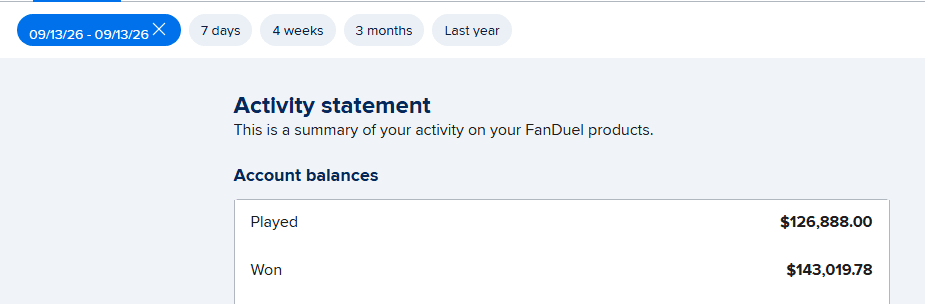
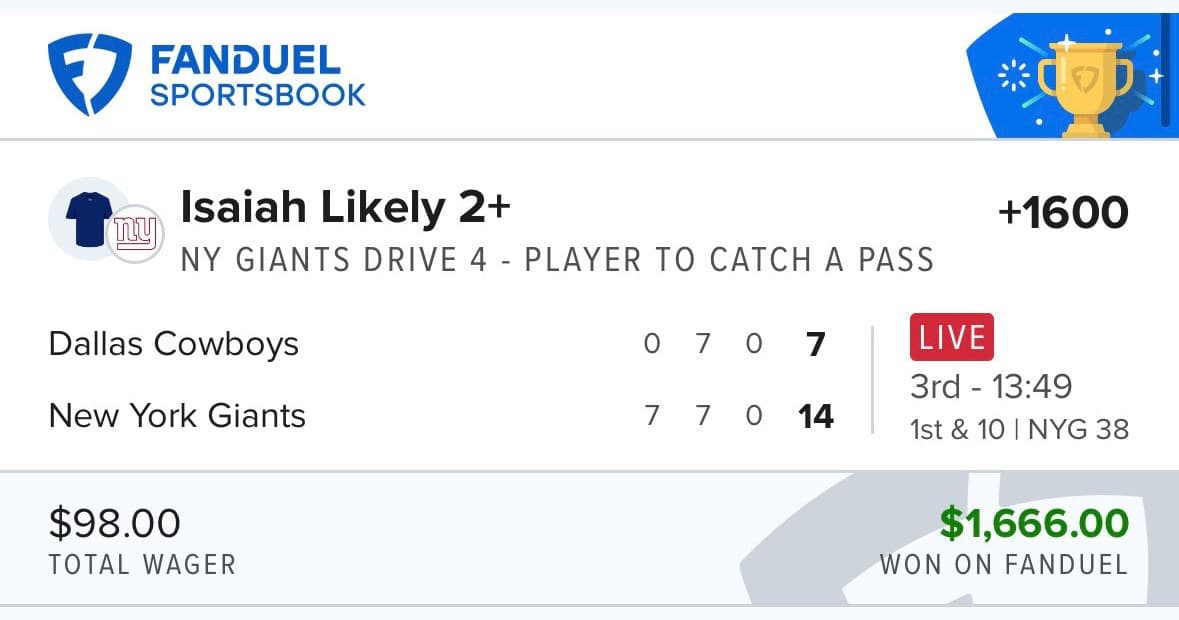
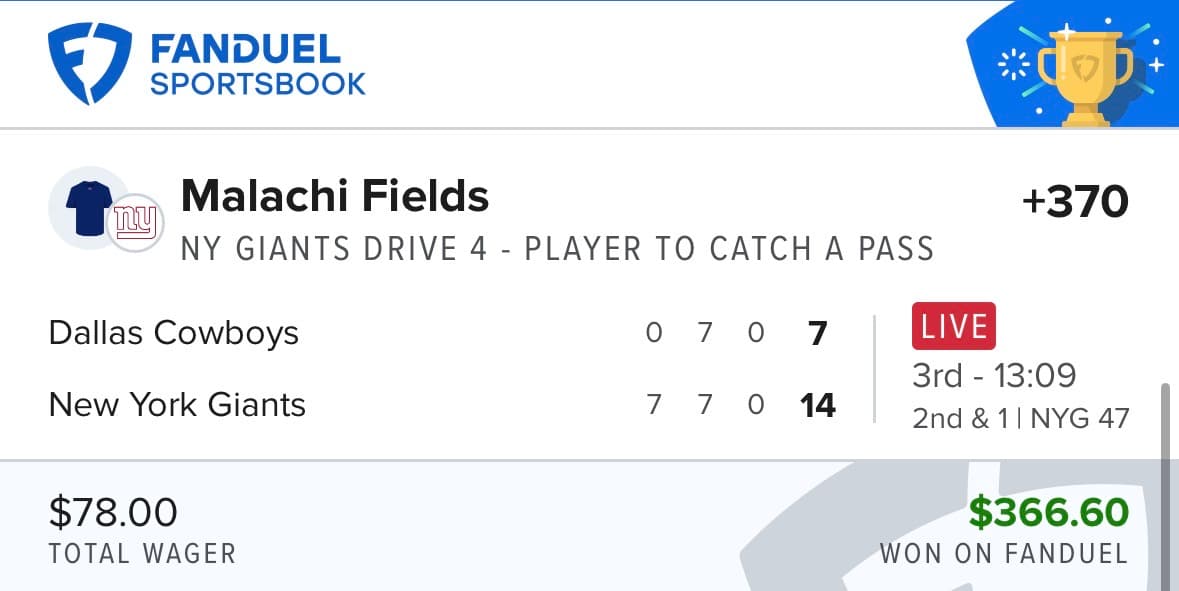
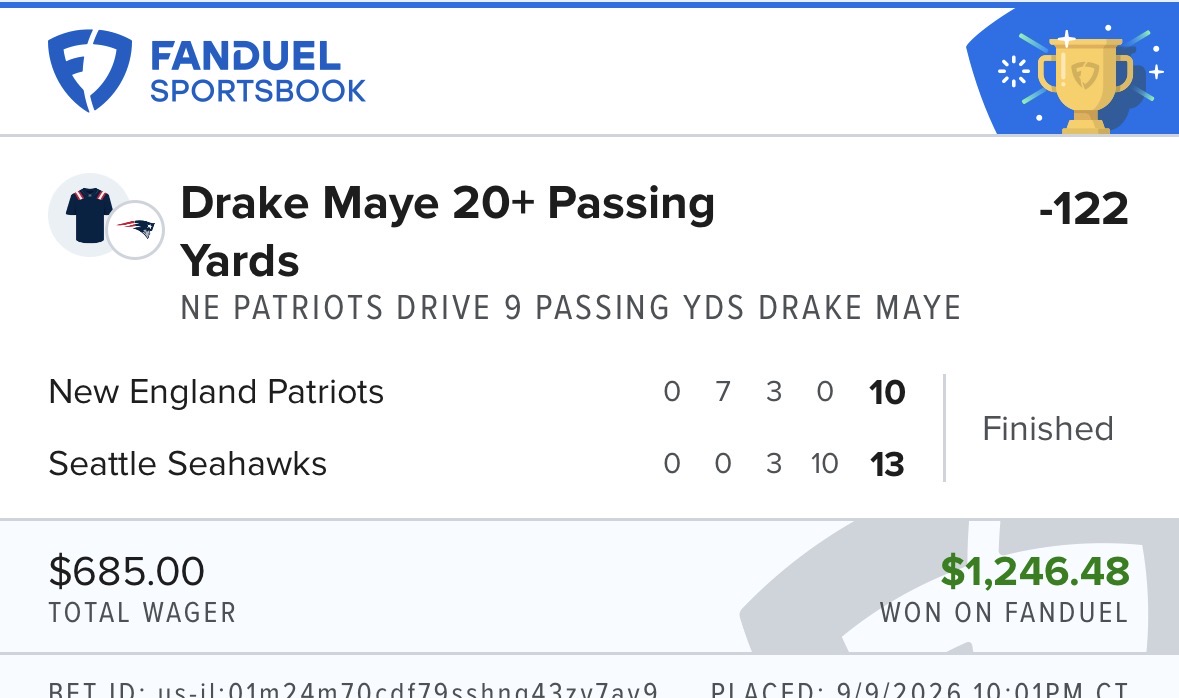
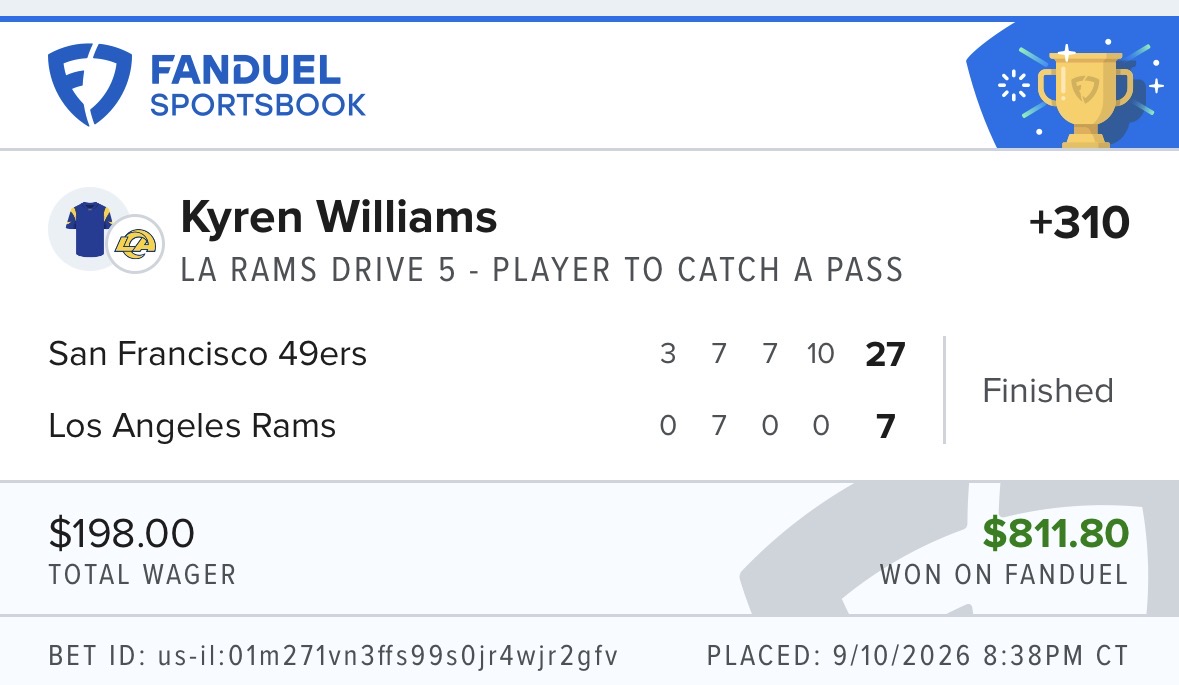
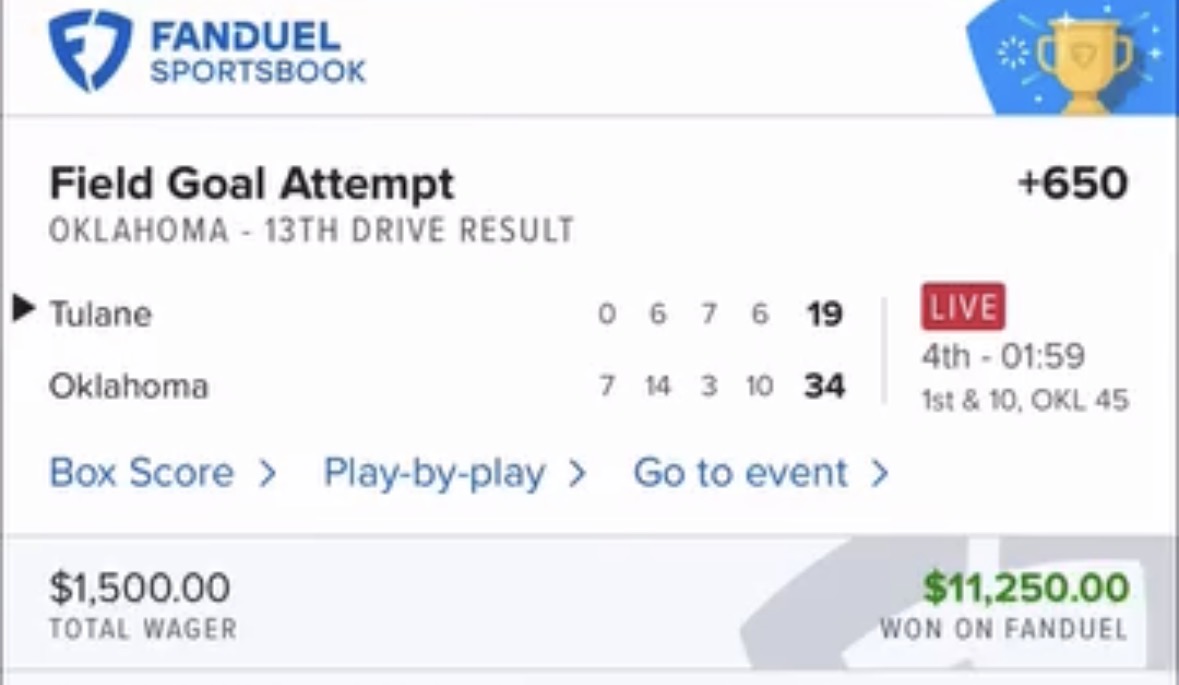
A backdoor cover is not bad luck sprinkled evenly across your betting. It is a structural cost that scales with the number of legs on your ticket, and it is collected almost entirely from parlays that were otherwise about to win. The reason is that a parlay pays as a product rather than a sum: the moments when a meaningless late score can hurt you are precisely the moments when every other leg has already come in. The Best Bet on Sports has run live in-game picks for more than twenty years with a verified $367,520+ in profit across all sportsbooks, and a real share of that record comes from being able to act during the exact window a parlay holder has to sit through.
Almost everything written about why parlays lose is written about price. Every leg you add multiplies the sportsbook's margin, a four-leg ticket of coin flips costs roughly seventeen percent of your stake in expectation, and so on. That argument is correct and we have made it ourselves at length in our breakdown of how many legs a parlay should have and in the leg-by-leg cost comparison in spread parlays vs moneyline parlays. None of that is re-argued here.
There is a second axis people write about too: correlation, the idea that legs which look independent are quietly leaning on the same underlying factor.
This article is about a third axis that gets almost no attention, because it hides inside the word "variance." Call it outcome noise: the share of a leg's result that gets decided after the game's competitive question has already been settled.
Why Football Keeps Scoring After the Game Is Over
Football is close to the worst-case sport for this, and it is not an accident of any given season. It is built into how the sport ends.
A basketball game in hand gets played out with reserves at a slow pace, and the final margin tends to drift rather than jump. A football game that is decided still contains discrete four-, six- and seven-point events, and both teams have structural reasons to keep generating them. The trailing team throws on every down because it has no alternative, which inflates its yardage and gives it real chances to reach the end zone against soft coverage that is deliberately conceding everything short of the goal line. The leading team plays a defense designed to trade points for clock. Neither side is trying to affect the spread. Both of them do.
So the last two minutes of a decided football game produce scoring that is disconnected from the thing you were actually handicapping. You did the work on which team was better and you were right. The scoreboard then moved for reasons that had nothing to do with your read.
On a single bet, that is a coin flip you signed up for. On a parlay, it is something worse, and the difference is not intuitive.
The Asymmetry Nobody Mentions
Here is the part that matters, and it is the reason this is a parlay article rather than a general betting article.
Late noise is roughly two-sided. A meaningless touchdown can push a game across your number or across the other guy's number, and over a long enough sample those events happen in both directions. On a straight bet, that symmetry is real and it more or less washes. You will get backdoored and you will get bailed out, and the two mostly cancel.
On a parlay, the probability stays symmetric but the value does not, because a parlay's payoff is a product. What a late swing is worth to you depends entirely on the state of the rest of your ticket.
Work through a four-leg ticket with one game still live in the fourth quarter:
If your other three legs have won, a late swing against you costs the entire ticket. Everything the parlay was ever going to pay evaporates on a play that did not change who won the football game.
If any of your other three legs has already lost, a late swing in your favor is worth precisely nothing. The ticket is dead. You get the pleasant feeling of a cover and no money.
Those are not equal and opposite. The states in which late noise can hurt you are exactly the states in which your ticket is most valuable, and the states in which it could help you are disproportionately states where the help is worthless. Late-game noise is a tax collected almost entirely from your winning parlays. The same mechanism on four straight bets is a nuisance that nets out near zero.
That is the whole argument. The rest is sizing it.
Sizing Your Exposure by Leg Count
You cannot look up a universal number for how often a football result gets flipped after the game is decided, and anyone who quotes you a precise one to three decimal places is selling something. What you can do is treat it as an input you control and see how the ticket responds.
Call that per-leg probability q: the chance that a given leg's result is determined by scoring that occurred after the competitive outcome was settled. Plug in your own estimate. The chance that at least one leg on an n-leg ticket gets touched by it is one minus the chance none of them do:
| Legs | q = 5% | q = 8% | q = 12% |
|---|---|---|---|
| 2 | 9.8% | 15.4% | 22.6% |
| 3 | 14.3% | 22.1% | 31.9% |
| 4 | 18.5% | 28.4% | 40.0% |
| 5 | 22.6% | 34.1% | 47.2% |
| 6 | 26.5% | 39.4% | 53.6% |
Read the middle column. At a fairly modest eight percent per leg, better than a quarter of your four-leg tickets have at least one leg whose fate is decided by something you could not handicap, and by six legs it is approaching two in five. That is a separate cost from the hold, stacked on top of it, and unlike the hold it does not show up anywhere in the price you are quoted.
The practical takeaway is not that the numbers are large in absolute terms. It is that they grow with leg count for a reason completely unrelated to the reason the price grows with leg count, and most bettors are only budgeting for one of the two.
What Actually Reduces It
Four things, in rough order of how much they help.
The first is the obvious one and it is still the biggest: fewer legs. This points the same direction as the pricing argument, which is convenient, and it is worth noticing that the two arguments are independent. Even if a sportsbook handed you a parlay at true multiplied odds with no margin at all, the noise exposure would still grow with every leg you added.
The second is choosing the market type deliberately. A moneyline leg is structurally immune to backdoor scoring, because a meaningless touchdown does not change who won. A spread leg is exposed. A total is the most exposed of the three, since garbage-time scoring by definition adds points and pushes a game toward the over regardless of which side produced them.
This is worth being honest about, because it cuts against our own advice elsewhere. On pure price, spread legs out of a tight two-way market are usually the better place to shop, and stacking heavy moneyline favorites is an expensive habit. So the two considerations genuinely conflict: the market that costs you less in hold is the market that exposes you more to noise. There is no single answer. The resolution is that it depends on what your read actually was. If your opinion was "this team wins," express it on a moneyline. If your opinion was "this team is better than this number by a specific amount," take the spread and accept the noise, because that is the bet you actually have an opinion about.
The third is looking at where the legs sit relative to key numbers. In the NFL, margins cluster hard at three and seven, and that clustering is the single most useful piece of structural knowledge in football betting. A late field goal in a decided game is not a random nudge. It frequently moves a margin from four to seven, or seven to ten, landing directly on the numbers that decide the most tickets. A leg sitting on the wrong side of three or seven carries more noise risk than a leg with a comfortable cushion, even when both look equally likely to win outright.
The fourth is knowing which of your legs can still be acted on. Which brings up the real structural problem with a parlay in this specific situation.
Why a Parlay Freezes You in the Exact Window That Matters
The bettor holding a four-leg ticket with three legs in and one game in the fourth quarter has an opinion, real information, and no ability to use either. The ticket is one instrument. It cannot be partly unwound at a fair price.
A live bettor watching the same situation is not frozen. The fourth quarter of a decided game is when the largest gap opens between what the participants are actually doing and what a pricing model believes they are doing, and someone with a position in that market can adjust, hedge, or take the other side of the noise rather than absorbing it.
Two honest qualifications, because this is the point where most articles would oversell.
Acting late is not simply better. A live number in a lopsided game is frequently correct rather than generous, which is an argument we made against ourselves in detail in when to stop live betting a blowout — the pricing engine handles clock and possession arithmetic better than any human watching, so the late window is not a general-purpose edge. It is a specific one, in specific spots, and the discipline to pass is most of the skill. It is also the reason our live betting picks pass on far more fourth quarters than they play.
And the cash-out button is not the answer to this problem. The price you are offered to close a parlay early is built with a margin that widens precisely when your ticket is most valuable. The optionality a live position gives you is not the same product.
The other thing worth saying plainly: if you only ever remember the backdoors that beat you, you are running a biased ledger. The same mechanism has quietly rescued tickets of yours that you have long since forgotten, because a leg that gets bailed out at the buzzer files itself in memory as a win you earned. The asymmetry argued above is real and it is structural, but it is much smaller than the version of it that lives in your memory. Grade the events, do not recall them. Our walkthrough of what a parlay near-miss actually tells you covers how to run that audit without the storytelling.
A Working Rule
Decide what you actually have an opinion about, express that opinion in the market that matches it, and count your legs with both costs in mind rather than one. If a leg exists on the ticket because you needed a fourth thing to reach a payout you liked, it is carrying full price risk and full noise risk in exchange for an opinion you do not have.
And if the reason you build long tickets is that you want a large number from a small stake, understand that you are buying a lottery ticket that also degrades in the fourth quarter. There are cheaper ways to take that shot, and there are better ways to bet football, which is most of what our football betting picks and NFL spread picks pages are about.
Get Tonight's Live Picks
Want tonight's live in-game picks delivered during the game, in the fourth-quarter windows a parlay holder has to sit through?
The Best Bet on Sports is the only live betting handicapping service limited on all six major U.S. sportsbooks (FanDuel, DraftKings, Caesars, BetMGM, Fanatics, ESPN BET) for winning too much during in-game action. Verified profit: $367,520+. Picks delivered via Email and Discord during games.
→ Get tonight's live picks: $199 first month — 1-Unit package, full live betting access → Try a live pick first — reserve your spot for tonight's pick
You can also compare our approach against the field on our expert sports picks page, see how the sports handicapping service is structured, or browse current NFL picks and college football picks.

Frequently Asked Questions
What is a backdoor cover in sports betting?
A backdoor cover is when a team scores late in a game whose outcome is already decided and that score changes which side wins against the spread or whether a total goes over. The competitive result does not change — the same team still wins the game — but the betting result flips. It happens most often in football, where a trailing team throwing on every down against soft coverage can reach the end zone quickly and a leading team is playing defense designed to trade points for clock.
Why do backdoor covers hurt parlays more than straight bets?
Because a parlay pays as a product rather than a sum. On a straight bet, a late swing is two-sided and roughly washes out over time. On a parlay, the value of a late swing depends on the rest of the ticket: if your other legs have won, a swing against you costs the entire payout, while if any other leg has already lost, a swing in your favor is worth nothing. The states where late noise can hurt you are exactly the states where your ticket is most valuable.
Does adding more legs increase backdoor risk?
Yes, and for a reason separate from the pricing argument. If each leg carries an independent probability of being decided by post-decision scoring, the chance that at least one leg on your ticket gets touched by it is one minus the chance that none of them do. At roughly eight percent per leg, that is about fifteen percent on a two-leg ticket and about twenty-eight percent on a four-leg ticket. That cost stacks on top of the sportsbook's margin and does not appear anywhere in the quoted price.
Are moneyline parlays safer from backdoor covers than spread parlays?
On this specific risk, yes. A moneyline leg is immune to backdoor scoring because a meaningless late touchdown does not change who won the game. Spread legs are exposed and totals legs are the most exposed of all, since garbage-time scoring adds points regardless of which side produced them. The honest complication is that this pulls against the pricing argument, where spread legs out of a tight two-way market are usually cheaper than stacked heavy favorites. Which one wins depends on what your opinion actually was.
How do key numbers relate to backdoor risk?
NFL margins cluster heavily at three and seven, so a late field goal in a decided game is not a random nudge — it often moves a margin from four to seven or from seven to ten, landing directly on the numbers that resolve the most tickets. A leg sitting on the wrong side of three or seven carries more noise risk than a leg with a cushion, even when the two look equally likely to win the game outright.
Should I cash out a parlay to avoid a backdoor cover?
Cashing out is usually a poor answer to this problem. The price offered to close a parlay early carries a margin that widens precisely when the ticket is most valuable, which is the same moment you most want to use it. Taking a position you can actually manage during the game is a different product from paying a spread to exit one you cannot.
Does live betting solve the backdoor problem?
It changes it rather than solving it. A live bettor can act during the window a parlay holder has to sit through, which is a real structural advantage. But a live number in a lopsided game is often correct rather than generous, because the pricing engine handles clock and possession arithmetic better than a person watching. The late window is a specific opportunity in specific spots, not a general edge, and knowing when to pass is most of the skill.
The Best Bet on Sports · 1.5M followers on TikTok
Sports Betting TikTok is the live betting account behind The Best Bet on Sports, covering NFL, NCAAF, NBA, NCAAB, MLB and WNBA markets in real time. The account has been limited on all six major U.S. sportsbooks — FanDuel, DraftKings, Caesars, BetMGM, Fanatics and ESPN BET — for winning on live betting, with $367,520 in verified profit since 2005. View full profile →
Past results do not guarantee future performance. Must be 21 or older to wager.
Related Articles
4-of-5 Again: Was Your Parlay Unlucky or Badly Built?
The Saturday-to-Sunday Football Parlay: What the 24-Hour Gap Costs
Best NFL Parlays for Thursday Night Football: One Game, No Escape Route
You Hit a Big Parlay: How Long Will You Keep It?
College Football Round Robin Strategy: The 3-of-5 Line
Spread Parlays vs Moneyline Parlays: Which Costs You Less?
Get real live betting picks
From $39.95/mo · Cancel anytime · Email + Discord delivery
● Get The Picks
Choose your package
Tap any tier below to select · Subscribe in one tap
👇 Tap any package to select it
✓ You're selecting
25 Units · $99.95/month
25 unit picks per month. Sweet spot for most bettors — plenty of action without going all-in.
- ✓25 live betting selections/month
- ✓Email + Discord delivery
- ✓All sports (NFL, NCAAF, NBA, NCAAB, MLB)
- ✓Mix of 1, 2, 3, 5-unit rated plays
- ✓Cancel anytime
Secure PayPal · Cancel anytime · No hidden fees · 21+ · +$367K verified
+$367,520 verified · Limited on 6 sportsbooks · 20 years documented · See Proof
Join Our Newsletter
Get free expert sports picks and analysis delivered weekly.