How Many Legs Should a Parlay Have? The Sweet Spot

For most bettors, the parlay sweet spot is two to three legs — enough to boost the payout without stacking the house edge into a near-impossible bet. Every leg you add multiplies the sportsbook's margin, so a six or eight-leg parlay is far more likely to lose than the payout suggests. This guide breaks down the real math of leg count, the expected-value versus variance trade-off, and how many legs actually make sense for a $100 to $500 bankroll.
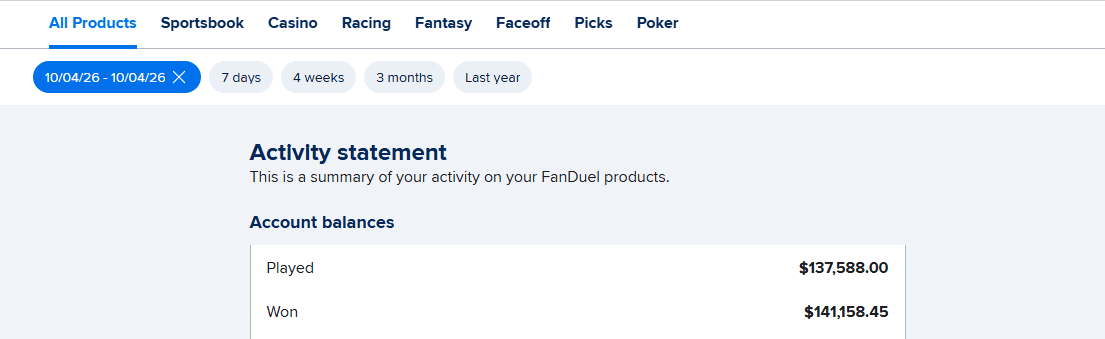
For most bettors, the parlay sweet spot is two to three legs — enough to meaningfully raise the payout without stacking the sportsbook's margin into a bet you almost cannot win. Every leg you add compounds the house edge, so an eight-leg parlay is far more likely to lose than its tempting payout implies. The Best Bet on Sports has built a verified $367,520+ profit across all six major U.S. sportsbooks over more than twenty years, and none of it came from chasing ten-leg lottery tickets. It came from taking the right side at the right number — and when a parlay is the right play, keeping the leg count low enough that the math still works. The more legs you add, the more you are paying the book for the privilege of a bigger dream.
The number of legs in a parlay is the single most important decision most bettors get wrong. They see the payout on a seven-leg ticket, imagine the screenshot, and never do the math on how unlikely it is that all seven land. This guide walks through exactly how leg count changes your odds and your expected value, why the two-to-three-leg range is the sweet spot for real bettors, when a higher leg count is defensible, and how live betting changes the entire calculation.
How Does Leg Count Change Your Odds?
A parlay pays more than the sum of its legs because you have to win every leg at once. Each additional leg multiplies your potential payout — but it also multiplies your probability of losing. That second half is where bettors get burned.
Say each leg is a coin-flip bet priced at -110, the standard number. A single -110 bet wins about 52.4% of the time to break even, but the true odds are closer to 50%. Now stack those legs:
| Legs | Approx. true win probability | Typical payout on $100 | What it feels like |
|---|---|---|---|
| 2 | ~25% | ~$265 | Realistic — hits regularly |
| 3 | ~12.5% | ~$596 | Achievable — the sweet-spot ceiling |
| 4 | ~6% | ~$1,228 | Long shot — occasional hit |
| 6 | ~1.5% | ~$5,700 | Lottery ticket |
| 8 | ~0.4% | ~$22,000 | Effectively a raffle |
The payouts climb fast, which is exactly why parlays are so seductive. But look at the win probability column. By the time you reach six legs, you are winning roughly one time in sixty-five. The eye-popping payout exists precisely because the outcome almost never happens — and even that big number is shaved below what fair odds would pay. The deeper reason this structure favors the house is covered in why most parlays lose.
Why Two to Three Legs Is the Sweet Spot
The sweet spot is the range where a parlay still adds real payout upside without turning into a bet you cannot realistically win. For nearly every bettor, that range is two to three legs.
At two legs, you roughly double or better your money on a win, and you hit often enough that the bet stays connected to reality. A disciplined bettor who finds genuine value on two selections can build a two-leg parlay without wrecking the math — the argument for keeping it that tight is laid out in why two legs win. Three legs is the honest ceiling: the payout jumps meaningfully, but you are still winning often enough that a good handful of tickets will cash over a season.
Past three legs, the trade-off flips. Each new leg adds a smaller and smaller share of realistic payout relative to how much it slashes your win probability. You are no longer buying upside — you are buying a lottery ticket and paying the book extra margin to do it. That is the moment most parlays cross from a bet into a donation.
The core principle: a parlay is the product of its legs, so the sportsbook's edge on each leg multiplies together. Two legs stack the vig twice. Eight legs stack it eight times. Keeping the count low is the only way to stop the house edge from compounding out of control.
When Are More Legs Actually Defensible?
There are narrow situations where reaching past three legs is a reasonable choice rather than a bad one.
When the legs are genuinely correlated. If your selections are logically connected — a favorite winning and the game going over, for example — the outcomes move together, which can make a multi-leg ticket more likely to hit than the raw math suggests. This is the entire logic behind the same-game parlay, where correlation is the point rather than an accident.
When you are betting a tiny stake for entertainment. If you are putting $5 on an eight-leg ticket and treating it as a fun swing rather than a real bet, the leg count barely matters — you have already accepted that you will almost certainly lose the $5. The problem is only when bettors treat that same ticket as a serious wager.
When you break the big parlay into a round robin. If you love five or six selections, a round robin spreads your stake across smaller combos so a single miss does not kill everything. It costs more up front, but it keeps you in the realistic-leg-count range on each individual bet.
Outside of those cases, the honest answer to "should I add another leg?" is almost always no. If you are reaching for a fourth or fifth leg to inflate the payout, you are making the bet worse, not better. The disciplined move is fewer legs and better selections — the same logic behind choosing straight bets over parlays when the value is there.
How Live Betting Changes the Leg-Count Math
Everything above assumes pre-game parlays, where the numbers sit still and the book has priced in its full margin. Live betting is a different environment, and it changes the calculation in your favor.
During a game, lines move fast and books frequently overreact — to an early run, a momentum swing, a pace change, a single big possession. Those overreactions create numbers that are genuinely mispriced for a short window. When you are working with mispriced legs instead of fully shaded pre-game numbers, the compounding house edge that punishes long parlays is smaller, because you are starting from a better price on each leg.
That does not mean you should stack eight live legs — the variance math still applies. But it does mean a live two or three-leg parlay built on genuinely mispriced numbers is a far stronger bet than the same-size pre-game ticket. The value comes from the price, not the format. This is the same edge that separates reactive live betting from static pre-game picks, explained in live betting vs pre-game picks.
The Bottom Line on Leg Count
Here is the honest summary. Two to three legs is the sweet spot for real bettors: enough upside to matter, few enough legs that the math still works. Four legs is a long shot you should treat as one. Six or more is a lottery ticket — fine as a $5 thrill, a mistake as a serious wager. And no leg count fixes bad selections; the quality of each leg, not the number of them, determines whether you win over time.
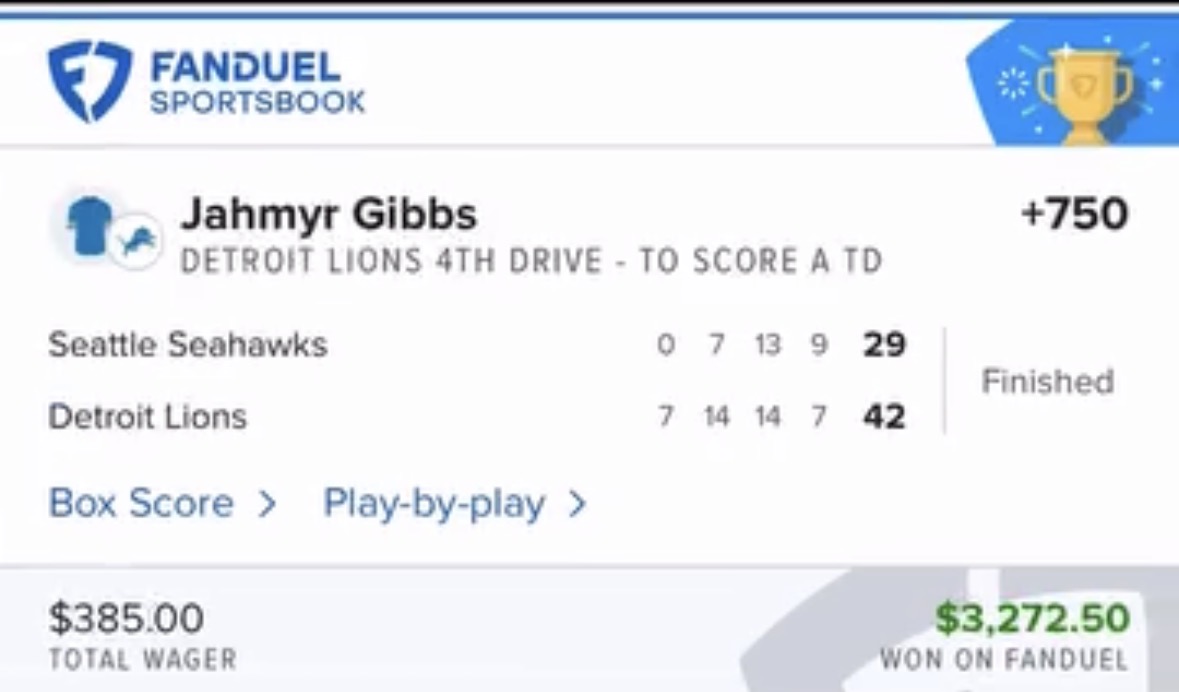
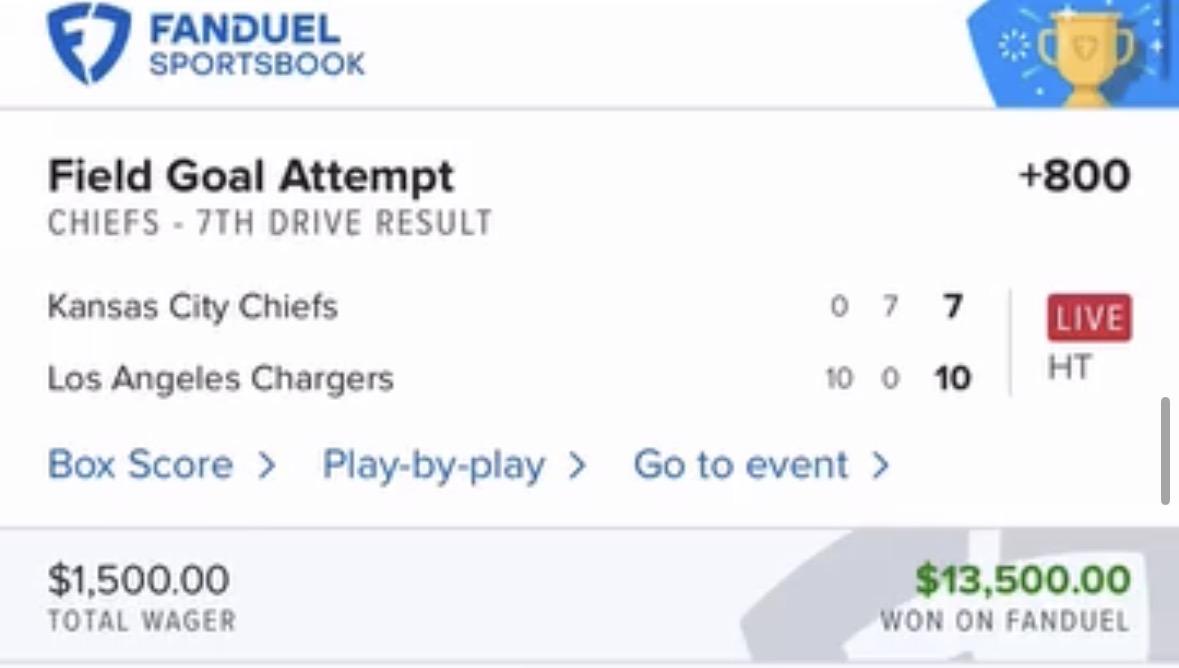
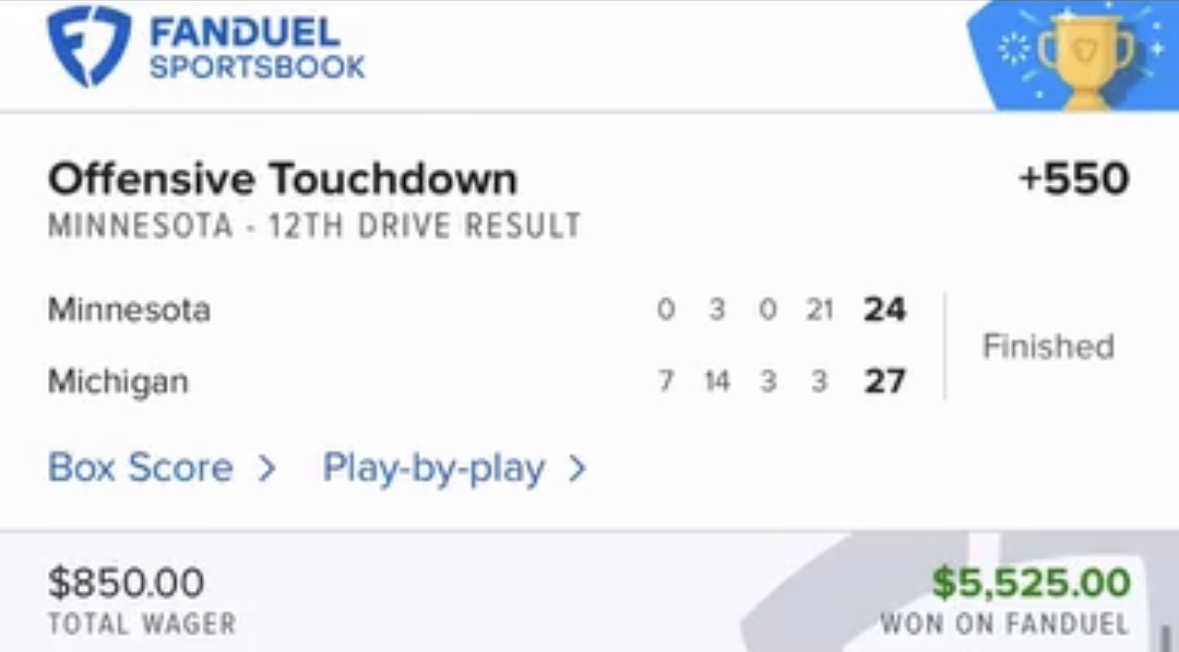
At The Best Bet on Sports, we are limited on all six major U.S. sportsbooks — FanDuel, DraftKings, Caesars, BetMGM, Fanatics, and ESPN BET — because we win too much during live action, not because we found a clever way to stack legs. The edge is in the number, caught in real time. Keep your parlays short, keep your selections sharp, and let the live market do the heavy lifting. See where the current action is on the live betting picks page, and the reason books restrict winners in why sportsbooks limit winning bettors. Sound leg-count discipline is part of the same framework as bankroll management for $100 to $500 bettors. When you would rather have that discipline applied for you, our sports handicappers put it into every selection on the daily sports picks board.
Readers working through this should also see our companion piece on 5-leg parlay strategy. Leg count is only half the question — how each leg settles is the other half, and overtime is where most bettors find out they were wrong about their own ticket. That one is worked through in do parlay legs include overtime.
Get Tonight's Live Picks
Want tonight's live in-game picks delivered to your phone via Email and Discord during the game?
The Best Bet on Sports is the only live betting handicapping service limited on all six major U.S. sportsbooks (FanDuel, DraftKings, Caesars, BetMGM, Fanatics, ESPN BET) for winning too much during in-game action. Verified profit: $367,520+. Picks delivered via Email and Discord during games.
→ Get tonight's live picks: $199 first month — 1-Unit package, full live betting access → Try a free live pick first — reserve your spot for tonight's pick
Frequently Asked Questions
How many legs should a parlay have?
For most bettors, two to three legs is the sweet spot. Two legs roughly doubles your money on a win and hits often enough to stay realistic; three legs pushes the payout higher while still cashing a reasonable share of the time. Past three legs, each additional selection adds far more risk than realistic payout, because the sportsbook's margin compounds with every leg. Unless the legs are genuinely correlated or you are betting a tiny entertainment stake, keeping it to two or three legs is the disciplined choice.
Are bigger parlays worth it for the huge payouts?
Rarely. A six or eight-leg parlay offers an enormous payout precisely because it almost never hits — a six-leg parlay of coin-flip legs wins roughly one time in sixty-five, and even that payout is shaved below fair odds. The big number is bait. If you are betting a small stake purely for entertainment, the leg count does not matter much. But as a serious wager, large parlays are among the worst bets on the board because the house edge multiplies with every leg you add.
Why do sportsbooks push high-leg parlays so hard?
Because they are the most profitable bets on the board for the book. Every leg you add multiplies the sportsbook's built-in margin, so an eight-leg parlay carries a much larger house edge than a single straight bet or a two-leg parlay. That is why apps constantly promote same-game parlays, boosted multi-leg tickets, and "parlay of the day" features — they are steering you toward the highest-margin product. The bettor sees a dream payout; the book sees its best hold percentage.
Does adding more legs ever improve a parlay?
Only when the legs are genuinely correlated, meaning the outcomes are logically connected and tend to happen together — like a team winning and the game going over. In a same-game parlay built on real correlation, a well-chosen multi-leg ticket can be more likely to hit than the raw independent math suggests. Outside of correlation, adding uncorrelated legs always makes the parlay worse: it lowers your win probability faster than it raises your realistic payout.
Is a two-leg parlay better than a single straight bet?
It depends on your goal and your conviction. A single straight bet has the lowest house edge and the highest win rate, so it is the more efficient long-term bet. A two-leg parlay sacrifices some of that efficiency for a bigger payout, which can be worth it when you have real value on two selections and want the upside. What you should not do is jump to a two-leg parlay just to chase a bigger number on selections you are not confident in — that adds risk without adding value.
How many legs should a live parlay have?
The same two-to-three-leg discipline applies, but live betting improves the math because you are often working with mispriced numbers rather than fully shaded pre-game lines. A live two or three-leg parlay built on genuinely mispriced legs is a stronger bet than the same-size pre-game ticket, because each leg starts from a better price. You still should not stack many live legs — the variance math does not disappear — but the value in a short live parlay comes from the price you catch, not the number of legs.
What is the biggest parlay mistake bettors make?
Adding legs to chase a bigger payout instead of choosing legs for value. Bettors routinely tack on a fourth, fifth, or sixth selection they only half-believe in, just to push the potential return higher — and in doing so they multiply the house edge and slash their win probability. The disciplined approach is the opposite: start with the selections you genuinely believe are mispriced, keep the count to two or three, and let the quality of each leg drive the bet rather than the size of the payout.
The Best Bet on Sports · 1.5M followers on TikTok
Sports Betting TikTok is the live betting account behind The Best Bet on Sports, covering NFL, NCAAF, NBA, NCAAB, MLB and WNBA markets in real time. The account has been limited on all six major U.S. sportsbooks — FanDuel, DraftKings, Caesars, BetMGM, Fanatics and ESPN BET — for winning on live betting, with $367,520 in verified profit since 2005. View full profile →
Past results do not guarantee future performance. Must be 21 or older to wager.
Related Articles
4-of-5 Again: Was Your Parlay Unlucky or Badly Built?
Progressive Parlay Strategy: How the Miss-a-Leg Bet Works
You Hit a Big Parlay: How Long Will You Keep It?
If-Bets and Reverses: The Parlay Alternative Explained
Why Your Sportsbook Keeps Recommending Parlays
The Last Leg Decides Your Parlay: Build the Ticket for Its Exit
Get real live betting picks
From $39.95/mo · Cancel anytime · Email + Discord delivery
● Get The Picks
Choose your package
Tap any tier below to select · Subscribe in one tap
👇 Tap any package to select it
✓ You're selecting
25 Units · $99.95/month
25 unit picks per month. Sweet spot for most bettors — plenty of action without going all-in.
- ✓25 live betting selections/month
- ✓Email + Discord delivery
- ✓All sports (NFL, NCAAF, NBA, NCAAB, MLB)
- ✓Mix of 1, 2, 3, 5-unit rated plays
- ✓Cancel anytime
Secure PayPal · Cancel anytime · No hidden fees · 21+ · +$367K verified
+$367,520 verified · Limited on 6 sportsbooks · 20 years documented · See Proof
Join Our Newsletter
Get free expert sports picks and analysis delivered weekly.