2-Leg Parlay Strategy: Why Two Legs Beat Five Almost Every Time

A 2-leg parlay is the most profitable parlay structure for most bettors because it minimizes the compounding hold the sportsbook stacks onto every added leg. A two-leg parlay carries roughly 8-12% built-in hold versus 25-35% on a five-leg ticket, so two strong legs at -110 each pay about +264 while keeping your long-run expectation far closer to break-even. Here is how to build, stake, and live-bet a two-leg parlay correctly.
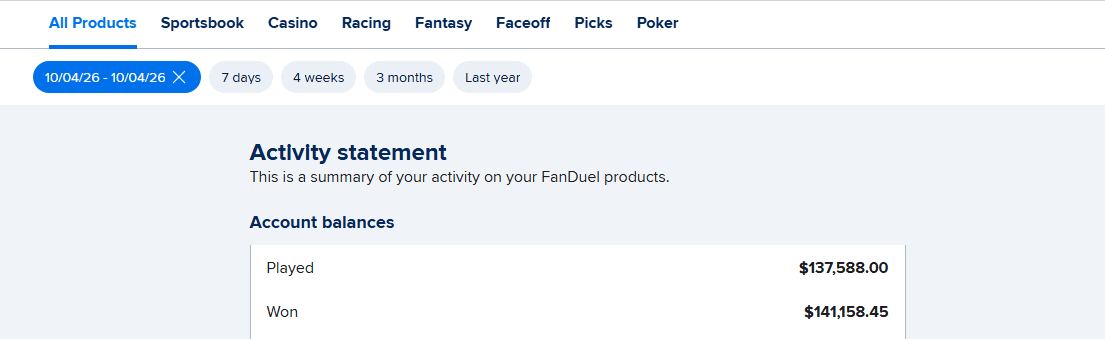
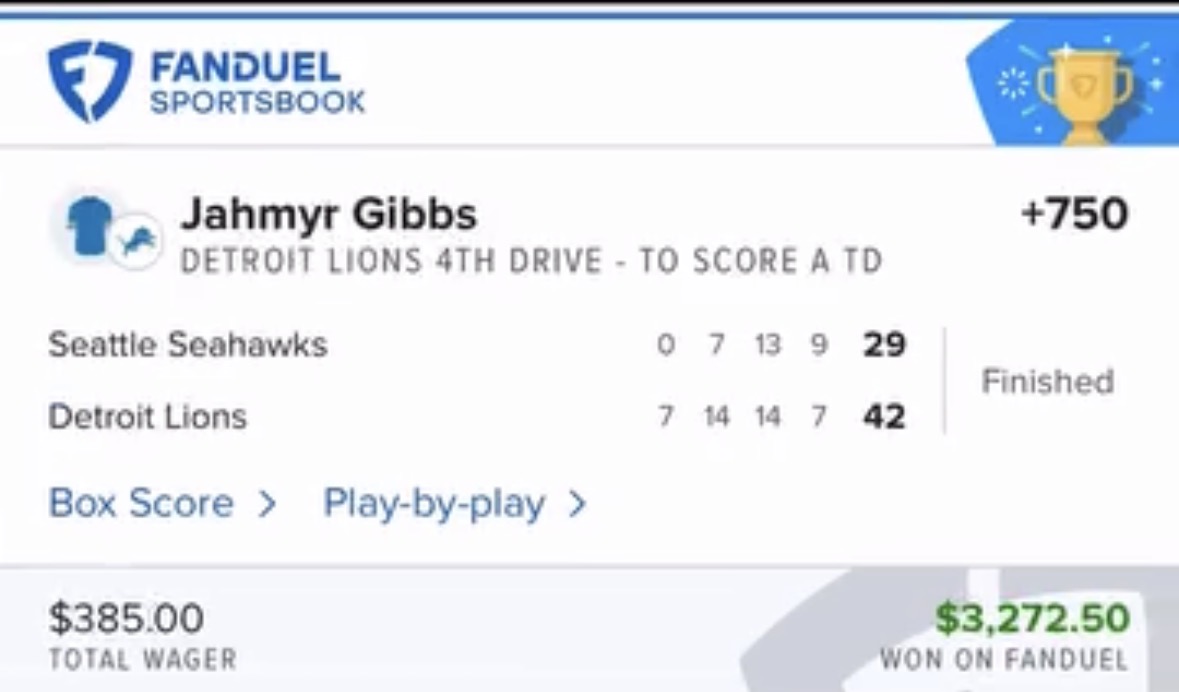
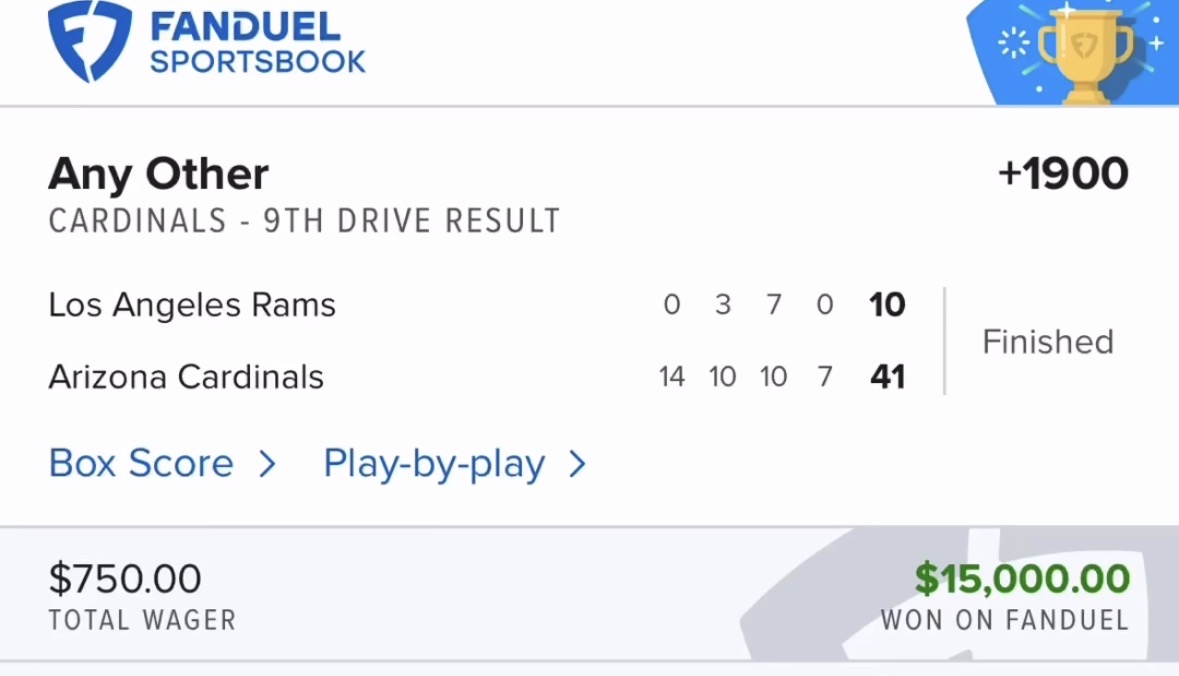
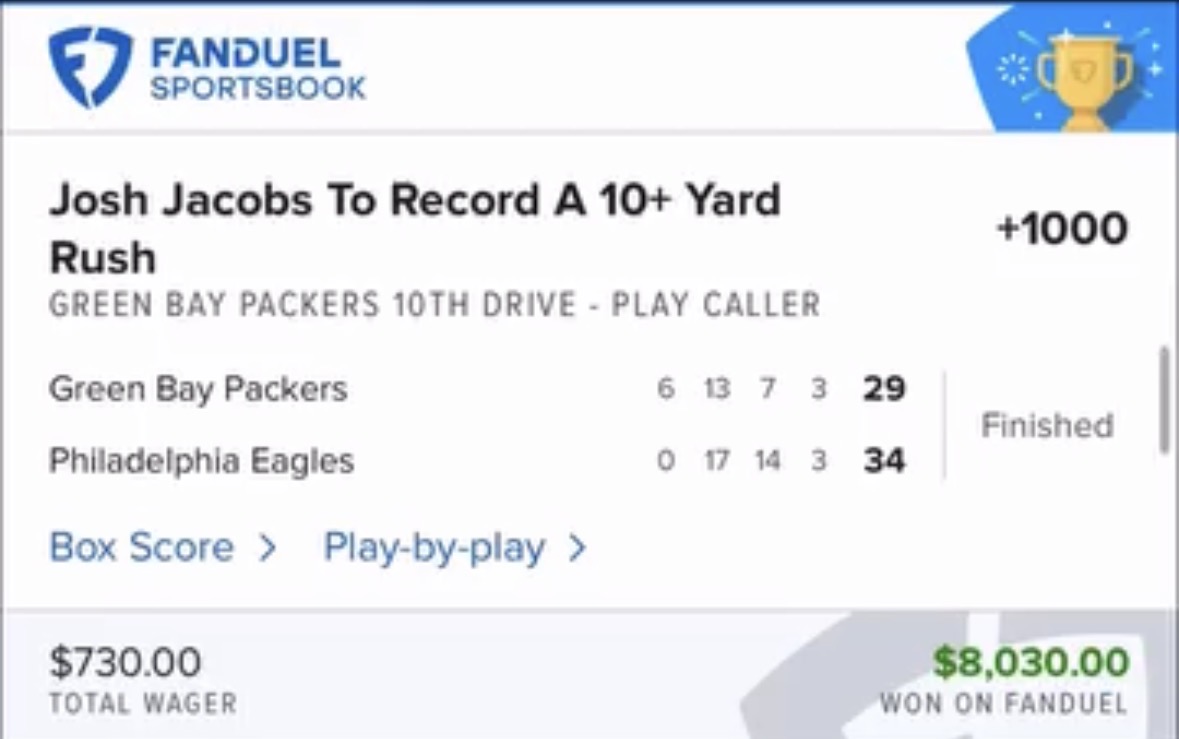
A 2-leg parlay is the most profitable parlay structure for most bettors because it minimizes the compounding hold the sportsbook stacks onto every additional leg. Each leg you add multiplies the book's edge against you — a two-leg parlay carries roughly 8-12% built-in hold, while a five-leg ticket carries 25-35%, and a ten-leg ticket exceeds 50%. Two strong legs at -110 each pay about +264 (a $100 bet returns roughly $264 profit), which is enough upside to matter while keeping your long-run expectation close to break-even instead of feeding the book a lottery margin. The bettors who win with parlays almost never play more than two or three correlated legs. The Best Bet on Sports has run live in-game picks for more than twenty years, posted a verified $367,520+ in profit across every sportsbook, and operates limited on all six major U.S. sportsbooks (FanDuel, DraftKings, Caesars, BetMGM, Fanatics, ESPN BET) for winning too much during live betting — and almost none of that profit came from chasing eight-leg lottery tickets.
The parlay is the most misunderstood bet in sports betting. Recreational bettors treat it like a lottery ticket: stack six or eight legs, dream about the $5,000 payout off a $20 stake, and lose 95% of those tickets over a season. Sharp bettors treat the parlay like a leverage tool: two legs, occasionally three, used deliberately to either correlate two outcomes that move together or to amplify a single high-conviction night. The difference between those two approaches is the difference between donating to the sportsbook and extracting value from it.
This guide makes the case for the two-leg parlay as the default structure, shows the math behind why every added leg hurts you more than the payout suggests, and walks through how to build and stake one correctly.
Why Every Added Leg Costs More Than It Pays
The reason a two-leg parlay outperforms a five-leg parlay is not opinion — it is the compounding nature of the sportsbook hold. Every leg you add to a parlay applies the book's vig a second, third, and fourth time. The payout grows, but the fair payout grows faster, and the gap between what you are paid and what you should be paid is the hold.
Here is the structural math on parlays built from standard -110 legs:
| Legs | Decimal Payout | Approx. American Odds | Win Probability* | Built-in Hold |
|---|---|---|---|---|
| 2 legs | 3.64x | +264 | ~25% | ~8-12% |
| 3 legs | 6.96x | +596 | ~12% | ~15-18% |
| 4 legs | 13.28x | +1228 | ~6% | ~20-25% |
| 5 legs | 25.36x | +2436 | ~3% | ~25-35% |
| 8 legs | ~177x | +17600 | ~0.4% | ~45%+ |
\*Assuming each leg is a true coin-flip 50% bet (the -110 line implies ~52.4% with vig).
Read that "Built-in Hold" column carefully. On a two-leg parlay you are fighting an 8-12% house edge — beatable if your legs carry real value. On a five-leg parlay you are fighting a 25-35% edge before you have picked a single winner. No handicapping skill overcomes a 30% structural disadvantage over time. That is why the same bettor who can beat straight bets at a 55% clip still loses money on five-leg parlays.
The takeaway: the parlay is not the problem. The number of legs is the problem. Keep it to two, and the parlay becomes a usable tool instead of a tax. For the variance math behind why long parlays lose, read why most parlays lose.
When a Two-Leg Parlay Is the Right Bet
A two-leg parlay is not always correct — sometimes two straight bets are better. The two-leg parlay is the right structure in exactly two situations:
1. When the two legs are positively correlated. If you believe a game will be high-scoring, the over and the favorite's team total move together — when one hits, the other is more likely to hit. Correlated legs are the only situation where a parlay's combined probability is genuinely higher than the multiplied independent probabilities the book prices it at. That is a real edge. (Note: many books restrict same-game correlated legs or reprice them — know your book's rules.)
2. When you have two genuinely high-conviction plays on the same slate and want leverage. If you have two A-grade plays and you would bet both straight anyway, parlaying them converts two -110 bets into one +264 bet. You are choosing higher variance for higher upside on spots you already trust. That is a deliberate leverage decision, not a lottery ticket.
If your two legs are uncorrelated and only one is high-conviction, bet them straight. The parlay only earns its keep when one of those two conditions is met.
How to Build a Winning Two-Leg Parlay
The construction process is simple but disciplined:
1. Start with your single best play of the night. This is the anchor leg. If you do not have one A-grade play, do not build a parlay at all. 2. Add one correlated or one equally strong leg — never a filler. The fastest way to ruin a two-leg parlay is to pair an A-grade leg with a B-minus "to make the payout look better." A filler leg drags your combined expectation underwater. 3. Prefer -110 to -150 legs over heavy favorites. Parlaying two -300 favorites pays almost nothing (about +44) and exposes you to the worst of both worlds: low upside and two ways to lose. 4. Check the correlation rules at your book. Some books void correlated same-game legs; others reprice them. Cross-game two-leggers are always allowed.
The cleanest two-leg builds we run live are cross-sport (one NBA leg, one MLB leg) or single-game correlated (a favorite plus the over in a game we expect to be a track meet). For cross-sport mechanics, see our cross-sport parlay framework, and for same-game correlation, see same-game parlay strategy for the NBA.
Two-Leg Parlay Staking: Treat It Like One Bet, Not Two
A two-leg parlay is higher variance than a straight bet — it loses three out of four times even when both legs are fair coin flips. Stake it accordingly:
| Bankroll | Straight-Bet Unit | Two-Leg Parlay Stake |
|---|---|---|
| $2,500 | $50 (2%) | $25-$35 (1-1.4%) |
| $5,000 | $100 (2%) | $50-$70 (1-1.4%) |
| $10,000 | $200 (2%) | $100-$140 (1-1.4%) |
| $25,000 | $500 (2%) | $250-$350 (1-1.4%) |
Stake a two-leg parlay at roughly 60-70% of your normal straight-bet unit. You are accepting a ~25% hit rate for a ~3.6x payout, so the lower stake keeps your bankroll variance in line with your straight-bet exposure. Never stake a parlay at full straight-bet size, and never chase a lost parlay with a longer one. For full unit-sizing discipline, read our bankroll management guide for $100 to $500 bettors.
The Live Two-Leg Parlay: Where the Real Edge Lives
The strongest two-leg parlays we run are live, not pregame. Pregame parlay legs are priced efficiently — the book has had all day to sharpen each number. Live legs are priced in seconds and routinely overreact to the last scoring run, which is exactly when a two-leg live parlay carries genuine value.
A clean live two-legger: take a live first-half under in one game after a frantic opening quarter inflates the pace narrative, and pair it with a live home-favorite alt-spread in a second game after the road team's early run pushes the home line too long. Both legs are buy-low overreaction spots, both move independently across two games, and the +264 combined payout rewards the two corrections firing together. That is the structural opposite of an eight-leg pregame lottery ticket — two high-conviction corrections, captured in real time. For why live markets beat pregame, see live betting picks and our NBA picks and MLB picks hubs.
Our coverage of 3-leg parlay strategy for turning $100 into $500 walks through how this plays out in practice.
Get Tonight's Live Picks
Want tonight's live in-game two-leg parlay delivered to your phone via Email and Discord during the game?
The Best Bet on Sports is the only live betting handicapping service limited on all six major U.S. sportsbooks (FanDuel, DraftKings, Caesars, BetMGM, Fanatics, ESPN BET) for winning too much during in-game action. Verified profit: $367,520+. Picks delivered via Email and Discord during games.
→ Get tonight's live picks: $199 first month — 1-Unit package, full live betting access → Try a free live pick first — reserve your spot for tonight's pick
Frequently Asked Questions
Why is a 2-leg parlay better than a 5-leg parlay?
A two-leg parlay is better because the sportsbook hold compounds with every added leg. A two-leg parlay carries roughly 8-12% built-in hold, while a five-leg parlay carries 25-35% and an eight-leg parlay exceeds 45%. No handicapping skill overcomes a 30% structural disadvantage over the long run, so the five-leg ticket loses money even when your individual legs are good. Keeping it to two legs cuts the house edge to a level your edge on the legs can actually overcome.
How much does a 2-leg parlay pay?
Two legs at standard -110 odds pay approximately +264 in American odds, which means a $100 bet returns about $264 in profit (around $364 total back). The exact payout depends on the price of each leg — two -150 favorites pay far less (around +135 combined), while two +120 underdogs pay much more (around +384). The +264 figure assumes two standard -110 spread or total legs.
When should I bet a 2-leg parlay instead of two straight bets?
Bet a two-leg parlay in two situations: when the two legs are positively correlated (such as a favorite plus the over in a game you expect to be high-scoring), or when you have two genuinely high-conviction plays and deliberately want higher variance for higher upside. If your legs are uncorrelated and only one is high-conviction, bet them as straight bets instead — the parlay only earns its keep when one of those two conditions is met.
What is a correlated parlay and why does it matter?
A correlated parlay pairs two outcomes that tend to happen together, like a team's moneyline plus the game over when you expect a shootout. Correlation matters because it is the only situation where a parlay's true combined probability is higher than the multiplied independent probabilities the sportsbook uses to price it — which creates real value. Many books restrict or reprice correlated same-game legs, so check your book's rules before building one.
How much should I stake on a 2-leg parlay?
Stake a two-leg parlay at roughly 60-70% of your normal straight-bet unit, or about 1-1.4% of your bankroll. A two-leg parlay loses about three out of four times even when both legs are fair, so the reduced stake keeps your bankroll variance in line with your straight-bet exposure. Never stake a parlay at full straight-bet size, and never chase a lost parlay with a longer, lower-probability one.
Are live 2-leg parlays better than pregame 2-leg parlays?
Live two-leg parlays generally carry more value because live legs are priced in seconds and overreact to the most recent scoring run, while pregame legs have been sharpened by the book all day. A clean live two-legger pairs two buy-low overreaction spots across different games — for example, a live first-half under after a frantic opening quarter and a live home-favorite alt-spread after a road team's early run. Capturing those corrections in real time is where the structural edge lives.
What is the biggest mistake people make with parlays?
The biggest mistake is adding too many legs. Recreational bettors stack six or eight legs chasing a large payout, not realizing the sportsbook hold compounds to over 45% on those tickets, which makes them long-run losers regardless of handicapping skill. The second-biggest mistake is adding a weak "filler" leg to a strong anchor leg, which drags the whole ticket's expectation underwater. Discipline means two legs, both strong, ideally correlated or both high-conviction.
The Best Bet on Sports · 1.5M followers on TikTok
Sports Betting TikTok is the live betting account behind The Best Bet on Sports, covering NFL, NCAAF, NBA, NCAAB, MLB and WNBA markets in real time. The account has been limited on all six major U.S. sportsbooks — FanDuel, DraftKings, Caesars, BetMGM, Fanatics and ESPN BET — for winning on live betting, with $367,520 in verified profit since 2005. View full profile →
Past results do not guarantee future performance. Must be 21 or older to wager.
Related Articles
Should You Parlay Your Live Betting Picks Together?
5-Team Parlay Payout Calculator: What a 5-Leg Parlay Really Pays
$100 to $500: The 3-Leg Parlay Strategy That Works
How to Hedge a Live Parlay Mid-Game: The 3-Leg Survivor Framework
Live Parlay Strategy: How to Stack a 3-Leg Live Parlay After Quarter 1 Closes
5-Leg Parlay Strategy: How to Build a $100 to $500 Ticket Without Overleveraging
Get real live betting picks
From $39.95/mo · Cancel anytime · Email + Discord delivery
● Get The Picks
Choose your package
Tap any tier below to select · Subscribe in one tap
👇 Tap any package to select it
✓ You're selecting
25 Units · $99.95/month
25 unit picks per month. Sweet spot for most bettors — plenty of action without going all-in.
- ✓25 live betting selections/month
- ✓Email + Discord delivery
- ✓All sports (NFL, NCAAF, NBA, NCAAB, MLB)
- ✓Mix of 1, 2, 3, 5-unit rated plays
- ✓Cancel anytime
Secure PayPal · Cancel anytime · No hidden fees · 21+ · +$367K verified
+$367,520 verified · Limited on 6 sportsbooks · 20 years documented · See Proof
Join Our Newsletter
Get free expert sports picks and analysis delivered weekly.