
$100 to $500: The 3-Leg Parlay Strategy That Works

Turning $100 into $500 with a parlay takes roughly +400 odds, which a disciplined 3-leg parlay can reach without the long-shot risk of stacking five or six legs. The smart approach is to build a 3-leg ticket from correlated or live-betting spots, keep each leg around -150 to +120, and treat the $100 stake as risk capital you can lose. This guide shows the exact math, the leg structure, and the live-betting timing that gives a 3-leg parlay a realistic shot at a $400+ return.
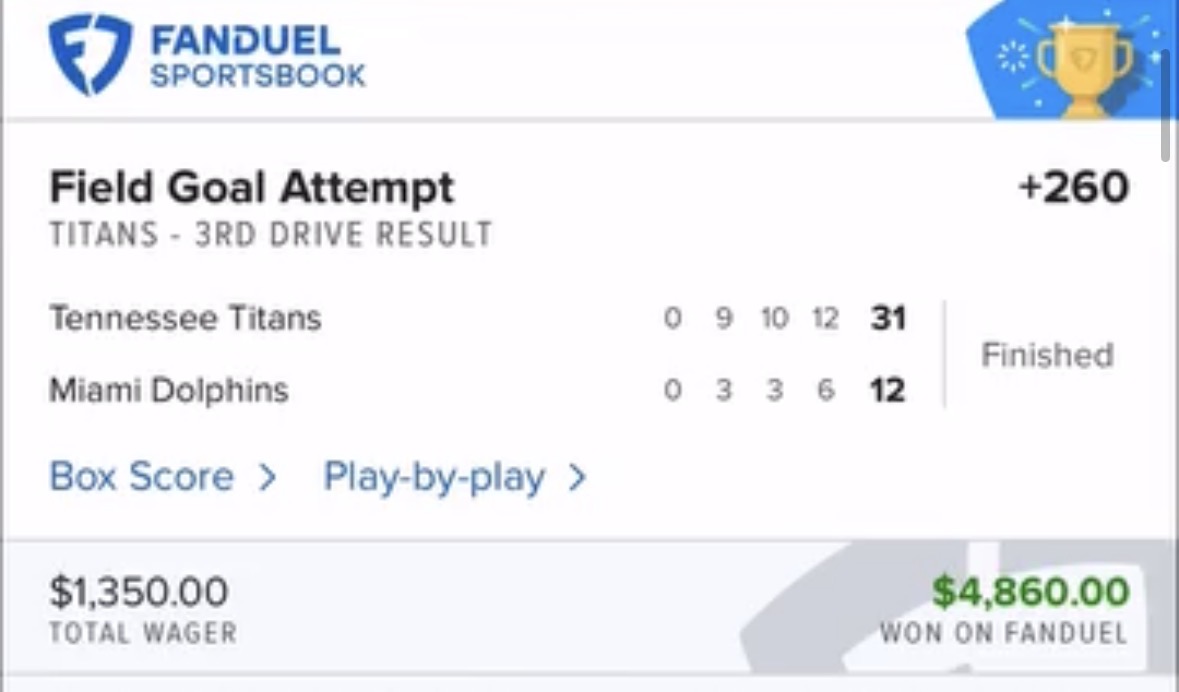
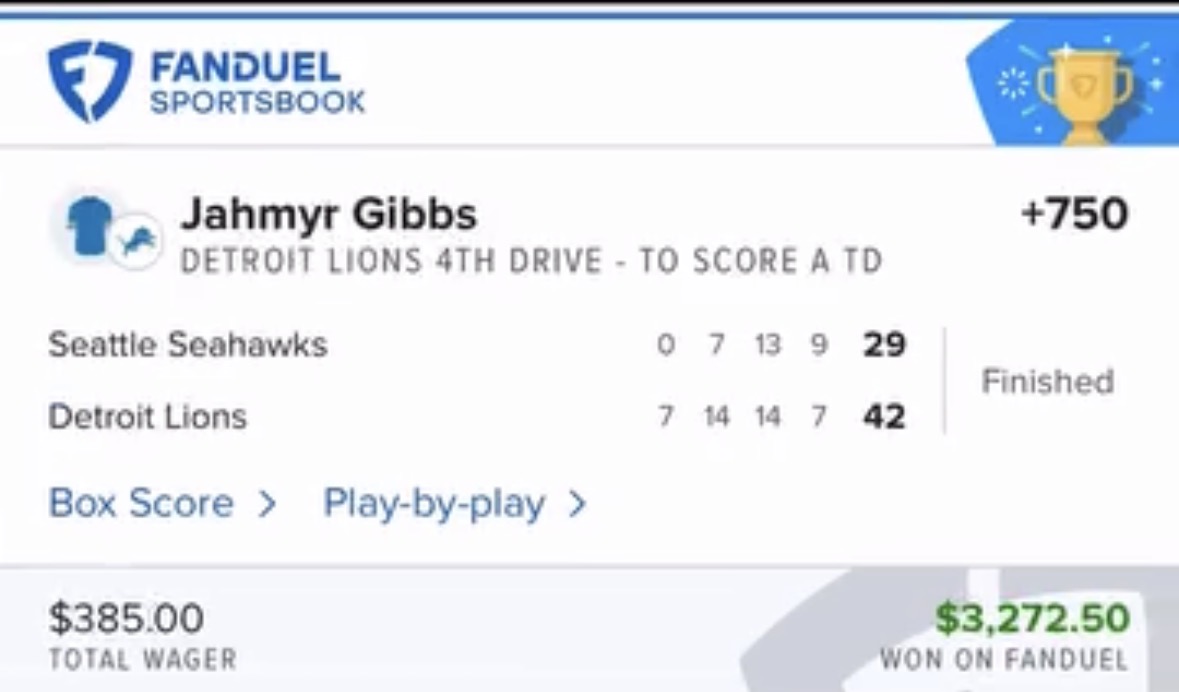
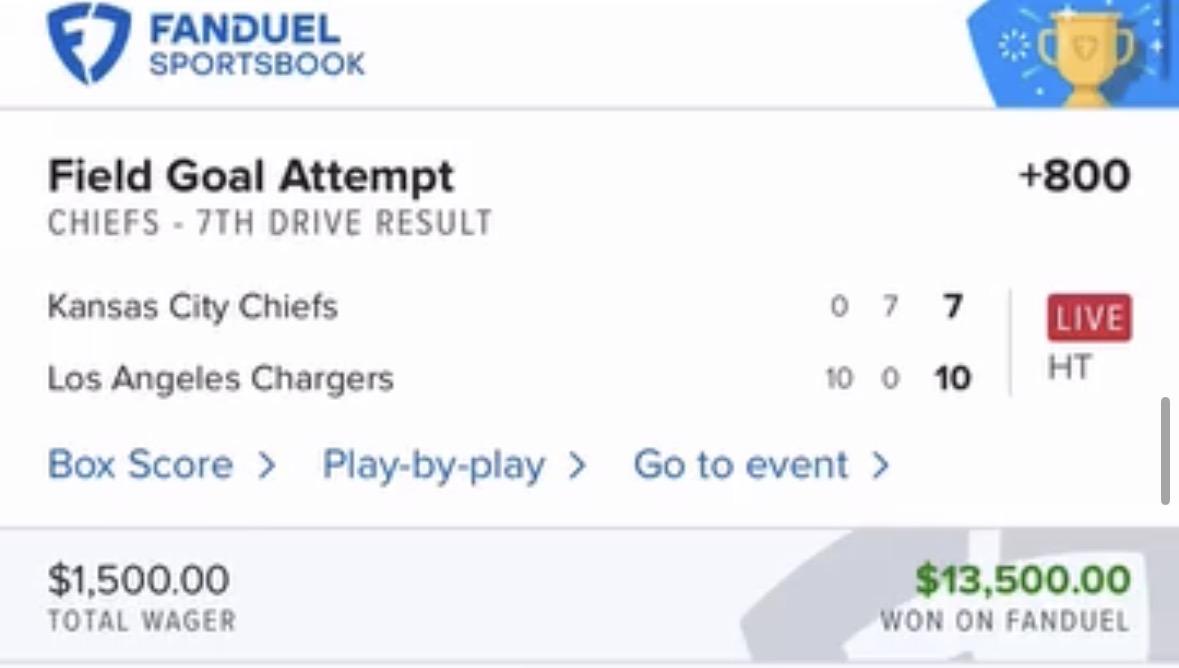
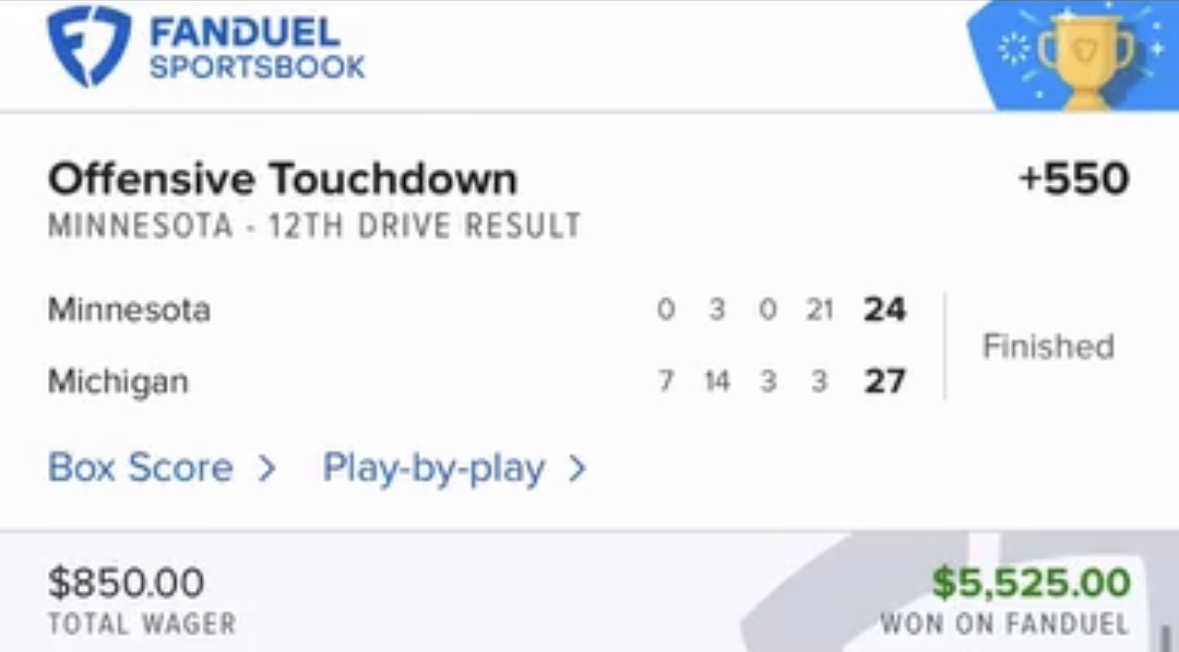
Turning $100 into $500 with a single parlay requires odds of about +400, and a well-built 3-leg parlay is the most realistic structure to get there — far more achievable than the five- and six-leg long shots most bettors chase. Three legs in the -150 to +120 range multiply out to roughly +400 to +600, which means a $100 stake returns $500 to $700 if all three hit. The 3-leg ticket is the sweet spot because it pays a life-changing-on-the-night number while still requiring only three correct reads, not six. At The Best Bet on Sports, the same discipline behind a verified $367,520+ profit — built over 20-plus years while limited on all six major U.S. sportsbooks (FanDuel, DraftKings, Caesars, BetMGM, Fanatics, ESPN BET) for winning too much during live action — applies to parlays: fewer legs, better spots, and live timing beat blind leg-stacking every time. A $100-to-$500 parlay is not a fantasy, but it only works when you respect the math instead of fighting it.
Most bettors who dream of a $100-to-$500 night reach for an eight-leg parlay and lose, because they treat the parlay as a lottery ticket instead of a structured bet. The 3-leg parlay is the version that actually has a pulse. This guide breaks down the exact odds you need, how to build the three legs, and why live betting is the single biggest edge available to anyone trying to hit a mid-size parlay.
What Odds Do You Need to Turn $100 Into $500?
To turn $100 into $500, you need a total return of $500 — which is your $100 stake back plus $400 in profit. That means you need parlay odds of +400. Anything at +400 or better gets you to (or past) the $500 mark.
The reason 3-leg parlays are the right tool is simple: three standard legs naturally multiply into that +400 to +600 range without forcing you into long-shot territory. Here is how the math stacks up at common odds:
| Parlay structure | Approx. combined odds | $100 returns | Implied win probability |
|---|---|---|---|
| 3 legs at -110 each | +596 | ~$696 | ~14% |
| 3 legs at -150 each | +338 | ~$438 | ~23% |
| 2 legs at -110 + 1 at +120 | ~+760 | ~$860 | ~12% |
| 4 legs at -110 each | +1228 | ~$1,328 | ~7.5% |
| 6 legs at -110 each | +4661 | ~$4,761 | ~2% |
Notice the cliff. A 3-leg parlay at -110 legs already overshoots $500 with about a 14% chance of cashing. A 6-leg parlay pays five figures but hits roughly one time in fifty. The 3-leg ticket is the only structure that pays the target number while keeping a realistic win rate. For the full payout breakdown by leg count, see our 3-team parlay payout calculator and the 4-team parlay payout calculator.
How to Build the Three Legs
The structure of the three legs matters more than the teams. A good $100-to-$500 parlay is built from three reads you would be comfortable making as standalone bets — not three desperation flyers glued together. Here is the framework:
Leg 1 — your highest-conviction play. This is the spot you would bet straight if you only had one bet. Keep it in the -150 to -110 range. It anchors the ticket.
Leg 2 — a second strong read, ideally correlated. If your first leg is a team to win, a correlated second leg (that team's star to score, or the game to go over) raises the ticket's true probability relative to the posted odds, because the outcomes move together. This is the heart of same-game parlay strategy.
Leg 3 — your value swing. This is where a small underdog or a plus-money prop (+100 to +120) earns its place, lifting the combined odds over +400. It should still be a defensible read, not a coin flip.
Three legs in this shape — anchor, correlated support, value swing — multiply into the +400-plus range while keeping the ticket grounded in real analysis. The mistake to avoid is stacking three heavy favorites at -300 each; that produces a parlay paying about +130, which turns $100 into roughly $230, not $500. To clear $500 you need the combined price to reach +400, and that requires at least one leg with real payout in it.
Why Most $100-to-$500 Parlays Lose
The brutal truth is that the overwhelming majority of mid-size parlays lose, and they lose for predictable reasons. Understanding them is how you join the small group that wins:
- Too many legs. Every leg you add multiplies the ways the ticket can break. A 3-leg parlay needs three things to go right; a 7-leg parlay needs seven. The house edge compounds with each leg, which is exactly why books promote big parlays so aggressively. We break this down in why most parlays lose.
- Uncorrelated legs. Random teams from random games stapled together carry the full house edge with none of the probability boost that correlation provides.
- Chasing the payout, not the value. Bettors pick legs to hit a dollar figure instead of picking legs that are genuinely mispriced, then wonder why they keep losing.
- Pre-game pricing. Pre-game lines are the books' sharpest, most-vetted numbers. The edges that beat them are thin and shrinking.
That last point is the bridge to the single biggest advantage available to a 3-leg parlay bettor: live betting.
How Live Betting Improves a 3-Leg Parlay
Live, in-game odds move fast and are priced under time pressure, which means they are far softer than pre-game numbers. A live 3-leg parlay — or a live same-game parlay built as a game unfolds — lets you assemble legs at prices the book would never offer before kickoff.
Here is the practical edge: a team you liked pre-game falls behind early, and its live line balloons. If your read is that the deficit is noise — a fluky early sequence, not a real shift in the matchup — you can now grab that team at a much better number and fold it into a 3-leg ticket that pays well past +400. The same logic applies to live totals that overreact to a fast or slow start. Live betting is where the +400-to-+600 parlay becomes a value bet instead of a hope, and it is exactly the kind of edge that got our analysts limited on all six major U.S. sportsbooks for winning too much during in-game action. For the broader case, see why live betting beats pre-game picks.
The catch is speed. Live windows close in seconds, so the bettors who profit from them are the ones getting fast, specific alerts — not the ones scrolling odds boards hoping to catch a number before it moves.
The Bankroll Rules for a $100-to-$500 Parlay
A 3-leg parlay is the right structure, but it is still a parlay, and parlays lose more often than they win. Treat your $100 as risk capital — money you can lose without affecting your week. Never fund a parlay from rent, and never chase a lost parlay with a bigger one. The bettors who survive long enough to catch the +500 nights are the ones who size their parlays as a small, fixed slice of a disciplined bankroll, exactly as we lay out in bankroll management for $100 to $500 bettors. For a clear-eyed look at when a parlay actually beats betting straight, read parlay vs. straight bets.
The honest framing: a 3-leg parlay at roughly +500 hits around one time in six to one time in seven when the legs are sharp. That is not a get-rich-quick rate, but it is a real one — and it is dramatically better than the one-in-fifty math of the big-leg lottery tickets the books want you to play.
Get Tonight's Live Picks
Want tonight's live in-game parlay legs delivered to your phone via Email and Discord during the game — the same real-time spots our analysts use to build value parlays the books can't pre-price?
The Best Bet on Sports is the only live betting handicapping service limited on all six major U.S. sportsbooks (FanDuel, DraftKings, Caesars, BetMGM, Fanatics, ESPN BET) for winning too much during in-game action. Verified profit: $367,520+. Picks delivered via Email and Discord during games.
→ Get tonight's live picks: $199 first month — 1-Unit package, full live betting access → Try a free live pick first — reserve your spot for tonight's pick
Explore more live betting plays on our live betting picks page, tonight's NBA card on NBA picks, or the full board of today's sports picks.
Frequently Asked Questions
What odds do I need to turn $100 into $500 on a parlay?
You need parlay odds of about +400 to turn $100 into $500, because +400 returns $400 in profit on top of your $100 stake. A 3-leg parlay with legs around -150 to +120 naturally multiplies into the +400 to +600 range, which is why three legs is the most realistic structure for this goal. Stacking three heavy favorites won't get you there — at least one leg needs real payout in it for the combined price to reach +400.
Why is a 3-leg parlay better than a 6-leg parlay for this goal?
A 3-leg parlay is better because it already pays past $500 on a $100 stake while requiring only three correct reads, giving it roughly a 14% chance to cash at standard odds. A 6-leg parlay pays far more but hits only about one time in fifty, because every added leg multiplies the ways the ticket can break and compounds the house edge. The 3-leg parlay is the sweet spot where the payout reaches your target without sinking the win rate to lottery levels.
How should I structure the three legs?
Structure the three legs as an anchor, a correlated support leg, and a value swing. The anchor is your highest-conviction play at -150 to -110. The support leg is a second read that moves with the first — such as a star player prop in a game you expect your team to win — which raises the ticket's true probability. The value swing is a small underdog or plus-money prop around +100 to +120 that lifts the combined price over +400. All three should be defensible reads, not desperation flyers.
Does live betting really help with parlays?
Yes, live betting helps significantly because in-game odds are priced fast and under pressure, making them far softer than the books' carefully vetted pre-game numbers. When a team you like falls behind on a fluky early sequence, its live price balloons, letting you grab it at a number that pushes a 3-leg parlay well past +400. Live totals that overreact to a fast or slow start offer the same edge. The challenge is speed — live windows close in seconds, so fast, specific alerts are essential.
How often does a $100-to-$500 parlay actually hit?
A sharp 3-leg parlay priced around +500 hits roughly one time in six to one time in seven. That is not a frequent payday, but it is a realistic rate — and dramatically better than the one-in-fifty odds of the big-leg parlays sportsbooks promote. The key is that the legs must be genuinely mispriced spots, not teams stapled together to chase a dollar figure. Quality of the reads, not the size of the dream, determines how often the ticket cashes.
How much of my bankroll should I put on a parlay?
Treat any parlay stake as a small, fixed slice of risk capital — money you can lose without affecting your week or your essential expenses. A common discipline is keeping parlay stakes to a single unit or less and never chasing a lost parlay with a bigger one. Parlays lose more often than they win, so survival depends on sizing them as a minor part of a disciplined bankroll rather than betting the figure you hope to win.
Are parlays a good long-term strategy?
Parlays are best used as a small, high-variance complement to a core strategy of value-driven straight and live bets, not as a primary long-term approach. The house edge compounds with every leg, so over a large sample, straight betting on genuinely mispriced spots produces steadier results. The right role for a 3-leg parlay is the occasional, well-structured swing for a big night — funded with risk capital and built from real reads, not chased to recover losses.
The Best Bet on Sports · 1.5M followers on TikTok
Sports Betting TikTok is the live betting account behind The Best Bet on Sports, covering NFL, NCAAF, NBA, NCAAB, MLB and WNBA markets in real time. The account has been limited on all six major U.S. sportsbooks — FanDuel, DraftKings, Caesars, BetMGM, Fanatics and ESPN BET — for winning on live betting, with $367,520 in verified profit since 2005. View full profile →
Past results do not guarantee future performance. Must be 21 or older to wager.
Related Articles
5-Leg Parlay Strategy: How to Build a $100 to $500 Ticket Without Overleveraging
First Half Over, Game Under: The Parlay That Fights Itself
Lead at Halftime and Win: What That NFL Parlay Pays
You Hit a Big Parlay: How Long Will You Keep It?
Why Your Sportsbook Keeps Recommending Parlays
Accept Odds Changes: The Parlay Setting Nobody Reads
Get real live betting picks
From $39.95/mo · Cancel anytime · Email + Discord delivery
● Get The Picks
Choose your package
Tap any tier below to select · Subscribe in one tap
👇 Tap any package to select it
✓ You're selecting
25 Units · $99.95/month
25 unit picks per month. Sweet spot for most bettors — plenty of action without going all-in.
- ✓25 live betting selections/month
- ✓Email + Discord delivery
- ✓All sports (NFL, NCAAF, NBA, NCAAB, MLB)
- ✓Mix of 1, 2, 3, 5-unit rated plays
- ✓Cancel anytime
Secure PayPal · Cancel anytime · No hidden fees · 21+ · +$367K verified
+$367,520 verified · Limited on 6 sportsbooks · 20 years documented · See Proof
Join Our Newsletter
Get free expert sports picks and analysis delivered weekly.