Bankroll Management for $100 to $500 Bettors: Unit Sizing, Drawdown Math, and When a $199 Pick Service Pays for Itself

Bankroll management for $100 to $500 sports bettors comes down to unit sizing at 1-3% of bankroll, drawdown math that survives variance, and breakeven analysis on what a $199 pick service actually returns. Here is the math on every unit size, the drawdown band you should expect, and exactly how many units a real live betting service needs to win to pay for itself.
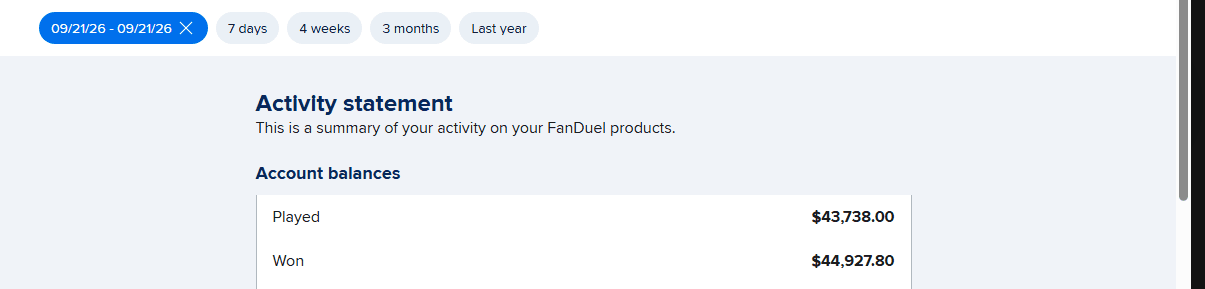
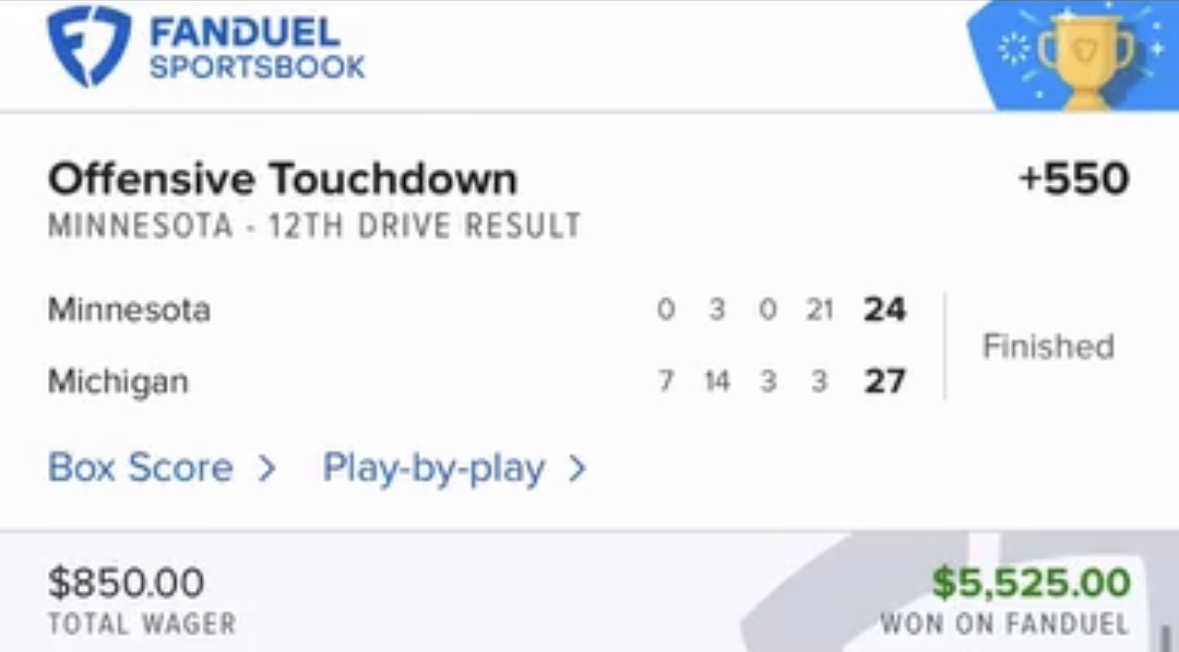
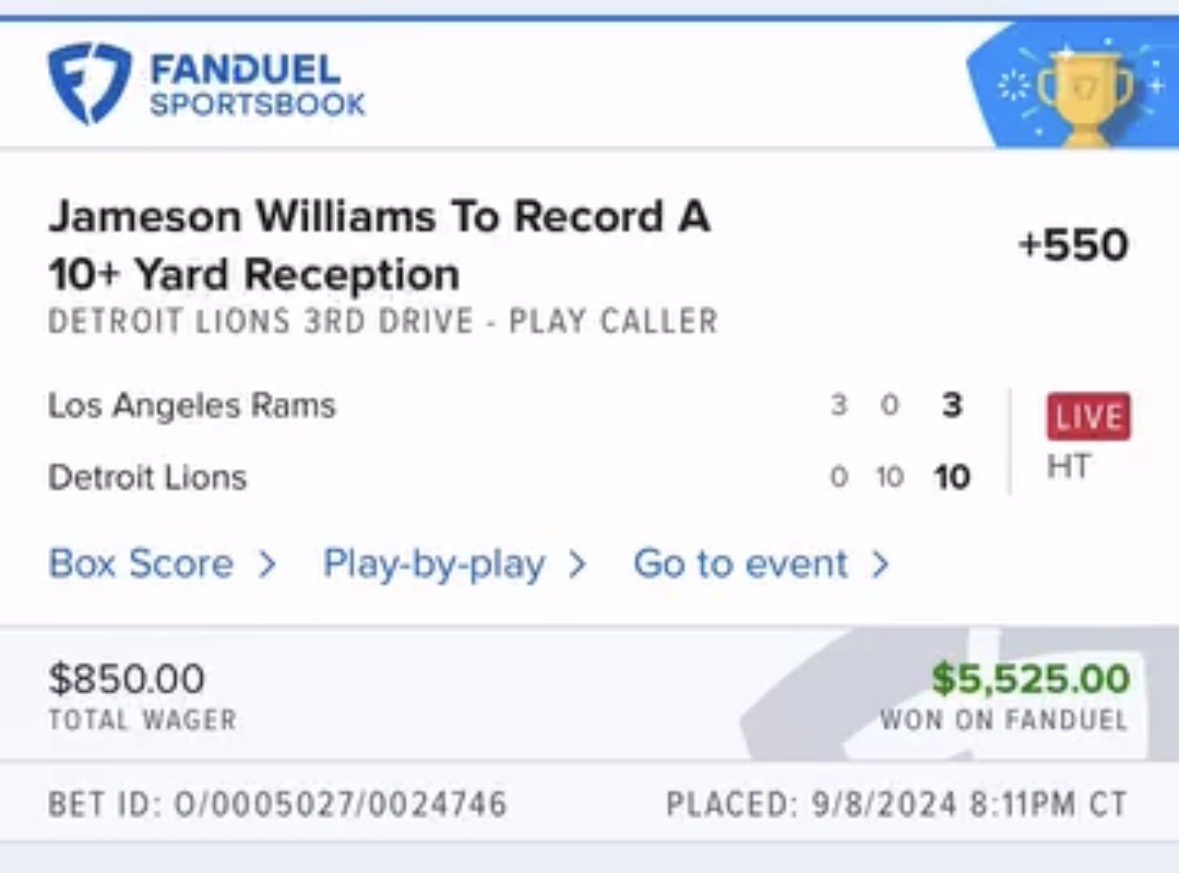
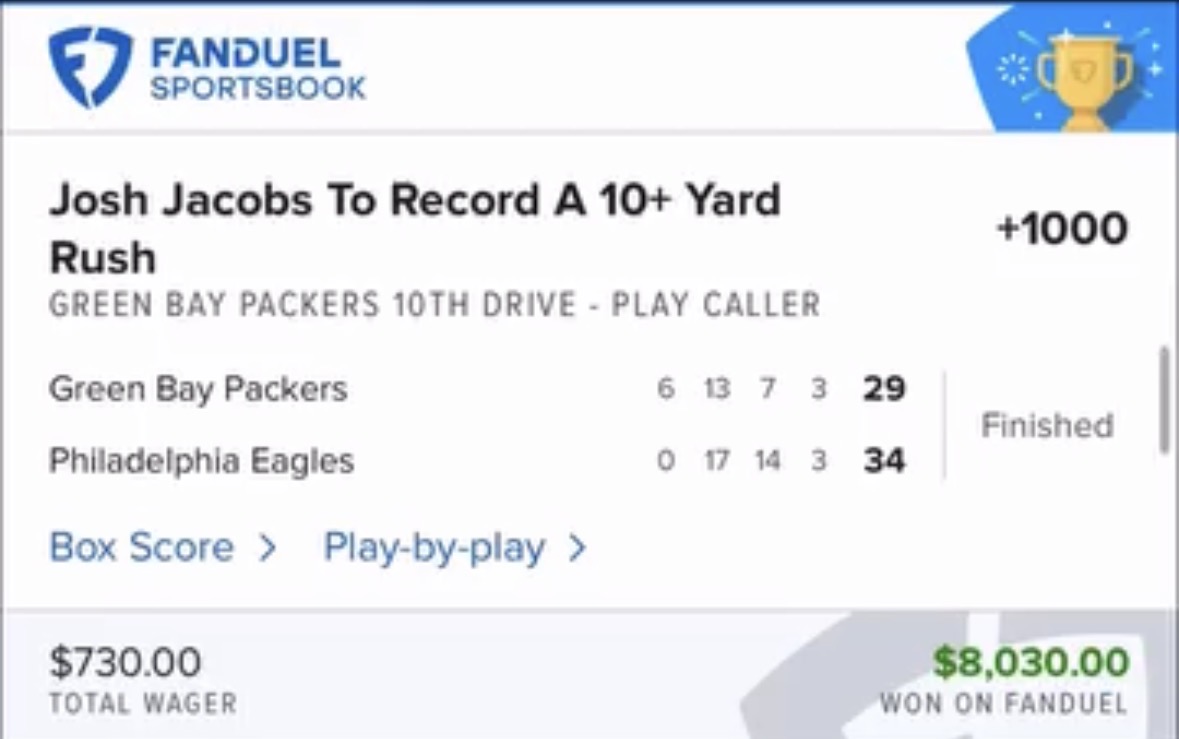
Bankroll management for $100 to $500 sports bettors comes down to three numbers: unit sizing at 1-3% of total bankroll, expected drawdown band of 15-25% across any 200-bet sample, and the breakeven win rate a paid pick service needs to clear to pay for itself at your specific unit size. The Best Bet on Sports has spent more than twenty years tracking exactly these numbers across all six major U.S. sportsbooks and earned a verified $367,520+ profit doing it, and the data is clean: bettors at the $100 to $500 unit range fail almost exclusively because of two mistakes — they size units too large for their bankroll (5-10% per bet instead of 1-3%) and they don't run the breakeven math on what a paid service actually has to return to justify the subscription cost. This breakdown walks through unit-sizing math by bankroll level, the realistic drawdown band you should expect over a 200-bet sample, and the exact win-rate threshold a $199 live betting service has to clear to net out positive after the subscription cost at every unit size from $50 to $500.
The bettors who blow up bankrolls don't blow up because they pick bad games. They blow up because they bet 8% of their bankroll on a $200 unit when they have $2,500 in total bankroll, lose 6 of the next 10 plays at a normal 40% downswing rate, and watch their bankroll drop from $2,500 to $1,300 before they've had a single conversation about variance. The bettors who survive long enough to capitalize on a live betting subscription are the bettors who size their units correctly from day one.
How Big Should Your Unit Be at Each Bankroll Level?
The standard sports betting unit sizing rule is 1-3% of your total bankroll per bet. The lower end (1%) is conservative, the upper end (3%) is aggressive. Anything above 5% per bet is bankroll roulette. Anything below 0.5% is too small to capture meaningful upside on a winning system.
Here is the unit-sizing math at each common bankroll level:
| Total Bankroll | Conservative Unit (1%) | Standard Unit (2%) | Aggressive Unit (3%) |
|---|---|---|---|
| $2,500 | $25 | $50 | $75 |
| $5,000 | $50 | $100 | $150 |
| $10,000 | $100 | $200 | $300 |
| $15,000 | $150 | $300 | $450 |
| $25,000 | $250 | $500 | $750 |
| $50,000 | $500 | $1,000 | $1,500 |
A bettor running $100 units should have between $3,300 (aggressive) and $10,000 (conservative) in total bankroll. A bettor running $500 units should have between $16,500 and $50,000.
Most bettors operate outside this range. The recreational bettor with a $1,500 bankroll betting $100 units is sizing at 6.7% per bet, which means a 7-3 cold stretch (well within normal variance) takes them from $1,500 to roughly $850. Once a bankroll drops below 50% of original size, the bettor either stops betting or doubles unit size to "make it back," which compounds the bankroll erosion.
The fix is mechanical: pick your bankroll, multiply by 2% (the standard middle), and that is your unit size. Don't deviate unless you have a documented edge that justifies the higher Kelly-criterion bet size.
The Drawdown Band You Should Expect Over 200 Bets
Even a long-run winning bettor at 55% on -110 lines will run through cold stretches. The math is unforgiving on variance. Here is the realistic drawdown band by win rate over a 200-bet sample:
| Win Rate | Long-Run ROI | Realistic Drawdown (200 bets) | Recovery Time (bets) |
|---|---|---|---|
| 52.4% (break-even) | 0% | -15 to -22 units | Never recovers |
| 54% (mild winner) | +3% | -12 to -18 units | 75-100 bets |
| 55% (solid winner) | +5% | -10 to -15 units | 50-70 bets |
| 57% (sharp) | +9% | -8 to -12 units | 30-50 bets |
| 60% (elite) | +14% | -6 to -10 units | 20-30 bets |
A bettor running $100 units at a real 55% win rate should expect to be down 10 to 15 units ($1,000 to $1,500) at the worst point of any 200-bet sample. That is normal variance, not a broken system. The bettor who panics at -8 units and doubles unit size is the bettor who turns a recoverable cold stretch into a bankroll wipeout.
The protection against panic is bankroll planning: at 2% unit sizing, a -15 unit drawdown is 30% of total bankroll. Painful but survivable. At 5% unit sizing, the same drawdown is 75% of total bankroll. The numbers don't lie. Sizing units conservatively is what allows a real edge to compound across enough volume to actually pay off.
What a $199 Pick Service Has to Return to Pay for Itself
The breakeven math on a paid pick service is a function of the subscription cost, the unit size, and the volume of plays delivered per month. Here is the breakeven win-rate analysis for a $199/month live betting subscription at each unit size:
| Unit Size | Monthly Plays | Total Wagered | Breakeven Win Rate to Cover $199 | Win Rate Needed for +$1,000 Net |
|---|---|---|---|---|
| $50 | 60 | $3,000 | 53.0% | 56.6% |
| $100 | 60 | $6,000 | 52.7% | 54.5% |
| $200 | 60 | $12,000 | 52.6% | 53.5% |
| $300 | 60 | $18,000 | 52.5% | 53.1% |
| $500 | 60 | $30,000 | 52.5% | 52.8% |
At $50 units the subscription is roughly 6.6% of monthly wagered volume — the service has to deliver a 53.0% win rate just to net out positive. At $500 units the subscription is 0.66% of monthly volume — the service has to deliver only 52.5% to break even, and anything above that compounds quickly.
The break-even math means a paid pick service is structurally better-value the larger the bettor's unit size. A $50-unit bettor needs the service to deliver real edge above 53% (which is achievable but not effortless). A $300-unit bettor needs the service to deliver only 52.5% to net out positive after the subscription cost, and anything above 53% produces $400+ monthly net profit.
This is the exact math behind why The Best Bet on Sports pricing tiers ($199 / $299 / $500) scale with unit size. The 1-Unit Live Betting Package at $199 is optimized for $50-$150 unit bettors. The 2-3 Unit Expert Live Package at $299 is optimized for $200-$300 unit bettors. The VIP 5-Unit Live Package at $500 is optimized for $400+ unit bettors. The subscription cost is sized so it consumes a similar percentage of monthly wagered volume across all three tiers.
The Four Bankroll Rules That Separate Survivors From Quitters
Across the bettors The Best Bet on Sports has worked with in twenty-plus years, four bankroll rules separate the bettors who survive to capture long-run edge from the bettors who quit after their first major drawdown.
Rule 1: Lock unit size at 2% of starting bankroll for the first 200 bets. Do not adjust unit size based on hot or cold streaks. Hot streaks tempt bettors to up unit size and give back gains the next week. Cold streaks tempt bettors to chase losses with bigger bets. Flat 2% sizing through the first 200-bet sample is what proves out whether a system or service is actually winning.
Rule 2: Withdraw 25% of profits at every +50-unit milestone. Bettors who keep all profits in the bankroll compound exposure faster than their psychological tolerance can handle. A bettor up 50 units who pulls 12.5 units to a separate account locks in the win and lowers the emotional weight of the next downswing. Compounding bankroll is for systematic professionals, not $100-$500 unit bettors.
Rule 3: Re-evaluate the subscription every 60 days against the breakeven math. A $199 monthly subscription needs to deliver above the breakeven win rate at your unit size. If 60 days of tracked plays show the service is below breakeven, cancel and try a different one. If 60 days show the service is above breakeven, keep it and consider scaling to the next package tier.
Rule 4: Cap parlay allocation at 10% of bankroll per month. Parlays carry structurally higher house edge than straight bets. A bettor with a $10,000 bankroll betting $100 units should cap monthly parlay exposure at $1,000 total wagered across all parlay plays. The remaining $5,000+ of monthly wagered volume goes to straight bets where the edge is more reliable and the variance is tighter.
Where the Bankroll Math and the Subscription Math Intersect
The structural argument for a paid live betting subscription at the $100-$500 bettor level comes down to two intersecting curves: the breakeven curve on the subscription cost and the edge curve on the live betting service. At $50 units, the bettor needs the service to deliver real, durable edge — anything below 53.0% means the subscription is costing more than it returns. At $300 units, the bettor needs only 52.5%, which a real live betting service should clear comfortably.
The bettors most likely to net out positive on a paid live betting subscription:
- Have at least $5,000 in bankroll, sized to $100-$200 units
- Place 50+ plays per month (volume to capture the edge)
- Track results in a spreadsheet for at least 60 days before judging the service
- Stay flat at 2% unit sizing instead of chasing hot streaks
- Have a separate parlay bankroll capped at 10% of total
The bettors most likely to lose on a paid subscription:
- Bet $5-$25 units (subscription consumes too much of wagered volume)
- Place only 5-15 plays per month (variance too wide to confirm the service)
- Bet 5-10% of bankroll per play (one cold stretch wipes them out before the edge can show)
- Compound unit size on winning streaks then double-down on losing streaks
The math is the math. A $199 live betting service paid for by a $50-unit bettor is a hard sell. A $199 live betting service paid for by a $200-unit bettor running 60 plays per month — sizing each of our daily sports picks at a disciplined unit — is a clean expected-value positive over any rolling 90-day window where the service holds above 53% win rate.
Get Tonight's Live Picks
Want tonight's live in-game predictions delivered to your phone via Email and Discord during the game?
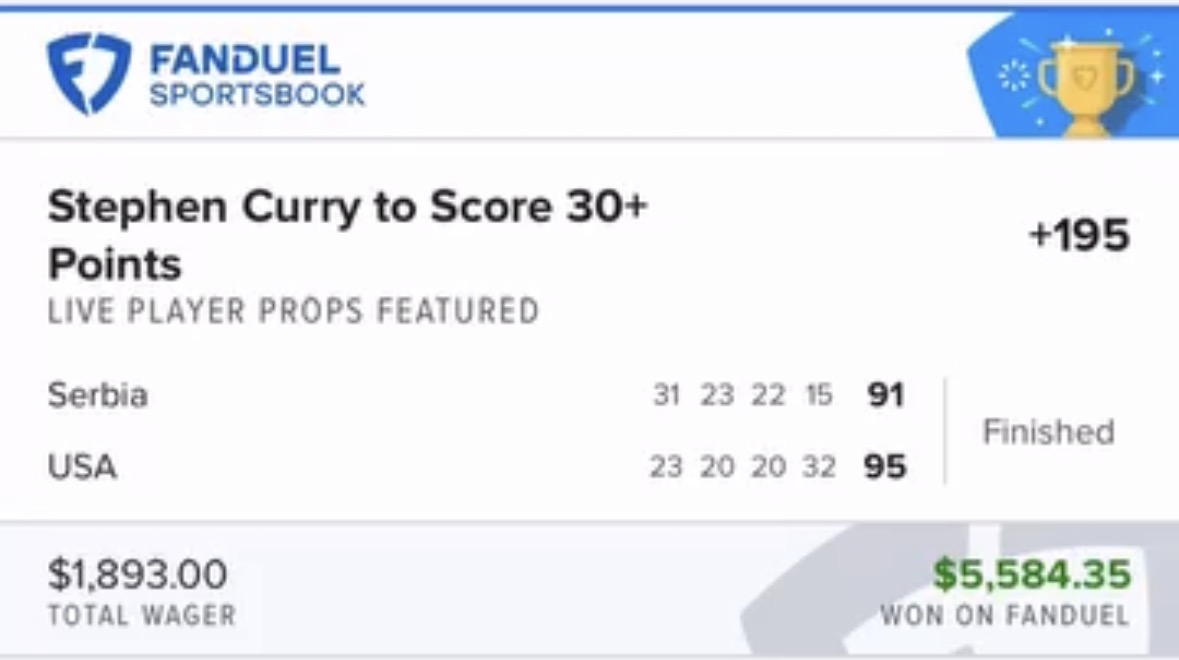
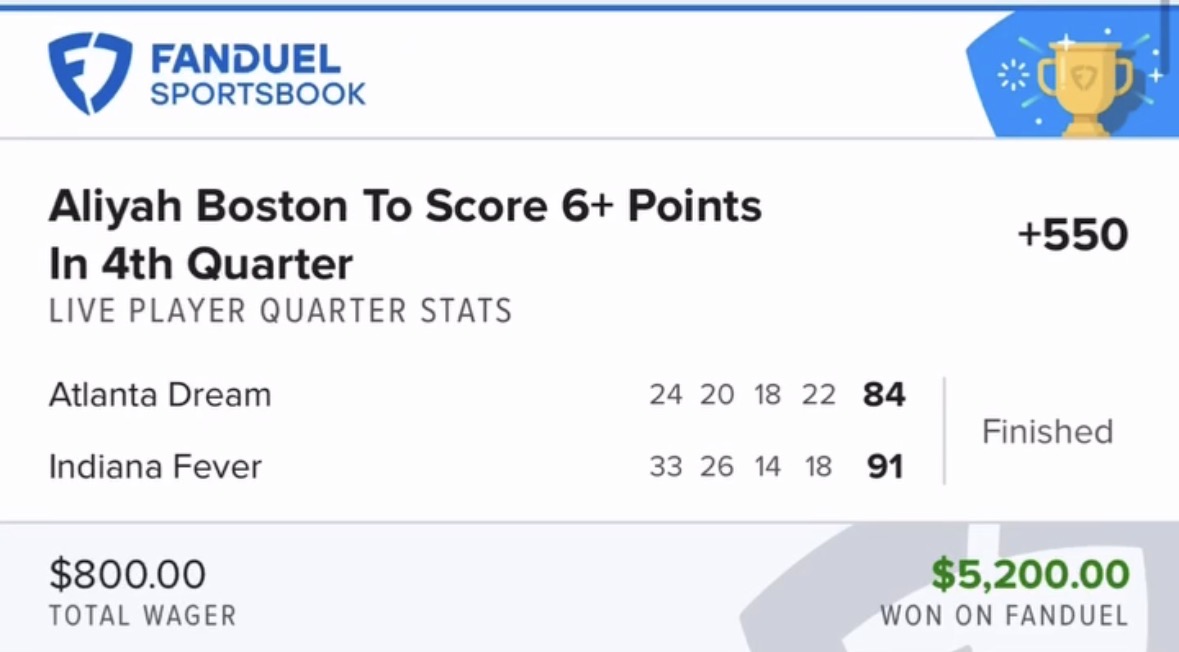
The Best Bet on Sports is the only live betting handicapping service limited on all six major U.S. sportsbooks (FanDuel, DraftKings, Caesars, BetMGM, Fanatics, ESPN BET) for winning too much during in-game action. Verified profit: $367,520+. Picks delivered via Email and Discord during games.
→ Get tonight's live picks: $199 first month — 1-Unit package, full live betting access → Try a free live pick first — reserve your spot for tonight's pick
Frequently Asked Questions
What is the right unit size for a $5,000 sports betting bankroll?
The right unit size for a $5,000 sports betting bankroll is between $50 (conservative, 1%) and $150 (aggressive, 3%), with the standard middle being $100 (2%). A $100 unit size on a $5,000 bankroll gives you enough volume to capture edge on a winning system while leaving room to absorb a normal cold stretch of -10 to -15 units without compromising the bankroll. Anything above $250 per bet is sized too aggressively for that bankroll level.
How big a drawdown should I expect at my unit size?
A bettor at a real 55% win rate should expect a worst-point drawdown of 10 to 15 units across any 200-bet sample. That is roughly 20-30% of total bankroll at 2% unit sizing. At 5% unit sizing the same drawdown becomes 50-75% of bankroll, which is the structural reason 2% sizing is the standard. The drawdown band tightens as win rate climbs — at 60% the worst-point drawdown drops to 6-10 units across 200 bets.
What win rate does a $199 pick service need to deliver to pay for itself?
A $199 monthly pick service needs to deliver between 52.5% and 53.0% win rate at standard -110 lines to break even, depending on the bettor's unit size and monthly play volume. At $100 units and 60 plays per month the breakeven is 52.7%. At $300 units and 60 plays per month the breakeven drops to 52.5%. Any sustained win rate above 53.5% on volume above 50 plays per month nets out clearly positive after the subscription cost, with the math improving as unit size scales upward.
Should I scale unit size up during a winning streak?
Scaling unit size during a winning streak is one of the fastest ways to give back gains. The variance band on sports betting is wide — a 6-game winning streak can be followed by a 4-game losing streak as part of normal variance. Bettors who double unit size after the winning streak then face the cold stretch at the doubled size, which gives back the entire winning-streak profit. The professional rule is flat 2% sizing through at least 200 bets before considering any adjustment.
When should I cancel a paid pick service?
Cancel a paid pick service after 60 days if the tracked win rate is below the breakeven threshold at your unit size. For a $199 monthly subscription, that threshold is roughly 53% at $100 units. If 60 days of plays delivers a win rate below 52.5%, the subscription is consuming more in cost than it returns in profit and the service is not worth keeping. Conversely, if 60 days delivers 54%+ win rate on 50+ plays, the service is profitable and worth holding or scaling.
How much of my bankroll should go to parlays?
Cap monthly parlay allocation at 10% of total bankroll. A bettor with a $10,000 bankroll should size parlay exposure at $1,000 of wagered volume per month, spread across 15-30 individual parlay plays. The remaining $5,000+ of monthly wagered volume goes to straight bets where the bookmaker hold is lower and the variance band is tighter. Parlay structures with positive expected value exist (correlated 2-leg and 3-leg same-game parlays), but the volume cap prevents one cold parlay run from dominating the broader bankroll.
Is a $199 pick service worth it for a $1,000 bankroll?
A $199 monthly pick service is structurally hard to justify on a $1,000 bankroll. At 2% unit sizing, $1,000 bankroll means $20 units, which means the subscription is consuming roughly 16% of monthly wagered volume. To net out positive, the service would need to deliver a 58%+ win rate, which is achievable but leaves little margin for variance. The cleaner path for a $1,000 bankroll bettor is to grow the bankroll to $5,000+ through disciplined straight-bet volume, then add a paid service once units scale to $100+ where the subscription math becomes favorable.
The Best Bet on Sports · 1.5M followers on TikTok
Sports Betting TikTok is the live betting account behind The Best Bet on Sports, covering NFL, NCAAF, NBA, NCAAB, MLB and WNBA markets in real time. The account has been limited on all six major U.S. sportsbooks — FanDuel, DraftKings, Caesars, BetMGM, Fanatics and ESPN BET — for winning on live betting, with $367,520 in verified profit since 2005. View full profile →
Past results do not guarantee future performance. Must be 21 or older to wager.
Related Articles
Sports Betting Unit Sizing: Kelly Criterion, Flat Betting, and What Actually Works
Kelly Criterion for Sports Betting: The Math Behind Optimal Bet Sizing
Kelly Criterion for Sports Betting: Optimal Bet Sizing Explained
Sports Betting Unit Sizing and Bankroll Management: The Complete Guide
What Bankroll Do You Need for a Live Betting Service?
Hedging Futures Bets in Sports Betting: When to Lock Profits April 2026
Get real live betting picks
From $39.95/mo · Cancel anytime · Email + Discord delivery
● Get The Picks
Choose your package
Tap any tier below to select · Subscribe in one tap
👇 Tap any package to select it
✓ You're selecting
25 Units · $99.95/month
25 unit picks per month. Sweet spot for most bettors — plenty of action without going all-in.
- ✓25 live betting selections/month
- ✓Email + Discord delivery
- ✓All sports (NFL, NCAAF, NBA, NCAAB, MLB)
- ✓Mix of 1, 2, 3, 5-unit rated plays
- ✓Cancel anytime
Secure PayPal · Cancel anytime · No hidden fees · 21+ · +$367K verified
+$367,520 verified · Limited on 6 sportsbooks · 20 years documented · See Proof
Join Our Newsletter
Get free expert sports picks and analysis delivered weekly.