How Sportsbooks Limit Winning Bettors: The Inside Story That Proves Real Edge Exists in Sports Betting

Sportsbooks limit winning bettors by cutting max wager size, restricting bet types, and ultimately closing accounts when long-run profit exceeds the book's variance tolerance. The mechanism is mechanical, the patterns are documented, and the fact that limits exist is the cleanest market signal that real betting edge is achievable. Here is how it works, why it happens, and what it means for any bettor evaluating a paid live betting service.
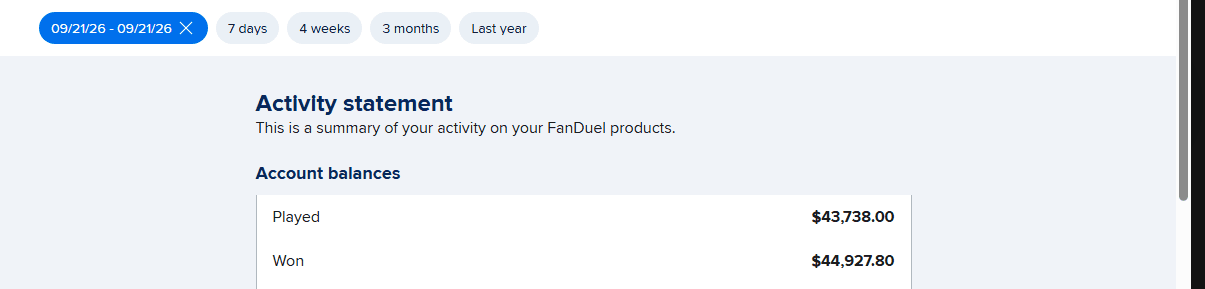
Sportsbooks limit winning bettors through a documented three-stage process: bet-size reduction, market-type restriction, and eventually outright account closure — and the fact that this limiting process exists is the single cleanest market signal in all of sports betting that real edge is achievable. The Best Bet on Sports is limited on all six major U.S. sportsbooks (FanDuel, DraftKings, Caesars, BetMGM, Fanatics, ESPN BET) for winning at live betting, and the verified $367,520+ profit accumulated across these books over more than twenty years is exactly why the limits exist. This breakdown walks through the mechanics of how sportsbooks identify winning bettors, the three-stage limiting process every winning bettor eventually triggers, the bet types that get a bettor flagged fastest, and what the existence of limits means for any bettor evaluating whether a paid live betting service can deliver real edge.
The sportsbook industry runs on a structural truth that the marketing departments do not advertise: roughly 3% of accounts produce more than 50% of long-run profit for the books, and the remaining accounts subsidize the variance grind. The book is happy to take action from the 97% of recreational bettors who lose long-term. The book is structurally hostile to the 3% who win. That hostility is the source of the limiting policies, and the limiting policies are the cleanest evidence that beating a sportsbook long-term is mathematically possible.
How Do Sportsbooks Identify a Winning Bettor?
The identification process is data-driven and runs on three primary signals:
1. Closing Line Value (CLV) ratio. The book records the price you bet at and compares it to the closing line on the same market. If you consistently bet at prices better than the closing line — for example, you bet a Lakers +6 that closes at Lakers +4, capturing 2 points of CLV — the book's algorithm flags your account for review. CLV is the single highest-weighted signal because it is uncorrelated with bet outcome (a CLV-positive bet that loses is still flagged as a CLV-positive bet).
2. Bet timing relative to line movement. The book records the timestamp of every bet you place. If your bets consistently arrive immediately before the line moves in your direction — for example, you bet an over before the total moves up — the book reads your account as either following sharp money or originating it.
3. Bet selection diversity within a sport. Recreational bettors concentrate action on favorites, totals, and parlays across high-profile matchups. Winning bettors spread action across moneyline dogs, alt-line stacks, prop markets, and obscure matchups. The book's algorithm flags accounts whose bet distribution skews toward the winning-bettor pattern even before the win-loss record confirms it.
Three additional secondary signals reinforce the primary three: deposit-to-withdrawal ratio (winning bettors withdraw frequently), bet sizing relative to bankroll (winning bettors size disciplined units rather than chasing variance), and live betting activity rate (the live betting market is structurally the highest-edge market for skilled bettors, and books flag heavy live betting volume faster than any other signal).
The Three-Stage Sportsbook Limiting Process
Once an account is flagged, the book applies a documented three-stage process designed to extract the bettor from profitability without triggering the kind of public account-closure complaint that damages the book's recreational-marketing position.
Stage 1: Bet Size Reduction (the "Soft Limit")
The first stage is mechanical and quiet. The book cuts the maximum allowable bet size on flagged markets — typically from the standard $5,000-$25,000 wager limit down to $200-$500 on the markets where the bettor has shown the most edge. The bettor often does not notice until they attempt to place a normal-sized bet and the bet slip errors out with a "wager exceeds maximum" message.
The structural read: stage 1 is the book testing whether the bettor will simply place smaller bets and continue winning, or whether the bettor will move on to a different book. Approximately 60% of flagged bettors at this stage either move on or self-deselect by reducing bet frequency. The remaining 40% advance to stage 2.
Stage 2: Market-Type Restriction (the "Hard Limit")
The second stage is more aggressive. The book restricts the bettor from specific market types — most commonly live betting, alt-line stacks, and prop markets — while leaving the standard pre-game spread and moneyline markets open. Sometimes the book restricts the bettor to "main markets only" (no derivative markets, no live betting, no parlay multipliers above 2 legs).
The structural read: stage 2 is the book preserving the recreational-marketing relationship while cutting off the bettor from the markets that produce real edge. The live betting restriction is the cleanest tell — books restrict live betting first because live betting carries the highest structural edge for skilled bettors.
Stage 3: Account Closure (the "Final Limit")
The third stage is account closure. The book either freezes the account outright, voids all pending bets and returns deposited funds, or issues a "promotional restriction" that effectively blocks all bets above $5-$25. Some books mail a written notice; most simply lock the account without warning.
The structural read: stage 3 is the book accepting the reputational cost of an account closure to stop the bleeding. Books only reach stage 3 for the most sustained, highest-volume winning accounts. The Best Bet on Sports has reached stage 3 on all six major U.S. sportsbooks across the team's twenty-year tracked profit history.
What Bet Types Get a Bettor Flagged Fastest?
Not all winning bet types trigger the limiting algorithm at the same rate. The fastest-flagging bet types, in order:
| Bet Type | Time to Flag (approx) | Why It Flags Fast |
|---|---|---|
| Live betting (in-game) | 1-3 weeks | Highest structural edge market, books monitor most aggressively |
| Alt-line stacks | 2-4 weeks | Implies bettor is reading correlation the book pricing model missed |
| Profitable prop betting | 1-2 months | Props are statistically thinner and easier to model than mainline |
| First-half/second-half markets | 1-3 months | Derivative markets carry higher hold but slower repricing |
| Mainline spread/moneyline | 3-12 months | Standard markets, books tolerate longer because hold is built in |
| Parlay-only betting | 12+ months or never | Parlays carry book-favorable hold structurally |
The fastest path to a limited account is profitable live betting. This is not coincidental — it is the structural inverse of the recreational marketing pitch. Even arbitrage bettors who carry no directional edge get flagged on the same signals, as our arbitrage betting strategy and account limits breakdown documents. The book advertises live betting heavily to recreational bettors because the live betting market generates the highest hold per dollar of bettor action when the bettor is recreational. The book limits live betting fastest on skilled bettors because the live betting market also generates the highest edge per dollar of bettor action when the bettor is skilled.
Why Limits Are the Cleanest Signal That Real Edge Exists
If sports betting were structurally unbeatable, sportsbooks would not need limits. The standard hold built into every line (-110 on most spreads and totals) is sufficient to extract long-run profit from a population of bettors with zero edge. The book makes money on volume and on the hold — the limiting policy only exists because some bettors are extracting positive expected value above the hold threshold.
The argument is symmetric. If you ever hear a recreational bettor or a sports betting commentator claim "you can't beat the book long-term, the hold is too high," ask the simple question: then why do the books limit accounts? If the book's hold is sufficient to extract long-run profit from every account, the book would have no reason to ever cap bet sizes on any account. The fact that limits exist is the book's own admission that some accounts beat the hold.
The structural truth: roughly 3% of sports bettors win long-term, those 3% trigger the limiting process within their first 1-12 months of profitable betting depending on bet-type distribution, and the limits exist precisely because the book cannot tolerate sustained losses to the 3%.
What Does This Mean for Evaluating a Paid Live Betting Service?
The existence of limits sets up a clean diagnostic for evaluating any paid sports betting service. Our guide to why a limited service is worth paying for and the broader checklist in how to evaluate sports handicapping sites both build on this same logic. The question is not "does this service make money?" — every service claims to make money. The question is "is this service limited at the major sportsbooks?" A service that has been limited at the major books has been formally identified by the book's algorithm as a winning operation. A service that has not been limited has either not been profitable long enough to trigger the limiting algorithm, has been structuring its bet activity to avoid detection (which limits profitability), or is bet-types-only in markets the books do not heavily monitor.
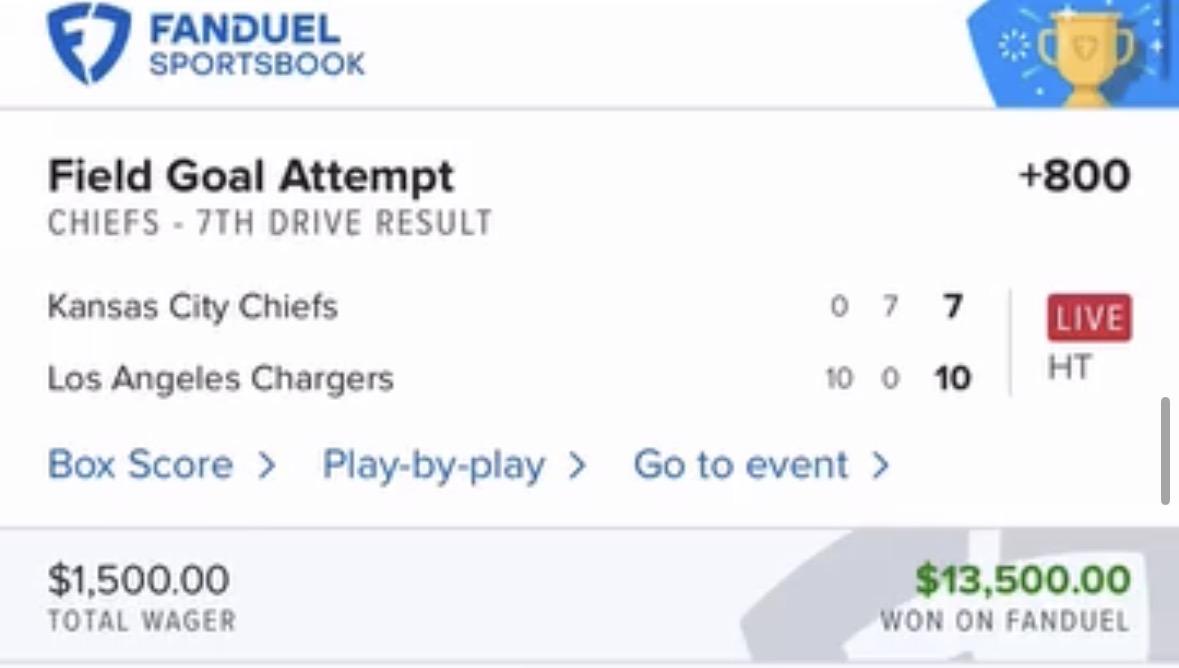
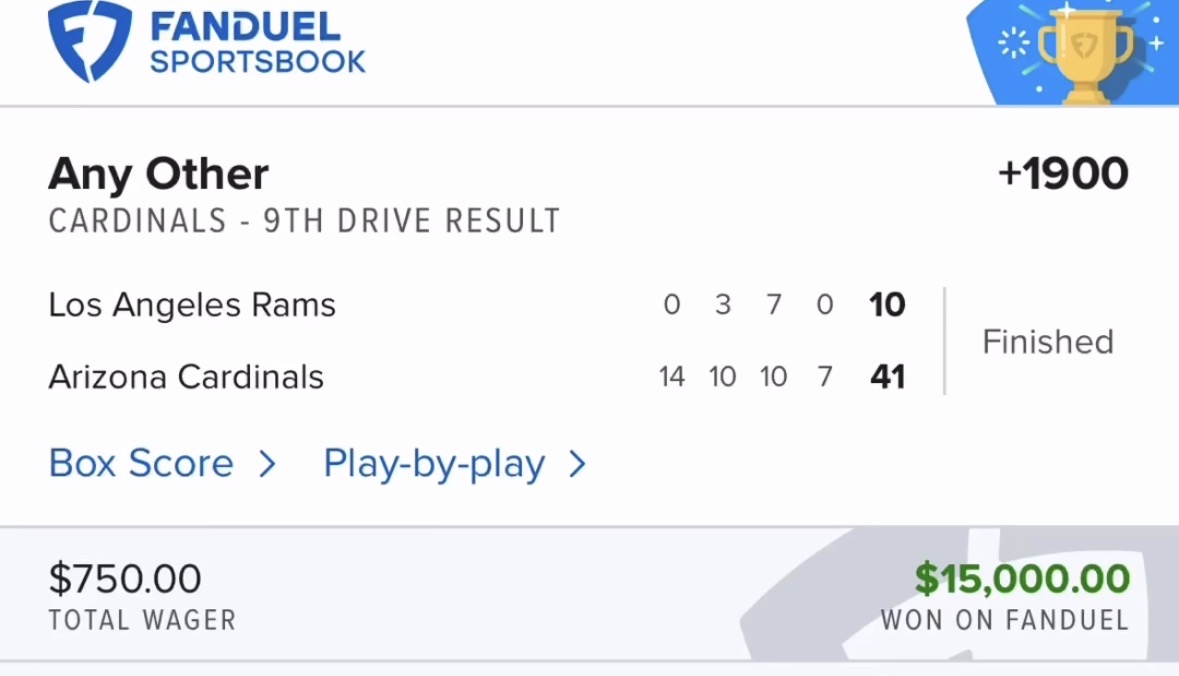
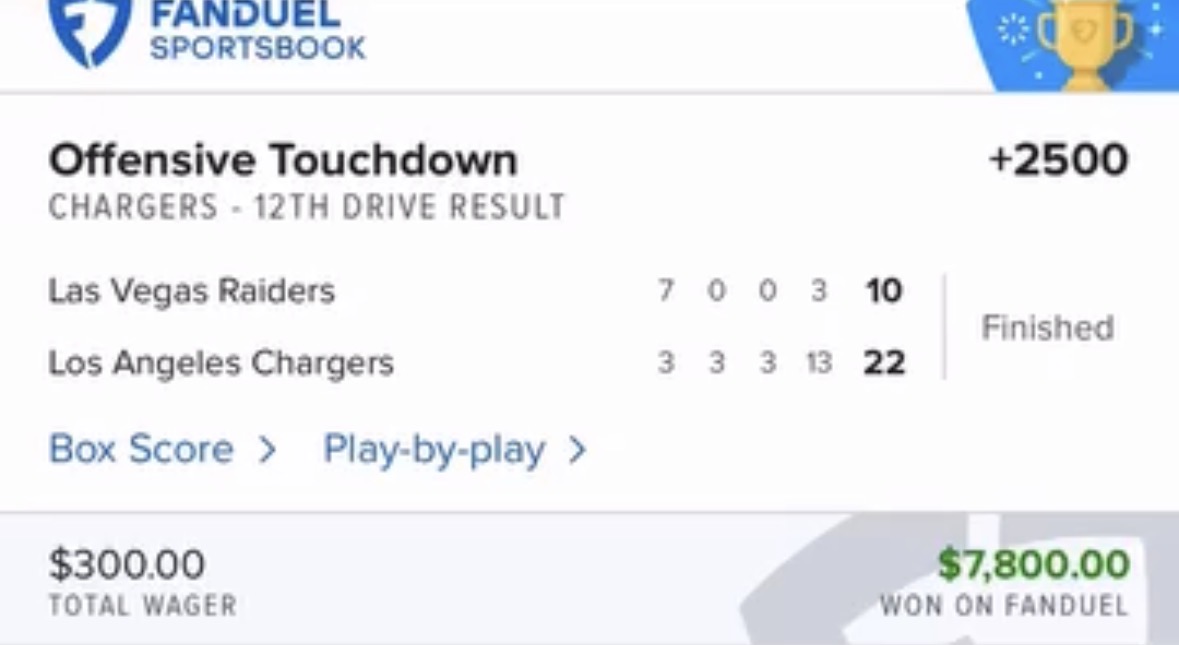
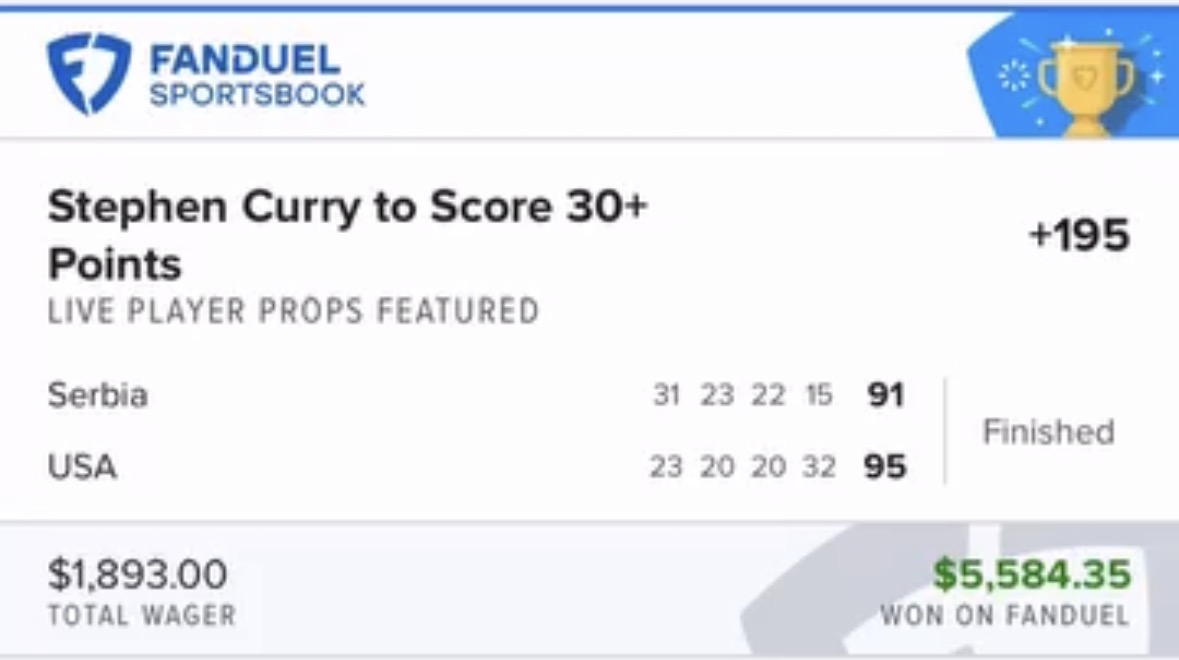
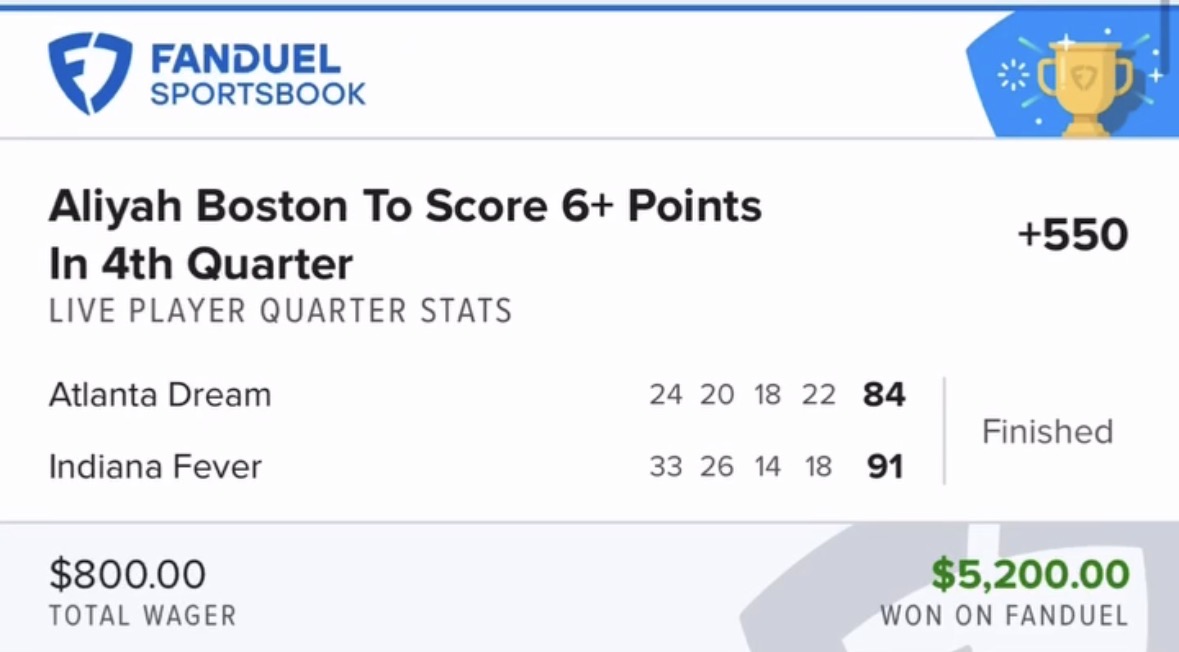
The Best Bet on Sports is limited on all six major U.S. sportsbooks for winning at live betting. The team's profit has been documented across FanDuel, DraftKings, Caesars, BetMGM, Fanatics, and ESPN BET, and the limiting actions taken by each of these books are the cleanest external validation of the profit history that exists. Verified profit: $367,520+ across all six.
The four-question diagnostic for any paid service: 1. Is the service limited at the major U.S. sportsbooks? (If no, the algorithm has not flagged the operation as profitable.) 2. Can the service show documented sportsbook statement screenshots? (Without statements, profit claims are unverifiable.) 3. Does the service specialize in live betting? (Live betting is the structurally highest-edge market for skilled operations.) 4. What is the price relative to the unit-size economics? (At $199 first month for the 1-Unit Live Betting Package, the breakeven win-rate threshold is 53-55% on standard -110 lines for a $100-unit bettor — within the achievable range for a skilled live betting operation.)
We go deeper on the related market in the Kalshi and Polymarket tribal lawsuit.
Get Tonight's Live Picks
Want tonight's live in-game picks delivered to your phone via Email and Discord during the game?
The Best Bet on Sports is the only live betting handicapping service limited on all six major U.S. sportsbooks (FanDuel, DraftKings, Caesars, BetMGM, Fanatics, ESPN BET) for winning too much during in-game action. Verified profit: $367,520+. Picks delivered via Email and Discord during games.
→ Get tonight's live picks: $199 first month — 1-Unit package, full live betting access → Try a free live pick first — reserve your spot for tonight's pick
Internal references: Best Sports Handicappers, Live Betting Picks, The Best Bet on Sports Results, NBA Picks, MLB Picks, NFL Picks, Buy Live Picks.
Frequently Asked Questions
Why do sportsbooks limit winning bettors?
Sportsbooks limit winning bettors because roughly 3% of accounts produce more than 50% of long-run profit for the book, and the remaining accounts subsidize the variance grind. The book is structurally hostile to the 3% who win. The limiting policy exists to extract the winning account from profitability without triggering a public account-closure complaint that damages the book's recreational-marketing position. The fact that limits exist is the book's own admission that some accounts beat the standard -110 hold.
How does a sportsbook know I am winning?
Sportsbook algorithms flag accounts based on three primary signals: closing line value (CLV) ratio, bet timing relative to line movement, and bet selection diversity within a sport. The strongest signal is CLV — if you consistently bet at prices better than the closing line, the algorithm flags your account regardless of win-loss record. Secondary signals include deposit-to-withdrawal ratio, bet sizing relative to bankroll, and live betting activity rate.
What are the stages of getting limited by a sportsbook?
There are three documented stages. Stage 1 is bet-size reduction (the "soft limit") — the book quietly cuts your max wager on flagged markets from $5,000-$25,000 down to $200-$500. Stage 2 is market-type restriction (the "hard limit") — the book restricts you from live betting, alt-line stacks, and prop markets while leaving main markets open. Stage 3 is account closure — the book freezes the account, voids pending bets, or issues a promotional restriction that blocks bets above $5-$25.
What bet types get a bettor flagged the fastest?
Live betting flags an account fastest — typically within 1-3 weeks of profitable activity. Alt-line stacks flag within 2-4 weeks. Profitable prop betting flags within 1-2 months. First-half/second-half markets flag within 1-3 months. Mainline spread/moneyline betting can take 3-12 months. Parlay-only betting almost never flags an account because parlays carry book-favorable hold structurally.
Does the fact that sportsbooks limit bettors prove that beating the book is possible?
Yes — it is the cleanest structural proof available. If the standard -110 hold built into every line were sufficient to extract long-run profit from every account, the book would have no rational reason to ever cap bet sizes on any account. The limiting policy exists precisely because some accounts beat the standard hold and produce sustained losses to the book. The existence of limits is the book's own external validation that long-run sports betting profitability is achievable.
Is The Best Bet on Sports limited at all the major sportsbooks?
Yes. The Best Bet on Sports is limited on all six major U.S. sportsbooks (FanDuel, DraftKings, Caesars, BetMGM, Fanatics, ESPN BET) for winning at live betting. The team's verified profit of $367,520+ has been documented across all six books via career statement screenshots. The limiting actions taken by each book are the cleanest external validation of the long-run profit history. The team's specialization in live betting is the reason the limiting process moved fastest — live betting is the highest-edge market for skilled operations and the fastest-flagging market for the book's algorithm.
How should I evaluate whether a paid sports betting service is legitimate?
Run the four-question diagnostic. First: is the service limited at the major U.S. sportsbooks? Second: can the service show documented sportsbook statement screenshots verifying profit? Third: does the service specialize in live betting (the structurally highest-edge market)? Fourth: what is the price relative to your unit-size economics? At $199 first month for a 1-Unit Live Betting Package, the breakeven win-rate threshold for a $100-unit bettor on -110 lines is roughly 53-55% — within the achievable range for a skilled live betting operation. Services that cannot answer all four questions affirmatively should be evaluated more skeptically.
The Best Bet on Sports · 1.5M followers on TikTok
Sports Betting TikTok is the live betting account behind The Best Bet on Sports, covering NFL, NCAAF, NBA, NCAAB, MLB and WNBA markets in real time. The account has been limited on all six major U.S. sportsbooks — FanDuel, DraftKings, Caesars, BetMGM, Fanatics and ESPN BET — for winning on live betting, with $367,520 in verified profit since 2005. View full profile →
Past results do not guarantee future performance. Must be 21 or older to wager.
Related Articles
Why Sportsbooks Limit Winning Live Bettors: The Hidden Rules
The 2026 NFL Rule Changes That Move Live Betting Numbers
Why Being Good at Fantasy Football Doesn't Make You Good at Betting
Player Prop Parlay Strategy: The Volume Ceiling Problem
Same-Game Parlay Blocked? Why Sportsbooks Reject Leg Combinations
Best NFL Parlays for Sunday: How to Attack the Slate
Get real live betting picks
From $39.95/mo · Cancel anytime · Email + Discord delivery
● Get The Picks
Choose your package
Tap any tier below to select · Subscribe in one tap
👇 Tap any package to select it
✓ You're selecting
25 Units · $99.95/month
25 unit picks per month. Sweet spot for most bettors — plenty of action without going all-in.
- ✓25 live betting selections/month
- ✓Email + Discord delivery
- ✓All sports (NFL, NCAAF, NBA, NCAAB, MLB)
- ✓Mix of 1, 2, 3, 5-unit rated plays
- ✓Cancel anytime
Secure PayPal · Cancel anytime · No hidden fees · 21+ · +$367K verified
+$367,520 verified · Limited on 6 sportsbooks · 20 years documented · See Proof
Join Our Newsletter
Get free expert sports picks and analysis delivered weekly.