How to Build a Winning MLB Parlay: 3-Leg Daily Structures That Beat the Sportsbook Hold Rate

Building a winning MLB parlay comes down to three structural choices: correlated legs that compound edge instead of risk, daily 3-leg caps that survive variance, and entry windows that exploit slow line moves. Here are the four MLB parlay structures that beat the sportsbook hold, the legs that destroy bankrolls, and the live SGP framework that pays the most.
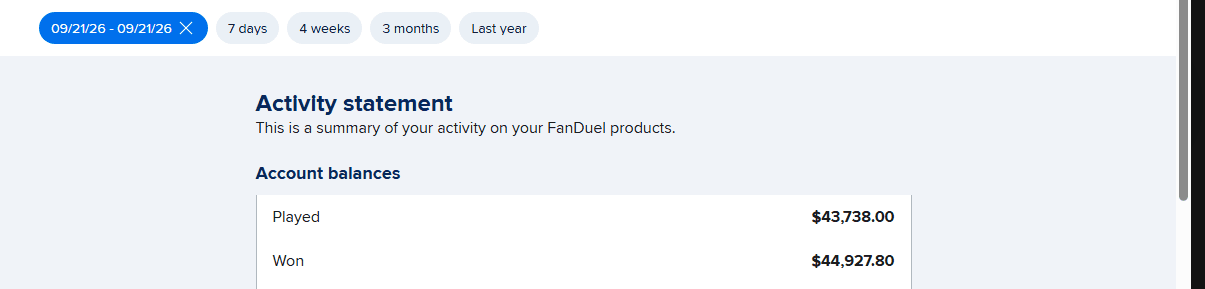
Building a winning MLB parlay is not about stacking legs you "like" — it is about combining legs that share underlying correlation, capping leg count at 3 to survive variance, and identifying entry windows where the sportsbook hold rate is at its weakest. The Best Bet on Sports has tracked MLB parlay performance across all six major U.S. sportsbooks for more than twenty years and earned a verified $367,520+ in profit doing it, and the data is mechanical: bettors lose at MLB parlays because they treat the parlay form as a payout multiplier rather than a structural edge tool, they let leg count drift to 5-8 legs where the implied hold rate climbs above 25%, and they bet uncorrelated legs (a Dodgers moneyline plus a Yankees over plus a Braves run line) where the parlay payout is mathematically guaranteed to lose long-term. This breakdown walks through the four MLB parlay structures that actually beat the sportsbook hold, the leg combinations that destroy bankrolls, and the live same-game-parlay framework that captures the most edge on any given night.
The single most important number in MLB parlay construction is the hold rate. A 2-leg parlay at -110 odds carries an implied 8-10% hold against the bettor at fair pricing. A 4-leg parlay carries roughly 18-22% hold. A 7-leg parlay carries above 35% hold. Every leg you add multiplies the sportsbook edge unless the legs share correlation that the parlay-pricing engine fails to fully capture — and even then, the parlay engine deflates correlated payouts at a documented rate that drains roughly half the correlation edge before it reaches the bettor.
What Is the Best Number of Legs in an MLB Parlay?
Three legs. The math is not subjective on this question.
A 2-leg parlay does not generate enough payout multiplication to compensate for the daily variance grind of MLB betting (162 regular-season games, more day-to-day pitching-matchup variance than any other sport). A 4-leg parlay multiplies the sportsbook hold past the break-even point on most legs you would reasonably want to combine. A 3-leg parlay is the structural sweet spot — enough payout to matter, low enough hold to beat with correlated legs and disciplined leg selection.
Here is the payout math at -110 odds across leg counts:
| Legs | Hit Rate Needed to Break Even | Implied Sportsbook Hold | Realistic Edge Window |
|---|---|---|---|
| 2 legs | 27.5% | 8-10% | Narrow but workable on heavily correlated SGPs |
| 3 legs | 17.0% | 11-14% | The structural sweet spot for daily MLB parlays |
| 4 legs | 10.5% | 18-22% | Edge collapses unless every leg is +EV |
| 5 legs | 6.5% | 25-30% | Almost mathematically unbeatable long-term |
| 7+ legs | 2.5% | 35-50% | Lottery-ticket territory, not bankroll strategy |
The 3-leg cap is non-negotiable for daily MLB parlay structure. Bettors who let leg count drift to 5-8 are not building parlays — they are buying lottery tickets at sportsbook-set odds. If you want a structure that spreads three legs across multiple smaller parlays to survive a single missed leg, our MLB round-robin parlay strategy breaks down how the round-robin format reduces variance without abandoning the 3-leg correlation logic.
The Four MLB Parlay Structures That Beat the Hold
Once leg count is fixed at 3, the question becomes which legs to combine. The structurally winning MLB parlay combines legs that share underlying correlation the sportsbook pricing model fails to fully deflate — the same principle our guide to correlated parlays explained covers in depth, and the foundation of every MLB same-game parlay strategy that actually beats the hold.
Structure 1: Starting Pitcher Strikeout Stack + Team Total Under
The most reliable MLB parlay structure pairs a starting pitcher's strikeout over with the opposing team total under. The correlation is mechanical: high pitcher strikeout games are by definition games where the opposing offense fails to put the ball in play, which compresses run scoring directly. The sportsbook pricing model deflates this correlation by roughly 8-12%, but the underlying correlation is closer to 20%, leaving a structural 8-12 percentage-point edge.
Build it with: - Leg 1: Ace starting pitcher (Strider, Cole, Skubal, Wheeler, Sale tier) strikeouts OVER on the prop line - Leg 2: Opposing team total UNDER (3.5, 4.0, 4.5 range) - Leg 3: Game total UNDER if both starters are above-average strikeout pitchers, OR pitcher's team moneyline if the strikeout pitcher is a moderate favorite
This structure works best at home parks that suppress home runs (Oakland Coliseum legacy mark, Marlins Park, Citi Field, Oracle Park, Comerica Park).
Structure 2: Opener-Game Bullpen Concession Stack
When a team starts a bullpen "opener" (1-2 inning starter followed by a long-relief follower), the underlying run distribution skews heavily toward the middle innings as the bullpen rotates through 4-5 pitchers across the game. The middle-innings concession risk pulls the game total upward and pulls the opposing team total upward in tandem.
Build it with: - Leg 1: Game total OVER (the bullpen-opener game tends to produce 1.5-2 runs above the pre-game total) - Leg 2: Opposing team total OVER (the side facing the opener gets the largest scoring boost) - Leg 3: Opposing team to score in the 4th, 5th, or 6th inning (anytime inning run prop, where available)
This structure exploits a documented pricing lag — the sportsbook tends to set the game total based on the "starter" listed but does not fully reprice when the listed starter is a 1-inning opener.
Structure 3: Divisional-Rivalry Series Pace Stack
Divisional MLB games run structurally different than non-divisional games — the matchup volume (19 games per opponent per season) produces familiarity, longer at-bats, more competitive count battles, and a measurably lower pace of play. Lower pace compresses scoring rate in the early innings and elevates relief-pitcher usage in the later innings, which produces a documented late-game scoring spike.
Build it with: - Leg 1: First 5 innings (F5) UNDER on the listed total - Leg 2: Full game total OVER on the listed total - Leg 3: Either bullpen team to allow a run after the 7th inning, OR a high-leverage relief pitcher prop OVER on hits allowed
The structural correlation is: divisional familiarity produces low-scoring early innings (F5 under) but late-inning bullpen exhaustion produces a scoring spike (full game over). The parlay pricing engine does not fully model this F5-to-full-game correlation in divisional matchups.
Structure 4: Underdog Moneyline + Team Total Over + Star Hitter Prop
The structural underdog parlay exploits the sportsbook tendency to over-shade the moneyline on heavy public-side favorites. When a moderate underdog is priced at +130 to +180 (45-50% fair win probability priced at 40-43%), pairing the underdog moneyline with the underdog's team total OVER and the underdog's best hitter's prop (hits, total bases, RBI) creates a 3-leg structure with documented +EV across all three legs.
Build it with: - Leg 1: Underdog moneyline (+130 to +180 range — the sweet spot for moderate-dog overshade) - Leg 2: Underdog team total OVER (the underdog scoring threshold to win is the underdog scoring threshold to clear team total) - Leg 3: Underdog's lead hitter total bases or hits OVER (the lineup spot driving the underdog's scoring chance)
This is the most volatile of the four structures but carries the highest payout per dollar staked. Use it sparingly — once or twice a week, not daily.
The Three Worst MLB Parlay Structures (Avoid Permanently)
The flipside of the structural wins is the structural losses. These three combinations are guaranteed long-term losers regardless of how "obvious" the leg picks feel.
1. Stacking three favorite moneylines. A 3-leg parlay of three -150 favorites pays roughly +263. The implied break-even hit rate is 27.5%. The actual long-run hit rate on three -150 moneylines is 21.6% (0.6 × 0.6 × 0.6). The structural deficit is 5.9 percentage points — guaranteed bankroll erosion.
2. Stacking three game-total overs across unrelated games. Game totals across unrelated games have zero correlation with each other. Stacking them multiplies hold without adding any +EV correlation. The sportsbook prices these parlays at standard hold, so they are mathematically guaranteed to lose over a sample of 100+ attempts.
3. Stacking three player props on the same star hitter across three different prop markets. This sounds clever — "I'm just betting Mookie Betts has a big night" — but the sportsbook pricing model knows that hits, total bases, and RBI are highly correlated for a single hitter and deflates the parlay payout below the correlation-adjusted fair price. The deflation is roughly 18-25%, which is larger than the hold on the underlying single bets.
How to Build a Live MLB Same-Game Parlay
The structurally highest-edge MLB parlay form is the live same-game parlay, built in-game once the early-inning data confirms the structural read.
The framework: - Quarter-game window (after the 3rd inning): If a starting pitcher is on pace for elevated strikeouts and a low pitch count, stack: pitcher strikeout OVER alt-line + opposing team total UNDER + pitcher to record the win. - Middle-game window (5th-6th inning): If the score is tight and bullpens have been used early, stack: game total OVER alt-line + team total OVER on the trailing side + anytime-inning run prop on innings 7-9. - Late-game window (7th-8th inning): Use sparingly — late-game live SGPs carry compressed payout windows and high re-pricing risk. The cleanest late-game live structure is a trailing team moneyline + total bases on the cleanup hitter + comeback win prop where offered.
Live SGP construction requires three things that pre-game SGP construction does not: real-time watching of the game to confirm the structural read, sub-30-second dispatch to lock the price before the line moves, and documented bankroll discipline so the live stake does not exceed the pre-game alt unit size.
For a closer look at this angle, our breakdown of best MLB parlays tonight picks up where this leaves off.
Get Tonight's Live Picks
Want tonight's live in-game MLB same-game parlay picks delivered to your phone via Email and Discord during the game?
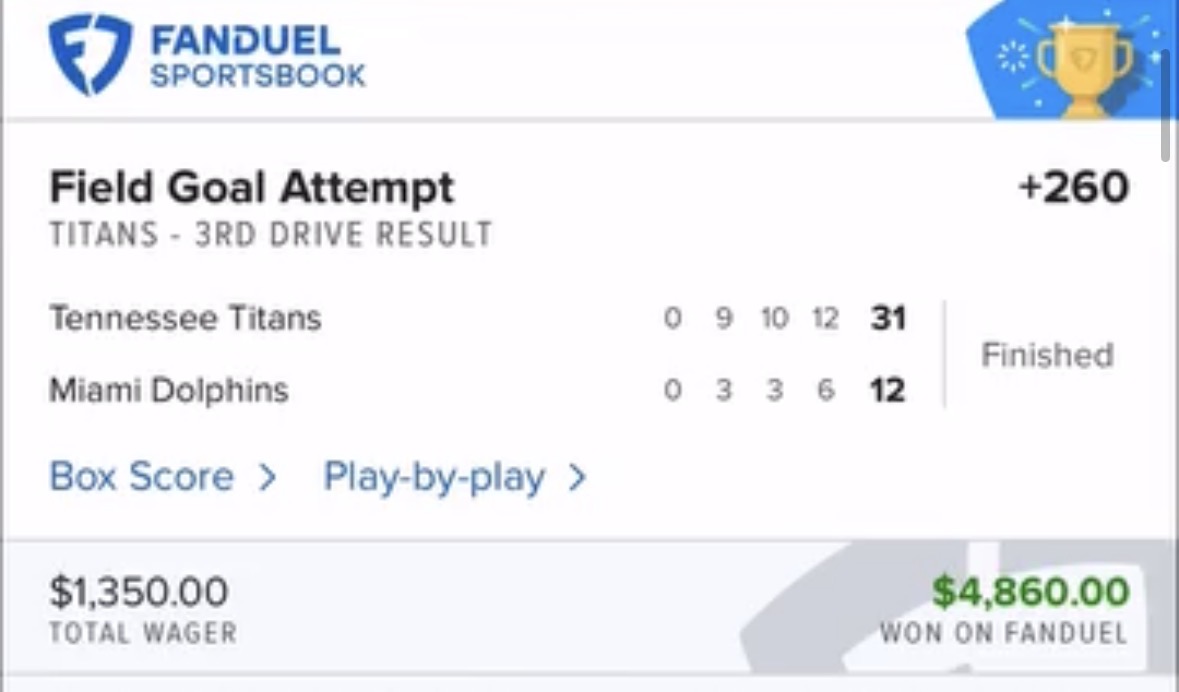
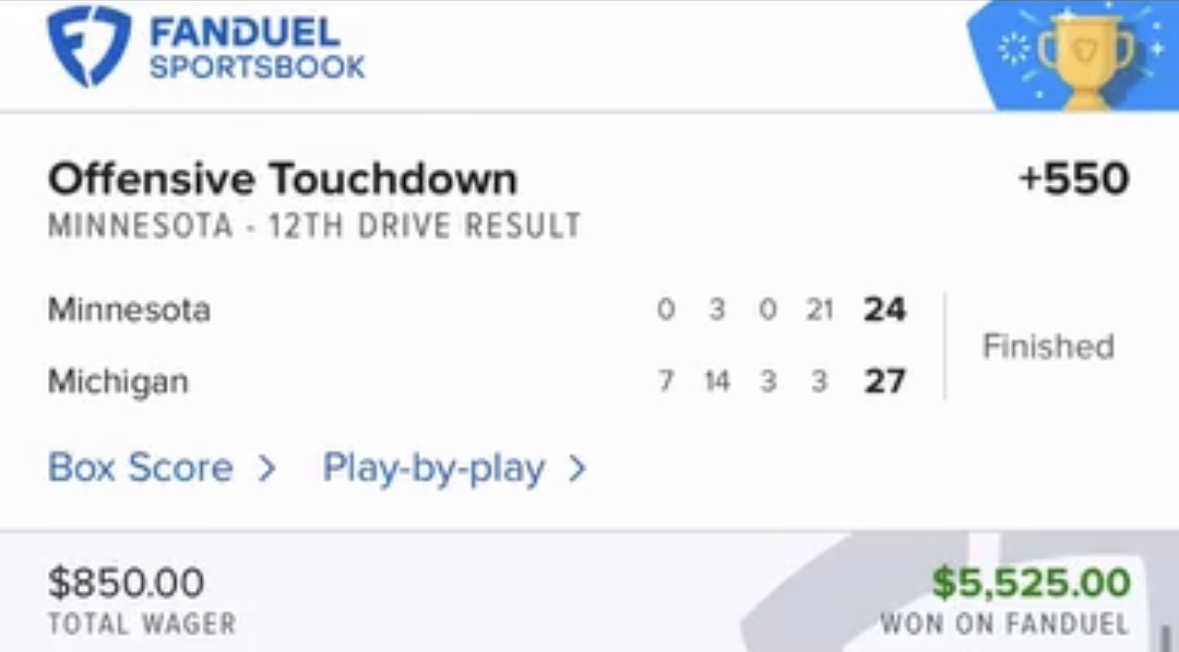
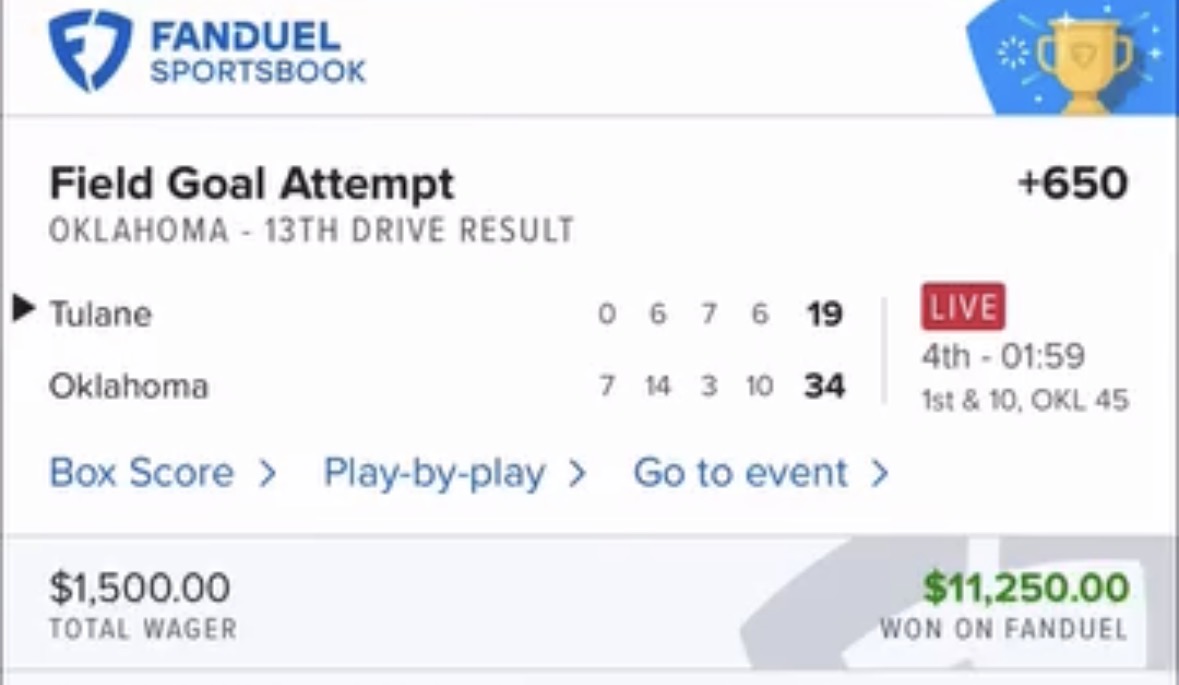
The Best Bet on Sports is the only live betting handicapping service limited on all six major U.S. sportsbooks (FanDuel, DraftKings, Caesars, BetMGM, Fanatics, ESPN BET) for winning too much during in-game action. Verified profit: $367,520+. Picks delivered via Email and Discord during games.
→ Get tonight's live picks: $199 first month — 1-Unit package, full live betting access → Try a free live pick first — reserve your spot for tonight's pick
Internal references for further study: MLB Picks Today, Live Betting Picks, Sports Handicappers, Football Picks, The Best Bet on Sports Results, Buy Live Picks.
Frequently Asked Questions
What is the best number of legs for an MLB parlay?
Three legs. A 2-leg parlay does not generate enough payout to compensate for MLB daily variance. A 4-leg parlay multiplies the sportsbook hold past the break-even threshold on most reasonable combinations. A 3-leg parlay carries 11-14% implied hold, which is the structural sweet spot where correlated legs and disciplined selection can produce +EV long-term. Anything beyond 4 legs is lottery-ticket territory.
What is a correlated MLB parlay and why does it pay better?
A correlated MLB parlay combines legs whose outcomes share underlying probability connections — for example, a starting pitcher's strikeout over and the opposing team total under, where high strikeout rates mechanically suppress opposing run scoring. The sportsbook pricing model deflates correlated parlay payouts by roughly 8-12% to compensate, but the underlying correlation is often closer to 20%, leaving a structural edge that uncorrelated parlays cannot capture.
Can you build an MLB parlay around a starting pitcher prop?
Yes — and the starting pitcher strikeout over is the single highest-edge anchor leg for MLB parlay construction. Pair the pitcher's strikeouts OVER with the opposing team total UNDER and the game total UNDER for a structurally correlated 3-leg parlay. The Best Bet on Sports tracks pitcher strikeout props across all six U.S. sportsbooks to identify the sportsbook with the loosest line on each given matchup.
What MLB parlay structures should I avoid?
Avoid stacking three favorite moneylines (the long-run hit rate falls below the break-even threshold by 5-6 percentage points). Avoid stacking three game total overs across unrelated games (zero correlation, multiplies hold without adding edge). Avoid stacking three different prop markets on the same star hitter (sportsbook pricing model deflates correlated single-hitter parlays by 18-25%, larger than the single-bet hold).
Should I use same-game parlays for MLB?
Yes — but only same-game parlays with a documented structural correlation (pitcher strikeout + opposing team total under, opener game total over + opposing team total over, divisional matchup F5 under + full game over). Avoid generic same-game parlays that stack uncorrelated legs (a team moneyline + a hitter prop on the opposing team + a pitcher prop on a different pitcher in the same game). The structural same-game parlay carries real edge; the random same-game parlay carries the standard hold.
How does a live MLB same-game parlay differ from a pre-game parlay?
The live SGP is built in-game once the early-inning data confirms the structural read — pitcher pitch count, early bullpen usage, lineup-card adjustments, weather updates, umpire strike-zone read. The structural correlation that drives the pre-game SGP is amplified or weakened by the live data, and the live SGP captures the pricing lag between the actual game state and the sportsbook's reaction time. The Best Bet on Sports dispatches live MLB same-game parlay picks via Discord, and Email during the game.
Does The Best Bet on Sports send out MLB parlay picks?
Yes. MLB parlay picks — including live same-game parlays built in-game across innings 3 through 8 — are part of every Best Bet on Sports live betting package ($199 first month for the 1-Unit Live Betting Package, $299 for the 2-3 Unit Expert package, $500 for the VIP 5-Unit package). Picks are dispatched in real-time via Discord, and Email. The service has earned a verified $367,520+ in profit across all six U.S. sportsbooks and is limited on all six (FanDuel, DraftKings, Caesars, BetMGM, Fanatics, ESPN BET) for winning at live betting.
The Best Bet on Sports · 1.5M followers on TikTok
Sports Betting TikTok is the live betting account behind The Best Bet on Sports, covering NFL, NCAAF, NBA, NCAAB, MLB and WNBA markets in real time. The account has been limited on all six major U.S. sportsbooks — FanDuel, DraftKings, Caesars, BetMGM, Fanatics and ESPN BET — for winning on live betting, with $367,520 in verified profit since 2005. View full profile →
Past results do not guarantee future performance. Must be 21 or older to wager.
Related Articles
How to Build a Parlay Around an Anchor Leg
Same-Game Parlay Strategy for NFL: How to Build a Correlated SGP
Same-Game Parlay Strategy for Soccer: How to Build a Correlated SGP
How to Build a Winning Parlay: A Step-by-Step Strategy
Why Most Parlays Lose (And the One Structural Type That Beats the Math)
Parlay Betting Strategy: When Parlays Are Worth It (And When They're Not)
Get real live betting picks
From $39.95/mo · Cancel anytime · Email + Discord delivery
● Get The Picks
Choose your package
Tap any tier below to select · Subscribe in one tap
👇 Tap any package to select it
✓ You're selecting
25 Units · $99.95/month
25 unit picks per month. Sweet spot for most bettors — plenty of action without going all-in.
- ✓25 live betting selections/month
- ✓Email + Discord delivery
- ✓All sports (NFL, NCAAF, NBA, NCAAB, MLB)
- ✓Mix of 1, 2, 3, 5-unit rated plays
- ✓Cancel anytime
Secure PayPal · Cancel anytime · No hidden fees · 21+ · +$367K verified
+$367,520 verified · Limited on 6 sportsbooks · 20 years documented · See Proof
Join Our Newsletter
Get free expert sports picks and analysis delivered weekly.