How to Build a Parlay Around an Anchor Leg

An anchor-leg parlay is built around one high-conviction outcome you would bet straight on its own, then adds only a small number of independent legs that each clear a high bar. The anchor sets the floor for the whole ticket: if the leg you trust most isn't strong enough to bet alone, no amount of extra legs will rescue it. Done right, anchoring turns a parlay from a random lottery slip into a disciplined extension of your single best bet.
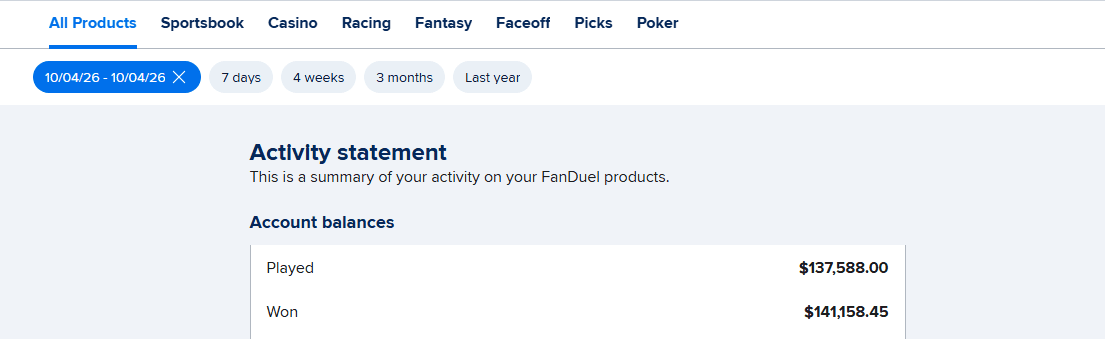
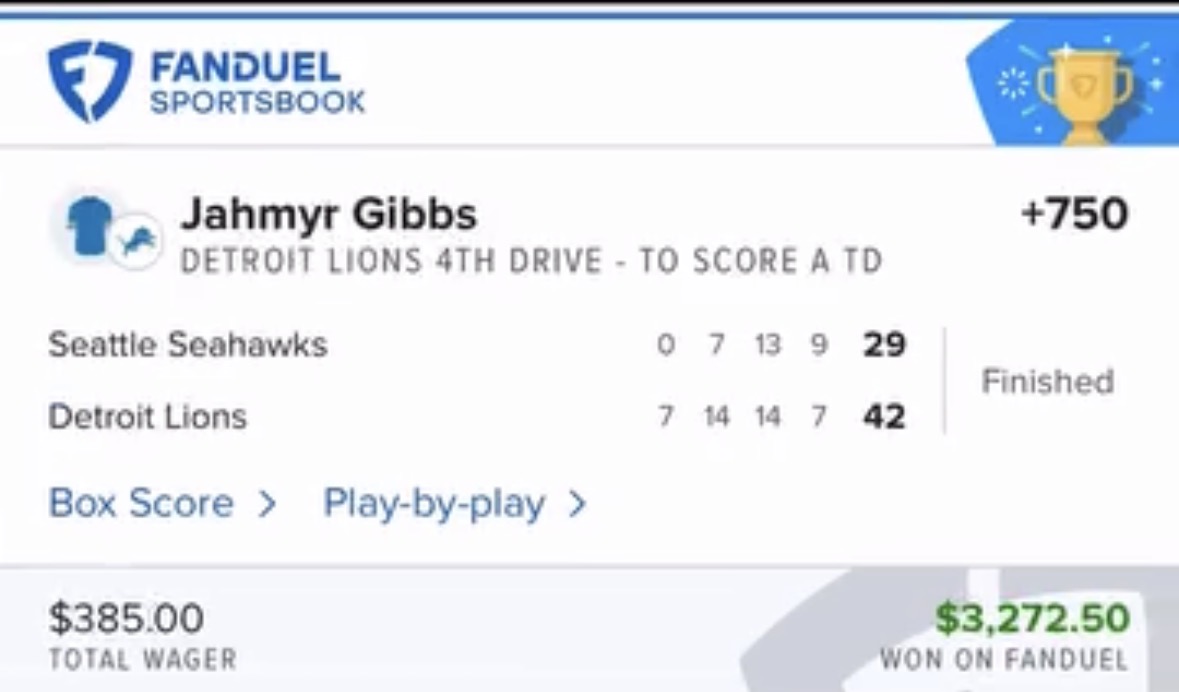
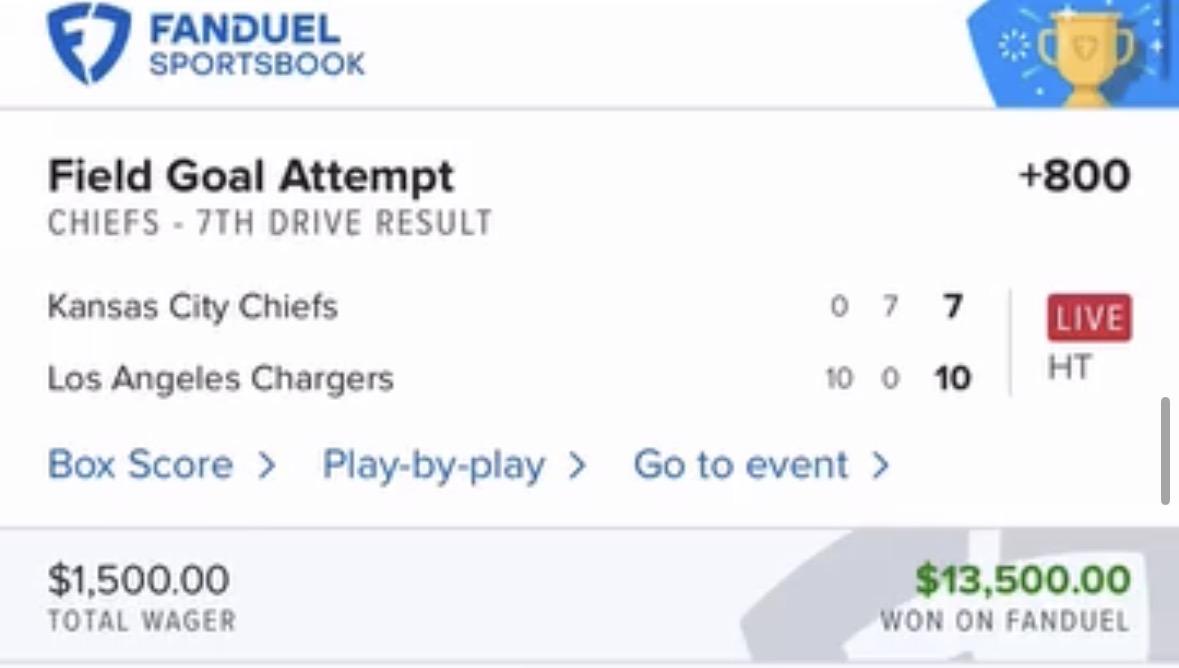
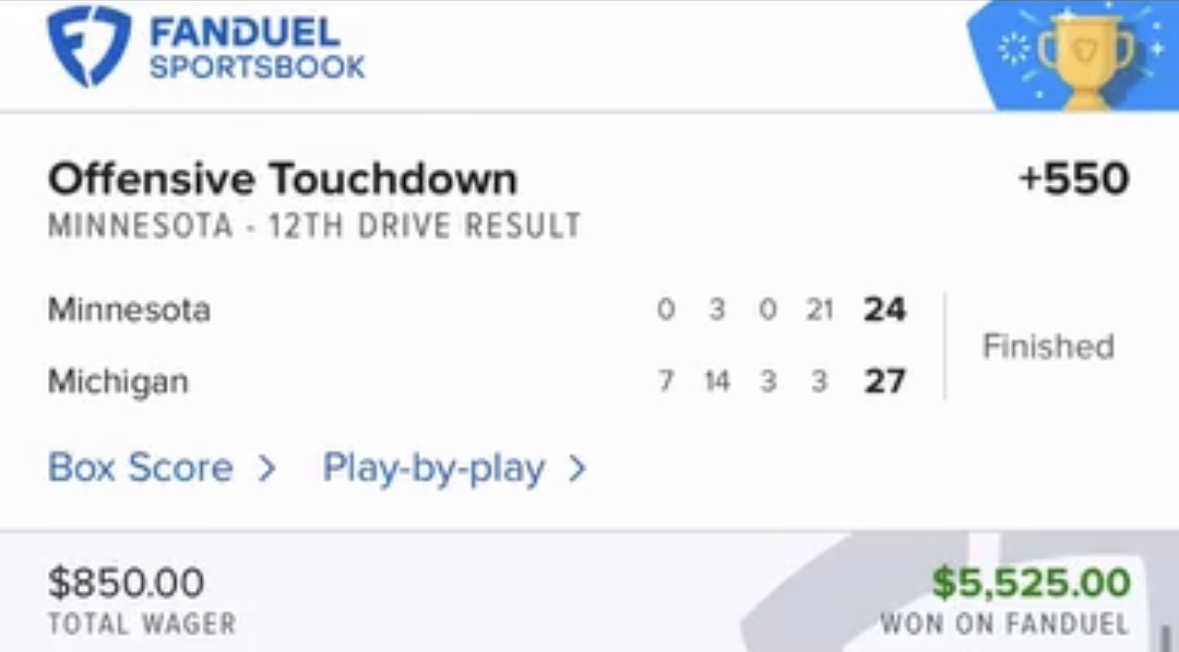
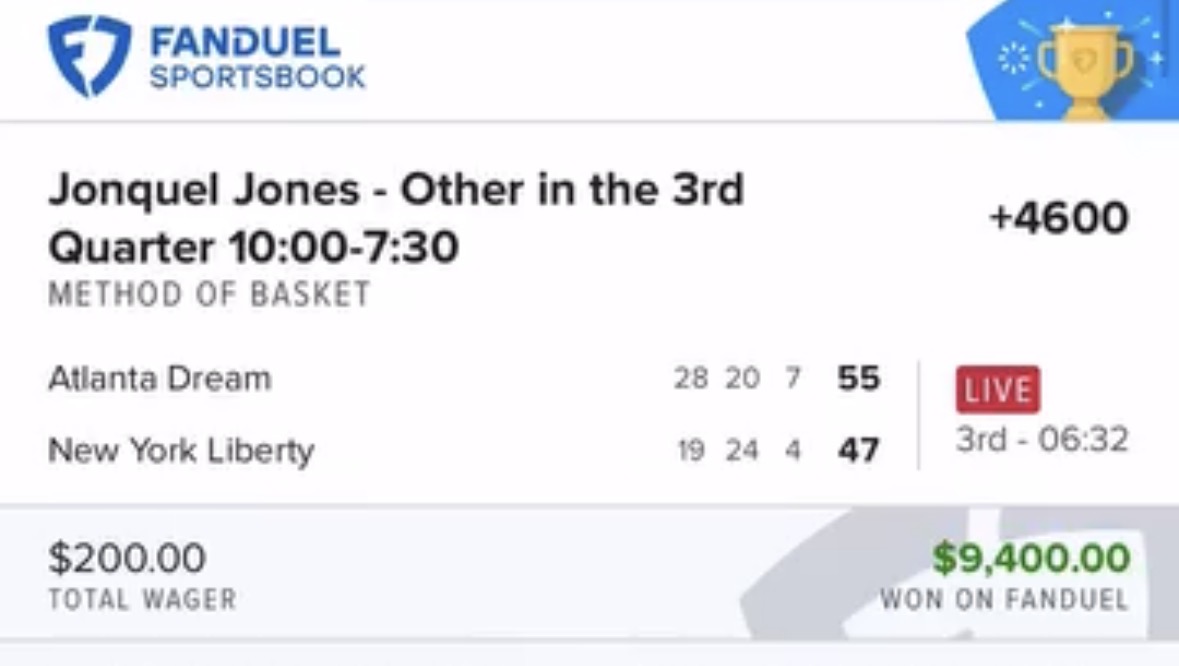
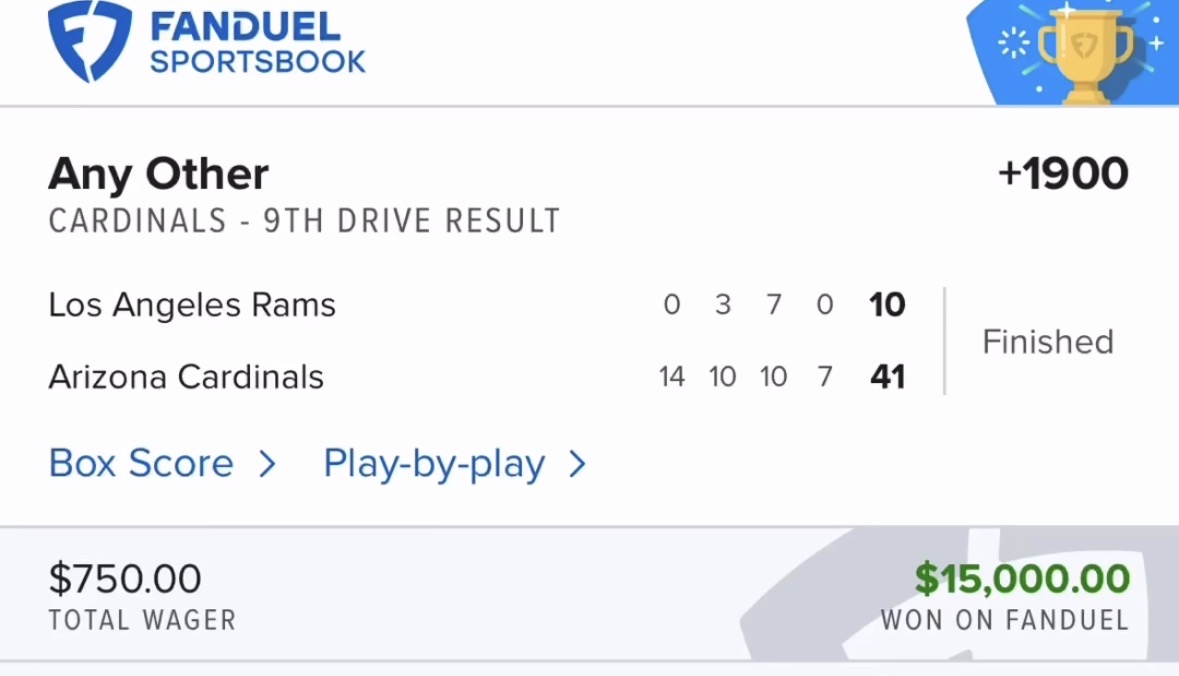
An anchor-leg parlay starts with one outcome you have real conviction in — a bet you would happily place straight, on its own — and then adds a small number of independent legs around it, each of which has to earn its place. The anchor is the whole point: it sets the floor for the ticket, because a parlay can never be stronger than the leg you trust most. The Best Bet on Sports has run live in-game betting for more than twenty years with a verified $367,520+ in profit across every major sportsbook, and the single most useful habit we can hand a parlay bettor is this — build outward from your best bet, not inward from a payout you wish you could hit.
Most losing parlays are assembled backwards. The bettor decides they want to win $500 off a $20 slip, works out how many legs that takes, and then goes shopping for outcomes to fill the ticket. That process all but ensures the parlay is built around a number instead of a conviction, and it is exactly how a slip ends up carrying two or three legs the bettor never actually believed in. Anchoring flips the order. You start with the one thing you're most confident about, and every decision after that answers a single question: does adding this make the ticket better, or just bigger?
Odds and examples below are illustrative and rounded for clarity. Real prices vary by book and move constantly — always confirm the current number before betting.
What Is an Anchor Leg?
An anchor leg is the outcome on your parlay that you have the most conviction in — the one you would bet as a standalone straight wager even if the parlay didn't exist. It carries the ticket. Everything else on the slip is a satellite: a leg you're adding to raise the payout, not because it's your read of the day.
The distinction matters because it changes how you evaluate the whole bet. In a normal parlay, every leg is treated as equal — five coin-flips stapled together. In an anchor-leg parlay, one leg is load-bearing and the rest are deliberately understood as risk you're layering on top of a position you already like. That framing does two things: it stops you from watering down a good bet with junk, and it gives you a clean rule for when not to build a parlay at all. If you don't have an anchor — a bet you'd make on its own — you don't have a parlay worth placing. You have a wish.
This is a different discipline from the general construction approach, which focuses on cutting the weakest leg. Anchoring works from the opposite end: it starts by naming the strongest leg and forces every other leg to justify itself against that standard.
The One Rule That Makes Anchoring Work
Here is the rule the entire method rests on: the anchor must be a bet you would place straight, at the same stake, with no parlay attached.
If it clears that bar, it's a real anchor. If it doesn't — if you'd only "bet" it as part of a parlay because it's not strong enough to stand alone — then it isn't an anchor and the ticket has no foundation. This single test filters out most bad parlays before they're ever built, because it forces you to separate genuine conviction from the excitement of a big potential payout.
The reason this works comes straight from the payout math. A parlay multiplies both the payout and the true probability of losing. Every leg you add drags the whole ticket's win probability down by roughly that leg's own probability. So the ticket can only be as good as its foundation is solid — and if the leg you trust most is shaky, the legs you trust less will bury it.
How to Choose Your Anchor
Not every strong opinion makes a good anchor. The best anchors come from the most reliable, most liquid markets — the ones where the price is sharp and your read has a real chance of being right. The worst anchors come from noisy, low-information markets where even a correct process wins barely more than a coin flip.
| Market | Anchor quality | Why |
|---|---|---|
| Full-game side (spread) on a game you've studied | Strong | Deep, liquid market; your edge, if you have one, is durable |
| Full-game total (over/under) with a clear read | Strong | Same liquidity; less public noise than sides |
| Team total on a specific matchup edge | Solid | Narrower but often less efficiently priced |
| Moneyline favorite you'd back straight | Solid | Simple, high-probability, easy to evaluate |
| Player prop on a role you understand | Situational | Can anchor, but variance is higher — size accordingly |
| Longshot underdog or exotic parlay-only market | Weak | Too much variance to carry a ticket |
The pattern is that a good anchor lives in a market you'd be comfortable betting real money on by itself. That is the same bar we set before a play goes out in our NFL picks or NBA picks: if it isn't worth a straight bet, it isn't worth anchoring a ticket. If you're reaching for a +250 player prop as your "anchor," you don't have one — you have a satellite pretending to be a foundation. For more on how favorites and underdogs behave inside a parlay, the favorites vs. underdogs breakdown covers the trade-offs in depth.
Choosing the Satellite Legs
Once the anchor is set, the satellites get added under two hard constraints.
First, keep them independent. Satellite legs should be outcomes in different games than your anchor whenever possible. The moment you stack correlated legs — your anchor's spread plus that same game's over — you're no longer running a clean anchor-leg parlay; you're running a same-game parlay, which sportsbooks price with adjusted odds precisely because the legs move together. That's a legitimate strategy on its own, covered in the same-game parlay guide and the correlated parlays explainer — but it's a different bet with different math, and mixing the two by accident is how bettors misprice their own ticket.
Second, cap the count. An anchor plus one or two satellites is the sweet spot. The whole value of anchoring evaporates if you bolt six satellites onto a strong anchor, because the compounding vig and the multiplied probability of losing swamp whatever edge the anchor gave you. The relationship between leg count and expected value is laid out in how many legs a parlay should have — the short version is that each added leg costs you more than it looks like it should.
The Trap: An Anchor Doesn't Rescue Bad Legs
The most dangerous misuse of this method is believing the anchor makes the rest of the ticket safe. It doesn't. A parlay wins only if every leg hits, so a rock-solid anchor paired with two weak satellites still loses the moment either satellite misses — and the anchor's win is worth nothing.
Look at what the multiplication actually does. Say your anchor is a genuine 65% bet and you add two satellites you honestly rate at 50% each:
| Ticket | True win probability | What it means |
|---|---|---|
| Anchor alone (65%) | 65% | Wins about two times in three |
| Anchor + 1 satellite (65% × 50%) | 32.5% | Wins about one time in three |
| Anchor + 2 satellites (65% × 50% × 50%) | 16.25% | Wins about one time in six |
Your excellent anchor took a two-in-three bet and turned it into a one-in-six bet the instant you added two coin flips. That's not a knock on anchoring — it's the reason the quality of your satellites matters just as much as the quality of the anchor. If a satellite isn't clearly better than a coin flip, it's not raising your payout enough to justify how far it drops your win probability. This is the same underlying reason most parlays lose, and it's why the discipline is to add few, strong satellites rather than many hopeful ones.
The Live Anchor: Where the Method Gets Sharp
The strongest anchor is often one you don't commit to before kickoff at all. Pre-game, every leg carries maximum uncertainty — you're guessing at how a game will unfold. Once a game is underway, a chunk of that uncertainty burns off: you've seen the pace, the game script, whether a key player looks right, how the total is tracking. An anchor taken live, after a game has shown its hand, can carry far more genuine conviction than the same bet made blind an hour earlier.
That's the entire edge behind live betting, and it's why we anchor tickets in-game rather than pre-game whenever the spot allows. The full case for why live reads beat pre-game guesses is in live betting vs. pre-game picks, and the mechanics of stacking legs during a game are in the live parlay strategy guide. The principle is simple: the more information you have when you set your anchor, the more that anchor is worth — and live betting hands you the most information.
Anchor-Leg Parlays vs. Straight Bets
It's worth being honest about the trade-off. If your anchor is genuinely your best bet, the mathematically cleanest play is often to bet it straight and skip the satellites entirely — you keep more of your edge, as the parlay vs. straight bets comparison shows. Anchoring isn't a way to beat that math; it's a way to take a small, controlled shot at a bigger payout without abandoning your best read in the process.
Used that way — anchor you'd bet straight, one or two strong satellites, small stake, few legs — an anchor-leg parlay is one of the more disciplined ways to play a parlay. Used the other way, as a fancy label for stapling your best pick to a pile of hopeful longshots, it's just another lottery ticket with a good story attached.
Get Tonight's Live Picks
Want tonight's live in-game parlay and single-game picks delivered to your phone via Email and Discord during the game?
The Best Bet on Sports is the only live betting handicapping service limited on all six major U.S. sportsbooks (FanDuel, DraftKings, Caesars, BetMGM, Fanatics, ESPN BET) for winning too much during in-game action. Verified profit: $367,520+. Picks delivered via Email and Discord during games.
→ Get tonight's live picks: $199 first month — 1-Unit package, full live betting access → Try a free live pick first — reserve your spot for tonight's pick
Frequently Asked Questions
What is an anchor leg in a parlay?
An anchor leg is the outcome on a parlay you have the most conviction in — the single leg you would be willing to bet as a standalone straight wager even if the parlay didn't exist. It carries the ticket. Every other leg is a satellite added to raise the payout, and the whole method rests on building the parlay outward from that one high-conviction bet rather than assembling a slate of random legs to hit a target payout.
How do you pick a good anchor leg?
Choose your anchor from the most reliable, most liquid markets — a full-game spread or total on a matchup you've genuinely studied, or a moneyline favorite you'd back on its own. Apply one test: would you place this bet straight, at the same stake, with no parlay attached? If yes, it's a real anchor. Avoid using longshots, exotics, or high-variance props as anchors — those belong as satellites, if they belong on the ticket at all.
How many legs should an anchor-leg parlay have?
Keep it small: your anchor plus one or two satellite legs is the sweet spot. Anchoring loses its value the moment you bolt on five or six extra legs, because each added leg multiplies both the potential payout and the probability of losing. A strong 65% anchor paired with just two coin-flip satellites already drops the ticket's true win probability to about 16% — so the fewer, stronger satellites you add, the better the bet.
Does a strong anchor make the rest of the parlay safe?
No. A parlay wins only if every single leg hits, so even a rock-solid anchor loses the entire ticket the moment any satellite misses. The anchor sets a floor for the ticket's quality, but it cannot rescue weak legs — it can only be dragged down by them. That's why the quality of your satellite legs matters just as much as the anchor; a bad satellite costs you far more in win probability than it adds in payout.
Can you build an anchor-leg parlay with a same-game parlay?
You can, but be aware it changes the math. An anchor-leg parlay assumes the legs are independent — outcomes in different games that don't affect each other. The moment you anchor around one leg and add correlated legs from the same game, you're running a same-game parlay, which sportsbooks price with adjusted odds because the outcomes move together. Both are valid approaches, but mixing them by accident causes you to misprice your own ticket, so decide up front which one you're building.
Is anchoring better than just betting my best pick straight?
If your anchor is genuinely your best bet, betting it straight is usually the mathematically cleaner play — you keep more of your edge instead of paying the parlay's compounded vig. Anchoring isn't a way to beat that math; it's a way to take a small, controlled shot at a larger payout without abandoning your best read. Used with a small stake and one or two strong satellites, it's a disciplined middle ground between a straight bet and a random parlay.
Should I set my anchor before the game or during it?
Whenever the spot allows, setting your anchor live — after the game has started — gives you more conviction than a pre-game guess. Before kickoff, every leg carries maximum uncertainty. Once a game is underway, you've seen the pace, the game script, and whether key players look right, so a chunk of that uncertainty has burned off. An anchor taken with that live information is worth more than the same bet made blind an hour earlier, which is the core edge behind live betting.
The Best Bet on Sports · 1.5M followers on TikTok
Sports Betting TikTok is the live betting account behind The Best Bet on Sports, covering NFL, NCAAF, NBA, NCAAB, MLB and WNBA markets in real time. The account has been limited on all six major U.S. sportsbooks — FanDuel, DraftKings, Caesars, BetMGM, Fanatics and ESPN BET — for winning on live betting, with $367,520 in verified profit since 2005. View full profile →
Past results do not guarantee future performance. Must be 21 or older to wager.
Related Articles
Player Prop Parlay Strategy: The Volume Ceiling Problem
How to Build a Winning Parlay: A Step-by-Step Strategy
The 1 PM Problem: When Sunday Parlays Actually Die
Key Numbers and Parlays: The Three-Point Problem
The 2026 NFL Rule Changes That Move Live Betting Numbers
Do Parlay Legs Include Overtime? How Each Leg Settles
Get real live betting picks
From $39.95/mo · Cancel anytime · Email + Discord delivery
● Get The Picks
Choose your package
Tap any tier below to select · Subscribe in one tap
👇 Tap any package to select it
✓ You're selecting
25 Units · $99.95/month
25 unit picks per month. Sweet spot for most bettors — plenty of action without going all-in.
- ✓25 live betting selections/month
- ✓Email + Discord delivery
- ✓All sports (NFL, NCAAF, NBA, NCAAB, MLB)
- ✓Mix of 1, 2, 3, 5-unit rated plays
- ✓Cancel anytime
Secure PayPal · Cancel anytime · No hidden fees · 21+ · +$367K verified
+$367,520 verified · Limited on 6 sportsbooks · 20 years documented · See Proof
Join Our Newsletter
Get free expert sports picks and analysis delivered weekly.