Should You Parlay Favorites or Underdogs? The Real Math

Parlaying favorites feels safe but stacks negative-odds legs that quietly shrink your payout and your true win probability, while all-underdog parlays chase lottery money you rarely hit. The winning approach is neither extreme — it is choosing each leg on price and value, mixing a priced-right favorite with a live underdog only when both clear the vig, and keeping leg counts low. This guide shows the math behind favorite-heavy versus dog-heavy parlays and when each actually pays.
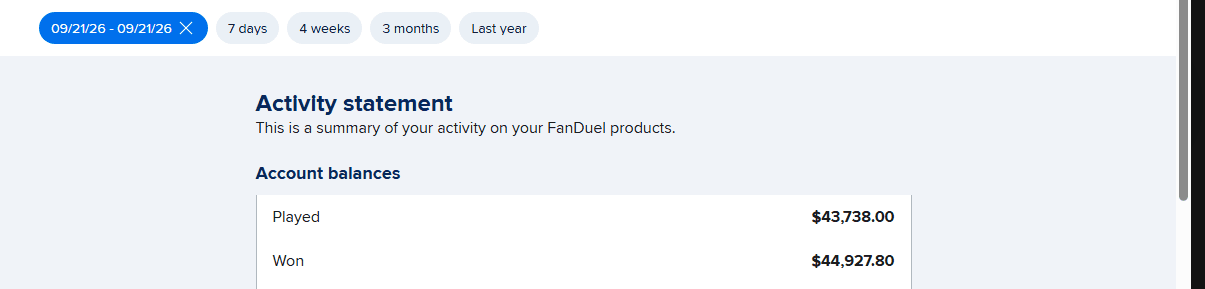
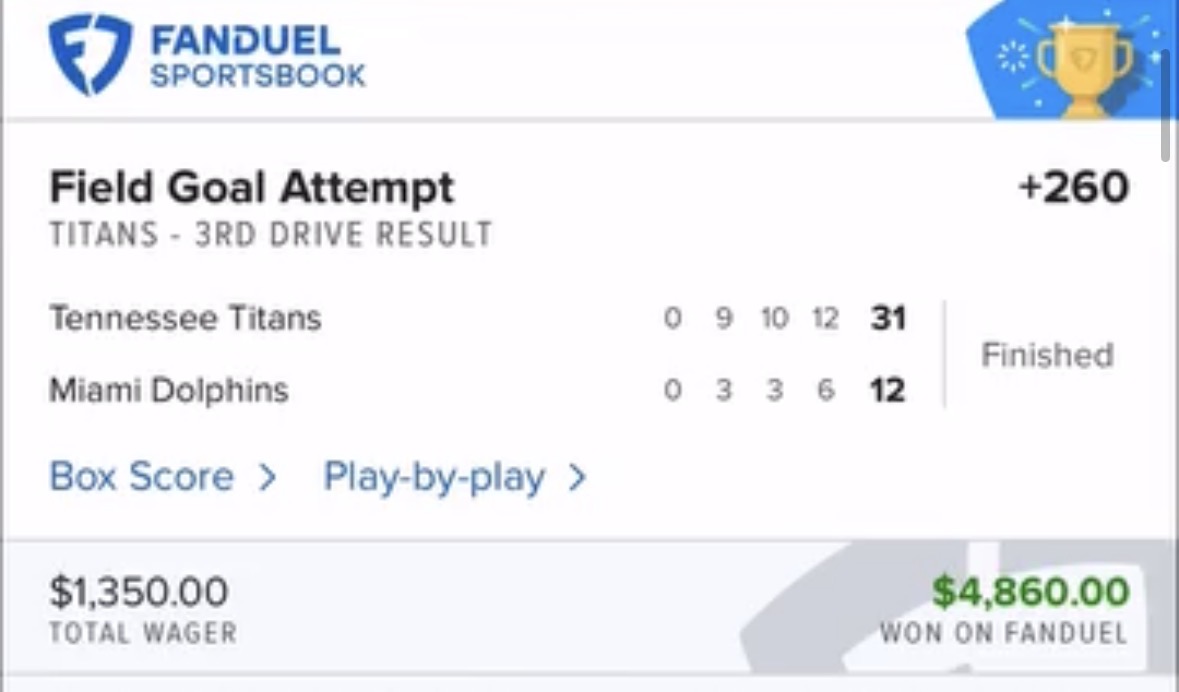
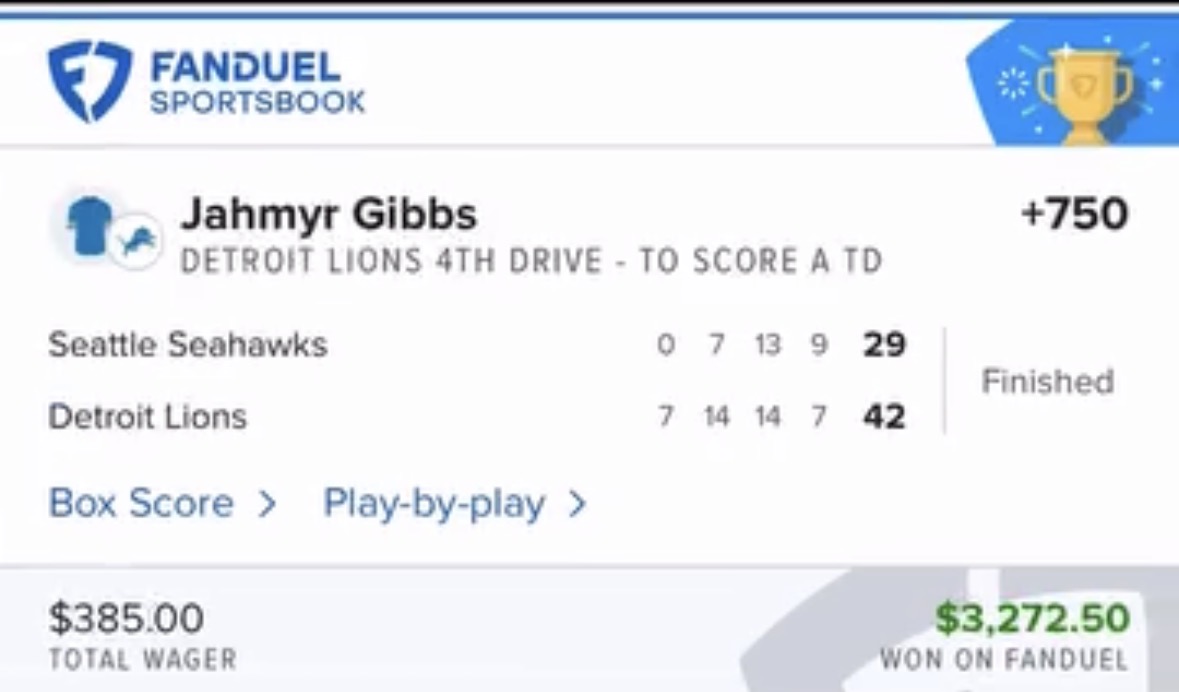
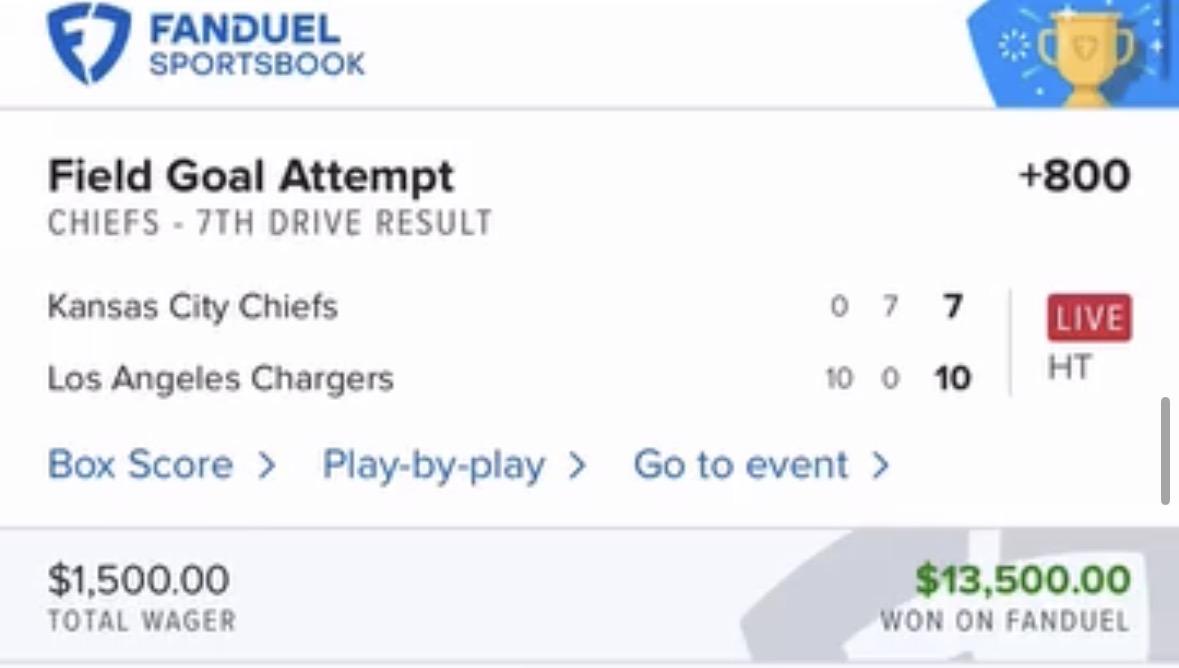
Parlaying favorites or underdogs is the wrong question — the right question is whether each leg is priced better than its true chance of winning, because a parlay only pays when every leg beats the vig. The Best Bet on Sports has built a verified $367,520+ profit across all six major U.S. sportsbooks over more than twenty years, and none of it came from blindly stacking chalk or chasing longshots. A parlay of heavy favorites feels safe but multiplies negative-odds legs into a payout that badly underprices the compounding risk; a parlay of pure underdogs prints a huge number you almost never collect. The bettors who win with parlays ignore the favorite-versus-dog framing entirely and select each leg on value, price, and timing.
Every parlay is just the product of its legs, so the parlay is only as good as the worst decision inside it. Load it with three -300 favorites and you have talked yourself into a ticket that needs all three long-odds propositions to hit while paying you as if they were locks. Fill it with five +250 dogs and you have bought a lottery ticket the book is thrilled to sell. The edge lives in the middle — and, more often, in live in-game markets where a favorite's price or a dog's price briefly drifts away from its real probability. This guide breaks down the actual math of favorite-heavy versus dog-heavy parlays, when each is worth building, and why leg selection beats leg quantity every time.
How Does Parlay Math Actually Work for Favorites vs Underdogs?
A parlay multiplies the decimal odds of each leg. That single fact explains why favorites and underdogs behave so differently once you staple them together.
Stack favorites and each leg contributes a small multiplier just above 1.0. Three -200 favorites (1.50 decimal each) combine to roughly +238 — a ticket that needs three separate ~67% events to all land and pays you like a coin flip. Miss one and the whole thing dies. The "safe" feeling is an illusion: the combined probability of all three hitting is about 30%, not the 67% each individual leg suggests.
Stack underdogs and each leg contributes a large multiplier. Three +250 dogs (3.50 decimal each) combine to roughly +4188 — a number that looks life-changing until you realize the combined true probability might be 3-4%. You will lose that ticket far more often than the payout implies is fair, unless each dog was genuinely mispriced.
| Parlay build | Example legs | Approx. payout | Approx. true hit rate | Real problem |
|---|---|---|---|---|
| Favorite-heavy | Three -200 favorites | +238 | ~30% | Low payout hides compounding risk |
| Balanced | One -150 + one +130 | +192 | ~40% | Only works if both clear the vig |
| Underdog-heavy | Three +250 dogs | +4188 | ~3-4% | Lottery ticket, rarely collects |
| Correlated live | Two related in-game legs | Varies | Higher when priced right | Book limits these fast |
The table makes the trap obvious. Favorite parlays underpay the risk you are actually taking; underdog parlays overpromise on outcomes you rarely hit. Neither is a strategy — they are two different ways to hand the book its margin. We cover the deeper version of this in why most parlays lose.
Why Do Favorite Parlays Feel Safe but Bleed Value?
Parlaying favorites is the most common mistake in sports betting, and it is common precisely because it feels responsible. Each leg is "likely." The problem is that likely is not the same as valuable, and the vig compounds against you with every leg you add.
When you bet a -200 favorite, you are laying $200 to win $100. The book has already shaded that line past the team's true probability — that is the hold. Parlay three of them and you multiply three shaded prices together, so the house edge stacks three times over. The ticket that felt like the "smart, safe" play is actually the one where the book's margin is working hardest against you.
There is also the correlation blind spot. Bettors parlay three road favorites on the same slate assuming independence, but market-wide factors — a heavy public lean, weather across a region, a books-wide overreaction to a narrative — can knock down multiple "safe" favorites at once. The math assumes the legs are independent; reality often is not. If you are going to bet favorites, the discipline that matters is the same one behind closing line value: did you get a better number than where the line closed? A -170 favorite you caught before it moved to -200 is a real edge; a -200 favorite you took at the counter is just paying retail.
When Is an Underdog Parlay Actually Worth Building?
Underdog parlays get mocked, and most deserve it — but a dog-heavy ticket is only bad when the dogs are bad. A +150 underdog that should be +110 is one of the most valuable bets on the board, because you are getting paid more than the outcome's true probability warrants. Two or three of those, when you genuinely believe each is mispriced, can be a sharp parlay.
The key word is mispriced. Betting underdogs because they pay more is how casual bettors light money on fire. Betting a specific underdog because your read says its true chance of winning is higher than the price implies is how you find value. The parlay format then compounds that value — but it also compounds the variance, which is why leg count has to stay low. A two-leg dog parlay built from two genuinely mispriced sides is defensible. A six-leg dog parlay is a prayer.
This is also where live betting changes the equation. In-game, an underdog that falls behind early often sees its price balloon past what the game state justifies — a team down 10 in the second quarter is not nearly as dead as its live number suggests. That is the exact spot our live betting picks are built to catch, and it is why the sharpest underdog value almost never sits on the pre-game board.
What Is the Smart Way to Mix Favorites and Underdogs?
The best parlays are not all-favorite or all-underdog — they are value-first, built the way professional sports handicappers approach every card. You build them the same way you would build any bet: one leg at a time, each one earning its place on price and read, not on how it makes the ticket "feel."
Follow three rules and the favorite-versus-dog debate mostly disappears:
- Every leg must beat the vig on its own. If you would not bet the leg as a straight bet, it does not belong in a parlay. A parlay is not a place to hide a bet you are unsure about.
- Keep leg counts low. Two to three legs is the range where value can survive the variance. Each added leg multiplies both your payout and your chance of one bad beat killing the ticket. This is the same discipline behind bankroll management for $100 to $500 bettors.
- Let price decide the mix. Some nights the value is on two favorites; some nights it is a favorite plus a live dog. The correct blend is whatever the prices give you, not a rule about chalk versus longshots.
A -140 favorite you believe should be -170, paired with a +160 underdog you believe should be +130, is a genuinely strong two-leg parlay — one priced-right favorite and one priced-right dog, both clearing the vig. That ticket beats a three-team chalk parlay and a five-team dog parlay at the same time, because it is built on value instead of vibes — the same value-first read behind every entry on our sports picks card. For how this fits the bigger picture, compare it against parlays versus straight bets.
Does Live Betting Change the Favorite vs Underdog Calculation?
It changes it more than any other factor. Pre-game, the market has had days to sharpen every price, so both favorite and underdog lines are usually efficient. Live, prices move in seconds to chase the scoreboard, and that speed is where mispricing lives — a favorite that goes down early gets cheap, a dog that jumps ahead gets expensive, and both can overshoot the real game state.
That overshoot is the entire reason live betting beats pre-game grinding, and it is covered in depth in live betting versus pre-game picks. It is also why the books that limit winning bettors do it fastest in live markets — they limit us on all six major sportsbooks specifically because catching those live overreactions works. When a favorite's live price drifts to value or a dog's live price balloons past reason, that is the leg worth parlaying — not because of what color the odds are, but because the number is wrong.
Get Tonight's Live Picks
Want tonight's live in-game parlay picks delivered to your phone via Email and Discord during the game?
The Best Bet on Sports is the only live betting handicapping service limited on all six major U.S. sportsbooks (FanDuel, DraftKings, Caesars, BetMGM, Fanatics, ESPN BET) for winning too much during in-game action. Verified profit: $367,520+. Picks delivered via Email and Discord during games.
→ Get tonight's live picks: $199 first month — 1-Unit package, full live betting access → Try a free live pick first — reserve your spot for tonight's pick
Frequently Asked Questions
Is it better to parlay favorites or underdogs?
Neither is better as a blanket rule — the better parlay is the one where every leg is priced above its true probability of winning. Favorite parlays feel safe but stack negative-odds legs that underpay the compounding risk, while pure underdog parlays overpromise on outcomes you rarely hit. The winning approach is to select each leg on value and price, mixing a priced-right favorite with a priced-right underdog only when both clear the vig.
Why do parlays of heavy favorites lose money over time?
Because each favorite leg carries the book's built-in margin, and parlaying multiple favorites multiplies that margin against you. A -200 favorite is already shaded past its true probability; stacking three of them compounds the house edge three times while paying you as if the outcome were far more likely than it is. The "safe" feeling masks the fact that all three long-odds events still have to land together.
How many legs should a value parlay have?
Two to three legs is the range where genuine value can survive the added variance. Every leg you add multiplies both your potential payout and your chance of a single bad beat killing the entire ticket. Casual bettors chase big numbers with five- and six-leg parlays; disciplined bettors keep leg counts low so that real edge on each leg is not drowned out by variance.
What makes an underdog parlay actually worth betting?
The underdogs have to be genuinely mispriced, not just high-paying. A +150 dog that your read says should be +110 is real value; a +150 dog you took only because it pays more is a losing habit. Two mispriced underdogs in a low-leg parlay can be sharp, but the value comes from the read on each leg, not from the fact that they are underdogs.
How does live betting affect favorite vs underdog parlays?
Live betting is where the mispricing lives. Pre-game lines have days to sharpen, so both favorite and underdog prices are usually efficient. In-game, prices move in seconds to chase the score — a favorite that falls behind early gets cheap, a dog that jumps ahead gets expensive — and both can overshoot the real game state. Those live overreactions are the best spots to find a parlay leg worth taking.
Should I ever mix a favorite and an underdog in the same parlay?
Yes — a mixed parlay is often the strongest build. A priced-right favorite paired with a priced-right underdog, each clearing the vig on its own, beats both an all-chalk parlay and an all-dog parlay because it is built on value rather than on how the ticket feels. Let the prices on a given night decide the mix instead of forcing a favorite-only or underdog-only rule.
Why do sportsbooks limit bettors who win parlays consistently?
Because consistent parlay winners are almost always beating the closing line and catching live mispricings, and books protect their margins by cutting those bettors off. The Best Bet on Sports is limited on all six major U.S. sportsbooks — FanDuel, DraftKings, Caesars, BetMGM, Fanatics, and ESPN BET — for winning too much during in-game action, which is the clearest signal that the live-value approach works.
The Best Bet on Sports · 1.5M followers on TikTok
Sports Betting TikTok is the live betting account behind The Best Bet on Sports, covering NFL, NCAAF, NBA, NCAAB, MLB and WNBA markets in real time. The account has been limited on all six major U.S. sportsbooks — FanDuel, DraftKings, Caesars, BetMGM, Fanatics and ESPN BET — for winning on live betting, with $367,520 in verified profit since 2005. View full profile →
Past results do not guarantee future performance. Must be 21 or older to wager.
Related Articles
Alt Lines in a Parlay: Which Leg Should You Buy Down?
Should You Cash Out a Parlay Early? The Real Math
Parlay Boosts and Insurance: Are Sportsbook Promos Worth It?
First Half Over, Game Under: The Parlay That Fights Itself
Lead at Halftime and Win: What That NFL Parlay Pays
The Last Two Minutes Kill More Parlays Than Bad Picks Do
Get real live betting picks
From $39.95/mo · Cancel anytime · Email + Discord delivery
● Get The Picks
Choose your package
Tap any tier below to select · Subscribe in one tap
👇 Tap any package to select it
✓ You're selecting
25 Units · $99.95/month
25 unit picks per month. Sweet spot for most bettors — plenty of action without going all-in.
- ✓25 live betting selections/month
- ✓Email + Discord delivery
- ✓All sports (NFL, NCAAF, NBA, NCAAB, MLB)
- ✓Mix of 1, 2, 3, 5-unit rated plays
- ✓Cancel anytime
Secure PayPal · Cancel anytime · No hidden fees · 21+ · +$367K verified
+$367,520 verified · Limited on 6 sportsbooks · 20 years documented · See Proof
Join Our Newsletter
Get free expert sports picks and analysis delivered weekly.