Should You Cash Out a Parlay Early? The Real Math

Cashing out a parlay early almost always costs you money because sportsbooks price the cash-out offer below the bet's true value and keep the difference. Take the offer only when the remaining legs are genuine coin flips, your read has turned negative, or the reduced stake protects a bankroll you cannot afford to swing. This guide shows the math behind cash-out offers, when accepting one is correct, and why the sharper play is usually a live hedge, not the book's button.
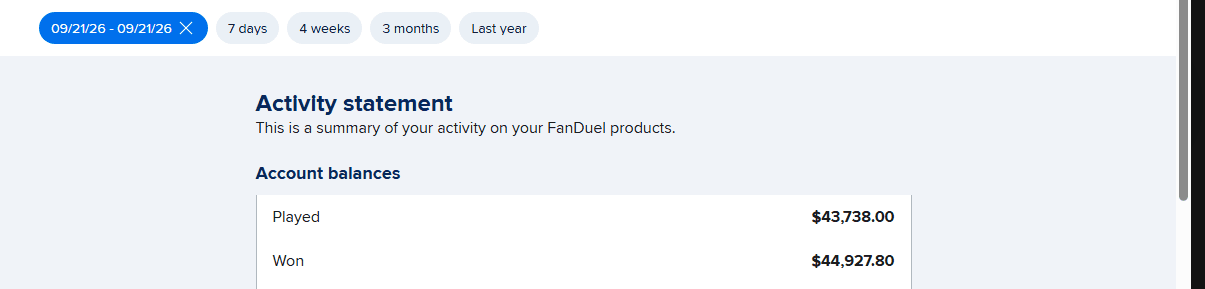
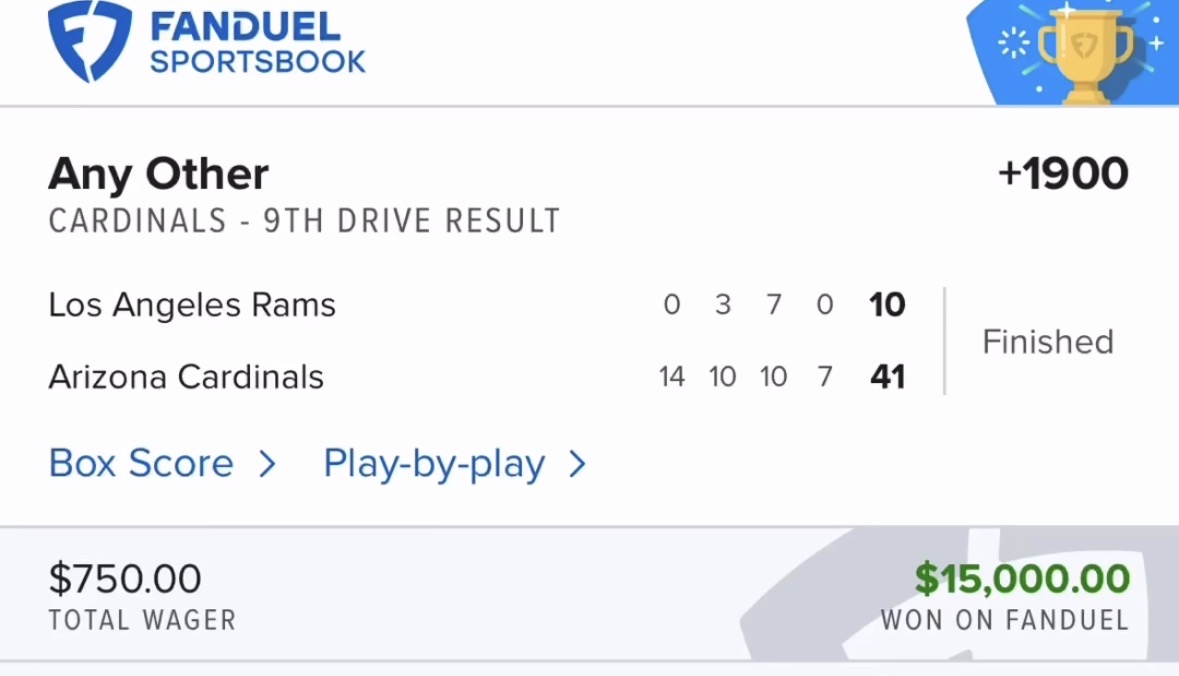
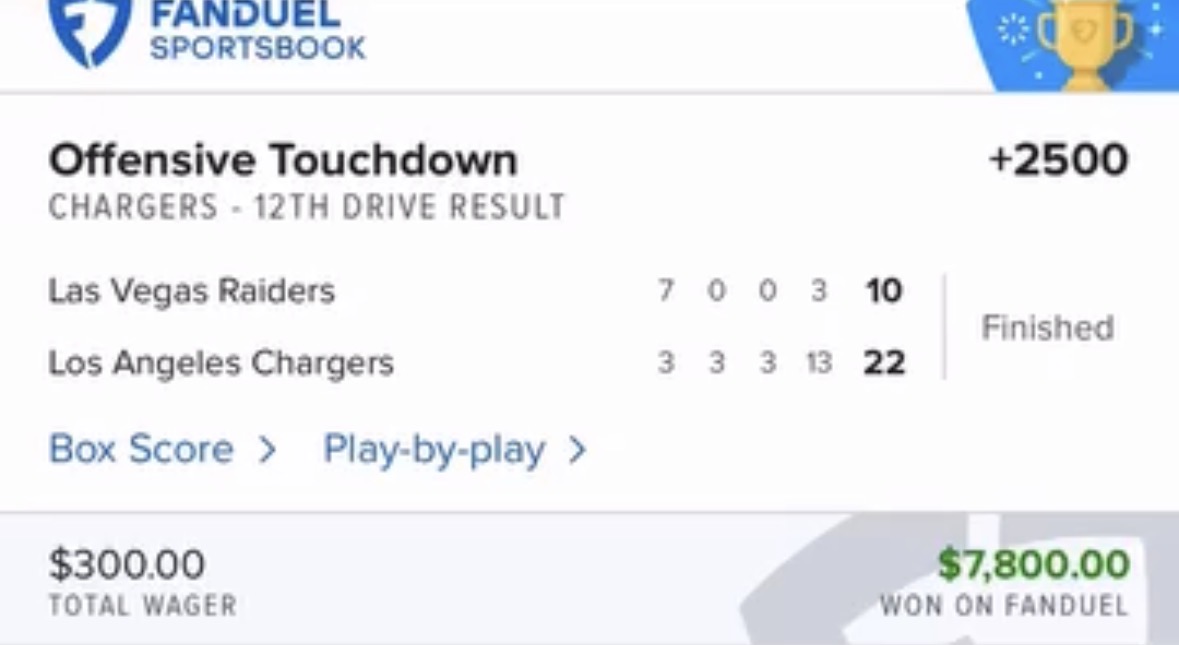
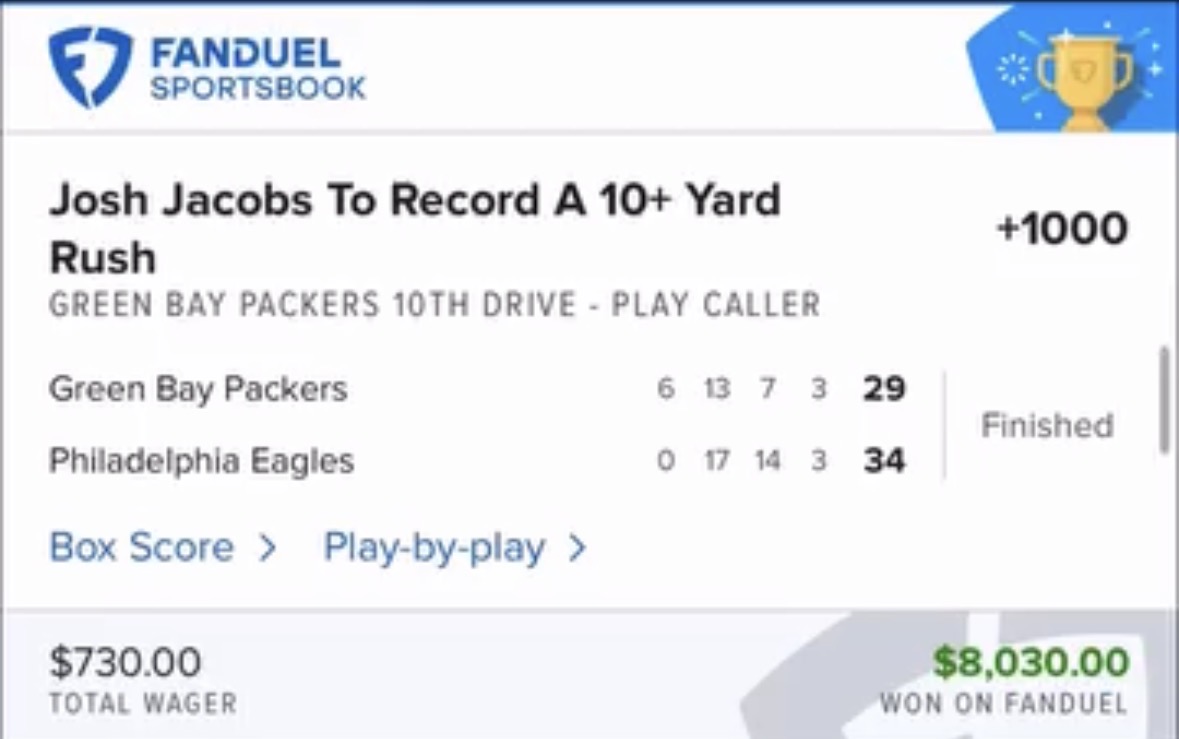
Cashing out a parlay early almost always loses you money over time, because the sportsbook builds its margin into every cash-out offer and hands you less than the ticket is actually worth. The Best Bet on Sports has built a verified $367,520+ profit across all six major U.S. sportsbooks over more than twenty years, and almost none of it came from tapping the cash-out button. A cash-out offer is not a favor — it is a bet the book is making against your remaining legs, priced so the house wins on average whether you accept or decline. There are a handful of real spots where taking it is correct, but "I'm nervous and want to bank something now" is not one of them.
The cash-out button exists for the same reason the parlay exists: it is profitable for the book. Every time you cash out early, the sportsbook is buying back your ticket at a discount to its true expected value and pocketing the spread. Do that repeatedly and you are paying a second layer of vig on top of the one already baked into your legs. The professional sports handicappers who win with parlays understand exactly when a cash-out is a rare +EV escape hatch and when it is just fear dressed up as discipline — and, more often, they skip the button entirely and hedge the live market themselves. This guide breaks down the actual math of cash-out offers, the four situations where accepting one is defensible, and why a manual live hedge usually beats whatever the book is offering.
How Does a Sportsbook Cash-Out Offer Actually Work?
A cash-out offer is the book quoting you a price to sell your ticket back before it settles. To generate that number, the sportsbook looks at the current live odds of your remaining legs, calculates roughly what your ticket is worth right now, and then subtracts a margin before showing you the figure.
That subtraction is the entire point. If your parlay has one leg left and that leg is currently priced at -150 to hit, the fair value of your ticket is straightforward to compute — but the cash-out offer will land meaningfully below it. The gap is the book's cut, and it is usually wider than the vig on a normal bet because cash-out is a convenience product aimed at nervous bettors who are not doing the math.
The result is a slow, invisible leak. Every early cash-out shaves a few percent of expected value off the top, and because it happens at the emotional peak of a live game — when your ticket is alive and your heart rate is up — most bettors never notice they are consistently selling low.
| Parlay situation | What the book offers | What it's really worth | The problem |
|---|---|---|---|
| One leg left, big favorite | Discounted cash-out | Close to full ticket value | You forfeit most of the payout for a small "sure" amount |
| One leg left, true coin flip | Roughly half the payout | Roughly half the payout | Rare spot where the offer is close to fair |
| Two legs left, both live | Deep discount | Higher than the offer | Book prices in both legs failing plus its margin |
| Losing leg in progress | "Salvage" offer | Often more than the read justifies | One of the few times cashing out can be correct |
The table shows the pattern: the book's offer is designed to look attractive relative to the fear of losing everything, not relative to the ticket's true mathematical value. We break down the deeper version of why parlay math favors the house in why most parlays lose.
Why Does Cashing Out Usually Cost You Money?
Because you are paying vig twice. The first layer is baked into the original parlay legs. The second layer is baked into the cash-out offer. Every time you accept the button, you hand the book a second margin on the same ticket.
Think about what the number represents. Say you parlayed into a spot where you have one leg left, a team you believe should win about 65% of the time. The fair value of your ticket is 65% of the potential payout. A disciplined bettor who takes that ticket to settlement will, over hundreds of similar spots, collect that 65% share. But the cash-out offer will show you something closer to 55-58% of the payout — and if you take it, you have locked in the worse number and surrendered the edge that made the bet worth placing in the first place.
There is also a behavioral trap layered on top of the math. Cash-out gets tapped hardest exactly when a bettor is winning and scared to give it back — which means the button systematically pulls you out of your best tickets early while your losing tickets ride to zero. That asymmetry, cashing winners short and letting losers run, is the same emotional pattern that drains casual bankrolls, and it is why the discipline behind bankroll management for $100 to $500 bettors matters more than any single button.
When Is Cashing Out a Parlay Actually the Right Move?
There are real spots where taking the offer is defensible — they are just narrower than most bettors think. Cash-out becomes correct when the offer is close to fair value and accepting it improves your real-world position, not just your comfort level.
Four situations qualify:
- The remaining leg is a genuine coin flip. When your last leg is priced near a true 50/50 and the offer is close to half the payout, the book's margin on that spot is thin. Taking a fair number to eliminate pure variance can be reasonable, especially on a large ticket.
- Your read has actually changed. If a key injury, a red card, or a lineup change since you placed the bet has genuinely lowered your remaining leg's chance below what the live price implies, the cash-out may now be above fair value. That is a real +EV escape — but it requires an actual information change, not a feeling.
- The stake is bigger than your bankroll should carry. If a swing ticket has grown into a number that would meaningfully hurt your roll to lose, reducing variance has value beyond the raw EV. Protecting a bankroll you cannot afford to swing is a legitimate reason to accept a slightly-below-fair offer.
- The offer is genuinely mispriced upward. Occasionally, on a slow-moving live market, the book's cash-out figure lags the real game state and sits above fair value. Those are rare, but they are the one spot where the button is pure profit.
Notice what is missing from that list: "I'm nervous." Fear is not a reason to cash out — it is the reason the button is profitable for the book. The correct question is never "am I scared?" It is "is this offer above or below what my ticket is truly worth right now?" That is the same value-first discipline behind parlays versus straight bets.
Is Cashing Out Better or Worse Than Hedging Yourself?
For most sharp spots, hedging the live market yourself beats accepting the book's cash-out — because a manual hedge lets you keep control of the price instead of taking whatever number the button hands you.
When you cash out, the book sets the price and takes its margin. When you hedge, you place a fresh bet on the opposing outcome at the current live line and secure a fixed result on your terms. If the live odds on the other side are fair, a manual hedge can protect more profit — or cap a loss more cheaply — than the cash-out offer for the exact same ticket. The trade-off is that hedging takes a second bet, a bit of math, and the speed to act before the live line moves. We walk through the mechanics in how to hedge a live parlay mid-game.
The catch is speed. Live lines move in seconds, and the window to hedge at a good price is short — which is exactly why the sharpest live sports picks are timing-dependent. The book's cash-out button is the lazy, expensive version of a hedge; a well-timed live bet on the other side is the sharp version. The same speed edge is why live betting beats pre-game grinding in the first place, covered in live betting versus pre-game picks.
What's the Bottom Line on Parlay Cash-Outs?
Treat the cash-out button as a product the book is selling you, not a tool that exists for your benefit. On average, it is priced to lose you money, and it gets tapped hardest at the exact emotional moments when you are least likely to be doing the math.
Before you ever accept an offer, run one check: is this number above or below what my remaining legs are truly worth right now? If you cannot answer that quickly, you are not in a position to cash out correctly — you are just guessing under pressure. The winning approach is to build low-leg, value-first parlays you are comfortable riding to settlement, hedge manually when the live market gives you a fair price, and reserve the cash-out button for the rare spots where an actual information change has pushed the offer above fair value. Everything else is the book charging you a second vig for the privilege of your own nerves. And the reason the books limit our accounts is that we win by catching those live mispricings — they limit us on all six major sportsbooks precisely because the live-value approach works.
Two related questions decide whether you ever face the cash-out screen honestly. Before the ticket settles, know how each leg actually grades — overtime is the most common surprise, covered in do parlay legs include overtime. And after one of these tickets finally lands, the harder problem is what you do with the money, which is the subject of you hit a big parlay: how long will you keep it.
Get Tonight's Live Picks
Want tonight's live in-game parlay picks delivered to your phone via Email and Discord during the game?
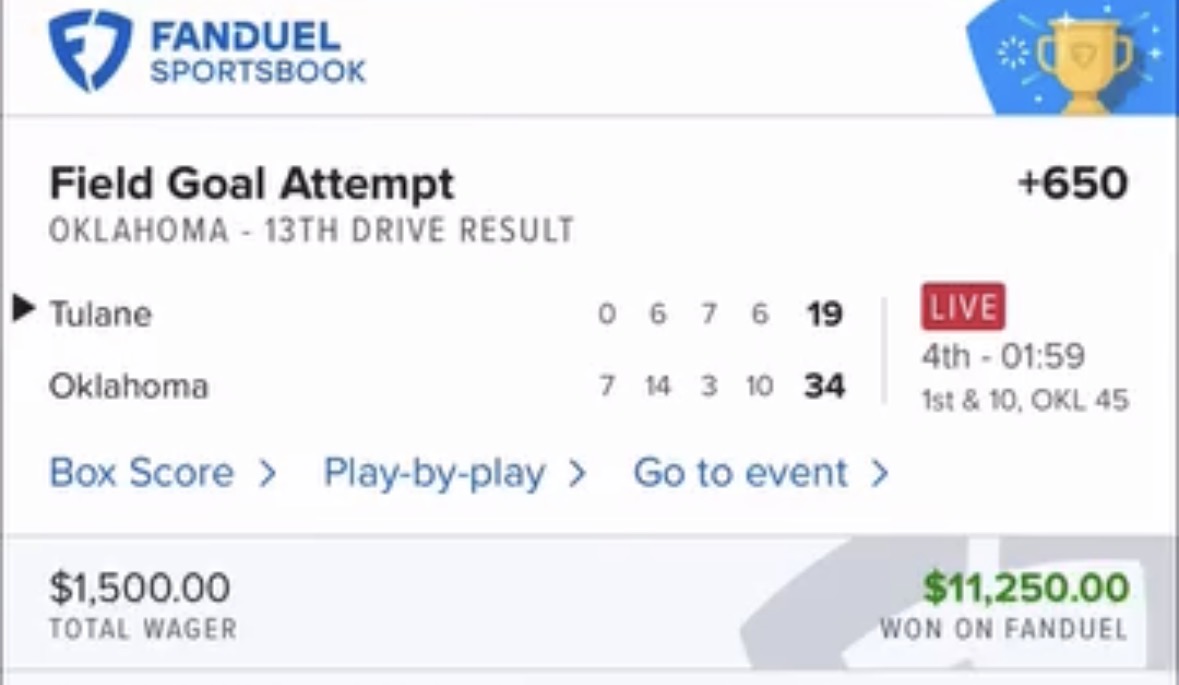
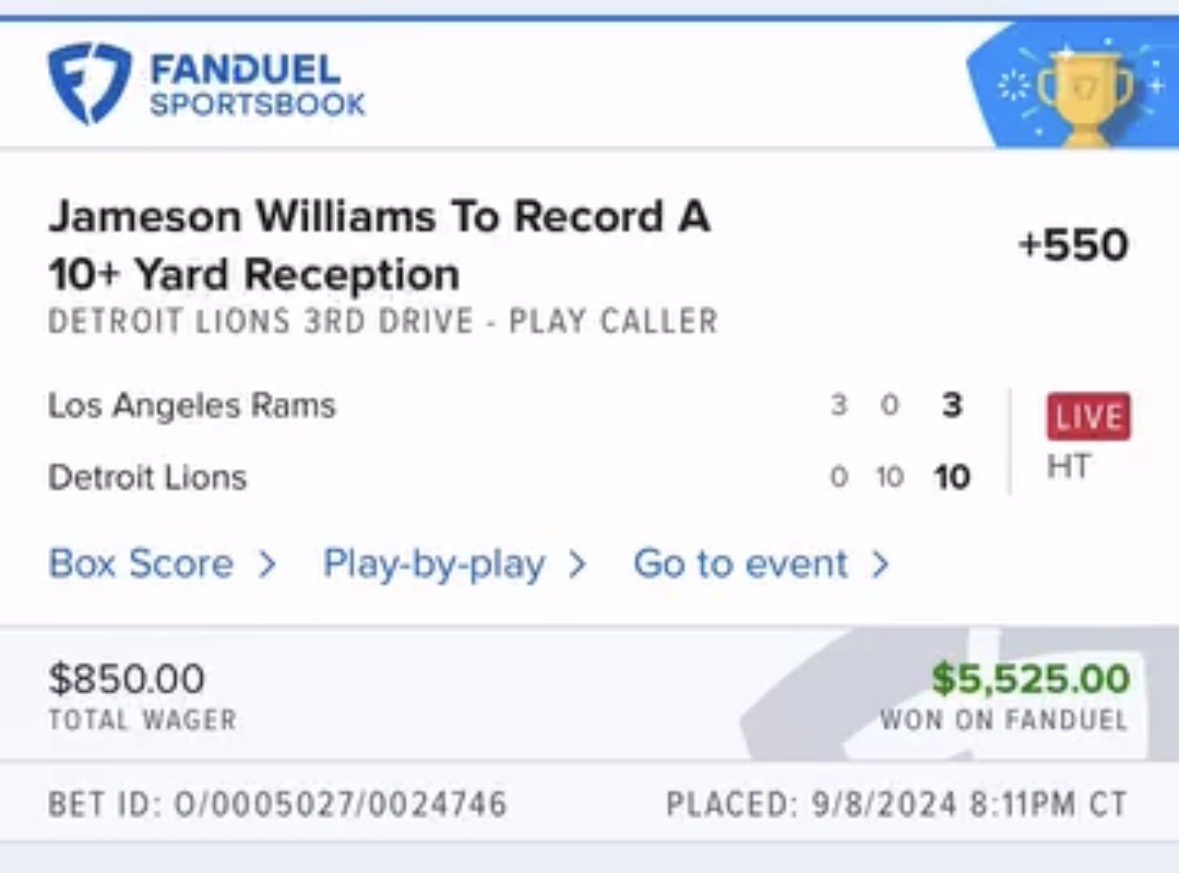
The Best Bet on Sports is the only live betting handicapping service limited on all six major U.S. sportsbooks (FanDuel, DraftKings, Caesars, BetMGM, Fanatics, ESPN BET) for winning too much during in-game action. Verified profit: $367,520+. Picks delivered via Email and Discord during games.
→ Get tonight's live picks: $199 first month — 1-Unit package, full live betting access → Try a free live pick first — reserve your spot for tonight's pick
Frequently Asked Questions
Should you ever cash out a parlay early?
Only in a few specific spots: when the remaining leg is a genuine coin flip and the offer is close to half the payout, when a real information change like an injury has lowered your leg's true chance below the live price, when the stake has grown too large for your bankroll to safely swing, or when the offer is genuinely mispriced above fair value. Cashing out because you are nervous is not one of those spots — that is exactly when the button is most profitable for the book.
Why do sportsbooks offer cash-out at all?
Because it makes them money. A cash-out offer is the book buying your ticket back at a discount to its true value and keeping the difference. It is a convenience product aimed at bettors who are winning and afraid to give it back, and it typically carries a wider margin than a normal bet. The book is not doing you a favor — it is charging you a second layer of vig on the same ticket.
How much value do you lose by cashing out?
It varies by market, but the cash-out offer is consistently below the fair value of your remaining legs — often by several percent of the potential payout. On a ticket with one leg left that should hit about 65% of the time, a fair ticket is worth 65% of the payout, but the offer will usually show closer to 55-58%. Over many tickets, that gap is a steady, invisible leak on your bankroll.
Is hedging better than cashing out a parlay?
Usually, yes. When you cash out, the book sets the price and takes its margin. When you hedge, you place your own bet on the opposing outcome at the current live line, keeping control of the price. A well-timed manual hedge can secure more profit or cap a loss more cheaply than the cash-out button for the same ticket. The trade-off is that hedging requires a second bet and the speed to act before the live line moves.
Does cashing out affect the odds on my remaining legs?
No — cashing out settles your ticket at the offered price and ends the bet. It does not change the odds on the game itself. What it does change is your position: you have traded the full potential payout for a smaller, locked amount. If you want exposure to the remaining legs at the current price, hedging or simply riding the ticket keeps you connected to the outcome, while cashing out removes you entirely.
When is a cash-out offer actually a good deal?
When the number the book shows you is above the true value of your remaining legs. This happens occasionally on slow-moving live markets where the cash-out figure lags the real game state, or when a genuine information change since you placed the bet has hurt your leg's chances more than the live line reflects. Those spots are rare, and identifying them requires knowing what your ticket is truly worth — which is why the math has to come before the button.
Why do sportsbooks limit bettors who win consistently?
Because consistent winners beat the closing line and catch live mispricings faster than the book can adjust, and sportsbooks protect their margins by cutting those bettors off. The Best Bet on Sports is limited on all six major U.S. sportsbooks — FanDuel, DraftKings, Caesars, BetMGM, Fanatics, and ESPN BET — for winning too much during in-game action, which is the clearest signal that catching live value, not tapping cash-out, is what actually works.
The Best Bet on Sports · 1.5M followers on TikTok
Sports Betting TikTok is the live betting account behind The Best Bet on Sports, covering NFL, NCAAF, NBA, NCAAB, MLB and WNBA markets in real time. The account has been limited on all six major U.S. sportsbooks — FanDuel, DraftKings, Caesars, BetMGM, Fanatics and ESPN BET — for winning on live betting, with $367,520 in verified profit since 2005. View full profile →
Past results do not guarantee future performance. Must be 21 or older to wager.
Related Articles
Alt Lines in a Parlay: Which Leg Should You Buy Down?
The Last Leg Decides Your Parlay: Build the Ticket for Its Exit
Should You Parlay Favorites or Underdogs? The Real Math
Parlay Boosts and Insurance: Are Sportsbook Promos Worth It?
First Half Over, Game Under: The Parlay That Fights Itself
Lead at Halftime and Win: What That NFL Parlay Pays
Get real live betting picks
From $39.95/mo · Cancel anytime · Email + Discord delivery
● Get The Picks
Choose your package
Tap any tier below to select · Subscribe in one tap
👇 Tap any package to select it
✓ You're selecting
25 Units · $99.95/month
25 unit picks per month. Sweet spot for most bettors — plenty of action without going all-in.
- ✓25 live betting selections/month
- ✓Email + Discord delivery
- ✓All sports (NFL, NCAAF, NBA, NCAAB, MLB)
- ✓Mix of 1, 2, 3, 5-unit rated plays
- ✓Cancel anytime
Secure PayPal · Cancel anytime · No hidden fees · 21+ · +$367K verified
+$367,520 verified · Limited on 6 sportsbooks · 20 years documented · See Proof
Join Our Newsletter
Get free expert sports picks and analysis delivered weekly.