Parlay Boosts and Insurance: Are Sportsbook Promos Worth It?

Parlay boosts and parlay insurance are marketing tools, not edges — a boost only helps if the underlying legs already had value, and insurance usually caps your refund in site credit with strings attached. Some boosts are genuinely +EV when they add real percentage to a bet you'd already make, but most are bait to get you parlaying more legs than you should. This guide shows how to tell a real boosted-odds edge from a payout-inflating trap, and why the sharpest value lives in live in-game markets, not promo tabs.
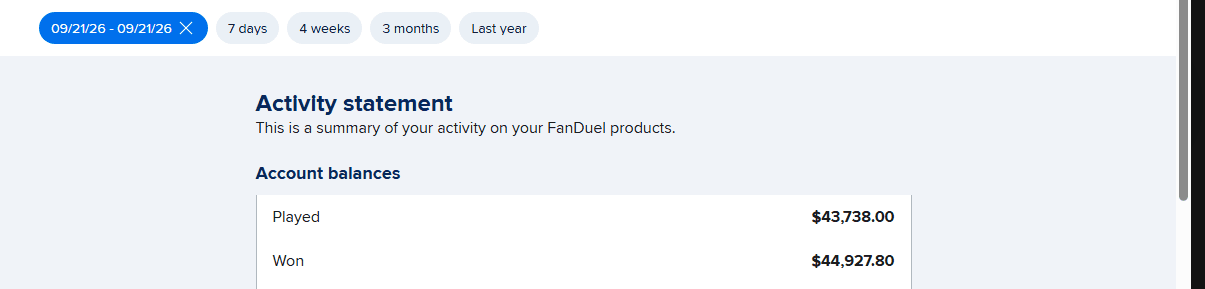
Parlay boosts and parlay insurance are worth using only when they add real value to a bet you were already going to make — the rest of the time they are marketing designed to get you parlaying more, not winning more. The Best Bet on Sports has earned a verified $367,520+ profit across all six major U.S. sportsbooks over more than twenty years, and almost none of it came from the boost tab. A profit boost that turns a good bet into a better-priced good bet is a genuine edge; a "35% parlay boost" that only unlocks once you staple five legs together is bait. The difference between the two is the difference between free equity and a slow leak, and most bettors never learn to tell them apart.
Sportsbooks do not hand out value by accident. Every boost, every insurance offer, and every "parlay of the day" is priced by the same models that set the lines you are trying to beat. That does not make them all bad — a few are genuinely +EV — but it means you have to read the fine print like the book wrote it to win, because it did. This guide breaks down how boosts and insurance actually pay, when each one is worth taking, and why the real edge sits somewhere the promo tab never touches.
What Is a Parlay Boost and How Does It Actually Pay?
A parlay boost (or "profit boost") increases the payout on a parlay by a stated percentage — 20%, 35%, sometimes 100% on a pre-selected ticket. There are two flavors, and they are not the same bet.
The first is a percentage profit boost you apply to a parlay you build yourself. If your ticket would pay $100 profit and you apply a 30% boost, you now win $130 on the same stake. That is real added value — the odds genuinely improve. The second is a pre-built boosted parlay, where the book hands you a specific multi-leg ticket at "enhanced" odds. The trap is that the book chose those legs, and the "boost" is measured against a base price the book also set. A +400 boosted parlay that should be +550 on fair odds is not a boost at all — it's a discount you are being thanked for accepting.
| Promo type | What it does | Real edge? |
|---|---|---|
| Percentage profit boost (your ticket) | Adds a fixed % to your payout | Yes — if the legs already had value |
| Pre-built boosted parlay | Book-selected legs at "enhanced" odds | Rarely — base price is book-controlled |
| Odds boost on a single market | Improves one line (e.g., +150 to +200) | Often — easiest to evaluate |
| Parlay insurance | Refunds a losing parlay if one leg misses | Sometimes — depends on cap and form of refund |
The rule is simple: a boost only helps if the thing you are boosting was already a bet you wanted. Applying a 30% boost to a five-leg parlay you built because of the boost doesn't create value — it just reduces how badly the book beats you on a ticket you should never have placed. This is the same trap we cover in why most parlays lose: the promo doesn't fix a bad structure, it disguises it. Boosts are also the clearest evidence of intent — your sportsbook recommends parlays for the same reason it subsidizes the boost that gets you into one.
When a Parlay Boost Is Genuinely Worth Taking
A boost is +EV when it adds percentage to a bet whose underlying legs you'd make at full price anyway. The cleanest example is a single-market odds boost on a side you already like — the book bumps a team's moneyline from +150 to +190, and you were going to bet that team at +150. That extra 40 cents of price is pure equity handed to you. Take it every time.
The next tier is applying a percentage profit boost to a two-leg parlay of independent value bets — two spots where you genuinely believe the price is wrong, in separate games. The boost stacks real edge on top of real edge. That works. What does not work is the mental accounting most bettors do: they see a 35% boost, feel the pressure to "maximize" it, and build a bloated ticket to justify the promo. The boost is worth taking; the ticket you built to use it is not.
Here's the discipline test before you apply any boost:
- Would I place these exact legs at the un-boosted price? If no, the boost is steering you, not helping you.
- Is the boost on my payout, or on a ticket the book pre-selected? Self-built beats book-built almost every time.
- Does the boost have a max-bet cap that makes it trivial? A 100% boost capped at a $5 stake is a rounding error, not a strategy.
If you can't answer the first question yes, close the tab. The framework is the same one that governs the broader parlay vs straight bets decision — the promo changes the payout, not whether the underlying bet was smart.
Is Parlay Insurance Worth It?
Parlay insurance refunds your stake — usually as site credit, not cash — if all but one leg of a qualifying parlay hits. It sounds like downside protection, and occasionally it is, but the terms are where the value quietly disappears. Read for three things: the refund cap (often $25 or less), the form of the refund (bonus credit with a playthrough requirement is worth far less than cash), and the minimum leg count (insurance that requires four or more legs is nudging you into higher-variance tickets than you should be playing).
The honest math: insurance lowers your variance on parlays you were already going to place, which has modest value. But if the offer pushes you to add legs, place bigger tickets, or parlay at all when a straight bet was the better play, the "insurance" has cost you more in bad structure than it ever refunds. A refund of $25 in bonus credit on a five-leg ticket you only built because it was insured is not protection — it's a leash. The books know that insured bettors bet more and bet worse, which is exactly why the promo exists.
Insurance is worth taking when: you were going to place a 3-leg parlay of legs you like anyway, the refund is cash or near-cash, and the cap covers a meaningful portion of your stake. Skip it when it dictates the number of legs. If you want the deeper logic on right-sizing any multi-leg ticket, our bankroll management for $100 to $500 bettors guide lays out the framework that makes insurance mostly irrelevant — because you're already sizing to survive the variance.
Why the Real Edge Isn't in the Promo Tab at All
Here's what the boost-and-insurance debate misses: promos are the book's cost of customer acquisition, priced to lose the book a little to win a lot. Even the genuinely +EV ones give you a few cents of equity per bet, capped and occasional. The place where the numbers are actually soft — where the price is wrong by real percentage, over and over — is live, in-game.
Pre-game lines are sharp because the books have all day to price them. Live lines are set in seconds under time pressure, which makes them the softest numbers on the board — the full case is in why live betting beats pre-game picks. A live parlay leg priced during a scoring run, before the model re-rates it, hands you far more edge than any 30% boost on a pre-game ticket. The catch is speed: those windows close in seconds, so the only bettors who cash them are the ones getting fast, specific alerts instead of scrolling a promo tab. That in-game timing is exactly what got our analysts limited at all six major U.S. sportsbooks for winning too much during live action — you don't get limited for cashing boosted-parlay tokens.
How to Use Promos Without Getting Used
Treat boosts and insurance as small kickers on bets you'd make regardless, never as reasons to bet. Apply single-market boosts to sides you already like, apply percentage boosts to two-leg value stacks, take insurance only when it doesn't inflate your leg count, and ignore every pre-built "parlay of the day" the book is pushing. Keep your default at two legs, treat three as the ceiling, and remember that no promo turns a bad structure into a good one. The bettors who beat the books do it with prices, not perks.
We go deeper on the related market in bonus bet parlay strategy.
Get Tonight's Live Picks
Want tonight's live in-game parlay legs delivered to your phone via Email and Discord during the game — the same real-time spots our analysts use to build value no promo tab can match?
The Best Bet on Sports is the only live betting handicapping service limited on all six major U.S. sportsbooks (FanDuel, DraftKings, Caesars, BetMGM, Fanatics, ESPN BET) for winning too much during in-game action. Verified profit: $367,520+. Picks delivered via Email and Discord during games.
→ Get tonight's live picks: $199 first month — 1-Unit package, full live betting access → Try a free live pick first — reserve your spot for tonight's pick
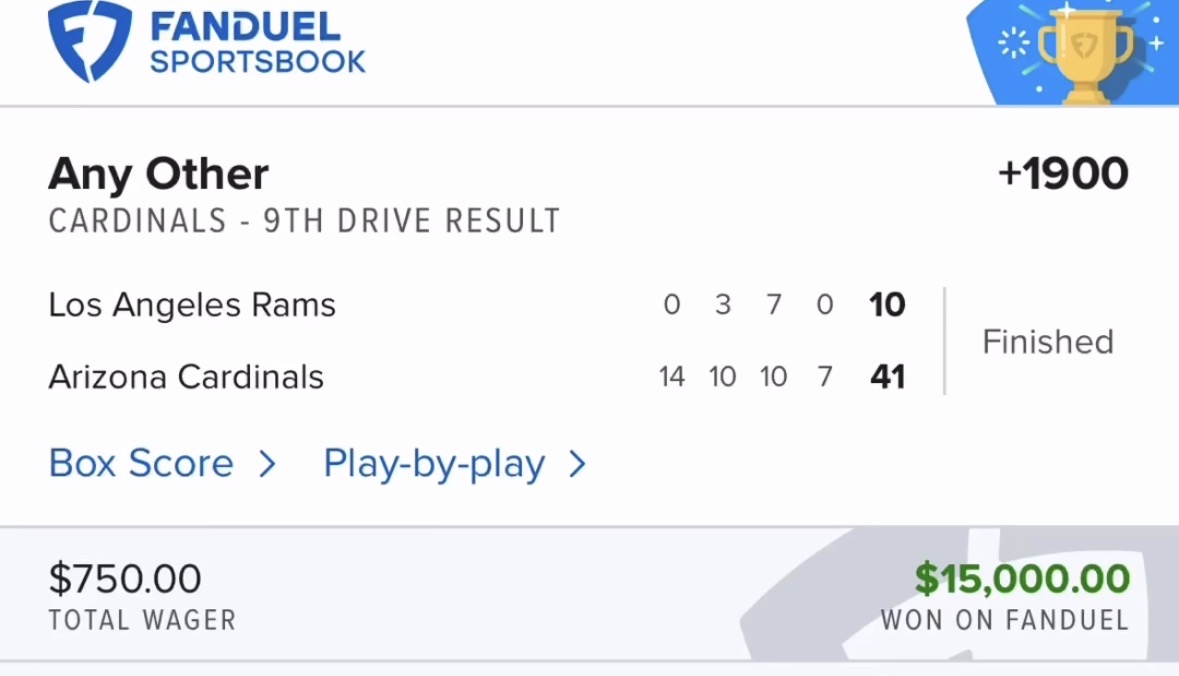
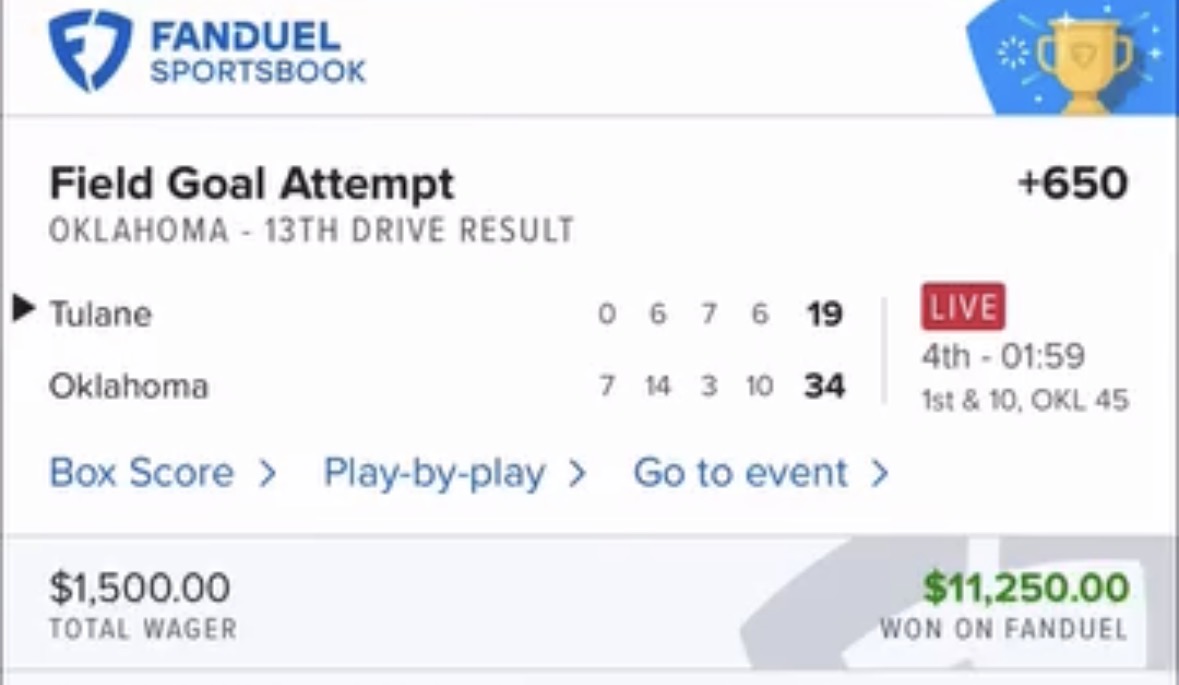
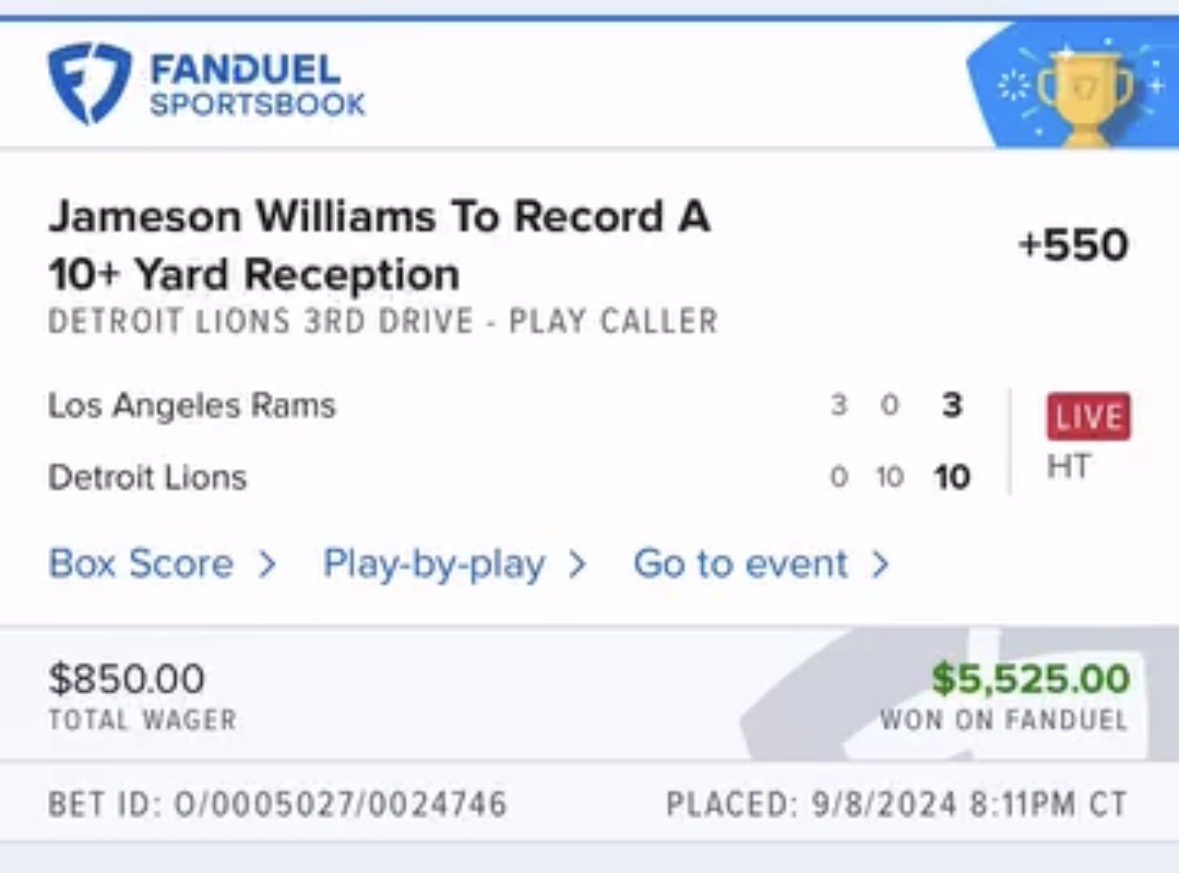
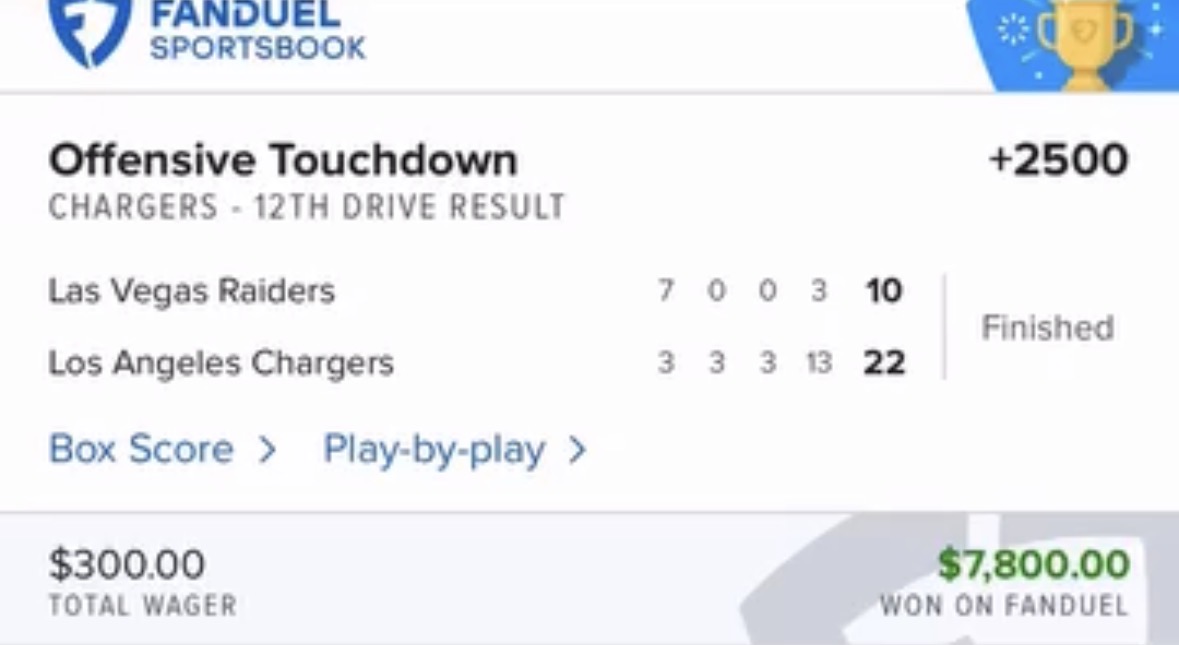
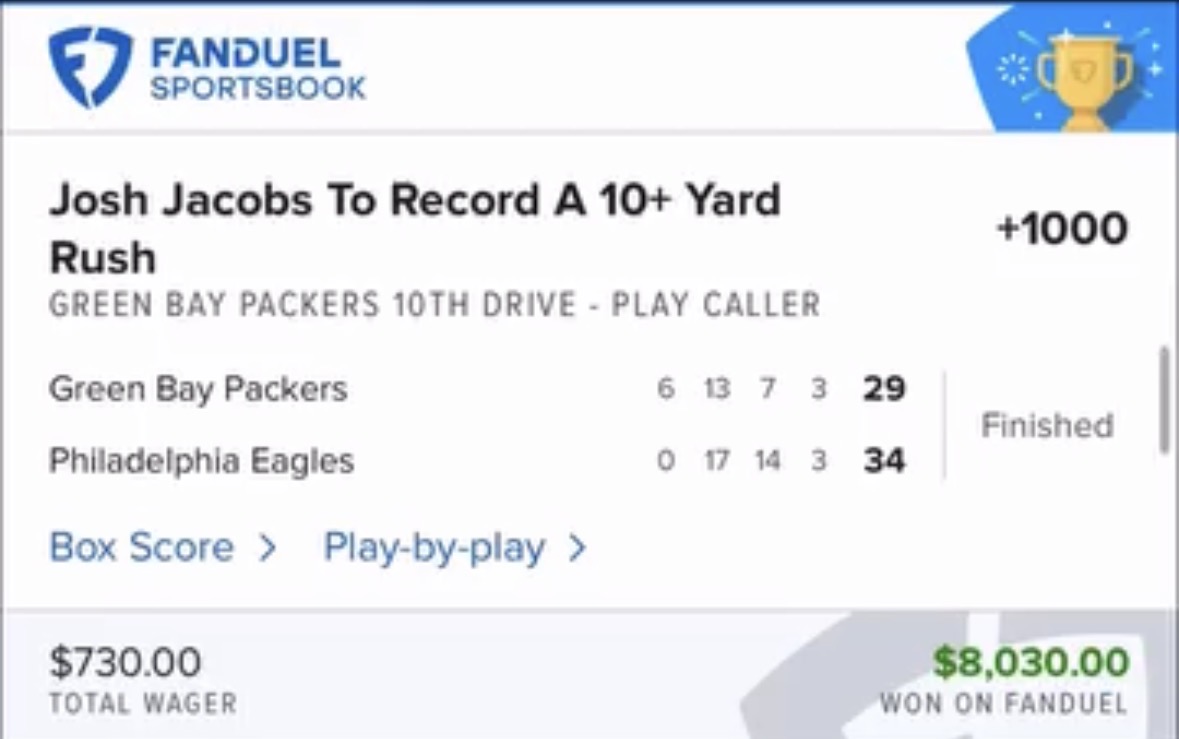
Explore more in-game plays on our live betting picks page, tonight's basketball card on NBA picks, or tonight's baseball board on MLB picks.
Frequently Asked Questions
Are parlay boosts worth it?
Parlay boosts are worth it only when they add value to a bet you were already going to place. A percentage profit boost applied to a two-leg parlay of genuine value bets, or an odds boost on a single side you already liked, hands you real equity. But most boosts exist to steer you into building bigger tickets than you should — if you're adding legs to "maximize" a boost, the promo is costing you more in bad structure than it gives you in payout. Take the boost, never let it build the bet.
How does a profit boost actually increase my payout?
A profit boost adds a stated percentage to your winnings on a qualifying bet. If your parlay would pay $100 profit and you apply a 30% boost, you win $130 on the same stake. That is real added value when you self-build the ticket. The catch is the pre-built "boosted parlay," where the sportsbook selects the legs and measures the boost against a base price it also controls — those enhanced-odds tickets are frequently still below fair value even after the boost.
Is parlay insurance a good deal?
Parlay insurance can be a modest benefit, but the terms usually erode most of the value. Insurance typically refunds your stake as site credit — not cash — if all but one leg hits, and it often caps the refund at $25 or less and requires four or more legs. If it nudges you into higher-leg, higher-variance tickets you wouldn't otherwise play, the bad structure costs you more than the refund returns. It's worth taking only on a parlay you'd place anyway, with a cash-like refund and no leg-count strings.
Why do sportsbooks offer parlay boosts and insurance?
Sportsbooks offer boosts and insurance because they are customer-acquisition tools priced to lose the book a little in order to win a lot. Promos increase how much and how often bettors parlay, and parlays carry more house edge than straight bets. The book is happy to hand you a few cents of capped equity if it gets you placing more multi-leg tickets. The promo isn't charity and it isn't a trap in every case — it's a marketing cost the book has already modeled to come out ahead.
Can you actually make money off parlay boosts?
You can extract small positive value from boosts if you use them only on bets that were already +EV or fair-priced — single-market odds boosts on sides you like, or percentage boosts on disciplined two-leg value stacks. But the edge per bet is small and capped, and it disappears the moment the boost changes what you bet rather than just improving the price. Boosts are a minor supplement to a sound strategy, never a strategy in themselves.
Are live parlays better than boosted pre-game parlays?
For most bettors, yes. A boost adds a fixed, capped percentage to a pre-game price the book had all day to sharpen. A live parlay leg priced during a scoring run, before the model re-rates the game, can carry far more real edge than any 30% boost — because live lines are the softest numbers on the board. The challenge is speed: live windows close in seconds, so catching them requires fast, specific alerts rather than scrolling a promo tab.
Does The Best Bet on Sports use sportsbook promos?
The Best Bet on Sports focuses on live in-game value rather than promo tokens, because that's where the durable edge is — real mispriced numbers, not capped kickers. Our analysts deliver live spots during games via Email and Discord, the same in-game timing bets that got the service limited at all six major U.S. sportsbooks for winning too much during live action. The verified profit across more than twenty years of that approach is $367,520+, none of it dependent on boost tabs.
The Best Bet on Sports · 1.5M followers on TikTok
Sports Betting TikTok is the live betting account behind The Best Bet on Sports, covering NFL, NCAAF, NBA, NCAAB, MLB and WNBA markets in real time. The account has been limited on all six major U.S. sportsbooks — FanDuel, DraftKings, Caesars, BetMGM, Fanatics and ESPN BET — for winning on live betting, with $367,520 in verified profit since 2005. View full profile →
Past results do not guarantee future performance. Must be 21 or older to wager.
Related Articles
Alt Lines in a Parlay: Which Leg Should You Buy Down?
Progressive Parlay Strategy: How the Miss-a-Leg Bet Works
Should You Cash Out a Parlay Early? The Real Math
Should You Parlay Favorites or Underdogs? The Real Math
First Half Over, Game Under: The Parlay That Fights Itself
Lead at Halftime and Win: What That NFL Parlay Pays
Get real live betting picks
From $39.95/mo · Cancel anytime · Email + Discord delivery
● Get The Picks
Choose your package
Tap any tier below to select · Subscribe in one tap
👇 Tap any package to select it
✓ You're selecting
25 Units · $99.95/month
25 unit picks per month. Sweet spot for most bettors — plenty of action without going all-in.
- ✓25 live betting selections/month
- ✓Email + Discord delivery
- ✓All sports (NFL, NCAAF, NBA, NCAAB, MLB)
- ✓Mix of 1, 2, 3, 5-unit rated plays
- ✓Cancel anytime
Secure PayPal · Cancel anytime · No hidden fees · 21+ · +$367K verified
+$367,520 verified · Limited on 6 sportsbooks · 20 years documented · See Proof
Join Our Newsletter
Get free expert sports picks and analysis delivered weekly.