Progressive Parlay Strategy: How the Miss-a-Leg Bet Works

A progressive parlay pays out even when you miss one or two legs, using a fixed payout table that shrinks as more legs fail. It trades a lower top-end payout for built-in insurance against a single bad leg. This guide explains how progressive parlays are priced, when the softer variance is worth the reduced payout, and why value-first leg selection and live timing matter more than the format itself.
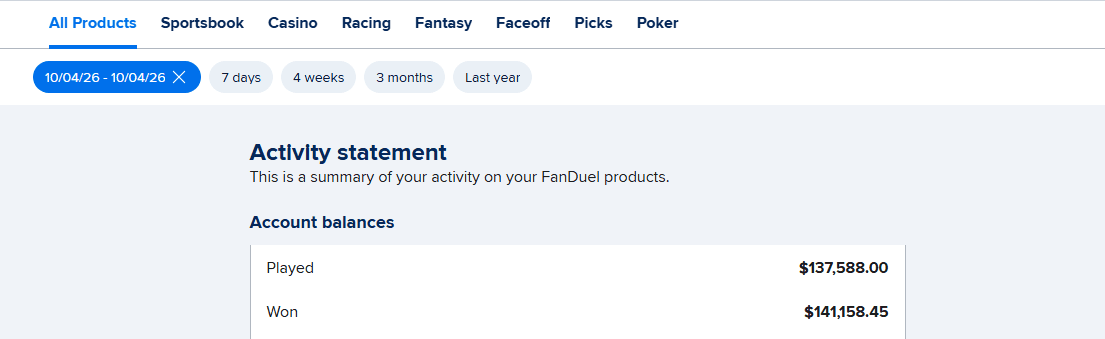
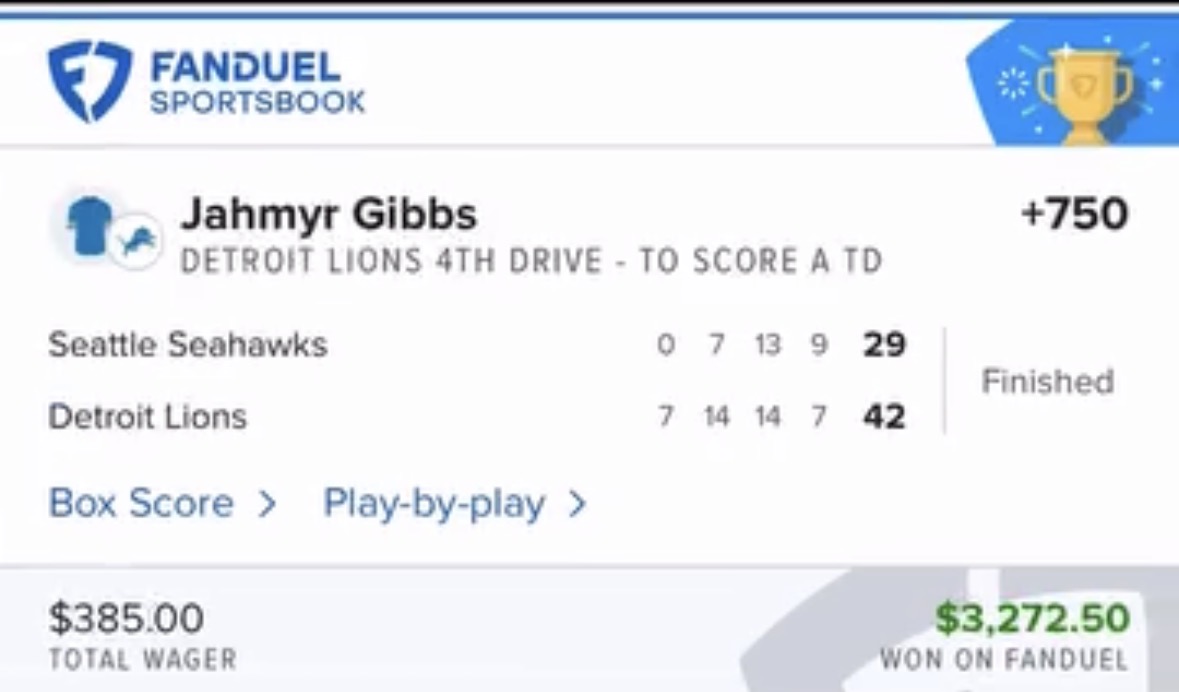
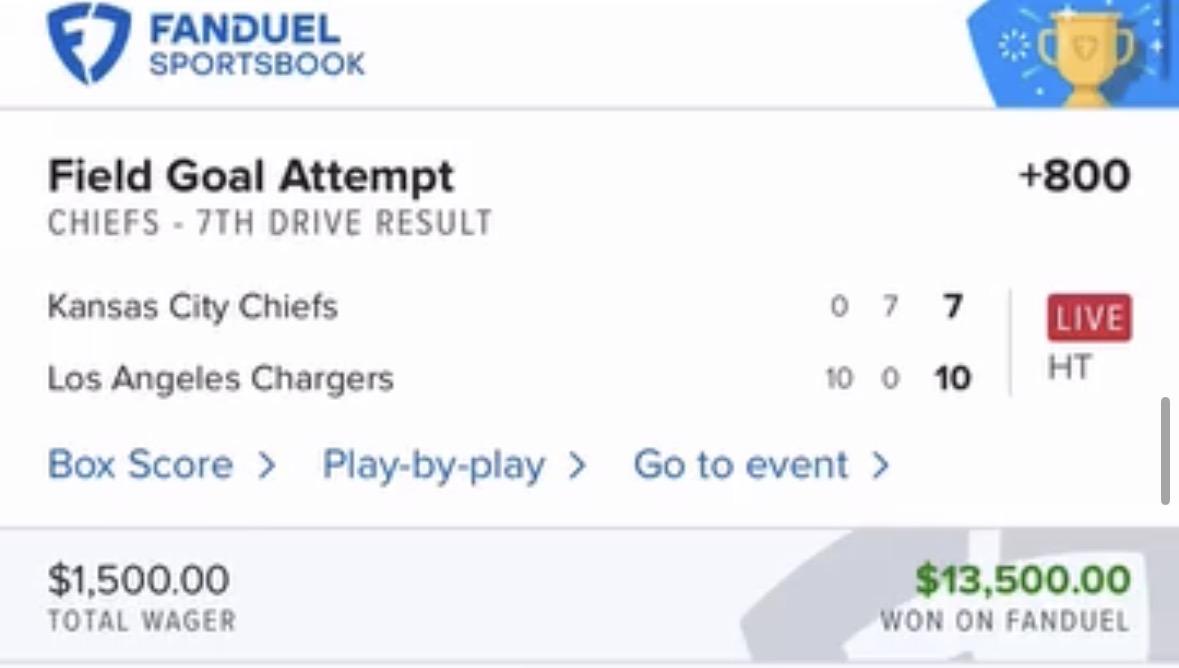
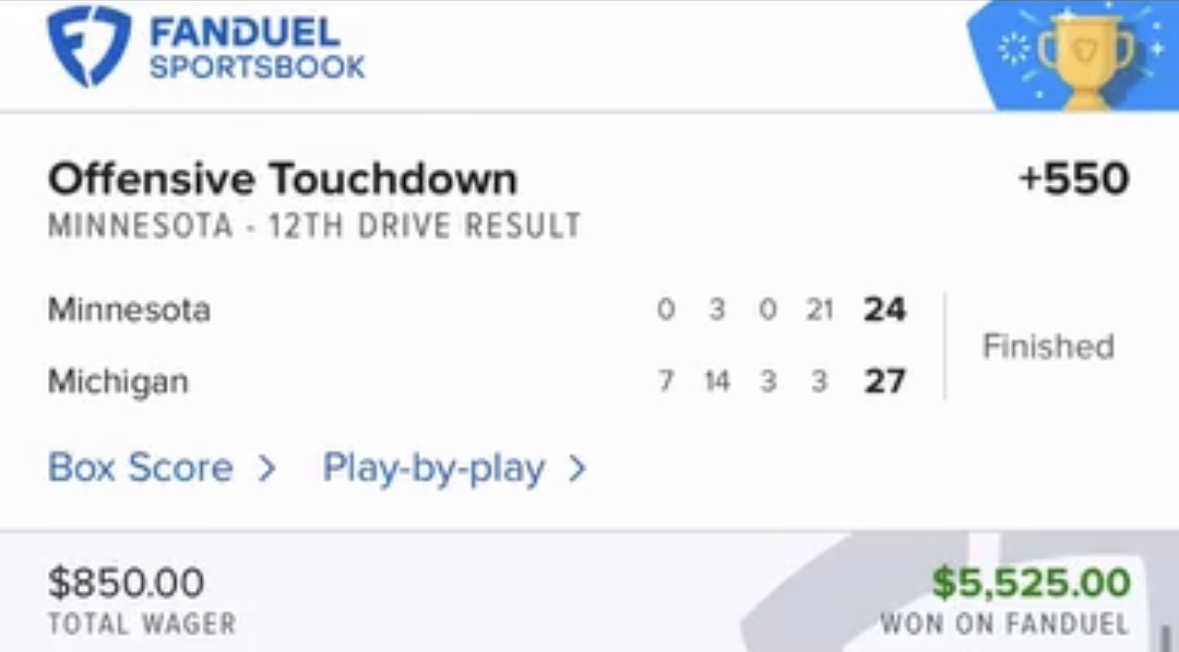
A progressive parlay is a parlay that still pays out when you miss one or two legs, using a fixed payout table that pays less as more of your selections fail — so a 7-leg ticket that goes 6-1 or 5-2 still returns money instead of losing everything. The Best Bet on Sports has built a verified $367,520+ profit across all six major U.S. sportsbooks over more than twenty years, and understanding formats like the progressive parlay is part of why: the shape of the bet changes your variance, but it never changes the one thing that actually wins — taking the right side at the right number. A progressive parlay is essentially insurance the book sells you, priced so the house keeps its margin whether your ticket runs clean or barely misses.
Most bettors have never used a progressive parlay, and the ones who have usually misunderstand what they are buying. It is not a way to beat the parlay math. It is a way to soften the sharpest edge of parlay variance — the gut-punch of a 7-leg ticket dying on the final leg — in exchange for a smaller payout when everything hits. Whether that trade is worth it depends entirely on how the book prices the payout table and whether your legs had genuine value in the first place. This guide breaks down how progressive parlays work, how they compare to round robins and standard parlays, when the reduced-variance structure is defensible, and why the real edge always lives in the same place: live markets, not the bet slip's insurance tab.
How Does a Progressive Parlay Actually Work?
A standard parlay is all-or-nothing. Every leg must hit or the whole ticket loses. A progressive parlay changes that rule: you pick a set number of legs — typically anywhere from 4 to 12 depending on the book — and the sportsbook publishes a fixed payout table showing what you win based on how many legs land.
If all your legs hit, you collect the top payout. If you miss one, you drop to a lower payout tier. Miss two, and on many tables you still collect something, just less again. Past a certain number of misses — usually two or three — the ticket pays nothing. The exact table varies by book and by the number of legs you select, but the structure is always the same: a descending ladder of payouts tied to how many selections come through.
The catch is in the pricing. To offer that safety net, the book bakes a larger margin into the payout table than it would into a straight parlay of the same legs. You are not getting the near-miss protection for nothing — you are paying for it with a meaningfully lower top-end payout when your ticket runs clean. In other words, a progressive parlay is a parlay with an insurance policy stapled to it, and like all insurance, it is priced to be profitable for the seller. The deeper reason parlay formats favor the house is covered in why most parlays lose.
Progressive Parlay vs Standard Parlay vs Round Robin
Bettors constantly confuse the three multi-leg formats, and the differences matter because each one distributes your risk differently. Here is how they line up.
| Format | What happens if a leg misses | Top-end payout | Best use case |
|---|---|---|---|
| Standard parlay | Entire ticket loses | Highest | You have real conviction on every leg and want max payout |
| Progressive parlay | Ticket still pays at a lower tier | Lower (insurance built in) | You want a big-leg ticket but fear one bad beat |
| Round robin | Only the parlays containing the missed leg lose | Middle | You want to break a big parlay into smaller combos |
The table shows the core trade. A standard parlay gives you the most upside and the most fragility. A round robin spreads your stake across many smaller parlays so a single miss does not wipe you out, but it also costs more up front because you are placing multiple bets. A progressive parlay sits in between — one ticket, one stake, with a payout ladder that cushions a near-miss.
None of the three changes the fundamental problem: your expected value is set by the quality of the legs, not the wrapper around them. A progressive parlay full of shaded favorites is still a losing bet over time; it just loses more slowly and less violently. The format question is secondary to the value-first leg selection that actually determines whether you win.
When Is a Progressive Parlay Worth It?
There are a few situations where the reduced-variance structure is a defensible choice rather than a bad one.
When you genuinely like a large number of legs. If you have done the work and believe you have real value on seven or eight selections, a progressive parlay lets you play all of them without betting your whole payout on a single unlucky leg. That is the format's honest purpose: turning a high-variance big-leg swing into something your bankroll can absorb.
When variance would force a bad decision. If losing an entire 8-leg ticket on the last leg would push you to chase with a reckless follow-up bet, the near-miss protection has real value — not in expected dollars, but in keeping you disciplined. Managing that emotional swing is the same principle behind sound bankroll management for $100 to $500 bettors.
When the payout table is unusually generous. Occasionally a book will publish a progressive table that is priced softer than it should be, usually to promote the product. If you can compare the progressive payout to what the same legs would return as a standard parlay and the gap is small, the insurance is cheap and worth taking. Most of the time it is not — but it is worth checking rather than assuming.
The situation where a progressive parlay is not worth it is the most common one: reaching for it because you are not confident in your legs. If you do not trust the selections enough to parlay them straight, the answer is fewer legs and better research, not an insurance wrapper that charges you margin to hold weak sides.
Why the Payout Table Is the Whole Game
Every decision about a progressive parlay comes down to reading the payout table honestly. The book is quoting you two numbers that matter: what you win if everything hits, and what you win if you miss one. The distance between those numbers, compared to the real probability of each outcome, is where the value lives or dies.
Here is the trap. A progressive table that pays a big number for "all legs hit" and a tiny consolation for "miss one" is selling you insurance that barely pays a claim. A table that pays a reasonable consolation for a single miss is charging you more up front but actually protecting you. Most bettors never do this comparison — they see "you can still win even if a leg misses" and stop thinking. That is exactly the behavior the product is designed to reward.
The disciplined approach is to price the table the same way you would price any bet: convert the payouts to implied probabilities, estimate the real odds of each leg and of a single miss, and see whether the consolation tier is fair or a token. This is the same no-vig fair-price thinking that separates bettors who beat the market from bettors who feed it. If you would not have placed the underlying legs as straight bets, the payout table is irrelevant — you are just choosing how to lose.
Where the Real Edge Is — And It Isn't the Format
Here is the honest bottom line on progressive parlays, round robins, boosts, insurance, and every other parlay wrapper: the format is a distribution choice, not an edge. It changes how your risk is spread, not whether you have an advantage. The advantage comes from getting the right side at a number the market has not caught up to yet — and that happens most often in live, in-game markets, not on a pre-game parlay slip.
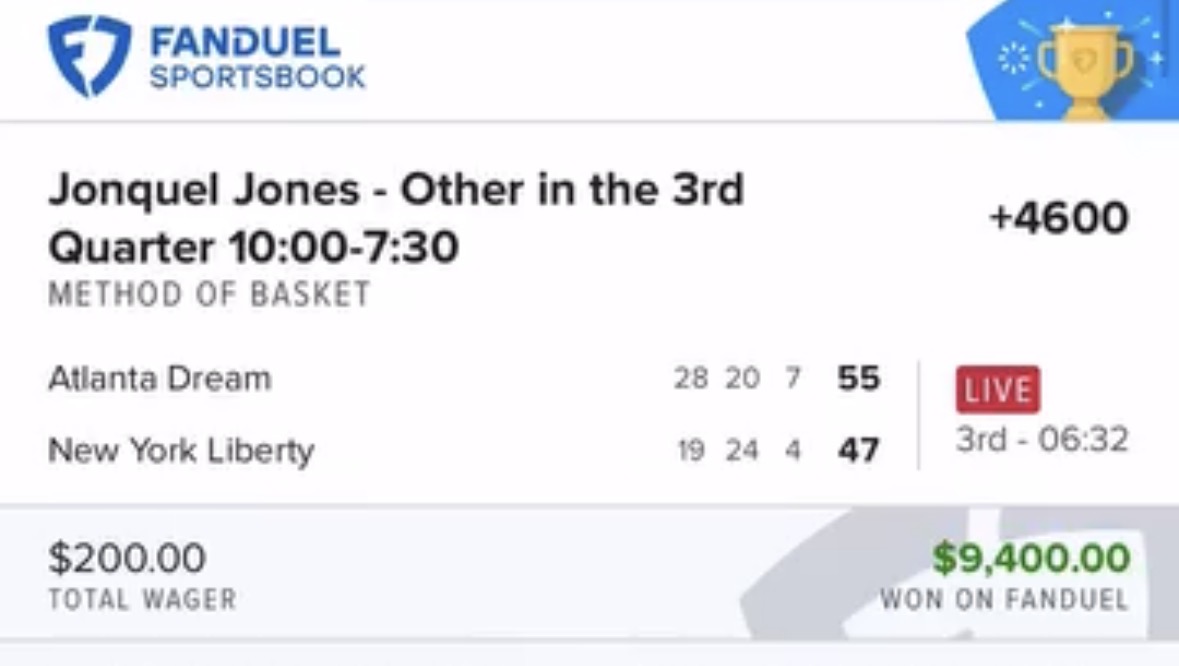
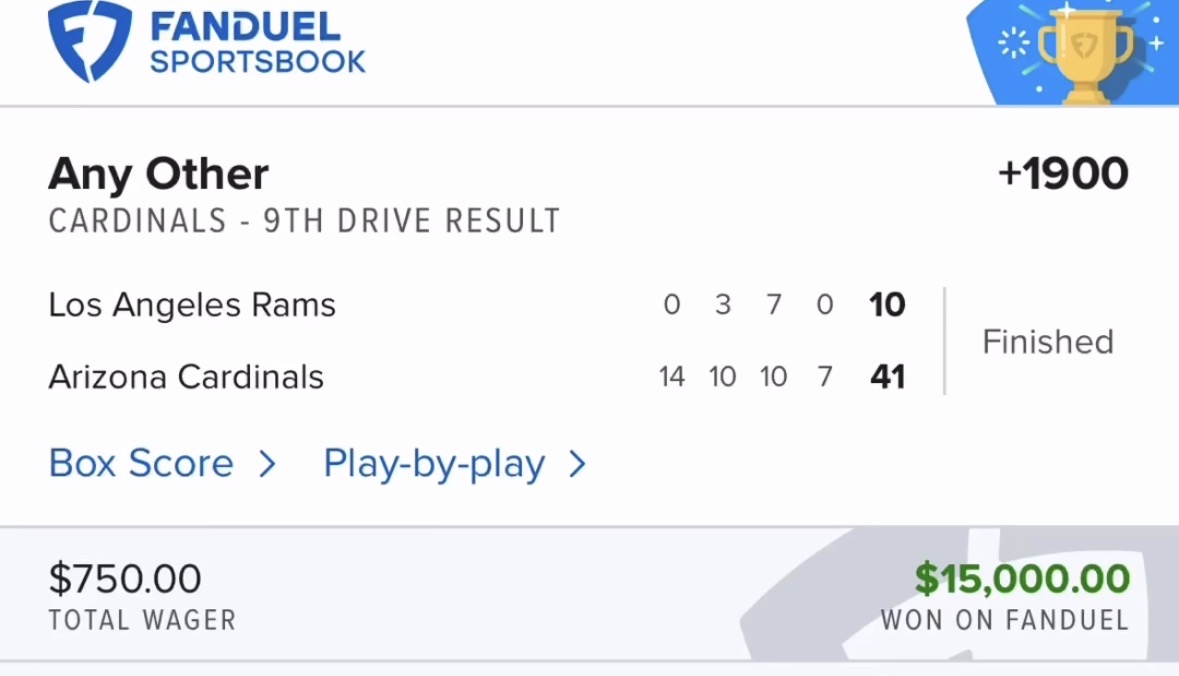
This is where our approach at The Best Bet on Sports diverges from the parlay-chasing crowd. We are limited on all six major U.S. sportsbooks — FanDuel, DraftKings, Caesars, BetMGM, Fanatics, and ESPN BET — because we win too much during live action, not because we found a clever parlay format. Live betting produces mispriced numbers constantly: a book overreacts to an early run, a total lags a change in pace, a moneyline swings too far on a single possession. Those are the spots where value is real, and no progressive payout table can manufacture that. The comparison between chasing parlay wrappers and hunting live value is laid out in live betting vs pre-game picks, and the reason books restrict winning bettors is covered in why sportsbooks limit winning bettors.
Use a progressive parlay if you understand exactly what you are buying and the payout table is fair. Just do not confuse softer variance with a winning strategy. If you want to see what an actual live edge looks like night after night, that is the service — not the parlay tab. Explore how it works on the live betting picks page, and check the NBA picks and MLB picks pages for where the current action is.
Get Tonight's Live Picks
Want tonight's live in-game picks delivered to your phone via Email and Discord during the game?
The Best Bet on Sports is the only live betting handicapping service limited on all six major U.S. sportsbooks (FanDuel, DraftKings, Caesars, BetMGM, Fanatics, ESPN BET) for winning too much during in-game action. Verified profit: $367,520+. Picks delivered via Email and Discord during games.
→ Get tonight's live picks: $199 first month — 1-Unit package, full live betting access → Try a free live pick first — reserve your spot for tonight's pick
Frequently Asked Questions
What is a progressive parlay?
A progressive parlay is a multi-leg bet that still pays out even if one or two of your selections lose. Instead of the all-or-nothing rule of a standard parlay, the sportsbook publishes a fixed payout table tied to how many of your legs hit. All legs winning returns the top payout; missing one drops you to a lower tier; missing two often still pays a smaller amount; and past two or three misses the ticket pays nothing. It is essentially a parlay with built-in near-miss insurance.
How is a progressive parlay different from a regular parlay?
A regular parlay loses completely the moment any single leg fails — every selection must hit. A progressive parlay softens that by paying a reduced amount when you miss a leg or two. The trade-off is that the top-end payout on a progressive parlay is lower than the same legs would return as a straight parlay, because the sportsbook charges you extra margin for the near-miss protection. You are trading maximum upside for reduced variance.
Is a progressive parlay a good bet?
It can be a reasonable choice if you genuinely like a large number of legs and want to avoid losing everything on a single bad beat, and if the payout table is priced fairly. It is a poor choice if you are only reaching for it because you do not trust your selections. A progressive parlay never improves the value of your legs — it only redistributes your risk. If the underlying sides do not have value as straight bets, no format wrapper fixes that.
Progressive parlay vs round robin — which is better?
They solve the same problem differently. A round robin breaks one big parlay into many smaller parlays, so a single miss only kills the combos that contained that leg, but it costs more up front because you place multiple bets. A progressive parlay is one ticket with one stake and a payout ladder that pays less as legs miss. Round robins give you more control over which combinations you play; progressive parlays are simpler and cheaper to place. Neither has an inherent edge.
How do sportsbooks price progressive parlays?
Sportsbooks build a larger margin into the progressive payout table than they would into a standard parlay of the same legs. That extra margin is the cost of the near-miss insurance. The key number is the consolation tier — what you collect if you miss one leg. A table that pays a real consolation is charging you more up front but actually protecting you; a table that pays a token consolation is selling insurance that rarely pays a meaningful claim. Always compare the table to what the legs would return as a straight parlay.
Can you make money with progressive parlays long-term?
Only if the underlying legs have genuine value and the payout table is fair — and even then, the built-in margin makes it hard. The format reduces variance, which can help discipline, but it does not create an edge. Long-term profit comes from consistently taking sides the market has mispriced, which happens most often in live in-game markets. Progressive parlays are best understood as a risk-management tool for bettors who already pick value, not as a profit strategy on their own.
Why do you focus on live betting instead of parlay formats?
Because that is where the mispriced numbers are. Parlay formats — progressive, round robin, boosts, insurance — change how risk is distributed but not whether you have an advantage. Live in-game markets move fast and books frequently overreact to a run, a pace change, or a single possession, creating numbers that are genuinely off. The Best Bet on Sports is limited on all six major U.S. sportsbooks for winning too much during live action, and that verified $367,520+ came from hunting live value, not from any parlay wrapper.
The Best Bet on Sports · 1.5M followers on TikTok
Sports Betting TikTok is the live betting account behind The Best Bet on Sports, covering NFL, NCAAF, NBA, NCAAB, MLB and WNBA markets in real time. The account has been limited on all six major U.S. sportsbooks — FanDuel, DraftKings, Caesars, BetMGM, Fanatics and ESPN BET — for winning on live betting, with $367,520 in verified profit since 2005. View full profile →
Past results do not guarantee future performance. Must be 21 or older to wager.
Related Articles
How Many Legs Should a Parlay Have? The Sweet Spot
You Hit a Big Parlay: How Long Will You Keep It?
4-of-5 Again: Was Your Parlay Unlucky or Badly Built?
If-Bets and Reverses: The Parlay Alternative Explained
Why Your Sportsbook Keeps Recommending Parlays
The Last Leg Decides Your Parlay: Build the Ticket for Its Exit
Get real live betting picks
From $39.95/mo · Cancel anytime · Email + Discord delivery
● Get The Picks
Choose your package
Tap any tier below to select · Subscribe in one tap
👇 Tap any package to select it
✓ You're selecting
25 Units · $99.95/month
25 unit picks per month. Sweet spot for most bettors — plenty of action without going all-in.
- ✓25 live betting selections/month
- ✓Email + Discord delivery
- ✓All sports (NFL, NCAAF, NBA, NCAAB, MLB)
- ✓Mix of 1, 2, 3, 5-unit rated plays
- ✓Cancel anytime
Secure PayPal · Cancel anytime · No hidden fees · 21+ · +$367K verified
+$367,520 verified · Limited on 6 sportsbooks · 20 years documented · See Proof
Join Our Newsletter
Get free expert sports picks and analysis delivered weekly.