Round Robin Parlay Strategy: How to Bet Multiple Parlays at Once

A round robin parlay breaks a group of teams into multiple smaller parlays automatically, so one losing leg doesn't wipe out your whole ticket. Instead of a single 4-team parlay that dies on one miss, a round robin spreads the same picks across several 2-leg or 3-leg combinations. It is the smartest way to chase parlay-sized payouts while surviving the one leg that almost always goes wrong.
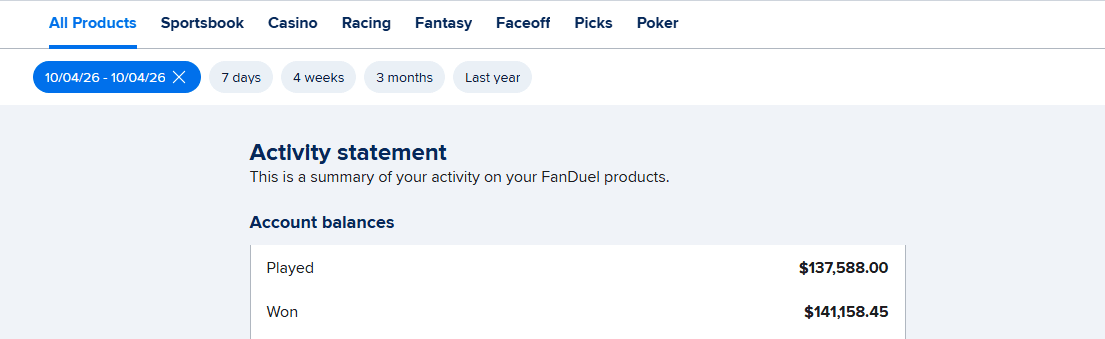
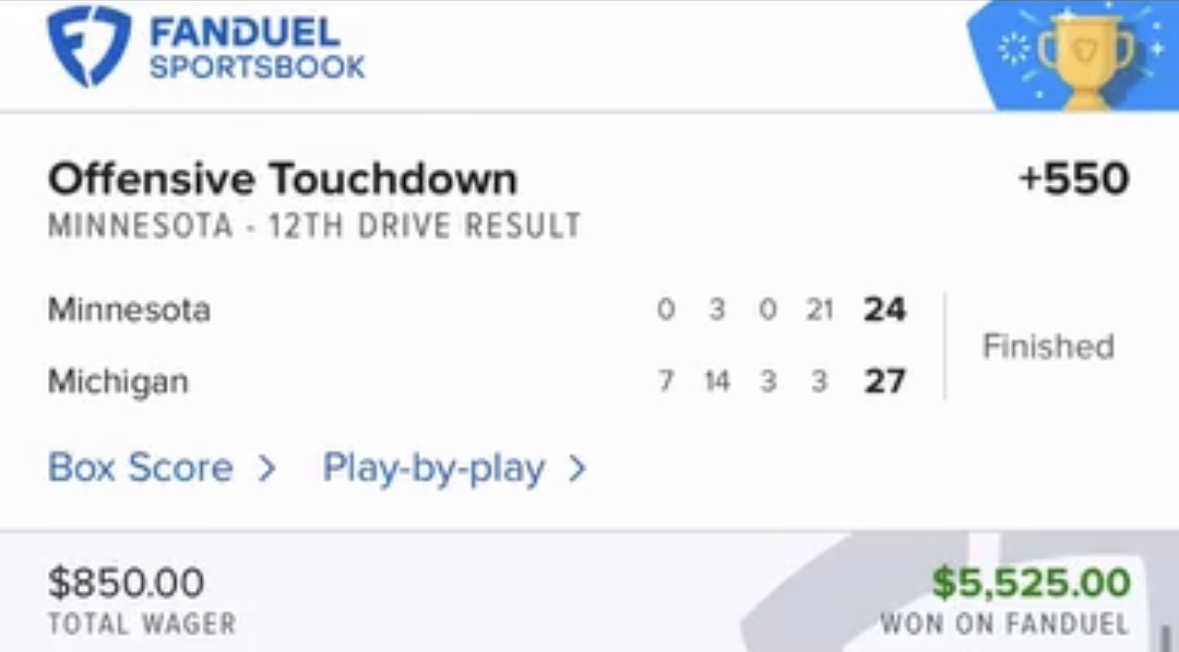
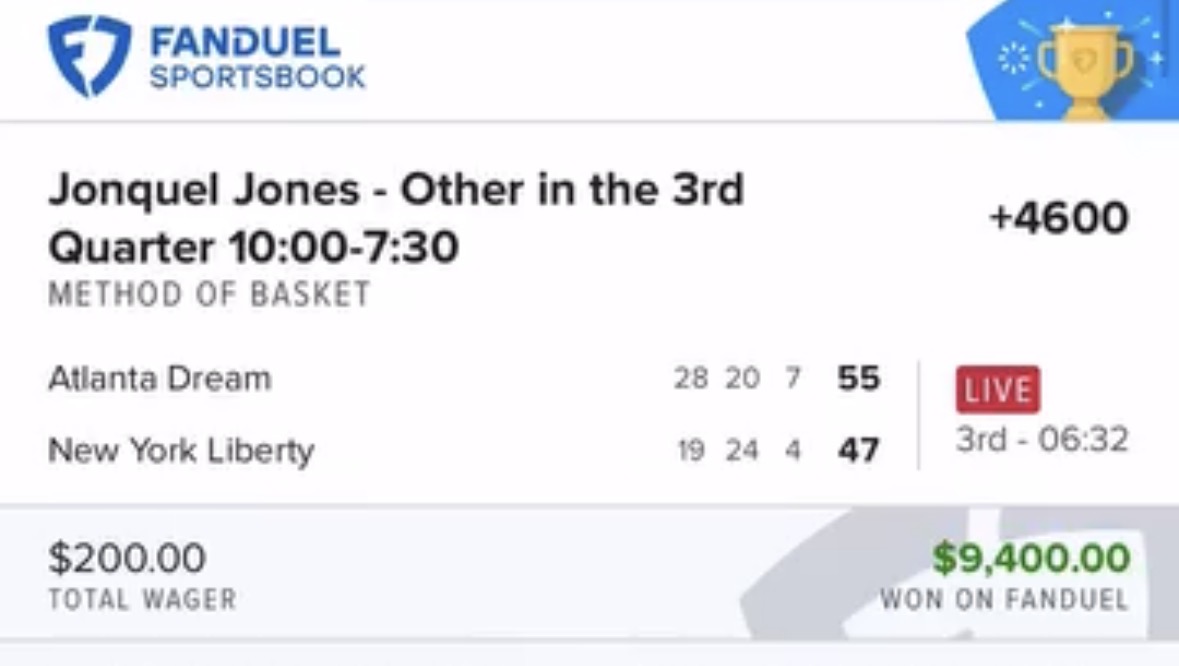
A round robin parlay takes a group of teams you like and automatically splits them into multiple smaller parlays, so a single losing leg can't blow up your entire ticket the way it does on a straight parlay. If you pick four teams and choose "2-team round robin," the sportsbook builds all six possible two-leg combinations for you — meaning you can go 3-for-4 and still cash several of those tickets instead of losing everything. It is the single most underused tool for bettors who want parlay-sized payouts without parlay-sized heartbreak, and it is exactly the structure The Best Bet on Sports leans on when stacking correlated live legs — the same disciplined approach behind a documented $367,520+ profit earned while limited on all six major U.S. sportsbooks (FanDuel, DraftKings, Caesars, BetMGM, Fanatics, ESPN BET) for winning too much during live betting. Master the round robin and you stop living and dying on whether all four legs hit.
Most bettors who lose chasing parlays lose the same way: they build a beautiful five-leg ticket, four legs cash, and one backdoor cover or garbage-time touchdown sends the whole thing to zero. The round robin exists to solve exactly that problem. This guide breaks down how it works, when it beats a straight parlay, when it doesn't, and how to size it so the strategy actually protects your bankroll instead of quietly draining it.
What Is a Round Robin Parlay?
A round robin is not a single bet — it is a batch of smaller parlays built automatically from a larger group of picks. You select your teams, you tell the sportsbook how many legs you want in each smaller parlay, and the book generates every possible combination of that size.
Say you like four teams: A, B, C, and D. If you choose a 2-team round robin, the sportsbook creates every possible 2-leg parlay from those four picks:
| Parlay # | Legs |
|---|---|
| 1 | A + B |
| 2 | A + C |
| 3 | A + D |
| 4 | B + C |
| 5 | B + D |
| 6 | C + D |
That is six separate two-leg parlays. If your unit is $10 per parlay, the total cost is $60 — because you are placing six bets, not one. The trade-off is simple: you risk more total dollars, but you gain the ability to survive a miss.
This is the core difference between a round robin and the straight parlay strategy most people default to. On a straight 4-team parlay, one loss kills everything. On a 2-team round robin of the same four teams, one loss only kills the three combinations that included the losing team — the other three can still cash.
How Does a Round Robin Protect You When a Leg Loses?
Here is the scenario every parlay bettor knows by heart: you go 3-for-4. On a straight parlay, 3-for-4 pays exactly nothing. On a round robin, 3-for-4 can be a winning night.
Let's run the four-team, 2-leg round robin above and assume team D loses while A, B, and C all win. Watch what happens to each of the six parlays:
| Parlay | Legs | Result |
|---|---|---|
| 1 | A + B | ✅ Win |
| 2 | A + C | ✅ Win |
| 3 | A + D | ❌ Loss |
| 4 | B + C | ✅ Win |
| 5 | B + D | ❌ Loss |
| 6 | C + D | ❌ Loss |
Three of your six parlays cash. Only the three that included the losing leg (D) die. If each winning 2-leg parlay at -110/-110 pays about $36 on a $10 stake, your three winners return roughly $108 against $60 risked — a profit on a night where a straight 4-team parlay would have paid zero.
That is the entire value proposition. A round robin converts "all or nothing" into "graded partial credit." You give up some upside (a 4-team straight parlay pays far more than three 2-leggers when everything hits) in exchange for surviving the one leg that goes wrong — which, on a four-team slate, happens more often than not.
When Should You Use a Round Robin Instead of a Straight Parlay?
Round robins are not always the right call. They shine in specific situations and bleed money in others. Use one when:
- You have 3-5 picks you genuinely like but no strong conviction order. If you can't confidently say which leg is safest, spreading risk across combinations makes sense.
- The legs are independent. Round robins work best when the outcomes don't depend on each other — different games, different sports. For correlated same-game legs, a same-game parlay is usually the better structure.
- You want parlay-level payouts but can't stomach the variance of going 0-for-the-night when one leg backdoors.
- You're betting a full slate — a Sunday NFL card or an NBA playoff night where you have several plays.
Avoid the round robin when you have one or two strong plays — at that point a straight bet or a clean two-leg parlay captures more value without the multiplied stake. The round robin is a tool for spreading conviction across a group, not for forcing more action than your reads justify.
How Much Does a Round Robin Cost? Sizing It Correctly
The number-one way bettors blow up with round robins is failing to count the bets. A round robin is multiple wagers, and the total stake scales fast as you add teams or legs. Here is the combination math for a common setup at $10 per parlay:
| Teams | Parlay Size | # of Parlays | Total Risk ($10/ea) |
|---|---|---|---|
| 3 | 2-leg | 3 | $30 |
| 4 | 2-leg | 6 | $60 |
| 5 | 2-leg | 10 | $100 |
| 5 | 3-leg | 10 | $100 |
| 6 | 2-leg | 15 | $150 |
| 6 | 3-leg | 20 | $200 |
Notice how a six-team round robin balloons to 15 or 20 separate parlays. At $10 each, you've quietly risked $150-$200 on what felt like "a parlay." This is why sizing discipline matters more on round robins than almost any other bet type. Treat the total cost as your unit, not the per-parlay amount. If your normal play is $50, a four-team 2-leg round robin at roughly $8 per parlay keeps you in your lane. Sound bankroll management means deciding the full ticket cost first, then dividing down to the per-parlay stake — never the other way around.
What's the Best Round Robin Structure for Beginners?
For most bettors starting out, the four-team, 2-leg round robin is the sweet spot. It produces six parlays, keeps the cost reasonable, and gives you real protection: you can go 3-for-4 and profit, 2-for-4 and recover part of your stake, and you only zero out if you go 2-for-4 with the wrong pairing or worse.
As you get more comfortable, the five-team, 3-leg round robin (10 parlays) offers a higher ceiling because three-leg parlays pay more — but it also requires more legs to hit before any single ticket cashes, so the protection is thinner. The general rule: smaller parlay size (2-leg) = more protection, lower payout; larger parlay size (3-4 leg) = less protection, bigger payout. Match the structure to how confident you actually are in the slate.
Where round robins get genuinely powerful is in live betting, where you can build combinations off in-game overreactions — a deflated live total here, a panicked alt-spread there — and round-robin them so one bad bounce doesn't sink the night. That is the layer most recreational bettors never reach on their own, and it is exactly what a live picks service is built to deliver in real time. Whether you're stacking an NFL Sunday card from our football picks or a playoff slate from our NBA picks, the round robin is the structure that keeps one cold leg from killing the whole night, and the long-run verified results are what make it worth building on.
Round Robin vs Straight Parlay: The Honest Trade-Off
| Straight 4-Team Parlay | 4-Team, 2-Leg Round Robin | |
|---|---|---|
| Number of bets | 1 | 6 |
| Cost at $10/bet | $10 | $60 |
| Result if 4-for-4 | Huge payout (~13:1) | Solid payout (all 6 cash) |
| Result if 3-for-4 | $0 | 3 parlays cash — profit |
| Result if 2-for-4 | $0 | 1 parlay cashes — partial recovery |
| Best for | One high-conviction stack | A spread of 3-5 independent plays |
The straight parlay is a lottery ticket: maximum payout, maximum fragility. The round robin is an insurance policy on your own picks: lower ceiling, dramatically higher survival rate. Neither is "better" universally — but if you've ever watched a four-leg parlay die on the final whistle, the round robin is the structure built to make sure that night isn't a total loss. For more on stacking legs intelligently, see our live parlay strategy guide and the 2-leg parlay breakdown. The structure changes shape on a Saturday board, where five games kick off at once and correlation is harder to avoid — the sport-specific version is in college football round robin strategy and the 3-of-5 line.
Get Tonight's Live Picks
Want tonight's live in-game parlay combinations delivered to your phone via Email and Discord during the game — round-robbed and sized so one bad leg doesn't sink the ticket?
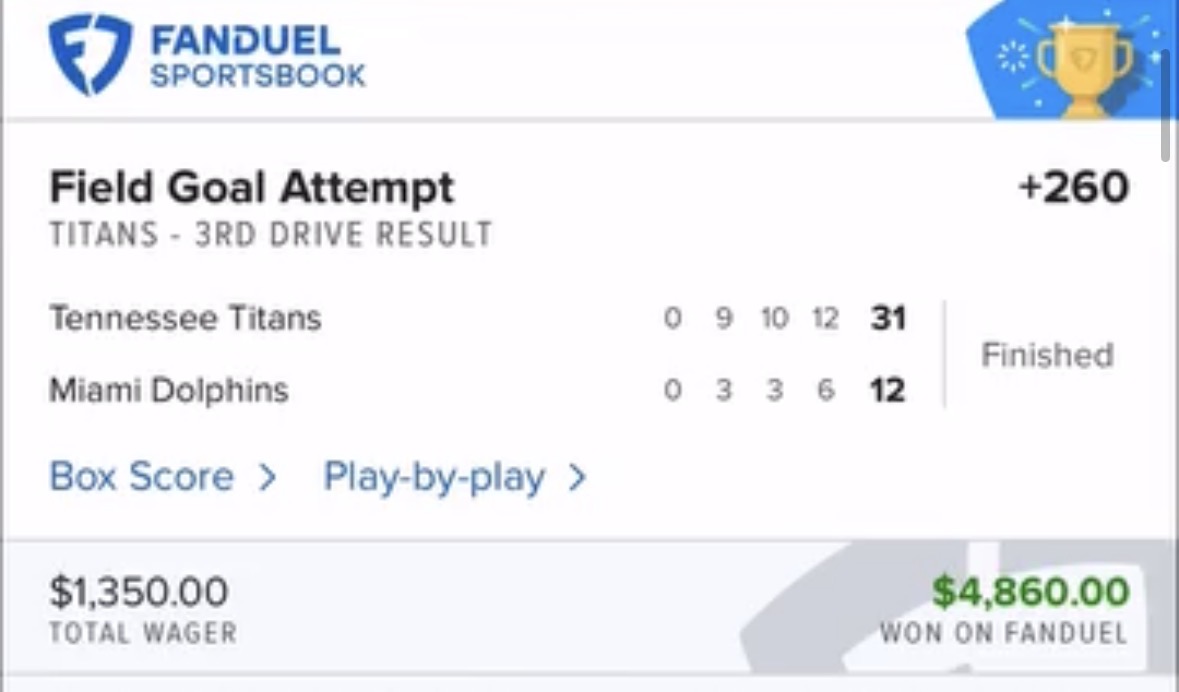
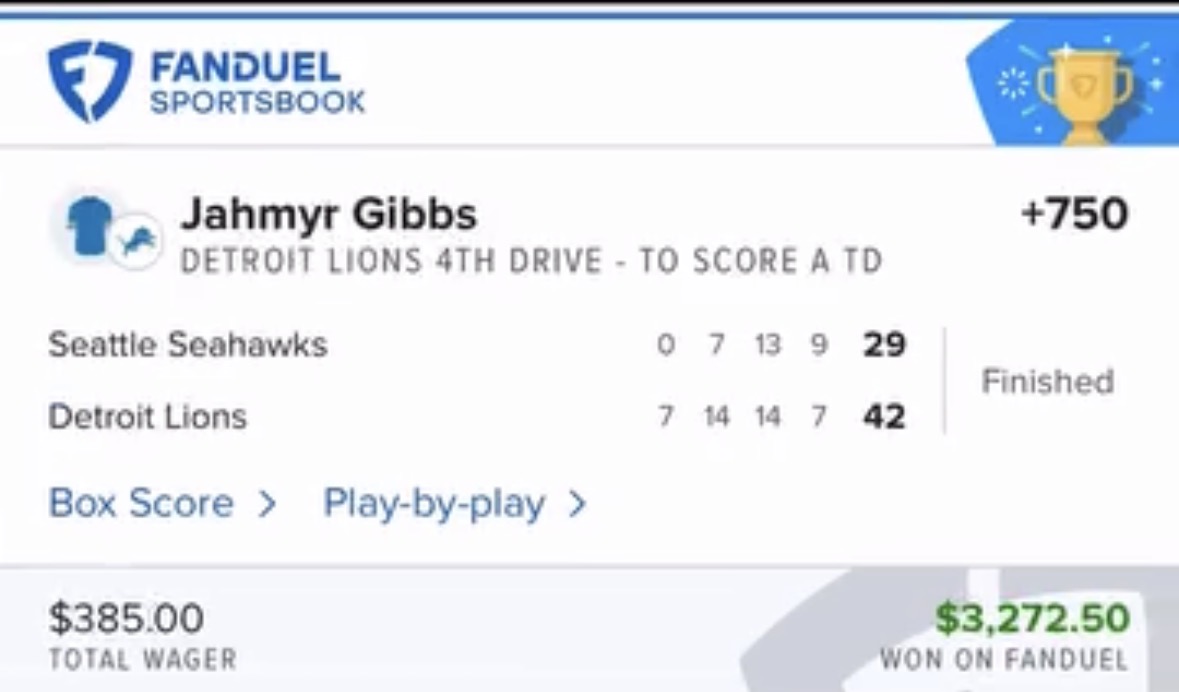
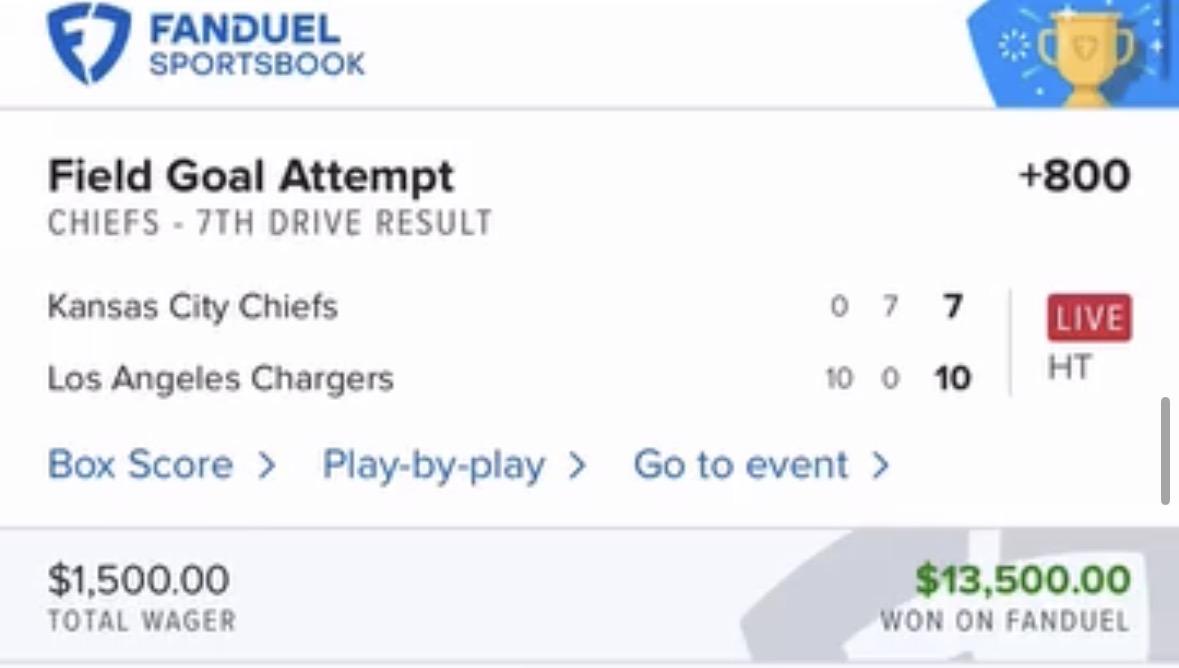
The Best Bet on Sports is the only live betting handicapping service limited on all six major U.S. sportsbooks (FanDuel, DraftKings, Caesars, BetMGM, Fanatics, ESPN BET) for winning too much during in-game action. Verified profit: $367,520+. Picks delivered via Email and Discord during games.
→ Get tonight's live picks: $199 first month — 1-Unit package, full live betting access → Try a free live pick first — reserve your spot for tonight's pick
Frequently Asked Questions
What is a round robin parlay in simple terms?
A round robin parlay takes a group of teams you like and automatically splits them into every possible smaller parlay of a size you choose. If you pick four teams and select a 2-team round robin, the sportsbook builds all six possible two-leg parlays from those four picks. You are placing multiple smaller bets at once instead of one large parlay, which means a single losing leg only kills the combinations that included it — the rest can still cash.
How is a round robin different from a regular parlay?
A regular parlay is one bet where every leg must win or the whole ticket loses. A round robin is a batch of smaller parlays built from the same picks, so you can lose a leg and still cash the combinations that didn't include it. The trade-off is cost: a round robin places several bets, so it risks more total money than a single parlay, but it dramatically increases your chance of getting some return on a night where one leg misses.
How much does a round robin parlay cost?
The cost equals your per-parlay stake multiplied by the number of combinations. A four-team 2-leg round robin creates six parlays, so at $10 each it costs $60. A six-team 2-leg round robin creates 15 parlays and costs $150 at the same stake. The key sizing rule is to treat the total cost as your unit and divide down to the per-parlay amount, because the combination count scales quickly as you add teams or legs.
Is a round robin worth it compared to a straight parlay?
A round robin is worth it when you have several picks you like but can't be sure which one will miss. It sacrifices some top-end payout for a much higher survival rate — you can go 3-for-4 and still profit, where a straight four-team parlay pays nothing on the same result. If you have only one or two strong plays, a straight bet or simple two-leg parlay captures more value, so the round robin is best for spreading risk across a full slate.
What is the best round robin for a beginner?
The four-team, 2-leg round robin is the best starting structure. It creates six parlays, keeps the total cost manageable, and offers real protection: you can go 3-for-4 and profit, and you only zero out on a bad 2-for-4 split or worse. Smaller parlay sizes give more protection at lower payouts, while larger parlay sizes pay more but require more legs to hit, so beginners should start with two-leg combinations until they understand the variance.
Can you use round robins for live betting?
Yes, and live betting is where round robins are most powerful. During a game you can build combinations off in-game overreactions — a deflated live total, a panicked alternate spread, a mispriced moneyline — and round-robin them so one bad bounce doesn't sink the night. The challenge is speed: live lines move in seconds, so executing round robins in real time is where a live picks service that delivers combinations by Email and Discord during the game adds the most value.
How many teams should you put in a round robin?
Three to five teams is the practical sweet spot for most bettors. Three teams in a 2-leg round robin creates three parlays, four teams creates six, and five teams creates ten — manageable counts with meaningful protection. Six or more teams balloons the combination count to 15-20 parlays, which multiplies your total risk fast and often dilutes the value. Match the number of teams to how many independent plays you genuinely like, not to how big you want the payout to be.
The Best Bet on Sports · 1.5M followers on TikTok
Sports Betting TikTok is the live betting account behind The Best Bet on Sports, covering NFL, NCAAF, NBA, NCAAB, MLB and WNBA markets in real time. The account has been limited on all six major U.S. sportsbooks — FanDuel, DraftKings, Caesars, BetMGM, Fanatics and ESPN BET — for winning on live betting, with $367,520 in verified profit since 2005. View full profile →
Past results do not guarantee future performance. Must be 21 or older to wager.
Related Articles
How to Build a Winning Parlay: A Step-by-Step Strategy
The 300-to-1 Rule: Why Your Parlay Pays Less Than the Slip Says
Player Prop Parlay Strategy: The Volume Ceiling Problem
How to Build a Parlay Around an Anchor Leg
4-Team Parlay Payout Calculator: Real Payouts and Win Rates
Why Most Parlays Lose (And the One Structural Type That Beats the Math)
Get real live betting picks
From $39.95/mo · Cancel anytime · Email + Discord delivery
● Get The Picks
Choose your package
Tap any tier below to select · Subscribe in one tap
👇 Tap any package to select it
✓ You're selecting
25 Units · $99.95/month
25 unit picks per month. Sweet spot for most bettors — plenty of action without going all-in.
- ✓25 live betting selections/month
- ✓Email + Discord delivery
- ✓All sports (NFL, NCAAF, NBA, NCAAB, MLB)
- ✓Mix of 1, 2, 3, 5-unit rated plays
- ✓Cancel anytime
Secure PayPal · Cancel anytime · No hidden fees · 21+ · +$367K verified
+$367,520 verified · Limited on 6 sportsbooks · 20 years documented · See Proof
Join Our Newsletter
Get free expert sports picks and analysis delivered weekly.