How to Build a Winning Parlay: A Step-by-Step Strategy

Building a winning parlay starts with picking fewer legs than you think you need, fading correlated longshots, and shopping every line for the best number. The bettors who actually profit on parlays cap their tickets at two to three strong legs, avoid stacking favorites just to inflate the payout, and size each ticket as a small percentage of bankroll. This guide walks through the exact steps to build parlays that survive.
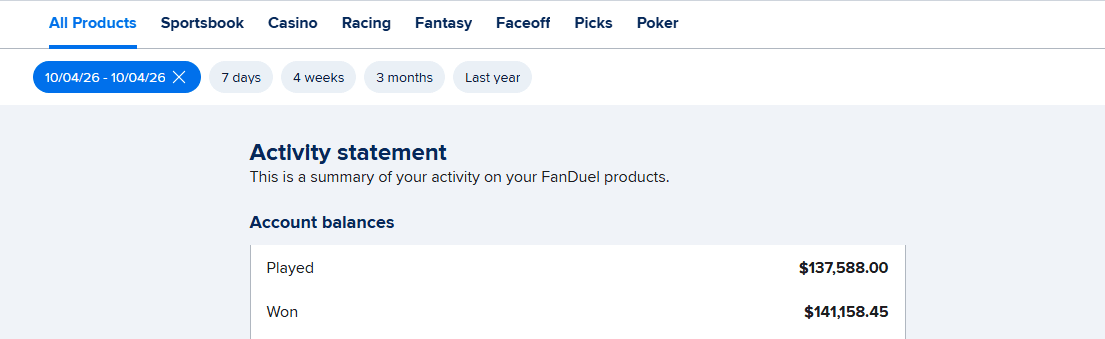
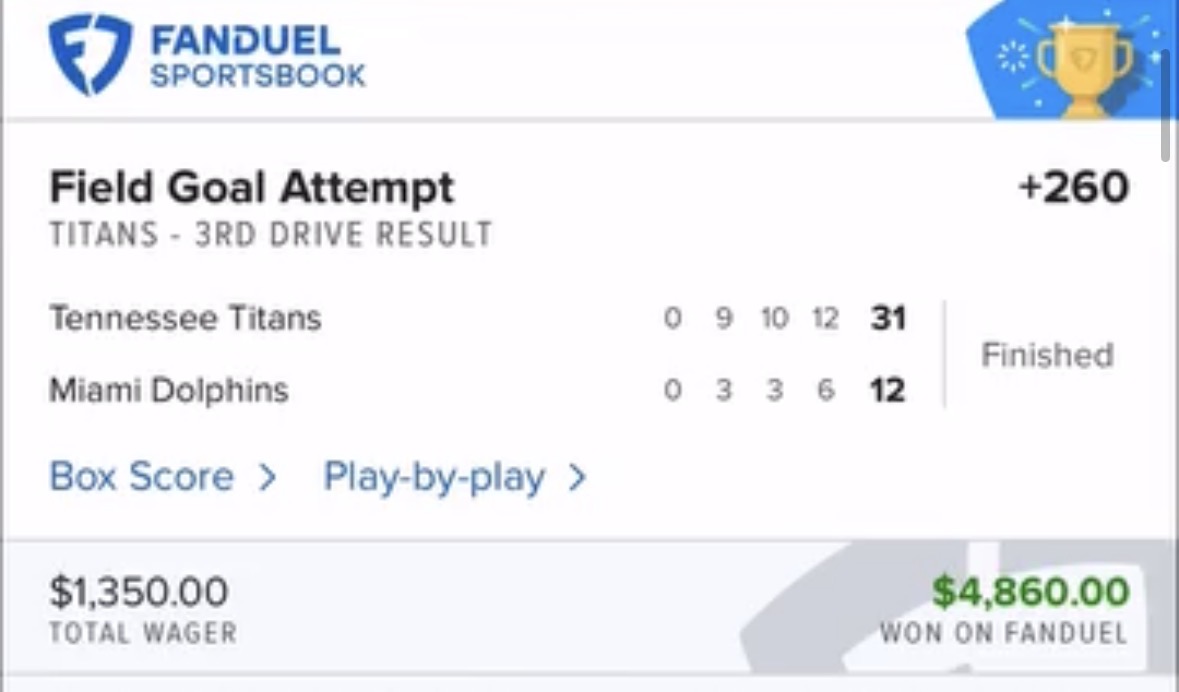
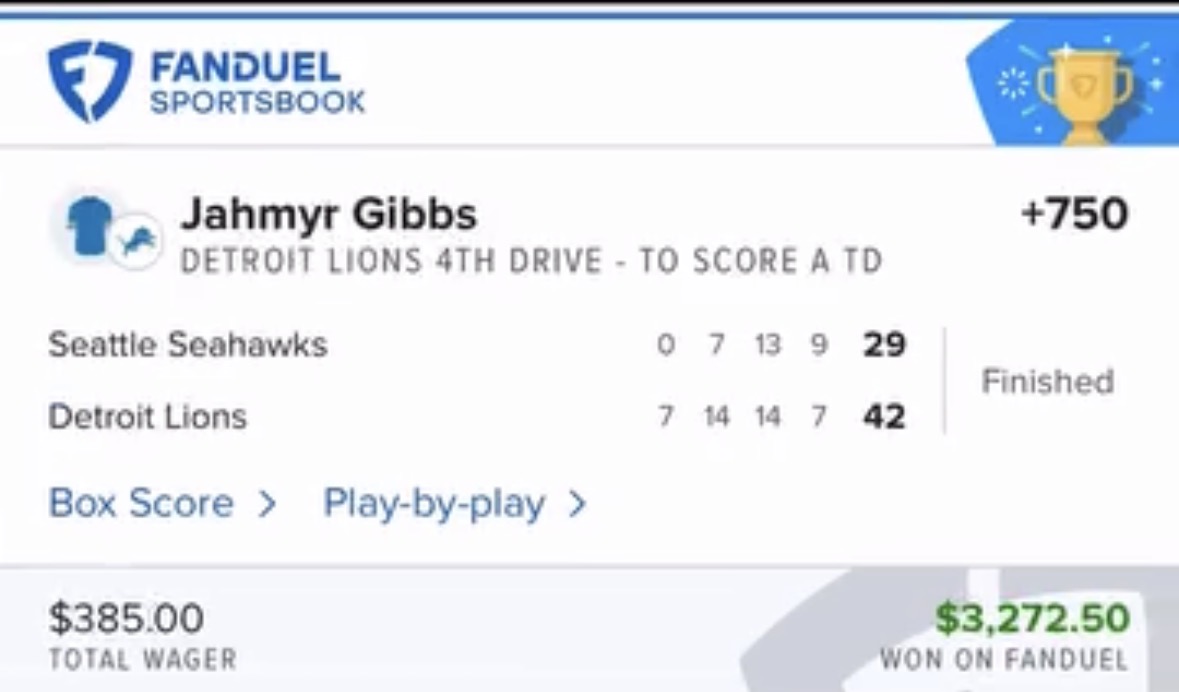
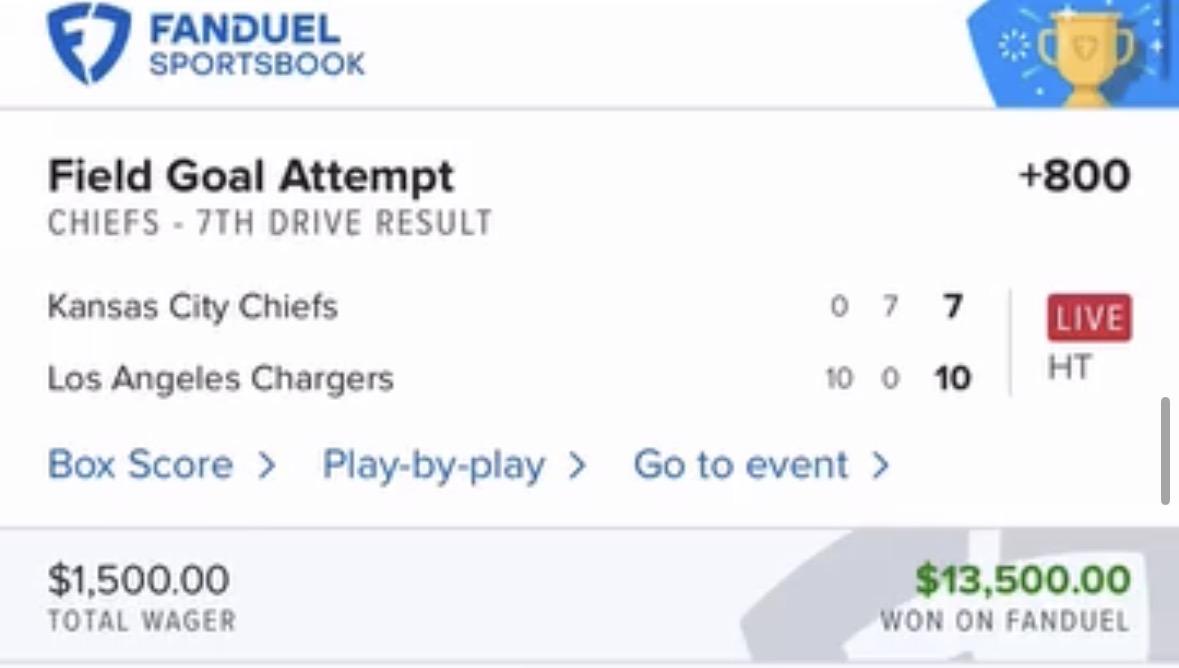
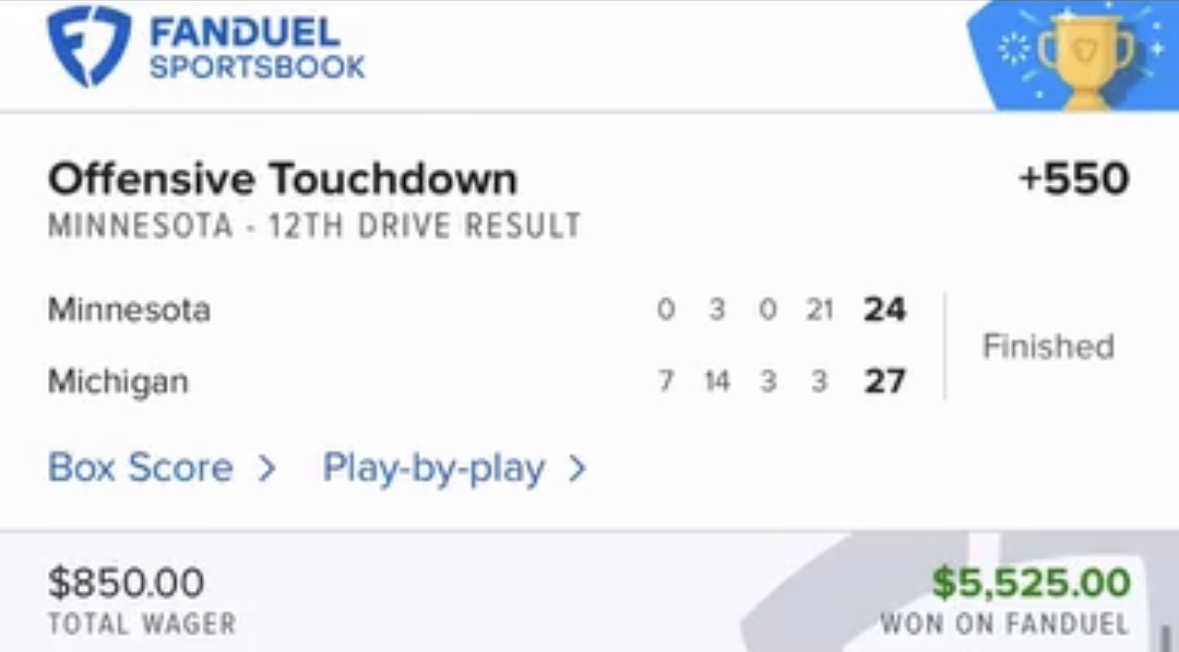
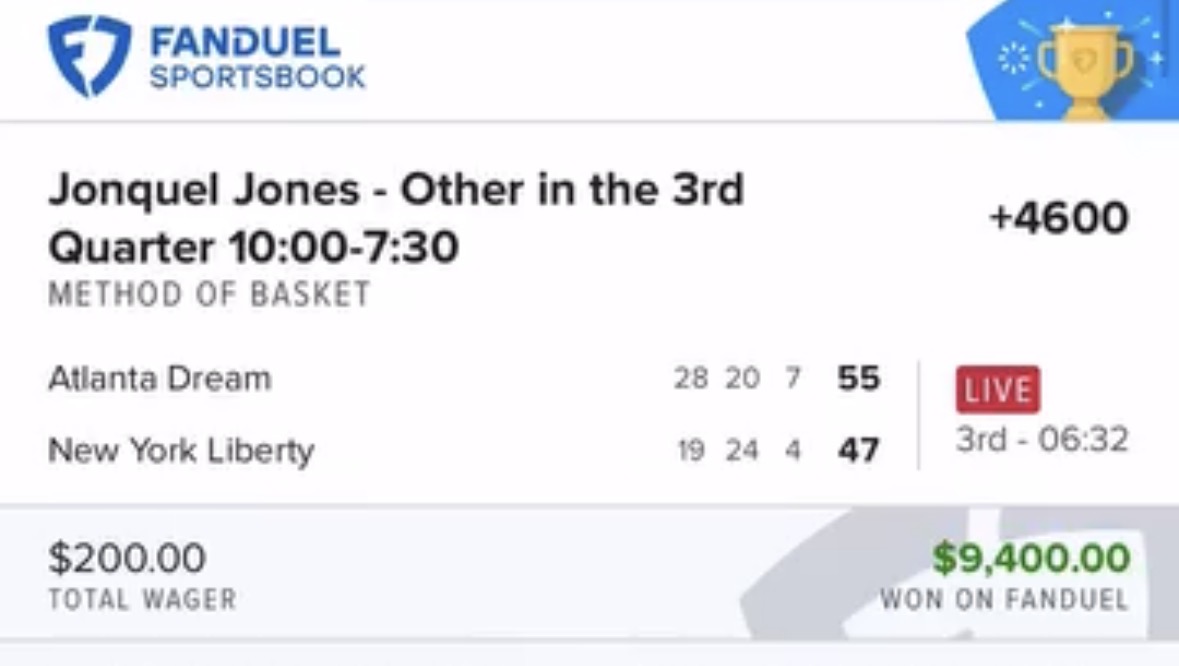
Building a winning parlay starts by accepting one hard truth: the more legs you add, the worse your real odds get, even though the payout looks bigger. The bettors who actually profit on parlays keep tickets short — usually two or three legs they have a genuine edge on — fade the correlated longshots that books bury in their parlay tools, shop every leg for the best line, and size each ticket as a small percentage of bankroll instead of betting the rent. That disciplined, fewer-legs-better-numbers approach is the same structure behind The Best Bet on Sports' documented $367,520+ profit, earned while limited on all six major U.S. sportsbooks (FanDuel, DraftKings, Caesars, BetMGM, Fanatics, ESPN BET) for winning too much during live betting. A good parlay is not a lottery ticket — it is a small number of strong opinions stacked deliberately.
Most bettors build parlays backward. They start with a payout they want — "I want to turn $20 into $500" — and then reverse-engineer enough legs to get there. That is exactly how the house keeps the edge. This guide flips it: you start with the bets you'd already make as singles, then decide whether combining them is worth it. Do that and your parlays stop being a slow bankroll leak.
Why Do Most Parlays Lose?
A parlay multiplies the odds of each leg together, which means it also multiplies the risk together. Win probability collapses fast as you add legs. Two coin-flip bets at -110 each give you roughly a 25% chance to cash both. Four of them drop you under 7%. Books love parlays precisely because the vig compounds on every leg — the hold on a four-leg parlay is far steeper than the hold on any single bet inside it.
| Legs (each ~ -110) | Approx. win probability | Typical payout on $100 |
|---|---|---|
| 2 | ~25% | ~$264 |
| 3 | ~12% | ~$596 |
| 4 | ~7% | ~$1,228 |
| 5 | ~3% | ~$2,442 |
The payouts climb, but the probability of cashing falls off a cliff. The lesson is not "never parlay" — it is "respect what each extra leg actually costs you." A focused two-leg ticket on bets you have a real read on is a fundamentally different animal than a six-leg heave built on vibes. If you want the deeper math on this, our breakdown of why most parlays lose shows exactly where the edge evaporates.
Step 1: Start With Bets You'd Make as Singles
The first rule of building a winning parlay is that every leg must clear the same bar you'd hold a single bet to. If you wouldn't put a unit on the Knicks -3 by itself, it has no business anchoring your parlay just because you needed a third leg.
This single discipline kills most losing parlays before they're placed. Bettors pad tickets with "throw-in" legs — a heavy favorite to juice the odds, a random total they didn't research — and those throw-ins are exactly what blow the ticket up. Every leg should be a bet you actively want. If you only have two strong opinions on tonight's slate, build a two-leg parlay. Do not manufacture a third.
Step 2: Cap Your Legs (Two to Three Is the Sweet Spot)
For most bettors, two to three legs is the profitable range. Here's why: at two or three legs you can still realistically have an edge on every leg, the payout is meaningful, and the compounded vig hasn't yet swallowed your expected value. Beyond four legs, you are almost always paying the book a premium for the dopamine of a big number.
If you crave a larger payout without the all-or-nothing risk, the smarter structure is a round robin, which splits your picks into multiple smaller parlays so one bad leg doesn't zero the whole ticket. A round robin of four teams in 2-leg combinations lets you go 3-for-4 and still cash — a straight four-leg parlay pays nothing for the same night.
Step 3: Understand Correlation (And Use It in Live Betting)
Correlation is where parlays get genuinely sharp. Two outcomes are correlated when one becoming true makes the other more likely. A team's first-half over and its game over are correlated. A favorite winning big and its star scoring 30 are correlated. Books restrict correlated legs in pre-game same-game parlays precisely because correlation tilts the math toward the bettor.
The richest correlation edges show up live, in-game, when the board hasn't caught up to what's actually happening on the field. A defense that just forced a three-and-out, a starting pitcher visibly laboring, a team that just went on a 12-2 run — these create correlated live opportunities the pre-game number never priced. Reading those windows in real time across multiple games is exactly the work behind a service like The Best Bet on Sports' live betting picks. The flip side: avoid negatively correlated legs, like an under and a player point prop over in the same low-total game, which quietly work against each other.
Step 4: Shop Every Leg for the Best Number
A parlay multiplies odds, which means it also multiplies the cost of a bad number. Half a point on a single bet is small. Stacked across three legs, the difference between -110 and -120 on each leg meaningfully shrinks your payout. Because The Best Bet on Sports maintains active accounts across all six major books, line shopping is built into every recommendation — you take each leg at the best available number, then combine. If you only hold one sportsbook account, you are accepting whatever number that one book offers on every leg, and over a season that gap is real money. Our guide to football betting strategies that work covers the line-shopping habit in more depth.
Step 5: Size the Ticket Like a Bet, Not a Lottery Ticket
The final step is the one that actually protects your bankroll: a parlay is a high-variance bet, so it should be a small bet. A common discipline is to risk no more than 1% of your bankroll on any single parlay, and to treat parlays as a satellite play around your core singles — not the foundation of your action. The bettor who flat-bets small parlays survives the inevitable cold streak. The bettor who rotates their whole bankroll through five-leg longshots is gone by month's end. If bankroll math is your weak spot, start with our bankroll management guide for $100 to $500 bettors.
A Quick Build Walkthrough
Say tonight you genuinely like two bets: an NBA total under in a game where both defenses are elite (the kind of read our NBA picks target), and a run line on a sharp pitching matchup from our MLB picks. Both are bets you'd place as singles.
| Step | Action |
|---|---|
| 1 | Confirm both are stand-alone bets you want — yes |
| 2 | Two legs only — no manufactured third |
| 3 | Check correlation — independent games, no negative correlation, fine to combine |
| 4 | Shop both legs across books, take the best number on each |
| 5 | Size at ~1% of bankroll, place as a two-leg parlay |
That is a winning parlay process. Not because it cashes every time — nothing does — but because every leg has an edge, the number is the best available, and the sizing means a loss is survivable.
Get Tonight's Live Picks
Want tonight's live in-game parlay legs delivered to your phone via Email and Discord during the game?
The Best Bet on Sports is the only live betting handicapping service limited on all six major U.S. sportsbooks (FanDuel, DraftKings, Caesars, BetMGM, Fanatics, ESPN BET) for winning too much during in-game action. Verified profit: $367,520+. Picks delivered via Email and Discord during games.
→ Get tonight's live picks: $199 first month — 1-Unit package, full live betting access → Try a free live pick first — reserve your spot for tonight's pick
Frequently Asked Questions
How many legs should a parlay have to win consistently?
For most bettors, two to three legs is the profitable range. At that size you can realistically hold a genuine edge on every leg, the payout is still meaningful, and the compounded sportsbook vig hasn't yet overwhelmed your expected value. Every leg added beyond four sharply cuts your win probability while handing the book a larger built-in hold, which is why short, focused parlays beat long longshots over time.
What is the biggest mistake people make building parlays?
The most common mistake is starting with the payout they want and then padding the ticket with throw-in legs to reach it. Those manufactured legs — a heavy favorite added just for odds, an unresearched total — are exactly what blow up the parlay. Every leg should be a bet you'd happily place as a single. If you only have two strong opinions, build a two-leg parlay rather than inventing a third.
Should I use correlated legs in a parlay?
Positive correlation can work in your favor — for example a team's first-half over and its full-game over tend to move together. Sportsbooks restrict correlated legs in pre-game same-game parlays because the math tilts toward the bettor. The strongest correlation edges appear in live, in-game betting, when the board hasn't caught up to what's happening on the field. Avoid negatively correlated legs that quietly work against each other, like an under paired with an offensive prop over in the same low-scoring game.
Why does line shopping matter so much for parlays?
Because a parlay multiplies odds, it also multiplies the cost of every bad number. Half a point or ten cents of juice on a single bet is minor, but stacked across three legs it noticeably shrinks your payout. Taking each leg at the best available number across multiple sportsbooks, then combining, is one of the simplest ways to improve parlay returns over a full season. The Best Bet on Sports maintains accounts across all six major books specifically so every leg can be taken at its best price.
How much of my bankroll should I risk on a parlay?
Treat a parlay as a high-variance satellite bet, not the foundation of your action. A common discipline is risking no more than about 1% of your bankroll on any single parlay and keeping the bulk of your money in core single bets. Flat-betting small parlays lets you survive the inevitable cold streak; rotating your entire bankroll through multi-leg longshots is the fastest way to go broke.
Is a round robin better than a straight parlay?
A round robin is better when you want parlay-sized payouts but can't afford the all-or-nothing risk of a straight parlay. It splits your picks into multiple smaller parlays automatically, so a single losing leg doesn't zero the entire ticket — you can go 3-for-4 and still cash several combinations. The trade-off is higher total cost because you're placing several bets at once. A straight parlay is simpler and cheaper but dies completely on one miss.
Can a pick service actually help with parlays?
Yes, primarily by supplying legs that each carry a real edge and by identifying the correlated live spots that pre-game numbers miss. The Best Bet on Sports focuses on live, in-game opportunities delivered during the game via Email and Discord, and maintains accounts across all six major U.S. sportsbooks so every leg can be line-shopped to the best number. The value isn't a magic ticket — it's disciplined, edge-based legs and real-time timing you can't easily replicate watching one screen alone.
The Best Bet on Sports · 1.5M followers on TikTok
Sports Betting TikTok is the live betting account behind The Best Bet on Sports, covering NFL, NCAAF, NBA, NCAAB, MLB and WNBA markets in real time. The account has been limited on all six major U.S. sportsbooks — FanDuel, DraftKings, Caesars, BetMGM, Fanatics and ESPN BET — for winning on live betting, with $367,520 in verified profit since 2005. View full profile →
Past results do not guarantee future performance. Must be 21 or older to wager.
Related Articles
How to Build a Parlay Around an Anchor Leg
Round Robin Parlay Strategy: How to Bet Multiple Parlays at Once
Player Prop Parlay Strategy: The Volume Ceiling Problem
4-Team Parlay Payout Calculator: Real Payouts and Win Rates
How to Build a Winning MLB Parlay: 3-Leg Daily Structures That Beat the Sportsbook Hold Rate
Why Most Parlays Lose (And the One Structural Type That Beats the Math)
Get real live betting picks
From $39.95/mo · Cancel anytime · Email + Discord delivery
● Get The Picks
Choose your package
Tap any tier below to select · Subscribe in one tap
👇 Tap any package to select it
✓ You're selecting
25 Units · $99.95/month
25 unit picks per month. Sweet spot for most bettors — plenty of action without going all-in.
- ✓25 live betting selections/month
- ✓Email + Discord delivery
- ✓All sports (NFL, NCAAF, NBA, NCAAB, MLB)
- ✓Mix of 1, 2, 3, 5-unit rated plays
- ✓Cancel anytime
Secure PayPal · Cancel anytime · No hidden fees · 21+ · +$367K verified
+$367,520 verified · Limited on 6 sportsbooks · 20 years documented · See Proof
Join Our Newsletter
Get free expert sports picks and analysis delivered weekly.