Best College Football Parlays for Saturday: Building Tickets on a 60-Game Slate

The best college football parlays for Saturday are small — two or three legs — because a 60-game slate does not give you six edges, it gives you one or two edges and a pile of coin flips. Every leg you add at true 50/50 odds costs the ticket roughly 4.5 percent of its expected value, which means the fourth leg is usually where a good parlay turns into a bad one.
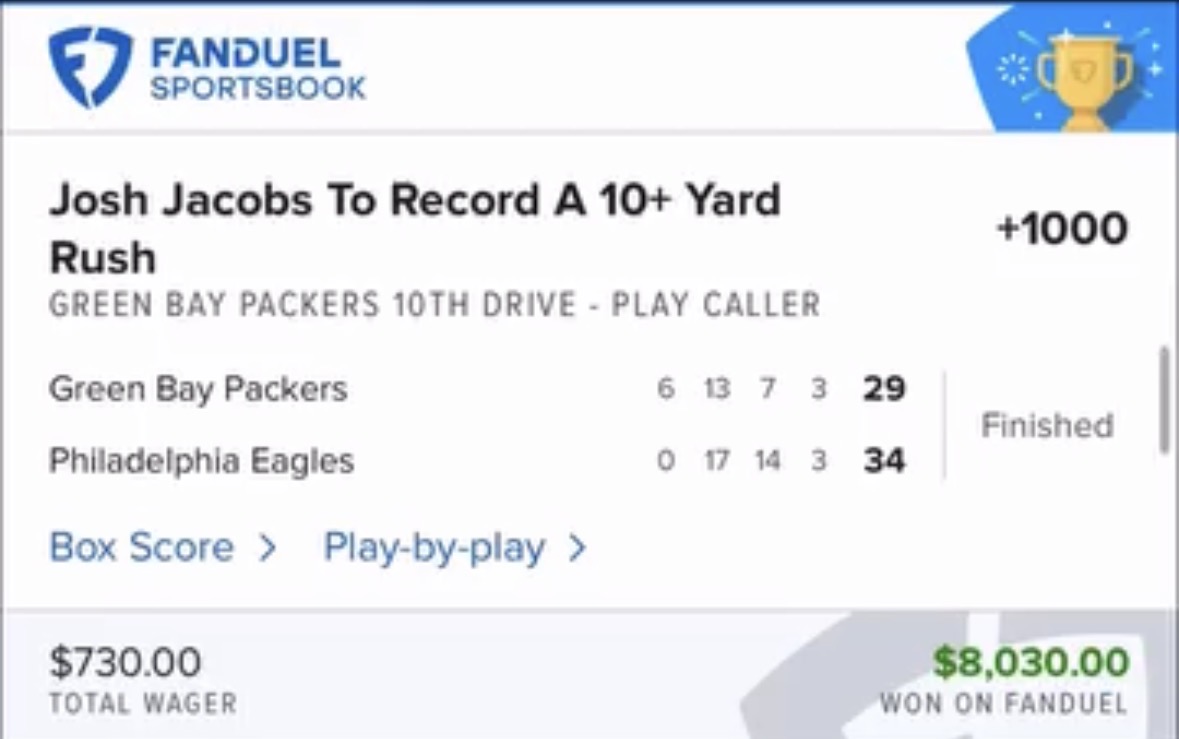
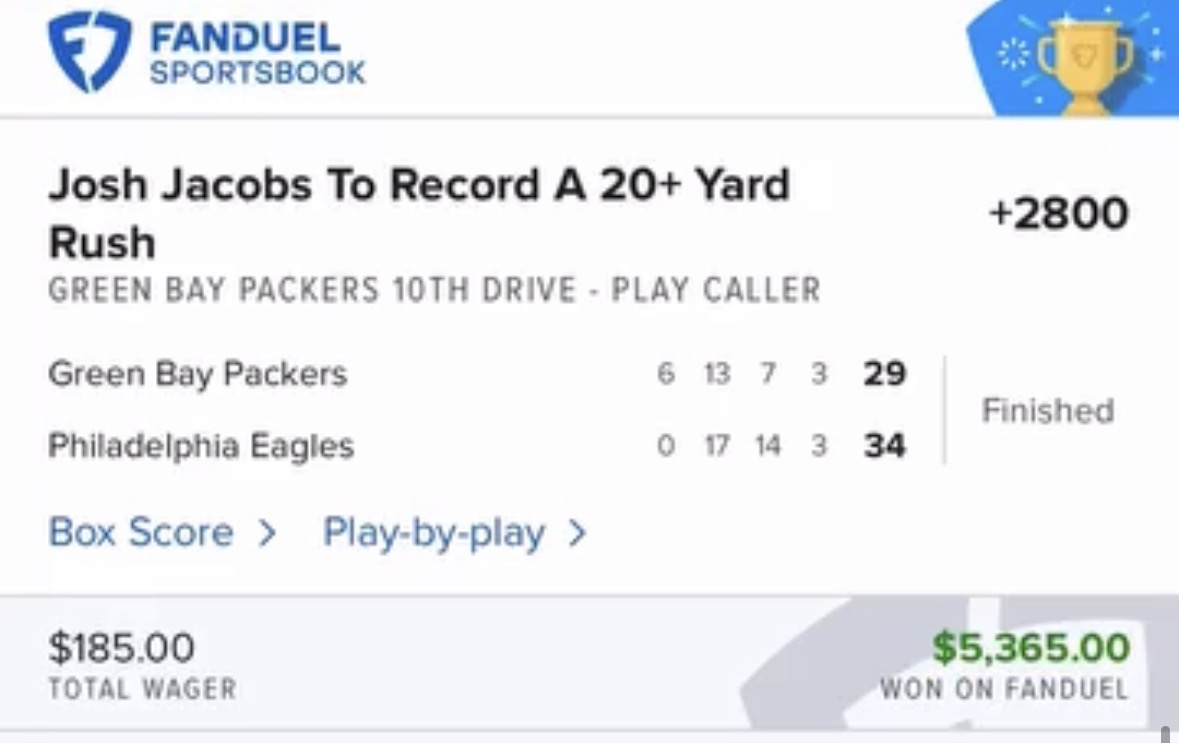
The best college football parlays for Saturday are almost always two or three legs, and the reason is arithmetic rather than caution. A full college football Saturday puts 60-plus games on the board across twelve hours, which feels like an enormous menu of parlay legs — but a slate that size does not hand you six edges. It hands you one or two games you genuinely have a read on and 58 games you're guessing at. Every leg you add at a true coin flip costs the ticket about 4.5 percent of its expected value, so the fourth leg is typically the exact point where a good parlay becomes a bad one. The Best Bet on Sports has run live in-game betting for more than twenty years with a verified $367,520+ in profit across every major sportsbook, and on a Saturday the discipline that matters most is subtraction.
College football is the single most parlay-tempting product in American sports, and it earns that reputation honestly. The volume is enormous, the talent gaps are wider than anything in the NFL, and the board is stuffed with games where one team looks so obviously better that stapling it to a ticket feels like collecting money. That impression is exactly what makes Saturday parlays so expensive. This is a guide to building small, defensible college football tickets on a slate designed to talk you out of building small ones.
Why the Saturday Slate Breaks Parlay Discipline
An NFL Sunday gives you a dozen or so games with heavy national coverage. Nearly every one of them has been analyzed all week by people who watch that team for a living, including you. A college football Saturday gives you five times as many games and a fraction of the information per game. You may know three or four teams well. You do not know 130 of them well, and neither does anyone else.
That asymmetry is the whole problem. Parlay tickets don't ask how much you know about your best game — they ask how much you know about your worst leg. A ticket is only as strong as the leg you understand least, and on a Saturday the temptation is to fill the back half of a slip with games you selected because the logo was familiar or the spread looked generous.
The volume also compresses your decision time. On a Saturday the noon window alone can have twenty kickoffs. Bettors who would carefully handicap a single NFL game will build a six-leg college ticket in four minutes because the games are stacking up and the app makes it frictionless. Speed is not a handicapping method.
The Math That Should Decide Your Leg Count
Here's the part most parlay advice skips. Adding legs isn't automatically bad — if every leg you add is genuinely better than break-even, more legs actually raise your expected value. The problem is that on a 60-game Saturday, your legs after the second one are almost never better than break-even.
At standard -110 pricing, a leg needs to win 52.4 percent of the time just to break even. A leg you're truly 50/50 on multiplies your ticket's expected value by about 0.955 — a 4.5 percent tax, charged every time you add one.
Run that out. Say you have two genuine reads at 55 percent, and every leg after that is an honest coin flip:
| Ticket size | Real edges (55%) | Coin flips (50%) | Expected return on $100 |
|---|---|---|---|
| 2-leg | 2 | 0 | $110.25 |
| 3-leg | 2 | 1 | $105.20 |
| 4-leg | 2 | 2 | $100.45 |
| 5-leg | 2 | 3 | $95.88 |
| 6-leg | 2 | 4 | $91.51 |
The fourth leg is where the ticket crosses back to break-even, and the fifth is where it goes underwater. That's not a moral argument about greed. It's the actual cost of filling a slip with games you don't have a read on. If you only have two Saturday games you'd bet straight, the correct ticket has two legs.
The corollary matters just as much: if you find a third game you'd genuinely bet straight, add it. The rule isn't "never go past two." It's "never add a leg you couldn't defend as a standalone bet."
The Big-Favorite Trap
The most common college football parlay leg in America is a heavy favorite, and it's the worst habit in the sport. A team laying 31 points against an overmatched opponent looks like an easy collect on a slip, and books know it — that's why those legs are stapled into so many pre-built parlays.
Two structural problems make giant spreads terrible parlay material. First, blowouts end early and the winning team stops trying. Starters come out in the third quarter for reasons that have nothing to do with the scoreboard margin you need, and a backup quarterback running clock does not cover 31. Second, the losing team's garbage-time scoring is real. Backdoor covers in college football aren't bad luck; they're the predictable result of one team playing to develop young players and the other playing with nothing to lose.
If you want a big favorite in a ticket, use the moneyline instead of the spread — you give up most of the payout, but you're betting the thing you're actually confident about (this team wins) rather than a number nobody can control (this team wins by 32). Better still, look at the game total or a team total, where the coaching decisions that wreck a spread cover are the same decisions you can anticipate.
Where the Real Saturday Edge Lives: In-Game
The structural feature of college football that matters most to parlay bettors is how early these games decide. A double-digit talent gap shows up in the first fifteen minutes, and a great many Saturday games are effectively over before the second quarter ends. A twelve-hour slate of games that resolve early is, functionally, a twelve-hour stream of information you can bet into.
That's the case for setting tickets live instead of pregame. A pregame college parlay asks you to guess which of the noon games will be competitive. A live betting approach lets you watch fifteen minutes of football first and then build a two-leg ticket around what you've actually seen — which offensive line is getting bullied, which quarterback is rattled, which total is tracking twenty points ahead of pace. Nothing in pregame handicapping compares to watching the game tell you the answer — we work through that trade-off in full in is a live betting service worth it for college football.
It's also where the market is thinnest. Sportsbooks price live college football under real time pressure across dozens of simultaneous games, and the further you get from the marquee matchups, the less attention each individual number receives. That is the gap our team works in, and it's the reason our accounts are limited on all six major U.S. sportsbooks.
A Workable Saturday Framework
Pick one window, not the whole day. Treat the noon slate, the afternoon slate, and the night games as three separate betting days rather than one giant pool. Most bettors are far sharper when they're choosing among eight games than among sixty.
Anchor on a game you'd bet straight. If you can't name the bet you'd make with a single ticket and no parlay attached, you don't have an anchor — you have a preference. Preferences are not edges.
Cap the ticket at three legs, and keep every leg in a different game unless you're deliberately building a same-game parlay and accepting the book's correlated pricing.
Size it like a lottery ticket, not a core bet. Parlays are a variance product. Whatever your standard unit is for a straight play on college football, a parlay should be a fraction of it. The purpose of a small stake is to keep a bad Saturday from mattering.
Track them separately. Keep parlay results in their own column when you review your results. Bettors who don't do this almost always believe their parlays are performing better than they are, because the wins are memorable and the losses are routine.
Get Tonight's Live Picks
Want tonight's live in-game college football parlay and single-game picks delivered to your phone via Email and Discord during the game?
The Best Bet on Sports is the only live betting handicapping service limited on all six major U.S. sportsbooks (FanDuel, DraftKings, Caesars, BetMGM, Fanatics, ESPN BET) for winning too much during in-game action. Verified profit: $367,520+. Picks delivered via Email and Discord during games.
→ Get tonight's live picks: $199 first month — 1-Unit package, full live betting access → Try a free live pick first — reserve your spot for tonight's pick
Frequently Asked Questions
What is the best college football parlay strategy for Saturday?
The best college football parlay strategy for Saturday is to attack one window at a time and cap the ticket at two or three legs. Choose a single game you would bet straight as your anchor, add at most one or two more legs that clear the same standard, and refuse to fill the slip with games you selected for convenience. A 60-game slate does not produce six edges; it produces one or two, and the discipline is in leaving the rest alone.
How many legs should a college football parlay have?
Two or three. At standard -110 pricing, each leg needs to win 52.4 percent of the time to break even, so every leg you add at a true coin flip costs the ticket roughly 4.5 percent of its expected value. With two genuine 55 percent reads, a two-leg ticket returns about $110 per $100 risked, a four-leg version with two filler legs returns about $100, and a six-leg version returns about $92. The fourth leg is usually where a good parlay turns bad.
Are big college football favorites good parlay legs?
No — heavy favorites laying three or four touchdowns are among the worst parlay legs in sports, despite feeling like the safest. Blowouts end early and winning coaches pull starters for reasons unrelated to the spread, while the trailing team's garbage-time scoring produces backdoor covers that are structural rather than unlucky. If you want a big favorite on a ticket, use the moneyline or a team total instead of the spread, so you're betting the outcome you're confident in rather than a margin nobody is trying to protect.
Should you build college football parlays before kickoff or live?
Live, whenever you can. College football games decide early because the talent gaps are so wide, which means fifteen minutes of watching tells you more than a week of pregame guessing about which games will be competitive. Building a ticket live lets you anchor on what you've actually observed — a line getting overwhelmed, a total running ahead of pace — instead of predicting it. Live college football markets are also priced under real time pressure across dozens of simultaneous games, so the numbers are less refined than pregame numbers.
Why do college football parlays lose so often even on a good Saturday?
Because bettors confuse being right about games with building a winning ticket. You can go 5-2 on your Saturday opinions and still lose a six-leg parlay, since a parlay requires every single leg to hit. The slate's size encourages oversized tickets, and oversized tickets fail even when your handicapping is sound. The losses aren't usually a handicapping problem — they're a leg-count problem, and the fix is subtraction rather than better picks.
How much should you bet on a college football parlay?
Treat parlays as a variance product and stake them at a fraction of your normal unit for a straight bet. If a standard college football play is one unit for you, a parlay should be a quarter to a half of that. The point of a small parlay stake is that a losing Saturday — which will happen often, by design — never damages the bankroll that funds your actual core bets. Keep parlay results in a separate column when reviewing performance, because memory reliably overrates them.
Can you put two legs from the same college football game in a parlay?
You can, but that becomes a same-game parlay with different math. Outcomes inside one game are correlated — a favorite covering a large spread usually means the game also went over — so books price those legs together at adjusted odds rather than treating them as independent. In a standard multi-game Saturday parlay, keep each leg in a separate game so the outcomes really are independent. If you want to stack within one game, do it deliberately and accept the correlated pricing rather than stumbling into it.
The Best Bet on Sports · 1.5M followers on TikTok
Sports Betting TikTok is the live betting account behind The Best Bet on Sports, covering NFL, NCAAF, NBA, NCAAB, MLB and WNBA markets in real time. The account has been limited on all six major U.S. sportsbooks — FanDuel, DraftKings, Caesars, BetMGM, Fanatics and ESPN BET — for winning on live betting, with $367,520 in verified profit since 2005. View full profile →
Past results do not guarantee future performance. Must be 21 or older to wager.
Related Articles
The 300-to-1 Rule: Why Your Parlay Pays Less Than the Slip Says
Your Parlay Is Graded by a Data Feed, Not by the Game
Player Prop Parlay Strategy: The Volume Ceiling Problem
What Happens When a Parlay Leg Pushes? Push and Void Rules
Same-Game Parlay Blocked? Why Sportsbooks Reject Leg Combinations
How to Build a Parlay Around an Anchor Leg
Get real live betting picks
From $39.95/mo · Cancel anytime · Email + Discord delivery
● Get The Picks
Choose your package
Tap any tier below to select · Subscribe in one tap
👇 Tap any package to select it
✓ You're selecting
25 Units · $99.95/month
25 unit picks per month. Sweet spot for most bettors — plenty of action without going all-in.
- ✓25 live betting selections/month
- ✓Email + Discord delivery
- ✓All sports (NFL, NCAAF, NBA, NCAAB, MLB)
- ✓Mix of 1, 2, 3, 5-unit rated plays
- ✓Cancel anytime
Secure PayPal · Cancel anytime · No hidden fees · 21+ · +$367K verified
+$367,520 verified · Limited on 6 sportsbooks · 20 years documented · See Proof
Join Our Newsletter
Get free expert sports picks and analysis delivered weekly.