Is a Live Betting Service Worth It for College Football? The Honest Math

A live betting service is worth it for college football when you want exposure to a 60-game Saturday you could never watch alone. College is the widest sport in America — 130-plus FBS teams, enormous roster turnover, and dozens of simultaneous kickoffs — which means both bettors and sportsbooks are stretched thin, and in-game numbers on non-marquee games get less scrutiny than any market in football. Here is when it pays for itself and when it does not.
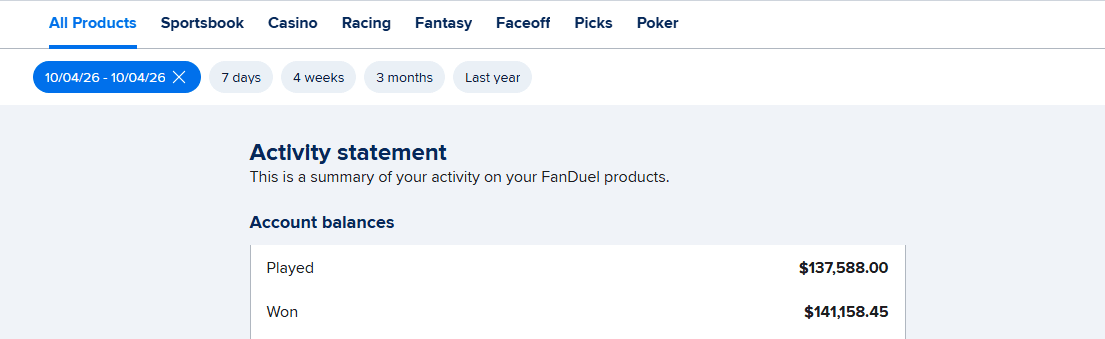
A live betting service is worth it for college football when you want real exposure to a Saturday slate that no single person could ever cover alone. College football is the widest sport in America — more than 130 FBS teams, constant roster turnover, and as many as 60 games stacked across a twelve-hour day — and that width cuts both ways. If you are still comparing providers, start with our breakdown of the best college football handicappers and the checklist in how to choose a live betting service. It means you cannot possibly watch enough of it to find the good in-game spots yourself, and it means sportsbooks cannot allocate their best live traders to every game either. The Best Bet on Sports has run live in-game betting for more than twenty years with a verified $367,520+ in profit across every major sportsbook, and college Saturdays are structurally the friendliest day on the calendar for the way we work. But "worth it" depends on how you actually bet, and this is the honest version of that answer.
Most articles asking whether a picks service is worth paying for are sales pages wearing a question mark. This one is specific to college football because the sport's economics are genuinely different from the NFL, and if you bet college seriously, the case is stronger — and the failure modes are different — than they are anywhere else in football.
The Concurrency Problem Nobody Solves Alone
The defining feature of a college football Saturday isn't that the games are hard to handicap. It's that there are too many of them happening at once.
A noon window can carry twenty simultaneous kickoffs. You have one set of eyes, one screen worth of attention, and a finite tolerance for chaos. Even a genuinely sharp college bettor watching football for eight straight hours is meaningfully tracking three or four games. The other fifty-plus are scoreboard glances.
That's the structural gap. In-game betting requires watching a game closely enough to know something the number doesn't yet reflect — that a defensive front is getting displaced on every snap, that a quarterback has stopped trusting his protection, that a total priced for 52 points is tracking toward 70. Those observations expire in minutes. You cannot make them about a game you aren't watching, and you cannot watch sixty games.
A live service is, at its core, coverage. It's more eyes on more games, with the ones worth acting on pushed to your phone instead of you hunting for them.
Why Sportsbooks Are Also Stretched Thin on Saturdays
Here's the part that makes college football different from every other product on the board: the books have the same concurrency problem you do, and it shows in their pricing.
A sportsbook's live pricing is a mix of automated models and human traders who override them. Human attention is finite and expensive, so it gets allocated where the money is — the marquee matchups, the primetime games, the ones with national television windows. A mid-afternoon game between two teams outside the top 40 gets the model, with less human oversight and, frequently, lower limits.
Lower limits and wider prices on non-marquee games aren't an accident or a courtesy. They're the book telling you where it's less confident. In the NFL, every game is a marquee game and the number reflects that. In college, the board is enormously uneven, and the unevenness is the opportunity.
Layer on the sport's own volatility — pace differences between programs that snap it every 15 seconds and programs that bleed clock, freshmen playing meaningful snaps, rosters reshuffled every offseason by the transfer portal — and college in-game models have more to be wrong about than NFL models do.
The Saturday Schedule Is Unusually Good Subscription Economics
This is the practical argument, and it's underrated. College football is one long day per week.
Compare that to baseball, where being useful to a live service means being reachable most nights for six months, or the NBA's near-nightly schedule. College asks you to be available on Saturdays. That's it. For most people with jobs and families, a product that concentrates its value into one weekend day is far easier to actually use than one that asks for five weeknights.
It also means the number of chances is finite and countable. A college regular season gives you somewhere in the neighborhood of fourteen Saturdays plus bowl season. At the $199 first-month tier for the 1-Unit package, a full opening month covers four of those Saturdays. Whether that's a good deal depends entirely on your stake size — which is the honest part most services skip.
| Your typical bet size | Bets per Saturday | Monthly volume | What $199 represents |
|---|---|---|---|
| $25 | 3-4 | ~$350 | Roughly 57% of your monthly action — hard to justify |
| $50 | 4-5 | ~$900 | About 22% of volume — needs a strong edge to clear |
| $100 | 4-5 | ~$1,800 | About 11% of volume — plausible with a real edge |
| $250 | 4-6 | ~$5,000 | About 4% of volume — the fee stops being the variable |
The pattern is simple and it isn't in our favor at the low end: below roughly $50 a bet, a subscription is competing against your own bankroll rather than adding to it. We'd rather say that plainly than sell you something that can't work.
When It Is Not Worth It
If you can't be at a screen on Saturdays. Live picks are time-sensitive by definition. A member who reads alerts on Sunday morning is paying for something they structurally cannot use. This is the single most common reason a subscription disappoints, and it has nothing to do with the picks.
If you only bet your alma mater. Plenty of people bet college football as an extension of fandom — one team, every week, win or lose. That's a fine way to enjoy the sport and a terrible fit for a service that finds spots across the whole board. You'd be paying for coverage of games you have no interest in betting.
If you're betting $20 a game. See the table above. The fee eats the edge.
If you expect a straight line. Live betting produces losing Saturdays, and a bad one can be genuinely ugly because the day is compressed into twelve hours. Anyone who tells you otherwise is selling. Our own long-run record is public in our results precisely so you can see the shape of it rather than a highlight reel.
When It Genuinely Pays for Itself
The profile that gets the most out of a college football live service is specific: someone who bets $100 or more per play, is around on Saturdays anyway, already bets college games and knows the sport well enough to evaluate a call rather than blindly click it, and understands that the value is in accessing games they'd never have watched.
That last part is the real product. You already know your three or four teams. What you don't have is a second-quarter read on a game you've never seen, in a window where the book's number hasn't caught up yet. That's what gets delivered — via Email and Discord during games — and it's the same work that got our accounts limited on all six major U.S. sportsbooks for winning too much in live markets.
If you're weighing this ahead of the season, the sequence that makes sense is to start before the games matter, learn the delivery rhythm on a low-stakes Saturday, and be sharp by the time conference play arrives. You can also reserve a live pick first and see how the alerts actually land on your phone before committing to anything. Our published college football analysis and our broader betting library will tell you plenty about how we think before you spend a dollar.
Readers working through this should also see our companion piece on whether a live betting service is worth it for NFL.
Get Tonight's Live Picks
Want tonight's live in-game college football picks and predictions delivered to your phone via Email and Discord during the game?
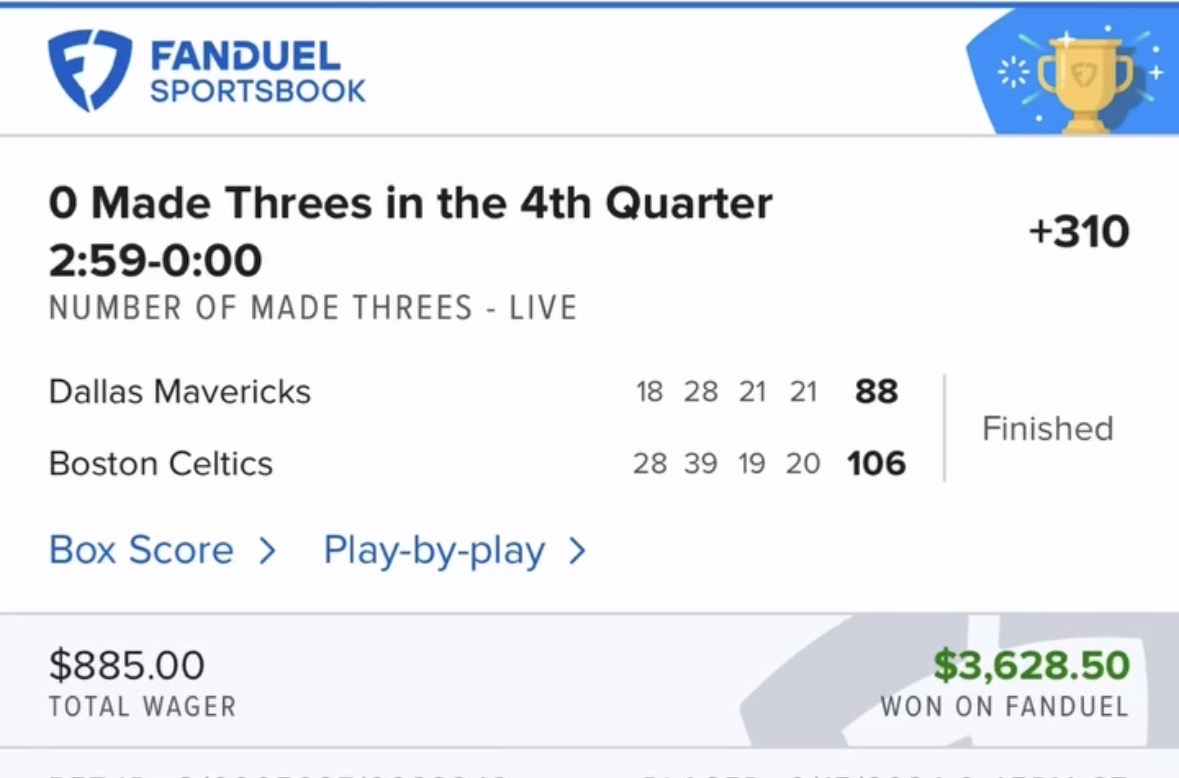
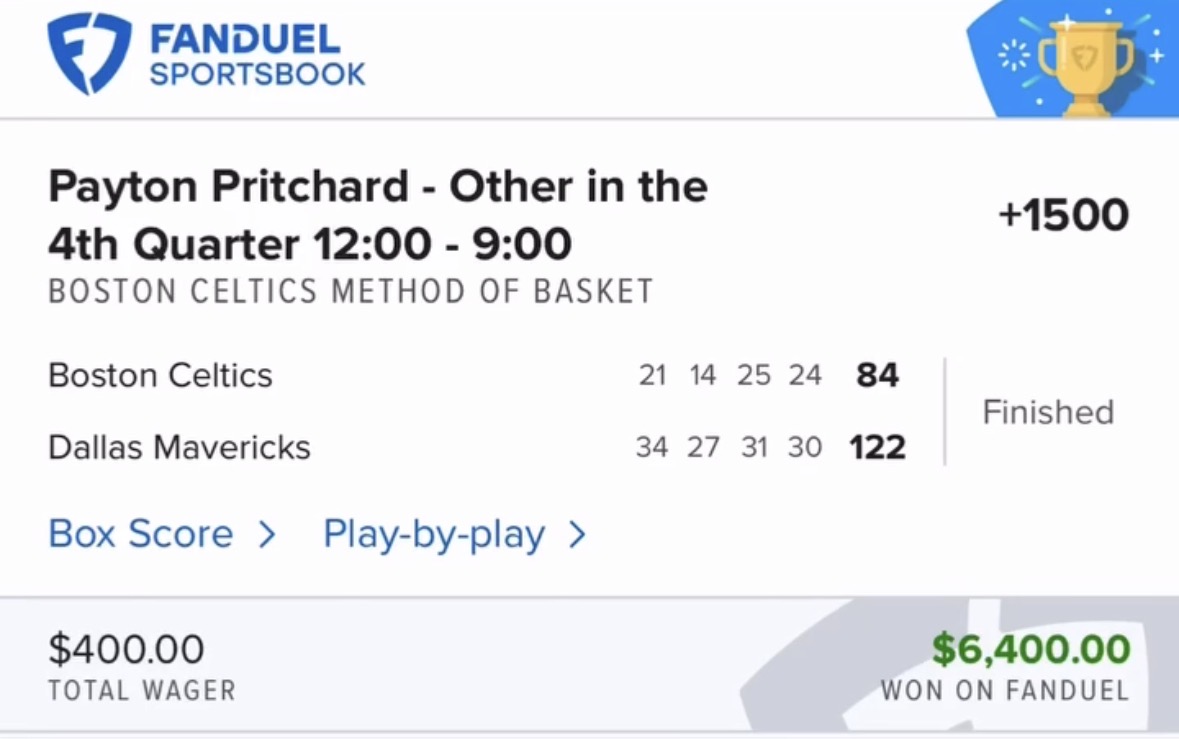
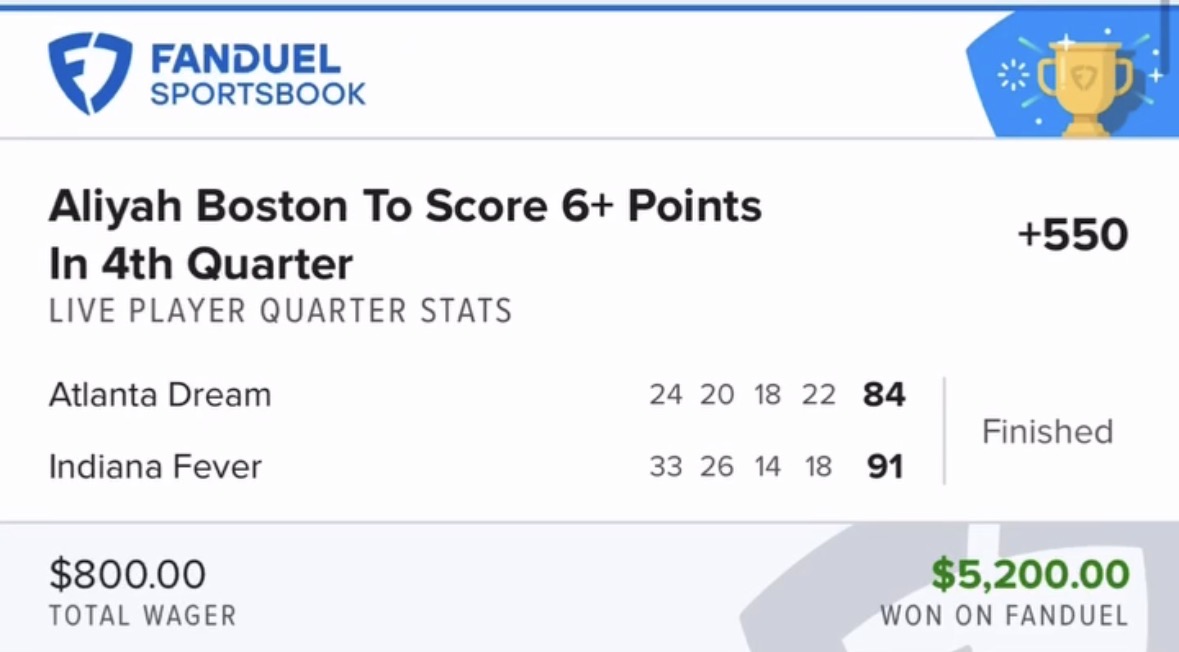
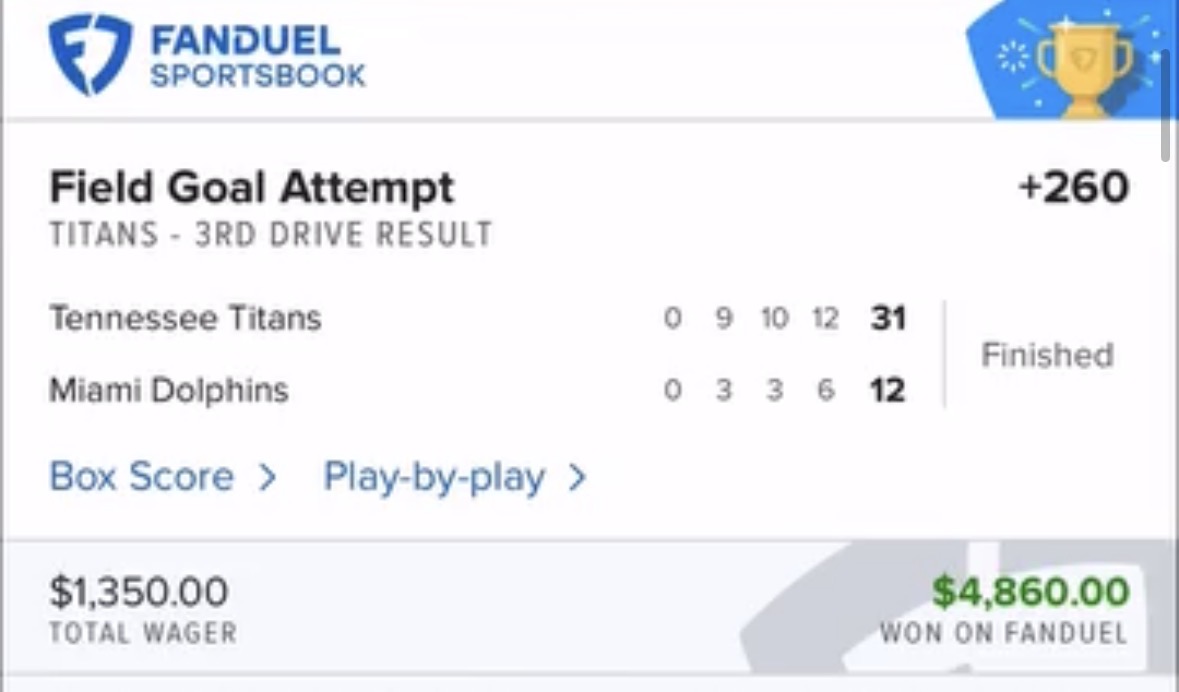
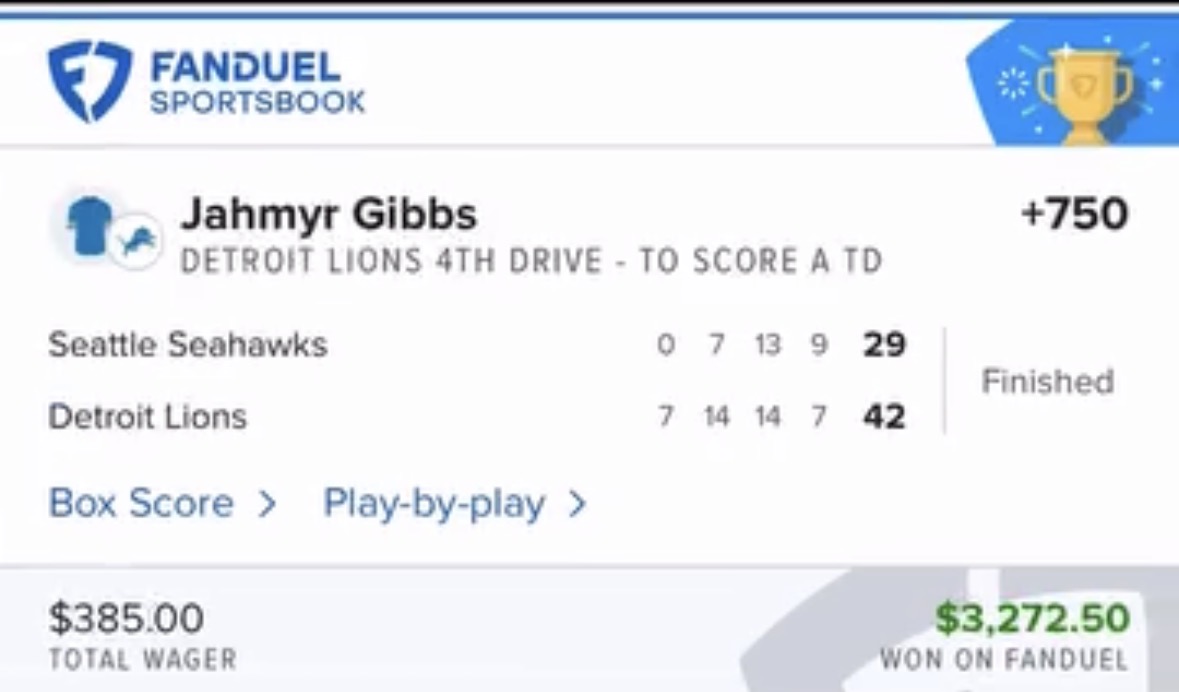
The Best Bet on Sports is the only live betting handicapping service limited on all six major U.S. sportsbooks (FanDuel, DraftKings, Caesars, BetMGM, Fanatics, ESPN BET) for winning too much during in-game action. Verified profit: $367,520+. Picks delivered via Email and Discord during games.
→ Get tonight's live picks: $199 first month — 1-Unit package, full live betting access → Try a free live pick first — reserve your spot for tonight's pick
Frequently Asked Questions
Is a live betting service worth it for college football?
It is worth it for a bettor who stakes roughly $100 or more per play, is available on Saturdays, and wants exposure to games they could never watch themselves. College football runs more than 130 FBS teams and as many as 60 games in a single day, which makes personal coverage impossible and makes a service's value primarily about access rather than opinion. It is not worth it for someone betting $20 a game, someone who only bets one team, or someone who cannot act on alerts during the day.
Why is college football better for live betting than the NFL?
Because the board is uneven in a way the NFL's never is. Sportsbooks allocate their most experienced live traders to marquee, nationally televised games, which leaves mid-tier matchups running on automated models with less oversight and lower limits. The NFL has sixteen games a week and every one of them is a marquee game. College has dozens of simultaneous games of wildly varying profile, plus more underlying volatility from pace differences, roster turnover, and young players — all of which gives in-game models more room to be wrong.
How much does a college football live betting service cost?
The 1-Unit live betting package is $199 for the first month and $299 monthly after that, with a 2-3 Unit package at $299 first month and a VIP 5-Unit package at $500 first month. Whether that price makes sense depends on your stake size: at $25 a bet it represents more than half your monthly action and is very difficult to justify, while at $250 a bet it is roughly 4 percent of volume and the fee stops being the deciding variable. Run that math before subscribing.
Do you have to watch the games to follow college football live picks?
You do not have to watch every game, but you do have to be reachable and able to place a bet within a short window. Live picks are tied to a specific number that moves quickly, so a member who reads alerts hours later is paying for something they cannot use. The most common reason a live subscription disappoints has nothing to do with pick quality — it is a member whose Saturdays are not actually available. Being at a screen for the windows you care about is the real requirement.
How many college football picks come out on a Saturday?
Volume varies with the slate, because picks are issued when a live situation is genuinely mispriced rather than on a quota. A full Saturday with a deep board typically produces several actionable spots across the day's windows, concentrated in the games where the in-game number has drifted from what the game is showing. A service that promises a fixed number of picks every single day regardless of conditions is describing a content schedule, not an edge.
Is college football live betting too volatile to bet seriously?
Volatility is precisely why the live market exists, and it is a feature rather than a bug when you are acting on information the price hasn't absorbed yet. College games swing hard because talent gaps are wide and young rosters are inconsistent, and those swings reprice totals and spreads dramatically in-game. The risk is real, which is why stake sizing matters more here than in a low-variance market — but a sport whose numbers move violently is a sport whose numbers can be wrong.
When should you start a college football subscription?
Start a few weeks before the games start mattering rather than the night before a big Saturday. The first weeks with any live service are spent learning the delivery rhythm, setting your unit size, and getting comfortable placing bets on a clock — work you do not want to be doing under pressure during conference play. Beginning in the low-leverage early-season stretch means you are already operating smoothly when the slate gets serious and the stakes climb.
The Best Bet on Sports · 1.5M followers on TikTok
Sports Betting TikTok is the live betting account behind The Best Bet on Sports, covering NFL, NCAAF, NBA, NCAAB, MLB and WNBA markets in real time. The account has been limited on all six major U.S. sportsbooks — FanDuel, DraftKings, Caesars, BetMGM, Fanatics and ESPN BET — for winning on live betting, with $367,520 in verified profit since 2005. View full profile →
Past results do not guarantee future performance. Must be 21 or older to wager.
Related Articles
What to Expect Your First Night With a Live Betting Service
Your Live Betting Bankroll Is Not Your Bankroll — It's Your App Balance
Best College Football Parlays for Saturday: Building Tickets on a 60-Game Slate
Will Following a Pick Service Get Your Account Limited?
When Is the Best Time to Start With a Sports Pick Service?
How Long Until a Live Betting Service Pays for Itself?
Get real live betting picks
From $39.95/mo · Cancel anytime · Email + Discord delivery
● Get The Picks
Choose your package
Tap any tier below to select · Subscribe in one tap
👇 Tap any package to select it
✓ You're selecting
25 Units · $99.95/month
25 unit picks per month. Sweet spot for most bettors — plenty of action without going all-in.
- ✓25 live betting selections/month
- ✓Email + Discord delivery
- ✓All sports (NFL, NCAAF, NBA, NCAAB, MLB)
- ✓Mix of 1, 2, 3, 5-unit rated plays
- ✓Cancel anytime
Secure PayPal · Cancel anytime · No hidden fees · 21+ · +$367K verified
+$367,520 verified · Limited on 6 sportsbooks · 20 years documented · See Proof
Join Our Newsletter
Get free expert sports picks and analysis delivered weekly.