How Long Until a Live Betting Service Pays for Itself?

A $199 live betting service pays for itself once your winnings exceed the subscription cost, which depends entirely on your bet sizing and the service's return on investment. A bettor staking $100 per pick at a realistic 5 to 8 percent ROI typically covers the fee within a few dozen bets, while someone betting $25 units takes far longer. This breakdown shows the actual break-even math by stake size, why ROI matters more than win rate, and the honest risks before you subscribe.
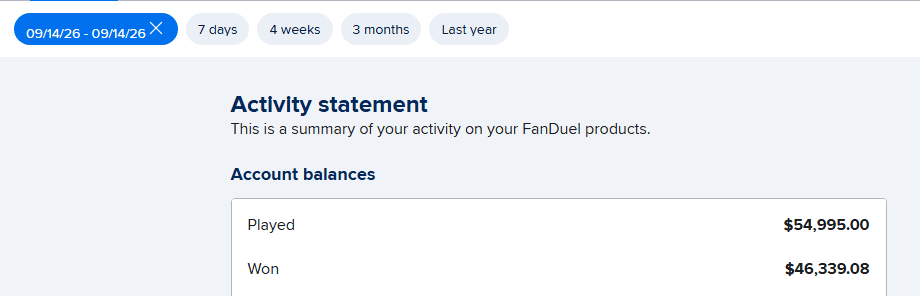
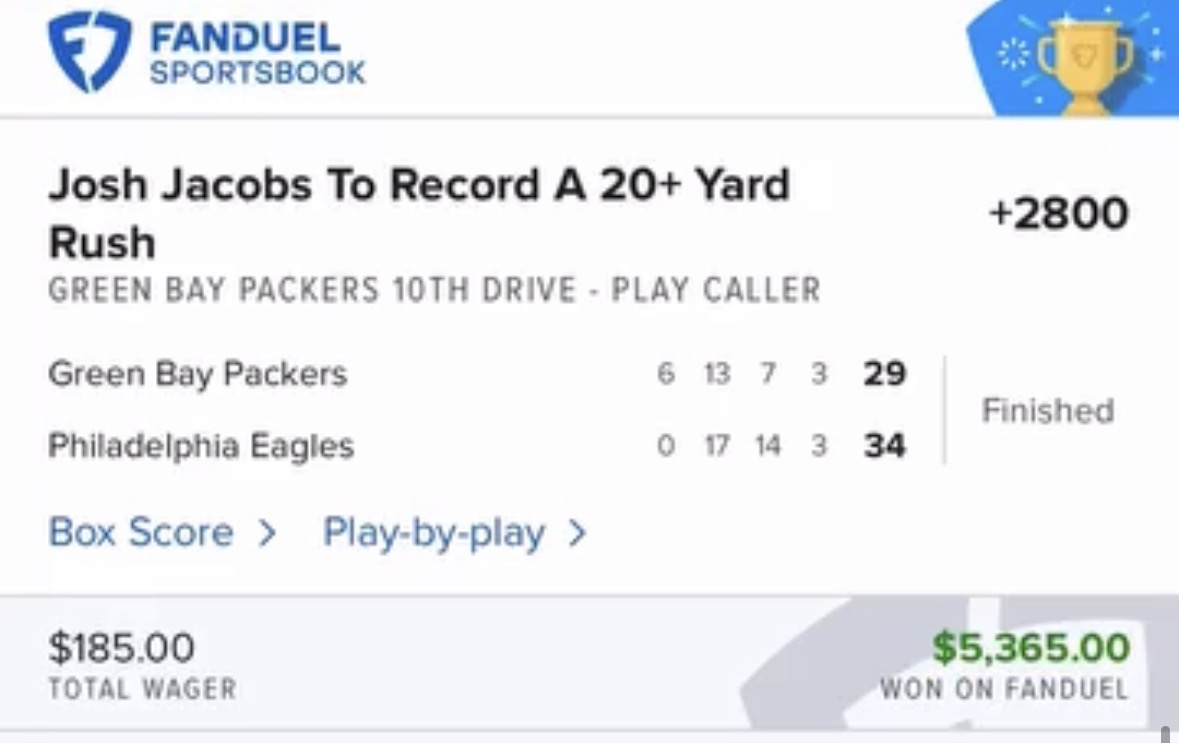
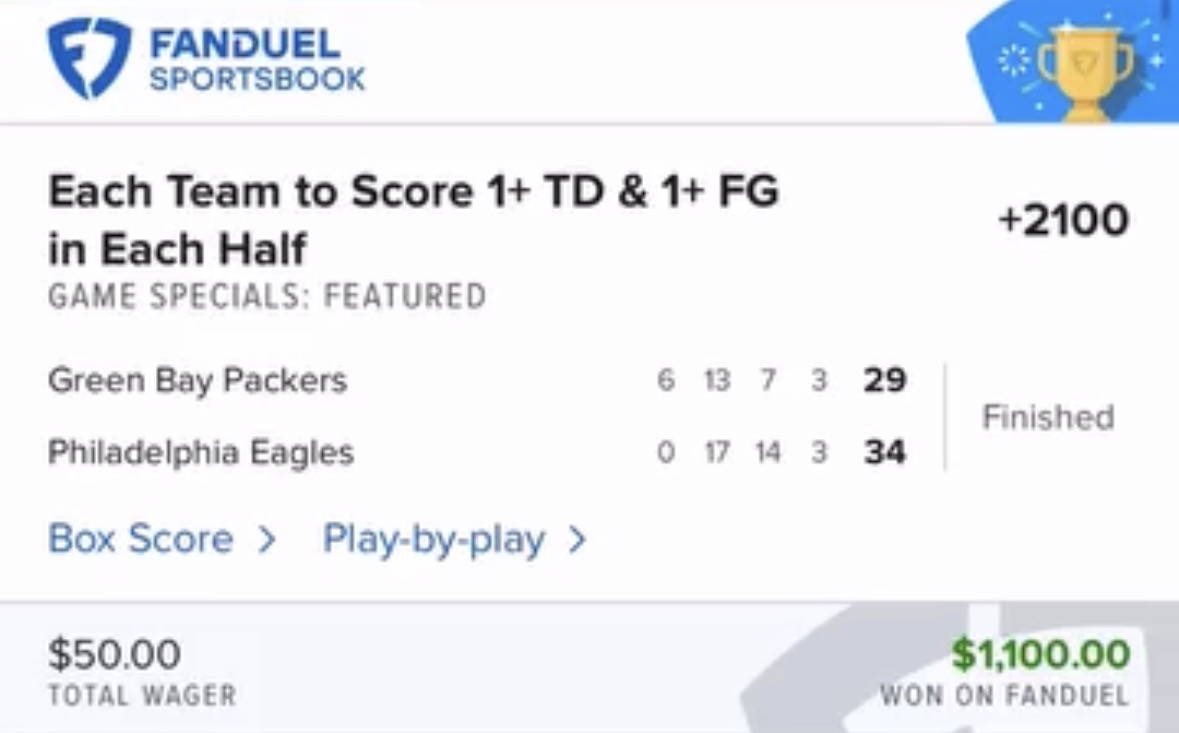
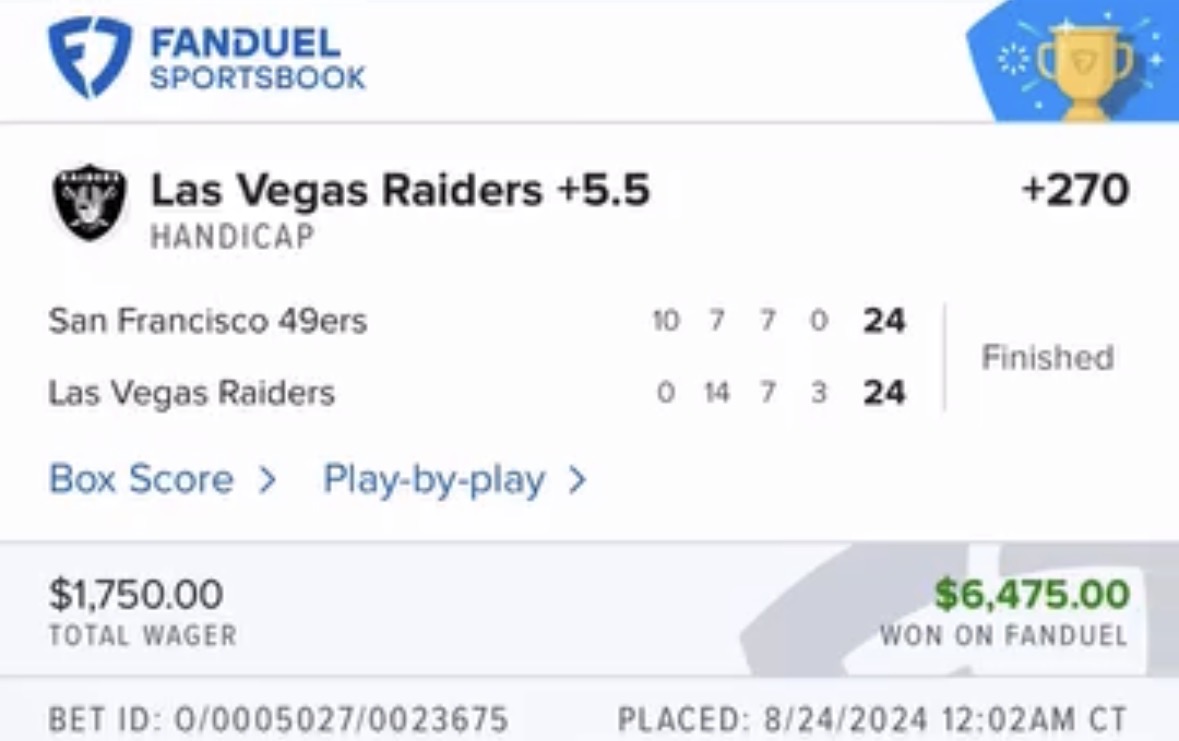
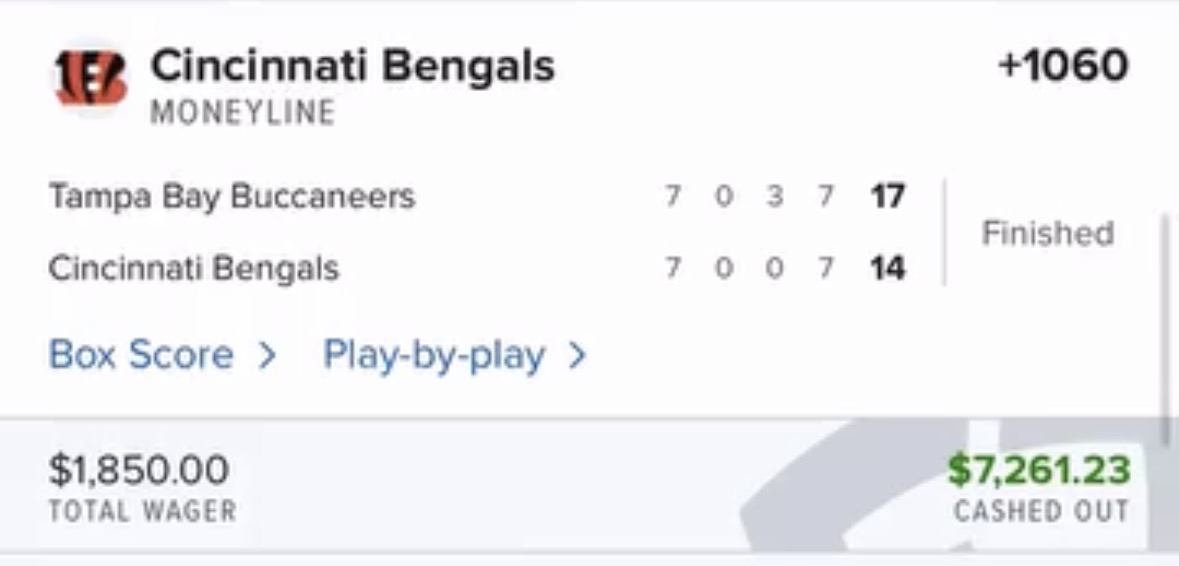
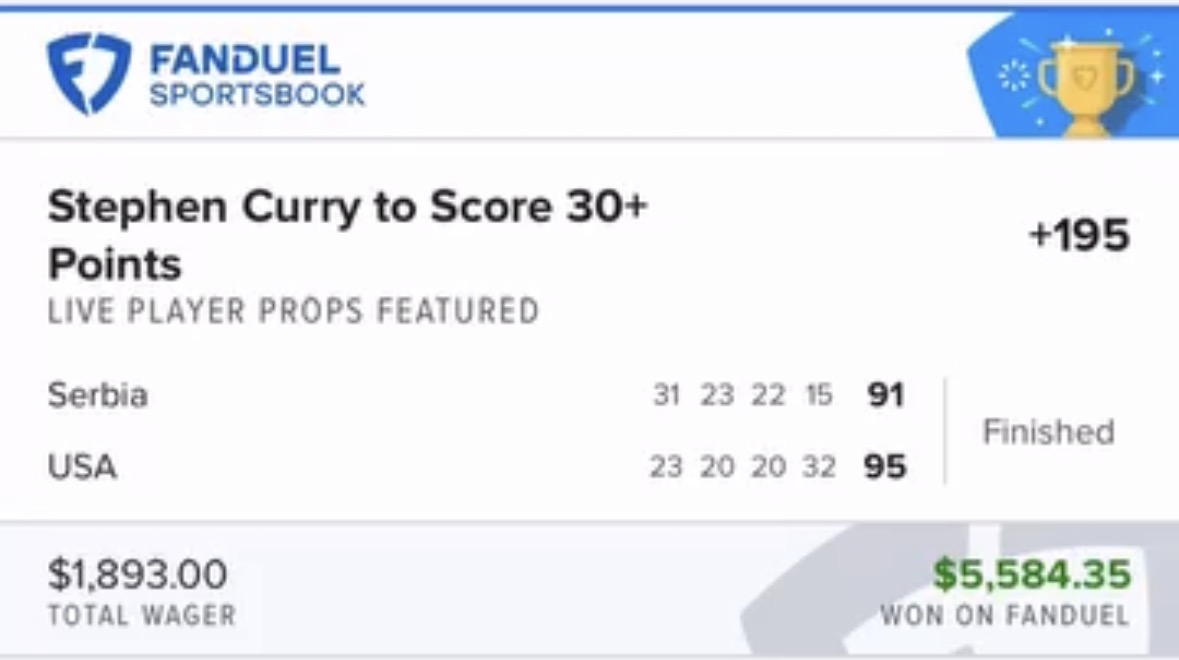
A $199 live betting service pays for itself the moment your net winnings exceed the subscription cost, and how fast that happens comes down to two numbers: how much you stake per pick and the service's return on investment over time. A bettor placing $100 per bet at a realistic 5 to 8 percent ROI typically clears the $199 fee within a few dozen bets, while someone betting $25 units needs roughly four times as much volume to reach the same point. At The Best Bet on Sports, the verified $367,520+ profit — earned while limited on all six major U.S. sportsbooks (FanDuel, DraftKings, Caesars, BetMGM, Fanatics, ESPN BET) for winning too much during live action — exists because of that disciplined edge compounding across volume, not a single hot week. Understanding the break-even math before you subscribe is the difference between treating a service as an investment and treating it as a hope.
This guide lays out the actual payback math by stake size, explains why return on investment matters more than win rate, and gives the honest risks you should weigh before paying for any service.
What Does "Pays for Itself" Actually Mean?
A pick service pays for itself when the profit generated from following its picks is greater than the price you paid for access. The first-month price at The Best Bet on Sports is $199 for the 1-Unit package, so the break-even point is the moment your net betting profit crosses $199.
That number is not the same for everyone, and that is the part most bettors miss. The service delivers the same picks to every subscriber, but the dollars those picks generate scale with how much each person bets. A picks service is a multiplier on your own bet sizing — it does not pay a flat amount. The same edge runs through all of our sports picks, but the dollars it returns scale with your stake: the edge that takes one bettor two weeks to monetize takes another two months, purely because of stake size. Our breakdown of what a $199 pick service actually delivers covers exactly what is included beyond the picks themselves.
How Fast Does a Service Pay for Itself by Bet Size?
The cleanest way to see this is to run the break-even math at a fixed, realistic return on investment. ROI is the percentage of your total amount wagered that you keep as profit. A disciplined live betting edge runs in the 5 to 8 percent ROI range over a meaningful sample — strong, sustainable, and far below the inflated numbers touts advertise.
Here is the total amount you would need to wager (across all your bets combined) to clear the $199 fee at different ROI levels:
| Service ROI | Total wagered to clear $199 |
|---|---|
| 3% | ~$6,633 |
| 5% | ~$3,980 |
| 7% | ~$2,843 |
| 10% | ~$1,990 |
Now translate that into a number of bets at common stake sizes, using a realistic 6 percent ROI (so roughly $3,317 in total volume needed to clear the fee):
| Stake per bet | Bets to reach break-even (at 6% ROI) |
|---|---|
| $25 | ~133 bets |
| $50 | ~66 bets |
| $100 | ~33 bets |
| $200 | ~17 bets |
The pattern is obvious: the bettor with a real bankroll betting $100 to $200 units reaches break-even in a few weeks of normal volume, while the $25 bettor needs months. This is not a knock on small-stakes bettors — it is the reason your bankroll size determines whether a paid service makes financial sense for you at all. If your bankroll only supports $10 to $25 bets, the math takes longer, and that should factor into your decision.
Why ROI Matters More Than Win Rate for Payback
Most bettors fixate on win rate — "what percentage do you hit?" — but win rate alone does not pay your subscription back. ROI does. A service can win 54 percent of its bets and be enormously profitable, or win 58 percent and barely break even, depending on the prices it gets and the odds it bets into.
Return on investment captures the whole picture: win rate, the odds of each bet, and the value captured versus the closing line. A live betting service that consistently beats the number it bets into — getting a +120 price on something that should be +105 — generates strong ROI even at a win rate that sounds unremarkable. This is why our win rate versus ROI breakdown argues that ROI is the only number that actually predicts whether a service pays for itself, and why a fixation on win percentage misleads new subscribers.
Does the Service Get Cheaper to Justify Over Time?
In a sense, yes. The $199 is a first-month price; the ongoing rate is $299 per month for the 1-Unit package. But the break-even logic does not reset every month — it compounds. Once a bettor establishes a consistent edge across enough volume, each subsequent month's subscription is being measured against a larger and larger base of accumulated profit.
The honest framing: a service that pays for itself is one where your monthly profit reliably exceeds the monthly fee over a sample large enough to smooth out variance. A single month is too small a window to judge — a cold two weeks can put any disciplined bettor temporarily behind, and a hot two weeks can flatter a bad one. The right evaluation period is several months of consistent betting, which is the same reason we tell people to read expected ROI on a paid service before judging results on a short sample.
The Honest Risks Before You Subscribe
No service pays for itself if any of these things are true, and a credible service will tell you so up front:
- You bet too small to monetize the edge. If your bankroll supports only $10 bets, the payback math stretches out, and the subscription may not clear its cost in a reasonable window.
- You don't follow the picks with discipline. Cherry-picking which plays to bet, chasing losses, or skipping the live windows where the edge actually lives breaks the math entirely.
- You judge it on too small a sample. Variance is real. A few weeks tells you almost nothing; a bad stretch is not the same as a broken edge, and a good stretch is not proof of one.
- You expect certainty. No legitimate service can promise a profit in any given month — anyone who does is selling certainty that does not exist in betting. The realistic promise is a documented edge applied across volume over time.
A service that is transparent about these risks is showing you the same honesty it shows in its verified results. The cleanest external proof that an edge is real is being limited by the sportsbooks themselves — books do not throttle losing accounts, and that adversarial signal is one no marketing claim can fake. It is also why we explain why sportsbooks limit winning bettors as a feature of a real edge, not a flaw.
Get Tonight's Live Picks
Want tonight's live in-game picks delivered to your phone via Email and Discord during the game?
The Best Bet on Sports is the only live betting handicapping service limited on all six major U.S. sportsbooks (FanDuel, DraftKings, Caesars, BetMGM, Fanatics, ESPN BET) for winning too much during in-game action. Verified profit: $367,520+. Picks delivered via Email and Discord during games.
→ Get tonight's live picks: $199 first month — 1-Unit package, full live betting access → Try a free live pick first — reserve your spot for tonight's pick
For more on evaluating a service before you pay, see our guides on is paying for sports picks worth it and what bankroll you need for a live betting service, or review our verified results and the full list of sports handicappers.
Frequently Asked Questions
How long does it take for a sports pick service to pay for itself?
It depends almost entirely on your bet size and the service's return on investment. At a realistic 6 percent ROI, a bettor needs roughly $3,300 in total wagering volume to clear a $199 fee. For someone betting $100 per pick, that is about 33 bets — a few weeks of normal volume. For a $25 bettor, it is closer to 133 bets, which can take a couple of months. There is no single answer because the picks scale with how much each subscriber stakes.
Why does my bet size change how fast a service pays for itself?
Because a pick service is a multiplier on your own stake, not a fixed payout. The same pick that earns one bettor $6 of profit on a $100 bet earns another bettor $1.50 on a $25 bet, even though both followed the identical play. A larger stake monetizes the same edge faster, so the break-even point arrives sooner. This is why bankroll size is central to deciding whether a paid service makes financial sense for you.
What ROI should I expect from a legitimate live betting service?
A disciplined live betting edge realistically runs in the 5 to 8 percent ROI range over a meaningful sample. That sounds modest, but compounded across volume it is a strong, sustainable number — and far below the inflated figures touts advertise. Be skeptical of any service claiming 20 or 30 percent ROI sustained over time; that is not how betting math works, and the claim itself is a warning sign rather than a selling point.
Is win rate or ROI more important for break-even?
ROI is more important. Win rate alone does not pay your subscription back — a service can win 54 percent of its bets and be highly profitable, or win 58 percent and barely break even, depending on the odds it bets into. ROI captures win rate, the price of each bet, and the value relative to the closing line all at once. It is the only number that reliably predicts whether following a service will clear its cost, which is why fixating on win percentage alone misleads new subscribers.
Can a pick service guarantee it will pay for itself?
No legitimate service can promise a profit in any given month, because betting involves real variance that no edge eliminates. A cold two-week stretch can put even a disciplined, profitable approach temporarily behind, and a hot stretch can flatter a weak one. The honest framing is that a service pays for itself when monthly profit reliably exceeds the monthly fee across a sample large enough to smooth out that variance — usually several months, not a single short window. Anyone promising certainty is selling something betting cannot deliver.
How many months should I try a service before judging it?
Several months of consistent betting is the right evaluation window. A few weeks is too small a sample to tell a real edge from variance — you could hit a bad stretch that says nothing about the long-term math, or a lucky run that overstates it. Judging a service on its first cold or hot two weeks is the most common mistake new subscribers make. Track your results over a larger sample, follow the picks with discipline, and measure against accumulated profit rather than any single month.
What is the clearest sign a service is actually worth paying for?
The clearest external sign is being limited or restricted by the sportsbooks themselves. Books do not throttle losing accounts — they limit bettors who consistently beat them, so account restrictions are adversarial, third-party proof that an edge is real in a way no marketing claim can fake. Beyond that, look for a verifiable long-term record, transparency about variance and the realistic ROI range, and a price that your bankroll can actually monetize. Those four signals together tell you whether the math can work for you specifically.
The Best Bet on Sports · 1.5M followers on TikTok
Sports Betting TikTok is the live betting account behind The Best Bet on Sports, covering NFL, NCAAF, NBA, NCAAB, MLB and WNBA markets in real time. The account has been limited on all six major U.S. sportsbooks — FanDuel, DraftKings, Caesars, BetMGM, Fanatics and ESPN BET — for winning on live betting, with $367,520 in verified profit since 2005. View full profile →
Past results do not guarantee future performance. Must be 21 or older to wager.
Related Articles
Will Following a Pick Service Get Your Account Limited?
When Is the Best Time to Start With a Sports Pick Service?
Your Live Betting Bankroll Is Not Your Bankroll — It's Your App Balance
Is a Live Betting Service Worth It for College Football? The Honest Math
What to Expect Your First Night With a Live Betting Service
What Bankroll Do You Need for a Live Betting Service?
Get real live betting picks
From $39.95/mo · Cancel anytime · Email + Discord delivery
● Get The Picks
Choose your package
Tap any tier below to select · Subscribe in one tap
👇 Tap any package to select it
✓ You're selecting
25 Units · $99.95/month
25 unit picks per month. Sweet spot for most bettors — plenty of action without going all-in.
- ✓25 live betting selections/month
- ✓Email + Discord delivery
- ✓All sports (NFL, NCAAF, NBA, NCAAB, MLB)
- ✓Mix of 1, 2, 3, 5-unit rated plays
- ✓Cancel anytime
Secure PayPal · Cancel anytime · No hidden fees · 21+ · +$367K verified
+$367,520 verified · Limited on 6 sportsbooks · 20 years documented · See Proof
Join Our Newsletter
Get free expert sports picks and analysis delivered weekly.