Win Rate vs ROI: The One Number That Actually Tells You If a Pick Service Wins

Win rate is the number pick services advertise; ROI and verified profit are the numbers that actually pay you. A service can post a 60% win rate and still lose money by winning on short favorites and losing on dogs, while a 53% service that bets value crushes it. The number that cannot be faked is verified profit across real, limited accounts. Here is how to read a pick service's record so a marketing stat never separates you from $199.
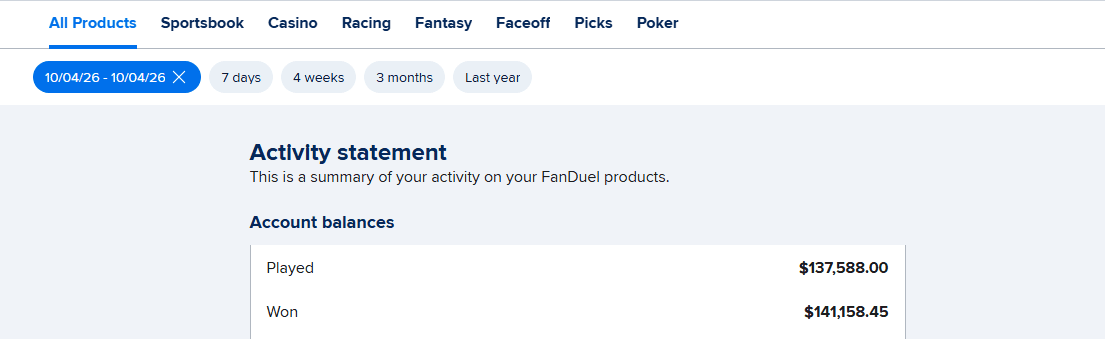
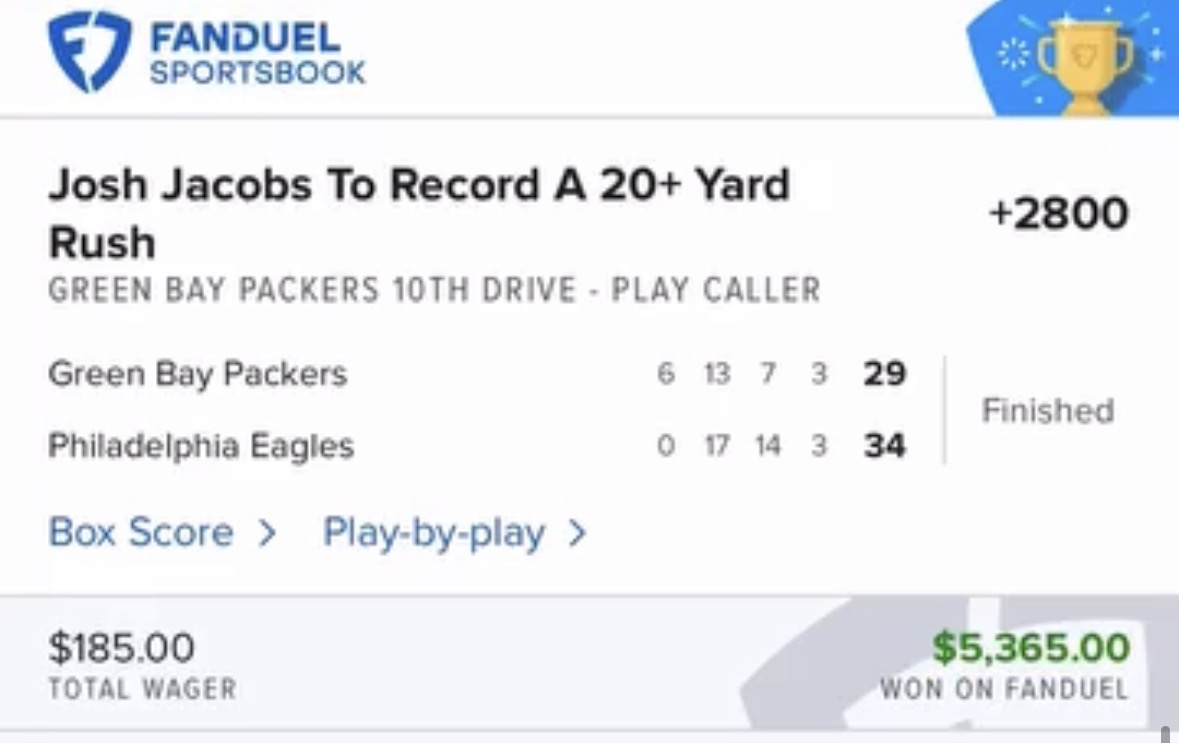
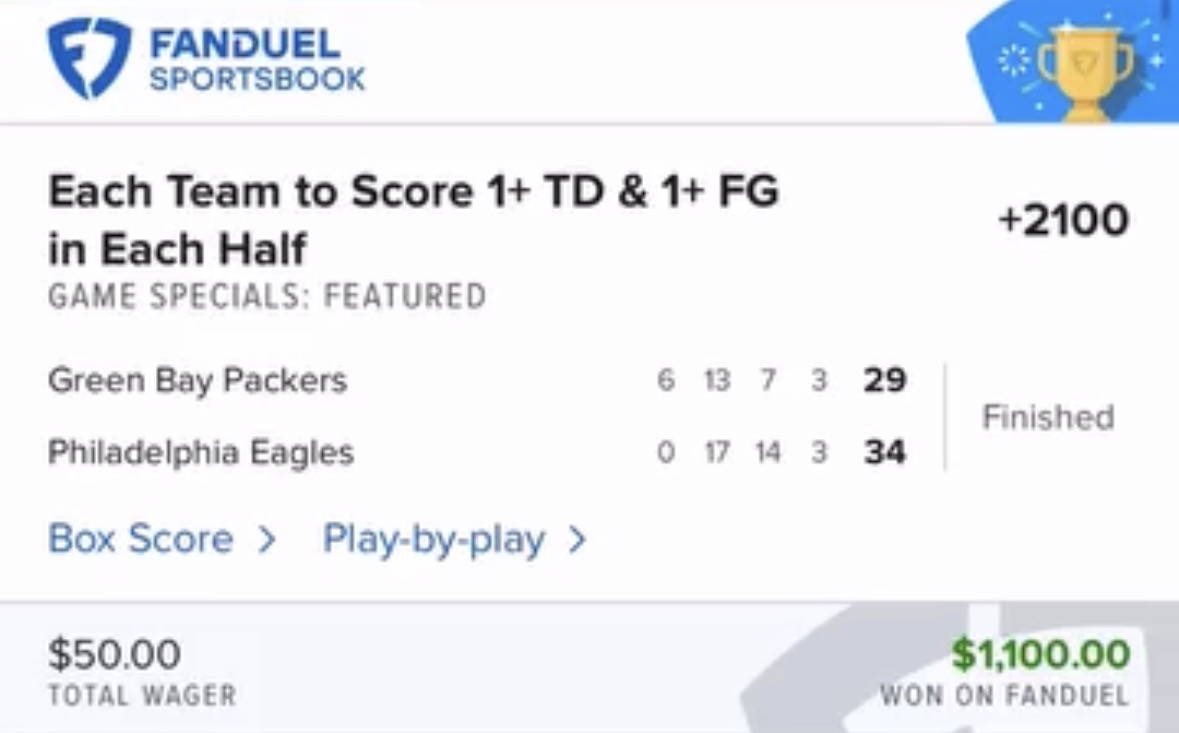
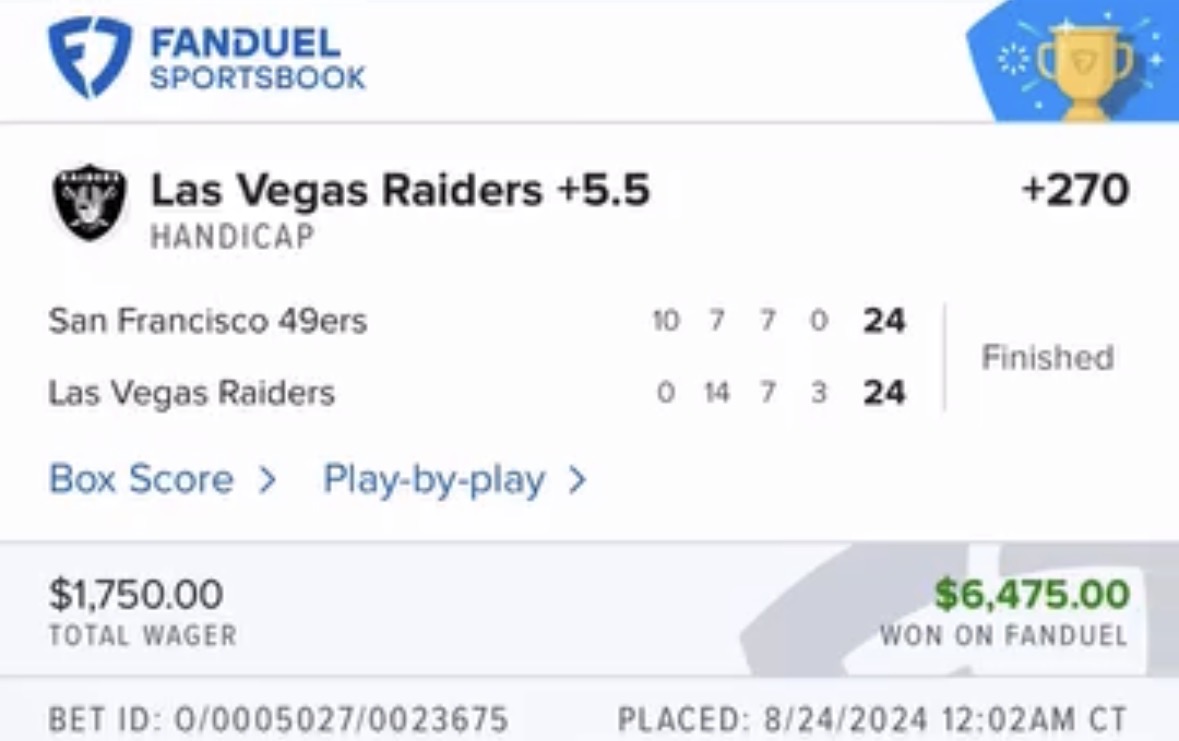
Win rate is the number pick services advertise; ROI and verified profit are the numbers that actually put money in your pocket. A service can post a flashy 60% win rate and still be a net loser — if those wins come on -250 favorites and the losses come on +180 dogs, the math drains your bankroll no matter how good the win percentage looks. Meanwhile a service hitting 53% on real value can be wildly profitable, because in a world of -110 lines you only need to clear 52.4% to win. The single number that cannot be inflated, cherry-picked, or screenshotted out of context is verified profit across real, limited accounts — which is the exact standard The Best Bet on Sports holds itself to: a documented $367,520+ profit over more than twenty years, earned while operating limited on all six major U.S. sportsbooks (FanDuel, DraftKings, Caesars, BetMGM, Fanatics, ESPN BET) for winning too much during live betting. Before you hand any service $199, you need to know which number to trust — because the one they put in the ad is almost never the one that matters.
Every pick seller leads with win rate. "68% winners!" "Hit 14 of our last 18!" It is the most marketed and least meaningful statistic in the entire industry, and the reason is simple: win rate is trivially easy to inflate and tells you nothing about whether the picks made money. This guide breaks down what each number actually means, why win rate lies, and the one credential a service cannot fake.
Why Win Rate Lies
Win rate measures how often a service's picks win. It does not measure how much those wins pay or how much the losses cost. Those are completely different questions, and the gap between them is where bettors get fleeced.
Consider two services over 100 picks:
| Service A | Service B | |
|---|---|---|
| Win rate | 60% (60-40) | 53% (53-47) |
| Average odds on wins | -250 favorites | -110 to +130 value |
| Average odds on losses | +160 dogs | -110 |
| Net result (flat $100 units) | -$1,400 (loser) | +$1,420 (winner) |
Service A wins more often and loses money. Service B wins less often and makes money. Win rate told you the exact opposite of the truth. This is not a hypothetical — it is the single most common way pick services manufacture an impressive-looking record. Bet enough heavy favorites and your win rate climbs while your bankroll bleeds, because one upset wipes out three or four winners.
The math floor that matters: at standard -110 odds, break-even is 52.4%. Anything a service tells you above that is meaningless without the prices attached. A 56% win rate on +120 dogs is elite. A 64% win rate on -300 favorites is a slow bankroll death. The percentage alone is noise.
ROI: The Number That Actually Measures Winning
Return on investment measures profit relative to total amount wagered. A service that risks $100,000 across a season and finishes $7,000 ahead has a 7% ROI — and in sports betting, a sustained ROI of 3-5% is genuinely excellent, while 7-10% is exceptional. ROI captures what win rate ignores: the prices. It rewards a service for winning at value and punishes it for grinding out short favorites.
When you evaluate a pick service, ROI is a far better question than win rate. "What is your documented ROI over the last full season?" exposes more than any win-percentage claim. But ROI has a weakness too — it is only as honest as the record behind it, and records can be edited. Which brings us to the number that cannot be.
For the deeper version of this, see how to read a sports betting track record and the expected ROI of a paid pick service.
The One Credential That Cannot Be Faked: Verified Profit on Limited Accounts
Win rate can be cherry-picked. ROI can be back-calculated from a curated record. But there is one thing no pretend-handicapper can manufacture: getting limited by the sportsbooks for winning too much.
Sportsbooks are ruthless about this. When an account wins consistently, the book cuts its limits — sometimes to a few dollars a bet — to stop the bleeding. It is the single most reliable signal in the entire industry, because the books have every financial incentive to identify and throttle winners, and zero incentive to limit losers. A losing bettor can bet whatever they want forever. A winning bettor gets capped.
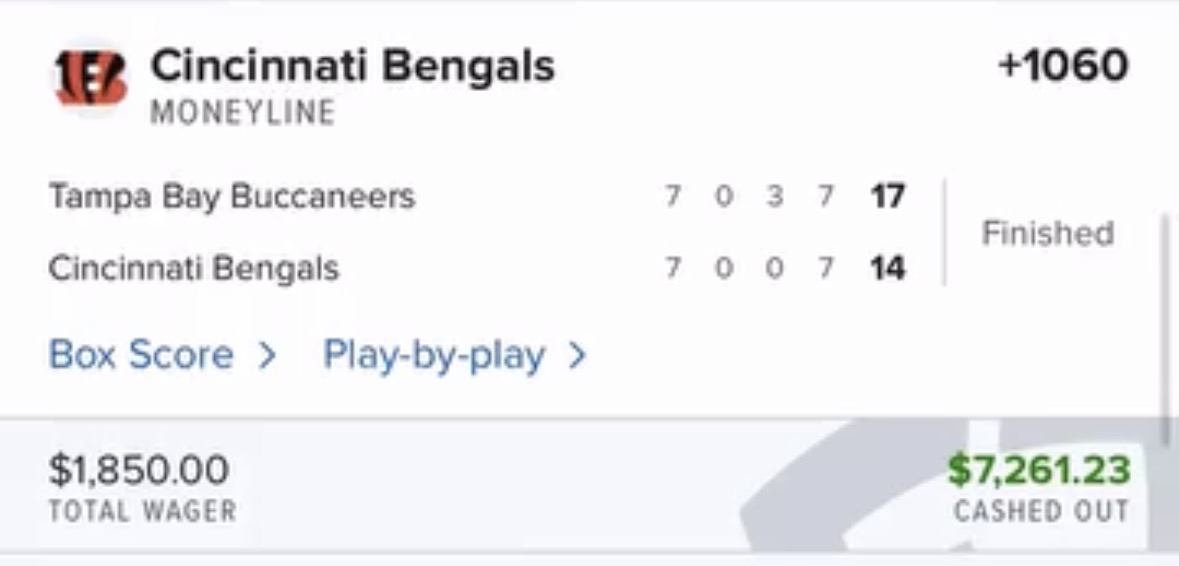
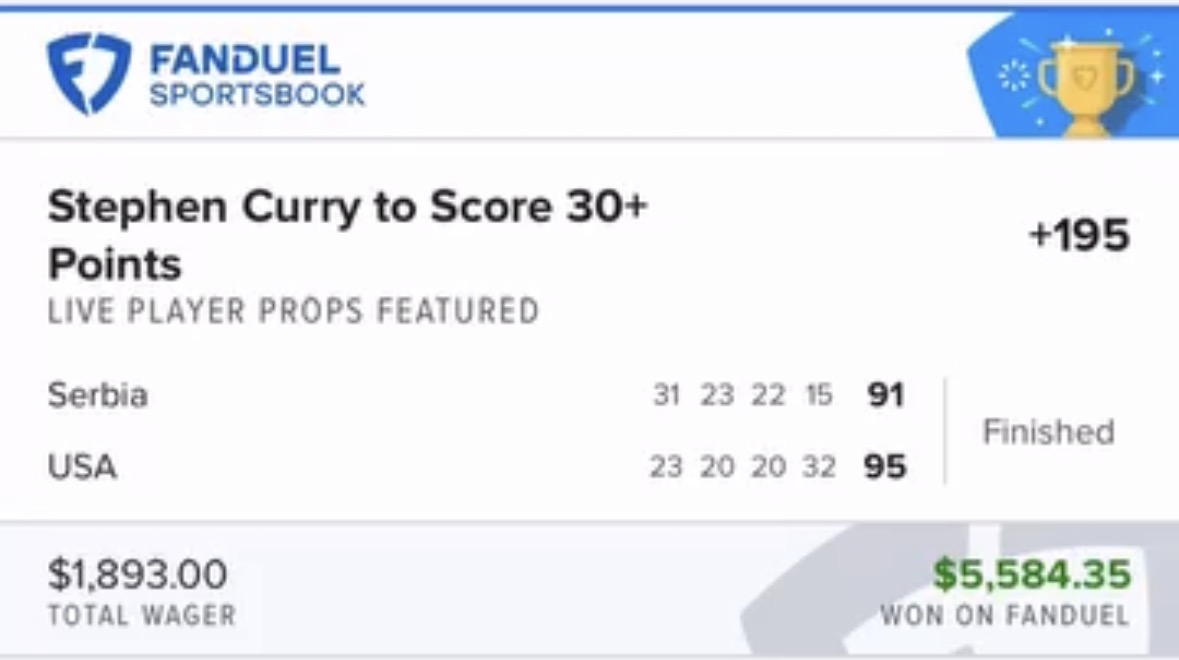
So when a service is limited on all six major U.S. sportsbooks, that is not a marketing claim — it is the sportsbooks themselves certifying, with their own money, that this operation wins. You cannot fake it, buy it, or screenshot your way into it. The books did the verification for you. That is the standard behind The Best Bet on Sports' $367,520+ documented profit: not a win-rate banner, but two decades of real money won across real, throttled accounts — laid out bet by bet on our public verified results page. The same standard sits behind our daily sports picks on every tier. For the full explanation, read why a limited service is worth paying for and why sportsbooks limit winning bettors.
The Three Numbers, Ranked
Here is how to weight the numbers when you are vetting any pick service:
| Rank | Number | What It Proves | How Fakeable |
|---|---|---|---|
| 1 | Verified profit on limited accounts | The books themselves confirm the service wins | Cannot be faked |
| 2 | Documented ROI over a full season | Wins came at value, not just on favorites | Hard to fake if records are open |
| 3 | Closing line value (CLV) | Picks consistently beat the closing number | Hard to fake, rarely disclosed |
| 4 | Win rate | How often picks win — nothing about price | Trivially easy to inflate |
Apply the same lens when comparing any team of sports handicappers: if a service leads with win rate and goes quiet when you ask about ROI, profit, or whether they have been limited, you have your answer. The number they hide is the number that matters. See how to choose a live betting service and our sports picks service red flags checklist for the full vetting process.
What This Means Before You Spend $199
The pitch that gets people to pay is almost always a win-rate number, because it is the easiest stat to dress up and the hardest for a buyer to verify. Flip your evaluation: ignore the win rate, ask for documented profit and ROI, and check whether the operation has actually been limited by the books. A service that can show real money won across real throttled accounts has cleared a bar that no marketing department can manufacture. For what your money actually buys at that standard, read what a $199 pick service delivers.
That same logic carries over to how much you can realistically make sports betting, which covers the adjacent setup in detail.
Get Tonight's Live Picks
Want tonight's live in-game picks delivered to your phone via Email and Discord during the game — from a service the sportsbooks themselves certified by limiting it?
The Best Bet on Sports is the only live betting handicapping service limited on all six major U.S. sportsbooks (FanDuel, DraftKings, Caesars, BetMGM, Fanatics, ESPN BET) for winning too much during in-game action. Verified profit: $367,520+. Picks delivered via Email and Discord during games.
→ Get tonight's live picks: $199 first month — 1-Unit package, full live betting access → Try a free live pick first — reserve your spot for tonight's pick
Frequently Asked Questions
Is win rate or ROI more important for a sports pick service?
ROI is far more important than win rate. Win rate only measures how often picks win, not how much the wins pay or the losses cost. A service can post a 60% win rate and still lose money by winning on heavy favorites and losing on underdogs, while a 53% service betting at value turns a profit because break-even at -110 odds is only 52.4%. ROI captures the prices that win rate ignores, which is why it actually measures winning.
What is a good ROI for a sports betting service?
A sustained ROI of 3-5% is genuinely excellent in sports betting, and 7-10% is exceptional and rare over a full season. Many bettors assume good services run 20%+ ROI, but that is not realistic across a large sample — the edges in efficient markets are thin. The key word is "sustained": a small positive ROI maintained over thousands of bets and a full season is far more meaningful than a huge short-term number off a small sample.
Why can a 60% win rate still lose money?
A 60% win rate loses money when the wins come at short odds and the losses come at long odds. If a service wins 60 bets at -250 (risking $250 to win $100) and loses 40 bets at +160 (losing $100 each), the wins return about $6,000 while the losses cost $4,000 on stake plus the price structure works against you — the net can be deeply negative. One upset on a -250 favorite wipes out the profit from multiple winners, so a high win rate built on favorites quietly drains a bankroll.
What does it mean when a service is limited by sportsbooks?
When a sportsbook limits an account, it restricts how much that account can bet — sometimes to just a few dollars per wager — because the account has been winning consistently. Books limit winners and never limit losers, so being limited is the most reliable proof that an operation actually wins. It is a credential the sportsbooks certify with their own money, which is why it cannot be faked, bought, or manufactured the way a win-rate banner can.
How can I verify a pick service's record before paying?
Ask for documented profit and ROI over a full season rather than a win-rate claim, and ask directly whether the service has been limited by the major sportsbooks. Look for closing line value disclosure, which shows picks consistently beat the closing number. If a service leads with win rate and goes quiet when you ask about profit, ROI, or limits, treat that silence as the answer — the number they avoid is usually the number that matters.
What is closing line value and why does it matter?
Closing line value (CLV) measures whether a pick beat the line at which the market eventually closed — for example, taking a team at +4 that closes at +2. Consistently beating the closing number is the strongest leading indicator of long-term profitability, because the closing line is the market's sharpest price. A service that regularly produces positive CLV is demonstrating a real edge, and it is difficult to fake because it requires the timestamped bet to predate the line move.
Why does The Best Bet on Sports lead with verified profit instead of win rate?
The Best Bet on Sports leads with a documented $367,520+ profit and the fact that it is limited on all six major U.S. sportsbooks because those are the credentials that cannot be inflated. Win rate is the industry's most marketed and least meaningful statistic, easy to dress up by stacking short favorites. Verified profit across real, throttled accounts is the sportsbooks themselves certifying the operation wins — a far higher and more honest bar than any win-percentage banner.
The Best Bet on Sports · 1.5M followers on TikTok
Sports Betting TikTok is the live betting account behind The Best Bet on Sports, covering NFL, NCAAF, NBA, NCAAB, MLB and WNBA markets in real time. The account has been limited on all six major U.S. sportsbooks — FanDuel, DraftKings, Caesars, BetMGM, Fanatics and ESPN BET — for winning on live betting, with $367,520 in verified profit since 2005. View full profile →
Past results do not guarantee future performance. Must be 21 or older to wager.
Related Articles
Expert Sports Picks vs. the Nine-Leg Ticket Boom
NCAA Football Picks: The Injury Report You Might Not Get
Does a Pick Service Stop You From Learning to Bet?
Your Sportsbook's Bet History Is a Receipt, Not a Record
The 2026 Gambling Tax Change Makes Bet Volume Expensive
Can a Sportsbook Refuse to Pay You? What Actually Voids a Bet
Get real live betting picks
From $39.95/mo · Cancel anytime · Email + Discord delivery
● Get The Picks
Choose your package
Tap any tier below to select · Subscribe in one tap
👇 Tap any package to select it
✓ You're selecting
25 Units · $99.95/month
25 unit picks per month. Sweet spot for most bettors — plenty of action without going all-in.
- ✓25 live betting selections/month
- ✓Email + Discord delivery
- ✓All sports (NFL, NCAAF, NBA, NCAAB, MLB)
- ✓Mix of 1, 2, 3, 5-unit rated plays
- ✓Cancel anytime
Secure PayPal · Cancel anytime · No hidden fees · 21+ · +$367K verified
+$367,520 verified · Limited on 6 sportsbooks · 20 years documented · See Proof
Join Our Newsletter
Get free expert sports picks and analysis delivered weekly.