Why a Service That Gets Limited Is the Only Service Worth Paying For: The Counterintuitive Vetting Rule

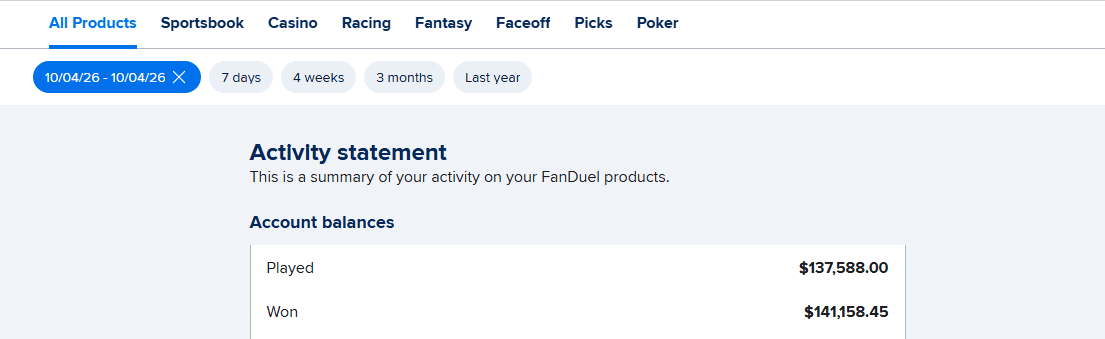
A sports picks service that gets limited by major sportsbooks is the only service worth paying for, because limit status is the cleanest external verification that the service is actually winning. Sportsbook account-limit decisions run off win-rate, closing-line value, and bet-sizing patterns — none of which a service can fake. A service that has never been limited has either never won or never bet large enough to matter.
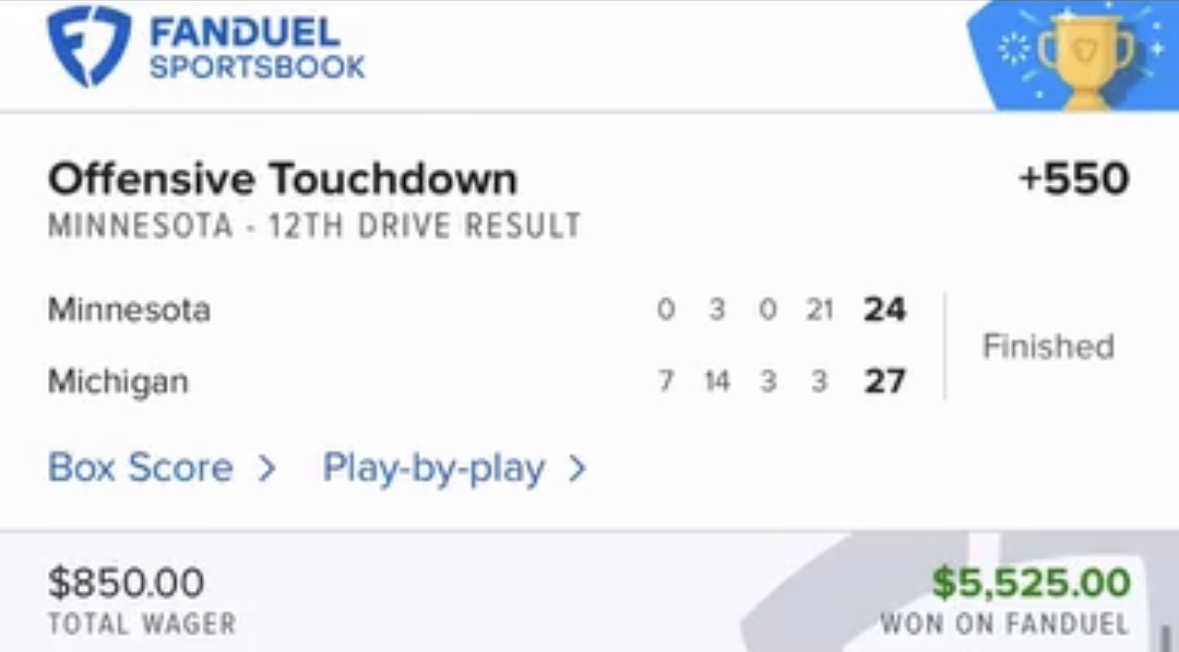
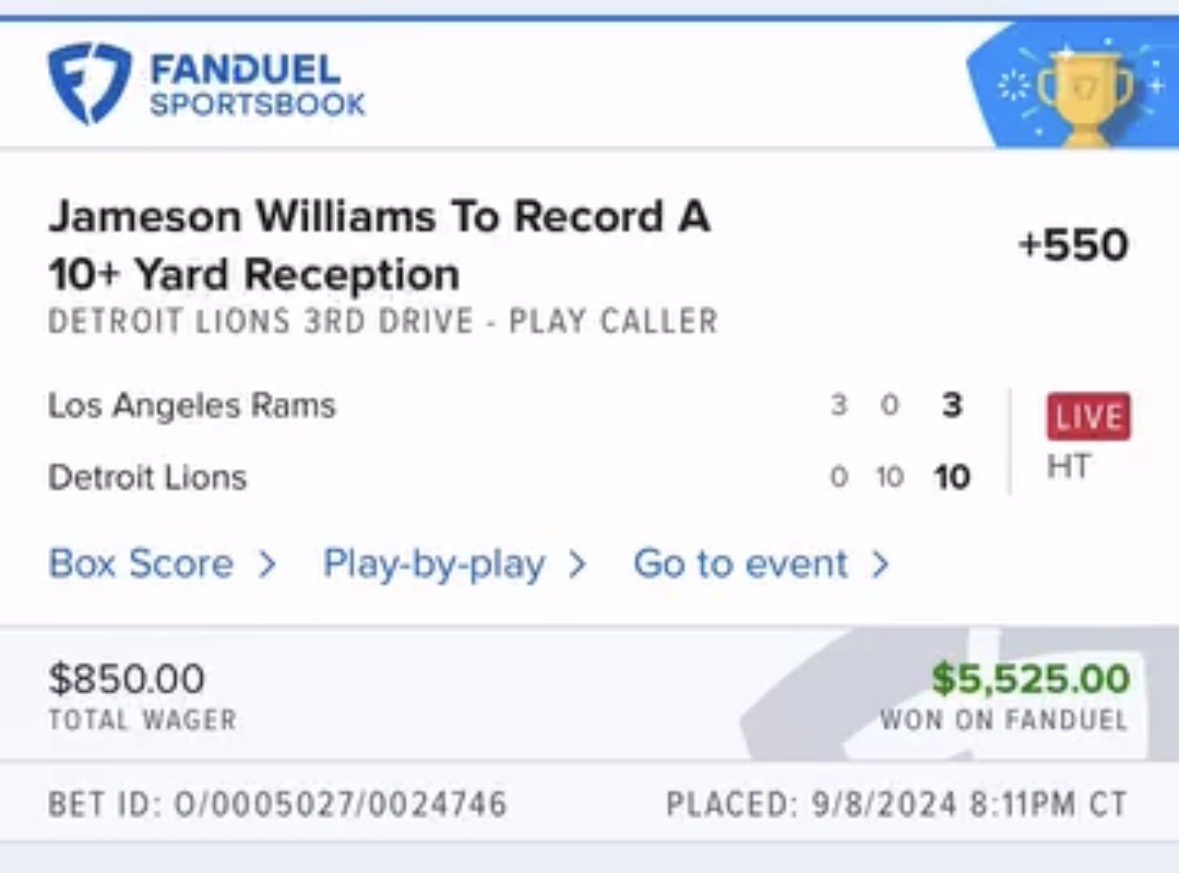
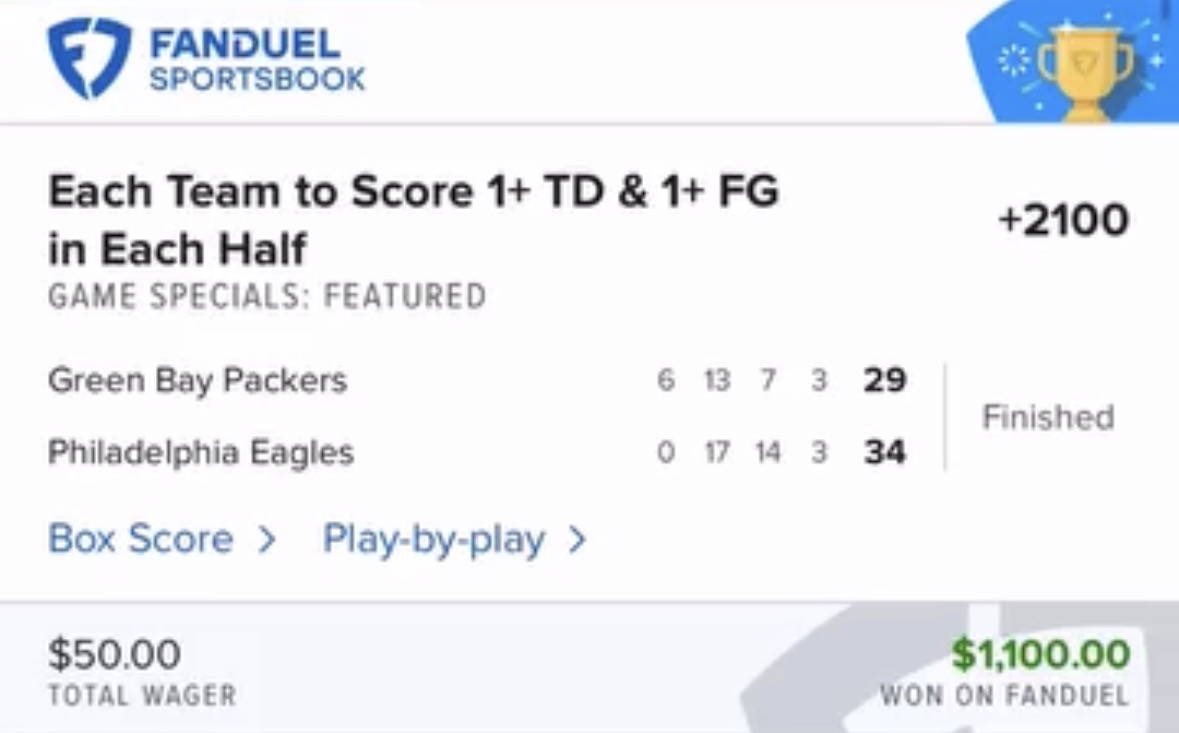
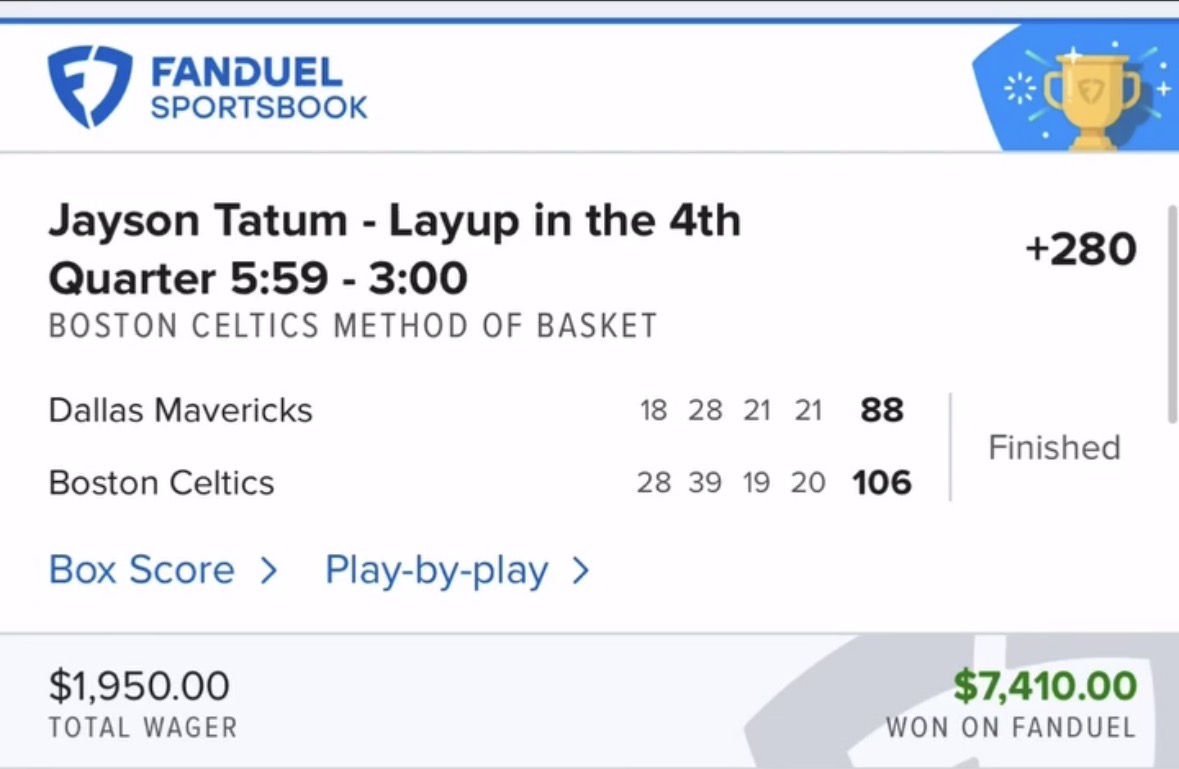
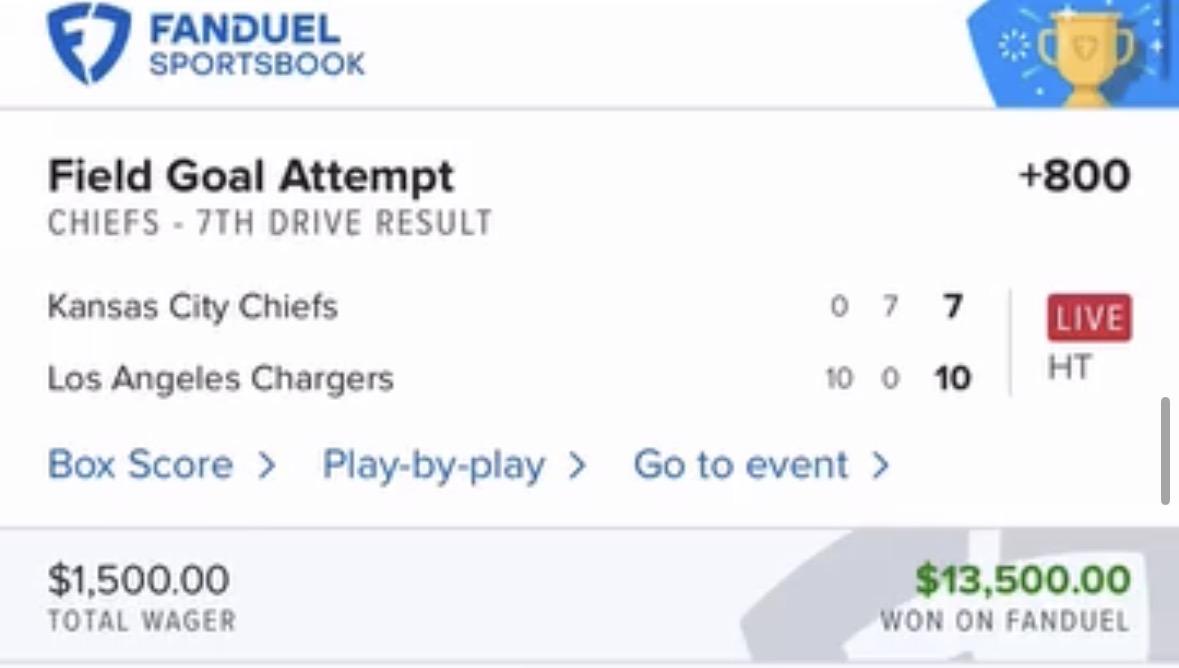
A sports picks service that gets limited by major sportsbooks is the only service worth paying for, because limit status is the cleanest external verification that the service is actually winning. Sportsbook account-limit decisions run off win-rate, closing-line value, and bet-sizing patterns — none of which a service can fake to a sportsbook risk management department. A service that has never been limited has either never won at meaningful volume or never bet large enough to matter, and either condition means the service is not delivering the structural edge a $199-per-month subscription is supposed to deliver. The counterintuitive vetting rule for prospective subscribers is to flip the conventional logic: instead of evaluating a service on testimonials, win-rate marketing, or screenshot collages, evaluate the service on whether the operator can demonstrate that the sportsbooks themselves have flagged the operator's accounts. The Best Bet on Sports has run live picks for more than twenty years, posted a verified $367,520+ in profit across all sportsbooks, and operates limited on all six major U.S. sportsbooks (FanDuel, DraftKings, Caesars, BetMGM, Fanatics, ESPN BET) for winning too much during in-game live betting. The reason this matters to prospective subscribers is that the limit status is the only external verification a sportsbook risk-management department issues — and risk-management departments do not issue limit decisions to losing accounts.
Most prospective subscribers vet sports picks services backwards. They start with the operator's own marketing — track record screenshots, testimonials, social-media post collages of winning tickets — and try to evaluate whether the operator is "legit" based on internal evidence. Internal evidence is fakeable. A track-record screenshot can be cropped, a testimonial can be solicited, a winning-ticket collage can omit the losing tickets that ran in parallel. The structurally correct vet runs in the opposite direction: start with external evidence the operator did not produce, and use the operator's own marketing only as supporting context.
The single highest-quality piece of external evidence is the limit status. A sportsbook risk-management department issues an account-limit decision when an account's behavior crosses a structural profitability threshold that the operator can no longer accept at the requested stake size. The threshold is a function of win-rate, closing-line value, and bet-sizing pattern — three measurements the sportsbook captures directly from the account's bet history. A limit decision is the sportsbook's own internal verdict that the account is too profitable to allow at the requested volume. That verdict is not fakeable, not solicitable, and not produced by the operator.
Why Sportsbooks Limit Winning Accounts (And Why That's the Vetting Signal)
Sportsbook risk-management departments operate on a profit-and-loss expected-value model across every account on the book. The risk department classifies each account into one of four buckets based on the account's expected long-run profitability:
| Account Bucket | EV to Sportsbook | Treatment |
|---|---|---|
| Recreational losing | +EV (operator profit) | Unlimited, often increased limits, promo offers |
| Recreational break-even | Near-zero EV | Unlimited, standard limits |
| Mild winning (<5% ROI) | -EV (operator loss) | Soft limits, occasional bonus throttling |
| Sharp winning (5%+ ROI) | Strongly -EV | Hard limits, partial bet acceptance, market-side limits |
The classification runs in the background on every account, updated after every settled bet. An account that has not been limited sits inside one of the top two buckets — the operator's models do not classify the account as -EV. The classification model is precise enough that the operator typically applies the first soft-limit action within 30 to 90 days of an account crossing the threshold, and applies the hard-limit action within 60 to 180 days.
The structural implication for prospective subscribers is direct: a picks service operating at the volume that makes a $199 monthly subscription worth paying for — meaning the service runs bets large enough across enough sportsbooks to generate ROI that compounds the subscription cost in the first month — will trip the account-limit threshold inside the first six months of operation. A service that has been operating for years without ever tripping the threshold is either betting too small to matter (which means the ROI claims do not scale to a real subscriber's bankroll) or losing across the long run (which means there is nothing to scale).
For more on why and how sportsbooks limit winning bettors, read why sportsbooks limit winning bettors or the sportsbook account stacking framework for live betting.
The Three Types of Limit and What Each Proves
Not all limit decisions are equivalent in vetting weight. A risk-management department issues three distinct categories of limit, and each one proves a different thing about the underlying account:
Type 1: Soft Limit (Bet-Size Throttling)
A soft limit reduces the maximum stake the account can place on a given market. Pre-limit the account could place $500 on an NBA spread; post-limit the account can place $150 on the same market. The soft limit proves the account has crossed the operator's "watch list" threshold — the account is winning at a rate that the operator's models flag, but not at a rate that justifies a hard limit yet. A service operating with multiple accounts under soft limits has been profitable enough to attract risk-department attention.
Type 2: Hard Limit (Market-Side Restriction)
A hard limit restricts the account from specific market categories. Pre-limit the account could bet alt-spreads, player props, live in-game markets, and parlays; post-limit the account is restricted from one or more of those categories entirely. The hard limit proves the account's profitability is concentrated in specific market categories that the operator can identify — meaning the account's edge is structural and the operator's models have pinpointed where the edge lives. A service operating with hard limits across multiple accounts on the same market category (live betting, for instance) has demonstrated a structural edge in that category.
Type 3: Closure / Account Restriction
The most severe category is an outright account closure or a near-zero bet acceptance level (the account can technically place bets but the operator caps each bet at $5 or $10). This proves the account is structurally a long-term losing proposition for the sportsbook, severe enough that the operator prefers no business to the business of accepting the account's bets at any meaningful stake. A service whose operators have multiple closed or near-zero-acceptance accounts across the six major books has demonstrated the strongest possible external verification of structural edge.
The Best Bet on Sports operates accounts in all three categories across FanDuel, DraftKings, Caesars, BetMGM, Fanatics, and ESPN BET. The verified $367,520+ in profit across the six books — documented in full on our public verified results page — was generated before, and continues to generate at, the throttled-bet-size and market-side-restriction limit levels each account has reached. That same record sits behind our daily live sports picks.
What "Never Limited" Actually Means (And Why It's a Red Flag)
The conventional sports picks service marketing position is the opposite of the vetting rule above. Many services advertise that their account holders "have never been limited" — framing the absence of limits as a positive signal. The structurally correct read of that claim is the opposite. An account that has never been limited at meaningful volume sits in one of three conditions:
1. The account has never won at meaningful volume. Sportsbooks do not limit recreational accounts. If the account has been operating for years without a limit, the most likely explanation is that the account has not been profitable enough to flag. 2. The account bets at a stake size too small to matter. A service whose account holders bet $10 to $25 per bet will rarely trip a limit threshold even with a strong win rate, because the operator's EV-per-account at that stake size is negligible. The service may have positive ROI, but the ROI does not scale to a real subscriber's bankroll. 3. The account has been operating across so many separate sportsbooks that no single book sees enough volume to trigger a limit. This is the rarest of the three but does occur — a sharp bettor diversifying across 15+ books to spread volume can avoid limits at any single book for years. This condition is structurally fine but does not apply to a picks service whose subscriber base concentrates bets on the same picks across the same six major books.
The first two conditions are the structural red flags. A prospective subscriber evaluating a service that markets "never limited" should ask the operator to demonstrate the account-level bet volume and win rate that produced the "never limited" claim. If the operator cannot produce account-level evidence, the claim is structurally hollow.
For more on the structural cost of cheap picks services, read hidden costs of cheap sports picks services or the what a $199 pick service actually delivers breakdown.
The 5-Question Limit-Vetting Checklist
A prospective subscriber can run a 5-question vetting checklist against any sports picks service before subscribing. The checklist takes 15 minutes and produces a structural read on whether the service has the external verification that justifies the subscription cost.
| # | Question | What a "Yes" Answer Proves |
|---|---|---|
| 1 | Can the operator name the sportsbooks where its accounts have been limited? | The operator has accounts in the major books at meaningful volume |
| 2 | Can the operator describe the limit categories (soft, hard, closure)? | The operator understands and can verify the limit structure |
| 3 | Can the operator provide screenshots of limit notifications? | The operator can produce external evidence the subscriber can verify |
| 4 | Can the operator describe the bet-sizing pattern that triggered the limits? | The operator's volume and stake size scale to a real subscriber's bankroll |
| 5 | Does the operator's marketing language match the limit reality? | The operator is not fabricating the limit status as a marketing line |
A service that answers "yes" to all five questions has demonstrated the strongest possible external verification of structural edge. A service that answers "no" to any of the five — or worse, deflects the question — has not. The same checklist is the lens to apply when vetting any team of sports handicappers before you pay.
How the Limit Verification Connects to the Subscription Cost
The structural reason limit status is the right vetting metric for the $199 monthly subscription price tier is that the subscription cost is calibrated against a specific ROI expectation. A subscriber paying $199 per month is implicitly subscribing to a service whose long-run ROI on a $5,000-bankroll subscriber base produces enough monthly profit to compound the subscription cost inside 30 to 60 days. That ROI level requires structural edge across the live betting market — not just a positive win rate, but a positive closing-line value differential across enough bets to be statistically significant.
A service producing that structural edge will trip sportsbook limit thresholds. The math is unavoidable. The sportsbook risk-management models are calibrated against the same ROI distribution the subscription tier is priced against. A service operating below the limit threshold is operating below the ROI threshold the subscription cost was designed to compound.
For the subscription-cost framework, read what to expect in your first 30 days with a live betting service or the are sports picks services worth it decision framework.
What Happens When a Service Gets Limited Across Every Major Book
The structural endpoint of a service operating at the ROI level the subscription tier is priced against is that every major sportsbook eventually limits every account associated with the service. That endpoint is not a failure mode — it is the proof point that the service has reached the structural edge level the subscription was designed to deliver.
The Best Bet on Sports has reached that endpoint across all six major U.S. sportsbooks. The operational response is to run picks through subscriber accounts that have not yet been limited — meaning the subscriber base captures the structural edge through their own (still-active) accounts while the operator's accounts sit at the throttled limit. The structural framework is the sportsbook account stacking framework, which extends the runway of the structural edge across the subscriber's own account distribution rather than the operator's.
A subscriber's account will not be limited inside the first 30 to 90 days of following the service's picks at recreational stake sizes. The structural runway across the four-account framework typically extends to 8 to 14 months before the subscriber's first soft limit, and 12 to 24 months before the first hard limit. That runway is the structural product the subscription is delivering — extended access to the structural edge through the subscriber's own bet distribution.
Get Tonight's Live Picks
Want tonight's live in-game picks delivered to your phone via Email and Discord during the game from the only live betting service limited across all six major U.S. sportsbooks?
The Best Bet on Sports is the only live betting handicapping service limited on all six major U.S. sportsbooks (FanDuel, DraftKings, Caesars, BetMGM, Fanatics, ESPN BET) for winning too much during in-game action. Verified profit: $367,520+. Picks delivered via Email and Discord during games.
→ Get tonight's live picks: $199 first month — 1-Unit package, full live betting access → Try a free live pick first — reserve your spot for tonight's pick
Frequently Asked Questions
Why is being limited by sportsbooks a good thing for a picks service?
Being limited by sportsbooks is the cleanest external verification that the service is actually winning. Sportsbook risk-management departments issue limit decisions only when an account's win rate, closing-line value, and bet-sizing pattern cross a structural profitability threshold the operator can no longer accept. The limit decision is the sportsbook's own internal verdict that the account is too profitable to allow at the requested volume — a verdict that is not fakeable, not solicitable, and not produced by the picks service itself.
What are the three types of sportsbook limits?
The three types are soft limits, hard limits, and closures. A soft limit reduces the maximum stake the account can place on a given market — pre-limit $500 on an NBA spread becomes $150 post-limit. A hard limit restricts the account from specific market categories entirely — the account loses access to alt-spreads, player props, live in-game markets, or parlays. A closure is the most severe category — an outright account closure or near-zero bet acceptance where every bet is capped at $5 or $10.
Why is "never limited" a red flag for a picks service?
A service that has never had an account limited sits in one of three conditions: the accounts have never won at meaningful volume, the accounts bet at stake sizes too small to matter, or the accounts diversify across 15+ books spreading volume too thin to trigger any single book's threshold. The first two conditions are the structural red flags — they mean the service either is not profitable enough to flag or is not scaling to real subscriber bankroll sizes. The third condition is rare and does not apply to a picks service whose subscriber base concentrates bets on the same picks across the same six major books.
Can a picks service fake the limit status?
A picks service cannot fake the limit status because limit decisions are issued by the sportsbook's own risk-management department and produce verifiable account-side artifacts — limit notifications, throttled bet acceptance on specific markets, and account-history records the sportsbook will confirm if a subscriber asks. A prospective subscriber can ask the operator to demonstrate the limit notifications, describe the bet-sizing pattern that triggered them, and name the sportsbooks across which the limits sit. A service that cannot produce that account-level evidence is fabricating the limit-status claim as marketing language.
How long does it take for a sportsbook to limit an account?
A sportsbook risk-management department typically applies the first soft-limit action within 30 to 90 days of an account crossing the profitability threshold, and applies the hard-limit action within 60 to 180 days. The threshold is a function of win rate, closing-line value, and bet-sizing pattern — three measurements the sportsbook captures directly from the account's bet history. A picks service operating at the ROI level the $199 subscription tier is priced against will trip the threshold inside the first six months of operation across multiple major books.
Does the subscriber's account get limited following a service's picks?
A subscriber's account will not be limited inside the first 30 to 90 days of following a service's picks at recreational stake sizes. The structural runway across the four-account stacking framework typically extends to 8 to 14 months before the subscriber's first soft limit, and 12 to 24 months before the first hard limit. The runway is the structural product the subscription is delivering — extended access to the structural edge through the subscriber's own bet distribution, rather than the operator's already-limited accounts.
How should I vet a picks service before subscribing?
Run the 5-question limit-vetting checklist. Ask the operator to name the sportsbooks where its accounts have been limited, describe the limit categories (soft, hard, closure), provide screenshots of limit notifications, describe the bet-sizing pattern that triggered the limits, and confirm whether the operator's marketing language matches the limit reality. A service answering "yes" to all five has demonstrated the strongest possible external verification of structural edge. A service deflecting any of the five has not — and the subscription cost is not justified against a service that cannot pass external verification.
The Best Bet on Sports · 1.5M followers on TikTok
Sports Betting TikTok is the live betting account behind The Best Bet on Sports, covering NFL, NCAAF, NBA, NCAAB, MLB and WNBA markets in real time. The account has been limited on all six major U.S. sportsbooks — FanDuel, DraftKings, Caesars, BetMGM, Fanatics and ESPN BET — for winning on live betting, with $367,520 in verified profit since 2005. View full profile →
Past results do not guarantee future performance. Must be 21 or older to wager.
Related Articles
Sports Picks Service Red Flags: 7 Warning Signs to Spot Before You Pay
Top Sports Handicapping Services of 2026 (Top 10 Ranked + Reviewed)
Best NFL Picks Service 2026 - What to Look for in a Sports Handicapper
Are Early-Season NFL Lines Softer? 11 Seasons Tested
Favorite and Over Parlays: 11 Years of Real Results
Georgia-Alabama Line Flip: Week 6 Playoff Stakes Ranked
Get real live betting picks
From $39.95/mo · Cancel anytime · Email + Discord delivery
● Get The Picks
Choose your package
Tap any tier below to select · Subscribe in one tap
👇 Tap any package to select it
✓ You're selecting
25 Units · $99.95/month
25 unit picks per month. Sweet spot for most bettors — plenty of action without going all-in.
- ✓25 live betting selections/month
- ✓Email + Discord delivery
- ✓All sports (NFL, NCAAF, NBA, NCAAB, MLB)
- ✓Mix of 1, 2, 3, 5-unit rated plays
- ✓Cancel anytime
Secure PayPal · Cancel anytime · No hidden fees · 21+ · +$367K verified
+$367,520 verified · Limited on 6 sportsbooks · 20 years documented · See Proof
Join Our Newsletter
Get free expert sports picks and analysis delivered weekly.