Are Sports Picks Services Worth It? An Honest Answer From 20 Years of Live Betting

Sports picks services are worth it for bettors at $3,000+ bankrolls who lack the time, line-shopping infrastructure, or live betting access to generate ROI independently — but they are not worth it for casual bettors at sub-$1,000 bankrolls, recreational fans seeking entertainment, or anyone unwilling to pay the structural floor price of a real operation, which is approximately $199 per month.
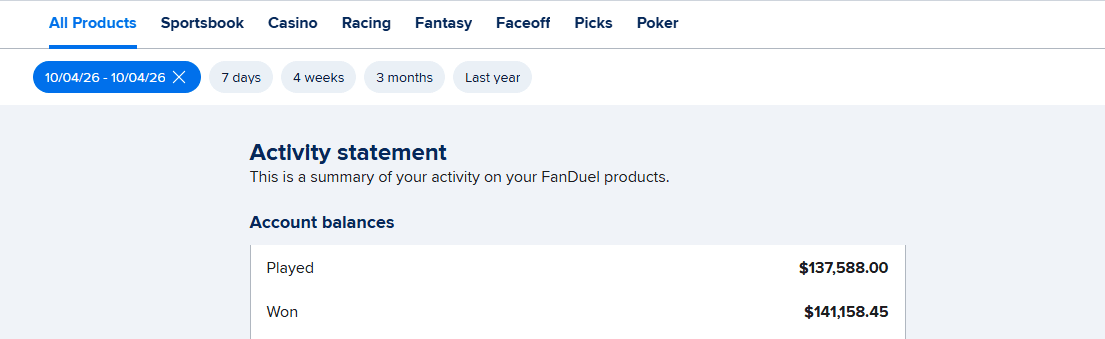
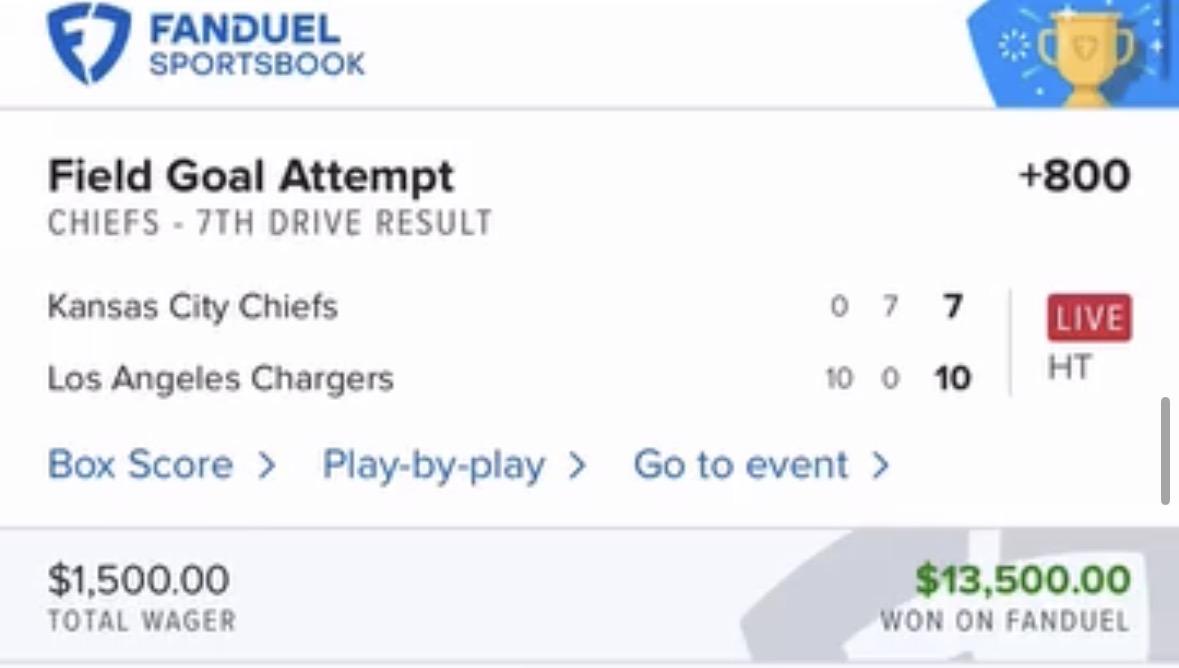
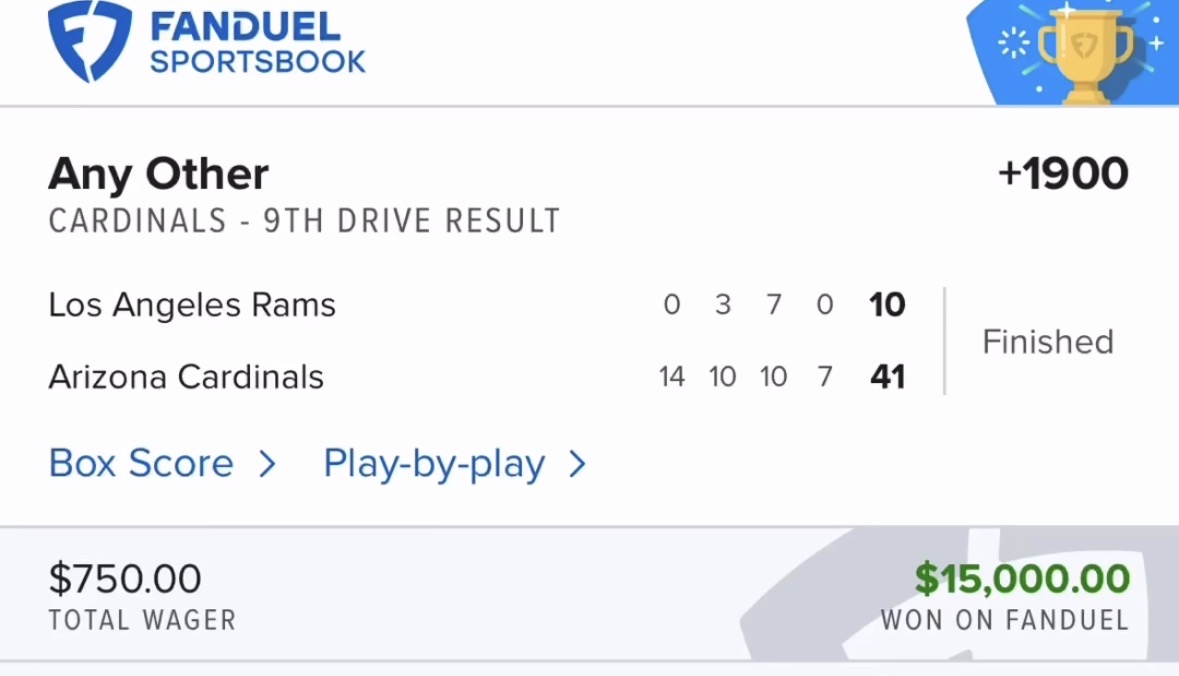
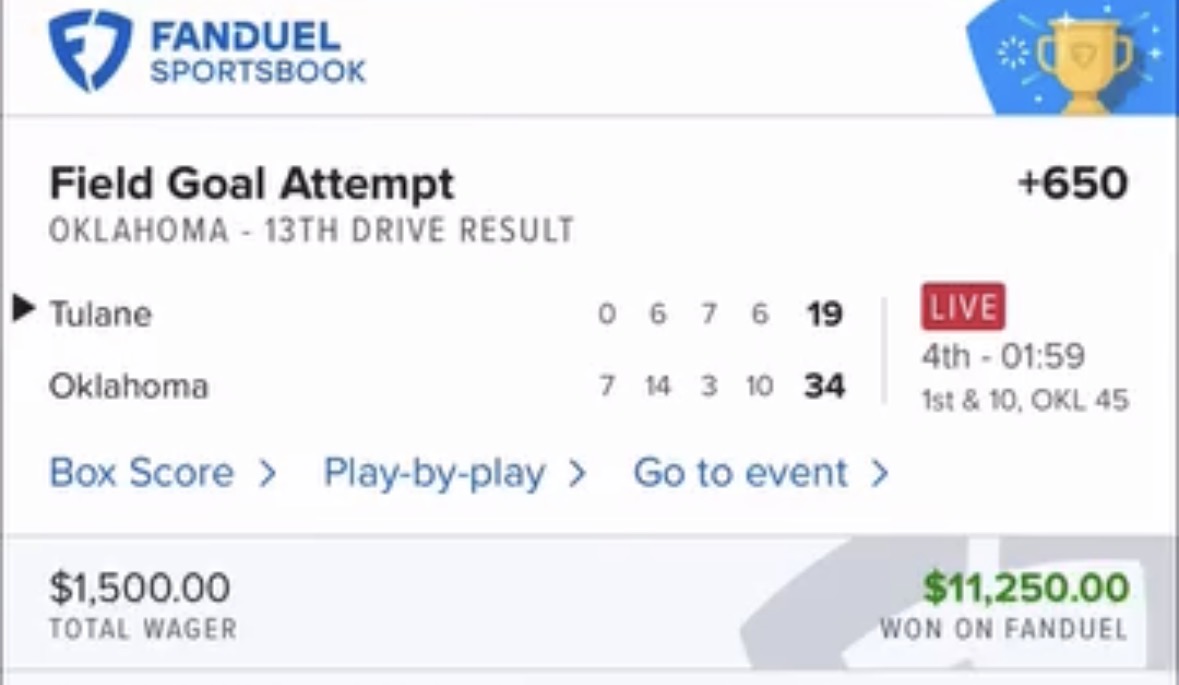
Sports picks services are worth it for bettors at $3,000-plus bankrolls who lack the time, line-shopping infrastructure, or live betting access required to generate consistent ROI on their own — and they are not worth it for casual bettors at sub-$1,000 bankrolls, recreational fans betting strictly for entertainment, or anyone unwilling to pay the structural floor price of a real operation, which sits at approximately $199 per month for live betting coverage with verified track record and real-time delivery infrastructure. The Best Bet on Sports has run live betting picks for more than twenty years, posted a verified $367,520+ in profit across all sportsbooks, and watched the same buyer-evaluation question come up in thousands of subscriber conversations: is a paid picks service actually worth what it costs? The honest answer is that the question splits into three buckets — YES for serious bettors at the right bankroll, NO for recreational bettors at small unit sizes, and IT DEPENDS for the middle bucket where the math is sensitive to service quality and pricing tier. This is the framework that maps those three buckets so the reader can identify which one applies before paying for a subscription that might not match the actual use case.
The reason this question matters is that the wrong answer costs money in both directions. A serious bettor who passes on a paid service because of skepticism gives up $1,100-$1,400 per month in expected value the service would have generated. A recreational bettor who pays $199 for a service their bankroll cannot support gives up the subscription cost plus the bankroll volatility that comes from sizing up tickets to "justify" the subscription. Both errors are common. The framework below splits the decision into the three buckets and provides the test that identifies which one the reader belongs to.
Bucket 1: YES — Paid Picks Services Are Worth It
The bettor profile that should subscribe to a paid picks service is this:
- Bankroll size: $3,000 or larger
- Typical unit size: $30 or larger
- Available time for line shopping: less than 8 hours per week
- Live betting interest: yes, the bettor wants live in-game pick access
- Verification orientation: the bettor wants track-record proof, not marketing claims
- Sportsbook accounts: at least 2 of the 6 major U.S. books (FanDuel, DraftKings, Caesars, BetMGM, Fanatics, ESPN BET)
For this bucket, the math on a $199-per-month service is straightforward. At a $5,000 bankroll, $50 per unit, and 100 tickets per month at +6% ROI, the bettor generates roughly $1,500 in monthly expected value from sharp picks. The $199 subscription cost (first month, $299 monthly after) represents 13-20% of the monthly expected value generated. Net monthly gain: $1,200-$1,300 after subscription. That is a 6-7x return on subscription cost, which is the structural reason serious bettors at this profile consistently subscribe and retain.
The compounding lives in the live betting access. A pre-game-only service at $99 per month captures roughly 35-45% of the available ROI from sharp picks — the rest sits in the live betting markets that the cheaper service cannot operate. A $199 live betting service captures 90-95% of the available ROI because live in-game picks are where the sharp edge has compressed across the last five years. For a $5,000 bankroll, the live-vs-pregame ROI gap is approximately $2,400 per year — meaningfully larger than the annual subscription cost. Read the live betting vs pregame picks framework for the structural ROI comparison.
The second compounding effect is the time arbitrage. A serious bettor running independent picks needs 12-15 hours per week on line shopping, injury research, pace analysis, and live-game monitoring. A paid service compresses that to 1-2 hours per week — the subscriber receives the picks from the sports handicappers team, sizes them per the framework, and places them at the named sportsbooks. The time savings at $40-$75 per hour opportunity cost is $400-$1,000 per month — alone enough to justify the subscription before any ROI gain.
Bucket 2: NO — Paid Picks Services Are Not Worth It
The bettor profile that should NOT subscribe to a paid picks service is this:
- Bankroll size: less than $1,000
- Typical unit size: less than $20
- Live betting interest: no, the bettor only bets pre-game or futures
- Time available: 10-plus hours per week for independent research
- Goal: entertainment from sports betting, not consistent profit
- Sportsbook access: 1 or 0 of the 6 major U.S. books, with low remaining limits
For this bucket, the subscription math does not work. At a $500 bankroll, $5 per unit, and 50 tickets per month at +6% ROI, the bettor generates roughly $15 in monthly expected value from sharp picks. The $199 subscription cost is 13x larger than the monthly expected value generated. Net monthly result: -$184 per month, which is a structurally losing bet even if the picks themselves are sharp. The bankroll is too small to amortize the subscription cost.
The right answer for this bucket is to build the bankroll first using independent research before subscribing to any service. The bankroll management framework covers the unit-sizing math for sub-$1,000 bankrolls. The framework: stay at $2-$5 per unit, run no more than 4-7 picks per week, target +5% to +10% bankroll growth per month through disciplined size and selection. Once the bankroll passes $3,000 and the unit size reaches $30, the subscription math flips and the YES bucket applies.
The second NO sub-bucket is recreational bettors. A fan who bets $50 on their team's Sunday game for fun is not running an investment operation — they are paying for entertainment, and the subscription cost is uncorrelated with the entertainment value. Recreational bettors do not need picks services; they need to size their bets at a level where losses are absorbable as the cost of watching the game.
Bucket 3: IT DEPENDS — The Sensitive Middle Bucket
The middle bucket is bettors with $1,000-$3,000 bankrolls, $15-$30 unit sizes, and mixed-mode betting (some pre-game, some live, some entertainment-driven). The math is sensitive to three variables:
Variable 1: Service tier. A $199 live betting service generates roughly $300-$500 per month in expected value at $1,500 bankroll. The subscription cost is 40-66% of monthly EV generated, which is workable but tight. A $79-$99 pre-game-only service generates roughly $150-$200 per month in expected value at the same bankroll, with subscription cost at 50-66% of monthly EV. The two services are roughly equivalent in net monthly gain ($101-$200 either way), but the live service has higher upside as the bankroll scales.
Variable 2: Time available. If the bettor has 10-plus hours per week to run independent research, a service may not be the optimal allocation — the bettor can generate similar ROI by self-research at smaller scale. If the bettor has 0-3 hours per week, the service is the optimal allocation. The middle bucket typically has 4-8 hours per week available, which is the borderline range where the service's time-arbitrage value is the deciding factor.
Variable 3: Live betting access. Most middle-bucket bettors have not maximized their live betting access — they have 1-2 sportsbook accounts but have not opened the other 4-5 major books, which means they cannot fully execute a live picks service's recommendations. If the bettor has only FanDuel and DraftKings open, a live service can still deliver value but at 50-65% of the framework's optimal ROI. If the bettor opens all 6 major books, the framework hits 90-95% of optimal ROI. The middle bucket's live-betting decision depends on whether the bettor will commit to opening the other accounts.
The IT DEPENDS bucket should answer three questions before subscribing:
1. Is my bankroll closer to $1,500 or $2,500? (Closer to $2,500 = YES bucket emerging) 2. Do I have less than 5 hours per week for research? (Less than 5 = YES bucket emerging) 3. Will I open at least 4 of the 6 major sportsbooks? (Yes = subscribe; No = stay self-research)
Two of three "yes" answers indicate the YES bucket. Two of three "no" answers indicate the NO bucket. The decision becomes clean once the three questions are answered honestly.
The Three Lies Cheap Services Tell to Justify Subscription
The reason this question is hard to answer cleanly is that many marketing pages for cheap services make claims designed to push the NO bucket into the YES bucket. The three most common claims:
Lie #1: "Our picks generated +85% ROI last season." Almost no service in the cheap tier publishes the dated transaction log that would make this verifiable. The +85% claim is typically computed by selecting the season's best 30-day window and extrapolating, or by counting only wins on units-bet rather than total handle. Real ROI on a year-long picks operation runs +3% to +10% on total handle — not +85%. A service claiming +50%-plus annual ROI is almost certainly publishing a marketing number, not a real one. Read the track record verification framework for the audit-quality checks that separate real ROI from marketing ROI.
Lie #2: "Free pick to test our service." A free pick is a marketing acquisition cost, not a service quality demonstration. The first pick a free-trial subscriber receives is structurally selected from the highest-confidence picks in the service's pipeline because the conversion rate on that pick determines lifetime customer value for the service. The free pick almost always hits at a much higher rate than the service's actual track record. The bettor who subscribes after a free-pick win typically experiences a 15-25 percentage-point drop in win rate over the subsequent 60 days as the picks regress to the service's actual mean. Read the hidden costs framework for the seven-line-item cost stack on cheap services.
Lie #3: "Cinch pick of the day" certainty claims. Any picks service marketing single tickets as certainties is operating outside FTC sports-betting advertising rules. There is no such thing as a certainty in sports betting — the structural variance distribution means any single pick has a 10-30% loss probability regardless of how the service markets it. A real picks service publishes win-rate distributions across hundreds of picks, not certainty claims on individual tickets. Certainty-language marketing is the single fastest signal that a service is structurally unable to generate consistent ROI.
What Makes a Service Worth the Money (When the Bucket 1 Math Applies)
For bettors in the YES bucket, the service has to meet four structural criteria to deliver the math:
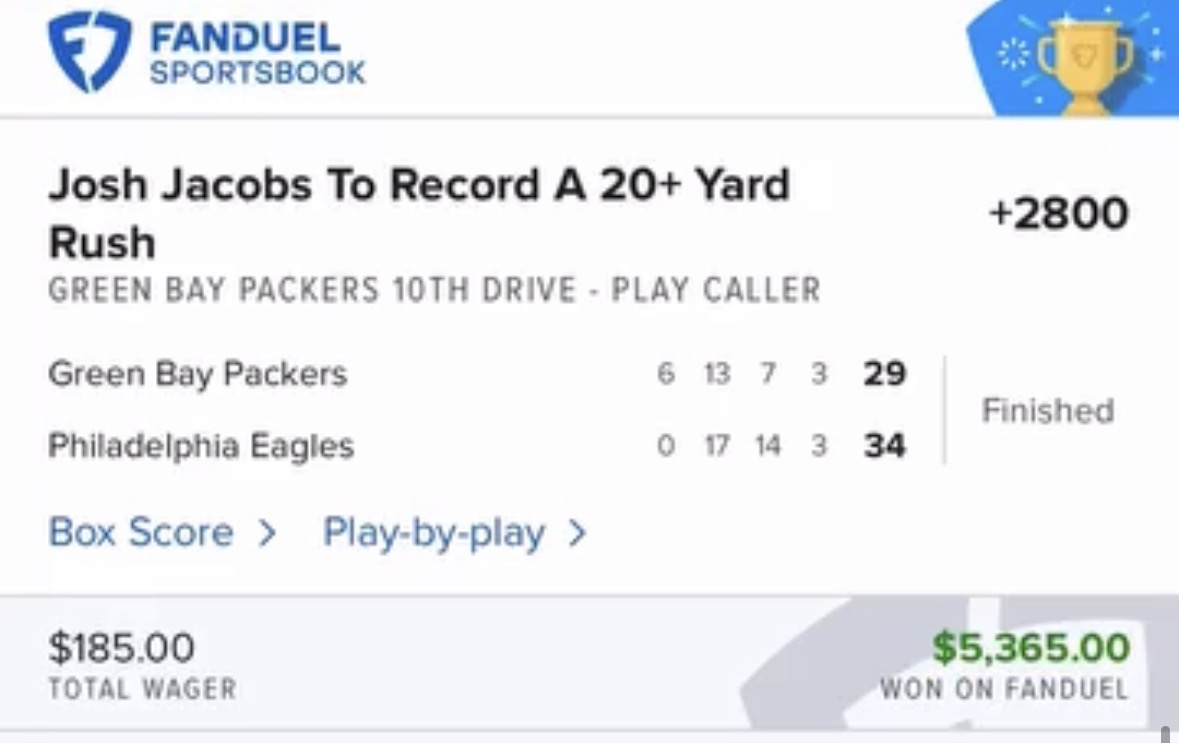
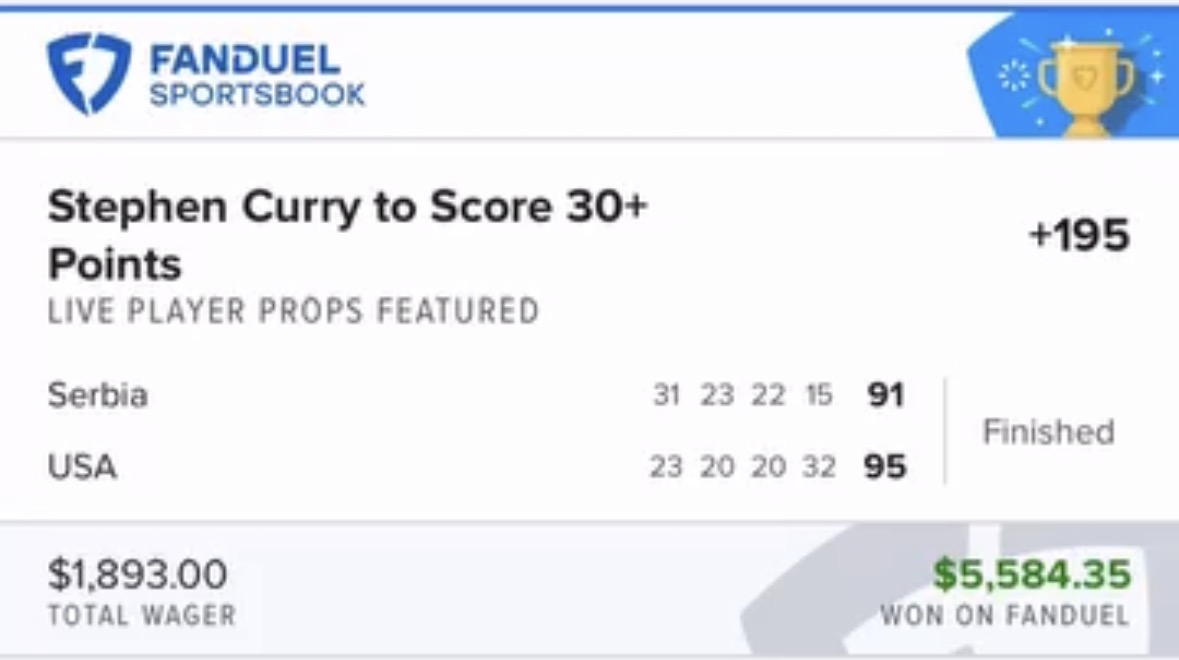
Criterion 1: Verified profit track record. The service has to publish sportsbook screenshots, dated transaction logs, and ideally limit notices from at least two of the six major U.S. sportsbooks. Marketing claims without verification fail the criterion immediately. The Best Bet on Sports publishes $367,520+ in verified profit across all sportsbooks with sportsbook statements that are auditable.
Criterion 2: Real-time delivery infrastructure. The service has to deliver picks through Discord plus Discord plus email within seconds of pick generation, not hours. Live betting picks specifically lose 80-90% of their structural edge if delivered with delays measured in tens of minutes. The real-time delivery infrastructure is what separates a service that captures sharp closing-line value from a service that does not.
Criterion 3: Sportsbook-limit verification. The service has to publish the sportsbook limit history that proves the picks generate enough profit to threaten sportsbook risk teams. A service that has never been limited has, by definition, not been winning enough to be worth limiting. The Best Bet on Sports is limited on all six major U.S. sportsbooks (FanDuel, DraftKings, Caesars, BetMGM, Fanatics, ESPN BET) for winning too much during live betting — the limit notices are the verification mechanism.
Criterion 4: Live betting coverage. The service has to deliver structured in-game picks, not just pre-game picks across sports picks categories. The live betting markets are where the sharpest edge has compressed across the last five years, and any service that does not deliver live picks is capturing roughly 35-45% of the available ROI. Read why sportsbooks limit winning bettors for the structural reason live betting has become the highest-edge market.
The four criteria are the test. Any service that fails one of them is not worth the subscription cost even at the $199 tier. The Best Bet on Sports passes all four criteria — which is the structural reason the $199 first-month, $299-monthly price point is the floor cost of running an operation that delivers the math the YES bucket needs.
The Per-Bucket ROI Comparison
The summary table below shows the realistic monthly ROI by bucket and service tier:
| Bucket | Bankroll | Cheap service ($20/mo) | Mid-tier service ($79/mo) | Live betting service ($199/mo first month) |
|---|---|---|---|---|
| NO bucket | $500 | -$185/mo | -$95/mo | -$184/mo |
| IT DEPENDS | $1,500 | -$165/mo | +$25/mo | +$200/mo |
| IT DEPENDS | $2,500 | -$145/mo | +$100/mo | +$450/mo |
| YES bucket | $5,000 | -$1,100/mo | +$250/mo | +$1,200/mo |
| YES bucket | $10,000 | -$2,400/mo | +$500/mo | +$2,800/mo |
The table makes three things clear. First, the cheap service is structurally negative across every bucket — the hidden costs (volume-vs-edge gap, public-consensus pick sourcing, no live betting) overwhelm the subscription savings regardless of bankroll. Second, the mid-tier service breaks even around $1,500 bankroll and turns modestly profitable above $2,500. Third, the live betting service at $199 first month becomes the highest-ROI choice once the bankroll passes $1,500 and scales linearly above that.
The right answer to "are sports picks services worth it" therefore depends entirely on which row of the table applies. For the YES bucket at $5,000-plus bankroll, the $199 live betting service generates $1,200-$2,800 per month in net expected value after subscription cost. For the NO bucket at $500 bankroll, no service is worth the cost — the bankroll has to grow first.
If this is your entry point, pair it with our guide to best MLB pick services in 2026.
Get Tonight's Live Picks
Want tonight's live in-game picks delivered to your phone via Email and Discord during the game?
The Best Bet on Sports is the only live betting handicapping service limited on all six major U.S. sportsbooks (FanDuel, DraftKings, Caesars, BetMGM, Fanatics, ESPN BET) for winning too much during in-game action. Verified profit: $367,520+. Picks delivered via Email and Discord during games.
→ Get tonight's live picks: $199 first month — 1-Unit package, full live betting access → Try a free live pick first — reserve your spot for tonight's pick
Frequently Asked Questions
Are sports picks services worth it for a $500 bankroll?
No. At a $500 bankroll sized at $5 per unit, the monthly expected-value generation from sharp picks is roughly $15, which is far below the $199 subscription cost of a real live betting service. The math does not work because the bankroll is too small to amortize the subscription. The right strategy for a $500 bankroll is independent research and disciplined unit sizing until the bankroll reaches $3,000, at which point the YES-bucket math applies and the subscription becomes structurally profitable.
What is the minimum bankroll where a $199 service makes sense?
A $199 service makes sense at a $3,000 minimum bankroll, sized at $30 per unit. At that bankroll size, the monthly expected-value gain from sharp picks ($660 at +6% ROI on 100 tickets × $30 average) more than covers the subscription cost by 3x. Below $3,000 bankroll, the subscription represents too large a percentage of monthly action, and the bettor should focus on bankroll building before subscribing. Read the bankroll management framework for the unit-sizing math.
How do I tell if a picks service is real or a scam?
The four-criteria test identifies real services. The service must publish verified profit screenshots and dated transaction logs, deliver picks in real time through Discord/SMS/email infrastructure, publish sportsbook limit history that proves the picks generate enough profit to threaten risk teams, and deliver structured live in-game picks. Any service missing one of those four criteria is structurally unable to generate the ROI that would make the subscription worth the cost. Read how to read a sports betting track record for the audit-quality verification checks.
Why are the cheapest picks services almost always negative ROI?
Cheap services lose money structurally because the price tier cannot fund the four operational components a real service needs: real-time delivery infrastructure, sportsbook-limit-verified pick generation, live betting coverage, and verified track record. A $20-per-month service has to operate on high pick volume to retain subscribers feeling they got their money's worth, which forces lower-edge picks into the schedule, which collapses ROI. Read the hidden costs framework for the seven-line-item cost stack that runs $1,276 per month in expected-value loss on a $5,000 bankroll.
Should I try a free trial first before subscribing?
A free pick is acquisition marketing, not a service quality test. The first pick a trial subscriber receives is structurally selected from the highest-confidence picks in the service's pipeline because the conversion rate on that pick determines lifetime customer value. The free pick almost always hits at a higher rate than the service's actual track record. The right way to test a service is to subscribe at the $199 first-month price, run the picks for 30-45 tickets at proper unit sizing, and evaluate the actual ROI against the service's published track record. The reserved free live pick at /free-live-pick is a single-event sample, not a subscription decision.
What if I have time to do my own research?
If you have 10-plus hours per week available for line shopping, injury research, pace analysis, and live game monitoring, you can generate similar ROI through independent research at smaller scale. The service's value is the time arbitrage — a subscriber receives the picks at $40-$75 per hour opportunity cost compressed to roughly 1-2 hours per week of execution time. If your time is worth less than $20 per hour, independent research may be the optimal allocation. If your time is worth more than $40 per hour, the service is the optimal allocation. The middle range is where the decision depends on whether you enjoy the research process itself.
Does the math change for futures bettors vs game-by-game bettors?
Yes, meaningfully. A futures bettor (championship odds, season win totals, MVP markets) places fewer tickets per month and is less sensitive to subscription cost. A game-by-game bettor places 100-plus tickets per month and is more sensitive to the per-ticket expected value. The $199 service is structurally better fit for game-by-game bettors because the live betting infrastructure adds the most value at high ticket volume. Futures-only bettors typically benefit more from independent research at smaller subscription tiers, since the futures market is less liquid and reprices less frequently than live game markets. Read expected ROI on paid picks services for the per-bet-type ROI breakdown.
The Best Bet on Sports · 1.5M followers on TikTok
Sports Betting TikTok is the live betting account behind The Best Bet on Sports, covering NFL, NCAAF, NBA, NCAAB, MLB and WNBA markets in real time. The account has been limited on all six major U.S. sportsbooks — FanDuel, DraftKings, Caesars, BetMGM, Fanatics and ESPN BET — for winning on live betting, with $367,520 in verified profit since 2005. View full profile →
Past results do not guarantee future performance. Must be 21 or older to wager.
Related Articles
Hidden Costs of Cheap Sports Picks Services: What $20/Month Actually Buys
When to Upgrade From a $99 Pre-Game Pick Service to a $199 Live Betting Pick Service
Top Sports Handicapping Services of 2026 (Top 10 Ranked + Reviewed)
How Many Picks Per Day Should a Sports Picks Service Send? The Volume-vs-Edge Trade-Off
NFL Referee Over/Under Trends, Tested on 11 Seasons
4-0 Against the Spread: What a Hot Start Predicts
Get real live betting picks
From $39.95/mo · Cancel anytime · Email + Discord delivery
● Get The Picks
Choose your package
Tap any tier below to select · Subscribe in one tap
👇 Tap any package to select it
✓ You're selecting
25 Units · $99.95/month
25 unit picks per month. Sweet spot for most bettors — plenty of action without going all-in.
- ✓25 live betting selections/month
- ✓Email + Discord delivery
- ✓All sports (NFL, NCAAF, NBA, NCAAB, MLB)
- ✓Mix of 1, 2, 3, 5-unit rated plays
- ✓Cancel anytime
Secure PayPal · Cancel anytime · No hidden fees · 21+ · +$367K verified
+$367,520 verified · Limited on 6 sportsbooks · 20 years documented · See Proof
Join Our Newsletter
Get free expert sports picks and analysis delivered weekly.