How Long Does It Take to Become a Profitable Sports Bettor?

Most bettors who go it alone take years to turn a consistent profit, and the majority never do, because beating the vig requires reading line value, timing entries, managing a bankroll, and surviving variance over thousands of bets. This guide lays out the realistic learning curve, why most people quit before they clear the hurdle, and how a proven live betting service short-circuits the years of losing tuition it usually takes to reach profitability.
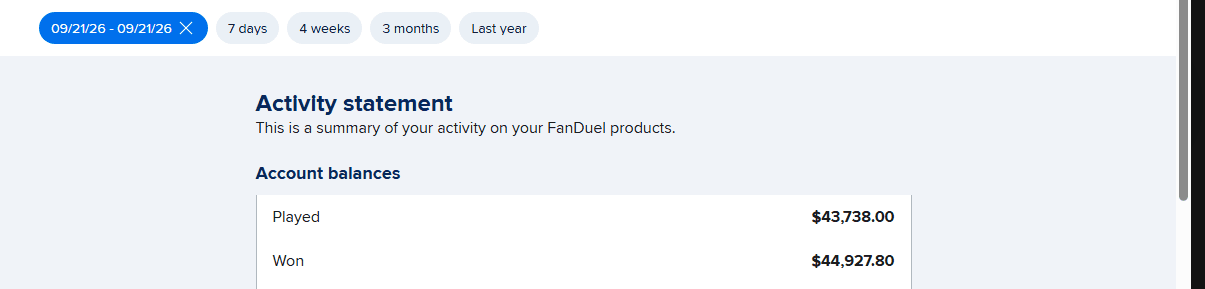
Most bettors who learn on their own take multiple years to become consistently profitable, and the large majority never get there at all — because clearing the sportsbook's built-in margin requires reading line value, timing your entries, managing a bankroll through variance, and doing it across thousands of bets before the results stabilize. The Best Bet on Sports has spent more than twenty years compiling that exact skill set into a verified $367,520+ profit across all six major U.S. sportsbooks, and the honest truth is that almost nobody reaches that point quickly by themselves. The path is long, the tuition is expensive, and it is paid in losing bets.
That is not a discouraging fact — it is a useful one. If you understand why the learning curve is so steep, you can make an informed decision about whether to grind through years of costly guesswork on your own money, or to shortcut the process by following a proven sports picks approach while you learn. This guide breaks down the realistic timeline to profitability, the specific skills that take the longest to build, why most people quit before they clear the hurdle, and how a live betting service compresses years of expensive mistakes into a path you can actually follow.
Why Does It Take So Long to Become Profitable?
Because you are not trying to pick winners — you are trying to beat a margin. A standard -110 bet requires you to win about 52.4% of the time just to break even. Everything above that line is profit; everything below it is a slow bleed. That single number is why casual bettors who "win more than they lose" still end up down: winning 51% of your bets is a losing record once the vig is priced in.
Clearing 52.4% consistently is genuinely hard, and it requires several skills that only develop with volume and feedback. You have to learn to identify when a line is priced wrong, not just which team you think will win. You have to time your entries so you are getting a better number than where the line closes. You have to size your bets so a normal cold streak does not wipe you out. And you have to keep doing all of that through long stretches where variance makes a good process look like a bad one. Each of those skills takes months to build and years to build together.
There is also a feedback problem. In most skills, you know quickly whether you did something right. In betting, a good bet can lose and a bad bet can win, sometimes for weeks at a time. That noise makes it extremely hard to learn from results alone — many bettors "learn" the wrong lessons because a reckless bet happened to cash. Separating process from outcome is itself a skill, and it is one of the slowest to develop. We break down what actually distinguishes a good bet from a lucky one in what makes a good live betting pick.
What Does the Realistic Learning Curve Look Like?
There is no fixed timeline, but the stages are consistent. Almost every bettor who eventually turns a profit passes through the same phases — and most quit somewhere in the middle.
| Stage | Typical duration | What's happening |
|---|---|---|
| Beginner losses | First several months | Betting on gut, chasing losses, no line-value read — steady bankroll bleed |
| Learning the math | 6-18 months | Discovering vig, bankroll units, closing line value; results still swing hard |
| Break-even grind | 1-3 years | Process improving, but variance and small edges keep you near zero |
| Consistent profit | 3+ years (if ever) | Reliable edge, disciplined staking, proven over thousands of bets |
The table is deliberately sobering, because the honest version has to be. The break-even grind is where the overwhelming majority of bettors give up — they have learned enough to stop losing badly but not enough to win clearly, and the plateau feels like failure even when the process is finally sound. Pushing through it requires a bankroll that can survive the variance and the discipline to keep grinding small edges, which is why bankroll management for $100 to $500 bettors is the single most underrated skill on the whole curve.
Why Do Most Bettors Never Get There?
Three reasons, and none of them is a lack of intelligence. Most people who quit betting were perfectly capable of learning it — they just ran out of bankroll, patience, or discipline before the process matured.
- They run out of money before they run out of mistakes. The years-long learning curve is paid in real losses. Bettors who stake too large relative to their bankroll bust out during a normal cold streak long before their process is good enough to recover, ending the education prematurely.
- They chase instead of study. After a loss, the disciplined move is to keep staking consistently and let the edge play out. The human move is to bet bigger to get even. Chasing turns a survivable downswing into a bankroll-ending one, and it is the single most common way bettors self-destruct.
- They never separate process from luck. Because good bets lose and bad bets win in the short run, many bettors optimize for the wrong things — copying whatever cashed last week instead of building a repeatable edge. Without a way to grade the process independent of results, they learn slowly or learn nothing at all.
Those three failure modes are why "just learn it yourself" is honest advice that most people cannot actually execute. It is not that profitability is impossible — it is that the road to it is long enough that patience and bankroll usually give out first. That is the same reason so many bettors lose money even when they are genuinely trying to win, which we cover in depth in why most sports bettors lose money.
How Does a Live Betting Service Shorten the Timeline?
By handling the two hardest, slowest-to-build parts of the curve — finding the value and timing the entry — so you are not paying years of losing tuition to learn them the hard way. A service does not replace your judgment; it removes the two steps where beginners bleed the most money while they learn.
Live betting specifically compresses the curve because the edge is more findable than on the pre-game board. Pre-game lines have days to sharpen, so a beginner is competing against a market that has already priced in everything. In-game, prices move in seconds to chase the scoreboard, and those overreactions create mispricings that a trained eye can catch but that take a beginner years to learn to spot. Following professional sports handicappers who already read those live windows means you are betting the value from day one instead of spending three years learning to find it. We explain why that edge exists in live betting versus pre-game picks.
What the service does not do is manage your money or your discipline — those stay on you. A good service gives you the value and the timing; you still have to size your bets, stay available for the alert windows, and avoid chasing. The realistic framing is that a service can collapse the "learn to find value" and "learn to time entries" phases from years to immediate, while the "learn discipline and bankroll management" phase is one you grow into alongside it. If you want the honest version of how a service compares to grinding it out solo, we lay it out in sports picks service versus doing it yourself, and how quickly the cost recoups in how long until a live betting service pays for itself.
Our coverage of making a living sports betting walks through how this plays out in practice.
Get Tonight's Live Picks
Want tonight's live in-game picks and predictions delivered to your phone via Email and Discord during the game — so you can bet the value while you're still learning to find it yourself?
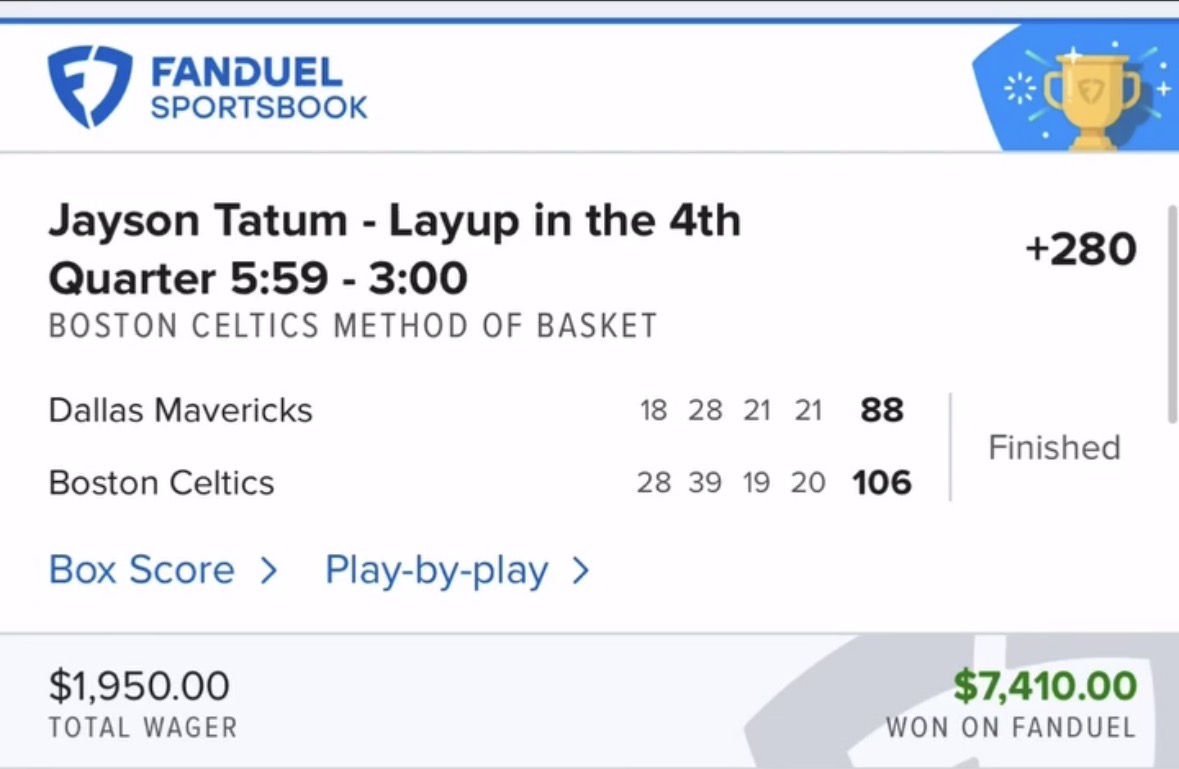
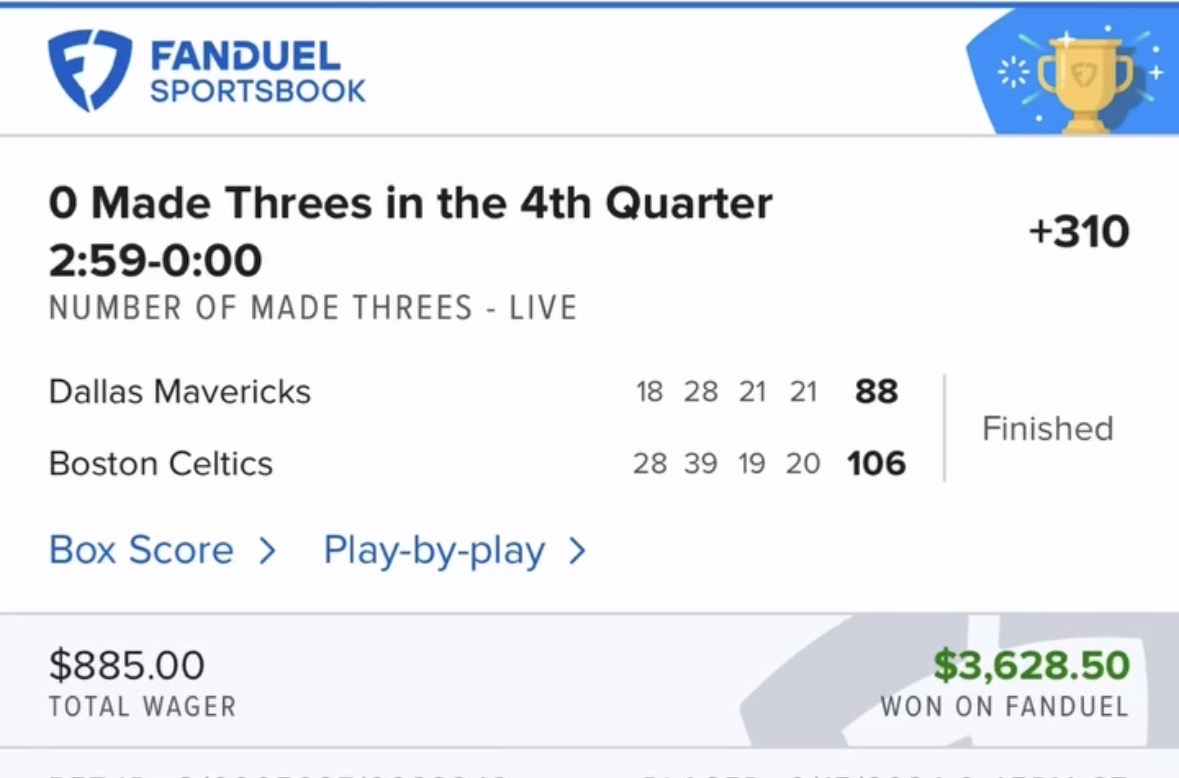
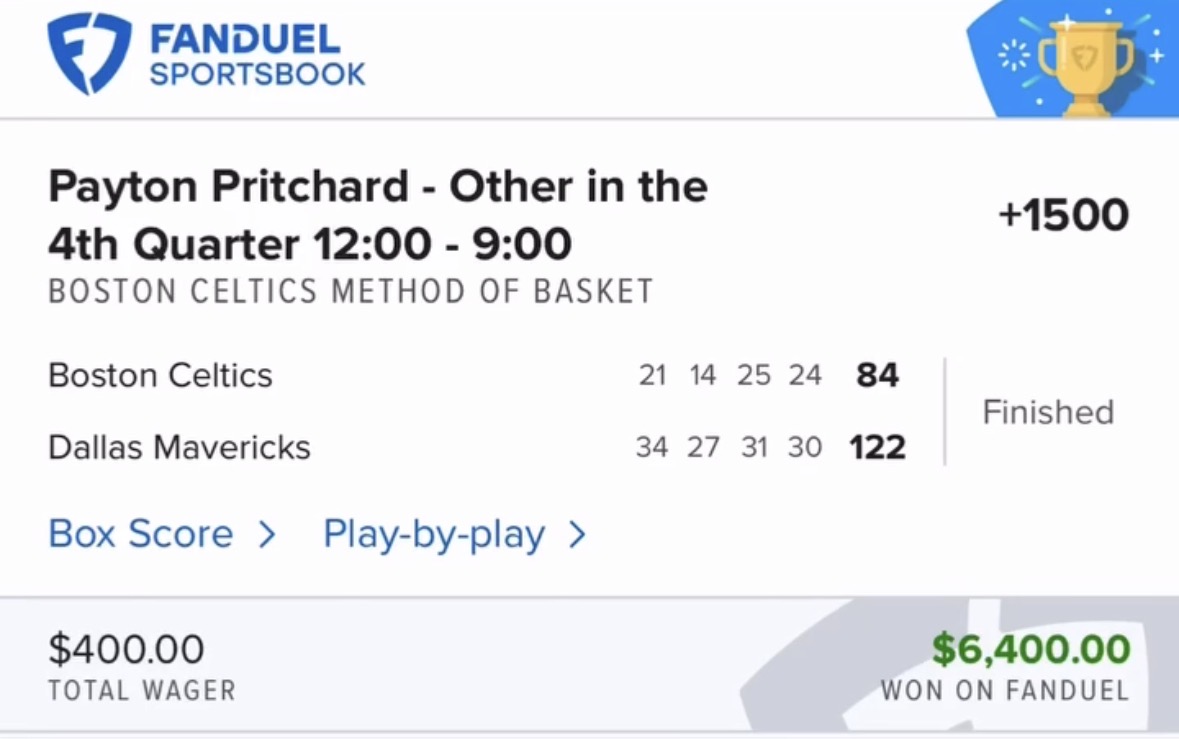
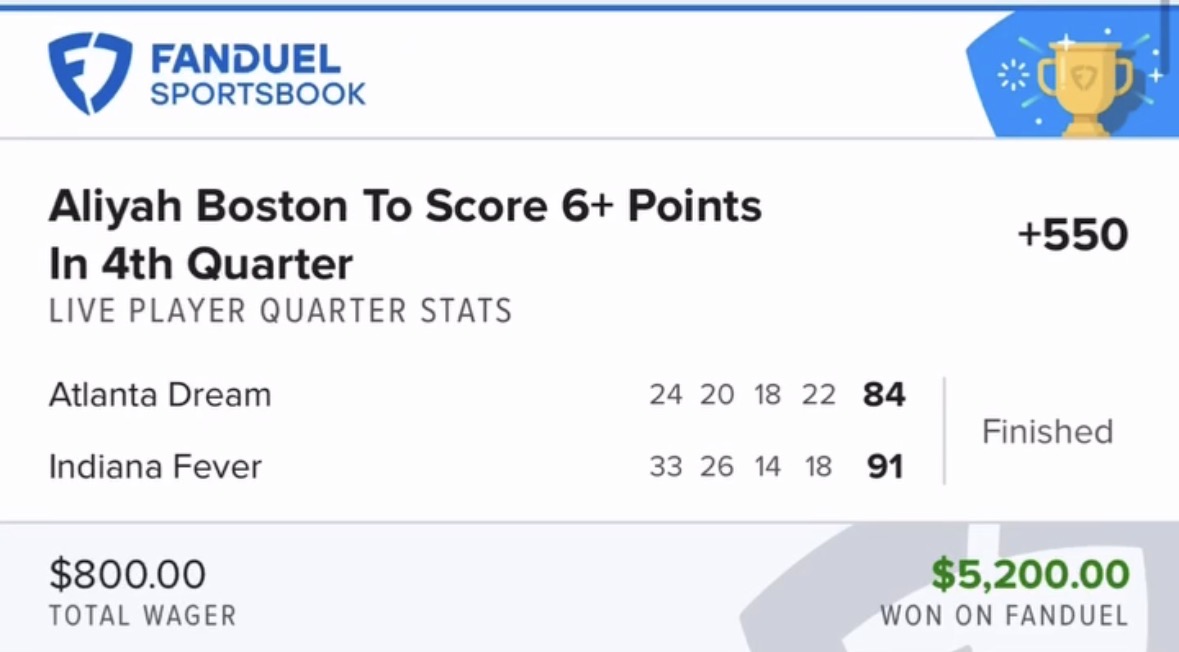
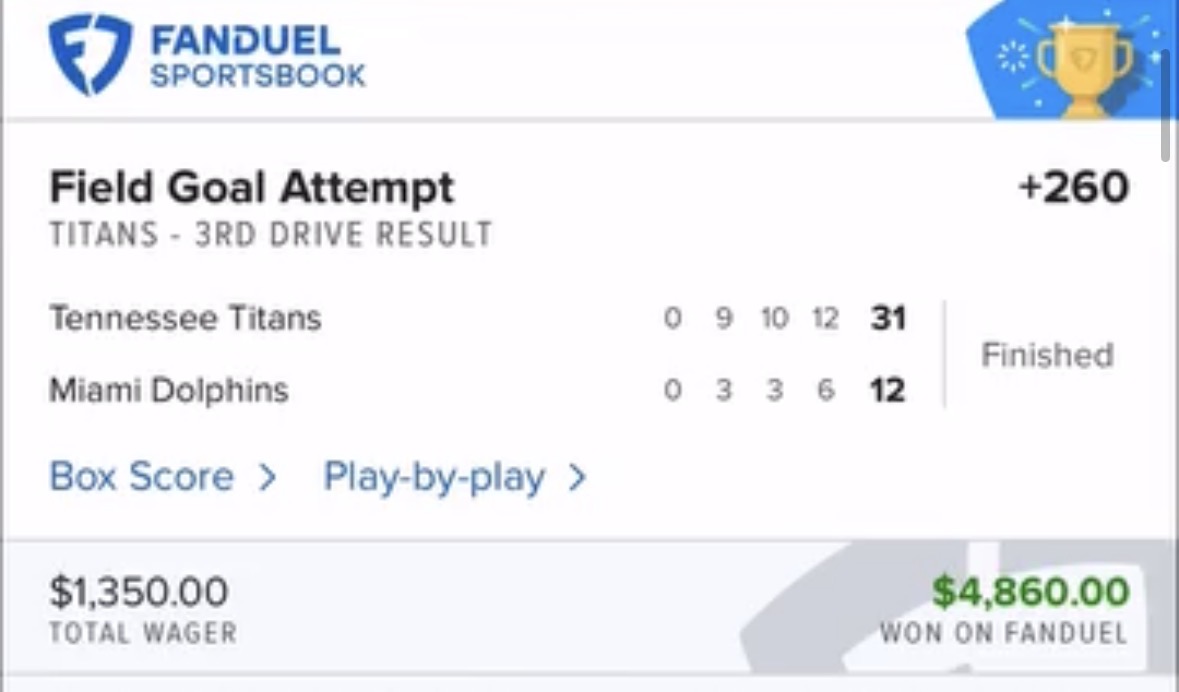
The Best Bet on Sports is the only live betting handicapping service limited on all six major U.S. sportsbooks (FanDuel, DraftKings, Caesars, BetMGM, Fanatics, ESPN BET) for winning too much during in-game action. Verified profit: $367,520+. Picks delivered via Email and Discord during games.
→ Get tonight's live picks: $199 first month — 1-Unit package, full live betting access → Try a free live pick first — reserve your spot for tonight's pick
Frequently Asked Questions
How long does it take to become a profitable sports bettor?
For bettors learning on their own, consistent profitability typically takes multiple years, and the majority never reach it. The path runs through a few months of beginner losses, six to eighteen months of learning the math, one to three years of break-even grinding, and only then, if ever, reliable profit. The timeline is long because beating the vig requires reading line value, timing entries, managing a bankroll, and proving an edge across thousands of bets — skills that take years to build together.
Why is it so hard to beat sports betting?
Because you are not just picking winners — you are trying to clear the sportsbook's built-in margin. A standard -110 bet requires about a 52.4% win rate just to break even, so winning slightly more than half your bets is still a losing record. On top of that, good bets lose and bad bets win in the short run, which makes it very hard to learn from results and easy to draw the wrong conclusions from a lucky cash.
What percentage of sports bettors are profitable?
Only a small minority of bettors are profitable over the long run. Most lose money because they never clear the 52.4% break-even threshold at -110, and even those with a genuine edge often bust out during normal variance or quit during the break-even plateau. The learning curve is long enough that patience and bankroll usually give out before the process matures, which is why so few reach consistent profitability on their own.
Can a sports picks service make me profitable faster?
A service can shorten the timeline by handling the two hardest, slowest-to-learn parts of the curve — finding the value and timing the entry — so you are betting real edges from day one instead of spending years learning to spot them. It does not manage your bankroll or your discipline for you; those still take time to develop. The realistic framing is that a service compresses the "learn to find value" phase from years to immediate while you grow into the discipline alongside it.
Why do most bettors quit before becoming profitable?
Three reasons: they run out of bankroll before their process matures, they chase losses instead of staking consistently, and they never learn to separate a good process from a lucky result. The break-even grind — where a bettor has learned enough to stop losing badly but not enough to win clearly — is where most give up, because the plateau feels like failure even when the process is finally sound.
Is live betting easier to profit from than pre-game betting?
The edge is more findable in live betting, though it requires speed. Pre-game lines have days to sharpen, so a beginner is competing against a fully-priced market. In-game, prices move in seconds to chase the scoreboard and frequently overshoot the real game state, creating mispricings a trained eye can catch. That is why following a service that already reads live windows lets you bet the value immediately rather than spending years learning to find it yourself.
Why is The Best Bet on Sports limited on major sportsbooks?
Because catching live mispricings beats the closing line consistently, and sportsbooks protect their margins by limiting bettors who do it. The Best Bet on Sports is limited on all six major U.S. sportsbooks — FanDuel, DraftKings, Caesars, BetMGM, Fanatics, and ESPN BET — for winning too much during in-game action. That limitation is the clearest evidence the approach works, and it is the same edge a subscriber gets to follow instead of spending years building it alone.
The Best Bet on Sports · 1.5M followers on TikTok
Sports Betting TikTok is the live betting account behind The Best Bet on Sports, covering NFL, NCAAF, NBA, NCAAB, MLB and WNBA markets in real time. The account has been limited on all six major U.S. sportsbooks — FanDuel, DraftKings, Caesars, BetMGM, Fanatics and ESPN BET — for winning on live betting, with $367,520 in verified profit since 2005. View full profile →
Past results do not guarantee future performance. Must be 21 or older to wager.
Related Articles
Can a Pick Service Fix Bad Betting Habits? The Honest Answer
Should You Follow One Pick Service or Several?
Does a Pick Service Stop You From Learning to Bet?
Your Sportsbook's Bet History Is a Receipt, Not a Record
The 2026 Gambling Tax Change Makes Bet Volume Expensive
Can a Sportsbook Refuse to Pay You? What Actually Voids a Bet
Get real live betting picks
From $39.95/mo · Cancel anytime · Email + Discord delivery
● Get The Picks
Choose your package
Tap any tier below to select · Subscribe in one tap
👇 Tap any package to select it
✓ You're selecting
25 Units · $99.95/month
25 unit picks per month. Sweet spot for most bettors — plenty of action without going all-in.
- ✓25 live betting selections/month
- ✓Email + Discord delivery
- ✓All sports (NFL, NCAAF, NBA, NCAAB, MLB)
- ✓Mix of 1, 2, 3, 5-unit rated plays
- ✓Cancel anytime
Secure PayPal · Cancel anytime · No hidden fees · 21+ · +$367K verified
+$367,520 verified · Limited on 6 sportsbooks · 20 years documented · See Proof
Join Our Newsletter
Get free expert sports picks and analysis delivered weekly.