Can a Sportsbook Refuse to Pay You? What Actually Voids a Bet

Winning bettors get limited, not robbed. Sportsbooks confuse two completely different mechanisms in bettors' minds: cutting your stake size, which a book can do at any time for any reason including that you win, and withholding money, which generally requires the operator to invoke a specific written clause. Nothing in a regulated book's terms says you must do your own analysis, so following a pick service is not what puts a balance at risk.
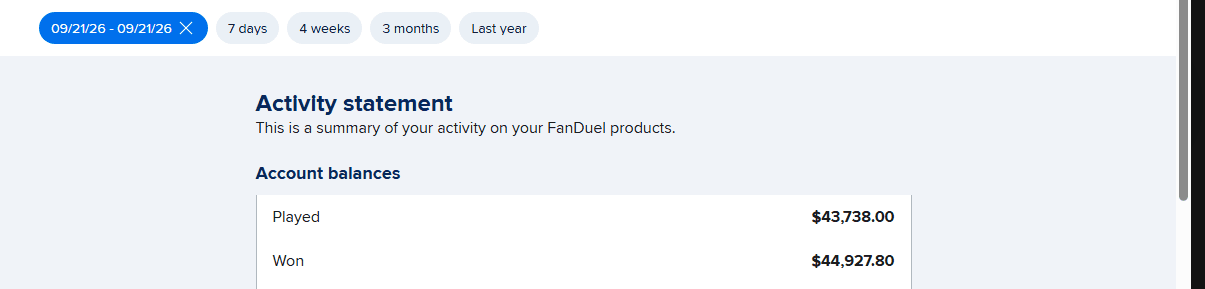
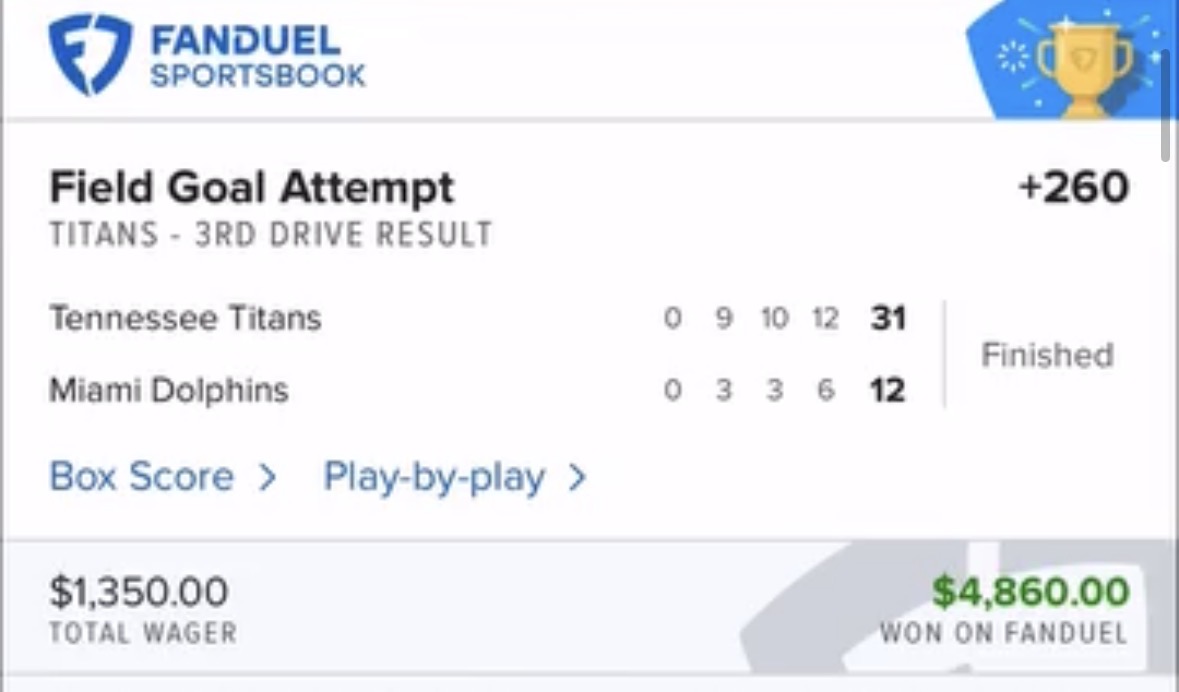
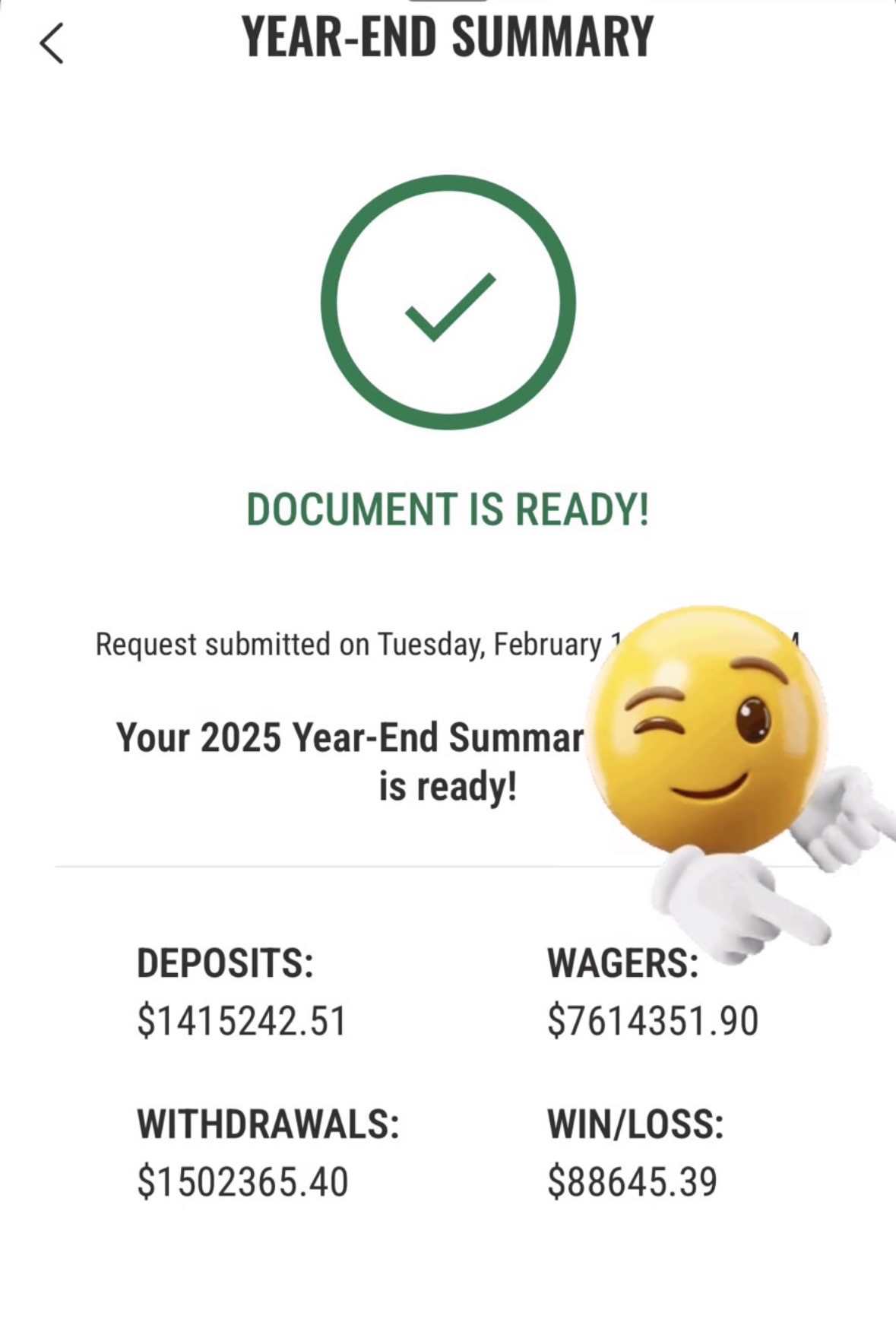
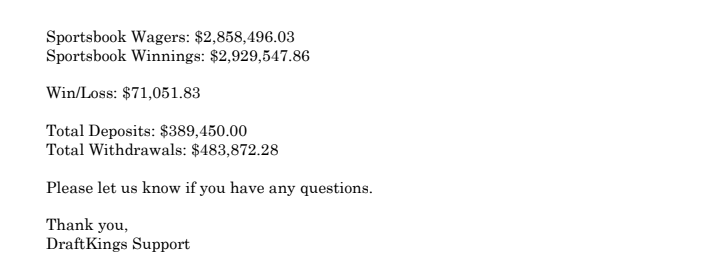
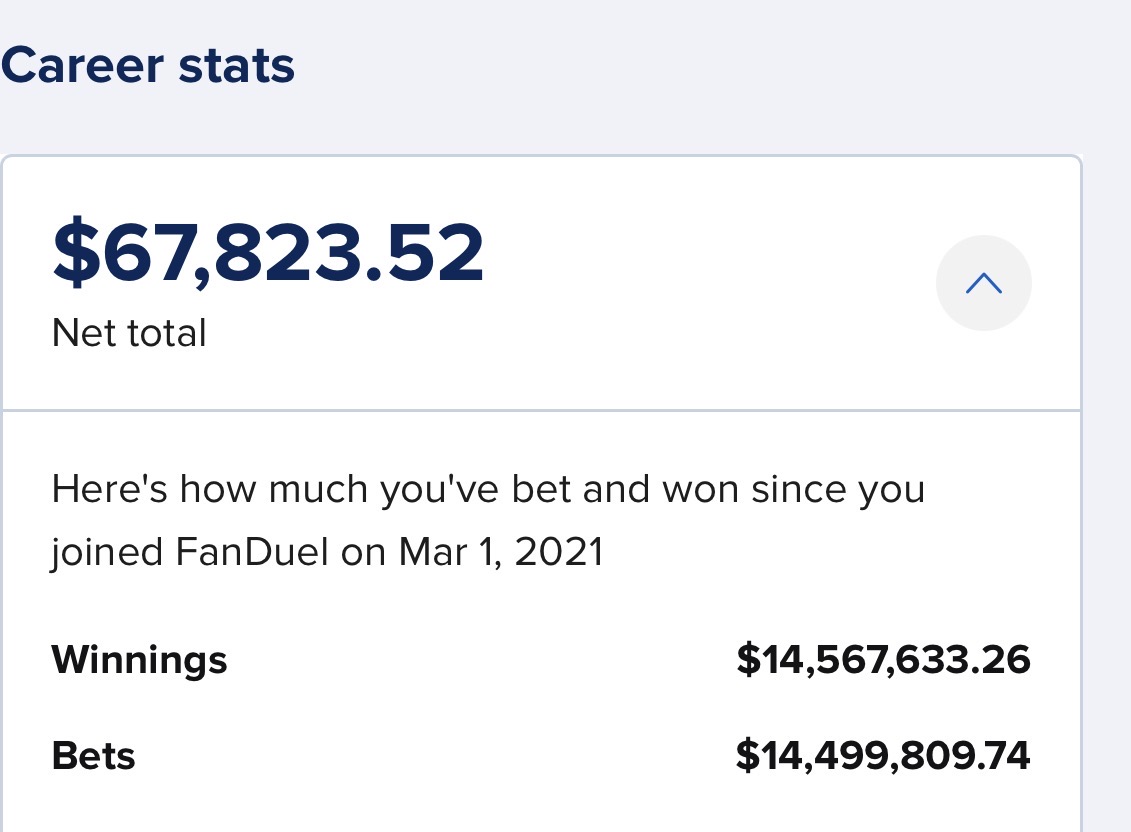
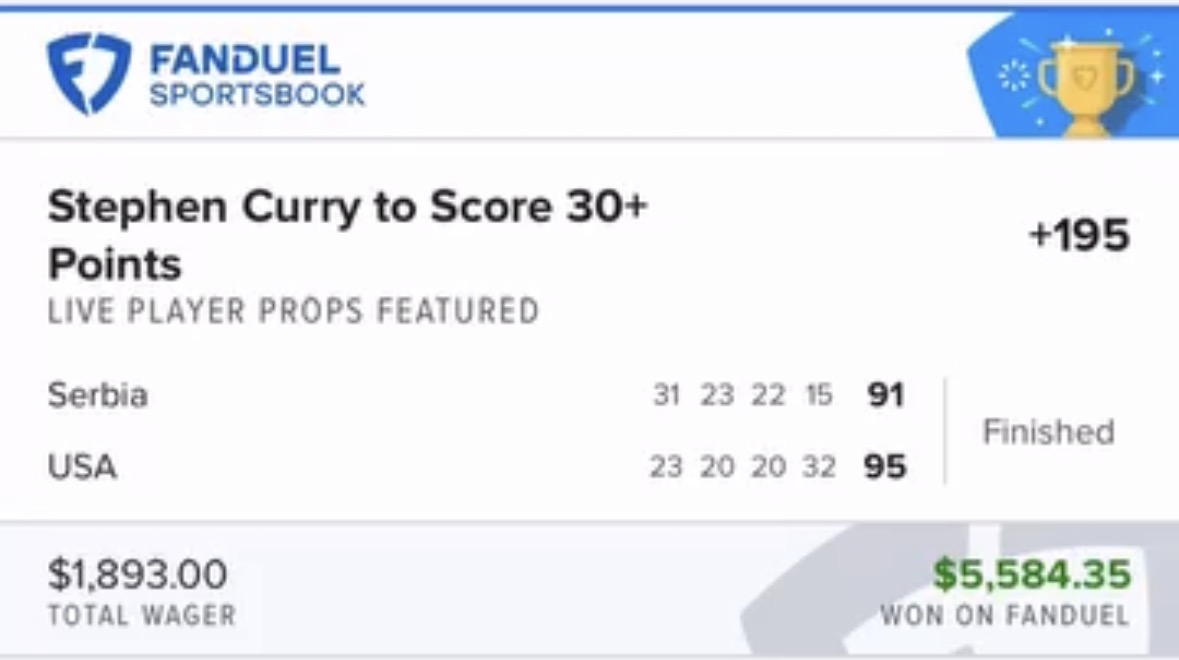
Sportsbooks can and do refuse to pay in specific, written circumstances — but almost none of them have anything to do with you winning. The confusion that keeps people from paying for picks comes from collapsing two separate mechanisms into one fear. Cutting your maximum stake is a commercial decision an operator can make at any time, for any reason, including simply that you are ahead — no justification, no appeal. Withholding or voiding money is a contractual action that generally requires the operator to point at a specific clause you triggered. The thing that happens to winners is the thing books are free to do. The thing bettors are actually afraid of is the thing books need a reason for. The Best Bet on Sports has been limited on all six major U.S. sportsbooks for winning too much on live betting, with a verified $367,520+ in profit since 2005, so this is a distinction we have lived on the wrong side of.
This question sits underneath almost every hesitation about buying picks, and it is rarely asked directly. It usually arrives as something vaguer — what if it works too well? Worth answering straight.
This is general information about how betting operators typically structure their terms, not legal advice, and not a description of any specific sportsbook's rules. Operator terms vary by book, by state and by market, and they change. Read the terms of the account you actually hold.
Two Mechanisms People Treat as One
Almost every horror story circulating about sportsbooks is one of these two things, told without distinguishing them.
| Action | What triggers it | Does the book owe you an explanation? | How common for a winning bettor |
|---|---|---|---|
| Stake limit reduced | Commercial judgment — usually a pattern the book does not want more of | No | Very common |
| Market or bet type restricted | Same | No | Common |
| Promotions switched off | Same | No | Common |
| Individual bet voided | A written clause — obvious pricing error, participant scratched, event not completed | Yes, by clause | Uncommon, and usually mechanical |
| Account closed, balance returned | Commercial judgment or compliance | Usually minimal | Uncommon |
| Funds withheld pending review | Compliance, identity, or a terms breach | Yes, and it is generally a process with a resolution | Rare, and rarely about betting skill |
The top three rows are the ones that happen to good bettors, and they share a property: the book does not have to justify them, does not have to warn you, and there is no meaningful appeal. That sounds harsh, and it is, but notice what is missing from those rows. Your money is not involved. Your balance is intact and withdrawable. What you have lost is future capacity — the ability to place a bet of a size that matters.
The bottom rows are the ones people fear, and they run on completely different fuel. They require a triggering event that an operator can name.
Why "You Win Too Much" Cannot Be the Reason They Keep Your Money
Consider what it would mean if a book could void settled winning bets on the grounds that the bettor was too good. It would be advertising a product where the payout is optional. No regulator in a licensed U.S. market would tolerate it, and no operator would want the reputational cost, because the entire business depends on the public believing that a winning ticket pays.
So operators do the rational thing instead: they let winners win, and then they make the winning small. The remedy for a winner is a smaller bet, not a smaller balance. A bettor who used to place a four-figure wager finds the maximum quietly reset to something trivial. The account stays open. Withdrawals still process. The edge is still real — there is just nowhere left to put it.
That is what happened to us across all six books, and it is why we describe it as a credential rather than a complaint. It is a consequence a losing operation never earns. We have written about the mechanics of it in why sportsbooks limit winning live bettors and the specific question of whether following someone else's picks accelerates it in will following picks get your account limited.
The important point for anyone deciding whether to subscribe to anything: those two outcomes belong in different mental buckets. One is the cost of success. The other is a compliance problem you can mostly avoid.
What Actually Puts a Balance at Risk
Setting aside genuine fraud, the situations that put real money in dispute cluster into a short list. None of them is "you got your picks from somewhere else."
Multiple accounts at the same operator. Essentially every book's terms restrict a customer to one account, and duplicate accounts are the single most reliable way to have winnings voided. This is also the trap that catches otherwise honest people, usually via a household — two people at one address, one device, one payment method — where the operator's systems see a pattern their terms already prohibit.
Betting on an account that is not yours. Placing wagers on a friend's or relative's account, or letting someone place on yours, is prohibited across the board and is a common cause of confiscated balances. Books are far better at detecting it than people assume, because device fingerprints and behavioral patterns do not match the registered identity.
Identity and payment mismatches. Names on the account, the bank, and the identification documents must match. A withdrawal to an account in a different name is a compliance stop, not a betting dispute, and it is one of the most common real-world causes of money sitting frozen.
Location misuse. Operators are licensed state by state and use geolocation to enforce it. Trying to defeat that with a VPN or a spoofed location typically breaches the terms outright, and the wagers placed while doing it are exactly the wagers an operator will refuse to honor. We covered the boundaries of this in can you use a live betting service in your state — the summary is that physical presence at the moment of the bet is what matters, and it is not a rule worth testing.
Promotional terms. Bonus and promotional credits carry their own conditions — minimum odds, playthrough, eligible markets, one per household. Most "they took my winnings" stories that involve a specific dollar figure and a bonus turn out to be a promotional condition that was not met. This is one reason we do not build a pitch around promotional offers.
Obvious pricing errors. Every operator reserves the right to void a bet accepted at a price that was clearly wrong — a decimal in the wrong place, a stale line left up after a scoring play. It is a legitimate clause, it exists at every book, and it is narrow. It also has an ugly edge case for live bettors: a bet placed a beat behind a market update can occasionally look like a bettor exploiting a stale number rather than one reacting fast. Which is a reason to take a price that is available, not to chase one that has visibly gone.
Read that list again and notice that following a pick service does not appear on it. We are not aware of a regulated U.S. operator whose terms require you to originate your own analysis, and it is hard to see how one could — books do not sell a product that only works if you thought of the bet yourself.
The Boring Cause of Most "They Won't Pay Me" Stories
Here is the unglamorous answer that resolves the large majority of real cases: the account was never fully verified, and nobody found out until the first withdrawal.
Signing up takes two minutes. Full identity verification frequently does not happen until money tries to leave, at which point the operator asks for documents, the documents do not match, or they sit in a queue during a busy weekend, and the bettor experiences it as the book refusing to pay a winner. From the outside it looks like retaliation. From the inside it is a compliance workflow that was always going to run and simply ran at the worst possible moment.
The fix costs nothing and almost nobody does it:
- Complete identity verification when you open the account, not when you win.
- Fund and withdraw a small amount early — before you have a balance you care about — so the withdrawal path is proven while the stakes are low.
- Keep the name on the account, the bank, and the identification identical.
- Use a payment method in your own name, and prefer the same method in both directions.
- Keep your own record of every bet: time placed, price taken, stake, and settlement. A disagreement you can document is a different conversation than one you cannot.
That last habit does double duty. It is also the only way to honestly evaluate a pick service, which we get into in why your results won't match a pick service's record.
What This Means If You Are About to Pay for Picks
If the hesitation is what if the picks work and the book comes after me, the accurate version of that worry is: if the picks work, your stake ceiling gets cut, on a timeline measured in months, and your money is never in question. That is a real cost and it deserves planning. It is not the cost people are imagining.
Two honest consequences follow, and we would rather say them than have you discover them.
First, we cannot prevent your account from being limited. Nobody can. Repeatedly taking in-play prices inside the window where a book is repricing is one of the most machine-identifiable patterns in the industry, and identifying it is not hard for an operator. That is the pattern our live betting picks are built on, which is exactly why it draws attention. Holding accounts at several books buys you runway, not immunity — we go through how that actually works in sportsbook account stacking for live betting.
Second, limits arriving is evidence the process is working, which is a genuinely strange thing to sell and we are aware of it. It is also why the record we point at is the one produced under limits rather than before them. The results page is what that looks like, and why a limited service is worth paying for makes the argument in full. It is also the standard we would hold any of the sports handicappers you are comparing us against to.
What we would not tell you: that there is some approach to live betting that produces sustained profit and leaves every account untouched. There isn't one. The choice is between an edge with a shelf life and no edge at all, and anyone selling the third option is selling something else.
Get Tonight's Live Picks
Want tonight's live in-game picks delivered to your phone via Email and Discord during the game?
The Best Bet on Sports is the only live betting handicapping service limited on all six major U.S. sportsbooks (FanDuel, DraftKings, Caesars, BetMGM, Fanatics, ESPN BET) for winning too much during in-game action. Verified profit: $367,520+. Picks delivered via Email and Discord during games.
→ Get tonight's live picks: $199 first month — 1-Unit package, full live betting access → Try a free live pick first — reserve your spot for tonight's pick
Frequently Asked Questions
Can a sportsbook refuse to pay you for winning too much?
Generally no. Withholding settled funds is a contractual action that typically requires an operator to point at a specific clause a customer triggered, and being a skilled bettor is not one of them — a licensed book that voided winning tickets for being winning tickets would be advertising a product where payment is optional. What operators do instead is reduce your maximum stake, which they can do at any time without explanation. Your balance stays yours; your future bet size does not.
Is using a sports picks service against sportsbook rules?
No regulated U.S. sportsbook's terms require you to originate your own analysis, and there is no clause that prohibits acting on someone else's opinion. What a service can do is produce a betting pattern — consistently taking in-play prices inside the seconds a book is repricing — and that pattern is what leads to reduced limits. That is a commercial response to your behavior, not a rules violation, and it affects how much you can bet rather than whether you get paid.
What actually causes a sportsbook to void bets or freeze funds?
The recurring causes are holding multiple accounts at one operator, betting on an account registered to someone else, mismatches between the account name and the bank or identification documents, defeating or attempting to defeat geolocation, failing a promotional term, and obvious pricing errors where a bet was accepted at a clearly wrong number. Fraud aside, that short list covers the large majority of genuine disputes, and none of the items on it involves where the bet idea came from.
Why do so many people say a sportsbook would not pay them?
Most of those cases are an identity verification step that never happened at signup and finally ran at the first withdrawal. Registration takes minutes; full verification frequently waits until money tries to leave, and then documents are requested, mismatched, or queued. From the customer's side it feels like retaliation against a winner. Verifying your account and making one small withdrawal early — before you have a balance that matters — removes almost all of this risk.
Does being limited mean I cannot withdraw my money?
No. A limit reduces the maximum you are allowed to stake, and in some cases restricts which markets or promotions you can access. It does not touch your existing balance, and withdrawals continue to process normally. Losing the ability to place a meaningful bet is a real cost, but it is a different cost from losing money you already won, and conflating the two is what keeps people from making a clear decision.
How long does it take before a live betting service gets my account limited?
There is no fixed timeline, and it depends on your stake sizes, how often you take prices inside repricing windows, and the individual operator's tolerance. It is generally measured in months rather than weeks for a bettor at modest stakes, and it arrives faster for larger ones. Spreading action across several books extends the runway, because each operator only sees its own share of the pattern, but it delays the outcome rather than preventing it.
Should the risk of being limited stop me from paying for picks?
It should shape how you plan, not whether you start. If your entire approach depends on one account accepting large stakes indefinitely, that plan has an expiration date built into it regardless of who supplies the picks. The practical version is to open and verify accounts at several books, keep records of every price you take, and treat reduced limits as a scheduled event to manage rather than a surprise. The alternative — an approach no operator ever objects to — is usually an approach that is not winning.
The Best Bet on Sports · 1.5M followers on TikTok
Sports Betting TikTok is the live betting account behind The Best Bet on Sports, covering NFL, NCAAF, NBA, NCAAB, MLB and WNBA markets in real time. The account has been limited on all six major U.S. sportsbooks — FanDuel, DraftKings, Caesars, BetMGM, Fanatics and ESPN BET — for winning on live betting, with $367,520 in verified profit since 2005. View full profile →
Past results do not guarantee future performance. Must be 21 or older to wager.
Related Articles
Do You Need Betting Experience to Use a Live Betting Service?
Does a Pick Service Stop You From Learning to Bet?
The 2026 Gambling Tax Change Makes Bet Volume Expensive
Betting Tools vs. a Pick Service: Which Should You Pay For?
Do Pick Services Actually Bet Their Own Picks? How to Verify It
Can a Pick Service Fix Bad Betting Habits? The Honest Answer
Get real live betting picks
From $39.95/mo · Cancel anytime · Email + Discord delivery
● Get The Picks
Choose your package
Tap any tier below to select · Subscribe in one tap
👇 Tap any package to select it
✓ You're selecting
25 Units · $99.95/month
25 unit picks per month. Sweet spot for most bettors — plenty of action without going all-in.
- ✓25 live betting selections/month
- ✓Email + Discord delivery
- ✓All sports (NFL, NCAAF, NBA, NCAAB, MLB)
- ✓Mix of 1, 2, 3, 5-unit rated plays
- ✓Cancel anytime
Secure PayPal · Cancel anytime · No hidden fees · 21+ · +$367K verified
+$367,520 verified · Limited on 6 sportsbooks · 20 years documented · See Proof
Join Our Newsletter
Get free expert sports picks and analysis delivered weekly.