Why Your Results Won't Match a Pick Service's Record

A subscriber's actual profit almost always lands below the service's posted record, and the gap comes from four leaks: skipped picks, worse prices, inconsistent bet sizing, and missed entries. What makes the gap larger than it looks is that three of those four are adversely selected — you skip the unfamiliar plays, you are slowest on the fastest-moving ones, and you stake the most on the prices you got the worst. Closing the gap is a process problem, not a handicapping problem.
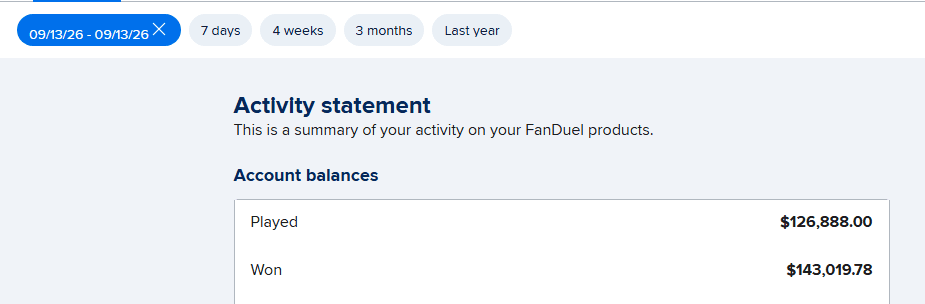
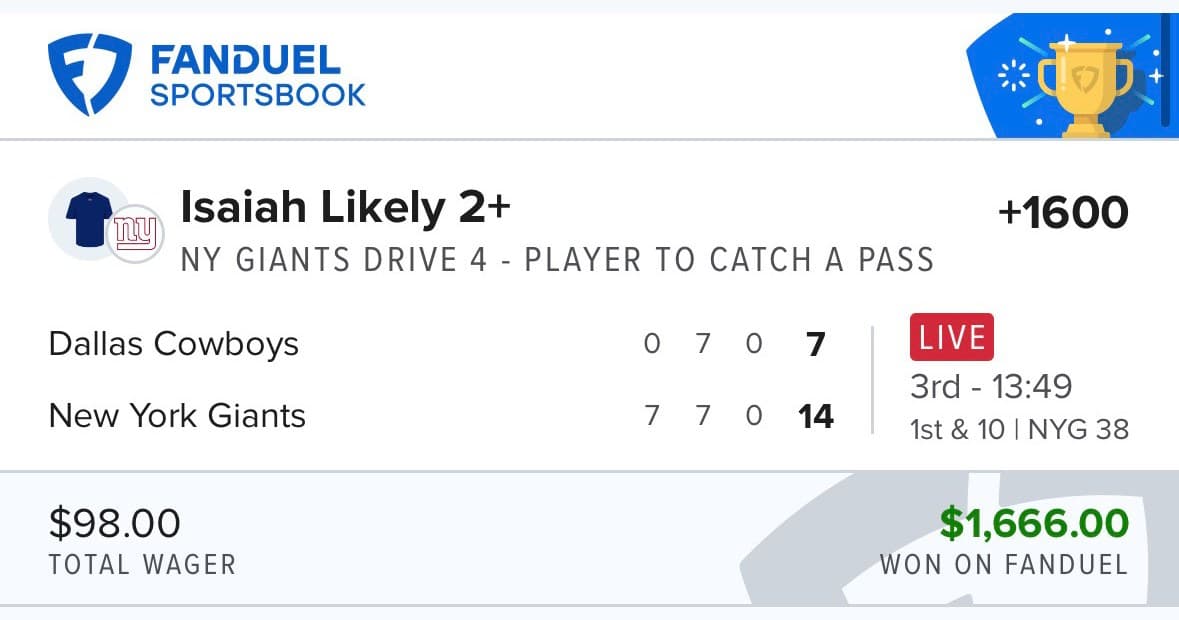
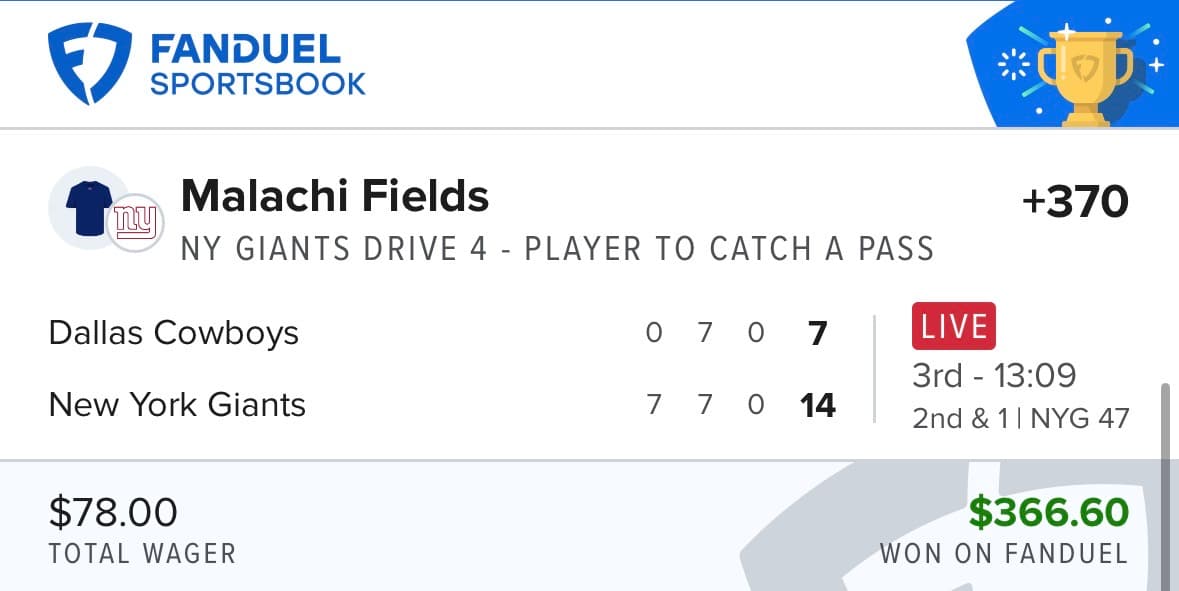
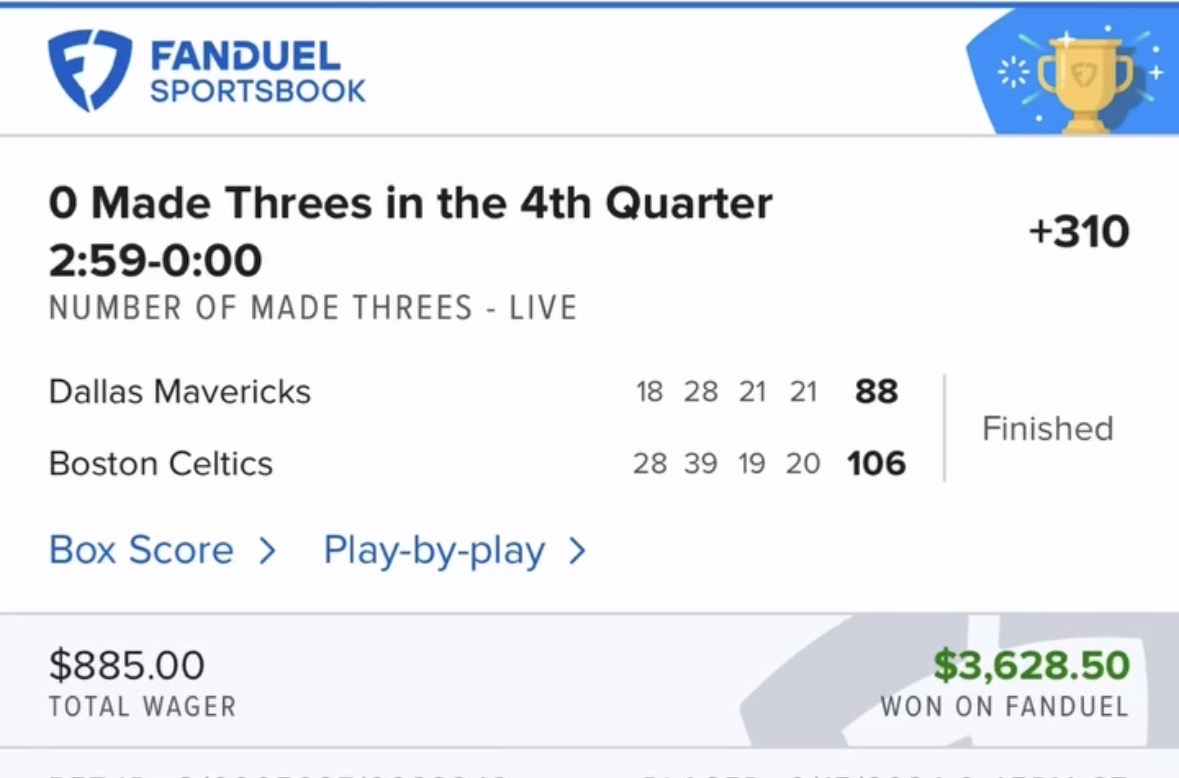
If you follow a genuinely profitable picks service and still finish the month near break-even, the handicapping was probably not the problem — the four gaps between a posted record and your actual bet slips were. The Best Bet on Sports has produced a verified $367,520+ profit across all six major U.S. sportsbooks over more than twenty years of live in-game betting, and the most common message we get from a new subscriber in their first month is some version of "I'm not up as much as your record says I should be." That is usually true, and it is usually explainable. A service's record measures every pick, at the price it was released, at one flat unit. Almost nobody bets that way. The distance between those two things has a name and a size, and once you can see it, you can close most of it.
This article is about that distance. It is not an excuse for a service that loses — a service that loses does not become profitable because you followed it imperfectly. It is about the far more common situation where the picks were fine and the execution quietly ate the edge.
The Four Leaks Between a Record and Your Bankroll
A posted record is a specific, narrow claim: these plays, at these numbers, at equal stakes. Your results are a different measurement entirely. Four things separate them.
Skipped picks. You took 70 of 100. Maybe you were asleep, maybe you didn't like the look of one, maybe you were already down for the day.
Worse prices. The pick went out at one number and you got a worse one — because you were late, because your book was slower, because the market had already moved. The single-bet version of that decision is covered in what to do when you can't get the same line as the pick.
Inconsistent sizing. Some plays got two units because you liked them. Some got half a unit because you didn't. The record assumed one unit on all of them.
Missed entries. Live markets suspend. You had the alert, you had the number, and the book took the market down before your bet confirmed.
Individually, each of those sounds like a small haircut. Together they routinely convert a genuinely profitable set of picks into a roughly flat month. That gap is why so many bettors misjudge sports handicappers they were actually right to hire, and why our sports picks publish an entry price on every play so you can check your slips against the record. Here is a worked example — these figures illustrate the arithmetic and are not our posted record:
| Leak | The naive assumption | Realistic drag per 100 picks | Why it runs worse than the naive number |
|---|---|---|---|
| Skipped 30% of picks | Proportional: keep 70% of the edge | −2.1 to −3.5 units | You skip on comfort, and comfort correlates with soft markets |
| Worse price on half the plays | A few cents, evenly spread | −1.5 to −2.5 units | You are slowest where the number moves fastest |
| Sizing drift (0.5u to 2u) | Neutral in expectation | −1.0 to −2.5 units | Your biggest stakes land on your worst prices |
| Missed or suspended entries | Random 1–2% of plays | −0.5 to −1.5 units | Markets suspend at moments of maximum value |
| Net effect on a +6.9 unit record | "Should be around +5" | +0 to +2 units | — |
That bottom row is the whole phenomenon. A record that is real and positive can arrive in a subscriber's account as approximately nothing.
The Part Everyone Gets Wrong: The Gap Is Not a Haircut
Most bettors, shown the table above, will accept the first column and reject the fourth. Sure, I skipped 30% — so I got 70% of the profit. Sure, I paid a worse price sometimes — that's a small tax. That reasoning treats each leak as a proportional reduction of a random sample.
It isn't. Three of the four leaks are adversely selected — they remove better-than-average bets and keep worse-than-average ones. This is the single most important idea in this article, and it is why so many subscribers are genuinely confused by their own results.
Skipping is not random. You skip the games you don't know, the teams you can't picture, the numbers that look ugly, the late window when you're tired. But an unfamiliar matchup in a lightly watched game is exactly the kind of market that gets priced loosely, because the book has less to fear there and the public has less interest. A number that "looks wrong" often looks wrong because it is wrong — that is what an edge feels like from the inside. Your skip filter is therefore pointed, on average, at the softest plays on the list. You did not keep 70% of the edge. You kept 70% of the picks and something less than 70% of the edge.
Slippage is not random either. You get the release price on quiet, slow-moving markets and you miss it on the ones sprinting away from you. But a market sprints because information is being absorbed fast, and the picks worth the most are disproportionately the ones with the shortest window. So the plays where you got the worst fill are systematically the plays that were worth the most. The full price-decay math for a single late entry is in when a live pick arrives late and the number moved.
Sizing drift is the same trap, one level up. Your confidence in a play tends to rise with how obvious it looks — and how obvious a play looks is correlated with how much public money is on it, which is correlated with a worse price. So the doubled-up stakes land on the compressed numbers and the half-units land on the plays with real margin. In expectation, variable sizing driven by feel is not neutral. It is negative.
Only the fourth leak — a book suspending a market before your bet confirms — is close to a genuine tax rather than a selection effect, and even that one clusters around high-value moments.
The conclusion is uncomfortable and worth stating directly: the gap between a record and your results is not a discount, it is an adverse-selection tax, and it compounds every one of the leaks above.
How to Close Most of the Gap
The good news is that all four leaks are process problems with process fixes, and none of them require you to get better at handicapping.
Flat-stake everything for a defined period. Not forever — but for a full evaluation window, bet one unit on every play regardless of how you feel about it. This kills the sizing leak outright and, more importantly, it makes your results comparable to the record for the first time. You cannot diagnose a service on data you contaminated. Our sizing framework is in bankroll management for $100 to $500 bettors.
Decide your skip rule in advance, in writing. "I only bet NFL and NBA" is a legitimate rule. "I don't bet games after 10pm" is a legitimate rule. "I didn't like the look of that one" is not a rule; it is a mood, and it is the mood that is costing you. A written rule applied consistently is a known filter you can adjust later. An unwritten one is an invisible leak. There is a fuller version of this question in do you have to bet every pick.
Set a maximum acceptable price before the alert arrives. Not a vague intention to "get a good number" — an actual line. If the release was -110 and you decide in advance that -120 is your ceiling, then a -125 fill is a pass and you never have to make that decision under time pressure with a game moving.
Have the account funded and the app already open. The largest single fix for missed entries is boring: money sitting in more than one book, logged in, before the window opens. Spreading balances across books also protects you when one of them limits you, which is covered in sportsbook account stacking for live betting.
Keep a four-column ledger. For every pick: released price, your price, your stake, taken or skipped. After 50 plays you will be able to attribute your gap to a specific leak instead of guessing at it. Nearly everyone who does this discovers their problem is one of the four and not a general failure of the picks.
What This Means When You're Evaluating a Service
Two practical consequences.
First, do not judge a service on a month you executed badly. If you took 60% of the plays at drifting prices with variable stakes, you have not tested the service — you have tested your own process, and it failed. That is worth knowing, but it is a different finding. Judge the picks against the record only once your execution is clean enough that the two are measuring the same thing.
Second, a service that publishes its release price on every play is giving you the tool to audit yourself. A record without entry prices cannot be checked against your slips at all, which is one of several reasons entry prices matter more than win-loss totals. The wider framework for reading a record honestly is in how to read a sports betting track record, and the metric that matters most is covered in win rate vs ROI.
There is one structural reason live picks make this easier than pregame picks, and it is worth knowing before you start. A live pick is released with an exact number and an exact window because the market is moving in real time — there is no ambiguity about what price you were supposed to get. That specificity is inconvenient in the moment and enormously useful afterward, because it makes the gap between the record and your slips measurable rather than a matter of opinion. Our approach to that is described in what makes a good live betting pick, and the case for the format itself is in live betting vs pre-game picks.
Get Tonight's Live Picks
Want tonight's live in-game picks delivered to your phone via Email and Discord during the game, with the exact entry number and window on every play?
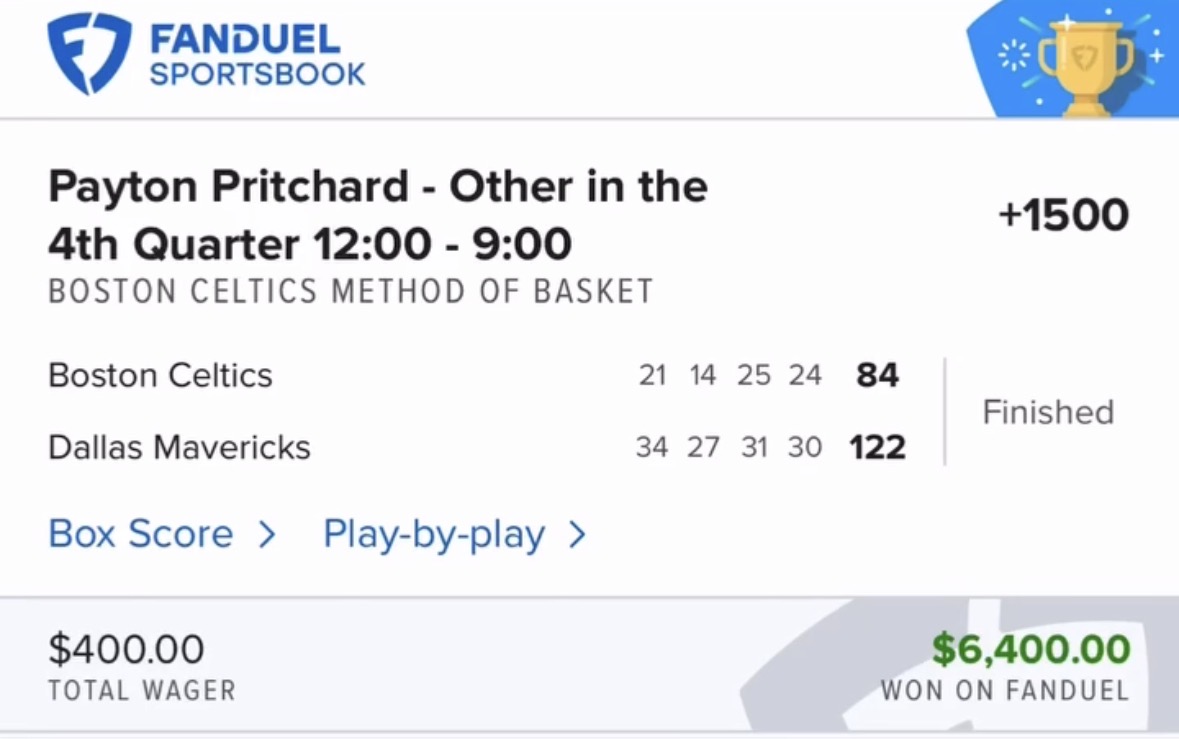
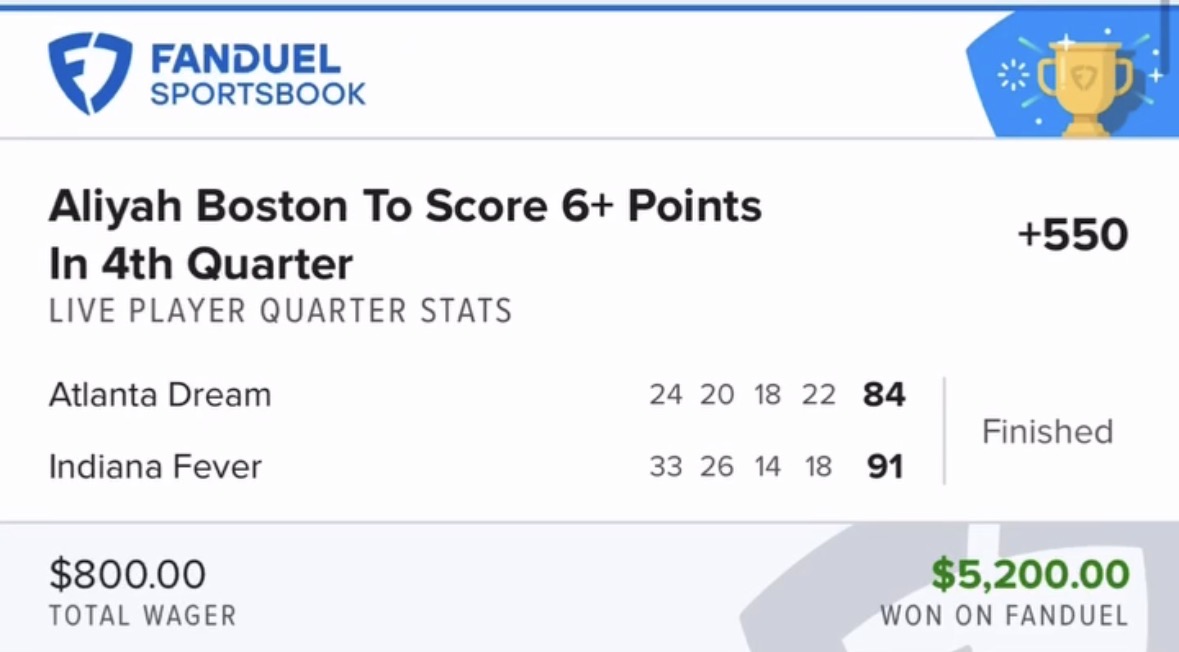
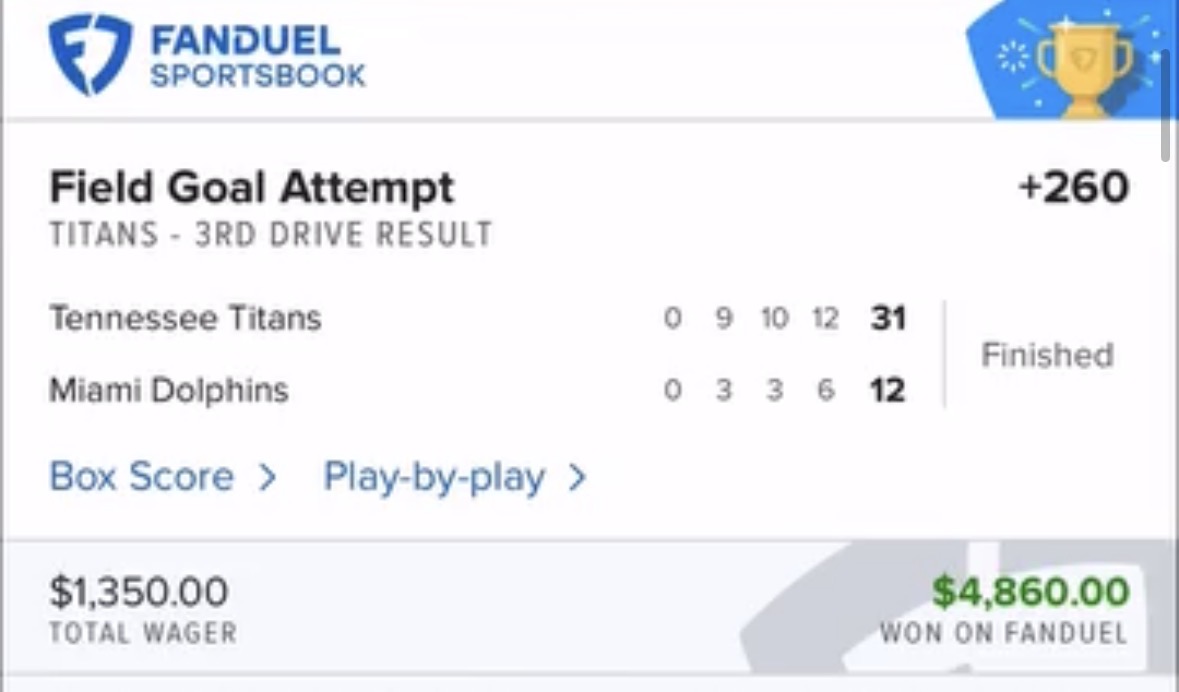
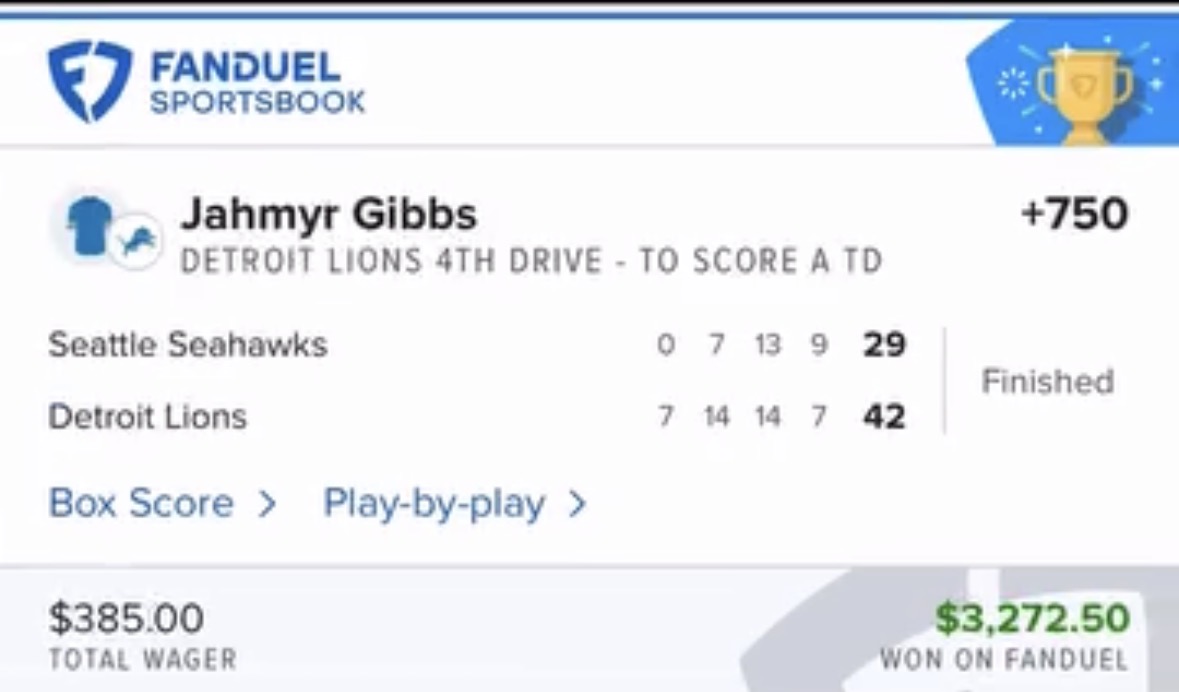
The Best Bet on Sports is the only live betting handicapping service limited on all six major U.S. sportsbooks (FanDuel, DraftKings, Caesars, BetMGM, Fanatics, ESPN BET) for winning too much during in-game action. Verified profit: $367,520+. Picks delivered via Email and Discord during games.
→ Get tonight's live picks: $199 first month — 1-Unit package, full live betting access → Try a free live pick first — reserve your spot for tonight's pick
Frequently Asked Questions
Why is my profit lower than my picks service's posted record?
Almost always because of four execution gaps rather than the picks themselves: you skipped some plays, you got worse prices on others, you staked inconsistently, and a few entries never confirmed. A posted record measures every pick at the released price at one flat unit. If your slips differ from that on all four dimensions, your result is measuring something else entirely.
Does skipping picks just reduce my profit proportionally?
No, and this is the most costly misunderstanding in the article. Skipping is driven by comfort — unfamiliar teams, unattractive-looking numbers, late games — and those are disproportionately the loosely priced markets where the edge lives. Skipping 30% of picks removes more than 30% of the expected profit, because the plays you drop are worse-than-random for you but better-than-average in value.
How much does getting a worse price actually cost?
Enough to matter far more than most bettors assume. Ten cents of slippage on a standard -110 bet raises your required break-even hit rate by roughly two percentage points, which is a large share of any realistic edge. The damage is compounded by the fact that slippage is not evenly distributed — you miss the release price most often on the fastest-moving markets, which tend to be the most valuable plays.
Should I bet more on the picks I feel best about?
Not while you are evaluating a service, and probably not after. Confidence tends to track how obvious a play looks, obviousness tracks public money, and public money tracks compressed prices. Variable sizing driven by feel therefore concentrates your largest stakes on your worst numbers. Flat staking removes that leak and makes your results directly comparable to the posted record.
How long should I flat-bet before judging a service?
Long enough to accumulate a meaningful sample with clean execution — a few hundred graded plays is where the noise starts to settle, and even 50 plays with a proper ledger will tell you where your leaks are. What matters more than the raw count is that the sample is uncontaminated: every pick taken, at a price within your stated ceiling, at one unit.
What should I record for each pick?
Four columns are enough: the released price, the price you actually got, your stake, and whether you took the play at all. That is sufficient to attribute your entire gap to a specific leak. Most subscribers who keep this ledger for a month discover their shortfall traces to one dominant cause rather than a general failure of the picks.
Are live picks harder or easier to execute than pregame picks?
Harder in the moment, easier to audit afterward. A live pick comes with an exact entry number and a short window, so you have to act quickly — but that same specificity means there is never any question about what price you were supposed to get. Pregame picks feel more relaxed and hide execution problems, because a vague "take it around -110" can absorb a lot of slippage before you notice.
The Best Bet on Sports · 1.5M followers on TikTok
Sports Betting TikTok is the live betting account behind The Best Bet on Sports, covering NFL, NCAAF, NBA, NCAAB, MLB and WNBA markets in real time. The account has been limited on all six major U.S. sportsbooks — FanDuel, DraftKings, Caesars, BetMGM, Fanatics and ESPN BET — for winning on live betting, with $367,520 in verified profit since 2005. View full profile →
Past results do not guarantee future performance. Must be 21 or older to wager.
Related Articles
Your Sportsbook's Bet History Is a Receipt, Not a Record
Can a Pick Service Fix Bad Betting Habits? The Honest Answer
Can You Actually Place Live Betting Picks in Time?
Does a Pick Service Stop You From Learning to Bet?
Does a Picks Service Still Pay After Taxes?
The 2026 Gambling Tax Change Makes Bet Volume Expensive
Get real live betting picks
From $39.95/mo · Cancel anytime · Email + Discord delivery
● Get The Picks
Choose your package
Tap any tier below to select · Subscribe in one tap
👇 Tap any package to select it
✓ You're selecting
25 Units · $99.95/month
25 unit picks per month. Sweet spot for most bettors — plenty of action without going all-in.
- ✓25 live betting selections/month
- ✓Email + Discord delivery
- ✓All sports (NFL, NCAAF, NBA, NCAAB, MLB)
- ✓Mix of 1, 2, 3, 5-unit rated plays
- ✓Cancel anytime
Secure PayPal · Cancel anytime · No hidden fees · 21+ · +$367K verified
+$367,520 verified · Limited on 6 sportsbooks · 20 years documented · See Proof
Join Our Newsletter
Get free expert sports picks and analysis delivered weekly.