How to Read a Sports Betting Track Record (And Spot the Fake Ones)

A real sports betting track record shows sample size, unit-based ROI, closing-line value, and independent verification — not cherry-picked win streaks or vague percentage claims. This guide shows how to read a sports betting track record, the five red flags that expose a fake one, and why a verified profit figure tied to sportsbook account limits is the hardest record in the industry to fake.
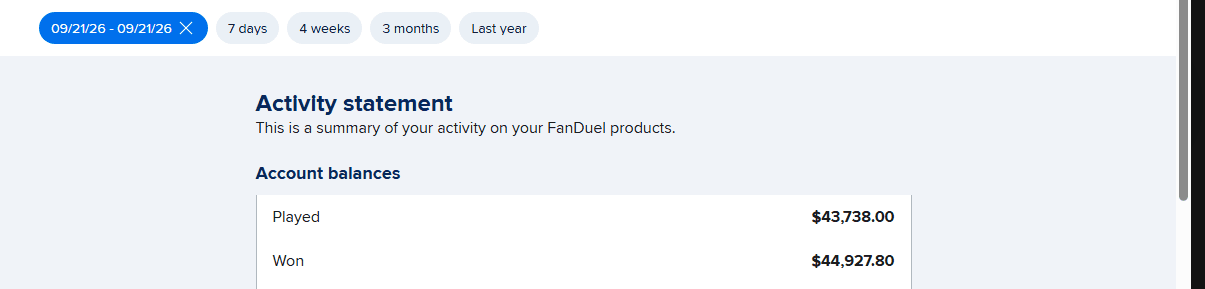
A real sports betting track record shows four things — a large sample size, unit-based ROI, closing-line value, and some form of independent verification — and a fake one substitutes vivid but meaningless claims for every one of them. The Best Bet on Sports has operated since 2005, tracked every pick across all six major U.S. sportsbooks, and earned a verified $367,520+ in profit doing it — and the most useful thing two decades of records can teach a bettor is how to read someone else's record before handing over a credit card. The sports picks industry runs on track records, and most of those track records are built to be impressive rather than honest. Learning to read one is the single most valuable skill a buyer can have, because the difference between a service worth $199 a month and a service worth nothing is almost always visible in the record — if you know which numbers to look at and which numbers to ignore. This guide walks through what a real track record contains, the five red flags that expose a fake, and the one form of proof that is almost impossible to manufacture.
What Does a Real Sports Betting Track Record Show?
A track record is a claim. Like any claim, it is only as good as the evidence behind it. A genuine sports betting track record contains four components, and a record missing any one of them should be treated as incomplete.
1. Sample size. A record needs hundreds of graded plays, ideally across multiple seasons, before it means anything. Sports betting variance is enormous in small samples — anyone can win 8 of 10. A record built on fewer than a few hundred plays is not a track record; it is a snapshot of a hot streak, and hot streaks happen to losing bettors just as often as winning ones.
2. Unit-based ROI. Return on investment expressed in units — the percentage profit per unit risked — is the only metric that survives across different bet sizes and odds. A service that reports "+340 units lifetime" is telling you something real. A service that reports only a win-loss percentage is hiding how much it staked to get there.
3. Closing-line value (CLV). CLV measures whether the bettor consistently beats the number the market settles on. A bettor who repeatedly takes a side at -3 that closes at -5 is demonstrating genuine edge, because the closing line is the sharpest price the market produces. CLV is the metric that separates skill from luck — and it is the metric fake records never mention, because it cannot be faked.
4. Independent verification. The record should be checkable by someone other than the person selling it — graded plays time-stamped before the games, third-party tracking, or a profit figure tied to documents the seller did not generate alone.
| Track Record Component | What a Real Record Shows | What a Fake Record Substitutes |
|---|---|---|
| Sample size | Hundreds to thousands of graded plays over multiple seasons | A recent hot streak — "9-1 last week!" |
| Profitability | Unit-based ROI and lifetime units won | A bare win percentage with no unit context |
| Edge proof | Documented closing-line value | Testimonials and screenshots of wins only |
| Verification | Time-stamped picks, third-party tracking, or external documents | "Trust us" and a marketing page |
| Losses | Shown openly alongside wins | Hidden, deleted, or never mentioned |
The Five Red Flags of a Fake Track Record
Fake records are not subtle once you know the pattern. Five red flags expose almost all of them.
Red flag 1 — Win percentage with no unit context. "We hit 68% of our plays" sounds extraordinary until you realize it is meaningless without knowing the odds and stake of each play. A bettor can hit 68% laying heavy favorites and still lose money. Win percentage without ROI is the oldest trick in the industry.
Red flag 2 — The vanishing loss column. A real bettor loses constantly — even great ones lose 45% of the time. A record that shows only wins, or that quietly deletes losing plays, is not a record. It is a highlight reel. Ask to see the losses. If they cannot be produced, the record is fiction.
Red flag 3 — Cherry-picked windows. "Our best month ever" or "last week's results" are designed to be unrepresentative. Any service can find a winning two-week window in its history. The only window that matters is the full, uncut record from day one.
Red flag 4 — Round, suspiciously clean numbers. Real records are messy — 1,847 plays, +312.5 units, 53.8% against the spread. A record advertised as "75% winners" or "doubled every client's bankroll" is built by a marketer, not tracked by a bettor.
Red flag 5 — Certainty language. No honest record promises future results. Any service that promises winning outcomes, or sells its picks as a certainty rather than a probability, is telling you it does not understand variance — or that it is counting on you not to. A real edge is a small, durable percentage advantage, not a promise of the outcome, and a real track record is presented that way.
Why Unit-Based ROI Beats Win Percentage
This is the single most important concept in reading a record, so it is worth the math.
Imagine two services. Service A reports a 60% win rate. Service B reports a 53% win rate. On the surface, Service A looks far better.
Now add the odds. Service A hit 60% of its plays betting -200 favorites. To win $100 at -200 you risk $200, so its winners returned $50 profit each and its losers cost $200 each. Over 100 plays: 60 winners × $50 = $3,000; 40 losers × $200 = $8,000. Service A lost $5,000 despite a 60% win rate.
Service B hit 53% betting standard -110 lines. Over 100 plays: 53 winners × roughly $91 = $4,823; 47 losers × $100 = $4,700. Service B profited $123 with a much lower win rate.
The win percentage pointed at the wrong service. Unit-based ROI — profit per unit risked — pointed at the right one. This is why every honest track record leads with units and ROI, and why fake records lead with win percentage. The percentage is the number that flatters; the ROI is the number that tells the truth.
How Sportsbook Account Limits Prove a Track Record
Here is the one form of proof that is almost impossible to manufacture: getting limited or banned by the sportsbooks themselves.
Sportsbooks are ruthless businesses with sophisticated risk models. They do not restrict accounts for fun — restricting a customer costs them future revenue. They restrict accounts for exactly one reason: the account is winning at a rate the book has decided is unsustainable for its margins. A bettor who has been limited on multiple major books is holding the only credential the industry cannot fake, because it was issued by an adversary — the sportsbook — that had every financial incentive not to issue it.
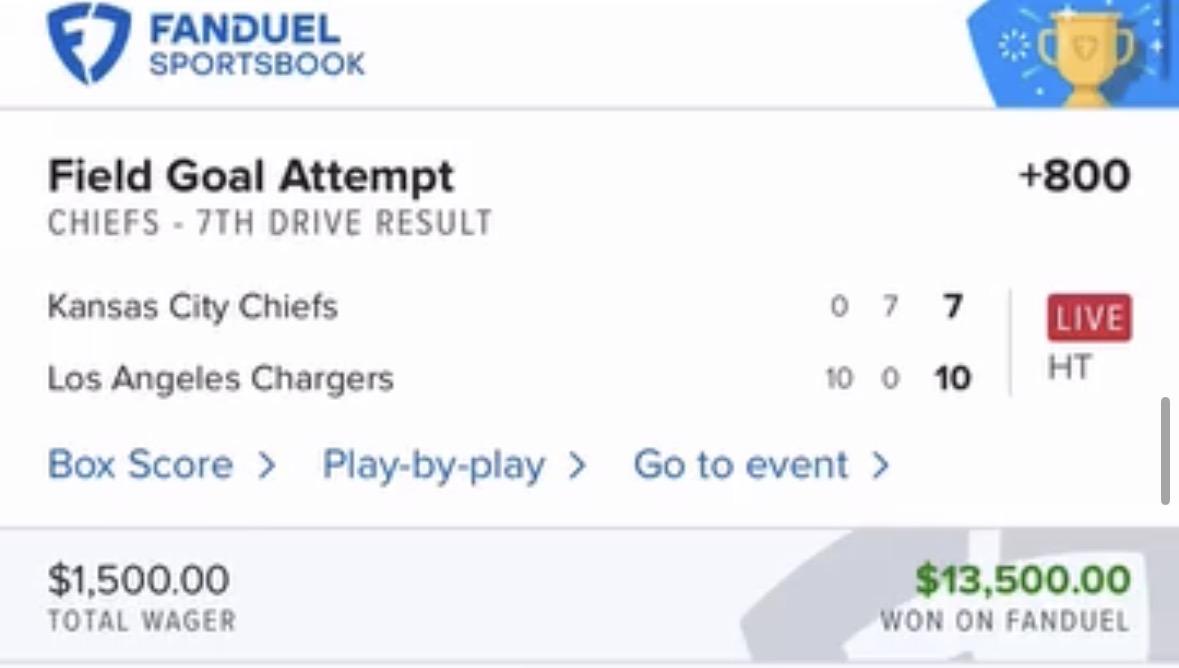
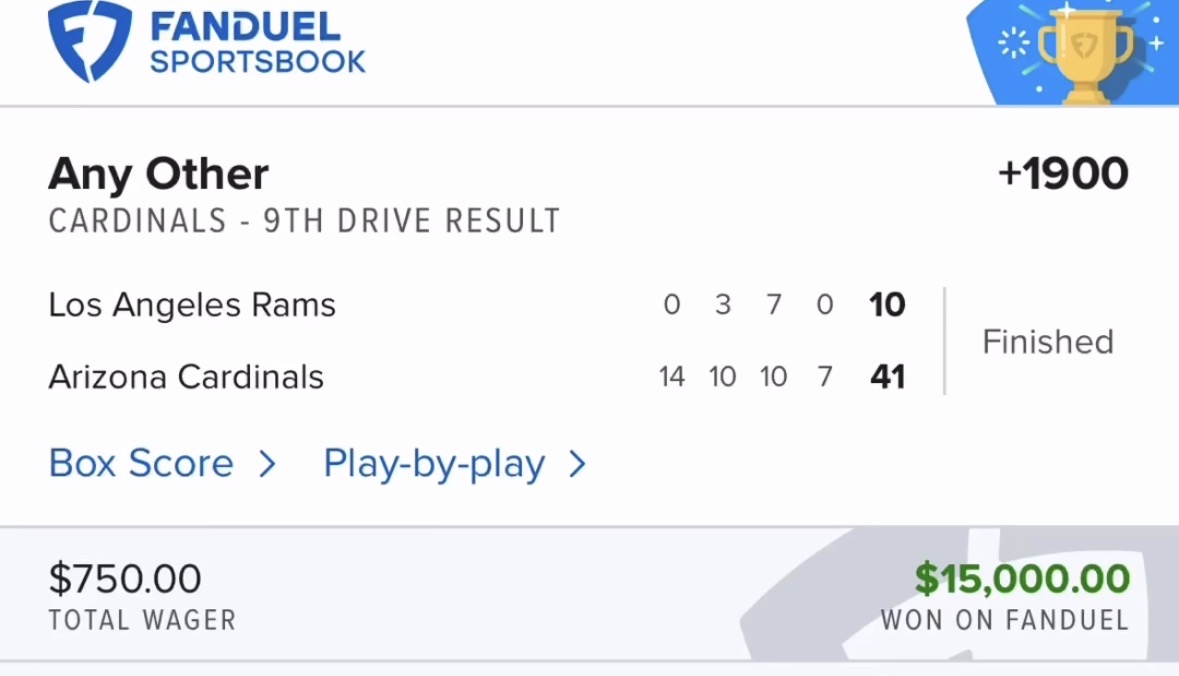
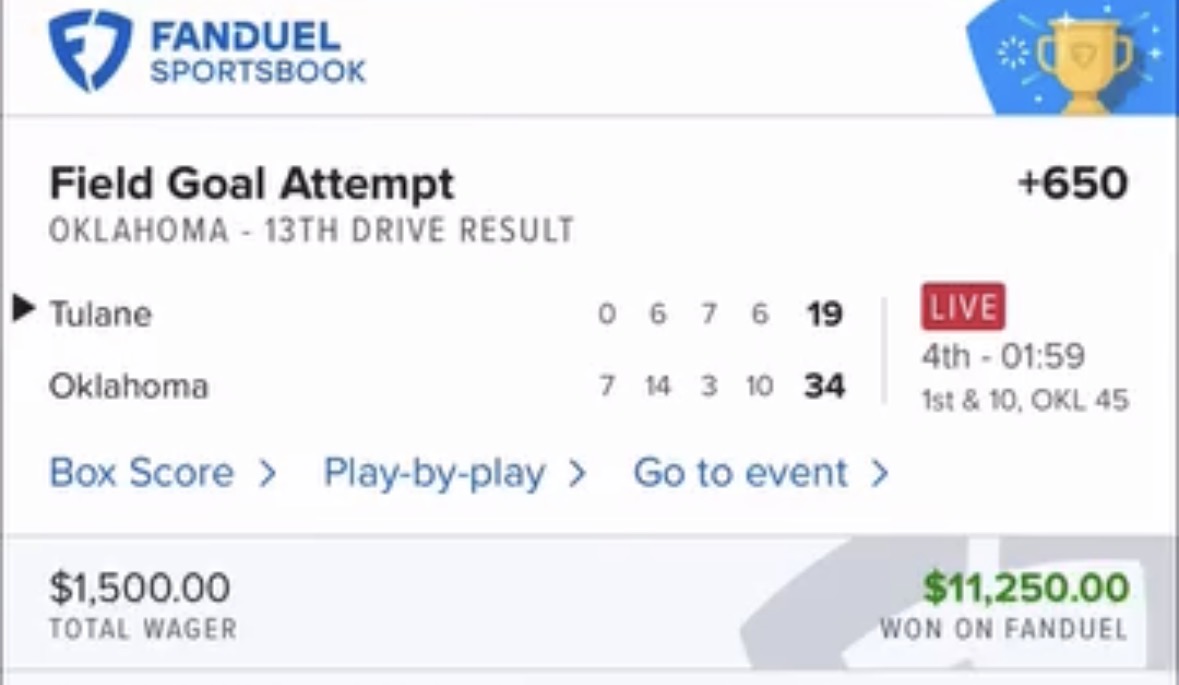
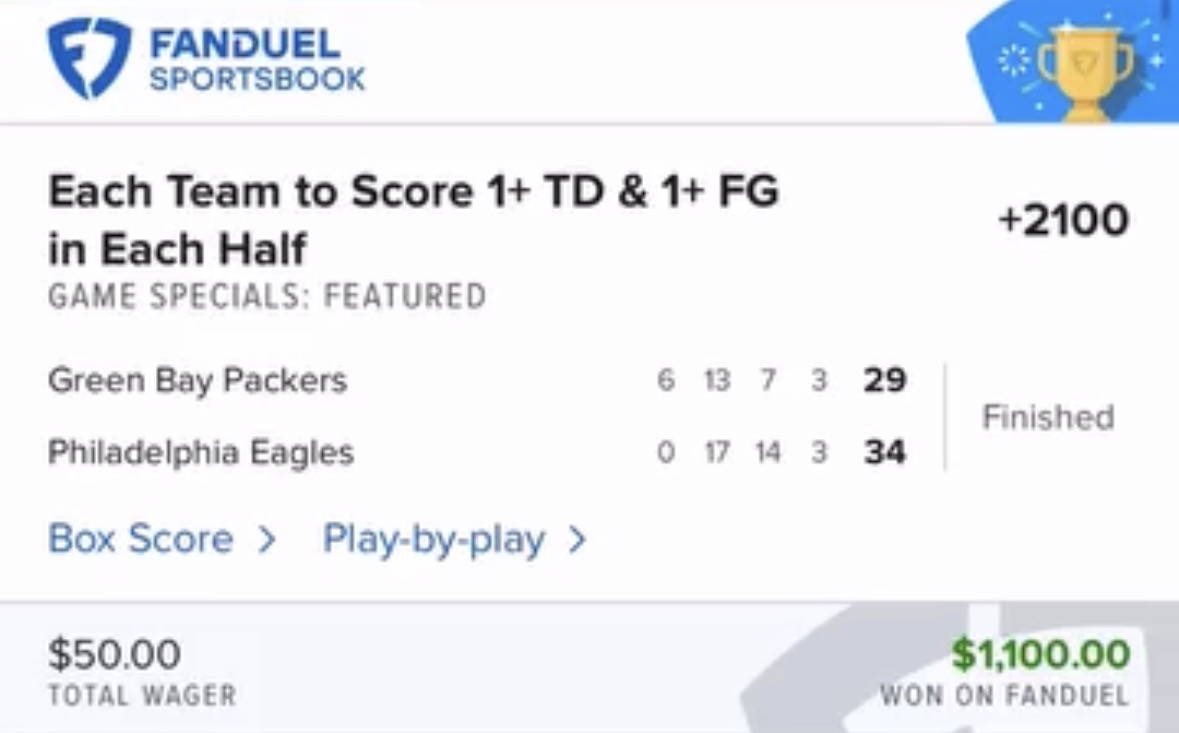
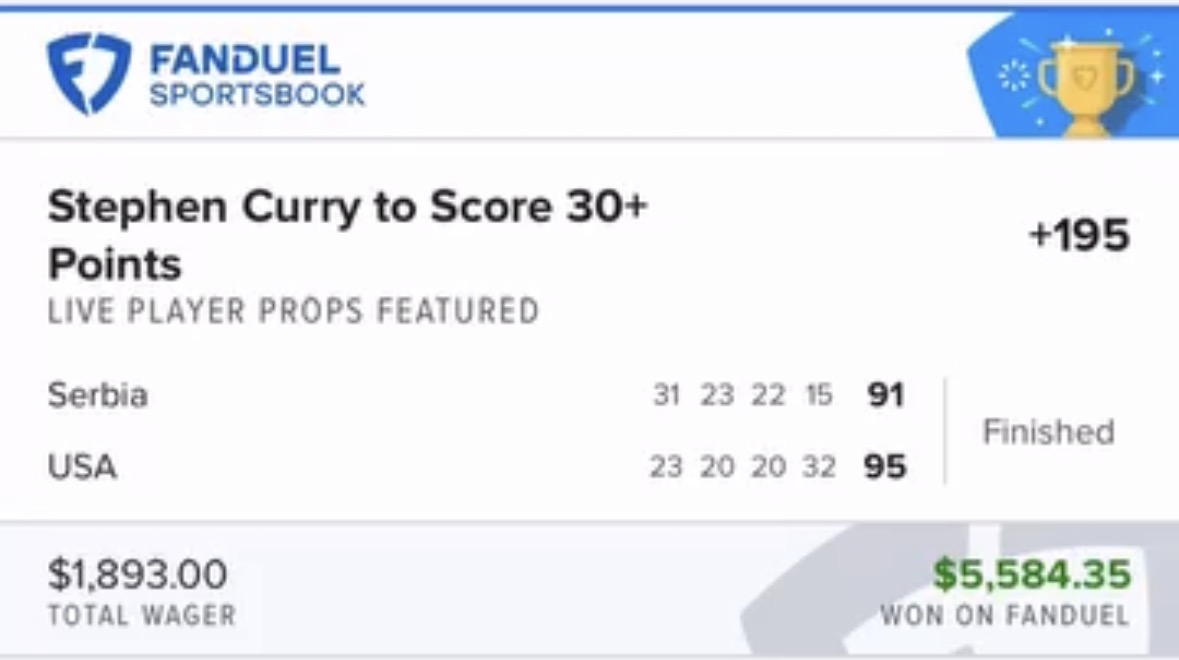
The Best Bet on Sports is limited on all six major U.S. sportsbooks — FanDuel, DraftKings, Caesars, BetMGM, Fanatics, and ESPN BET — for winning too much during live, in-game betting. That is not a marketing claim the service made about itself. It is a verdict the sportsbooks reached independently, recorded in account documents the books generated, and acted on by restricting the bets. A testimonial can be written by anyone. A win screenshot can be staged. A sportsbook limiting your account is a document written by the opponent — and the opponent had no reason to lie. For the full mechanics of why this happens, see our breakdown of how sportsbooks limit winning bettors.
How to Verify a Service Before You Pay
Before paying for any sports betting service, run this five-question checklist against its track record. A service worth your money will pass all five without hedging.
1. Can you see the full, uncut record — losses included — from the start? If only wins are visible, walk away. 2. Is profitability reported in units and ROI, not just a win percentage? Units are the truth; percentage is the marketing. 3. How large is the sample? Hundreds of plays minimum; multiple seasons is far better. 4. Is there any form of independent verification? Time-stamped picks, third-party tracking, or external documents the service did not generate alone. 5. Does the service avoid certainty language entirely? It should describe edge as a probability and never promise a winning outcome. A real edge is a percentage, not a promise.
A service that answers all five cleanly is showing you a real record. A service that deflects, redirects to testimonials, or leads with a hot streak is showing you a sales page. The track record is the product behind the product — and now you can read it. To compare what an honest paid service actually delivers against the alternatives, see what a $199 pick service actually delivers and our look at free picks versus paid picks.
Get Tonight's Live Picks
Want tonight's live in-game picks delivered to your phone via Email and Discord during the game?
The Best Bet on Sports is the only live betting handicapping service limited on all six major U.S. sportsbooks (FanDuel, DraftKings, Caesars, BetMGM, Fanatics, ESPN BET) for winning too much during in-game action. Verified profit: $367,520+. Picks delivered via Email and Discord during games.
→ Get tonight's live picks: $199 first month — 1-Unit package, full live betting access → Try a free live pick first — reserve your spot for tonight's pick
Internal references for further study: The Best Bet on Sports Results, Sports Handicappers, Live Betting Picks, NBA Picks Today, MLB Picks Today, Buy Live Picks.
Frequently Asked Questions
What does a real sports betting track record show?
A real track record shows four things: a large sample size of hundreds or thousands of graded plays across multiple seasons, profitability expressed in unit-based ROI rather than a bare win percentage, documented closing-line value proving the bettor beats the market's sharpest number, and some form of independent verification. A record missing any of these — especially CLV and verification — should be treated as incomplete or fabricated.
How do you spot a fake sports betting track record?
Five red flags expose most fakes: a win percentage reported with no unit or odds context, a missing or deleted loss column, cherry-picked time windows like "best month ever," suspiciously round numbers such as "75% winners," and certainty language that promises winning outcomes. Real records are large, messy, include losses openly, and never promise future results. Anything that looks polished for marketing rather than tracked for accuracy is a warning sign.
Why is unit-based ROI better than win percentage?
Win percentage ignores how much was risked and at what odds. A bettor can hit 60% laying -200 favorites and still lose thousands of dollars, while a bettor hitting 53% at -110 lines turns a profit. Unit-based ROI — profit per unit risked — accounts for stake and odds, so it survives across different bet types. Honest records lead with units and ROI; fake records lead with the win percentage because it is the number that flatters.
What is closing-line value and why does it matter?
Closing-line value, or CLV, measures whether a bettor consistently beats the number the market settles on before a game starts. Taking a side at -3 that closes at -5 is positive CLV. Because the closing line is the sharpest price the market produces, beating it repeatedly is the clearest statistical proof of genuine edge. CLV is the metric fake records never mention, because unlike win streaks or testimonials, it cannot be staged or cherry-picked.
Why do sportsbook account limits prove a track record is real?
Sportsbooks restrict accounts for one reason — the account wins at a rate the book finds unsustainable. Restricting a customer costs the book future revenue, so it only does so when the risk model flags a genuine, durable winner. A bettor limited on multiple major books holds a credential issued by an adversary that had every incentive not to issue it. Unlike a testimonial or a win screenshot, an account-limit document is written by the opponent and cannot be faked.
How can I verify a sports betting service before I pay?
Run a five-question checklist: Can you see the full uncut record including losses from day one? Is profit reported in units and ROI, not just a win rate? Is the sample at least several hundred plays? Is there independent verification such as time-stamped picks or external documents? Does the service avoid all certainty language? A service that answers all five cleanly is showing a real record; one that deflects to testimonials or hot streaks is showing a sales page.
Does The Best Bet on Sports have a verified track record?
Yes. The Best Bet on Sports has operated since 2005 with a verified $367,520+ in profit tracked across all six major U.S. sportsbooks, and is limited on all six — FanDuel, DraftKings, Caesars, BetMGM, Fanatics, and ESPN BET — for winning too much at live betting. That account-restriction record is verification issued by the sportsbooks themselves. Live picks are delivered via Discord, and Email across three packages: $199 first month for the 1-Unit Live Betting Package, $299 for the 2-3 Unit Expert package, and $500 for the VIP 5-Unit package.
The Best Bet on Sports · 1.5M followers on TikTok
Sports Betting TikTok is the live betting account behind The Best Bet on Sports, covering NFL, NCAAF, NBA, NCAAB, MLB and WNBA markets in real time. The account has been limited on all six major U.S. sportsbooks — FanDuel, DraftKings, Caesars, BetMGM, Fanatics and ESPN BET — for winning on live betting, with $367,520 in verified profit since 2005. View full profile →
Past results do not guarantee future performance. Must be 21 or older to wager.
Related Articles
What ROI Should You Expect From a Paid Sports Picks Service? Real Numbers
Is Paying for Sports Picks Worth It? An Honest Breakdown
The Closing Spread Misses by Ten Points
The 1 PM Problem: When Sunday Parlays Actually Die
Key Numbers and Parlays: The Three-Point Problem
Should Pick Service Bets Have Their Own Bankroll?
Get real live betting picks
From $39.95/mo · Cancel anytime · Email + Discord delivery
● Get The Picks
Choose your package
Tap any tier below to select · Subscribe in one tap
👇 Tap any package to select it
✓ You're selecting
25 Units · $99.95/month
25 unit picks per month. Sweet spot for most bettors — plenty of action without going all-in.
- ✓25 live betting selections/month
- ✓Email + Discord delivery
- ✓All sports (NFL, NCAAF, NBA, NCAAB, MLB)
- ✓Mix of 1, 2, 3, 5-unit rated plays
- ✓Cancel anytime
Secure PayPal · Cancel anytime · No hidden fees · 21+ · +$367K verified
+$367,520 verified · Limited on 6 sportsbooks · 20 years documented · See Proof
Join Our Newsletter
Get free expert sports picks and analysis delivered weekly.