Can a Pick Service Fix Bad Betting Habits? The Honest Answer

A pick service fixes two of the four habits that cost bettors the most — unstructured game selection and inconsistent stake sizing — because both decisions get made by someone with no emotional exposure to your balance. It does not fix chasing, and it cannot stop you from betting extra on top of the picks, which is the most common way members undo the value they paid for.
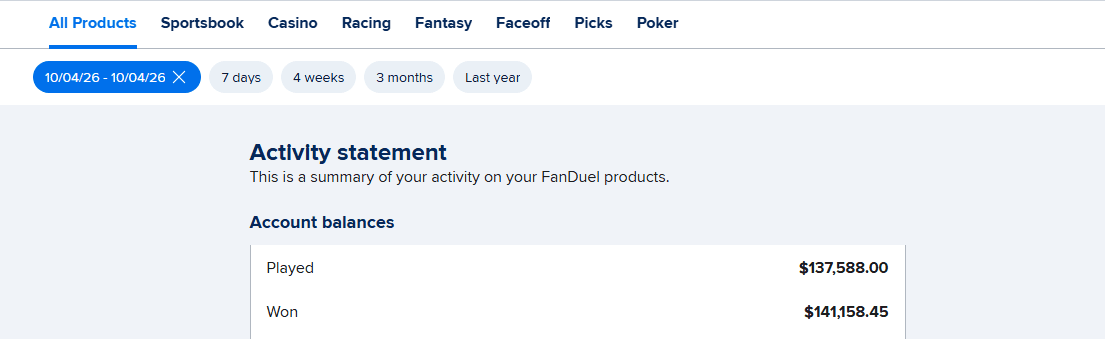
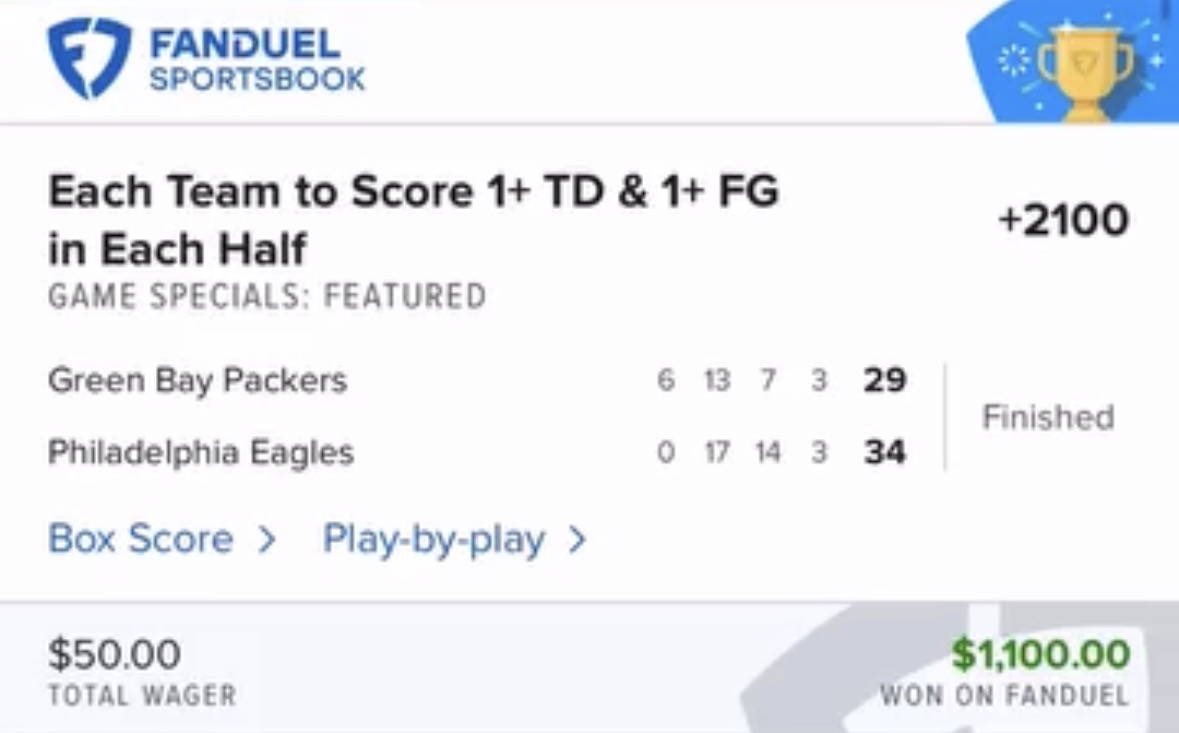
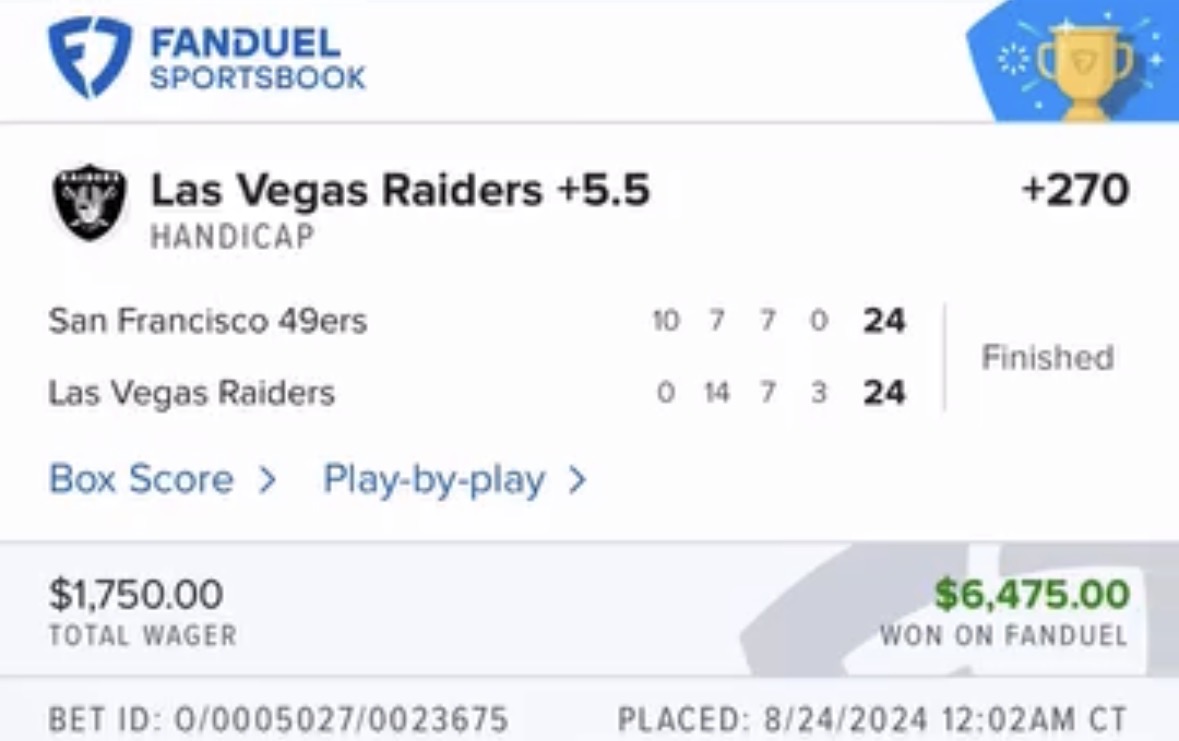
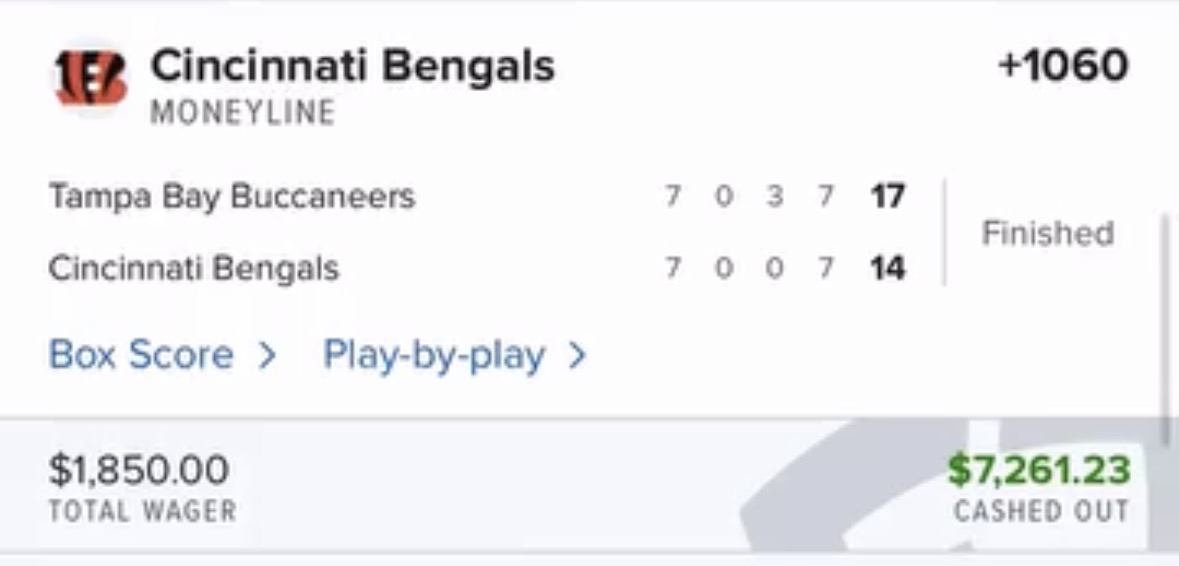
A pick service fixes some bad betting habits and is powerless against others, and knowing which is which is the difference between a subscription that works and one that quietly makes things worse. It reliably fixes the two habits that cost the most money: choosing games with no criteria, and sizing bets by how you feel. Both decisions get handed to someone with no emotional exposure to your balance, which is exactly why they improve. It does not fix chasing, and it cannot stop you from placing your own bets alongside the picks — which is the single most common way members erase the value they paid for. The Best Bet on Sports has run live in-game betting for more than twenty years with a verified $367,520+ in profit across every major sportsbook, and the honest version of this pitch is that a service is a decision structure, not a personality transplant.
Most bettors who lose money do not lose it because they lack information. They lose it because of the bets they make at eleven o'clock at night on a game they do not care about, at three times their normal stake, after a bad afternoon. That is not an information problem. This is a guide to which part of it a paid service actually solves.
The Four Habits That Cost the Most Money
Ask any bettor who has been at it for years to name what actually drained the account, and you get some version of the same four answers.
Unstructured selection. Betting a game because it is on, because you have an opinion, or because the slate is thin and you want action. No filter, no threshold, no reason the bet exists other than availability.
Inconsistent stake sizing. Betting $50 on the game you are sure about and $200 on the one you are furious about. Confidence and stake size correlate, but not in the direction bettors think — the biggest bets tend to come after losses, not after research.
Chasing. Increasing exposure to recover a deficit, on a timeline the deficit did not agree to. It is the fastest bankroll destroyer in the sport and the hardest to see while it is happening.
No separation between betting money and life money. Once the two funds touch, every other habit gets worse, because the stakes of an ordinary Sunday become something they were never supposed to be.
Here is the honest scorecard on what an outside service can and cannot do about each.
| Habit | Does a pick service fix it? | Why |
|---|---|---|
| Unstructured selection | Yes, largely | The bet exists only when a pick is sent; you stop generating action |
| Inconsistent stake sizing | Yes, if you follow posted units | The stake arrives with the pick, decided before the emotion |
| Chasing losses | No | Nothing external stops you from opening the app and adding your own bet |
| Betting money not separated | No | That decision happens before any service is involved |
| Not tracking results | Partly | A service posts its record; your own record is still on you |
Two clean yeses, two clean noes, one partial. Any service that claims more than that is selling something other than the truth.
Why Outsourcing the Decision Actually Works
The mechanism is not that a service knows more than you, though a full-time operation usually does. The mechanism is that the person choosing the bet has no emotional exposure to your balance.
Every discipline failure in betting happens at a specific moment: the instant between wanting to bet and placing the bet. In that moment your judgment is doing two jobs at once — evaluating a game and managing how you feel about the day so far. Those two jobs conflict, and the second one wins more often than anyone admits.
A delivered pick removes the second job entirely. The analysis was done hours or minutes earlier by someone who does not know or care whether you are up or down. The stake was assigned by a system that has never had a bad afternoon. When the alert arrives, the decision has already been made in a room where the emotion was not present.
This is why the same bettor who cannot enforce a staking plan on themselves can often follow an identical plan when someone else sets it. It is not weakness. It is that self-enforced rules are evaluated by the same brain that wants to break them, and external rules are not. That is the whole psychological argument for a service, and it is more defensible than most of the arguments people make about picking winners. It is also the argument that matters most when you compare sports handicappers: a defined set of sports picks replaces an open-ended board with a finite list of decisions.
Where a Service Is Actively More Useful: Live Betting
The discipline problem is worse in-game than pregame, which is exactly why structure is worth more there.
Pregame betting happens with time to think. You can look at a number, walk away, come back. Live betting happens with the phone in your hand, the game moving, and a number that changes every few seconds. Every condition that produces bad decisions — time pressure, emotional involvement, a visible scoreboard telling you whether you are winning — is amplified.
A bettor left alone with a live market will place many more bets than they intended, because every possession offers another opportunity and the app makes each one two taps away. Volume is not the goal; the right spots are. A live service sends a specific bet at a specific number with a specific stake and then goes quiet, which converts an open-ended market into a finite set of decisions. That is the difference between watching a game with a betting app open and having a plan, and it is a large part of why the edge in live markets survives where pregame edges get arbitraged away.
The Failure Mode Nobody Warns You About
Here is where honesty matters more than the sales pitch. The most common way a subscription fails is not that the picks lose. It is that the member bets the picks and keeps betting their own action on top.
The pattern is predictable. Someone subscribes, follows the picks for two weeks, and does well. Then a Sunday comes with a game they have a strong feeling about that no pick covers, and they bet it. Then two more. Within a month they are placing four bets of their own for every pick they follow, at stakes they set themselves, at moments they choose — which is precisely the behavior they paid to replace.
At the end of the month, the account is down. The picks were profitable. The member concludes the service does not work.
This is not rare. It is the norm among members who fail, and it is why we recommend keeping a separate column in your results for picks-followed versus self-generated bets. If you have never separated those two numbers, you do not actually know whether the subscription is working. Most bettors are startled by what the split shows. Our results page shows the service side; the other column is the one only you can keep.
The related question of whether you must play every pick sent is worth reading separately in do you have to bet every pick — the short version is that selective following creates the same problem in a quieter form, because the picks you skip are rarely random.
What a Service Cannot Do, Stated Plainly
It cannot stop you from chasing. No alert prevents you from opening a sportsbook app after a losing night and betting a game nobody recommended. If chasing is your primary leak, structure helps at the margins, but the fix is a stopping rule you enforce, plus the separation of funds described in bankroll management for $100 to $500 bettors. A service reduces the number of moments in which you are deciding; it does not remove your ability to decide.
It cannot fix an underfunded bankroll. If your monthly action is small enough that a subscription is a large percentage of it, the arithmetic does not work regardless of pick quality. That is a sizing question we work through in what bankroll do you need for a live betting service, and the answer is not the same for everyone.
It cannot make a losing stretch feel shorter. Every service has them. A member who quits after a bad week has converted a normal variance episode into a permanent loss, which is a different discipline problem than the ones above — covered directly in should you quit a pick service after a losing week.
It cannot substitute for a plan you never had. Following picks with no unit definition means the picks arrive as suggestions rather than instructions. If you do not know what a unit means for your bankroll, start with how betting units work before you start with anything else.
How to Tell If a Service Will Help Your Habits or Feed Them
Not every service is a structure. Some are a firehose, and a firehose makes volume habits worse.
Check the volume. A service sending fifteen plays a night is not imposing discipline; it is manufacturing action, and it lets the marketing point at whichever plays won. Fewer, better-defined spots is the shape of a service that helps. We cover realistic numbers in how many picks per day a service should send.
Check whether stakes are specified. A pick without a recommended stake is half a pick. If the service does not tell you how much, you are still making the sizing decision in the exact emotional moment you were trying to avoid.
Check whether they tell you when not to bet. A service willing to say "nothing tonight" is one whose selection is filtered by criteria rather than by calendar. That single behavior tells you more than any win-rate screenshot.
Check whether their own accounts are limited. A sportsbook restricting a service's accounts is a costly business decision a book only makes against sustained winners, which is the least fakeable proof available — the same reasoning behind why sportsbooks limit winning bettors. Our accounts are limited on all six major U.S. sportsbooks.
For the broader screen on what to avoid, sports picks service red flags and the honest comparison in pick service vs doing it yourself are the two worth reading before you pay anyone.
The Reframe
You are not buying opinions. Opinions are abundant and mostly worthless — the internet gives away millions of them every Sunday, and the people giving them away are not limited at six sportsbooks.
What you are buying is the removal of the moment of decision. A finite list of bets, each with a stake attached, delivered by people whose judgment is not contaminated by your Sunday. Whether that is worth $199 depends entirely on what your undisciplined months have historically cost, and most bettors have never actually run that number. If your worst month cost more than the subscription, the answer is arithmetic rather than opinion. The common betting mistakes guide is a decent place to audit which of them you are still making.
Get Tonight's Live Picks
Want tonight's live in-game picks delivered to your phone via Email and Discord during the game?
The Best Bet on Sports is the only live betting handicapping service limited on all six major U.S. sportsbooks (FanDuel, DraftKings, Caesars, BetMGM, Fanatics, ESPN BET) for winning too much during in-game action. Verified profit: $367,520+. Picks delivered via Email and Discord during games.
→ Get tonight's live picks: $199 first month — 1-Unit package, full live betting access → Try a free live pick first — reserve your spot for tonight's pick
Frequently Asked Questions
Can a pick service fix bad betting habits?
Partly. It reliably fixes two of the most expensive habits — betting games with no selection criteria, and sizing stakes by feel — because both decisions get made in advance by someone with no emotional exposure to your balance. It does not fix chasing, cannot separate your betting money from your living expenses, and cannot prevent you from placing your own bets alongside the picks. A service is a decision structure, not a substitute for a stopping rule.
Why does following someone else's picks improve discipline?
Because self-enforced rules are judged by the same brain that wants to break them. Every discipline failure happens in the instant between wanting to bet and placing the bet, when you are simultaneously evaluating a game and managing how you feel about the day. A delivered pick removes the second job — the analysis and the stake were both decided earlier by someone who does not know whether you are up or down. External rules survive emotional moments that internal rules do not.
What is the most common reason a pick service subscription fails?
Members bet the picks and keep betting their own action on top. The pattern is consistent: two good weeks following picks, then one strong personal opinion, then several more, until self-generated bets outnumber followed picks. The account finishes down, the picks finished up, and the member concludes the service does not work. If you have never tracked picks-followed and self-generated bets in separate columns, you do not yet know which side produced your result.
Does a pick service help more with live betting than pregame betting?
Yes, structurally. Live markets move every few seconds with the phone in your hand and the scoreboard telling you whether you are winning, which amplifies every condition that produces impulsive bets. Left alone in a live market, most bettors place far more wagers than they intended because each possession offers another. A live service converts an open-ended market into a finite set of specific bets at specific numbers with specific stakes, then goes quiet.
How do you tell whether a service imposes discipline or feeds bad habits?
Look at four things: daily volume, whether stakes are specified, whether they ever say there is nothing to bet, and whether their own sportsbook accounts are limited. A service sending fifteen plays a night is manufacturing action rather than filtering it. A pick without a recommended stake leaves the sizing decision in the exact emotional moment you were trying to avoid. A service willing to sit out a night is one selecting by criteria rather than by calendar.
Will a service stop me from chasing losses?
No, and any service claiming otherwise is not being straight with you. Nothing about receiving an alert prevents you from opening a sportsbook app after a bad night and betting something nobody recommended. What a service does is reduce the number of moments in which you are making a betting decision at all, which lowers the frequency of the situation. If chasing is your primary leak, the fix is a stopping rule plus keeping betting funds genuinely separate from living expenses.
Is $199 a month worth it just for the structure?
That depends on a number most bettors have never calculated: what your undisciplined months have historically cost. If a single bad stretch of unstructured betting has cost you more than a month's subscription — and for most bettors betting meaningful stakes, it has — the comparison is arithmetic rather than opinion. If your monthly action is small enough that a subscription is a large share of it, the math does not work yet regardless of how good the picks are, and building the bankroll comes first.
The Best Bet on Sports · 1.5M followers on TikTok
Sports Betting TikTok is the live betting account behind The Best Bet on Sports, covering NFL, NCAAF, NBA, NCAAB, MLB and WNBA markets in real time. The account has been limited on all six major U.S. sportsbooks — FanDuel, DraftKings, Caesars, BetMGM, Fanatics and ESPN BET — for winning on live betting, with $367,520 in verified profit since 2005. View full profile →
Past results do not guarantee future performance. Must be 21 or older to wager.
Related Articles
Do Pick Services Actually Bet Their Own Picks? How to Verify It
Can You Cancel a Sports Pick Subscription Anytime?
Should a Pick Service Cover Every Sport? The Honest Answer
Should You Follow One Pick Service or Several?
Your Sportsbook's Bet History Is a Receipt, Not a Record
Betting Tools vs. a Pick Service: Which Should You Pay For?
Get real live betting picks
From $39.95/mo · Cancel anytime · Email + Discord delivery
● Get The Picks
Choose your package
Tap any tier below to select · Subscribe in one tap
👇 Tap any package to select it
✓ You're selecting
25 Units · $99.95/month
25 unit picks per month. Sweet spot for most bettors — plenty of action without going all-in.
- ✓25 live betting selections/month
- ✓Email + Discord delivery
- ✓All sports (NFL, NCAAF, NBA, NCAAB, MLB)
- ✓Mix of 1, 2, 3, 5-unit rated plays
- ✓Cancel anytime
Secure PayPal · Cancel anytime · No hidden fees · 21+ · +$367K verified
+$367,520 verified · Limited on 6 sportsbooks · 20 years documented · See Proof
Join Our Newsletter
Get free expert sports picks and analysis delivered weekly.