Should You Quit a Pick Service After a Losing Week?

A single losing week is not a reason to quit a pick service, because sports betting edges only reveal themselves over hundreds of plays, not five or ten. Even a genuinely profitable service will hit cold stretches that feel like proof it does not work, and quitting during one is how bettors cash out right before the variance turns. This guide explains how to tell a normal downswing from a real red flag, what sample size actually proves an edge, and when walking away is the right call.
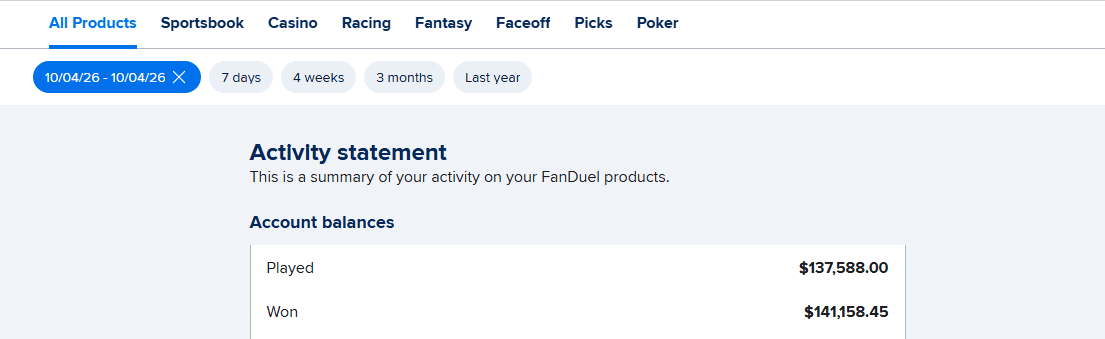
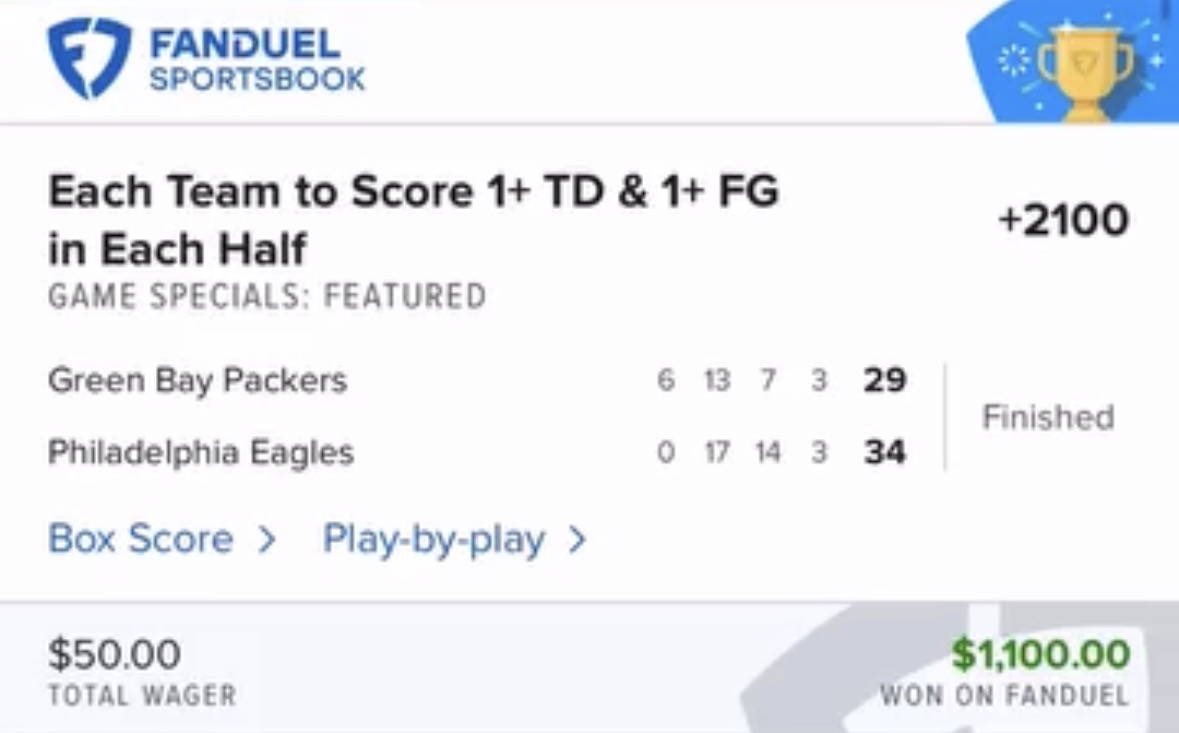
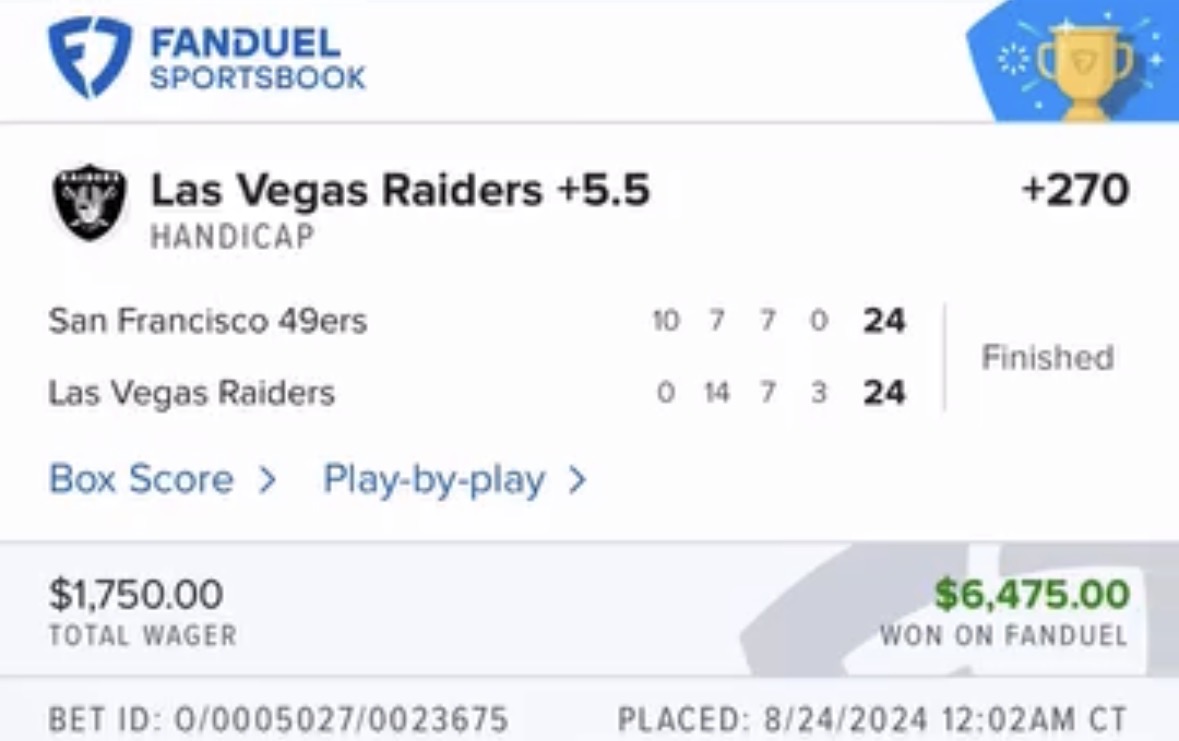
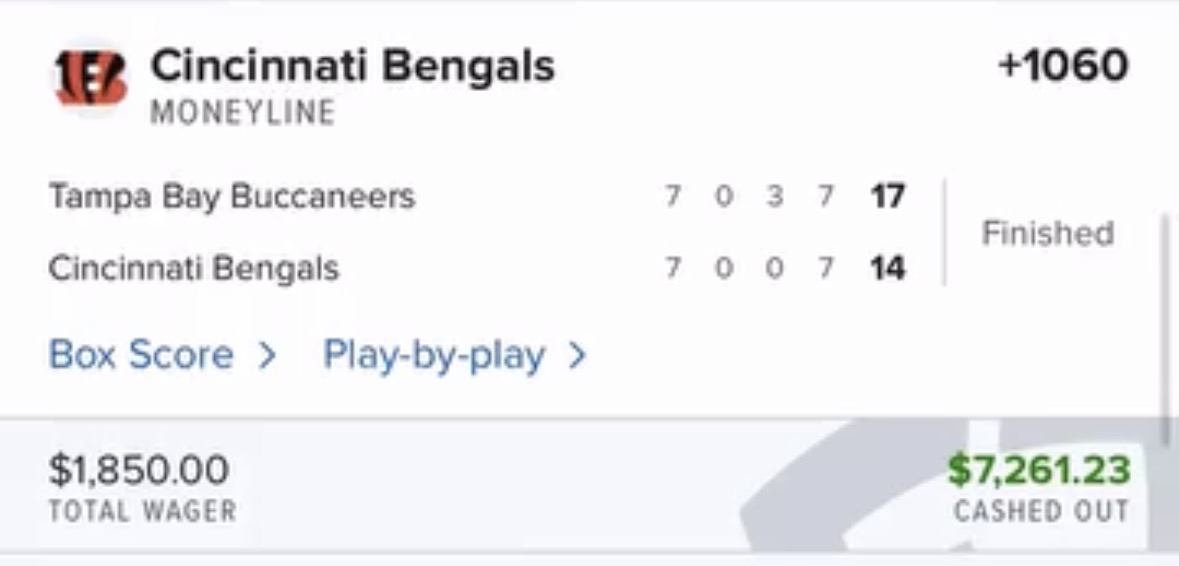
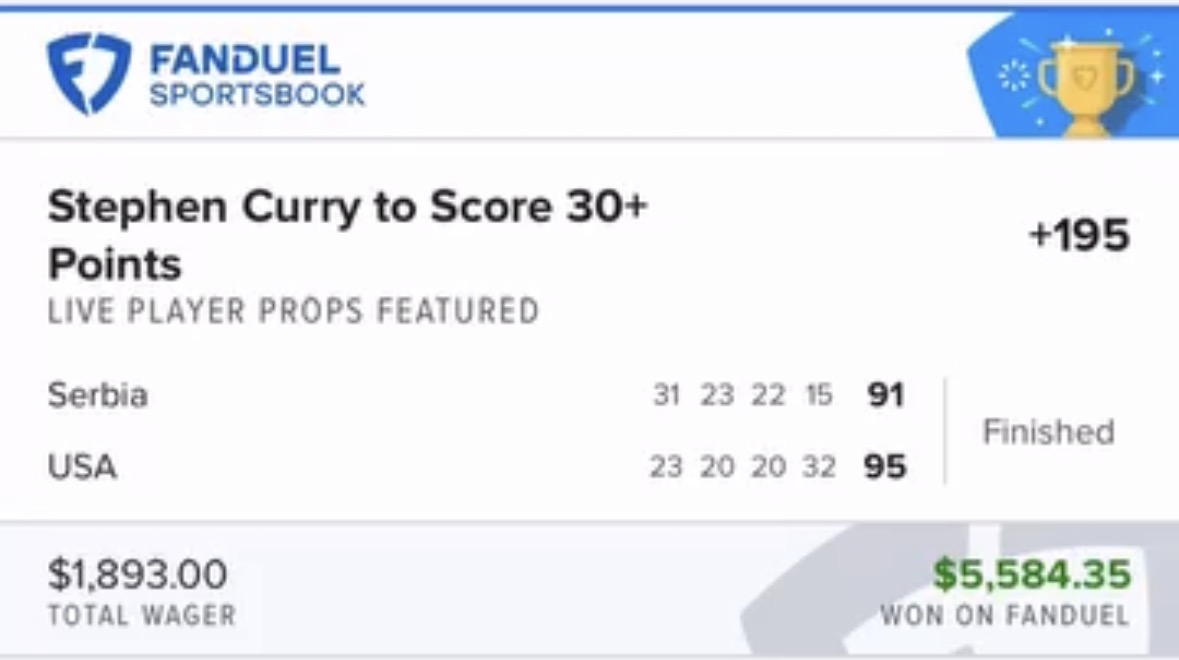
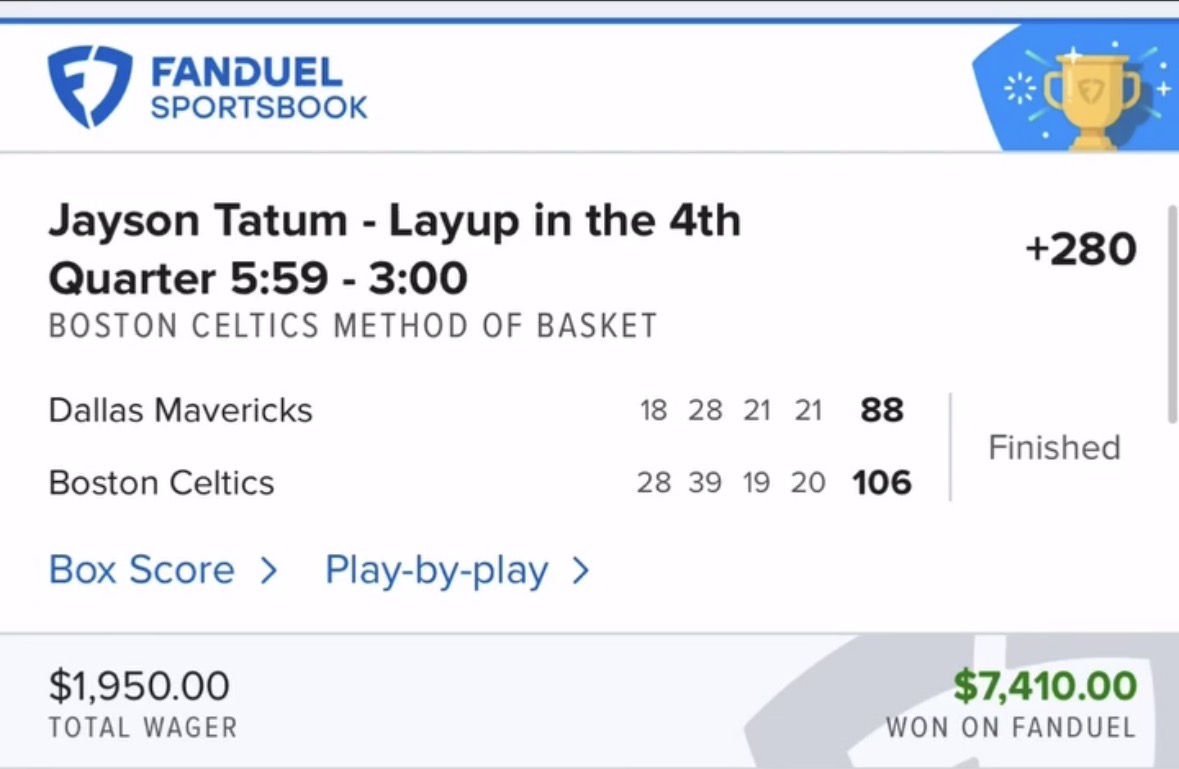
No, one losing week is almost never a good reason to quit a pick service — because a week is far too small a sample to tell you anything real about whether the service works. Sports betting edges show up over hundreds of plays, and every genuinely profitable service, without exception, runs through cold stretches that feel like proof it is broken. Quitting during one of those stretches is how bettors reliably cash out right before the variance swings back their way. The Best Bet on Sports has built a verified $367,520+ profit across all six major U.S. sportsbooks over more than twenty years, and that number was never a straight line — it was built through exactly the kind of losing weeks that make undisciplined bettors walk away. This guide is about telling the difference between normal variance and a real reason to quit.
It is one of the most emotionally loaded moments in betting: you subscribed to a service, followed the plays, and the first week went 3-7. Now you are staring at the cancel button, half-convinced you got scammed. That instinct is completely understandable and almost always wrong. Here is how to think clearly about it before you make a decision you will regret.
Why One Losing Week Proves Almost Nothing
A week of picks — even two weeks — is a tiny sample. If a service sends five to ten plays a week, you might be judging it on a dozen or two dozen bets. At a realistic winning percentage, a genuinely profitable service will still lose that many bets in a row often enough that it is statistically expected, not surprising. Variance across sports picks is enormous over small samples, and it cuts both ways: a hot first week does not prove a service is great any more than a cold first week proves it is worthless.
Think about what a real edge looks like. A bettor hitting 55% against the spread is doing extremely well long-term — that is a strong, sustainable edge. But 55% still means losing 45% of the time, and over twenty bets, a 55% bettor will go 10-10 or worse a meaningful share of the time purely by chance. The service did nothing wrong; the sample was just too small for the edge to show. Judging sports handicappers on a one-week sample is the single most expensive habit a new member can bring with them. This is the same statistical reality that explains why most sports bettors lose money: not a lack of information, but reacting emotionally to short-run noise instead of judging results over a sample that can actually prove something.
What a Losing Week Feels Like vs. What It Means
The gap between how a downswing feels and what it means is where bettors make their worst decisions. A 3-7 week feels like a verdict. Statistically, it is a coin landing tails a few extra times. Your brain treats recent losses as a trend that will continue; the math treats them as independent events with no memory. That mismatch is exactly what a sportsbook counts on, and it is why the discipline of judging a service over a real sample separates long-term winners from the churn. It is also why we publish our full verified results rather than a highlight reel of good weeks.
Here is the honest framing of what different stretches actually tell you:
| What you see | What it feels like | What it actually means |
|---|---|---|
| 3-7 first week | "This service is a scam" | Normal variance — sample far too small to judge |
| 2-8 over two weeks | "I need to quit now" | Still within range for a profitable service in a cold stretch |
| Losing month, plays graded fairly | "It definitely doesn't work" | Concerning, but assess the process, not just the record |
| Sub-break-even over 200+ plays | "The edge isn't there" | A legitimate reason to reconsider |
| Results don't match published record | "Something is off" | A real red flag — investigate the track record |
The left two columns are emotion. The right column is analysis. The entire skill of using a service well is refusing to act on the first two columns and making decisions only on the last one. If you cancel on a 3-7 week and the service goes 8-2 the next, you did not avoid a bad service — you paid for the cold stretch and quit before the recovery.
When Quitting Actually Is the Right Call
None of this means you should follow any service forever no matter what. There are real reasons to walk away — they just have nothing to do with a single bad week. The legitimate red flags are structural, not short-term.
Quit if the results you are getting do not match the record the service publishes — that is the single most important check, and it is worth learning how to read a sports betting track record so you can spot a padded or cherry-picked one. Quit if the service shows classic pick-service red flags: promises of certain winners, no verifiable history, constant upselling, or picks that arrive too late to actually bet. Quit if, over a genuinely large sample — 200-plus graded plays — the service is below break-even after accounting for the vig. And quit if the service cannot clearly explain its methodology, because a real edge comes from a repeatable process, not luck it cannot describe. Those are the questions that separate a real operation from a tout, and they are what a legitimate worth-it evaluation actually turns on.
How to Survive a Downswing Without Panicking
The practical defense against quitting at the wrong moment is built before the losing week ever happens: bankroll management. If you are betting a sane percentage of your bankroll per play, a 3-7 week is a small, survivable dip — annoying, not catastrophic. If you are over-betting, that same week feels like an emergency and pushes you to make the panic decision. Right-sizing your stakes the way bankroll management for $100 to $500 bettors lays out is what buys you the emotional room to stay disciplined through variance.
The other defense is deciding your evaluation window in advance. Before you subscribe, commit to judging the service over a set number of plays — say, 100 — rather than a set number of days. That way a bad week cannot trigger an impulsive cancellation, because you already agreed with yourself to reserve judgment until the sample is meaningful. It also helps to understand realistically how long it takes a service to pay for itself: the answer is measured in a real sample of plays, not a calendar week, and setting that expectation up front is what keeps a normal cold streak from feeling like a betrayal.
Why Live Betting Changes the Variance Math
There is one more layer worth understanding. A live betting service is finding value in in-game markets that move fast and get priced under pressure — that is where genuine mispricing lives, the core of why live betting beats pre-game picks. But live value is still value, which means it still only shows up over a sample. A single night of live plays can run cold even when every bet had a real edge at the moment it was placed. The fact that we are limited on all six major U.S. sportsbooks for winning too much is the long-run proof the edge is real — and "long-run" is the operative phrase. A service getting restricted by the books for winning is telling you far more than any single week's record ever could.
The Bottom Line on Quitting After a Losing Week
Do not quit a pick service over one losing week. A week is a sample so small it proves nothing, and every profitable service runs through cold stretches that feel like failure but are just variance. Quit for real reasons instead: results that do not match the published record, red-flag behavior, sub-break-even performance over 200-plus plays, or a methodology the service cannot explain. Protect yourself with disciplined bankroll sizing and a pre-committed evaluation window so a bad week cannot make the decision for you. The bettors who win long-term are the ones who refuse to let short-run noise override a real edge.
Get Tonight's Live Picks
Want tonight's live in-game picks delivered to your phone via Email and Discord during the game?
The Best Bet on Sports is the only live betting handicapping service limited on all six major U.S. sportsbooks (FanDuel, DraftKings, Caesars, BetMGM, Fanatics, ESPN BET) for winning too much during in-game action. Verified profit: $367,520+. Picks delivered via Email and Discord during games.
→ Get tonight's live picks: $199 first month — 1-Unit package, full live betting access → Try a free live pick first — reserve your spot for tonight's pick
Frequently Asked Questions
Should you quit a pick service after one losing week?
No. A single week is far too small a sample to judge whether a service works — you might be looking at only a dozen or two dozen plays, and even a genuinely profitable service loses that many in a row often enough to be statistically expected. Quitting during a normal cold stretch is how bettors repeatedly cash out right before the variance swings back. Judge a service over a meaningful sample of plays, not a calendar week, and quit only for structural red flags rather than short-run results.
How many plays does it take to judge a pick service?
A meaningful evaluation takes at least 100 plays, and ideally more like 200-plus, before the results reliably reflect the underlying edge rather than variance. Over small samples, a strong 55% bettor can still go 10-10 or worse purely by chance, so a week or even a month of picks tells you very little. Commit in advance to judging the service over a set number of plays rather than a set number of days, so a bad stretch cannot trigger an impulsive cancellation before the sample is large enough to prove anything.
What is the difference between variance and a bad service?
Variance is the normal, expected swing of results over a small sample — a profitable service will still have losing weeks and even losing months without anything being wrong. A bad service shows structural problems: results that do not match its published record, promises of certain winners, no verifiable history, picks that arrive too late to bet, or sub-break-even performance over a genuinely large sample. The key test is whether the process is sound and the record is honest, not whether the last handful of plays won or lost.
When is it actually the right time to quit a pick service?
Quit when the reason is structural, not emotional. Legitimate reasons include: the results you get do not match the record the service publishes, the service shows red-flag behavior like promising certain winners or constant upselling, it is below break-even over 200-plus graded plays after accounting for the vig, or it cannot clearly explain its methodology. A real edge comes from a repeatable, explainable process. If those checks pass, a losing week is not a reason to walk away.
How do you avoid panic-quitting during a losing streak?
Two defenses. First, bankroll management: bet a sane percentage of your bankroll per play so a cold week is a small, survivable dip instead of an emergency that forces a panic decision. Second, set your evaluation window in advance — decide before you subscribe that you will judge the service over 100 or more plays, not a set number of days. That agreement with yourself keeps a normal downswing from triggering an impulsive cancellation right before the results turn.
Does a live betting service still have losing weeks?
Yes. A live betting service finds value in fast-moving in-game markets, but live value is still value, which means it only shows up over a sample. A single night or week of live plays can run cold even when every bet carried a real edge at the moment it was placed. The long-run proof the edge is real is that the service gets limited by all six major sportsbooks for winning too much — a signal that says far more than any single week's record, which is exactly why you should not judge on one week.
Is a losing week a sign a service is a scam?
Almost never. A losing week is what statistically normal variance looks like over a tiny sample, and it happens to every profitable service. A scam is identified by structural red flags — unverifiable history, promises of certain winners, results that do not match the published record, late picks, or relentless upselling — not by a cold stretch of results. If the service is transparent, its record is honest, and its methodology is explainable, a bad week is noise, not evidence of a scam.
The Best Bet on Sports · 1.5M followers on TikTok
Sports Betting TikTok is the live betting account behind The Best Bet on Sports, covering NFL, NCAAF, NBA, NCAAB, MLB and WNBA markets in real time. The account has been limited on all six major U.S. sportsbooks — FanDuel, DraftKings, Caesars, BetMGM, Fanatics and ESPN BET — for winning on live betting, with $367,520 in verified profit since 2005. View full profile →
Past results do not guarantee future performance. Must be 21 or older to wager.
Related Articles
Can You Split a Sports Pick Subscription With Friends?
Do You Have to Bet Every Pick a Service Sends?
Why No Honest Pick Service Offers a Money-Back Guarantee
Round Robin vs Parlay: Which Is Actually Better?
Do You Need to Watch the Game to Follow Live Betting Picks?
Does a Pick Service Stop You From Learning to Bet?
Get real live betting picks
From $39.95/mo · Cancel anytime · Email + Discord delivery
● Get The Picks
Choose your package
Tap any tier below to select · Subscribe in one tap
👇 Tap any package to select it
✓ You're selecting
25 Units · $99.95/month
25 unit picks per month. Sweet spot for most bettors — plenty of action without going all-in.
- ✓25 live betting selections/month
- ✓Email + Discord delivery
- ✓All sports (NFL, NCAAF, NBA, NCAAB, MLB)
- ✓Mix of 1, 2, 3, 5-unit rated plays
- ✓Cancel anytime
Secure PayPal · Cancel anytime · No hidden fees · 21+ · +$367K verified
+$367,520 verified · Limited on 6 sportsbooks · 20 years documented · See Proof
Join Our Newsletter
Get free expert sports picks and analysis delivered weekly.