Round Robin vs Parlay: Which Is Actually Better?

A round robin breaks your selections into multiple smaller parlays so one losing leg does not wipe out your entire ticket, while a straight parlay stakes everything on every leg winning. The round robin costs more upfront and lowers your top-end payout in exchange for surviving a single miss; the straight parlay is cheaper with a bigger max payout but zero forgiveness. This guide breaks down the real trade-off, the math behind each, and when each one is the smarter play.
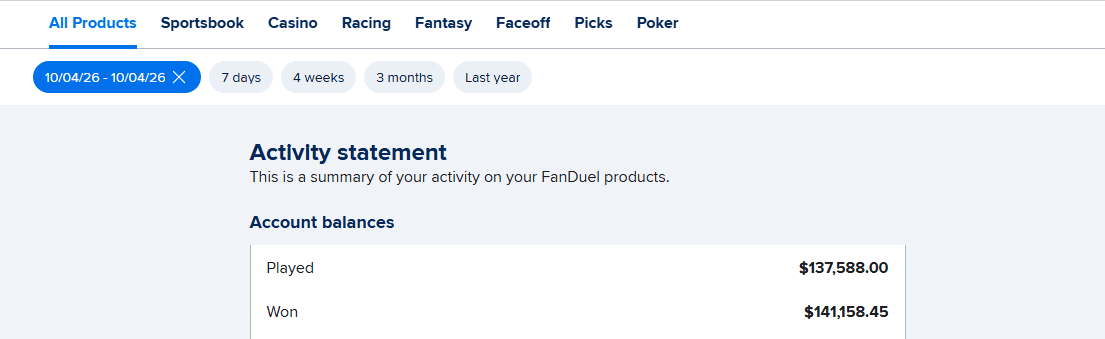
A round robin and a straight parlay use the same selections but distribute your risk in opposite ways — and the better choice depends entirely on how much forgiveness you want to buy. A straight parlay stakes one wager on every leg winning: cheaper to place, bigger max payout, but a single miss loses the whole ticket. A round robin splits those same selections into a set of smaller parlays so one bad leg only sinks the parlays that contained it, not your entire outlay. That safety costs more upfront and caps your top-end return. The Best Bet on Sports has built a verified $367,520+ profit across all six major U.S. sportsbooks over more than twenty years, and the single most misunderstood decision in parlay play is not which teams to pick — it is whether to round-robin them at all. Here is the honest math.
Both formats start from the same place: a handful of selections you like. The question is whether you bind them into one all-or-nothing ticket or spread them across several overlapping smaller bets. Most bettors default to the straight parlay because it is simpler and the payout number is bigger — a pattern we see across football betting and basketball betting alike. But that bigger number comes with zero margin for error, and understanding what a round robin actually buys you — and what it costs — is the difference between a smart structured wager and a lottery ticket you talked yourself into.
What Is a Straight Parlay?
A straight parlay combines two or more selections into a single wager where every leg must win for the bet to cash. Miss one leg and the entire ticket is dead, no matter how the others landed. In exchange for that all-or-nothing risk, the payout multiplies with each added leg, because the odds of every selection are compounded together.
That compounding is the appeal and the trap. A three-leg parlay of three -110 favorites pays around +596 — put down $100 and you collect roughly $696 back if all three hit. But the true probability of all three winning is lower than most bettors feel it is, and the sportsbook bakes its margin into every leg, so the vig compounds right alongside the payout. This is exactly why most parlays lose: the format sells a big number while quietly stacking the house edge on top of itself. A straight parlay is the right tool when you have genuine conviction on a small number of correlated or high-value legs and you want maximum leverage on them.
What Is a Round Robin?
A round robin takes the same group of selections and automatically breaks them into every possible smaller parlay of a size you choose. Instead of one big ticket, you are placing many overlapping ones. Pick four teams and round-robin them "by 2s," and the book creates six separate two-leg parlays covering every pairing. You are now risking your stake across six bets instead of one.
The point is survivability. In that four-team, by-2s example, if one of your four legs loses, you do not lose everything — you only lose the three two-leg parlays that included the bad leg. The three parlays built from your other two winners still cash. A straight four-leg parlay in the same spot would be a total loss. That is the entire value proposition of a round robin: you are buying forgiveness for a single miss. The cost is that you stake more money upfront (six bets, not one) and your maximum possible payout — hitting all four legs — is lower than the straight four-leg parlay would have paid, because you spread the same conviction across smaller, lower-paying tickets. The round robin is closely related to other risk-distribution tools; if you want the full mechanics, the round robin parlay strategy guide walks through the bet-count math for larger groups.
Round Robin vs Parlay: The Head-to-Head
Here is the same four-selection wager structured both ways, so the trade-off is concrete. Assume four -110 selections and a $10 base unit per parlay.
| Factor | Straight 4-Leg Parlay | Round Robin (4 teams by 2s) |
|---|---|---|
| Number of bets placed | 1 | 6 |
| Total stake ($10 base) | $10 | $60 |
| All 4 legs win | ~$126 profit | ~$96 profit |
| Exactly 3 of 4 legs win | Total loss (-$10) | ~$18 profit |
| Exactly 2 of 4 legs win | Total loss (-$10) | ~$16 profit (1 parlay cashes) |
| 1 or 0 legs win | Total loss (-$10) | Total loss (-$60) |
| Forgiveness for one miss | None | Full — still profits |
The pattern is clear. The straight parlay wins bigger when everything hits and risks far less capital, but it collapses the instant a single leg fails. The round robin sacrifices some upside and demands a larger total stake, but it keeps you profitable when you go 3-for-4 — the exact outcome that stings most in a straight parlay. Neither is "better" in a vacuum; they are tuned for different risk appetites. Choosing between them is the same kind of structural decision as weighing a parlay against straight bets or deciding how many legs a parlay should have in the first place.
When the Round Robin Is the Smarter Play
Round robins shine when you have several selections you genuinely like but you are honest about the fact that one of them is probably going to let you down. If you have four or five plays at roughly equal conviction and no single one you would stake everything on, distributing them into a round robin lets you be right most of the time and still cash. It converts "I need all of them" into "I need most of them," which is a far more realistic bar to clear over a season.
It is also the right tool when you are protecting a larger bankroll and cannot stomach the variance of all-or-nothing tickets. The round robin's forgiveness smooths your results — you will have fewer total wipeouts, which matters if you are managing money the way our bankroll management for $100 to $500 bettors framework lays out. The catch is the higher upfront stake: never round-robin a group so large that the combined cost blows past your unit size. The bet count grows fast, and six or ten small parlays still add up.
When the Straight Parlay Wins
The straight parlay is the better structure when you have real, concentrated conviction on a small number of legs — especially correlated ones. If two outcomes are genuinely linked (a favorite winning and the game going over, for instance), a straight parlay captures that correlation at full leverage, and splitting it into a round robin would actually dilute the edge. Correlation is its own discipline, covered in correlated parlays explained, but the short version is that when your legs move together, you want them bound together.
It is also the cleaner play when your total budget is small. A round robin's requirement to fund every sub-parlay means a $10 bettor might need $60 to structure it, while a straight parlay lets that same $10 ride on the full ticket. If you cannot comfortably cover the round robin's total stake, forcing it just to feel safer is a mistake — you would be over-betting your bankroll to buy insurance you cannot afford. And where these formats truly separate from the pack is in live betting, where a mispriced in-game number gives a straight parlay leg real value the pre-game market never offered.
The Live Betting Angle Both Formats Miss
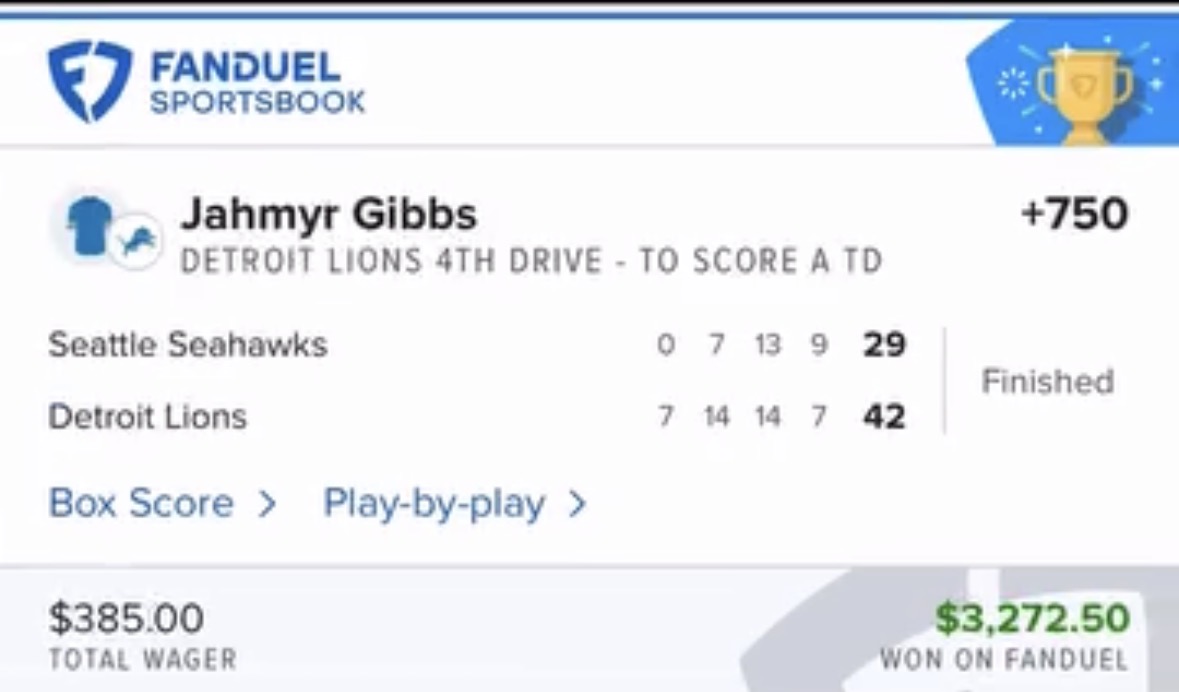
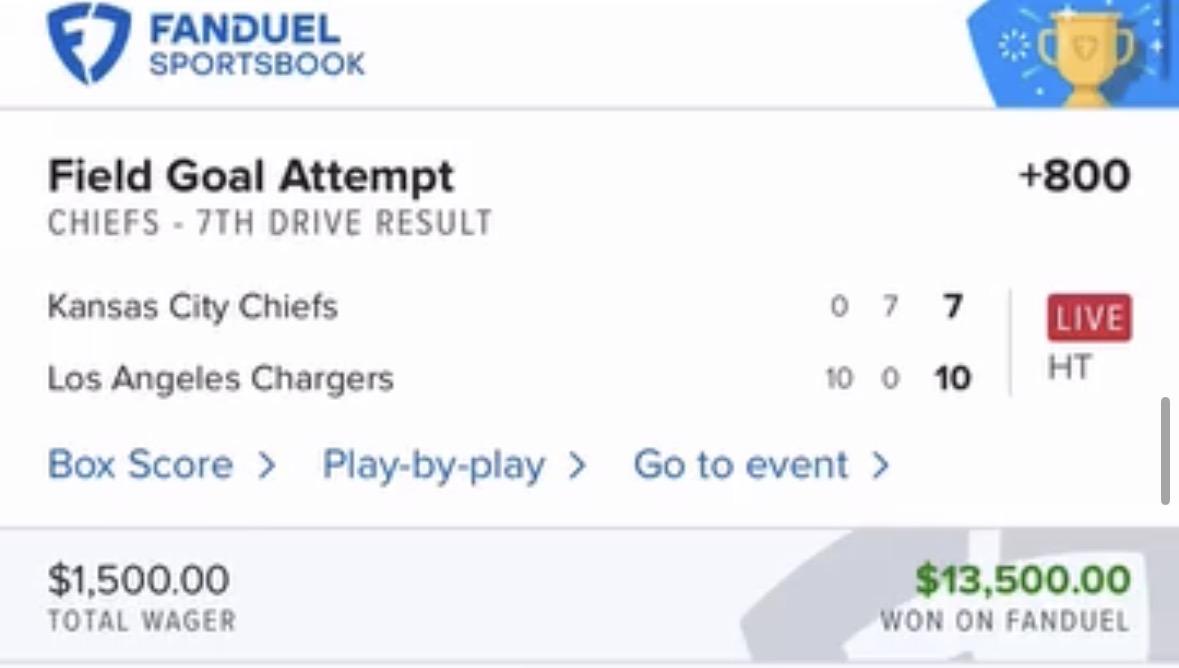
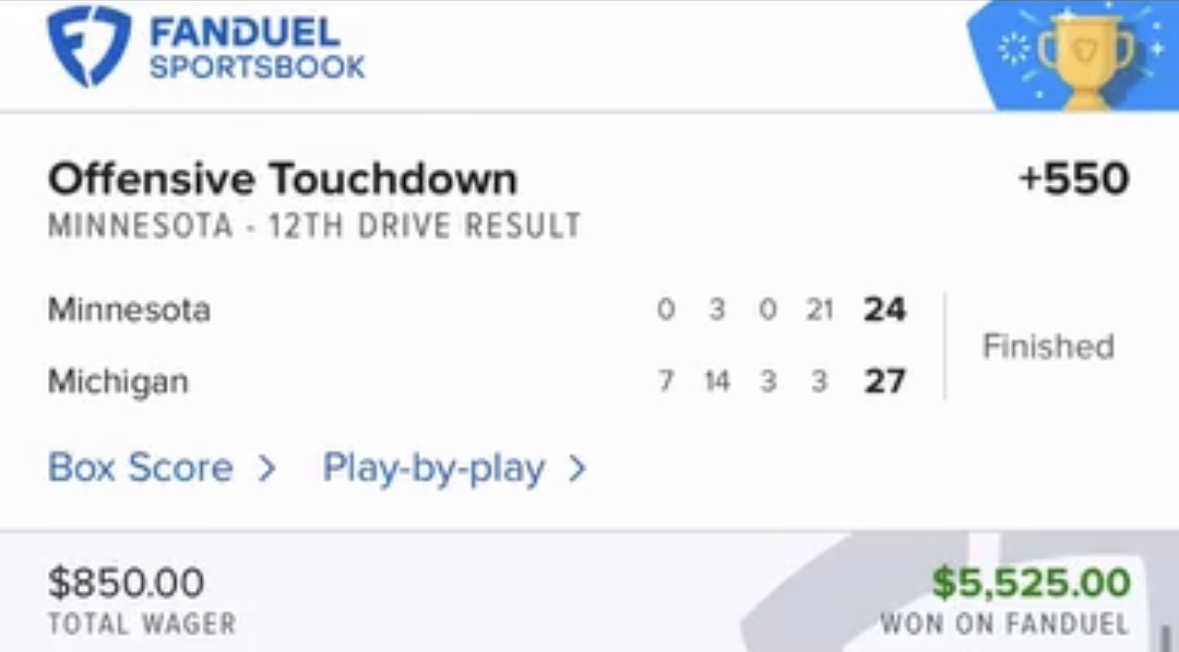
Here is what neither a pre-game round robin nor a pre-game parlay can do: exploit a number that only exists for ninety seconds. The compounding vig that makes parlays hard to beat is calculated off pre-game prices that the sportsbook has had days to sharpen. Live, in-game markets are priced in real time under pressure, and that is where genuine mispricing shows up — a total that overreacts to a fast start, a moneyline that has not caught up to a momentum swing. Whether you then express that edge as a single live bet, a live parlay you stack in-game, or a round robin of live legs, the edge comes from the timing, not the format. This is the core of why live betting beats pre-game picks, and it is the same reason we get limited on winning bettors on all six major books.
The Bottom Line: Round Robin vs Parlay
A straight parlay is a leveraged, all-or-nothing bet: cheaper, bigger max payout, zero forgiveness. A round robin is a distributed bet: pricier upfront, lower ceiling, but it keeps you profitable when you go 3-for-4 instead of 4-for-4. Round-robin when you have several near-equal plays and want to survive one miss; go straight parlay when you have concentrated or correlated conviction and a smaller budget. And remember that the format is only half the equation — the selections themselves, and whether they carry real value, decide whether either structure makes money over time.
Our coverage of progressive parlay strategy walks through how this plays out in practice.
Get Tonight's Live Picks
Want tonight's live in-game picks and parlay legs delivered to your phone via Email and Discord during the game?
The Best Bet on Sports is the only live betting handicapping service limited on all six major U.S. sportsbooks (FanDuel, DraftKings, Caesars, BetMGM, Fanatics, ESPN BET) for winning too much during in-game action. Verified profit: $367,520+. Picks delivered via Email and Discord during games.
→ Get tonight's live picks: $199 first month — 1-Unit package, full live betting access → Try a free live pick first — reserve your spot for tonight's pick
Frequently Asked Questions
What is the difference between a round robin and a parlay?
A straight parlay combines all your selections into one wager where every leg must win to cash — one miss loses the whole ticket. A round robin takes those same selections and automatically breaks them into multiple smaller parlays covering every combination of a chosen size, so a single losing leg only sinks the parlays that contained it. The parlay is cheaper with a bigger max payout but no forgiveness; the round robin costs more upfront and pays less at the top but survives one bad leg.
Is a round robin better than a parlay?
Neither is universally better — they are built for different risk appetites. A round robin is better when you have several selections at roughly equal conviction and want to stay profitable even if one loses, because it forgives a single miss. A straight parlay is better when you have concentrated or correlated conviction on a few legs and want maximum leverage, or when your budget is too small to fund every sub-parlay a round robin requires. Match the structure to how confident you are and how much variance you can absorb.
Why does a round robin cost more than a parlay?
Because you are placing many bets instead of one. A round robin of four teams "by 2s" creates six separate two-leg parlays, and you must fund each one, so a $10 base unit becomes a $60 total stake. A straight four-leg parlay lets that same $10 ride on a single ticket. You are paying the extra money to buy forgiveness — the ability to lose a leg and still profit — which the straight parlay does not offer at any price.
Does a round robin have a lower maximum payout than a parlay?
Yes. If every leg wins, a straight parlay pays more than the equivalent round robin because it compounds all your odds into one ticket, while the round robin spreads the same conviction across smaller, lower-paying sub-parlays. You give up that top-end ceiling in exchange for the safety net. The trade-off is deliberate: the round robin trades maximum upside for a much higher chance of finishing the day green when you go 3-for-4 instead of a clean sweep.
When should you use a round robin instead of a parlay?
Use a round robin when you have four or five selections you genuinely like but no single one you would stake everything on, and when you want to smooth your variance rather than chase a jackpot. It is ideal for bettors protecting a larger bankroll who cannot stomach frequent all-or-nothing wipeouts. Avoid it when your budget is small enough that funding every sub-parlay over-bets your bankroll, or when your legs are correlated and belong bound together in one ticket.
Can you round robin live in-game bets?
Yes, and it can be a strong way to structure multiple live edges, but the value comes from the timing of the bets, not the format. Live, in-game markets are priced in real time and are more prone to mispricing than sharpened pre-game numbers, so live legs can carry genuine value a pre-game parlay never offered. Whether you express those live edges as single bets, a stacked live parlay, or a round robin of live legs, the round robin still does the same job — forgiving one miss across the group.
Do round robins beat the sportsbook's edge?
No structure beats the house edge on its own — the vig is baked into every leg's price regardless of how you combine them. A round robin distributes risk and forgives a single miss, but it does not remove the sportsbook's margin, and spreading your stake across more bets means paying that margin more times. The only thing that beats the edge is betting selections that carry real value, most reliably found in live in-game markets where prices move fast and mistakes are common. Structure manages variance; value is what actually wins.
The Best Bet on Sports · 1.5M followers on TikTok
Sports Betting TikTok is the live betting account behind The Best Bet on Sports, covering NFL, NCAAF, NBA, NCAAB, MLB and WNBA markets in real time. The account has been limited on all six major U.S. sportsbooks — FanDuel, DraftKings, Caesars, BetMGM, Fanatics and ESPN BET — for winning on live betting, with $367,520 in verified profit since 2005. View full profile →
Past results do not guarantee future performance. Must be 21 or older to wager.
Related Articles
Can You Split a Sports Pick Subscription With Friends?
Do You Have to Bet Every Pick a Service Sends?
Should You Quit a Pick Service After a Losing Week?
How Many Legs Should a Parlay Have? The Sweet Spot
Progressive Parlay Strategy: How the Miss-a-Leg Bet Works
You Hit a Big Parlay: How Long Will You Keep It?
Get real live betting picks
From $39.95/mo · Cancel anytime · Email + Discord delivery
● Get The Picks
Choose your package
Tap any tier below to select · Subscribe in one tap
👇 Tap any package to select it
✓ You're selecting
25 Units · $99.95/month
25 unit picks per month. Sweet spot for most bettors — plenty of action without going all-in.
- ✓25 live betting selections/month
- ✓Email + Discord delivery
- ✓All sports (NFL, NCAAF, NBA, NCAAB, MLB)
- ✓Mix of 1, 2, 3, 5-unit rated plays
- ✓Cancel anytime
Secure PayPal · Cancel anytime · No hidden fees · 21+ · +$367K verified
+$367,520 verified · Limited on 6 sportsbooks · 20 years documented · See Proof
Join Our Newsletter
Get free expert sports picks and analysis delivered weekly.