2-Team Parlay Payout Calculator: What Two Legs Really Pay

A 2-team parlay pays by multiplying the two legs' decimal odds together, then applying that multiplier to your stake — so two -110 bets on $100 return about $264.50, not the $200 many bettors expect. This guide shows the exact math behind a two-leg parlay payout, a full payout table for common odds combinations, why the number is always shaved below fair value, and when a 2-team parlay is actually the right bet.
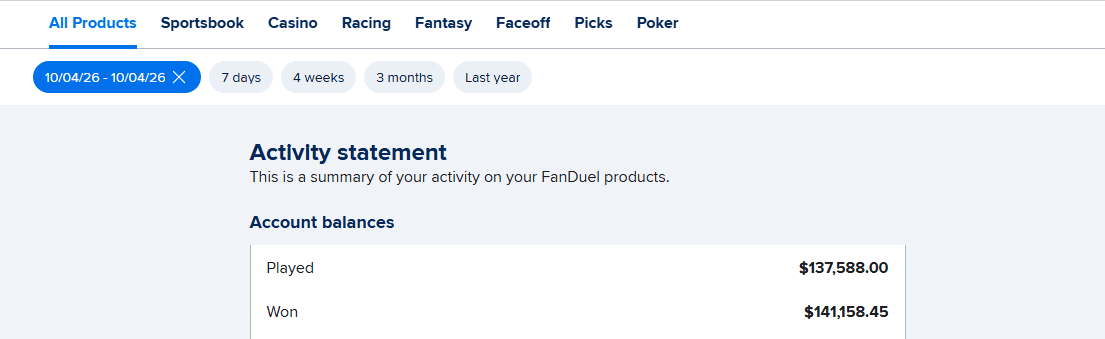
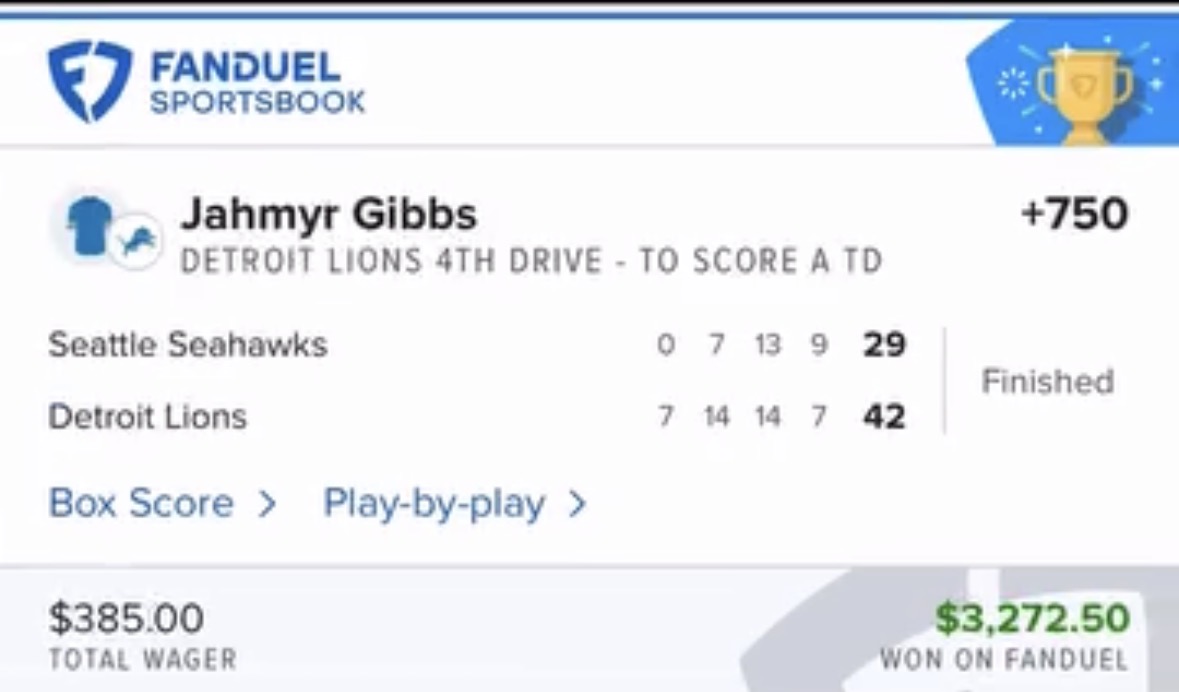
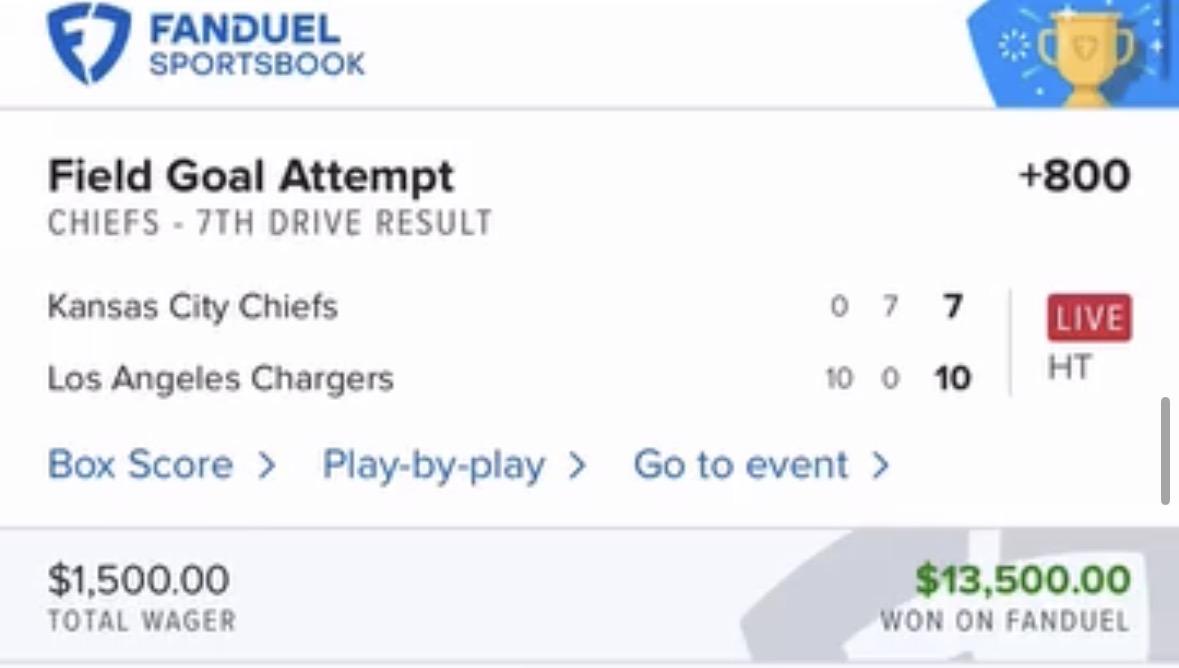
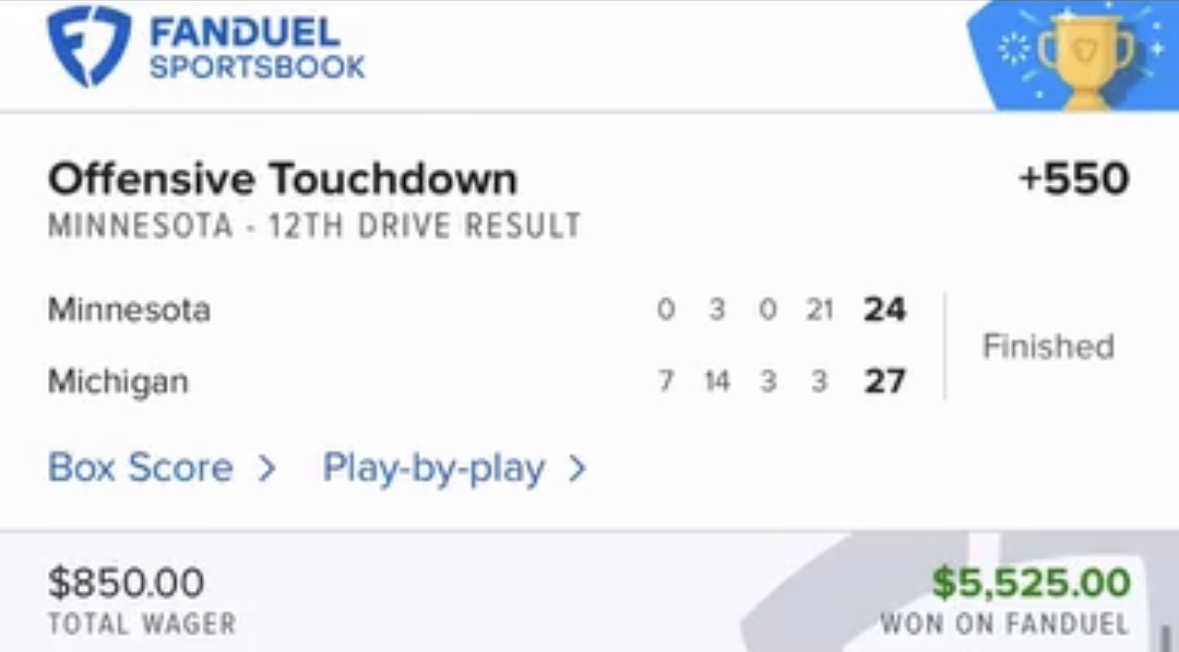
A 2-team parlay pays by multiplying the decimal odds of both legs together and applying that multiplier to your stake — two standard -110 bets turn a $100 wager into about $264.50 in total return, not the $200 a lot of bettors assume. The two-leg parlay is the most popular multi-bet on every sportsbook because it is the shortest one that still meaningfully boosts a payout, and it is the format The Best Bet on Sports has cashed most often across a verified $367,520+ profit built over more than twenty years on all six major U.S. sportsbooks. But the payout number the app shows you is not a favor — it is a multiplication problem with the house edge baked in twice. Understanding exactly how that number is calculated is the difference between betting a two-leg parlay for value and betting it because the payout looked big.
Most bettors never actually do the math on a two-team parlay. They pick two sides, watch the payout populate, and tap the bet. That is fine until you want to know whether the number in the box is fair, when a parlay beats two separate straight bets, and how much of your return the sportsbook is quietly keeping. This calculator guide walks through the formula step by step, gives you a payout table you can read at a glance, and explains where the real edge on a two-leg ticket comes from.
How Is a 2-Team Parlay Payout Calculated?
Every parlay payout starts by converting American odds into decimal odds, because decimals multiply cleanly and American odds do not.
To convert:
- A favorite (negative number): decimal = (100 ÷ odds) + 1. So -110 becomes (100 ÷ 110) + 1 = 1.909.
- An underdog (positive number): decimal = (odds ÷ 100) + 1. So +150 becomes (150 ÷ 100) + 1 = 2.50.
Once both legs are in decimal form, you multiply them together to get the parlay multiplier, then multiply that by your stake:
Total return = stake × (decimal leg 1 × decimal leg 2)
Take two -110 legs. Each is 1.909 in decimal. Multiply: 1.909 × 1.909 = 3.645. Now multiply by a $10 stake and you get $36.45 back — a $26.45 profit on top of your returned $10. Scale that to $100 and the total return is $264.50, a profit of $164.50. That is the honest number behind the "+164" you see on a standard two-leg parlay.
The key thing to notice: the payout is the product of the legs, not the sum. That is why a parlay pays more than betting each leg separately — and also why the sportsbook's margin compounds, a dynamic broken down fully in how many legs a parlay should have.
2-Team Parlay Payout Table
Here is what a $100 two-leg parlay returns across common odds combinations. Both legs are assumed to be at the odds shown.
| Leg 1 odds | Leg 2 odds | Decimal multiplier | Total return on $100 | Profit |
|---|---|---|---|---|
| -110 | -110 | 3.645 | $364.50 | $264.50 |
| -110 | +100 | 3.818 | $381.80 | $281.80 |
| +100 | +100 | 4.000 | $400.00 | $300.00 |
| -150 | -150 | 2.778 | $277.80 | $177.80 |
| +150 | +150 | 6.250 | $625.00 | $525.00 |
| -110 | +150 | 4.773 | $477.30 | $377.30 |
| -200 | +180 | 4.200 | $420.00 | $320.00 |
Wait — one correction worth flagging on that first row versus the intro. The intro figure of $264.50 is the profit-plus-stake framing bettors usually care about; the table's "total return" column includes your original $100 back, and the profit column strips it out. Read the profit column when you are comparing a parlay to two straight bets, because that is the apples-to-apples number.
Two takeaways jump out of the table. First, underdog legs move the payout dramatically — two +150 legs nearly triple the return of two -150 legs, because you are multiplying two numbers above 2.0 instead of two below 2.0. Second, even the "even money" +100/+100 parlay pays 4.0, which sounds generous until you remember that two genuine coin flips should theoretically pay a bit more before the vig — the gap is the house edge, and it is there on every single line.
Why Is the Payout Always Less Than "Fair"?
A two-leg parlay carries the sportsbook's margin on both legs, and because the payout multiplies, so does the edge against you.
Consider two true 50/50 outcomes. Fair odds with no vig would be +100 on each, and a fair two-leg parlay would pay exactly 4.0 (multiply 2.0 × 2.0). But sportsbooks do not price coin flips at +100 — they price them at -110, taking roughly 4.5% on each side. When you parlay two -110 legs, that 4.5% is applied twice and compounds, which is why the payout lands at 3.645 instead of 4.0. You are giving up close to 9% of theoretical value before either game starts.
That compounding is the entire reason parlays are so profitable for the book and so dangerous for undisciplined bettors. The margin you would pay once on a straight bet, you pay twice on a two-leg parlay, four times on a four-leg parlay, and so on — the mechanism explored in why most parlays lose. A two-leg parlay is the least punishing multi-bet, but it is still costlier than two separate straight bets in pure expected-value terms.
When Is a 2-Team Parlay Actually Worth It?
The two-leg parlay is worth it when you have genuine value on both selections and you want to convert conviction into a bigger payout, not when you are stretching to inflate a number.
Here is the honest test. If you would happily bet each leg as a straight bet on its own — because you believe each side is genuinely mispriced — then combining them into a two-leg parlay is a reasonable way to press that edge, and the case for keeping it to exactly two legs is laid out in why two legs win. The parlay sacrifices some efficiency for upside, and when both legs carry real value, that trade can be worth making.
What you should not do is add a second leg you only half-believe in just to push the payout higher. The moment one leg is a "filler," you have taken a good straight bet and dragged its expected value down by stapling a bad bet to it. In that situation, the disciplined move is to bet the one leg you believe in straight — the logic behind choosing straight bets over parlays when only one side is truly mispriced. And if you love more than two selections, stepping up to a 3-team parlay payout calculator shows you exactly how much more the third leg costs you in win probability before you commit.
How Live Betting Changes the Two-Leg Math
Everything above assumes pre-game numbers, where the book has fully shaded both legs. Live betting changes the calculation because the prices move.
During a game, sportsbooks reprice constantly — reacting to an early run, a momentum shift, a pace change, a scoring drought. Those reactions frequently overshoot, creating a short window where a live number is genuinely mispriced. When you build a two-leg parlay out of two live legs you believe are mispriced in your favor, the compounding house edge that punishes pre-game parlays is smaller, because each leg starts from a better price than the book intended. The value comes from the number you catch, not the parlay format itself — the same edge that separates reactive live betting from static pre-game picks in live betting vs pre-game picks.
That does not mean you should force live parlays. It means a two-leg live parlay built on two real mispriced numbers is a materially stronger bet than the same-size pre-game ticket. Keep the discipline — two legs, real value on each — and let the live market hand you the better price. Sizing those bets sensibly is part of the same framework as bankroll management for $100 to $500 bettors.
The Bottom Line on Two-Leg Payouts
A two-team parlay payout is simple once you see it: convert both legs to decimal, multiply them, multiply by your stake. Two -110 legs return $364.50 on $100 — a $264.50 profit. The payout is always shaved below fair value because the vig applies to both legs and compounds, and the two-leg parlay is worth betting only when both selections carry genuine value on their own.
At The Best Bet on Sports, we are limited on all six major U.S. sportsbooks — FanDuel, DraftKings, Caesars, BetMGM, Fanatics, and ESPN BET — because we win too much during live action, not because we found a payout trick. The edge is in the number, caught in real time. Do the math before you tap the bet, keep your parlays short and your selections sharp, and see where the current action is on the live betting picks page. The reason books restrict consistent winners is spelled out in why sportsbooks limit winning bettors, and when you would rather have sharp two-leg construction done for you, our sports handicappers build it into every selection on the daily sports picks board.
Get Tonight's Live Picks
Want tonight's live in-game parlay picks delivered to your phone via Email and Discord during the game?
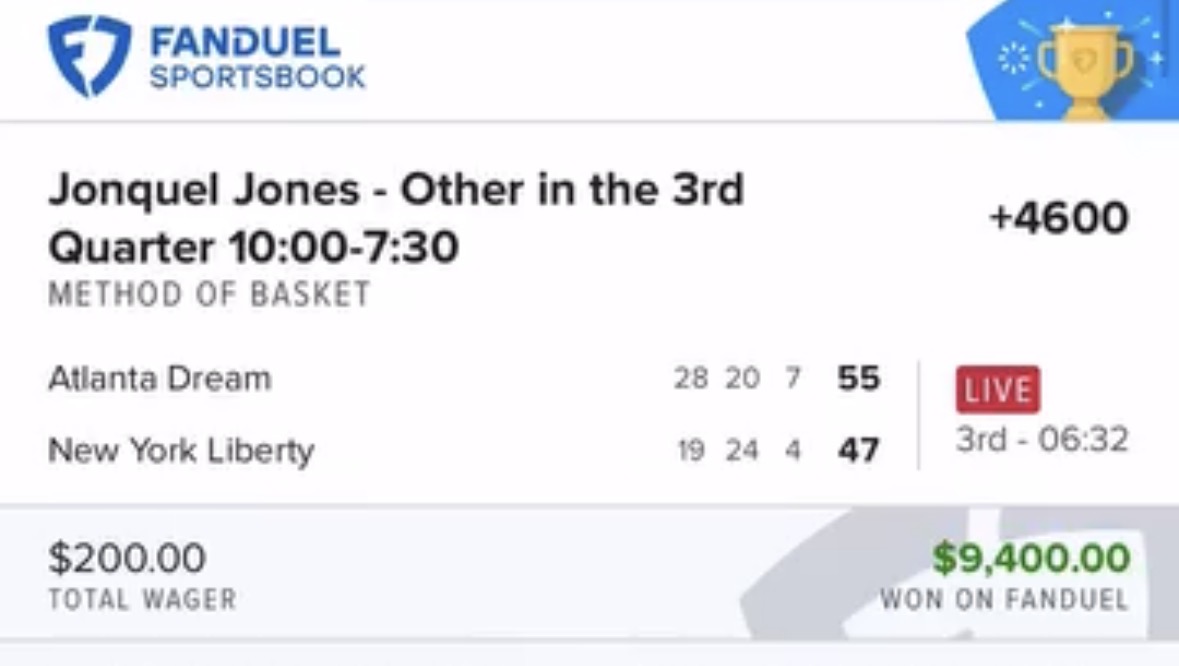
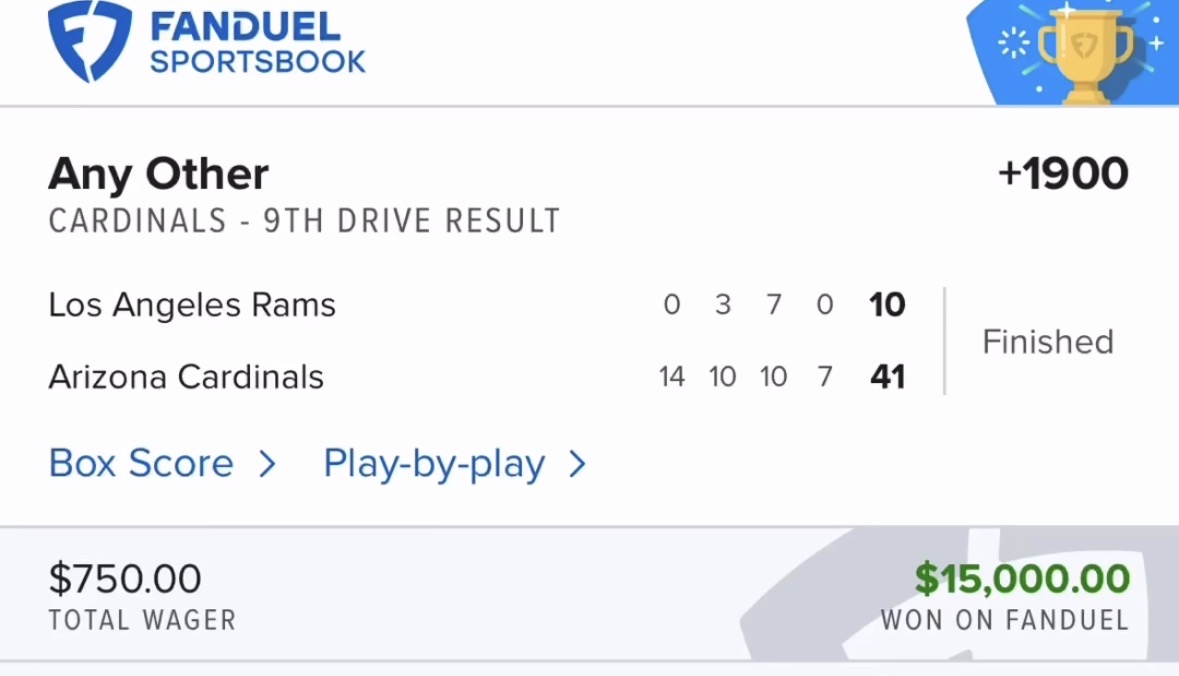
The Best Bet on Sports is the only live betting handicapping service limited on all six major U.S. sportsbooks (FanDuel, DraftKings, Caesars, BetMGM, Fanatics, ESPN BET) for winning too much during in-game action. Verified profit: $367,520+. Picks delivered via Email and Discord during games.
→ Get tonight's live picks: $199 first month — 1-Unit package, full live betting access → Try a free live pick first — reserve your spot for tonight's pick
Frequently Asked Questions
How do you calculate a 2-team parlay payout?
Convert each leg's American odds to decimal odds, multiply the two decimals together to get the parlay multiplier, then multiply that by your stake. A favorite converts as (100 ÷ odds) + 1, so -110 becomes 1.909; an underdog converts as (odds ÷ 100) + 1, so +150 becomes 2.50. Two -110 legs give 1.909 × 1.909 = 3.645, so a $100 stake returns $364.50 — a $264.50 profit. The payout is the product of the legs, which is why a parlay pays more than betting each leg separately.
What does a $100 two-leg parlay pay at -110 on both legs?
A $100 two-leg parlay with both legs at -110 returns $364.50 in total, which is a $264.50 profit on top of your returned $100 stake. In American-odds terms, that is roughly +264 for the full ticket. If either leg is at plus-money instead of -110, the payout climbs; two +100 legs, for example, return $400 total for a $300 profit.
Why is a parlay payout lower than the true odds suggest?
Because the sportsbook's margin is applied to both legs and compounds when you multiply them. Two genuine coin flips should pay 4.0 at fair odds, but books price them at -110 and take about 4.5% on each side, so the parlay pays 3.645 instead of 4.0 — you give up close to 9% of theoretical value. That doubled, compounding edge is exactly why parlays are so profitable for the house, and why keeping the leg count low limits the damage.
Is a 2-team parlay better than two separate bets?
In pure expected-value terms, two separate straight bets are slightly more efficient because you pay the vig once per bet instead of compounding it. A two-leg parlay trades some of that efficiency for a bigger payout, which can be worth it when you have genuine value on both selections and want the upside. The mistake is parlaying to chase a bigger number on selections you are not confident in — that adds risk without adding value. Bet the parlay when both legs are real; bet them straight when only one is.
How much does a two-leg parlay pay with an underdog leg?
Underdog legs raise the payout sharply because their decimal odds are above 2.0. A -110 leg parlayed with a +150 leg gives 1.909 × 2.50 = 4.773, so a $100 stake returns $477.30 — a $377.30 profit. Two +150 legs return $625 on $100. The higher the plus-money on each leg, the larger the multiplier, which is why underdog parlays carry both bigger payouts and lower win probabilities.
Does live betting change a two-leg parlay's value?
Yes. Pre-game lines are fully shaded, so the vig compounds against you. During live play, sportsbooks reprice constantly and often overreact, creating short windows where a number is genuinely mispriced in your favor. A two-leg parlay built from two mispriced live legs carries a smaller effective house edge than the same pre-game ticket, because each leg starts from a better price. The value comes from catching the right number in real time, not from the parlay format — which is why disciplined live betting outperforms static pre-game parlays.
What is the biggest mistake bettors make on two-leg parlays?
Adding a weak second leg just to inflate the payout. A two-leg parlay is only as good as its worst leg, so stapling a filler selection to a genuinely strong bet drags the whole ticket's expected value down. The disciplined approach is to parlay only two selections you would each bet straight on their own merits, keep your stake sized to your bankroll, and read the profit figure — not the total-return figure — when deciding whether the parlay is worth it over two separate bets.
The Best Bet on Sports · 1.5M followers on TikTok
Sports Betting TikTok is the live betting account behind The Best Bet on Sports, covering NFL, NCAAF, NBA, NCAAB, MLB and WNBA markets in real time. The account has been limited on all six major U.S. sportsbooks — FanDuel, DraftKings, Caesars, BetMGM, Fanatics and ESPN BET — for winning on live betting, with $367,520 in verified profit since 2005. View full profile →
Past results do not guarantee future performance. Must be 21 or older to wager.
Related Articles
How Many Legs Should a Parlay Have? The Sweet Spot
4-of-5 Again: Was Your Parlay Unlucky or Badly Built?
Why Your Sportsbook Keeps Recommending Parlays
The Last Leg Decides Your Parlay: Build the Ticket for Its Exit
Why the Same Parlay Pays Differently at Every Sportsbook
NFL Preseason Parlay Strategy: Why August Football Breaks the Math
Get real live betting picks
From $39.95/mo · Cancel anytime · Email + Discord delivery
● Get The Picks
Choose your package
Tap any tier below to select · Subscribe in one tap
👇 Tap any package to select it
✓ You're selecting
25 Units · $99.95/month
25 unit picks per month. Sweet spot for most bettors — plenty of action without going all-in.
- ✓25 live betting selections/month
- ✓Email + Discord delivery
- ✓All sports (NFL, NCAAF, NBA, NCAAB, MLB)
- ✓Mix of 1, 2, 3, 5-unit rated plays
- ✓Cancel anytime
Secure PayPal · Cancel anytime · No hidden fees · 21+ · +$367K verified
+$367,520 verified · Limited on 6 sportsbooks · 20 years documented · See Proof
Join Our Newsletter
Get free expert sports picks and analysis delivered weekly.