Parlay vs. Straight Bets: Which Actually Wins More Money?

Straight bets win more money over time than parlays for almost every bettor, because a parlay multiplies the sportsbook's margin across every leg while a single straight bet only pays it once. Parlays offer bigger payouts and more excitement, but the math compounds against you. This guide compares the real expected value, win rates, and bankroll impact of parlays versus straight bets, and explains the narrow cases where a parlay is the smarter play.
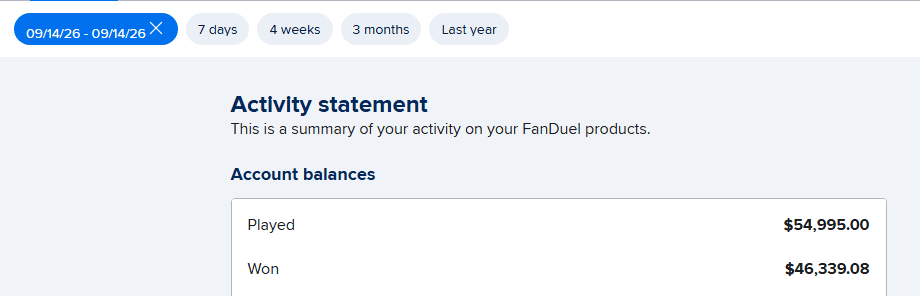
Straight bets win more money than parlays for almost every bettor over the long run, because a single straight bet only pays the sportsbook's margin once, while a parlay multiplies that same margin across every leg on the ticket. A parlay's enormous payout is not a gift — it is the price of stacking the house edge two, three, or four times over, and the longer the ticket, the more certain the book's theoretical hold becomes. At The Best Bet on Sports, the discipline behind a verified $367,520+ profit — earned while limited on all six major U.S. sportsbooks (FanDuel, DraftKings, Caesars, BetMGM, Fanatics, ESPN BET) for winning too much during live action — is built on understanding exactly this trade-off before any ticket is placed. The choice between a parlay and a straight bet is the single most common decision a bettor makes, and most people make it backwards, chasing the payout instead of the value.
This guide breaks down the actual difference in expected value, win rate, and bankroll impact between parlays and straight bets — and the narrow, specific situations where a parlay is genuinely the better play.
What Is the Difference Between a Parlay and a Straight Bet?
A straight bet is a single wager on one outcome — a point spread, moneyline, or total — that wins or loses entirely on its own. A parlay combines two or more bets onto one ticket, and every leg must win for the ticket to cash. Miss one leg and the entire parlay loses, no matter how the other legs finished.
The appeal of the parlay is obvious: the payout grows fast because the odds of each leg multiply together. A single -110 straight bet pays a little under even money. Stack three -110 legs into a parlay and the payout jumps to roughly +600. That is the carrot. The stick is that you now need three independent things to happen instead of one.
| Bet type | What must happen | Typical payout on $100 |
|---|---|---|
| Single straight bet (-110) | 1 leg wins | $91 profit |
| 2-leg parlay (-110 legs) | 2 legs win | $264 profit |
| 3-leg parlay (-110 legs) | 3 legs win | $596 profit |
| 4-leg parlay (-110 legs) | 4 legs win | $1,228 profit |
The payouts look thrilling moving down that column. The win probability moving down the same column tells the real story.
Which Wins More Money Over Time — Parlays or Straight Bets?
To answer this honestly you have to compare expected value, not payout size. A standard -110 line carries about a 4.5 percent house margin (the "vig"). On a straight bet, you pay that margin one time. On a parlay, the book bakes that same margin into every leg and multiplies it.
Here is the win-probability reality, assuming each leg is a true 52.4 percent (-110) proposition:
| Bet | Win probability | Effective house edge |
|---|---|---|
| 1 straight bet | 52.4% | ~4.5% |
| 2-leg parlay | 27.5% | ~8.8% |
| 3-leg parlay | 14.4% | ~12.7% |
| 4-leg parlay | 7.5% | ~16.5% |
Look at the right column. Every leg you add roughly compounds the house edge. A four-leg parlay hands the sportsbook a theoretical hold near 16.5 percent — nearly four times the edge it gets on a single straight bet. That is why, over hundreds of bets, a bettor who plays straight bets keeps far more of their bankroll than one who plays the same opinions as parlays. The deeper breakdown of this compounding effect lives in why most parlays lose, and the exact payout math is laid out in our 4-team parlay payout calculator.
The uncomfortable truth: if you have a genuine edge on three games, the most profitable way to bet them is three separate straight bets — not one parlay. Betting them straight lets you win on the games you got right even when one goes wrong. The parlay throws away every correct call the moment a single leg misses.
Why Do Parlays Feel Like They Win More?
Parlays feel more profitable because the wins are loud and the losses are quiet. When a 4-leg parlay cashes for $1,228, you remember it for months. When it loses by one leg, you shrug and tell yourself you were "so close." That asymmetry in memory is exactly what the sportsbook is counting on.
The numbers don't lie, but human memory does. A bettor placing $20 parlays will hit the occasional big ticket, post it in the group chat, and feel like a winner — while the cumulative drip of losing tickets quietly drains the bankroll. Straight bets are emotionally boring by comparison, which is precisely why they protect your money. Disciplined bankroll management is built on boring, repeatable straight bets, not lottery-ticket parlays.
When Is a Parlay Actually the Smarter Bet?
Parlays are not always wrong. There are two specific situations where the math flips in the bettor's favor, and both come down to one principle: the true combined probability has to be higher than the price implies.
Correlation. A traditional parlay assumes every leg is independent and prices it by simple multiplication. But some outcomes are statistically linked — a favorite winning outright and the game going over, for example, or a star quarterback throwing for big yardage while his team covers. When legs move together, the real combined probability beats the book's independent-odds math, and the parlay carries hidden value. This is the entire premise of correlated parlays and same-game parlay strategy. Sportsbooks restrict and re-price the most correlated combinations, but value still leaks through.
Live timing. A live, in-game parlay leg can be priced off a stale model the instant a game state shifts — a quick score, an injury, a momentum swing. Catching that overcorrection before the line resets is where real parlay value lives, and it is the core of what a live betting service does. A two-leg live parlay built on two genuinely mispriced numbers can carry positive expected value even though the same two legs played pre-game would not. Our live parlay strategy guide covers how to stack those moments.
The rule of thumb: if you cannot name the reason the parlay beats the straight-bet math — correlation or a live mispricing — then it does not, and you should bet your opinions straight.
| Scenario | Better choice | Why |
|---|---|---|
| Three unrelated games you like | Three straight bets | Wins survive one wrong call |
| Two correlated outcomes in one game | Same-game parlay | True probability beats the price |
| Two live mispriced numbers | Small live parlay | Stacked edge before lines reset |
| Chasing a big payout for fun | Straight bets (or tiny parlay) | Entertainment, not strategy |
How Should You Split Your Bankroll Between the Two?
For a bettor working with a $100 to $500 bankroll, the sustainable structure is simple: the overwhelming majority of your action should be flat-staked straight bets, with parlays capped as a small, deliberate slice — not the main event. A common discipline is keeping parlay exposure under 5 to 10 percent of weekly volume, and only firing a parlay when you can articulate the correlation or live edge behind it.
This is the same logic professional and limited bettors use. The reason sportsbooks restrict winning accounts is that those bettors consistently find straight-bet value and exploit correlated or live mispricings — not because they hammer random four-leg parlays. The sportsbooks that limit winning bettors are protecting themselves against discipline, not luck.
Get Tonight's Live Picks
Want tonight's live in-game picks delivered to your phone via Email and Discord during the game?
The Best Bet on Sports is the only live betting handicapping service limited on all six major U.S. sportsbooks (FanDuel, DraftKings, Caesars, BetMGM, Fanatics, ESPN BET) for winning too much during in-game action. Verified profit: $367,520+. Picks delivered via Email and Discord during games.
→ Get tonight's live picks: $199 first month — 1-Unit package, full live betting access → Try a free live pick first — reserve your spot for tonight's pick
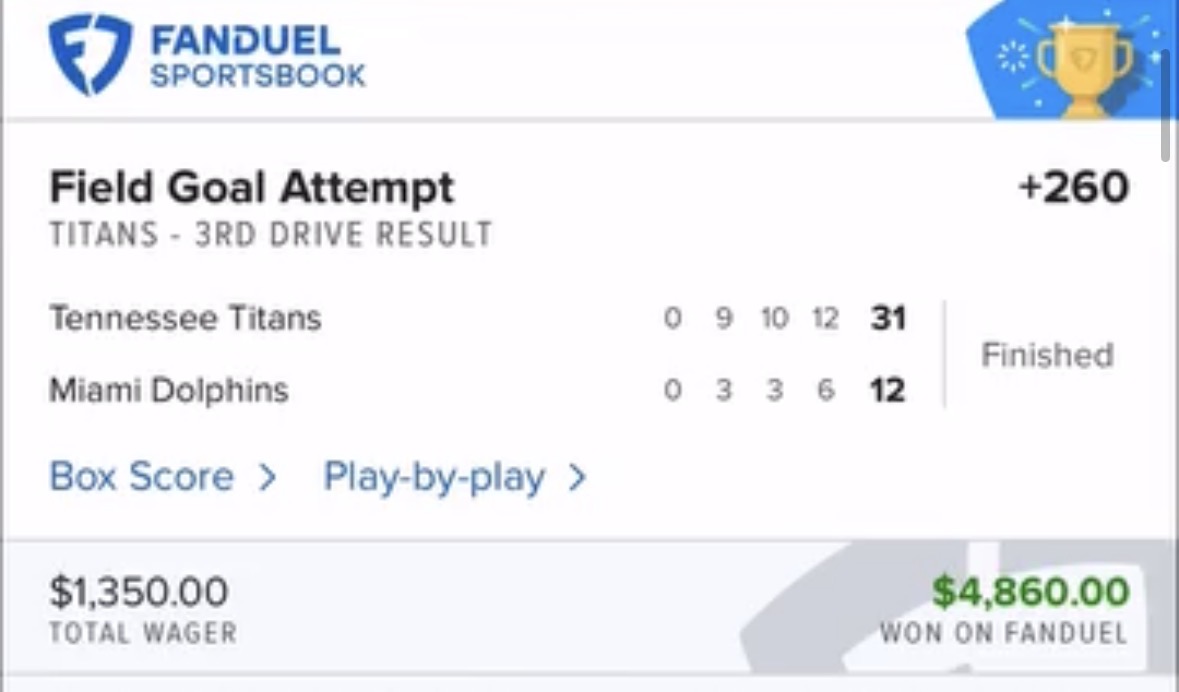
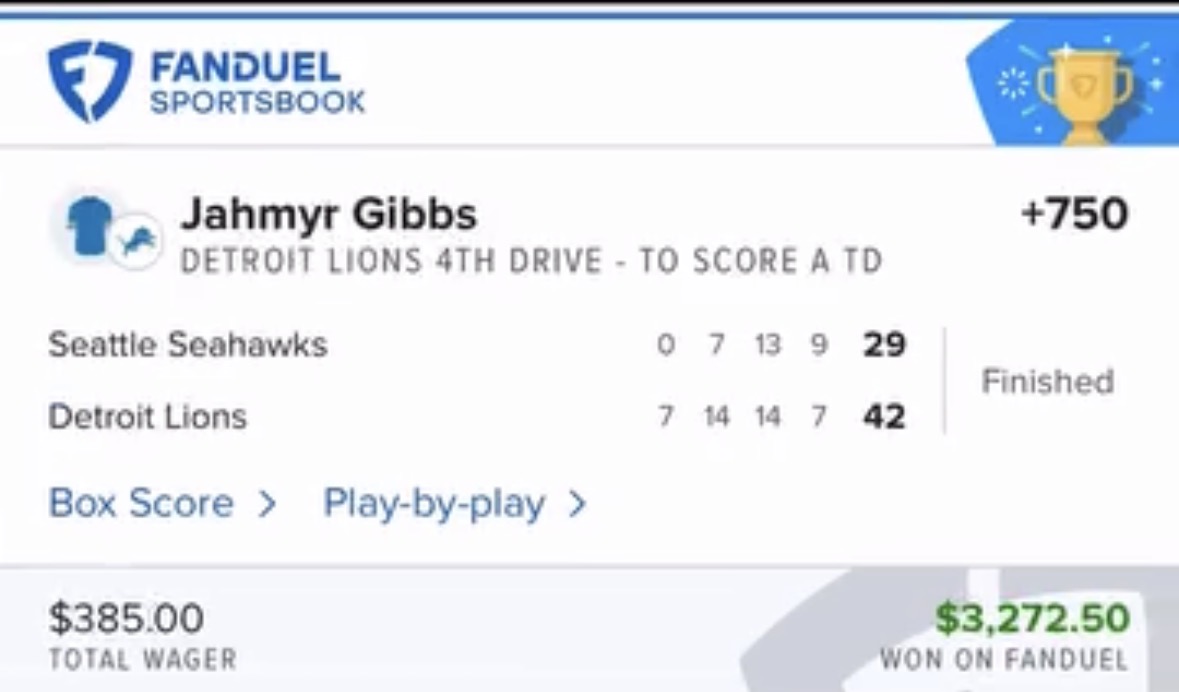
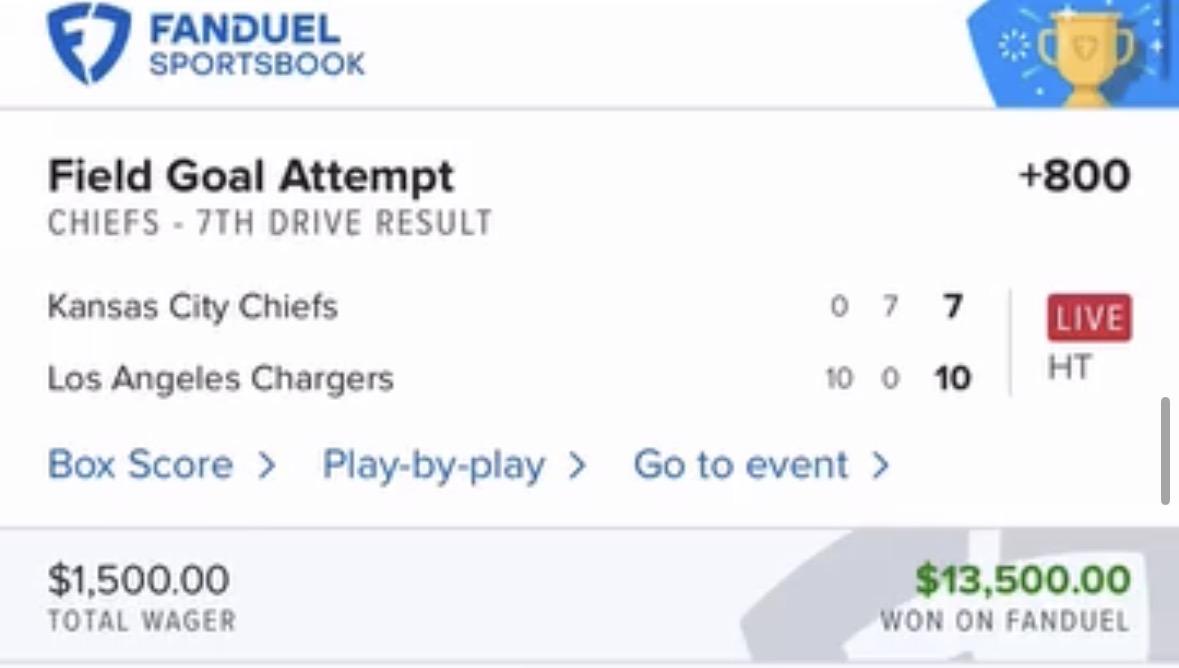
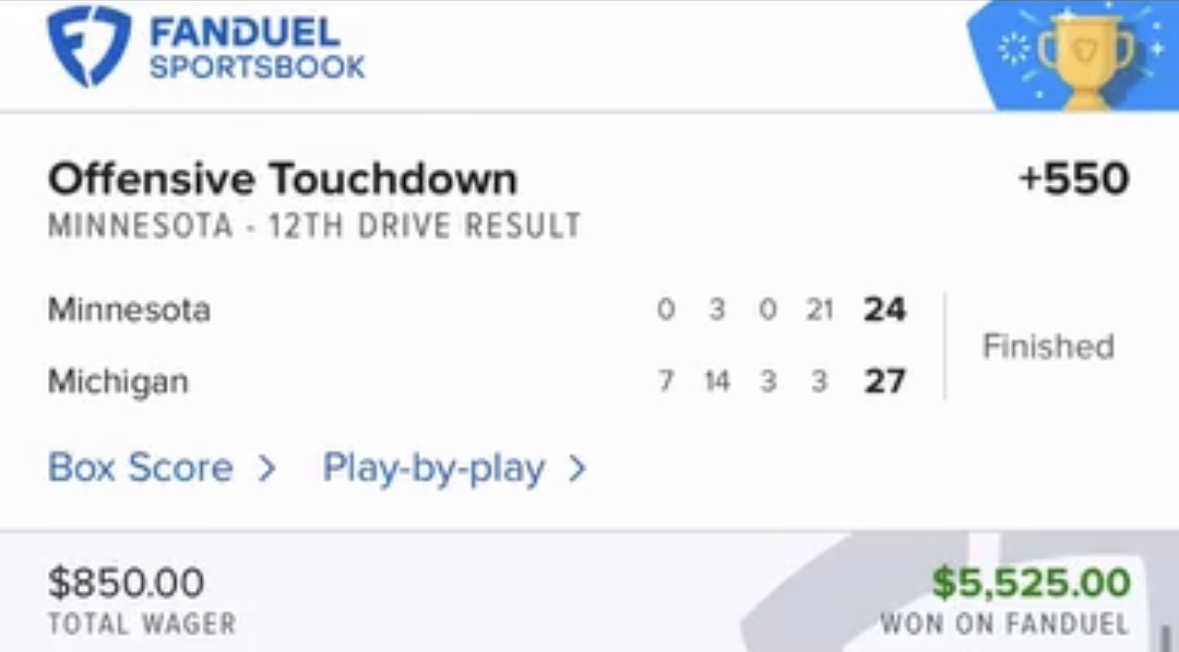
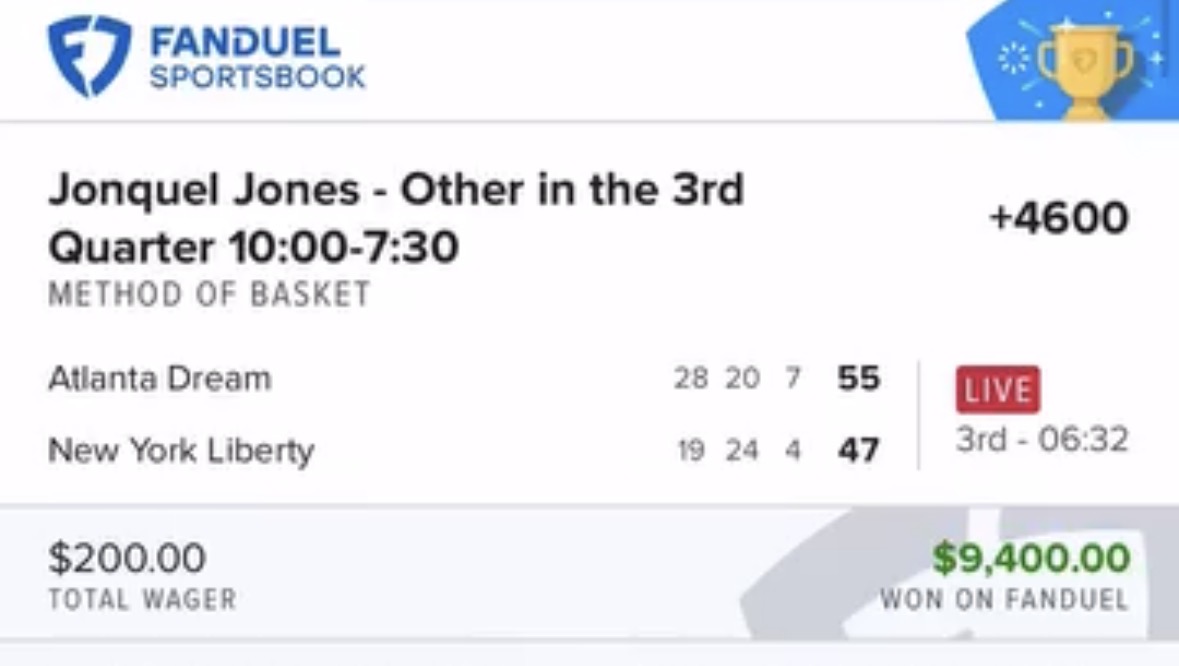
For more on building tickets the right way, see our guides on how to build a winning parlay and live betting versus pre-game picks, or browse current NBA picks and MLB picks.
Frequently Asked Questions
Do parlays or straight bets win more money over time?
Straight bets win more money over time for almost every bettor. A straight bet pays the sportsbook's margin only once, while a parlay multiplies that same margin across every leg, compounding the house edge. A single -110 bet gives the book about a 4.5 percent edge; a four-leg parlay raises its theoretical hold to around 16.5 percent. Over hundreds of bets, betting your opinions straight preserves far more of your bankroll than stacking those same opinions into parlays.
Why are parlay payouts so much bigger than straight bets?
Parlay payouts are bigger because the odds of each leg multiply together, and bigger payouts directly reflect lower win probability. A three-leg -110 parlay pays roughly +600 instead of the -110 a single leg pays, but it only wins about 14 percent of the time versus 52 percent for the single bet. The sportsbook can offer the large payout precisely because it knows all the legs rarely hit at once, and it stacks its margin into each leg along the way.
Is it ever smart to bet a parlay instead of straight bets?
Yes, in two specific situations. First, when the legs are positively correlated — meaning the outcomes move together, so the true combined probability is higher than the book's independent-odds math assumes. Second, when a live in-game leg is mispriced off a stale model before the line resets. In both cases the real probability beats the offered price. If you cannot name the correlation or live edge behind a parlay, the straight-bet math is better and you should bet your opinions individually.
How much of my bankroll should go to parlays?
For most bettors, parlays should be a small slice — commonly kept under 5 to 10 percent of weekly betting volume — with the rest in flat-staked straight bets. Parlays carry far higher variance and a larger built-in house edge, so treating them as occasional, deliberate plays rather than your main strategy protects your bankroll. Only increase parlay exposure when you can identify a genuine correlation or live-timing edge, not just because the payout looks appealing.
What happens to a parlay if one leg pushes?
If one leg of a parlay pushes (ties, such as a team landing exactly on the spread), that leg is removed and the parlay reduces to the remaining legs. A three-leg parlay with one push becomes a two-leg parlay, recalculated at the new combined odds. The ticket is not graded a loss because of the push — it simply pays out as a smaller parlay based on the legs that still have action, assuming those legs win.
Are same-game parlays better than regular parlays?
Same-game parlays are different rather than strictly better. Because the legs come from one game, the outcomes are often correlated, and sportsbooks apply custom pricing models instead of straight multiplication to account for that. This can create value when you correctly identify outcomes that move together, but the custom pricing also means the book has adjusted for the obvious correlations. Same-game parlays reward bettors who find linked outcomes the model underprices, not those simply stacking legs from the same game for a bigger number.
Should beginners bet parlays or straight bets?
Beginners should bet almost exclusively straight bets. Straight bets are easier to evaluate, carry a much lower house edge, and let you win on the games you handicap correctly even when another pick goes wrong. Parlays concentrate risk and compound the sportsbook's margin, which tends to drain a new bettor's bankroll quickly while creating the illusion of progress on the occasional big hit. Learning to find value on single bets first builds the discipline that any successful long-term betting approach depends on.
The Best Bet on Sports · 1.5M followers on TikTok
Sports Betting TikTok is the live betting account behind The Best Bet on Sports, covering NFL, NCAAF, NBA, NCAAB, MLB and WNBA markets in real time. The account has been limited on all six major U.S. sportsbooks — FanDuel, DraftKings, Caesars, BetMGM, Fanatics and ESPN BET — for winning on live betting, with $367,520 in verified profit since 2005. View full profile →
Past results do not guarantee future performance. Must be 21 or older to wager.
Related Articles
Teaser vs. Parlay: Which Is the Better Bet?
Round Robin Parlay Strategy: When the Math Actually Works in Your Favor
The 300-to-1 Rule: Why Your Parlay Pays Less Than the Slip Says
Can You Parlay Futures Bets? Win Totals, Division Odds, and the Real Math
4-Team Parlay Payout Calculator: Real Payouts and Win Rates
Hedging Futures Bets in Sports Betting: When to Lock Profits April 2026
Get real live betting picks
From $39.95/mo · Cancel anytime · Email + Discord delivery
● Get The Picks
Choose your package
Tap any tier below to select · Subscribe in one tap
👇 Tap any package to select it
✓ You're selecting
25 Units · $99.95/month
25 unit picks per month. Sweet spot for most bettors — plenty of action without going all-in.
- ✓25 live betting selections/month
- ✓Email + Discord delivery
- ✓All sports (NFL, NCAAF, NBA, NCAAB, MLB)
- ✓Mix of 1, 2, 3, 5-unit rated plays
- ✓Cancel anytime
Secure PayPal · Cancel anytime · No hidden fees · 21+ · +$367K verified
+$367,520 verified · Limited on 6 sportsbooks · 20 years documented · See Proof
Join Our Newsletter
Get free expert sports picks and analysis delivered weekly.