Can You Parlay Futures Bets? Win Totals, Division Odds, and the Real Math

You can parlay futures bets at most sportsbooks, but the math is far worse than a normal parlay because futures markets carry three to six times the built-in margin of a standard side or total. Multiplying two or three of those markets together compounds the book's edge instead of yours, and it parks your money for five months on a ticket you cannot hedge cleanly.
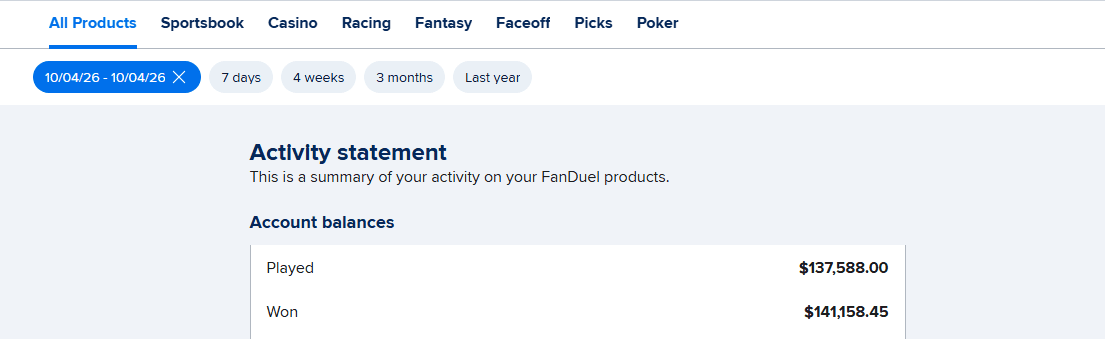
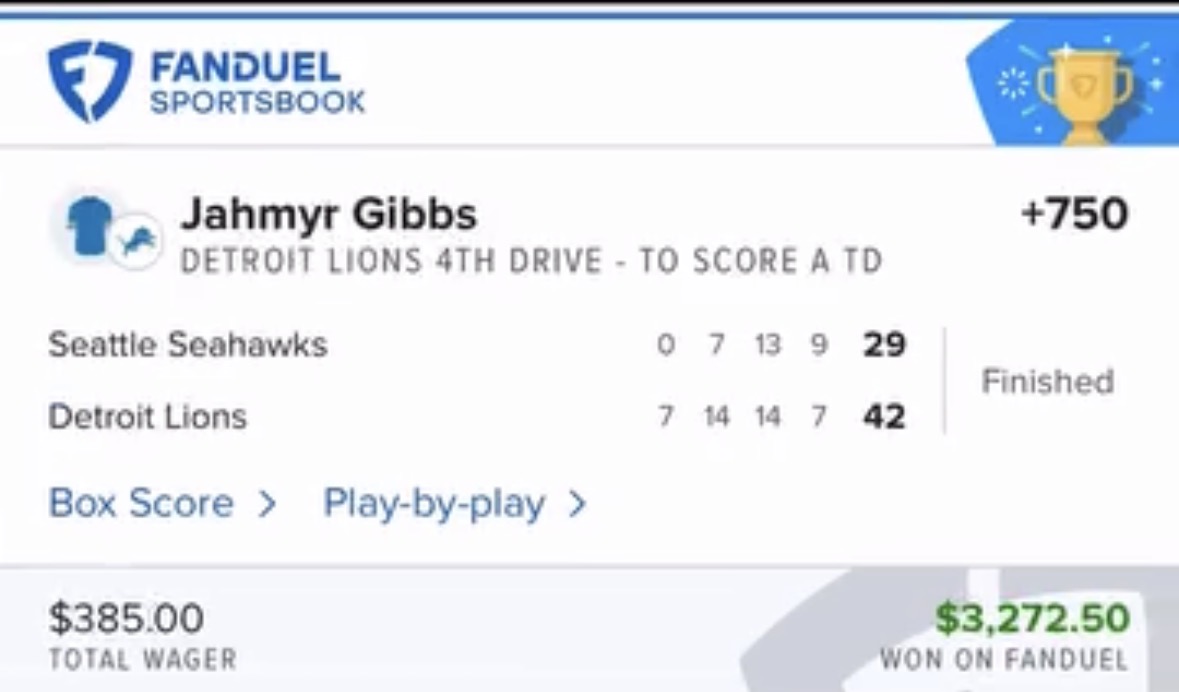
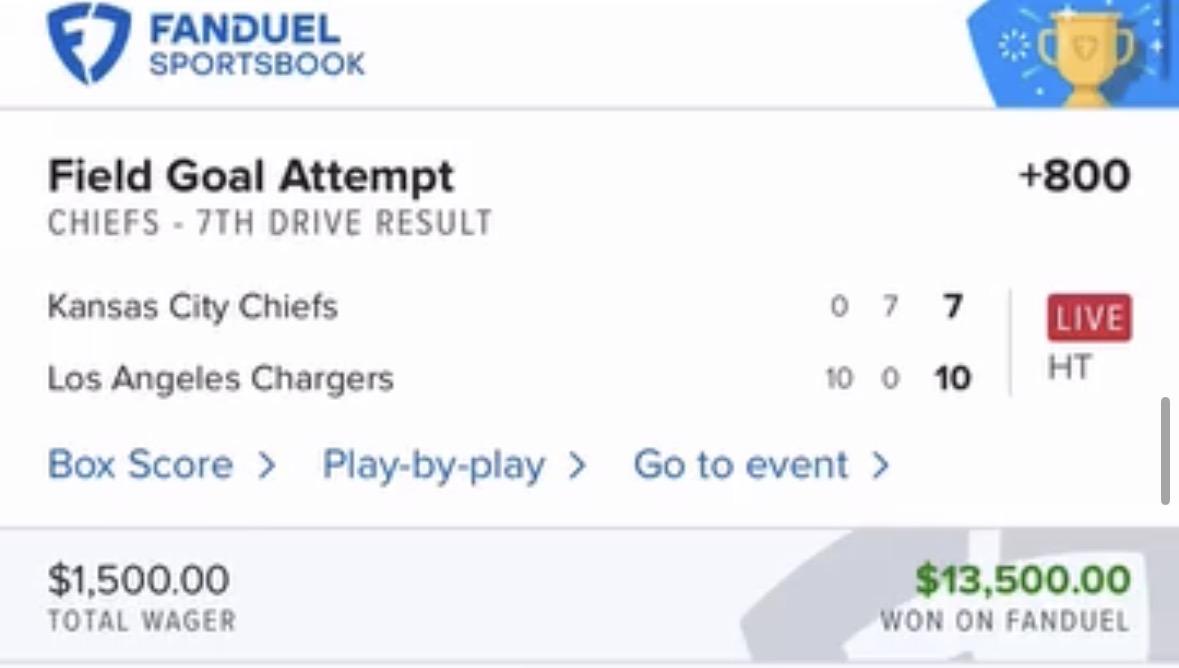
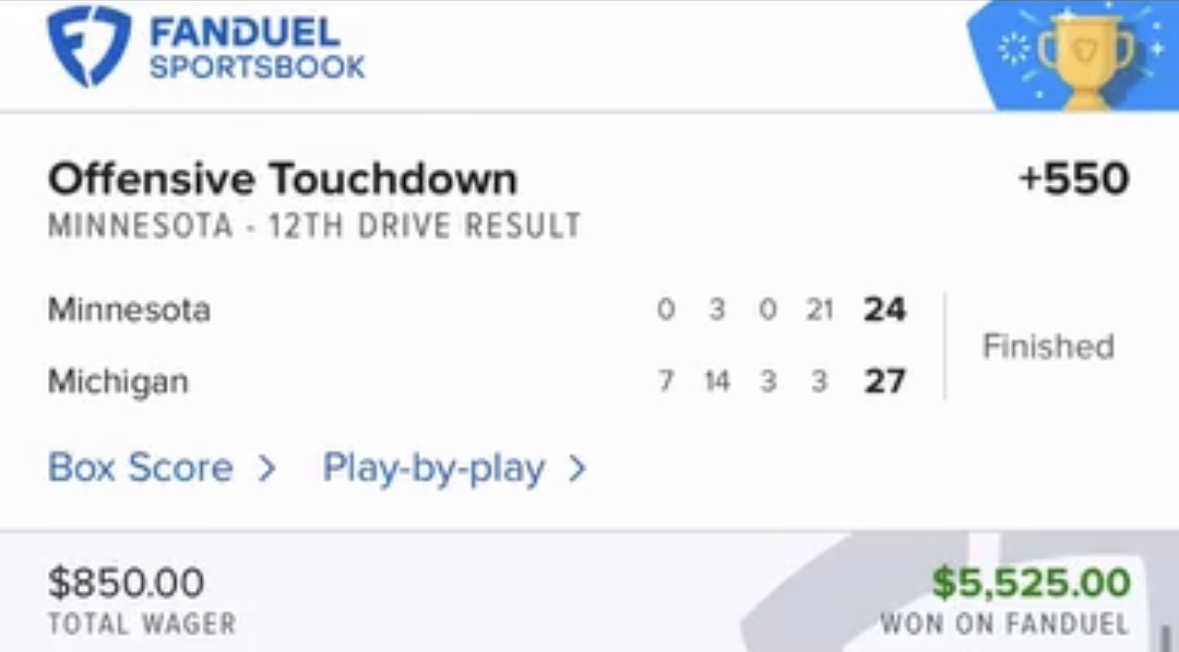
You can parlay futures bets at most sportsbooks, and late July is when the temptation peaks — win totals, division odds, and conference futures are all posted, camp news is moving numbers daily, and stapling three season-long opinions onto one slip looks like the efficient way to bet a season you already have opinions about. The math says otherwise. Futures markets carry three to six times the built-in margin of a standard point spread, and a parlay multiplies those margins rather than your edge. A three-leg futures ticket can hand the book a 30 to 50 percent theoretical hold before you have handicapped anything. The Best Bet on Sports has run live in-game betting for more than twenty years with a verified $367,520+ in profit across every major sportsbook, and the reason we work in live markets rather than futures markets is exactly this: price, speed, and the ability to be wrong cheaply.
This is the guide to what actually happens when you combine season-long bets on one slip — which combinations books allow, which they quietly block, what the compounded cost really is, and the narrow case where a small futures parlay is defensible.
Do Sportsbooks Even Let You Parlay Futures?
Mostly yes, with meaningful exceptions that tell you a lot about where the risk sits.
Nearly every major book will let you combine futures from different leagues or different, unrelated markets — an NFL win total with an NBA division, or two win totals from opposite conferences. Those are treated as independent events and priced by straight multiplication, the same way a two-game parlay is.
What books restrict is correlation. You will usually be blocked from parlaying two teams to win the same division, because only one of them can win — the combination is a certain loser, and books have no interest in taking it as a novelty. More importantly, you will often be blocked — or repriced — from combining a team's win total over with that same team's division title or conference championship. Those outcomes move together so tightly that they are effectively one opinion wearing three hats.
The blocks are the tell. Where the book stops you is where the correlation is strongest, and the places it allows you to proceed are the places where the correlation is weak enough that the multiplication genuinely favors the house.
The Hold Problem Nobody Mentions
Every market has a margin baked into the price. On a standard point spread at -110 on both sides, that margin is about 4.5 percent. It is the smallest markup in the entire sportsbook, which is precisely why serious bettors live in those markets.
Futures are the opposite end of the building. A division winner market has to price four teams and still balance, a conference market prices sixteen, and a championship outright prices thirty-two. Every additional runner is another place to shade the number, and the margins scale accordingly. Season win totals are the cheapest futures on the board because they are two-way markets; outright championship prices are the most expensive product a sportsbook sells.
Here is what happens when you multiply them. The figures below are approximations — parlay pricing does not literally compound market hold in a formula — but each leg's price already carries that market's markup, so combining them combines the markups.
| Market type | Typical margin, single bet | Effective cost, 2-leg | Effective cost, 3-leg |
|---|---|---|---|
| Point spread / game total (-110) | ~4.5% | ~8.8% | ~12.9% |
| Season win total (over/under) | ~5% | ~9.8% | ~14.3% |
| Division winner | ~8% | ~15.4% | ~22.1% |
| Conference champion | ~15% | ~27.8% | ~38.6% |
| Championship outright | ~25% | ~43.8% | ~57.8% |
Read the bottom row again. A three-leg parlay of outright championship futures is, in expectation, a bet where more than half the money is gone before a game is played. No handicapping recovers that. This is the same compounding problem covered in how parlay payouts are calculated and sports betting juice and vig explained, except the starting margin is five times worse.
The practical rule falls out of the table: if you are going to parlay futures at all, parlay the cheap ones. Win totals are two-way markets priced close to a normal total. Outrights are not.
The Correlation Trap Inside a Single Team
The most common futures parlay in America is some version of "my team is good": win total over, division winner, maybe a deep playoff run. It feels like three bets. It is one bet at three prices.
If a team wins its division, it almost certainly cleared its win total. If it clears its win total by three games, it very likely won the division. The outcomes are so tightly linked that when a book does allow the combination, it prices it as a correlated package — the same treatment a same-game parlay gets — and the payout collapses to something close to the single best leg.
The reverse error is subtler and more expensive. Bettors who avoid the obvious same-team stack often reach for two teams in the same division to "diversify," taking an over on one and a division title on another. Those legs are negatively correlated. Both teams cannot have the season you are describing, because they play each other twice and share a schedule. You have built a ticket that requires a specific and unlikely arrangement of the standings, and you are paid as though the legs were independent, which they emphatically are not.
Genuine independence in futures betting requires crossing conferences or leagues. An AFC South win total and an NFC West division title have nothing to do with each other. That is a real parlay. Two NFC North opinions are not.
What a Futures Parlay Does to Your Money
Set the math aside for a moment and look at the capital.
A futures parlay is a single settlement event roughly five months away. From the day you place it to the day it grades, that money does nothing. It cannot be re-bet, it cannot compound, and it cannot respond to information. A season's worth of camp injuries, quarterback changes, trades, and coaching turnover happens while your ticket sits frozen at the price you paid in July.
A straight futures bet at least has an exit. If your team starts 6-1, the division price moves and you can hedge the other side to secure a profit, the way we walk through in hedging futures bets. A parlay has no such exit. To hedge a three-leg ticket you would need to bet against a combination the book will not book, or unwind each leg individually at prices that have all moved against you if the ticket is live. Cash-out offers on long-dated parlays, where they exist at all, are priced brutally.
| 3-leg futures parlay, $100 | $100 rotated through live bets | |
|---|---|---|
| Settlements per season | 1 | Hundreds |
| Time capital is committed | ~5 months | Minutes to hours |
| Can act on new information | No | Every bet |
| Hedge available mid-life | Rarely, at bad prices | Yes, in-game |
| Compounding of winnings | None until January | Continuous |
This is the part that matters more than the vig. Betting is a turnover business. A bankroll that settles hundreds of times has hundreds of chances to apply an edge; a bankroll parked in a January ticket has one. That is the structural argument for live betting over pregame and futures betting, and it has nothing to do with who handicaps better.
Grading Rules That Surprise People
Futures legs do not always behave like game legs, and the fine print decides real money.
Pushes on win totals. Season totals are frequently posted at whole numbers — 9, 10, 11. If the team lands exactly on the number, that leg pushes and the parlay recalculates at the remaining legs' odds. That is the good outcome. Bettors are more often surprised the other way, discovering their "3-leg payout" quietly became a 2-leg payout.
Void legs on player futures. Award and statistical futures usually void if a player never appears, but not always — some books grade action-regardless. A leg that voids drops out; a leg that grades as a loser kills the ticket. Those are wildly different results from the same event, determined entirely by house rules.
Settlement timing. Every leg must settle before the ticket pays. A ticket containing one January-settling leg pays nothing in October even if everything else has already cashed.
Line movement after placement. Your price is fixed at placement, which cuts both ways. Camp news that would have improved your number arrives too late; camp news that damages your leg cannot be escaped. Right now the board is repricing daily around roster designations — the Micah Parsons PUP placement is a live example of information hitting a market bettors are already committed to.
The Narrow Case Where It Is Defensible
There is one, and it is smaller than most bettors want it to be.
A futures parlay is defensible when all four of these are true: every leg is a two-way market (win totals, not outrights), the legs are genuinely independent across conferences or sports, you would bet each leg straight at the posted number, and the stake is a fraction of a normal unit. That last condition is doing more work than the first three. A futures parlay is a lottery-style product, and the correct way to buy a lottery-style product is small, deliberately, and without pretending it is an investment.
If you cannot defend each leg as a standalone bet — the standard we apply to every ticket in building a parlay around an anchor leg — the ticket has no foundation. Adding a fourth season-long opinion to reach a prettier number is the exact behavior described in why most parlays lose, amplified by markets that cost five times more to enter.
The alternative is unglamorous and works better: bet the futures you like straight, at the number you like, in the cheapest market available, and put the rest of your bankroll where it can turn over. Season-long opinions belong in season-long bets. Weekly money belongs in weekly markets, and the sharpest weekly money belongs in-game, where the number is set in seconds under real time pressure instead of over five months of public opinion.
How This Changes During Football Season
Two things happen in September that make the July version of this question worse.
First, the futures board becomes less liquid and less generous the moment games start. Preseason futures are the widest and most heavily marketed of the year, priced for a market of casual bettors building exactly the tickets described above. Once results arrive, prices tighten around real information and the recreational money that inflated the underdog numbers moves to weekly NFL and college football markets.
Second, the opportunity cost becomes obvious. From September to January there is a live betting market every night. Parking money in a January ticket during the busiest four months of the American sports calendar is the least efficient use of a bankroll there is. That is not an argument against futures — it is an argument against tying up capital in the highest-margin, slowest-settling, hardest-to-hedge version of them.
Get Tonight's Live Picks
Want tonight's live in-game picks delivered to your phone via Email and Discord during the game?
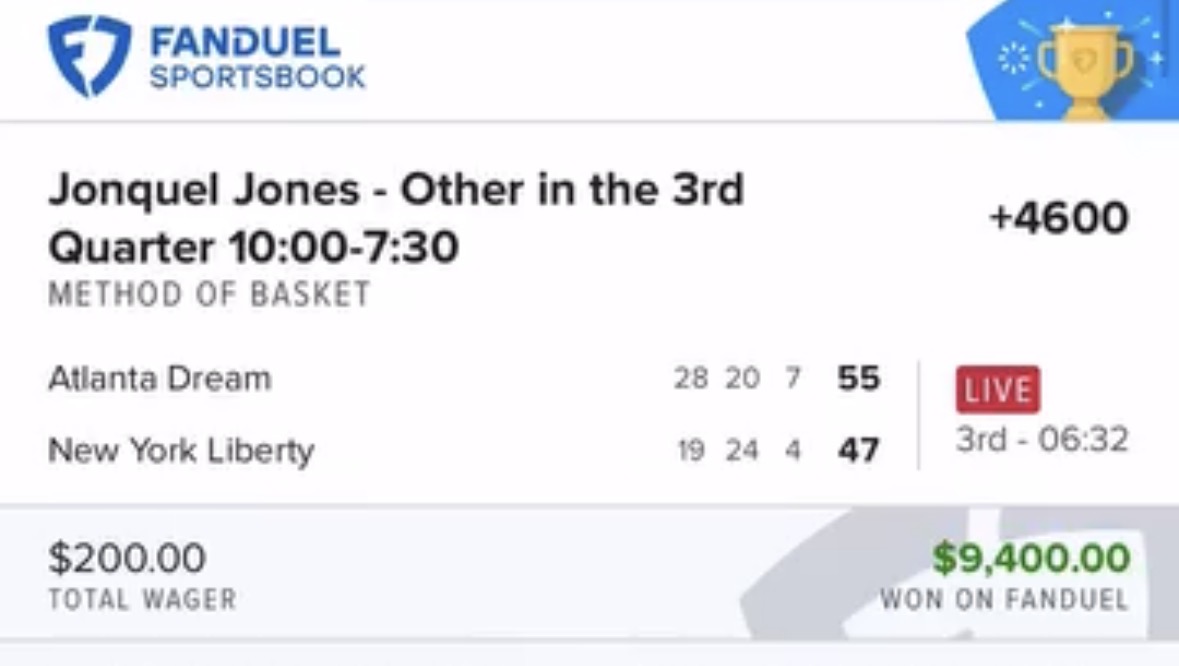
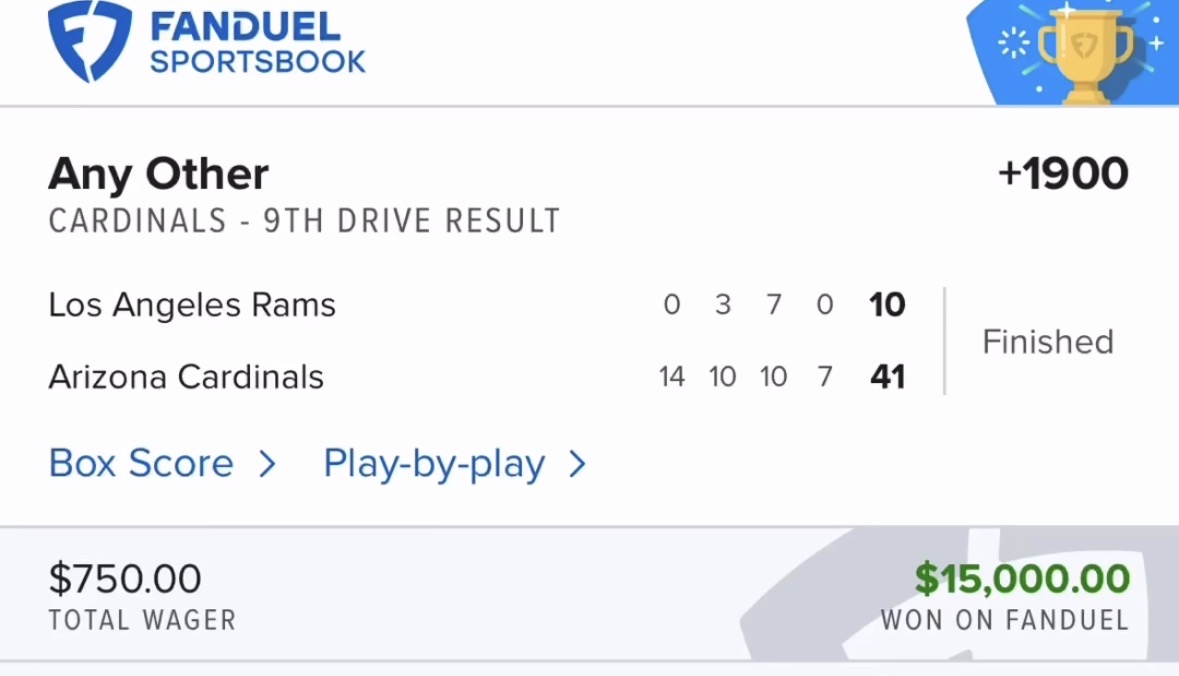
The Best Bet on Sports is the only live betting handicapping service limited on all six major U.S. sportsbooks (FanDuel, DraftKings, Caesars, BetMGM, Fanatics, ESPN BET) for winning too much during in-game action. Verified profit: $367,520+. Picks delivered via Email and Discord during games.
→ Get tonight's live picks: $199 first month — 1-Unit package, full live betting access → Try a free live pick first — reserve your spot for tonight's pick
Frequently Asked Questions
Can you parlay futures bets at most sportsbooks?
Yes. Most major sportsbooks allow futures to be combined on one slip, particularly across different leagues or unrelated markets such as an NFL win total and an NBA division title. What books commonly block is correlation — two teams to win the same division, or a single team's win total over combined with that team's division or championship price. Where the book blocks you is where the outcomes move together most tightly, which is also where the combination would have been worth the most to you.
Why are futures parlays worse than regular parlays?
Because the starting margin is much higher. A standard point spread at -110 carries roughly a 4.5 percent built-in margin, while division markets commonly run near 8 percent and outright championship markets often run 25 percent or more. A parlay multiplies each leg's price, so it multiplies each market's markup. A three-leg parlay of championship outrights can carry an effective cost above 50 percent before any handicapping, compared with about 13 percent for a three-leg parlay of standard sides.
Which futures are the least bad to parlay?
Season win totals. They are two-way markets priced much closer to a normal game total, typically around a 5 percent margin rather than the double-digit margins on division, conference, and championship markets. If you are going to combine futures at all, combining two win totals from different conferences is the cheapest and most genuinely independent version of the bet. Outright championship legs are the most expensive futures a sportsbook sells and the worst possible parlay material.
Can you hedge a futures parlay?
Rarely, and almost never at a good price. A straight futures bet can be hedged by taking the other side once the price has moved, which is how bettors secure profit on a team that starts fast. A parlay cannot be unwound that way — you would have to bet against a specific combination no book offers, or hedge each surviving leg individually at prices that have already moved against you. Cash-out offers on long-dated parlays, where available, are priced heavily in the book's favor.
What happens if a team lands exactly on its win total in a parlay?
That leg pushes and the parlay is recalculated using only the remaining legs. A three-leg ticket becomes a two-leg ticket at two-leg odds, which pays substantially less than the number displayed when you placed it. This is why whole-number win totals deserve attention before you build a ticket around them. Rules for voided player and award futures vary by book — some void if the player never appears, others grade action regardless — so the house rules decide whether a dead leg removes itself or kills the ticket.
Is a futures parlay ever a good bet?
It can be defensible under narrow conditions: every leg is a two-way market like a win total, the legs are genuinely independent across different conferences or sports, you would bet each leg straight at the posted number, and the stake is a fraction of your normal unit. That last condition matters most, because a futures parlay is a lottery-style product and should be sized like one. If you cannot defend each leg as a standalone bet, adding legs to reach a prettier payout is the same mistake that sinks ordinary parlays, made in far more expensive markets.
Should you bet futures or live betting during football season?
They serve different purposes, but the capital math strongly favors live betting from September through January. A futures parlay settles once, roughly five months out, and cannot respond to injuries, trades, or coaching changes that occur in the meantime. Live in-game markets settle in minutes, are priced under real time pressure, and let a bankroll turn over hundreds of times across a season. If you want season-long exposure, take it straight and cheaply, and keep the working portion of your bankroll in markets where it can actually work.
The Best Bet on Sports · 1.5M followers on TikTok
Sports Betting TikTok is the live betting account behind The Best Bet on Sports, covering NFL, NCAAF, NBA, NCAAB, MLB and WNBA markets in real time. The account has been limited on all six major U.S. sportsbooks — FanDuel, DraftKings, Caesars, BetMGM, Fanatics and ESPN BET — for winning on live betting, with $367,520 in verified profit since 2005. View full profile →
Past results do not guarantee future performance. Must be 21 or older to wager.
Related Articles
Teaser vs. Parlay: Which Is the Better Bet?
Parlay vs. Straight Bets: Which Actually Wins More Money?
4-Team Parlay Payout Calculator: Real Payouts and Win Rates
Round Robin Parlay Strategy: When the Math Actually Works in Your Favor
The 1 PM Problem: When Sunday Parlays Actually Die
Key Numbers and Parlays: The Three-Point Problem
Get real live betting picks
From $39.95/mo · Cancel anytime · Email + Discord delivery
● Get The Picks
Choose your package
Tap any tier below to select · Subscribe in one tap
👇 Tap any package to select it
✓ You're selecting
25 Units · $99.95/month
25 unit picks per month. Sweet spot for most bettors — plenty of action without going all-in.
- ✓25 live betting selections/month
- ✓Email + Discord delivery
- ✓All sports (NFL, NCAAF, NBA, NCAAB, MLB)
- ✓Mix of 1, 2, 3, 5-unit rated plays
- ✓Cancel anytime
Secure PayPal · Cancel anytime · No hidden fees · 21+ · +$367K verified
+$367,520 verified · Limited on 6 sportsbooks · 20 years documented · See Proof
Join Our Newsletter
Get free expert sports picks and analysis delivered weekly.