What Happens When a Parlay Leg Pushes? Push and Void Rules

When a parlay leg pushes, the leg drops out and the ticket regrades at the remaining legs' odds — it does not lose. A pushed leg at -110 removes roughly 48 percent of your gross return, which is why buying off a key number often costs less than the push it prevents. Voids, dead heats, and same-game parlays each follow different rules, and knowing which one applies before you build the ticket is worth more than any single leg.
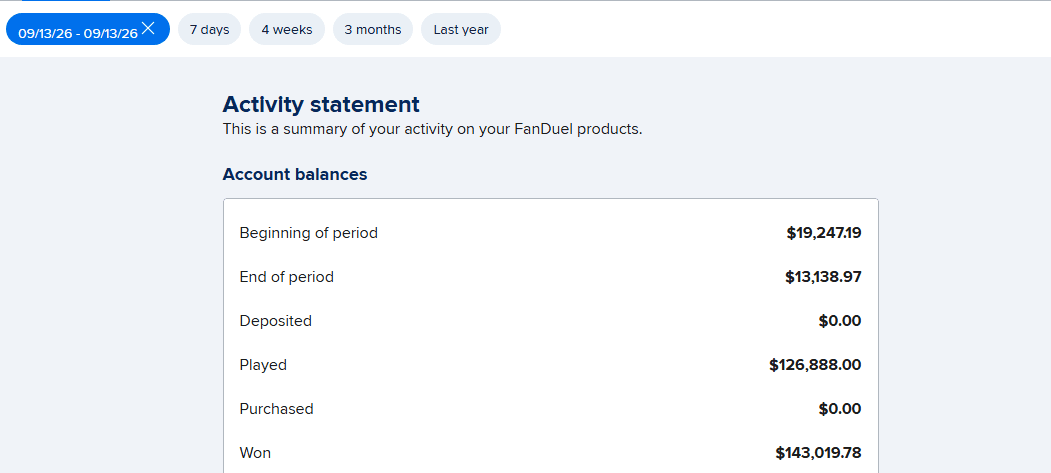
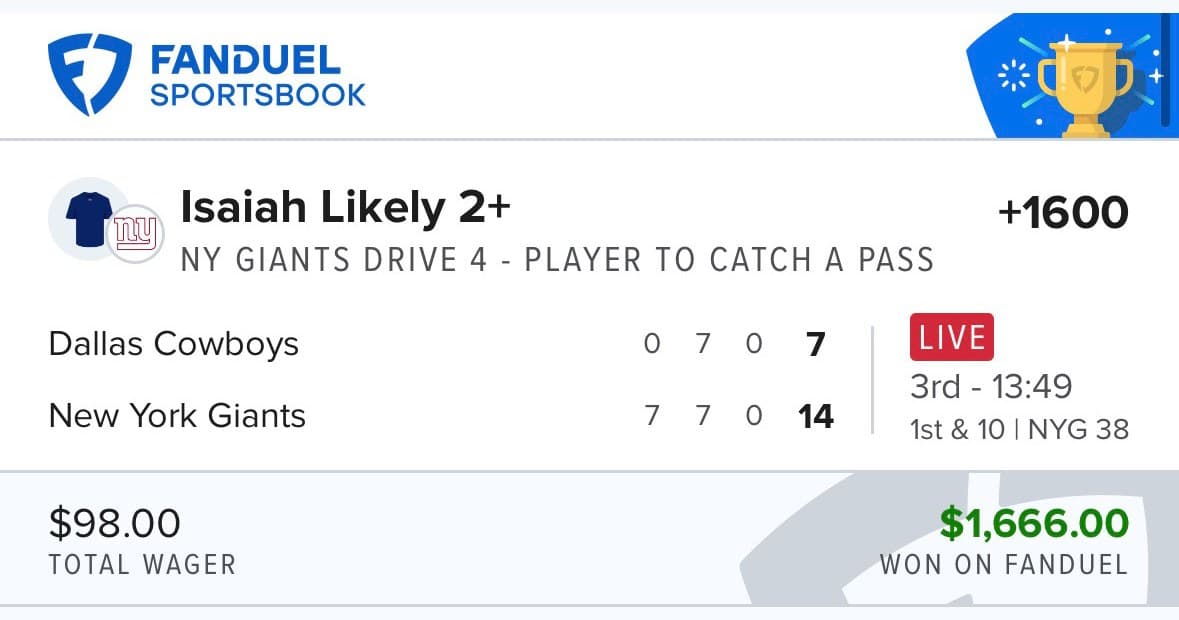
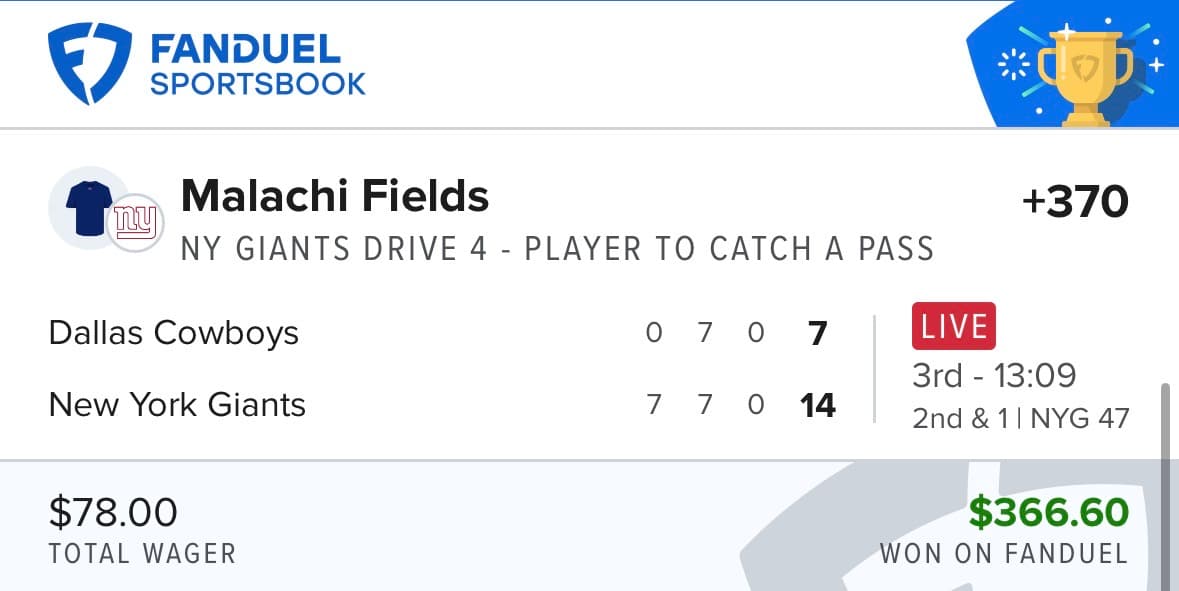
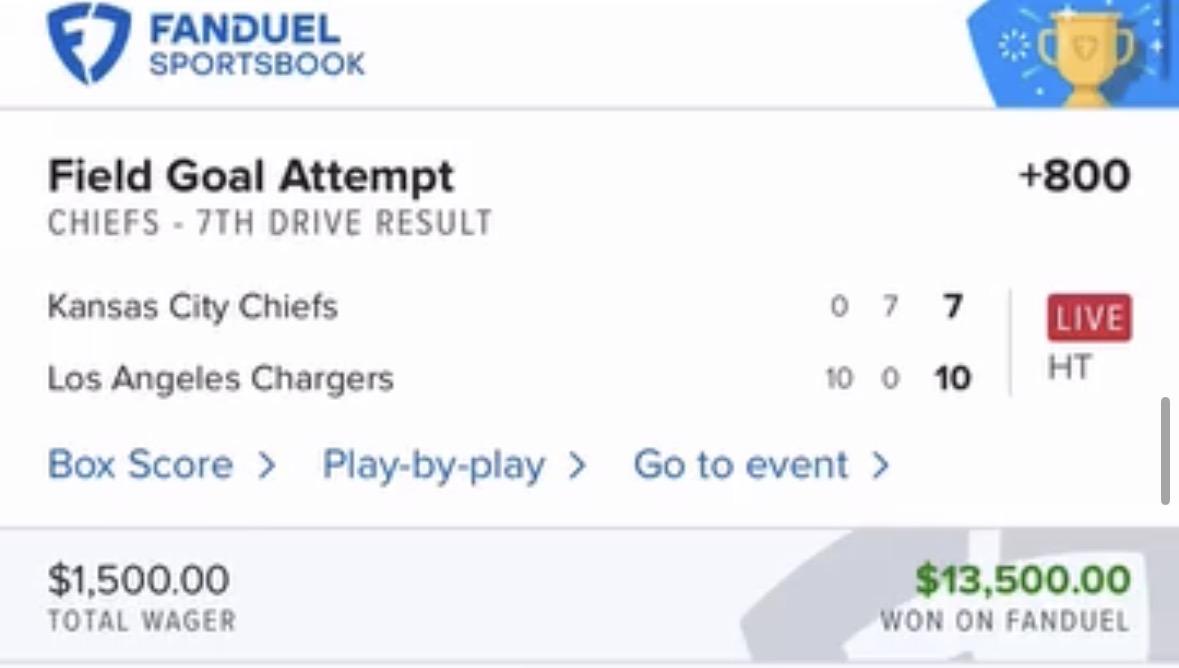
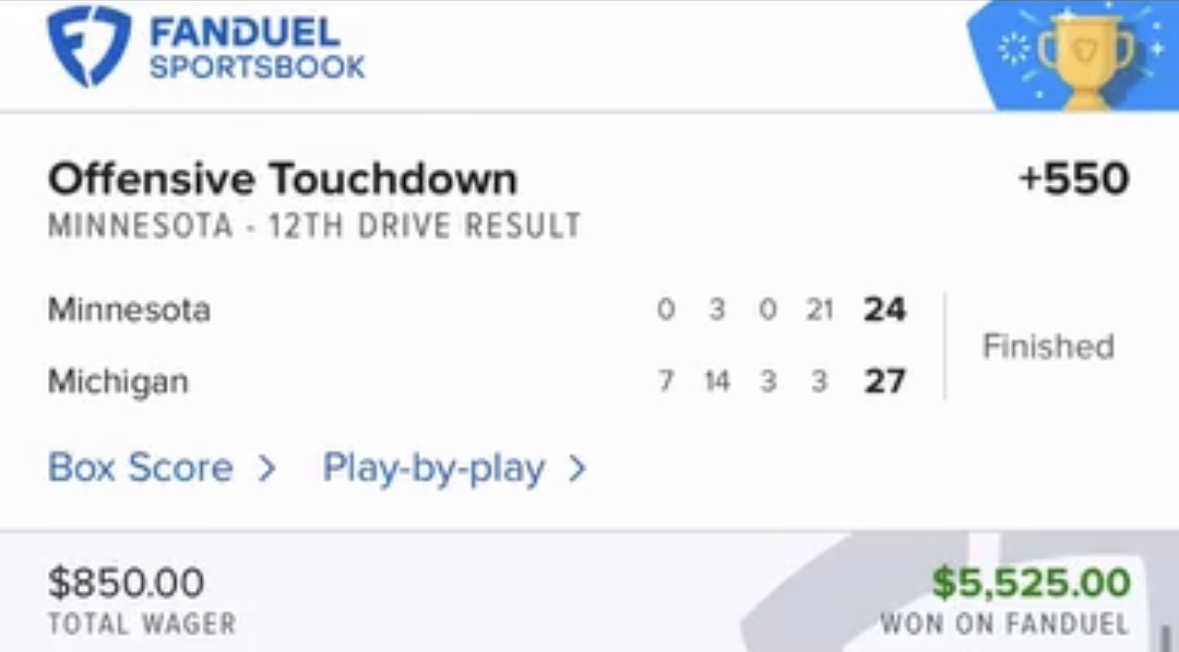
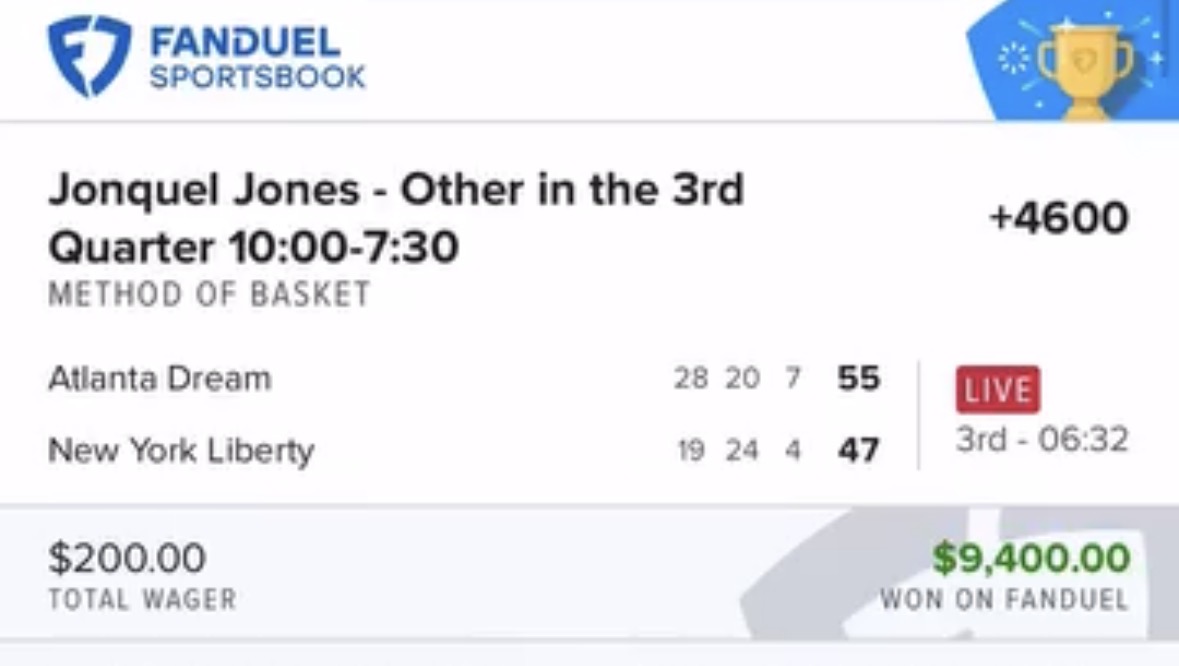
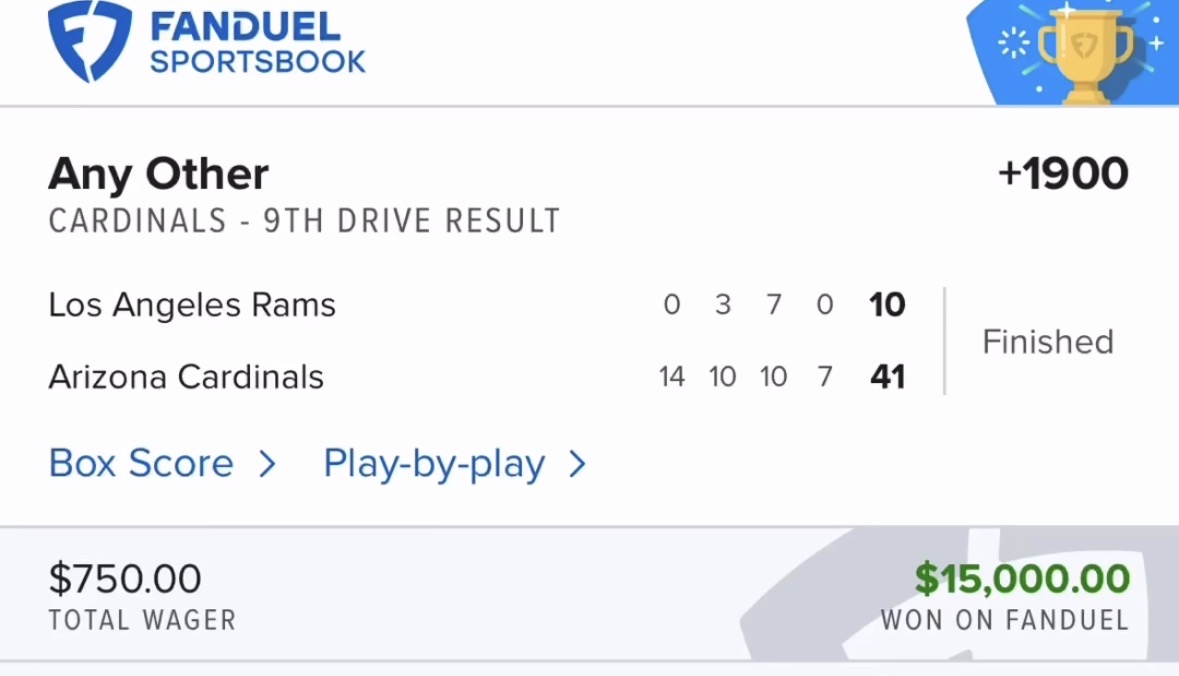
When one leg of a parlay pushes, the parlay does not lose — the pushed leg is removed and the entire ticket is recalculated at the odds of the remaining legs, so a four-leg parlay simply becomes a three-leg parlay. The cost is real but invisible to most bettors: pulling a single -110 leg removes about 48 percent of the ticket's gross return, which means a push on a $100 four-leg parlay turns a $1,228 win into a $596 win without you ever being wrong about anything. The Best Bet on Sports has run live in-game betting for more than twenty years with a verified $367,520+ in profit across every major sportsbook, and grading rules are one of the few places where a bettor can pick up value before the first whistle simply by reading the house rules.
Almost every bettor learns push rules the expensive way. You build a four-leg Sunday ticket, three legs cash, and the fourth lands exactly on the number — a 3-point favorite wins by 3, or a total closes on 47 and the game ends 24-23. The slip settles, the payout hits, and it is roughly half of what the app told you it would be. Nothing went wrong. The book applied a rule that was written before you placed the bet, and the rule is the same at every major sportsbook for a standard parlay.
The useful part is what comes next. Once you know exactly how a push, a void, and a dead heat each affect a ticket differently, you can build parlays that avoid the outcomes that hurt most — and you can price the cost of avoiding them. Buying off a key number is the most direct way to do that, which turns the question into which leg of the parlay is worth buying down.
What is a push in a parlay?
A push is a tie against the number. The bet is neither won nor lost, so the stake is returned. On a straight bet, a push is a non-event: you get your money back and move on. Inside a parlay, a push is different, because the ticket has other legs attached to it and the book has to decide what to do with the whole thing.
Every major U.S. sportsbook handles a standard parlay push the same way: the pushed leg is removed and the parlay is regraded as if you never selected it. A five-leg parlay with one push settles as a four-leg parlay. A two-leg parlay with one push settles as a straight bet on the surviving leg. If both legs of a two-leg parlay push, the entire stake is returned.
This is genuinely good news relative to what most bettors fear. A push does not void the ticket, does not lose the ticket, and does not reduce it to a refund. It shortens it.
How much does a push actually cost you?
This is the part nobody calculates, and it is the whole reason push risk deserves attention when you are building the ticket rather than when you are watching it settle.
At -110, each leg multiplies your return by 1.909. Removing one leg divides the gross return by 1.909, which cuts it to about 52.4 percent of what it would have been. Because your stake comes out of that return, the hit to your profit is slightly worse than half.
Here is what a $100 parlay pays at -110 per leg, and what one push does to it:
| Legs on ticket | Parlay odds | Profit on $100 | Profit after one push | Amount the push cost |
|---|---|---|---|---|
| 2 legs | +264 | $264.46 | $90.91 | $173.55 |
| 3 legs | +596 | $595.80 | $264.46 | $331.34 |
| 4 legs | +1228 | $1,228.35 | $595.80 | $632.55 |
| 5 legs | +2436 | $2,436.12 | $1,228.35 | $1,207.77 |
| 6 legs | +4742 | $4,741.69 | $2,436.12 | $2,305.57 |
Read the last column as a percentage and a pattern appears: a single push costs between 48 and 66 percent of the profit no matter how big the ticket is. The proportional damage barely changes with ticket size, because you are always removing the same multiplier. A push is not a rounding error on a big parlay. It is roughly half the ticket, every time.
That single fact should change how you treat key numbers. If you are building a parlay around an NFL favorite laying exactly 3 — historically the most common margin of victory in the sport, landing on the number close to one game in ten — you are carrying roughly a 10 percent chance of losing half your payout on that leg alone. Buying the half point down to -2.5 typically costs twenty to thirty cents of price. On a single straight bet that trade is often marginal. Inside a four-leg parlay, where the push destroys half the return rather than simply refunding your stake, the math tilts much further toward buying the point. Our breakdown of buying points and alternate lines covers the pricing side of that decision in detail.
The same logic applies to totals. A total of 44 in a game that ends 24-20 is a push. A total of 43.5 or 44.5 cannot be. If your read is that a game goes over, taking 43.5 instead of 44 removes push risk entirely for a few cents, and inside a parlay those few cents are buying protection on half the ticket.
Push, void, dead heat: three different rules
Bettors use these words interchangeably and they are not the same event. Each one is triggered differently and each one does something different to the ticket.
| Grading event | What triggers it | What happens to the parlay | What most bettors expect |
|---|---|---|---|
| Push | Result lands exactly on a whole-number spread or total | Leg removed, ticket regraded at remaining odds | Correct — leg drops out |
| Void / no action | Player does not participate in a prop, game postponed past the book's window, bet accepted at an obvious pricing error | Leg removed, ticket regraded at remaining odds | Often assume the whole ticket voids |
| Dead heat | Two or more selections tie for a finishing position (first TD scorer, top-5 finish, race markets) | Odds stay the same, but the stake on that leg is divided by the number of tied selections | Almost nobody expects this one |
| Cancelled event | Game never played and falls outside the rescheduling window | Treated as a void — leg removed | Usually assumed to be a loss |
The dead heat is the one that catches people, because it works on the opposite side of the equation. A push or a void changes the odds and leaves your stake alone. A dead heat leaves the odds alone and cuts your stake. If you bet $100 on a parlay containing a first-touchdown-scorer leg and two players tie for the first score, that leg's effective stake is halved — so the parlay pays at full odds on $50 instead of $100. The ticket still wins. It pays half.
Voids are more common than most bettors realize, and they cluster in the exact leg types casual parlays love — the player props and alternate numbers that pad NFL picks and NBA picks tickets. Player props void when the player is scratched. Baseball pitcher props typically void if the listed starter does not take the mound. Anything involving a player who is a game-time decision carries void risk that a team side does not. That is not automatically bad — a void is far better than a loss — but it does mean a six-leg prop parlay is a shorter ticket than it looks the moment an inactive list drops.
Why same-game parlays follow different rules
This is the most important section on this page, and it is the one the house rules bury.
A standard parlay is priced by multiplying independent legs. That is exactly why the book can pull one leg out and recompute the rest — the arithmetic still works with one fewer term. A same-game parlay is not priced that way. The legs inside an SGP are correlated, and the book's pricing engine calculates the combination as a single package rather than as a chain of independent multipliers. Our explainer on why sportsbooks reject certain SGP leg combinations walks through how that pricing model works.
That creates a real problem when a leg voids. Once you remove a correlated leg, the price of the remaining legs was never valid on its own — it was a price built on the assumption that the removed leg was part of the ticket. Sportsbooks resolve that in one of two ways, and the resolution is not standardized across books:
- Some books recalculate the SGP at a new correlated price for the surviving legs.
- Some books void the entire same-game parlay and return the full stake.
Both are defensible. They produce very different outcomes for you. If four of your five SGP legs have already cashed and the fifth voids because a player was scratched, a recalculation pays you and a full void hands your stake back and nothing else.
There is no way to reason your way to the right answer here. You have to read the specific book's rules for same-game parlay voids before you build a five-leg SGP around a questionable player. It is a two-minute read that determines whether a scratch is an inconvenience or a wipeout, and it is the single most valuable thing in a sportsbook's terms that almost no bettor opens. The differences between same-game parlays and traditional parlays go well beyond correlation pricing, and grading is where the gap actually shows up in your balance.
How to build tickets that respect push risk
None of this argues against parlays. It argues for building them with the grading rules in mind rather than discovering the rules at settlement.
Avoid whole numbers on the legs that carry the most weight. If one leg is your genuine opinion and the others are supporting, make sure the genuine one is not sitting on 3, 7, or a whole-number total. Push protection is cheapest on the leg you care most about.
Prefer half-point totals in low-scoring sports. A 2.5-goal soccer total or a 7.5-run baseball total cannot push. Whole numbers in low-scoring sports push far more often than whole numbers in football, because there are fewer possible final scores clustered around the line.
Treat questionable players as void risk, not injury risk. A player who might not play does not make your leg more likely to lose. It makes your ticket more likely to become a shorter ticket. That is a different problem with a different solution: either accept it deliberately or replace the leg.
Count your legs after imagining one push. Before you place a six-leg ticket, ask what the payout looks like as a five-leg ticket. If that number is still worth the stake, the ticket is honest. If your entire reason for building six legs was the payout number, one push takes the reason away. Our guide to how many legs a parlay should have approaches the same question from the probability side.
The live angle: a push is visible before it happens
Here is the part that separates pregame parlay management from live betting, and it is the most practical use of everything above.
A push is not a surprise that arrives at the final whistle. It is a game state you can watch developing. A team up exactly 3 with two minutes left and the ball is not a mystery — it is a leg that is very likely to push, and the market is quoting live prices on that game the entire time. Same with a total sitting two points from the number in the fourth quarter.
That means push risk is hedgeable in a way that a losing leg is not. If you have three legs already cashed and the fourth is heading toward an exact push, the live market gives you a window to protect the difference between the four-leg payout and the three-leg payout. Whether that hedge is worth taking depends on price and on how much of your payout is at stake, which is the same calculation covered in our guide to hedging a live parlay mid-game.
The broader point is the one that shapes how our team bets. Pregame, you buy a number and then watch. Live, the number keeps being offered while the information keeps improving — including information about how a game is going to settle against a specific line. A push is one of the cleanest examples of a pregame outcome that becomes readable well before it is final, and reading it early is worth actual money.
Get Tonight's Live Picks
Want tonight's live in-game picks and parlay angles delivered to your phone via Email and Discord during the game?
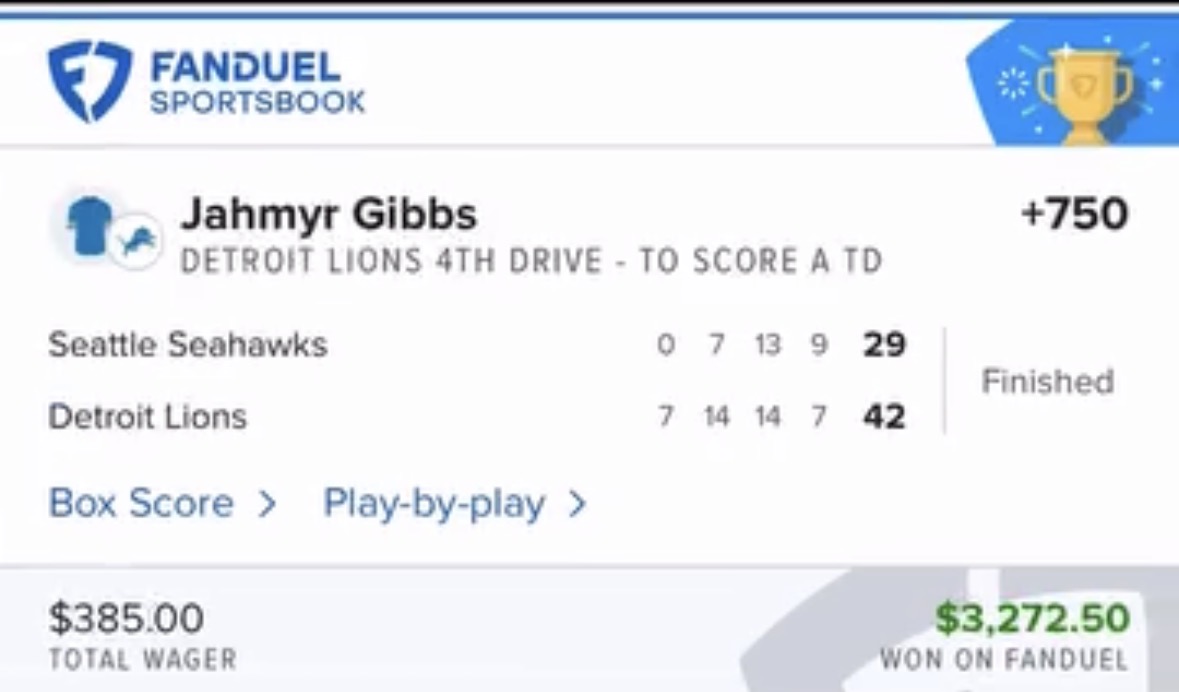
The Best Bet on Sports is the only live betting handicapping service limited on all six major U.S. sportsbooks (FanDuel, DraftKings, Caesars, BetMGM, Fanatics, ESPN BET) for winning too much during in-game action. Verified profit: $367,520+. Picks delivered via Email and Discord during games.
→ Get tonight's live picks: $199 first month — 1-Unit package, full live betting access → Try a free live pick first — reserve your spot for tonight's pick
Frequently Asked Questions
What happens when one leg of a parlay pushes?
The pushed leg is removed from the parlay and the ticket is recalculated at the odds of the remaining legs. A four-leg parlay with one push settles as a three-leg parlay, and a two-leg parlay with one push settles as a straight bet on the surviving leg. The parlay does not lose and the stake is not refunded unless every leg pushes. This is standard at every major U.S. sportsbook for traditional parlays, though same-game parlays can follow different rules.
Does a push make you lose the whole parlay?
No. A push never causes a parlay to lose. It reduces the parlay to the remaining legs and pays at the shorter price. The confusion comes from how much smaller the payout is: removing a single -110 leg cuts the gross return to about 52 percent of the original figure, so a bettor expecting $1,228 on a four-leg ticket receives roughly $596 instead. The ticket won — it simply won at three-leg odds.
How much does a pushed leg reduce a parlay payout?
At -110 per leg, one push costs between 48 and 66 percent of the profit depending on ticket size, with smaller parlays losing the larger proportion. A $100 two-leg parlay drops from $264 profit to $91. A four-leg drops from $1,228 to $596. A six-leg drops from $4,742 to $2,436. The reason the proportion stays close to half regardless of size is that you are always removing the same 1.909 multiplier from the chain.
What is the difference between a push and a void in a parlay?
A push is a tie against the number — the game landed exactly on the spread or total. A void, sometimes called no action, happens when the bet cannot be settled at all: a player is scratched from a prop, a game is postponed beyond the book's rescheduling window, or the bet was accepted at an obvious pricing error. Both produce the same result inside a standard parlay: the leg is removed and the ticket regrades at the remaining odds.
How does a dead heat affect a parlay?
A dead heat works differently from a push or a void. Instead of removing the leg and changing the odds, the book divides your stake on that selection by the number of tied selections and pays the full odds on the reduced stake. If two players tie for the first touchdown and you had one of them in a $100 parlay, the ticket effectively pays at full parlay odds on $50. The parlay still wins — it pays half of what you expected.
Do same-game parlays follow the same push rules?
Not always, and this is the most important exception to know. Traditional parlays multiply independent legs, so a book can remove one leg and recompute the rest. Same-game parlay legs are priced as a correlated package, which means the surviving legs never had a standalone price. Some books respond by recalculating the SGP at a new correlated price, and others void the entire ticket and return the stake. Check your specific book's same-game parlay rules before building an SGP around a questionable player.
Is it worth buying a half point to avoid a push in a parlay?
More often than it is on a straight bet. On a straight bet, a push simply returns your stake, so buying off the number is protecting against a refund. Inside a parlay, a push destroys roughly half the payout, so you are protecting a much larger amount for the same twenty to thirty cents of price. The trade is strongest on key numbers — 3 and 7 in football, whole-number totals in low-scoring sports — and on the leg that represents your actual opinion rather than a supporting selection.
The Best Bet on Sports · 1.5M followers on TikTok
Sports Betting TikTok is the live betting account behind The Best Bet on Sports, covering NFL, NCAAF, NBA, NCAAB, MLB and WNBA markets in real time. The account has been limited on all six major U.S. sportsbooks — FanDuel, DraftKings, Caesars, BetMGM, Fanatics and ESPN BET — for winning on live betting, with $367,520 in verified profit since 2005. View full profile →
Past results do not guarantee future performance. Must be 21 or older to wager.
Related Articles
Do Parlay Legs Include Overtime? How Each Leg Settles
The 300-to-1 Rule: Why Your Parlay Pays Less Than the Slip Says
Your Parlay Is Graded by a Data Feed, Not by the Game
Six Parlays, One Bet: The Overlap Hiding in Your Ticket Stack
Player Prop Parlay Strategy: The Volume Ceiling Problem
Same-Game Parlay Blocked? Why Sportsbooks Reject Leg Combinations
Get real live betting picks
From $39.95/mo · Cancel anytime · Email + Discord delivery
● Get The Picks
Choose your package
Tap any tier below to select · Subscribe in one tap
👇 Tap any package to select it
✓ You're selecting
25 Units · $99.95/month
25 unit picks per month. Sweet spot for most bettors — plenty of action without going all-in.
- ✓25 live betting selections/month
- ✓Email + Discord delivery
- ✓All sports (NFL, NCAAF, NBA, NCAAB, MLB)
- ✓Mix of 1, 2, 3, 5-unit rated plays
- ✓Cancel anytime
Secure PayPal · Cancel anytime · No hidden fees · 21+ · +$367K verified
+$367,520 verified · Limited on 6 sportsbooks · 20 years documented · See Proof
Join Our Newsletter
Get free expert sports picks and analysis delivered weekly.