Same-Game Parlay Blocked? Why Sportsbooks Reject Leg Combinations

Sportsbooks block same-game parlay legs when two outcomes are mathematically dependent on each other, because independent parlay math would misprice the ticket in your favor. A rejection is not a glitch and not a punishment — it is the book telling you the correlation you spotted is real. Here is how to decode each error message and what to do with the information.
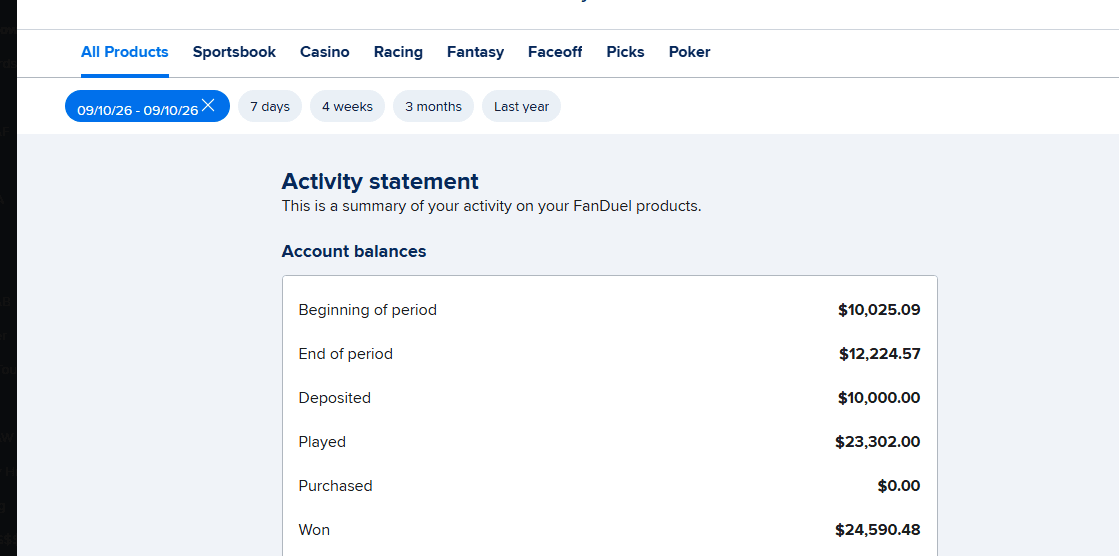
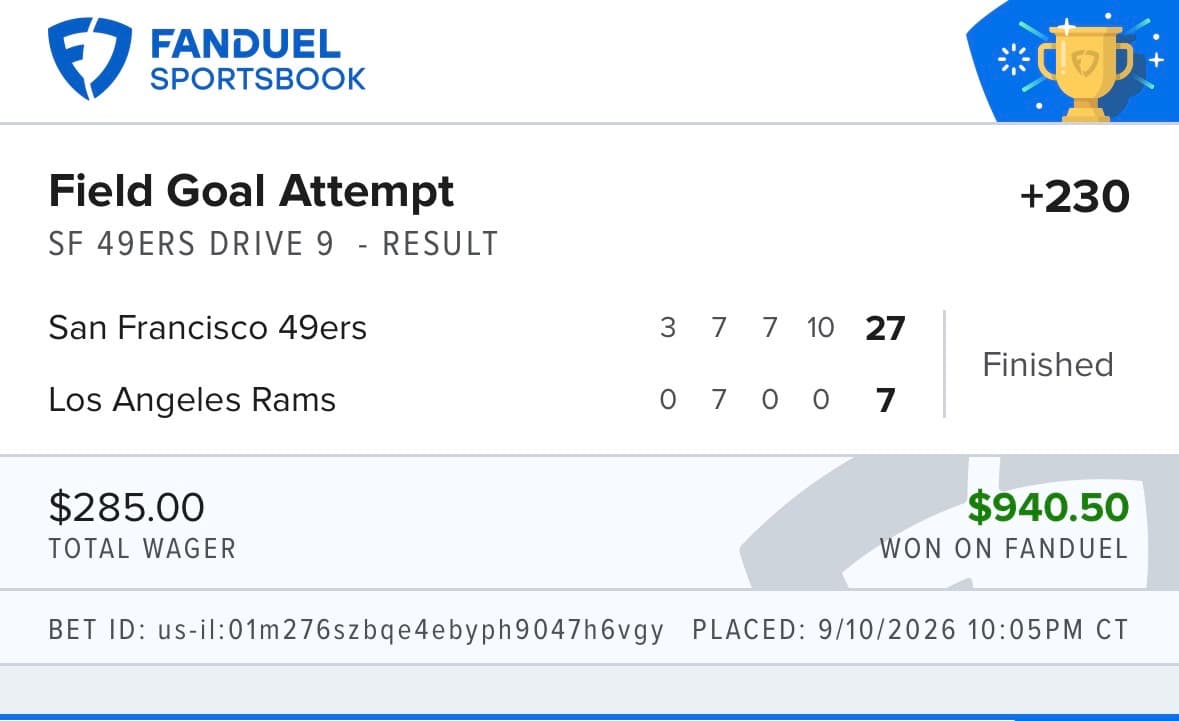
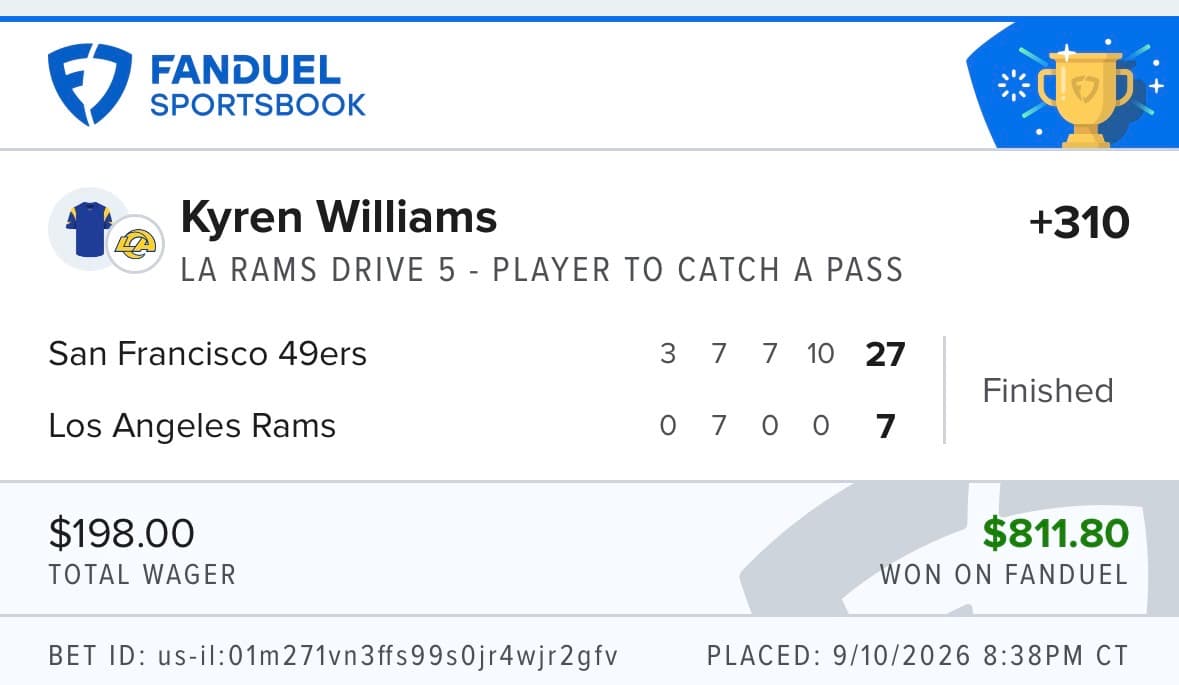
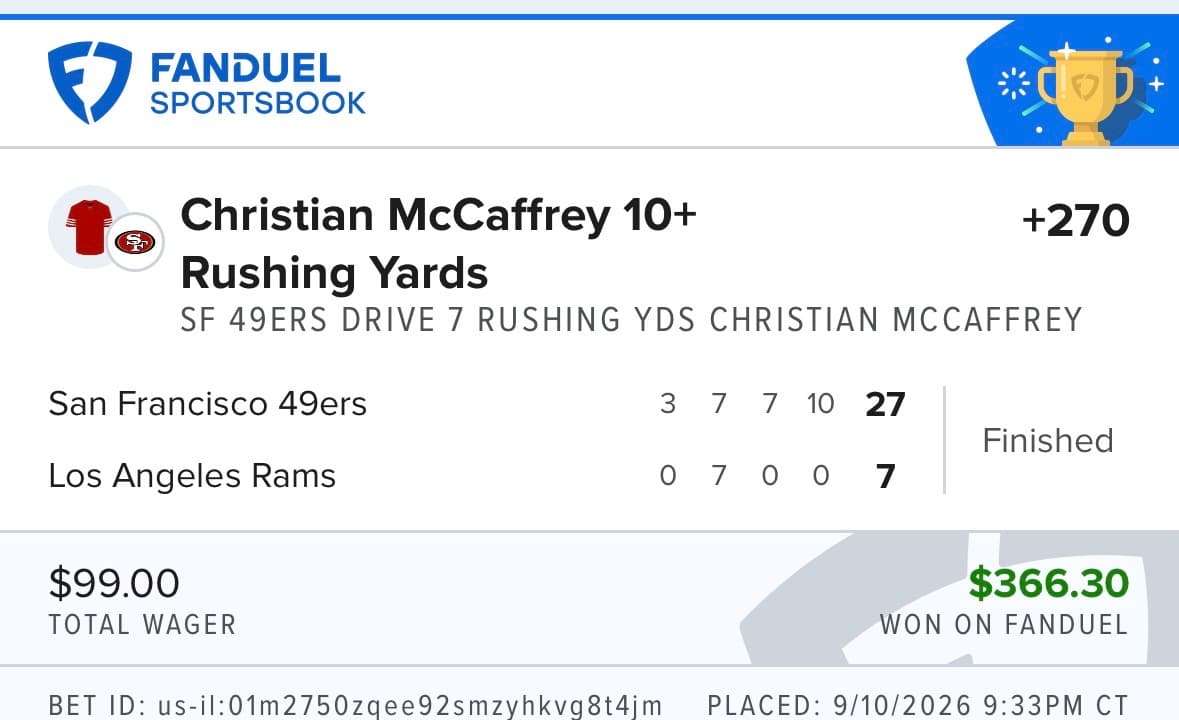
When a sportsbook refuses to let you add a leg to a same-game parlay, it is almost never a technical problem — it is the book telling you that the two outcomes you just tried to combine depend on each other, and that standard parlay math would therefore pay you more than the true probability deserves. That rejection is information. A blocked combination means you found a correlation the book's own model agrees exists, and the disciplined response is to stop trying to force the ticket and instead bet the strongest leg at full stake. The Best Bet on Sports has run live in-game betting for more than twenty years with a verified $367,520+ in profit across every major sportsbook, and reading a book's restrictions correctly is one of the cheapest edges available to a bettor who pays attention.
Every bettor who builds same-game parlays has hit the wall. You pick a quarterback over on passing yards, you go to add the team total over, and the slip greys out. Or you stack two player props from the same drive and the app says the bet "cannot be combined." Most people assume the app is broken, reload it, and try again. The app is fine. What you are running into is a pricing rule, and once you understand which of the four rules you tripped, the rejection becomes useful rather than annoying.
Why parlay math breaks when outcomes are connected
A standard parlay multiplies the odds of each leg together. That multiplication is only valid if the legs are independent — if the result of one has no bearing on the result of another. Two different games on a Sunday afternoon are independent. A quarterback's passing yardage and his own team's point total in the same game are not remotely independent.
Here is the concrete version. Suppose a quarterback going over 275 passing yards is a 50% proposition and his team going over its team total is also a 50% proposition. Multiplied as independent events, both hitting is 25%, which pays about +300. But in reality, when that quarterback throws for 300 yards, his team scores more points far more often than not. The true joint probability might be 38%, which is worth closer to +163. If the book let you buy that combination at +300 on independent math, you would be getting paid nearly double what the outcome is worth.
That is the entire reason correlated legs get blocked or repriced. It is not the book protecting itself from a sharp bettor personally — it is the book refusing to sell a mispriced product. Every major operator now runs a correlation model on same-game markets, and every one of them handles the same three cases differently.
The four reasons a leg gets rejected
| Rejection type | What triggers it | What the app says | What it means for you |
|---|---|---|---|
| Hard correlation block | Two outcomes that are logically or mechanically dependent | "This selection cannot be combined with your current bet" | The book's model says the correlation is strong. Real information. |
| Soft correlation reprice | Related but not dependent legs | Odds silently shorten when you add the leg | Allowed, but the edge you thought you found has been taxed away |
| Market-level restriction | Alternate lines, exotics, futures, or thin props | "Not eligible for parlay" | Structural rule, no read on your handicap |
| Account-level limit | Stake exceeds your personal max, or the account is restricted | "Wager limit exceeded" or stake auto-reduced to a small number | This one is about you, not the bet |
Those four look identical from the outside. They mean completely different things, and confusing the fourth for the first is how bettors talk themselves into believing a book is broken when it has actually just capped their account.
Hard correlation blocks
These are the mutually dependent combinations. A team winning outright and the same team's moneyline in a first-half market. A player scoring the first touchdown and the same player recording an anytime touchdown. A game going under a total while both team totals go over. A quarterback's completions over combined with his attempts under. In each case, one leg's success mechanically shifts the other's probability.
Books also hard-block combinations that produce a near-certainty in one direction. If you take a starting pitcher's strikeout over and the same pitcher to record a win, those are not perfectly dependent, but they load enough shared variance that some operators won't sell the pair on independent math.
Soft correlation repricing
This is the one most bettors never notice, and it costs them the most money. On modern same-game parlay engines, adding a correlated leg does not always get refused — it just changes the price of the whole ticket. You add a receiver's receiving yards over to his quarterback's passing yards over, and the ticket, instead of moving from +250 to +600, moves to +410. The engine has already accounted for the connection.
That is not the book cheating. It is the book pricing correctly. The mistake is thinking you have extracted value from a correlation that the engine already recognized. If you want to understand why this matters across the whole category, our breakdown of why most parlays lose covers the math in more depth.
Market-level restrictions
Some markets simply aren't parlay-eligible, and this has nothing to do with your handicap. Alternate spreads and alternate totals are frequently excluded. So are most season-long futures, awards markets, and any prop with thin enough liquidity that the book doesn't want it multiplied. Some operators exclude live markets from pregame parlays entirely.
When a rejection is market-level, you will usually see the same block regardless of which other legs are on the slip. That is the tell: if the leg won't combine with anything, it is a market rule, not a correlation read.
Account-level limits
The fourth category is the one worth reading closely, because it is the only one that is about you rather than the bet. If a slip accepts your legs but silently reduces your stake from $200 to $12, or you get "wager limit exceeded" on a wager size that used to go through, that is not correlation. That is the book adjusting what it is willing to take from your account specifically.
Every serious bettor eventually meets that wall. The Best Bet on Sports is limited on all six major U.S. sportsbooks — FanDuel, DraftKings, Caesars, BetMGM, Fanatics, and ESPN BET — for winning too much during in-game action, and stake reduction is exactly what that limitation looks like from the inside. We wrote the honest version of what that means for members in will following picks get your account limited.
How to use a rejection instead of fighting it
A blocked combination is a no-cost read on the book's own correlation model. Three ways to convert it.
One: bet the anchor straight, at full size. If you liked two legs enough to try to combine them, one of them is your actual opinion. Blocking the pair forces you into the better bet anyway. A single leg at $100 with no multiplication tax is a stronger position than a repriced two-leg ticket at $100 almost every time.
Two: move the correlation to a market the engine treats separately. If a quarterback's passing yards and the team total won't combine, the total-points market for the game often will, and it carries a version of the same thesis at a cleaner price. You keep the opinion and drop the correlation penalty.
Three: express the thesis live instead of pregame. This is the one most bettors never consider, and it is the reason our own work lives in live markets. Pregame same-game parlay engines are conservative, heavily modeled, and built to reject exactly the combinations bettors want. In-game markets reprice every few minutes off events that already happened, which means the correlation you were trying to buy pregame is often available at a real price once the game script confirms it. Our live betting picks page walks through how that works on an actual game.
The pattern that shows up when books get it wrong
Correlation engines are not perfect, and the places they misfire are consistent. They are strongest in the biggest markets — a Sunday afternoon NFL game with a national broadcast has the most attention and the tightest same-game pricing on the board. They are weakest on the games nobody is watching: a Tuesday night MLB game between two non-contenders, a weeknight mid-major college basketball game, the fourth-most-important game on a college football Saturday.
That is not a coincidence and it is not a secret. It is resource allocation. A book has a finite number of traders and an infinite number of markets, and it staffs the games where the money is. The practical takeaway is that a rejection on a marquee game usually means the engine is right and the correlation is priced. A rejection on an obscure game more often means a blunt, hard-coded rule is firing — which tells you less about the true probability than the marquee-game block does.
What a rejection never means
It does not mean the book knows something about the game you don't. Correlation blocks are model-driven and applied league-wide, not game-by-game reactions to injury news.
It does not mean the parlay would have won. The most common cognitive error here is treating a blocked ticket as a lost winner. You have no idea. What you know is that the price you tried to buy at was wrong.
And it does not mean you should shop the same parlay at another book until one accepts it. This is the trap. If five operators block a combination and the sixth allows it at independent-math odds, the sixth one usually has a stricter fee somewhere else, a worse base price on both legs, or a stake cap that makes the whole exercise pointless. Chasing an accepted ticket across six apps is a great way to end up with the worst version of the bet.
Readers working through this should also see our companion piece on same game parlay plus strategy.
Get Tonight's Live Picks
Want tonight's live in-game picks and same-game parlay angles delivered to your phone via Email and Discord during the game?
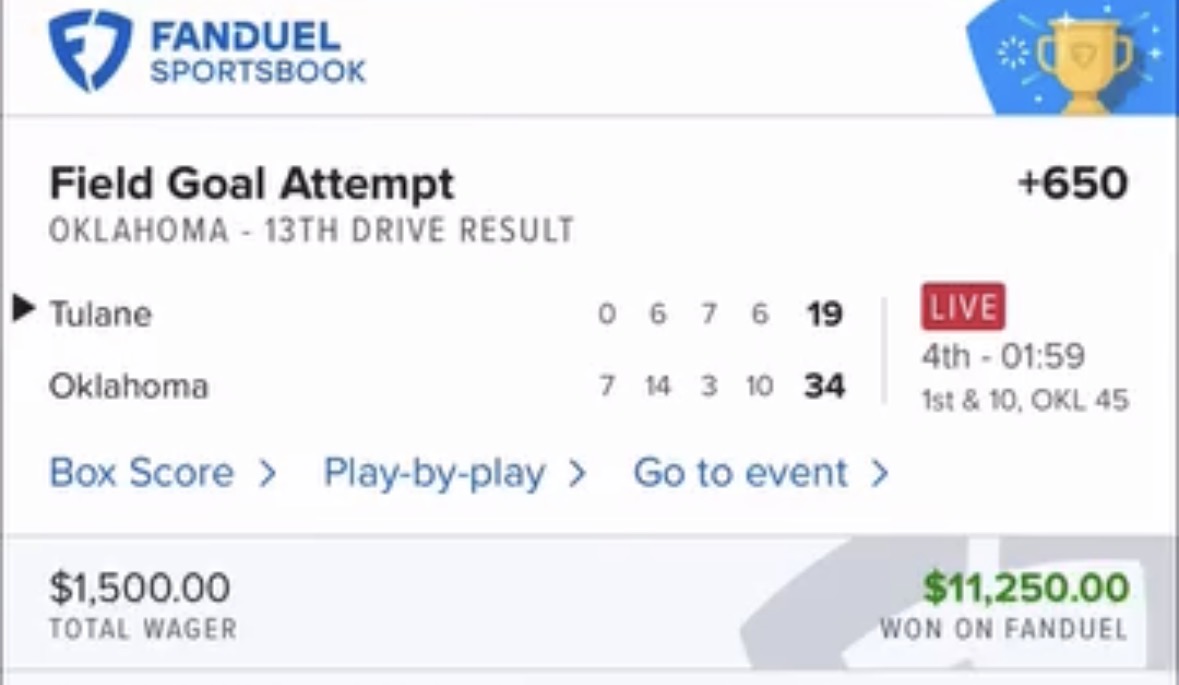
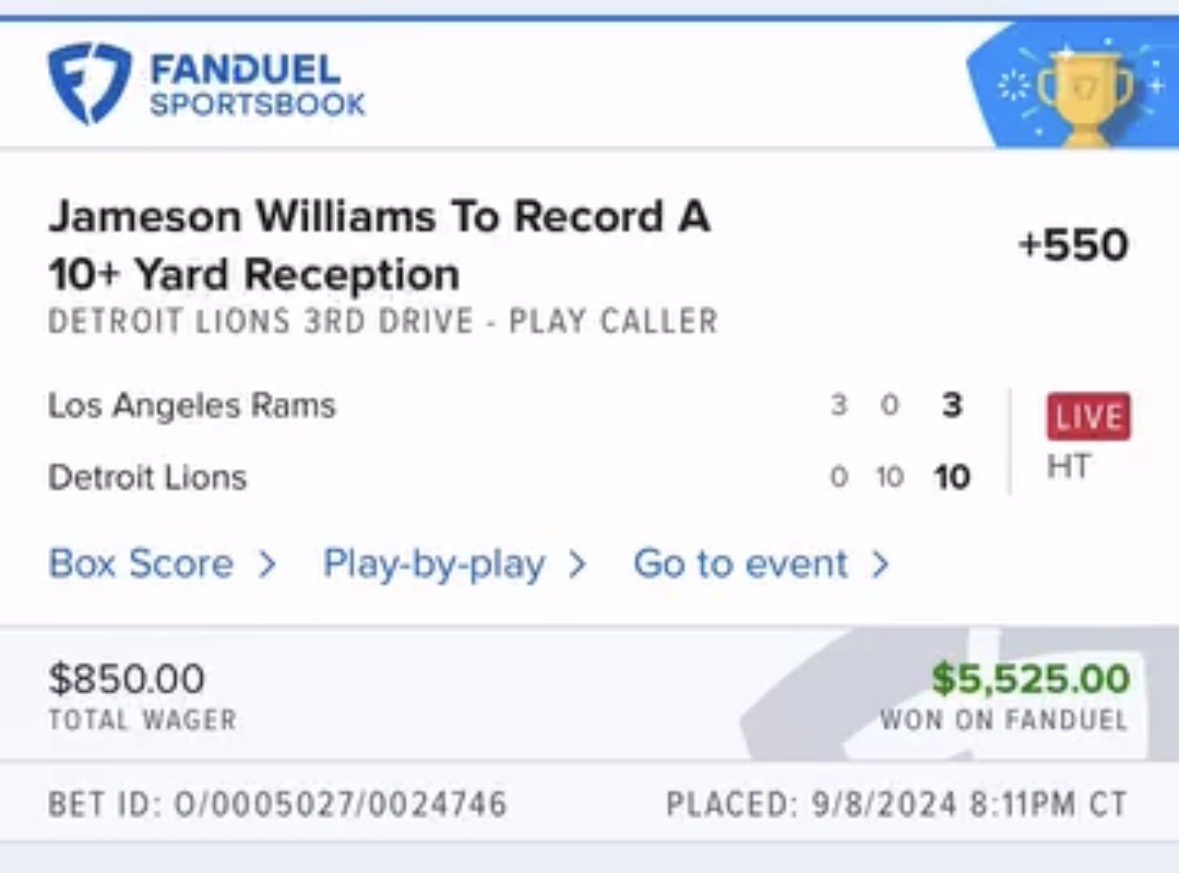
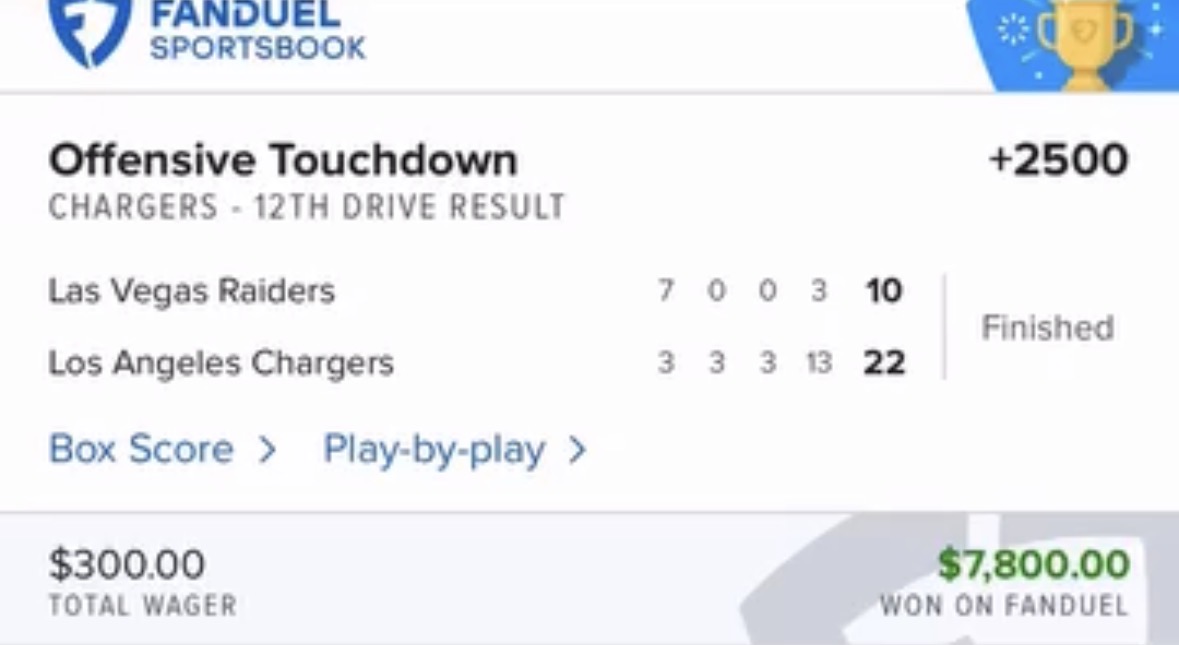
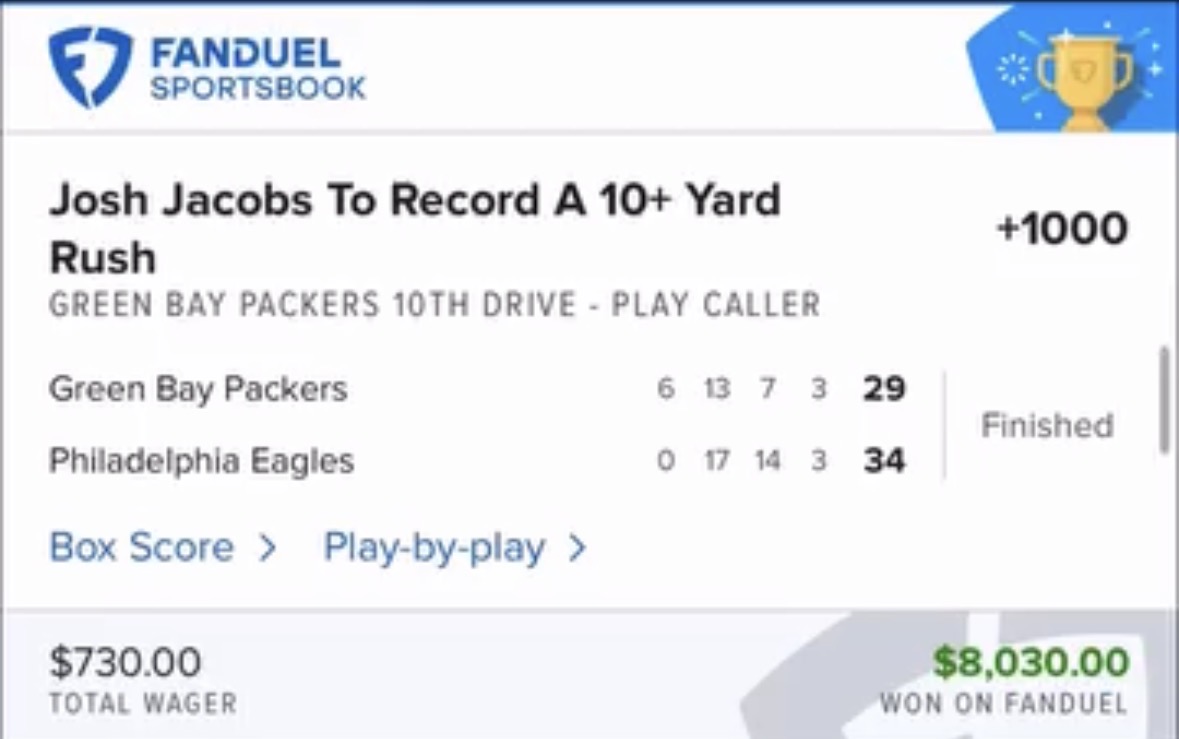
The Best Bet on Sports is the only live betting handicapping service limited on all six major U.S. sportsbooks (FanDuel, DraftKings, Caesars, BetMGM, Fanatics, ESPN BET) for winning too much during in-game action. Verified profit: $367,520+. Picks delivered via Email and Discord during games.
→ Get tonight's live picks: $199 first month — 1-Unit package, full live betting access → Try a free live pick first — reserve your spot for tonight's pick
Frequently Asked Questions
Why does my sportsbook block certain same-game parlay legs?
Sportsbooks block same-game parlay legs when the two outcomes are mathematically dependent on each other. Standard parlay math multiplies the odds of each leg as if they were independent events, and that multiplication overpays when one result makes the other more likely. If a quarterback throwing for 300 yards makes his team's over far more likely, combining both at independent odds would pay roughly double what the joint outcome is actually worth. The block is the book refusing to sell a mispriced ticket, not a glitch or a personal restriction.
Does a blocked parlay leg mean the bet would have won?
No, and treating it that way is the most expensive mistake bettors make with rejections. A block tells you nothing about the outcome of the game — it only tells you the price you tried to buy was wrong for the risk. Correlation rules are applied league-wide by a model, not decided game-by-game based on information about that specific matchup. The useful read is about pricing, not prediction.
What is the difference between a correlation block and an account limit?
A correlation block refuses a specific combination of legs and will fire for any customer who tries the same pairing. An account limit accepts your legs but cuts your stake — you try to bet $200 and the app reduces it to $12, or you get a "wager limit exceeded" message on a size that used to go through. The first is about the bet, the second is about you. If a combination is blocked no matter what stake you enter, it is correlation. If the combination is fine but the money isn't, your account has been restricted.
Can you get around a same-game parlay block?
Not by shopping the same ticket across six apps until one accepts it, which is the usual instinct and usually the worst option — a book that allows a correlated pair at independent-math odds is typically charging you elsewhere in worse base prices or a stake cap. The better routes are to bet your strongest leg straight at full size, express the same thesis in a different market such as game total instead of a passing-yards prop, or wait and build the position live once the game script confirms it.
Why do the odds get shorter when I add a related leg?
That is soft correlation repricing, and it is the version most bettors never notice. Instead of refusing the leg outright, the same-game parlay engine recalculates the whole ticket to account for the connection between outcomes. You expect the price to move from +250 to +600 and it moves to +410 instead. The engine already knew the legs were related. The lesson is that finding a correlation the engine also found produces no edge — the value was priced out before you clicked.
Are some sportsbooks stricter about same-game parlay rules than others?
Yes, and the variation is real enough to matter. Operators differ on which markets are parlay-eligible at all, how aggressively their correlation model fires, and whether alternate lines, live markets, or thin props can be combined. All six major U.S. books run a correlation model, but they draw the hard-block line in different places. The practical consequence is that a combination refused at one book may be repriced rather than refused at another — which is not the same as being available at a good price.
Where are same-game parlay engines most likely to be wrong?
On the games nobody is watching. Correlation pricing is tightest in the highest-attention markets — a nationally broadcast NFL Sunday game gets the most trader focus and the sharpest same-game numbers on the board. Weeknight baseball between non-contenders, mid-major college basketball, and the fourth-most-important college football game on a Saturday get blunt, hard-coded rules instead of active modeling. That is resource allocation rather than a secret, and it is the same structural gap that makes in-game markets on low-profile games the most workable spot on the calendar.
Senior Sports Analyst, The Best Bet on Sports
Jake Sullivan is a senior sports analyst at The Best Bet on Sports with over 20 years of experience covering NFL, NCAAF, NBA, NCAAB, MLB, and WNBA betting markets. He provides in-depth analysis, betting strategy guides, and expert commentary for the sports betting community. View full profile →
Past results do not guarantee future performance. Must be 21 or older to wager.
Related Articles
Same-Game Parlay Strategy for NFL: How to Build a Correlated SGP
Same-Game Parlay Strategy for Soccer: How to Build a Correlated SGP
Do Parlay Legs Include Overtime? How Each Leg Settles
The 300-to-1 Rule: Why Your Parlay Pays Less Than the Slip Says
Your Parlay Is Graded by a Data Feed, Not by the Game
Six Parlays, One Bet: The Overlap Hiding in Your Ticket Stack
Get real live betting picks
From $39.95/mo · Cancel anytime · Email + Discord delivery
● Get The Picks
Choose your package
Tap any tier below to select · Subscribe in one tap
👇 Tap any package to select it
✓ You're selecting
25 Units · $99.95/month
25 unit picks per month. Sweet spot for most bettors — plenty of action without going all-in.
- ✓25 live betting selections/month
- ✓Email + Discord delivery
- ✓All sports (NFL, NCAAF, NBA, NCAAB, MLB)
- ✓Mix of 1, 2, 3, 5-unit rated plays
- ✓Cancel anytime
Secure PayPal · Cancel anytime · No hidden fees · 21+ · +$367K verified
+$367,520 verified · Limited on 6 sportsbooks · 20 years documented · See Proof
Join Our Newsletter
Get free expert sports picks and analysis delivered weekly.