Same-Game Parlay Plus (SGP+): How Cross-Game SGPs Pay

A same-game parlay plus, or SGP+, combines two or more same-game parlays from different games onto one ticket. Each game's legs are repriced for correlation inside its own block, then the blocks are multiplied together at full odds. That hybrid pricing is what makes SGP+ the most misread ticket on the board: the correlation penalty compounds with every block you add, so a three-game SGP+ returns roughly half of what the same nine legs would pay as a traditional parlay.
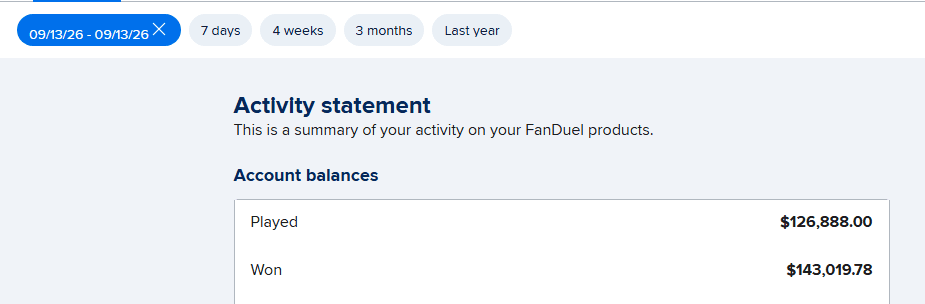
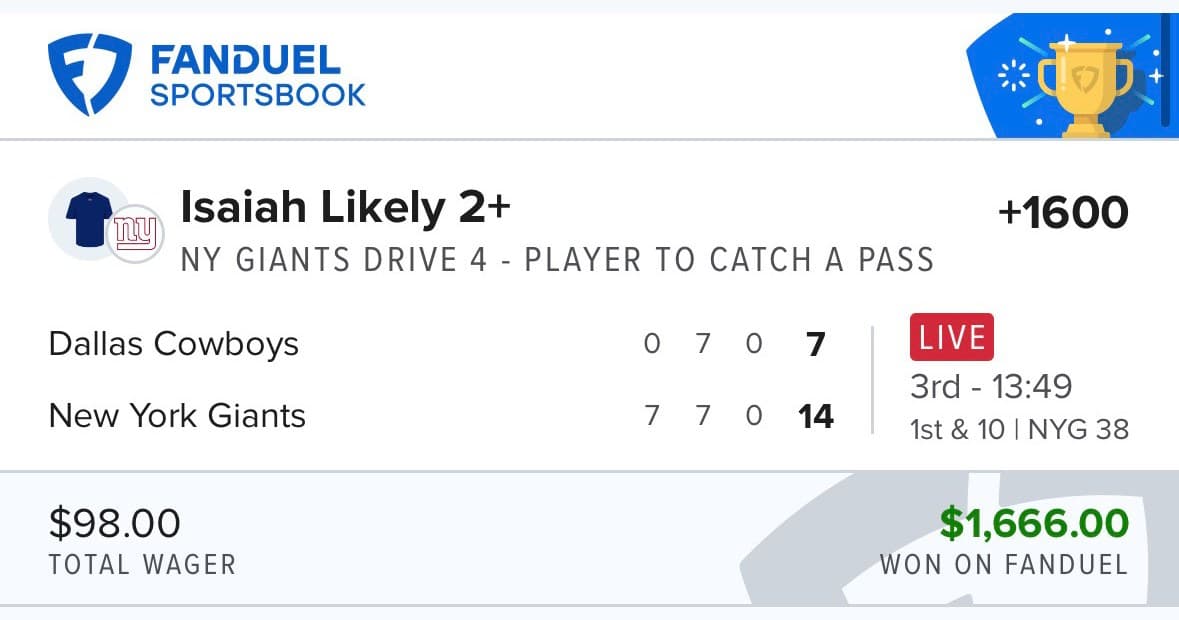
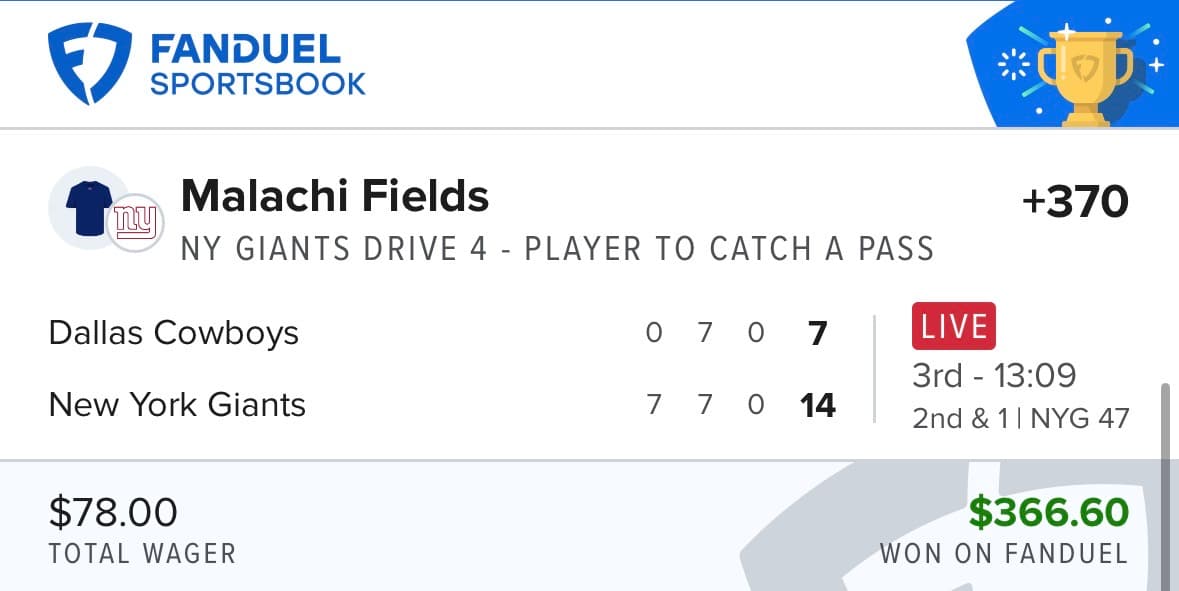
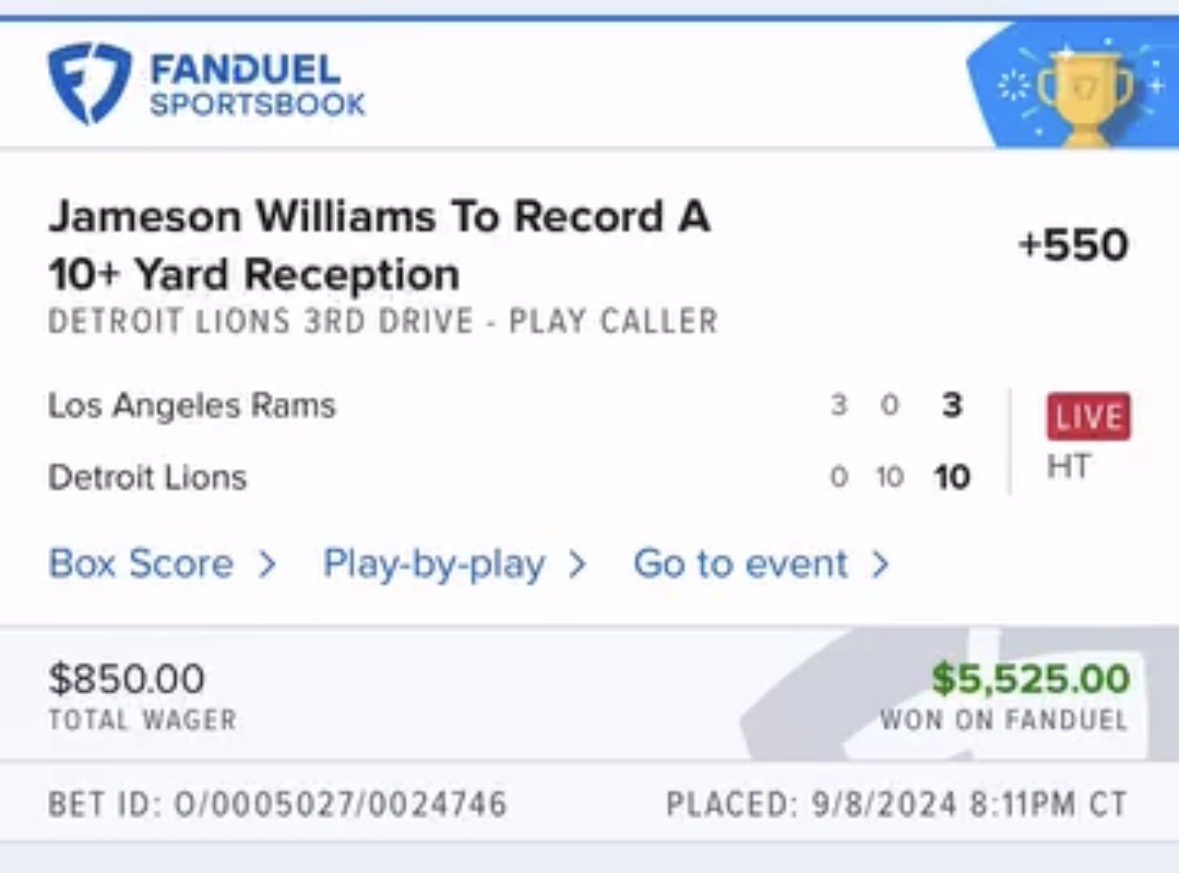
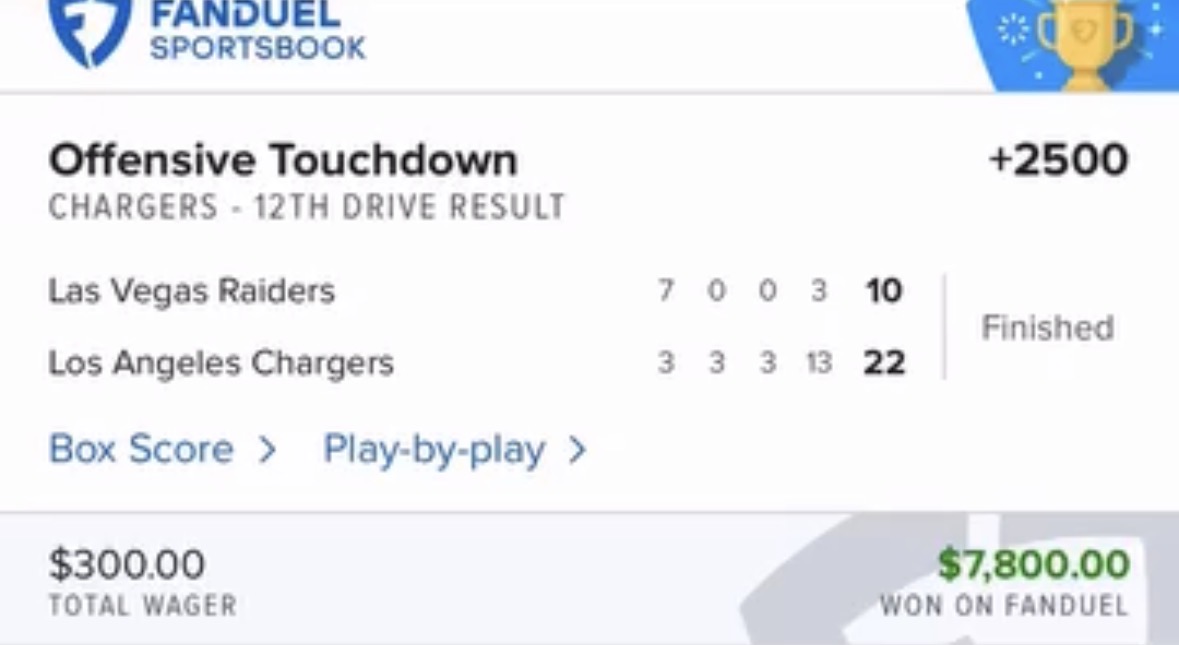
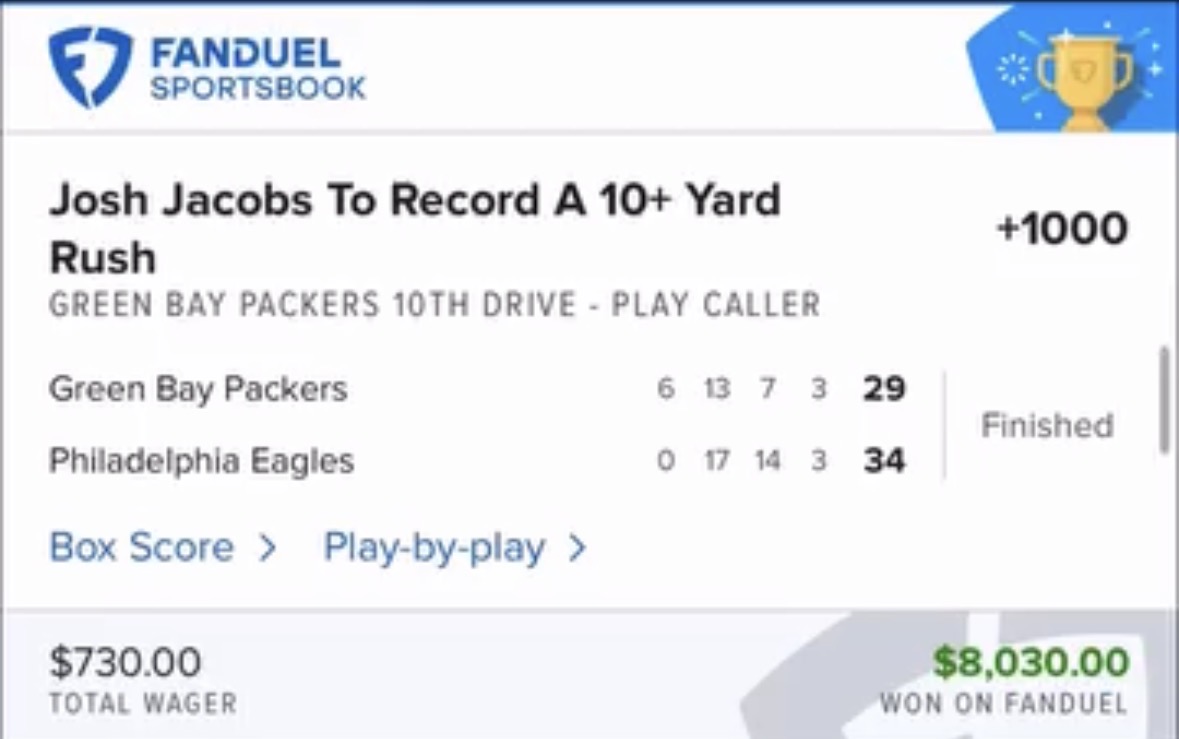
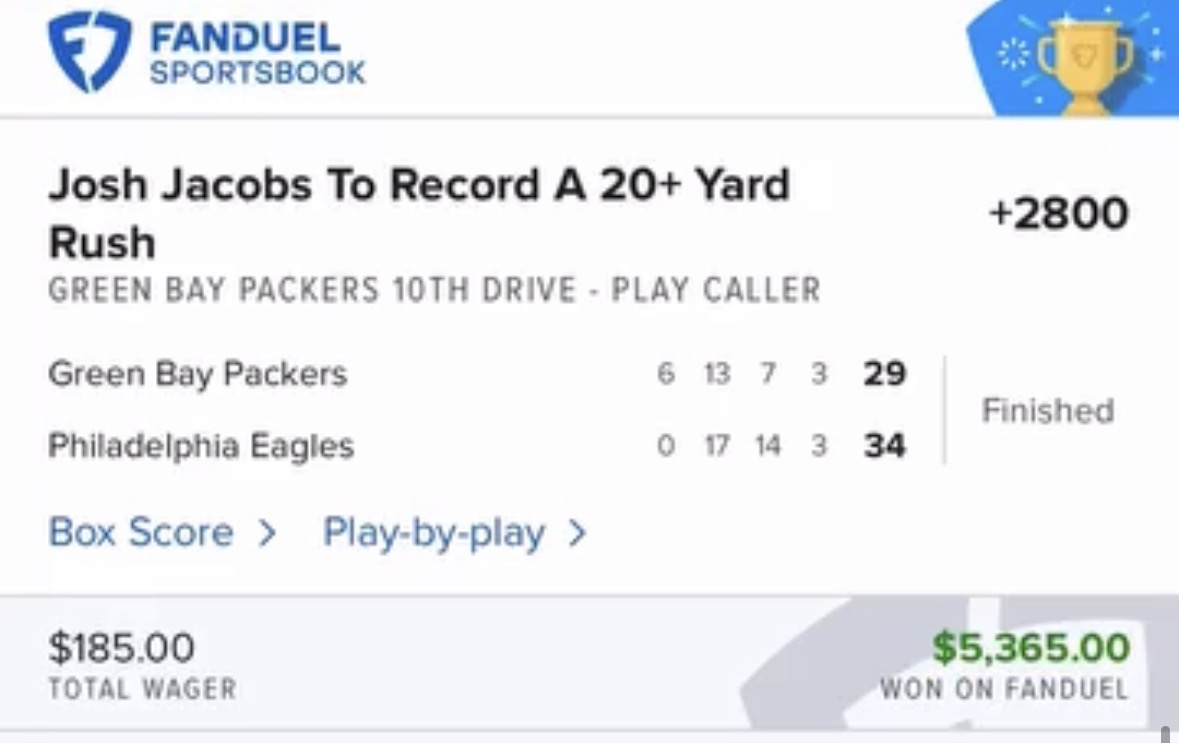
A same-game parlay plus (SGP+) is not a bigger same-game parlay — it is several same-game parlays stapled together, and the sportsbook charges you a correlation penalty on every one of them before it multiplies them out. The Best Bet on Sports has built a verified $367,520+ profit across all six major U.S. sportsbooks over more than twenty years of live in-game betting, and the SGP+ is the single ticket type we see recreational bettors misprice most badly. The interface shows you three games and hides nine legs. The payout looks enormous next to the number of selections you clicked. Understanding how the price is actually assembled — block by block, penalty by penalty — is the difference between using the format deliberately and handing the house a margin it charges three separate times.
Most bettors meet the SGP+ through a promotion. A book surfaces it as "build across games," the ticket builder lets you drag legs from Sunday's early window into one slip, and the price that comes back is bigger than anything a straight parlay of the same size would show. That framing is doing a lot of work. The number is bigger because there are more legs, not because the format is more generous — and on a per-leg basis, the SGP+ is the least generous parlay structure a sportsbook sells.
What Is a Same-Game Parlay Plus?
A same-game parlay (SGP) combines legs from one game — a spread, a total, a player prop from the same matchup. Because those outcomes share underlying causes, the book runs them through a correlation model and shaves the payout below the raw multiplied odds. We broke that trade-off down in same-game parlay vs traditional parlay.
A traditional parlay combines legs from separate games. Those outcomes are independent, so the book multiplies the true prices together and pays full freight.
A same-game parlay plus is the hybrid. You build a same-game parlay in Game A, another in Game B, optionally a third in Game C, and the book combines them onto one slip. Inside each game, the correlation model applies. Across games, straight multiplication applies. One ticket, two different pricing engines running at the same time. Knowing which engine is pricing which leg is the whole skill here — the same leg-by-leg discipline behind our NFL picks and the rest of our sports picks.
That is the structural fact almost nobody internalizes: the SGP+ is the only common ticket where some of your legs are priced down for correlation and the rest are priced at full vig, simultaneously. You never escape the shave by adding games — you carry it into every block you open.
How Is an SGP+ Actually Priced?
Work through a concrete build. Take three legs at -110 in each of three games — nine legs total.
As a traditional nine-leg parlay, each -110 leg is 1.909 in decimal odds, so the ticket multiplies to 1.909⁹, or roughly 337-to-1. As an SGP+, the book prices each three-leg game block on its own. A realistic shave takes a three-leg block that would pay about +596 uncorrelated down to about +450 — a 21% cut to the gross return of that block. Then the blocks multiply.
| Ticket as displayed | Actual legs | Combined decimal | Combined American | Implied win probability |
|---|---|---|---|---|
| 1 game block | 3 | 5.50 | +450 | 18.18% |
| 2 game blocks | 6 | 30.25 | +2,925 | 3.31% |
| 3 game blocks | 9 | 166.38 | +16,537 | 0.60% |
| 4 game blocks | 12 | 915.06 | +91,406 | 0.11% |
Now the number that matters. Nine uncorrelated -110 legs pay about 337-to-1. The three-block SGP+ pays about 166-to-1. You are collecting 49% of what the same nine legs would pay as a traditional parlay. One block costs you 21% of the gross return. Three blocks cost you 51%, because the penalty is applied inside every block and then compounded by the multiplication across blocks.
That is the whole thesis of this article in one line: the correlation penalty is not a flat fee, it is an exponent.
Why the SGP+ Hides Its Own Leg Count
Look at the table again, but read it as a bettor sitting in front of a bet slip. The interface says "3 games." Your intuition prices a three-leg parlay — something you hit maybe one time in five. The actual ticket needs nine independent-ish outcomes to land and wins about six times in a thousand.
This is a presentation problem, not a math problem, and it is why SGP+ tickets get built casually. A traditional nine-leg parlay looks like a lottery ticket, because you had to click nine times and watch the odds balloon past +30000. The SGP+ arrives at a similar destination while feeling like a modest three-selection build, because the game blocks collapse visually into single rows.
The practical rule: count legs, not games. Before you place any SGP+, say the real leg count out loud. If the number is above five or six, you are holding a lottery ticket, and it should be sized like one — which is to say, it should be a rounding error against your bankroll, not a play. Our framework for that sits in how much bankroll to put on parlays.
The Compounding Correlation Trap
Here is the part that separates a defensible SGP+ from a donation.
The 21% shave inside each block is the book charging you for correlation. That charge is fair only if your legs are genuinely correlated — if a quarterback throwing for 300 yards really does make his team's game go over, you were going to get paid for the same event twice, and the book is right to deflate it.
But if your three legs in a game are only loosely related — a spread, a total, and a defensive prop that has no causal link to either — you paid a correlation penalty on a correlation you do not have. In a single SGP, that is one bad purchase. In a three-block SGP+, you make the same bad purchase three times, and then those three overpayments multiply against each other. The error does not diversify across games the way risk does. It compounds in exactly the same direction.
That produces the format's one structurally sound construction, and it is narrower than most bettors expect:
| Construction | What it looks like | Assessment |
|---|---|---|
| One deep correlated block + single anchors elsewhere | 3 tightly linked legs in Game A, 1 straight leg each in Games B and C | Defensible — you pay the shave once, on a correlation you actually believe in |
| Multiple deep blocks | 3 legs each across 3 games | Weak — you pay the shave three times and need three separate correlation reads to be right |
| Shallow blocks everywhere | 2 loosely related legs across 4 games | Worst — maximum penalty, minimum correlation, maximum leg count |
| Uncorrelated legs in one game | 3 unrelated legs in Game A only | Build it as a traditional parlay instead — do not open a block you don't need |
The takeaway is counterintuitive and worth stating plainly: on an SGP+, you should concentrate your correlation, not spread it. Every additional game block is another correlation model you have to beat, priced by a book that builds those models full-time.
When an SGP+ Is Worth Building
There are real cases. An SGP+ earns its place when one game gives you a genuine causal chain — a pace-and-usage story in basketball, a script-and-volume story in football — and you want that chain paired with one or two high-conviction standalone sides from elsewhere on the board. You are not trying to manufacture a payout; you are trying to express one correlated idea and stack a modest multiplier on top of it. That is a coherent ticket.
It also earns its place when a book's correlation model is visibly lazy in a specific market. Books price the obvious pairings tightly — quarterback passing yards with team total over, for instance — because everyone bets them. The thinner combinations get modeled less carefully. That is the same logic that drives correlated parlay strategy generally, and it applies inside every SGP+ block.
Where it does not earn its place: as a way to turn a small stake into a life-changing number on a Sunday. The nine-leg build in the table above needs to hit six times in a thousand. Nothing about the format changes that arithmetic.
Why the Live Version Beats the Pregame Version
Every number in this article assumes a pregame board — the board a sportsbook has had days to price, with its correlation model tuned and its risk managers watching. That is the hardest version of this bet to win.
Live is different, and it is the entire reason our positions get restricted. A live SGP+ is assembled in seconds while a game is moving. The book still applies a correlation shave inside each block, but it is applying it to in-game prices that were themselves generated under time pressure, off a scoreboard that has already overreacted to something — a fluky early run, a special-teams score, a total that dropped four points off one cold stretch. The correlation model may be sound; the inputs it is modeling are not.
That gap is where our live in-game work lives, and it is why we are limited on all six major U.S. sportsbooks. The mechanics of building these tickets mid-game are covered in live parlay strategy and live same-game parlay picks for tonight. If you want the standalone format instead of the cross-game version, our NFL same-game parlay and parlay picks pages cover it, and the graded history is on the results page.
How to Size an SGP+
Three rules, and they follow directly from the math above.
Size to the real leg count. A six-leg SGP+ is a six-leg parlay regardless of how many rows the slip shows. If your standard parlay stake at six legs is a tenth of a unit, that is the SGP+ stake too.
Never let it be your main position. An SGP+ is a satellite ticket. The bulk of a bankroll belongs on straight bets and short correlated builds, per bankroll management for $100 to $500 bettors.
Cap your blocks at two. Not because a third block cannot win, but because the third block is where the compounding penalty overtakes any realistic correlation read. Two blocks means one correlation model to beat. Three means three, multiplied.
Get Tonight's Live Picks
Want tonight's live in-game parlay angles delivered to your phone via Email and Discord during the game?
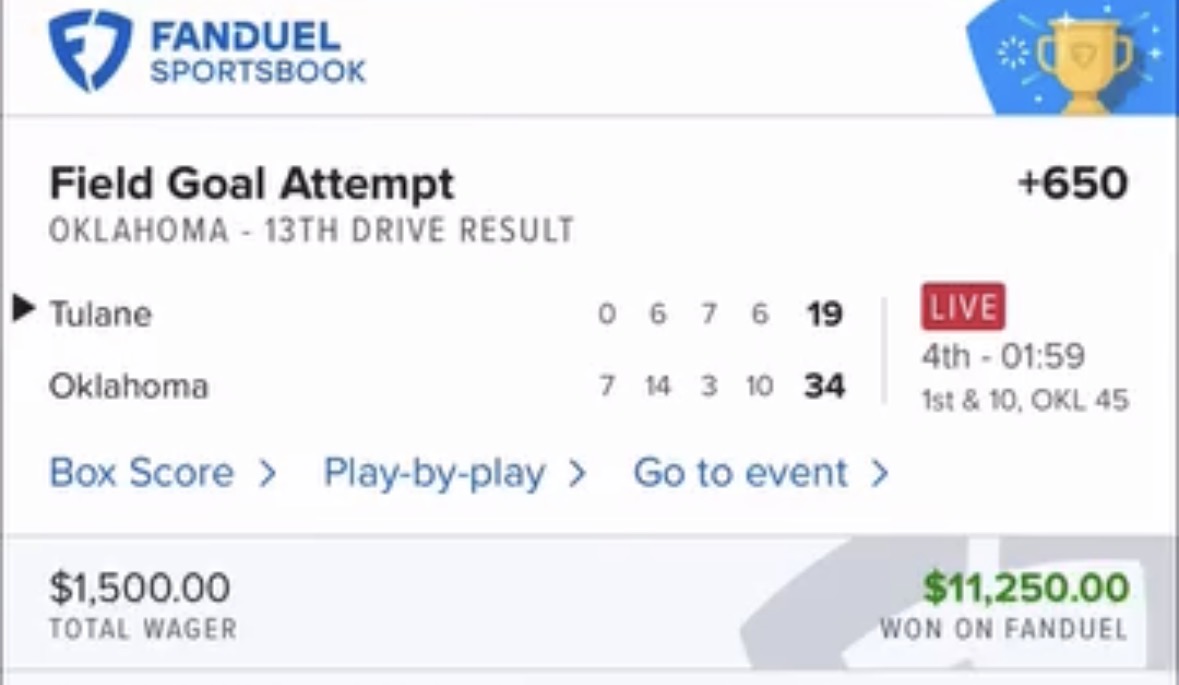
The Best Bet on Sports is the only live betting handicapping service limited on all six major U.S. sportsbooks (FanDuel, DraftKings, Caesars, BetMGM, Fanatics, ESPN BET) for winning too much during in-game action. Verified profit: $367,520+. Picks delivered via Email and Discord during games.
→ Get tonight's live picks: $199 first month — 1-Unit package, full live betting access → Try a free live pick first — reserve your spot for tonight's pick
Frequently Asked Questions
What does SGP+ mean on a sportsbook?
SGP+ stands for same-game parlay plus. It is a ticket that combines two or more same-game parlays, each built from a different game, onto a single bet slip. Inside each game the sportsbook applies its correlation model and shaves the payout; across games it multiplies the block prices together at full odds. Different books market the feature under different names, but the underlying pricing structure is the same hybrid in every case.
Does an SGP+ pay more than a regular parlay?
In raw dollars it usually shows a bigger number, but only because it contains more legs. Per leg it pays less. Nine legs at -110 pay roughly 337-to-1 as a traditional parlay; the same nine legs split into three same-game blocks pay closer to 166-to-1, or about 49% of the traditional price. The correlation penalty applies inside every block and then compounds when the blocks are multiplied together.
How many games should an SGP+ include?
Two is a reasonable ceiling. Each additional game block is another correlation model priced by the sportsbook that you have to be right about, and the penalty for being wrong compounds rather than diversifies. A common defensible structure is one deep correlated block in the game you have the strongest read on, paired with single standalone legs from one other game.
Why do sportsbooks reduce same-game parlay payouts?
Because legs from one game can share an underlying cause. If a running back goes over his rushing total, his team is more likely to cover and the game is more likely to go over — you would otherwise be paid multiple times for a single event. The book's correlation model estimates that overlap and shaves the price accordingly. The shave is fair when your legs are genuinely linked and expensive when they are not.
Can you cash out an SGP+ early?
Most books allow cash out on SGP+ tickets, though availability drops when any leg's market is suspended — which happens constantly during live play. The cash-out figure carries its own margin on top of the correlation shave you already paid, so accepting it means taking a second haircut on the same ticket. We cover when it is defensible in should you cash out a parlay early.
What happens if one leg of an SGP+ pushes?
It depends on which block the leg sits in. A push in a standalone cross-game leg normally drops that leg and recalculates the ticket. A push inside a same-game block is messier, because the block was priced as a package and the surviving legs never had a standalone price — some books reprice the block, others void the entire ticket. The rules are not standardized across operators. The full grading breakdown is in what happens when a parlay leg pushes.
Is an SGP+ better live or before the game?
Live, when you have a genuine in-game read. A pregame board has been priced for days with the correlation model fully tuned. A live board is generated in seconds off a scoreboard that has often overreacted to a single sequence, so the prices feeding the correlation model can be soft even when the model itself is sound. That gap is the reason our live in-game positions are restricted on all six major U.S. sportsbooks — see live betting vs pre-game picks.
The Best Bet on Sports · 1.5M followers on TikTok
Sports Betting TikTok is the live betting account behind The Best Bet on Sports, covering NFL, NCAAF, NBA, NCAAB, MLB and WNBA markets in real time. The account has been limited on all six major U.S. sportsbooks — FanDuel, DraftKings, Caesars, BetMGM, Fanatics and ESPN BET — for winning on live betting, with $367,520 in verified profit since 2005. View full profile →
Past results do not guarantee future performance. Must be 21 or older to wager.
Related Articles
Same-Game Parlay vs Traditional Parlay: Which Wins More?
Alt Lines in a Parlay: Which Leg Should You Buy Down?
WNBA Same-Game Parlay Strategy: Which Correlations Actually Pay
Same-Game Parlay Strategy for the NBA: How to Stack Correlated Bets Without Killing Your Payout
You Hit a Big Parlay: How Long Will You Keep It?
4-of-5 Again: Was Your Parlay Unlucky or Badly Built?
Get real live betting picks
From $39.95/mo · Cancel anytime · Email + Discord delivery
● Get The Picks
Choose your package
Tap any tier below to select · Subscribe in one tap
👇 Tap any package to select it
✓ You're selecting
25 Units · $99.95/month
25 unit picks per month. Sweet spot for most bettors — plenty of action without going all-in.
- ✓25 live betting selections/month
- ✓Email + Discord delivery
- ✓All sports (NFL, NCAAF, NBA, NCAAB, MLB)
- ✓Mix of 1, 2, 3, 5-unit rated plays
- ✓Cancel anytime
Secure PayPal · Cancel anytime · No hidden fees · 21+ · +$367K verified
+$367,520 verified · Limited on 6 sportsbooks · 20 years documented · See Proof
Join Our Newsletter
Get free expert sports picks and analysis delivered weekly.