How Much of Your Bankroll Should You Put on Parlays?

Parlays should take no more than 5 to 10 percent of a sports betting bankroll, staked at roughly a quarter to a half of a normal straight-bet unit. Parlays are variance amplifiers, not edge amplifiers — the same handicapping opinion pays more but hits far less often, so the correct response is a smaller, flat stake and a hard monthly ceiling rather than a bigger swing on the ticket that looks best.
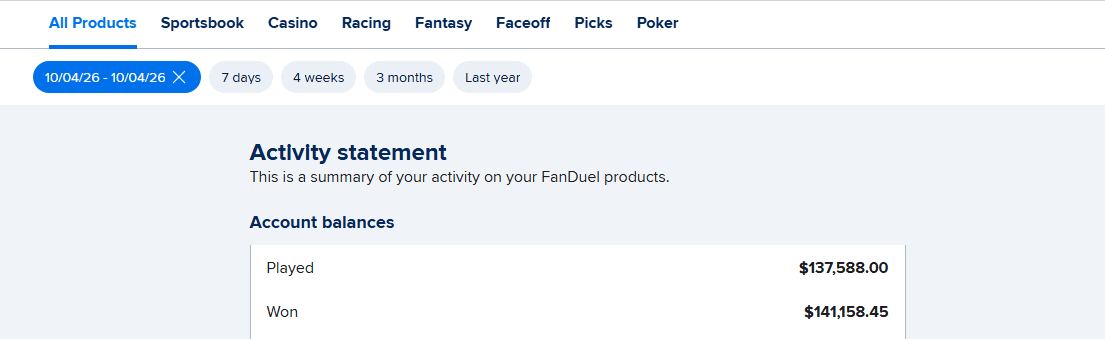
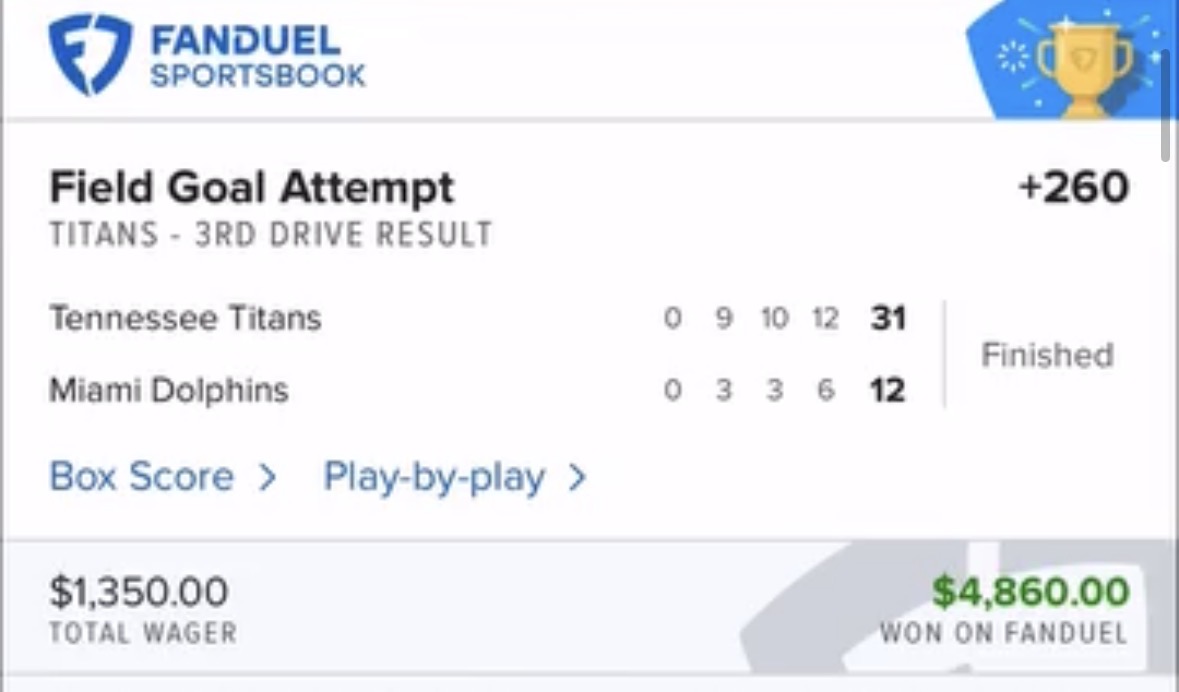
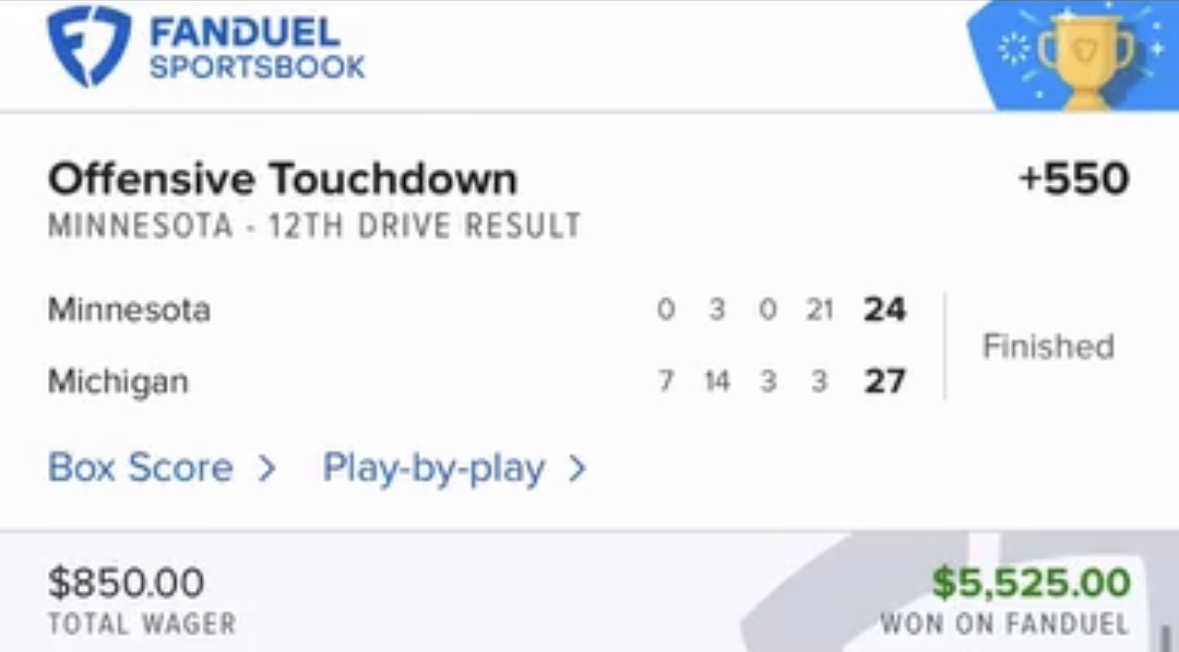
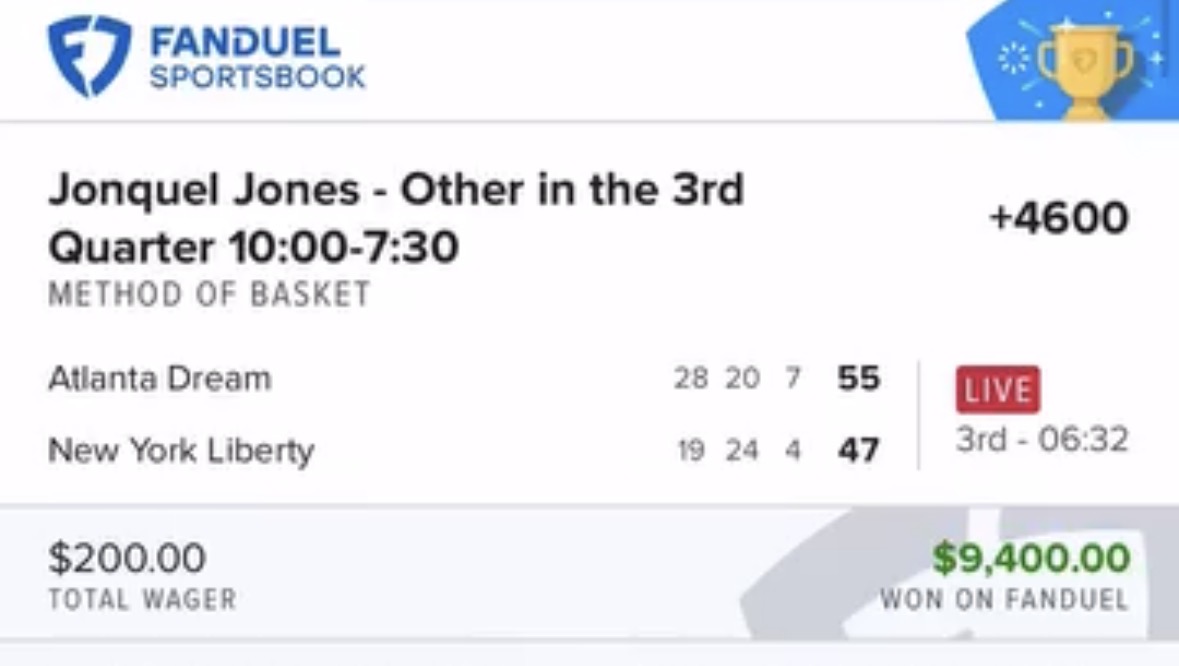
Parlays should take no more than 5 to 10 percent of your total sports betting bankroll, and each individual parlay should be staked at roughly a quarter to a half of a normal straight-bet unit. The reason is structural: a parlay is a variance amplifier, not an edge amplifier. Combining three opinions you already hold does not make those opinions better — it multiplies the payout and multiplies the failure rate at the same time, and the failure rate grows faster. The Best Bet on Sports has run live in-game picks for more than twenty years and posted a verified $367,520+ in profit across all sportsbooks over that span, and the single most common reason a member's bankroll goes backward is not bad picks — it is correct picks staked wrong on parlay tickets.
Almost every bankroll guide tells you what a unit is. Almost none of them tell you what a parlay unit is, which is why bettors who correctly size their straight bets at 1-2 percent will turn around and fire 8 percent at a five-leg ticket because "it only costs a little to win a lot." That sentence is the entire problem in one line. The stake is small relative to the payout, so it feels small relative to the bankroll. It is not.
This guide covers how much of a bankroll belongs in parlays, how to size individual tickets, what a monthly ceiling looks like at real bankroll sizes, and why live in-game parlays are the one category where a slightly larger allocation can be defended.
Why Parlays Need Their Own Staking Rule
A straight bet at -110 wins about 52.4 percent of the time to break even. Losing streaks happen, but the distribution is tight. You can lose six in a row and still be inside normal.
A three-leg parlay of three 55 percent opinions hits about 16.6 percent of the time. That is not a losing streak risk — that is a structural losing streak. Roughly five of every six tickets lose by design, and stretches of fifteen or twenty consecutive losers are ordinary rather than remarkable. If your straight-bet unit sizing assumed you would win somewhere near half the time, applying that same unit to a ticket that wins one time in six is a completely different bet on your bankroll, even though it looks like the same amount of money leaving the account.
That is the core distinction most bettors never make:
Your straight-bet unit is sized for a coin flip. Your parlay unit has to be sized for a long, brutal drought.
The math on why the tickets lose in the first place is covered in depth in why most parlays lose and in the leg-count guide, how many legs a parlay should have. This article assumes you have already built the ticket correctly and only asks the next question: how much money goes on it.
The Two Numbers That Matter
Parlay staking is governed by two separate numbers, and most bettors only track one.
1. The per-ticket stake. How much goes on any single parlay.
2. The aggregate allocation. How much of your bankroll is exposed to parlays across a week or a month, added up.
Bettors obsess over the first and ignore the second. That is how someone with a $2,000 bankroll ends up staking $25 per ticket — a responsible-looking 1.25 percent — and then places eleven of them on a Saturday, which is 13.75 percent of the bankroll riding on a bet type that loses five times out of six. The per-ticket number was fine. The aggregate destroyed the month.
Recommended allocation by bankroll
| Bankroll | Straight-bet unit (1-2%) | Parlay stake per ticket | Max parlay exposure per week | Max tickets/week |
|---|---|---|---|---|
| $500 | $5-$10 | $2-$5 | $25 (5%) | 5-8 |
| $1,000 | $10-$20 | $5-$10 | $50-$75 (5-7.5%) | 6-10 |
| $2,500 | $25-$50 | $10-$25 | $125-$185 (5-7.5%) | 7-12 |
| $5,000 | $50-$100 | $25-$50 | $250-$375 (5-7.5%) | 8-12 |
| $10,000 | $100-$200 | $50-$100 | $500-$750 (5-7.5%) | 8-12 |
Two things stand out in that table. First, the per-ticket parlay stake is consistently below the straight-bet unit — usually a quarter to a half of it. Second, the ticket count barely grows as the bankroll grows. A $10,000 bankroll does not license four times as many parlays as a $2,500 bankroll; it licenses bigger ones, and only slightly more of them. Volume is where parlay bankrolls die, not size.
If you are working from a smaller starting bankroll, the base unit framework in bankroll management for $100 to $500 bettors is the right foundation to build these percentages on top of.
Why the Parlay Stake Is Smaller Than the Straight Unit
This is the part that feels backward. The parlay has a bigger payout, so shouldn't it get at least the same money?
No — and the reason is that payout is not the same thing as expectation.
Every leg you add carries the sportsbook's margin again. A two-team parlay at -110 legs pays 2.6 to 1 when true fair odds are 3 to 1. A four-team parlay pays about 12.28 to 1 when fair is 15 to 1. The house edge on a straight -110 bet is roughly 4.5 percent; on a four-leg parlay it compounds toward the mid-teens. You are not buying a bigger edge with a bigger payout. You are paying the vig repeatedly for the privilege of a longer shot, which is exactly why sportsbooks promote parlays so aggressively and why the mechanics are worth understanding in how juice and vig actually work.
So the stake has to shrink to compensate. A smaller stake on a higher-margin, higher-variance product is not timidity — it is the only arrangement in which a parlay habit survives contact with a bad month. The broader comparison of the two bet types is laid out in parlays versus straight bets.
The Flat-Stake Rule
The single highest-value rule in parlay bankroll management is this: every parlay gets the same stake.
Not "this one feels stronger, so it gets triple." Not "I'm down for the week, so this one gets double to get it back."
Flat staking on parlays matters more than it does on straight bets, because your confidence signal is far less reliable on a multi-leg ticket than on a single one. On a straight bet, you are assessing one thing. On a four-leg ticket, you are assessing four things simultaneously and multiplying the errors. The "strongest" ticket on your card is frequently just the one whose narrative you like most — and narrative correlation is not the same as outcome correlation.
There is one legitimate exception, and it is a technical one: correlated legs inside a single game genuinely do have a higher joint probability than independent legs, so a well-built same-game structure is not the same animal as four unrelated sides. Even there, the answer is to build better, not to stake bigger.
Chasing is the version of this that does the real damage. When a bettor moves from a $10 flat parlay stake to a $40 stake after four losers, the recovery math has already stopped working — a subject covered directly in recovering from a losing streak.
What About Kelly?
Bettors who have found Kelly staking sometimes try to apply it to parlays and get a strange result: for most parlays, the honest Kelly answer is zero. Kelly sizes a bet according to your edge and the odds, and if you do not have a genuine, quantified edge on every leg simultaneously, the formula returns a negative or negligible number — meaning do not place it.
That is not a reason to abandon parlays entirely. It is a reason to treat them as a bounded, entertainment-and-upside slice of the bankroll rather than the engine of it. If you want the full framework for edge-proportional staking on the bets that do carry a measurable edge, that is in Kelly criterion bankroll management.
The practical translation: fund your parlay play out of a defined, capped allocation, and let your straight-bet play — where sizing can be proportional to real edge — carry the bankroll.
The One Case for a Larger Allocation: Live Parlays
There is a legitimate argument for a slightly higher parlay allocation, and it applies to exactly one category: live, in-game parlays built after the unknowns have resolved.
A pre-game four-leg ticket is four guesses about four games nobody has seen yet. A live parlay built in the second quarter is built with information: you know which quarterback is upright, whether the pace is what the total assumed, whether the favorite is engaged, whether the game script that your legs depend on is actually happening. The same number of legs carries meaningfully less uncertainty, because uncertainty is what the first quarter burns off.
That is why in-game construction is the one place a disciplined bettor can justify moving from a quarter-unit parlay stake toward a half-unit — not because the payout is better, but because the inputs are known instead of guessed. The full construction approach is in the live parlay strategy guide, and the structural case for why in-game beats pre-game is in live betting versus pre-game picks.
Even here, the ceiling holds. Better information justifies a bigger slice of your parlay allocation. It does not justify raising the allocation itself.
Cash-Out: The Hidden Bankroll Leak
Parlay bankroll math has a second leak that never shows up in a staking table: cashing out.
A bettor with a three-leg ticket and one leg left will frequently accept 60 to 70 percent of the full payout to end the discomfort. Do that consistently and the effective payout on your winning tickets drops well below the price you actually bet — while your losing tickets still lose 100 percent. That asymmetry can turn a break-even parlay approach into a losing one without a single bad handicapping decision. It is why disciplined sports handicappers size straight bets and parlays on separate scales, and why our sports picks are released as individual graded entries rather than stacked tickets. The decision framework for when the offer is genuinely worth taking is in should you cash out a parlay early.
If you know you are prone to cashing out, the honest fix is a smaller stake, not a cash-out habit. Most early cash-outs are a stake-size confession: the ticket was too big to sit through.
A Simple Monthly Framework
Here is the whole system in five lines:
1. Cap total parlay exposure at 5-10 percent of bankroll per month. Write the dollar figure down before the month starts. 2. Stake every parlay flat, at a quarter to a half of your straight-bet unit. 3. Cap legs at 2-3. Payout grows linearly with legs; win probability collapses geometrically. 4. Track parlays separately from straight bets. A blended record hides which product is funding which. 5. When the monthly allocation is gone, it's gone. No topping up from the straight-bet bankroll.
Point four is the one that changes behavior fastest. Most bettors who split their tracking discover within two months that their straight bets are quietly profitable and their parlay tickets are quietly funding the deficit. You cannot fix what you never measured separately.
Get Tonight's Live Picks
Want tonight's live in-game parlay picks delivered to your phone via Email and Discord during the game?
The Best Bet on Sports is the only live betting handicapping service limited on all six major U.S. sportsbooks (FanDuel, DraftKings, Caesars, BetMGM, Fanatics, ESPN BET) for winning too much during in-game action. Verified profit: $367,520+. Picks delivered via Email and Discord during games.
→ Get tonight's live picks: $199 first month — 1-Unit package, full live betting access → Try a free live pick first — reserve your spot for tonight's pick
Frequently Asked Questions
What percentage of my bankroll should I put on parlays?
Cap total parlay exposure at 5 to 10 percent of your bankroll, measured across a full week or month rather than per ticket. Individual parlays should be staked at roughly a quarter to a half of your normal straight-bet unit. On a $1,000 bankroll with a $10-$20 straight unit, that means $5-$10 per parlay and no more than $50-$75 of total parlay exposure in a week. The aggregate number is the one that actually protects the bankroll — a responsible per-ticket stake placed eleven times in a weekend is not a responsible allocation.
Should parlay stakes be smaller than straight-bet stakes?
Yes. A parlay carries the sportsbook's margin on every leg, so the house edge compounds from roughly 4.5 percent on a single -110 bet toward the mid-teens on a four-leg ticket, while the hit rate drops from near 50 percent to under 20 percent. Smaller stake, higher variance, higher margin — that combination requires a stake below your normal unit, not above it. The bigger payout is not compensation for a bigger edge; it is the price of a longer shot.
How many parlays should I place per week?
Most disciplined bettors should stay in the 5 to 12 ticket range per week regardless of bankroll size, because volume is what breaks parlay bankrolls rather than stake size. Ticket count should grow very slowly as the bankroll grows. If you find yourself placing twenty or thirty tickets across a weekend slate, the issue is not your staking table — it is that parlays have become the primary bet type instead of a capped allocation.
Is it okay to increase my parlay stake on a ticket I feel strongly about?
No. Confidence signals are far less reliable on multi-leg tickets than on single bets because you are assessing several outcomes at once and multiplying your errors across all of them. Flat staking every parlay removes the single biggest source of variance you can actually control. If a ticket genuinely feels stronger, the correct response is to build it with fewer legs at a higher win probability, not to stake more money on the same structure.
Can I use the Kelly criterion to size parlays?
Technically yes, but for most parlays Kelly returns zero or negative — meaning do not place the bet — because the formula requires a quantified edge on every leg simultaneously. That is a mathematically honest answer rather than a reason to abandon parlays. The practical approach is to fund parlays from a fixed, capped allocation while using edge-proportional staking on the straight bets where you can actually measure an advantage.
Do live in-game parlays deserve a bigger stake than pre-game parlays?
They can justify the upper end of your parlay stake range — a half unit rather than a quarter — but not a higher overall allocation. A live parlay built in the second quarter is constructed with information a pre-game ticket has to guess at: who is healthy, what the pace actually is, whether the game script your legs depend on is happening. Less uncertainty per leg is a real advantage, but it changes how you divide the parlay budget, not how big the budget is.
Should I track parlays separately from my other bets?
Yes, and it is the single most useful change most bettors can make. A blended record hides which product is making money and which is losing it. Bettors who split their tracking commonly find within two months that their straight bets are modestly profitable while their parlay tickets are quietly absorbing those gains — a pattern that stays completely invisible in a combined win-loss column. Separate the two, review monthly, and let the numbers set next month's allocation.
The Best Bet on Sports · 1.5M followers on TikTok
Sports Betting TikTok is the live betting account behind The Best Bet on Sports, covering NFL, NCAAF, NBA, NCAAB, MLB and WNBA markets in real time. The account has been limited on all six major U.S. sportsbooks — FanDuel, DraftKings, Caesars, BetMGM, Fanatics and ESPN BET — for winning on live betting, with $367,520 in verified profit since 2005. View full profile →
Past results do not guarantee future performance. Must be 21 or older to wager.
Related Articles
Six Parlays, One Bet: The Overlap Hiding in Your Ticket Stack
The 1 PM Problem: When Sunday Parlays Actually Die
Key Numbers and Parlays: The Three-Point Problem
Do Parlay Legs Include Overtime? How Each Leg Settles
The 300-to-1 Rule: Why Your Parlay Pays Less Than the Slip Says
Your Parlay Is Graded by a Data Feed, Not by the Game
Get real live betting picks
From $39.95/mo · Cancel anytime · Email + Discord delivery
● Get The Picks
Choose your package
Tap any tier below to select · Subscribe in one tap
👇 Tap any package to select it
✓ You're selecting
25 Units · $99.95/month
25 unit picks per month. Sweet spot for most bettors — plenty of action without going all-in.
- ✓25 live betting selections/month
- ✓Email + Discord delivery
- ✓All sports (NFL, NCAAF, NBA, NCAAB, MLB)
- ✓Mix of 1, 2, 3, 5-unit rated plays
- ✓Cancel anytime
Secure PayPal · Cancel anytime · No hidden fees · 21+ · +$367K verified
+$367,520 verified · Limited on 6 sportsbooks · 20 years documented · See Proof
Join Our Newsletter
Get free expert sports picks and analysis delivered weekly.