Will Following a Pick Service Get Your Account Limited?

Following a winning pick service can eventually get your sportsbook account limited — but that's a sign the picks work, not a reason to avoid one. Sportsbooks limit winning behavior, not membership: they don't know you follow a service, they only see that you beat their lines with volume. The realistic outcome is that a genuinely profitable bettor gets restricted over time, which is exactly why serious bettors spread action across multiple books and why a service whose own accounts never get limited should make you question whether there's a real edge at all.
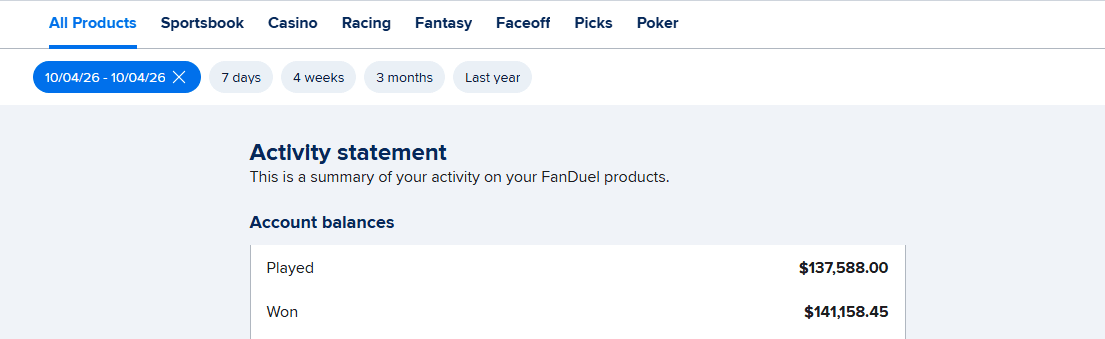
Yes — following a winning pick service can eventually get your own sportsbook account limited, and understanding why is the key to reading that risk correctly. Sportsbooks don't limit you for being a member of anything; they limit winning behavior. A book doesn't know you follow a service — it only sees an account that keeps beating its lines with real volume, and that's the profile it restricts. The Best Bet on Sports has run live in-game betting for more than twenty years with a verified $367,520+ in profit across every major sportsbook, and our own accounts are limited on all six major U.S. books for exactly that reason. If a service's picks are real, some of its members will eventually run into the same wall — and a service whose accounts never get limited is one you should question.
This is one of the most legitimate concerns a prospective member can raise, and most pick-service marketing dodges it. The honest answer isn't "no, you'll be fine." It's "yes, if the picks work and you bet them seriously, this can happen to you too — here's what it means and how to manage it." A service that pretends account limits are a non-issue is either not winning enough to trigger them or not being straight with you.
What Actually Gets an Account Limited
Sportsbooks are businesses that profit from a stable mix of recreational bettors. That business model is the reason winning sports handicappers end up restricted, and the reason our own sports picks come from accounts limited at all six major books. Their models are built to identify and restrict the small percentage of accounts that consistently take the best of the number — bettors who beat the closing line, who pile into a market right before it moves, who win with enough volume that the pattern is unmistakable. When a book flags an account like that, it doesn't ban it outright; it limits it — cutting the maximum bet from thousands to a handful of dollars, or restricting which markets the account can play.
Crucially, none of that is about how you get your picks. A book has no idea whether your bets come from your own research, a model, a friend, or a subscription. It sees behavior: what you bet, when you bet it, how the line moved afterward, and whether you win. The full mechanics of how books build that profile are covered in why sportsbooks limit winning bettors. The short version: limits are a response to results, not to membership.
That reframes the question entirely. "Will following a pick service get me limited?" really means "will winning consistently get me limited?" — and the answer to that is yes, eventually, if you win enough.
The Uncomfortable Truth: Getting Limited Is a Good Sign
Here's the part that flips the concern on its head. If following a service eventually gets your account restricted, that restriction is third-party proof — from the sportsbook itself — that the picks were profitable. A book does not spend the effort to limit a break-even or losing account; there's no reason to. It limits accounts that cost it money. So an account limit is, functionally, a sportsbook confirming you beat it.
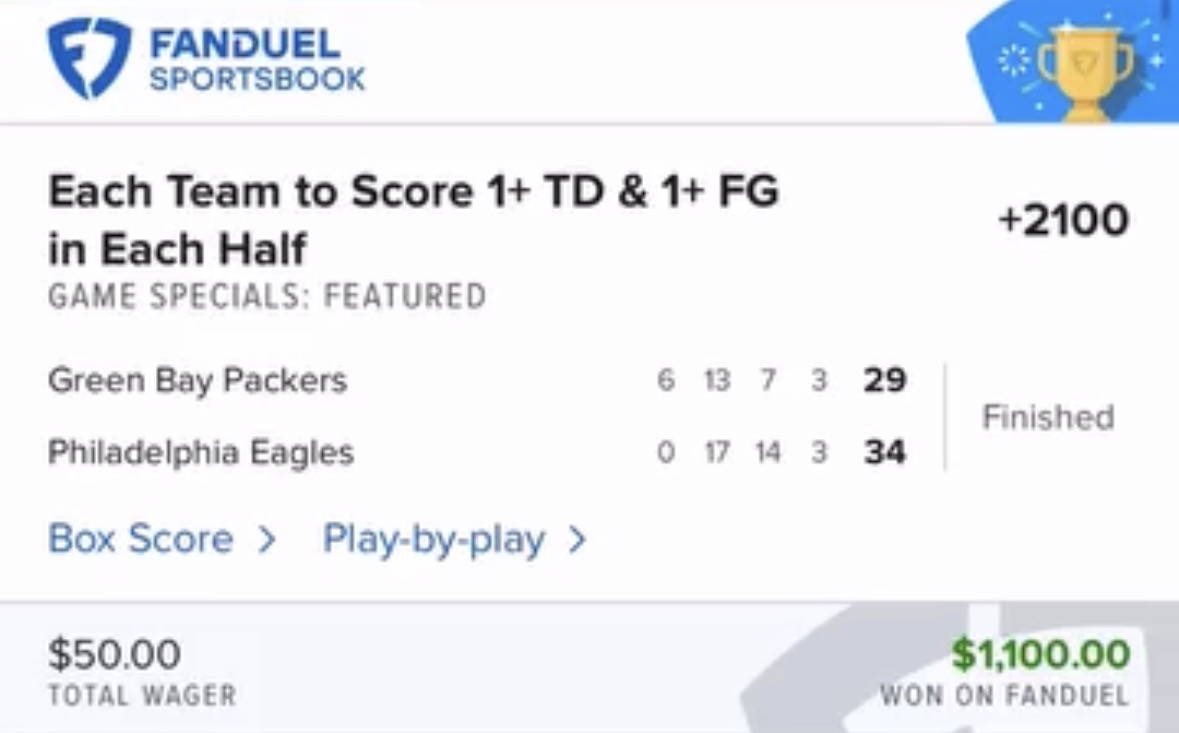
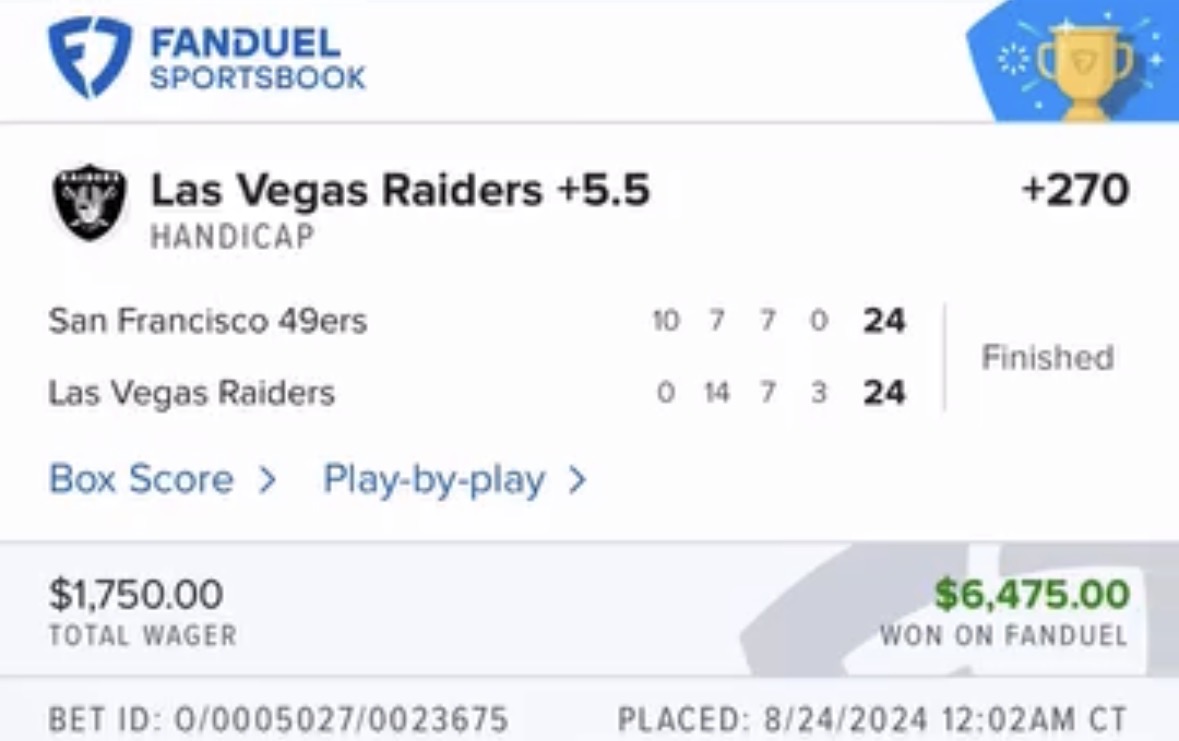
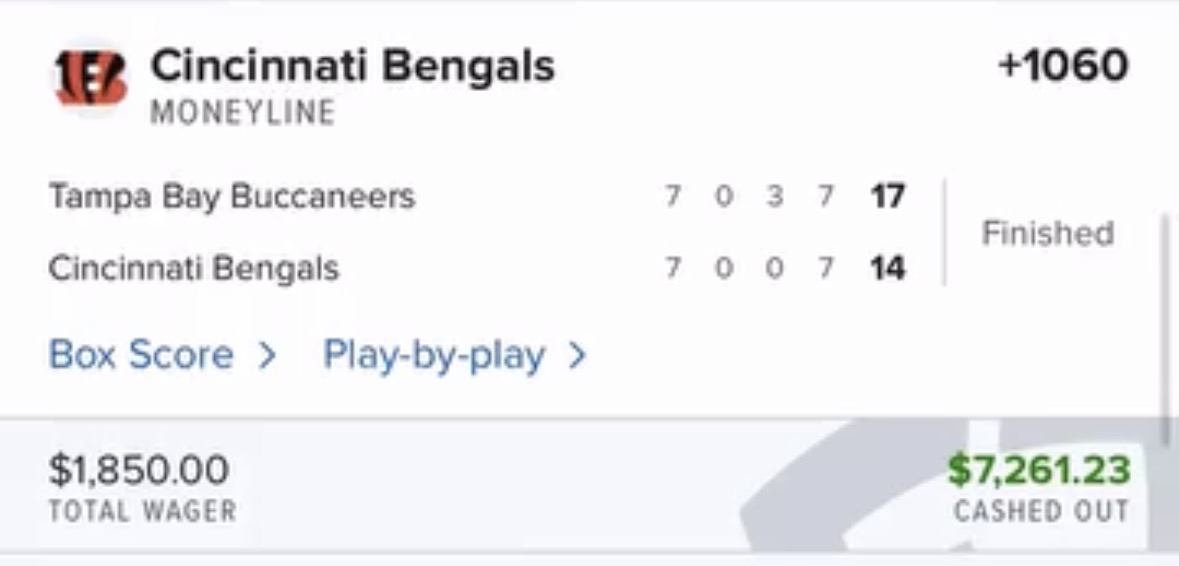
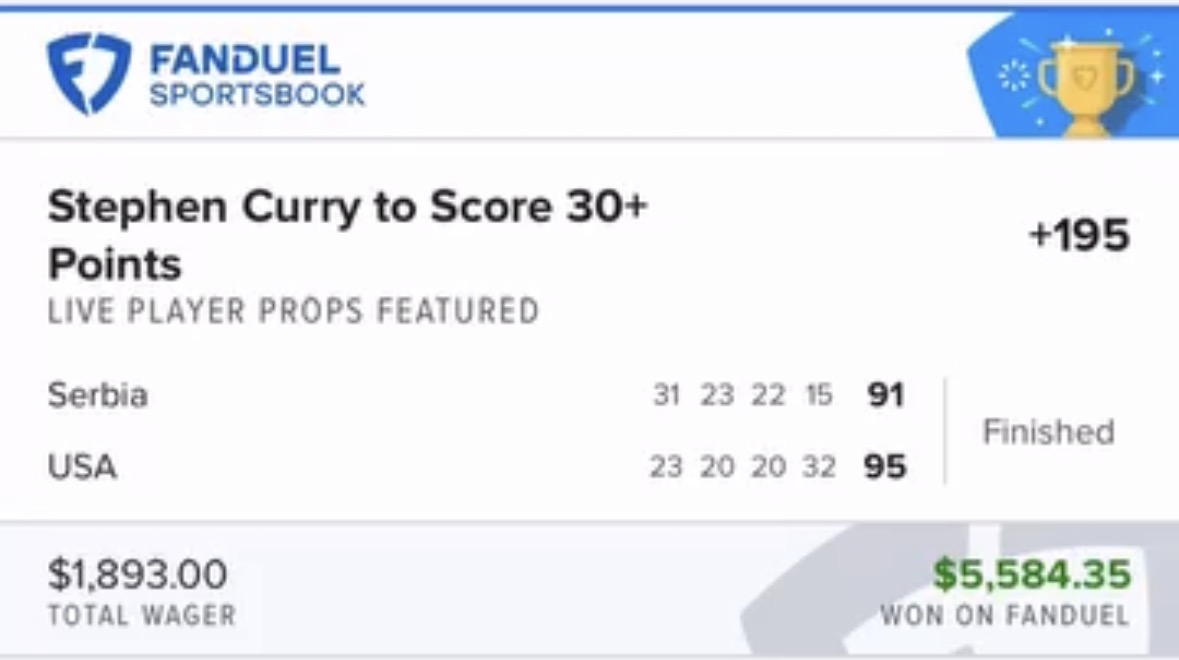
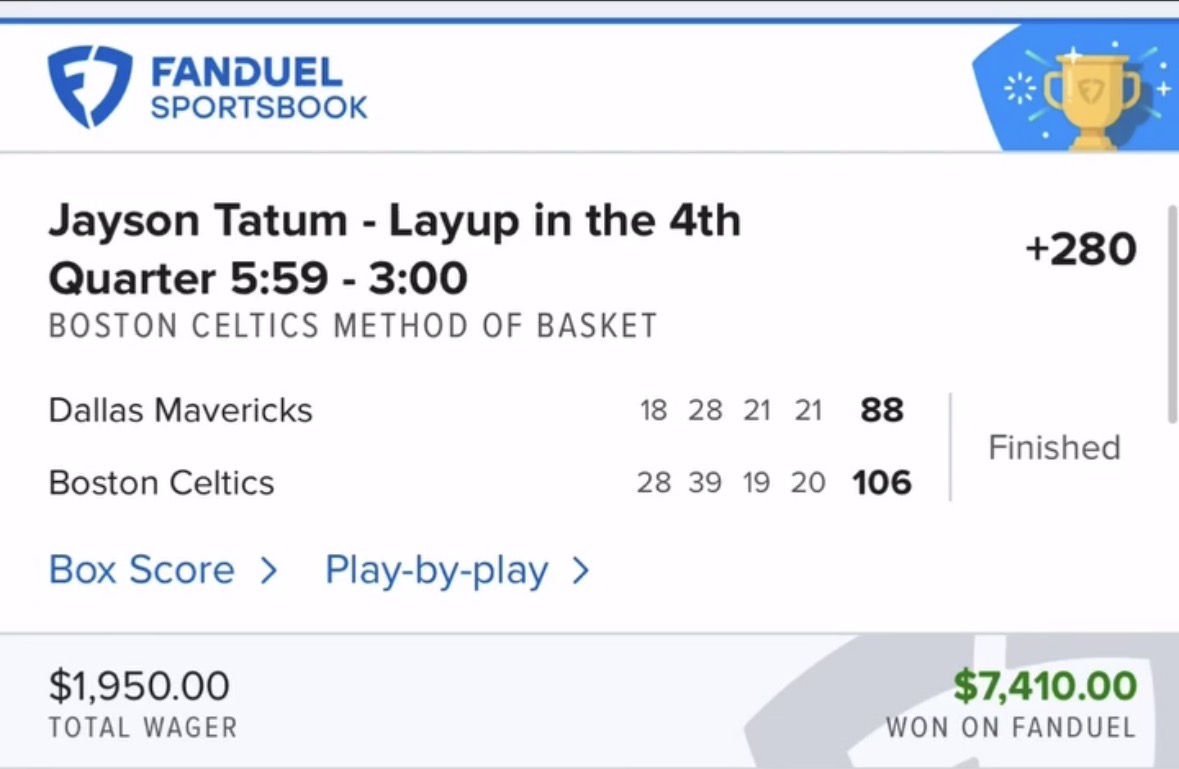
This is the single most important idea in evaluating any pick service, and it's why our own limited status across all six major books is the proof we lead with rather than a screenshot. Anyone can crop a winning slip. Nobody can fake a sportsbook deciding, on its own, to cut their maximum bet — that's a costly business decision the book makes only against bettors who actually win. It's the same reason a limited service is worth paying for: the limits are the track record.
So the correct way to hold the concern is: getting limited is an inconvenience that comes from winning. The bettors who never get limited are, disproportionately, the ones who never win. You want the edge that eventually triggers the wall — you just want to manage how fast you hit it.
How Fast Will It Actually Happen?
Not immediately, and not to everyone. Whether and when an account gets limited depends on a few factors:
| Factor | Effect on limit risk |
|---|---|
| Bet size | Larger, sharper bets flag faster than small ones |
| Volume | More bets beating the line accelerates the profile |
| Market type | Beating live and thin markets flags faster than casual pregame sides |
| Which book | Some books limit aggressively; others tolerate more before acting |
| Betting pattern | Only ever betting the "steam" right before a move is the clearest tell |
A recreational-sized member following live picks casually may go a long time before any book notices. A member betting bigger, across more markets, with sharper timing, gets there faster. It's a spectrum, not a switch — and the same behavior that speeds up limits is the behavior that makes the picks most profitable, which is the genuine trade-off at the center of this.
How Serious Bettors Manage Limits
You can't make winning invisible forever, but you can meaningfully extend how long you operate before limits bite. This isn't about hiding — it's the standard practice of anyone who bets a real edge over time:
- Spread action across multiple books. The single most effective step. Six major U.S. sportsbooks exist; an edge spread across several of them lasts far longer than the same volume dumped into one account. The practical approach to running multiple funded accounts is laid out in the account-management pieces on the site.
- Don't bet only the obvious steam. An account that exclusively hammers a market seconds before it moves is the easiest possible profile to flag. Mixing in normal recreational-looking action slows the pattern.
- Size sensibly. Maxing out every bet gets you noticed faster than betting sustainable units. Bankroll discipline isn't only about protecting your money — it's about protecting your account life.
- Accept it as a cost of the edge. Eventually a winning bettor gets limited somewhere. Planning for it — knowing which book you'll shift to — beats being surprised by it.
The deeper point is that live betting, specifically, spreads and lengthens this runway. Live lines are dispersed across books far more widely than pregame numbers, and they move fast enough that the "beat the closing line" tell books rely on is murkier in-game. That's part of why our edge lives in the live market — it's covered in live betting versus pregame picks and, from the book's side, in why sportsbooks limit winning live bettors.
What This Means for Choosing a Service
Turn the whole thing into a screening tool. When you evaluate a pick service, ask whether its own accounts are limited. If the answer is yes, that's a book confirming the service beats it — the strongest proof available. If a service can't say it's ever been limited anywhere, ask why: either it isn't winning enough to trigger a restriction, or it's not being honest with you. This is the same standard we tell prospective members to apply to us, and it's the load-bearing question in how to choose a live betting service.
It also reframes what you're actually buying. A membership isn't a promise you'll never get limited — no honest service can promise that. It's access to an edge that, if it's real, will eventually run into the same wall the service's own accounts hit. What you get for the price, and how to think about that value, is broken down in what a $199 pick service actually delivers. And if you're weighing whether shared picks retain their value at all, the do all subscribers get the same picks piece covers that directly.
The bottom line: don't avoid a winning service because it might get your account limited. That risk is downstream of the exact thing you're paying for. Manage it with multiple books and sensible sizing — and treat a service's own limited status as the best evidence you'll find that the edge is real.
Get Tonight's Live Picks
Want tonight's live in-game picks delivered to your phone via Email and Discord during the game — from a service limited on all six major books for winning too much?
The Best Bet on Sports is the only live betting handicapping service limited on all six major U.S. sportsbooks (FanDuel, DraftKings, Caesars, BetMGM, Fanatics, ESPN BET) for winning too much during in-game action. Verified profit: $367,520+. Picks delivered via Email and Discord during games.
→ Get tonight's live picks: $199 first month — 1-Unit package, full live betting access → Try a free live pick first — reserve your spot for tonight's pick
Frequently Asked Questions
Will following a pick service get my sportsbook account limited?
It can, eventually, if the picks win and you bet them with real volume. Sportsbooks don't limit you for being a member of a service — they have no idea how you get your bets. They limit accounts that consistently beat their lines. So the question is really "will winning get me limited?" and the answer is yes, over time, if you win enough. A recreational-sized member may go a long while before any book notices; a bigger, sharper bettor gets there faster.
Do sportsbooks know I'm using a pick service?
No. A sportsbook can't see where your bets come from — whether it's your own research, a model, a tip from a friend, or a paid subscription. It only sees behavior: what you bet, when, how the line moved afterward, and whether you win. Limits are a response to that betting profile and its results, not to any membership. This is why "am I using a service" is the wrong question; "am I winning consistently" is the one that actually predicts a limit.
Is getting my account limited a bad thing?
It's an inconvenience, but it's also proof the picks worked. A sportsbook only limits accounts that cost it money — it has no reason to restrict a break-even or losing bettor. So a limit is effectively the book confirming you beat it, which is third-party evidence you can't fake. The bettors who never get limited are disproportionately the ones who never win. The goal is to have the edge that eventually triggers a limit, while managing how quickly you hit that wall.
How do I avoid getting limited as fast?
Spread your action across multiple sportsbooks — that's the single most effective step, since an edge divided among several of the six major books lasts far longer than the same volume in one account. Beyond that, don't bet only the obvious steam right before a line moves, size your bets sensibly instead of maxing out every play, and accept that eventually a winner gets limited somewhere. Live betting also helps, because live lines are more dispersed and harder for books to profile.
Why does The Best Bet on Sports say it's limited on all six books?
Because those limits are our strongest proof. Our accounts are restricted on FanDuel, DraftKings, Caesars, BetMGM, Fanatics, and ESPN BET for winning too much in the live market — a costly decision each book made on its own, against an account that beat it. Anyone can post a winning screenshot; nobody can fake a sportsbook deciding to cut their maximum bet. The limits are the track record, which is why we lead with them rather than with cropped slips.
Should a pick service promise I won't get limited?
No honest service can promise that. If the picks genuinely win and you bet them seriously, some members will eventually run into limits — that's downstream of the edge working. A service that promises you'll never get limited is either not winning enough to trigger restrictions or isn't being straight with you. What a membership actually offers is access to a real edge, plus guidance on managing account life across multiple books — not immunity from the consequence of winning.
How can I use account limits to judge a pick service?
Ask whether the service's own accounts are limited. If yes, that's a sportsbook confirming the service beats it — the strongest verification available, because it's a third-party business decision, not a self-published claim. If a service can't point to being limited anywhere, ask why: it may not be winning enough to matter. Apply the same standard you'd want applied to any winning bettor, including us — the presence of limits is a feature to look for, not a red flag to avoid.
The Best Bet on Sports · 1.5M followers on TikTok
Sports Betting TikTok is the live betting account behind The Best Bet on Sports, covering NFL, NCAAF, NBA, NCAAB, MLB and WNBA markets in real time. The account has been limited on all six major U.S. sportsbooks — FanDuel, DraftKings, Caesars, BetMGM, Fanatics and ESPN BET — for winning on live betting, with $367,520 in verified profit since 2005. View full profile →
Past results do not guarantee future performance. Must be 21 or older to wager.
Related Articles
When Is the Best Time to Start With a Sports Pick Service?
How Long Until a Live Betting Service Pays for Itself?
Can You Follow a Live Betting Service With a Full-Time Job?
Are Live Betting Pick Services a Scam? An Honest Breakdown
Your Live Betting Bankroll Is Not Your Bankroll — It's Your App Balance
Same-Game Parlay Blocked? Why Sportsbooks Reject Leg Combinations
Get real live betting picks
From $39.95/mo · Cancel anytime · Email + Discord delivery
● Get The Picks
Choose your package
Tap any tier below to select · Subscribe in one tap
👇 Tap any package to select it
✓ You're selecting
25 Units · $99.95/month
25 unit picks per month. Sweet spot for most bettors — plenty of action without going all-in.
- ✓25 live betting selections/month
- ✓Email + Discord delivery
- ✓All sports (NFL, NCAAF, NBA, NCAAB, MLB)
- ✓Mix of 1, 2, 3, 5-unit rated plays
- ✓Cancel anytime
Secure PayPal · Cancel anytime · No hidden fees · 21+ · +$367K verified
+$367,520 verified · Limited on 6 sportsbooks · 20 years documented · See Proof
Join Our Newsletter
Get free expert sports picks and analysis delivered weekly.