Do All Subscribers Get the Same Picks? Does It Kill Value?

Yes, members of a pick service generally get the same picks — that's how a service works. Whether shared distribution hurts the value depends almost entirely on the market: in deep, liquid markets a few hundred bettors don't move the number, and live betting is structurally resistant because prices reset every few seconds. The edge only degrades when a service floods thin markets with unlimited members, which is a real red flag worth screening for before you subscribe.
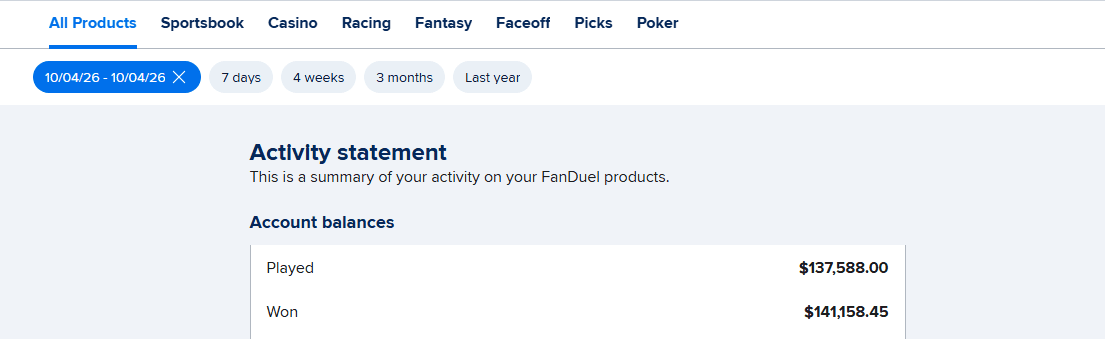
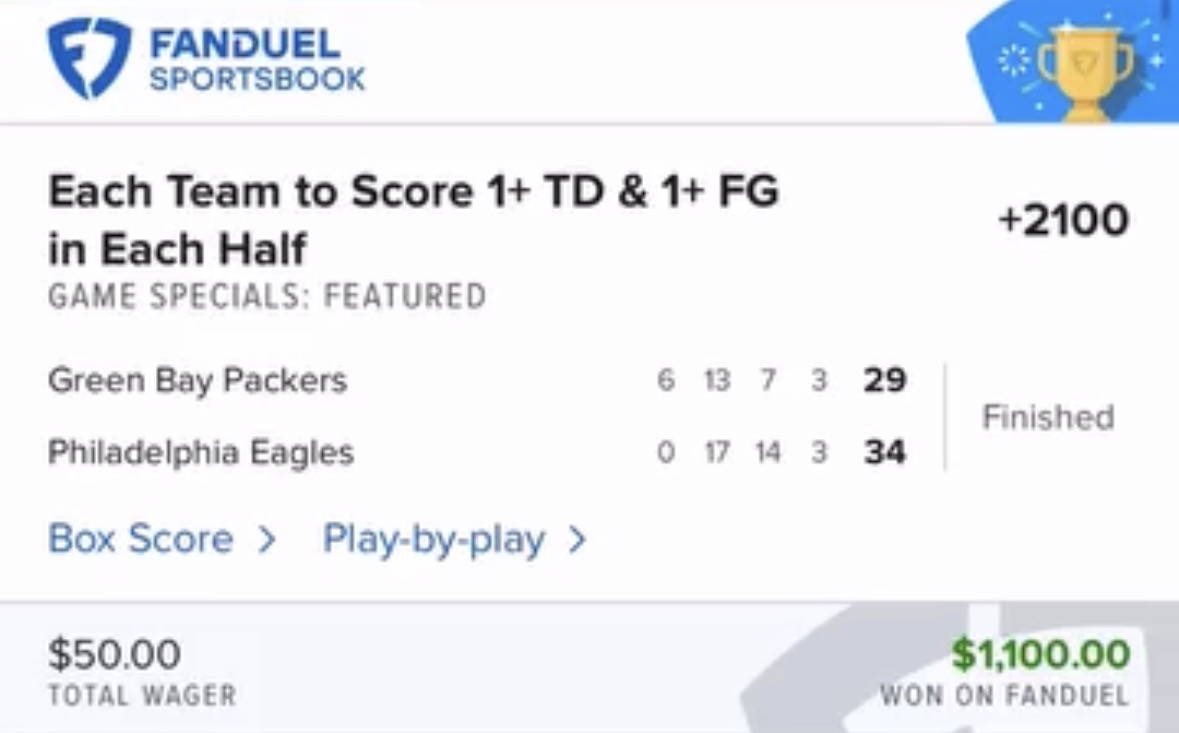
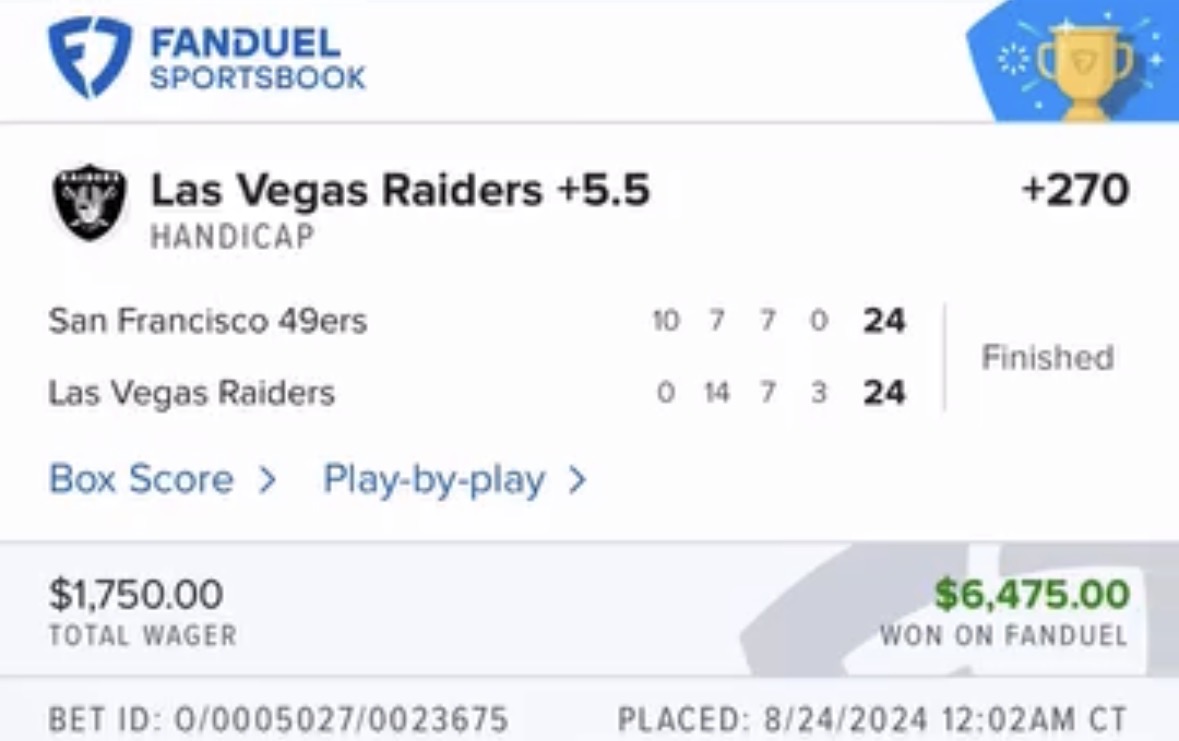
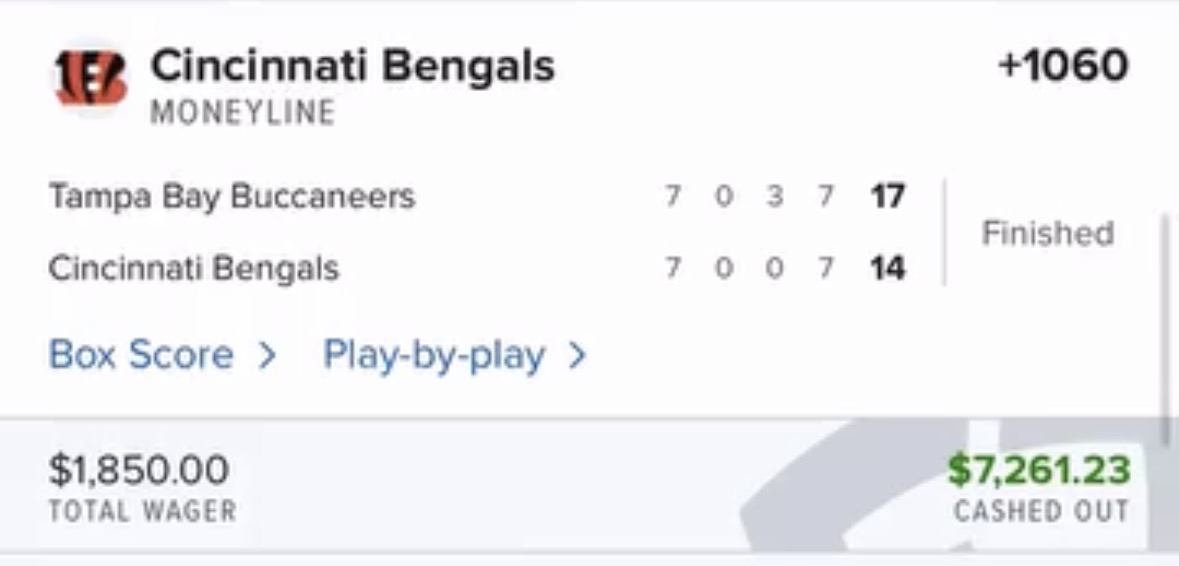
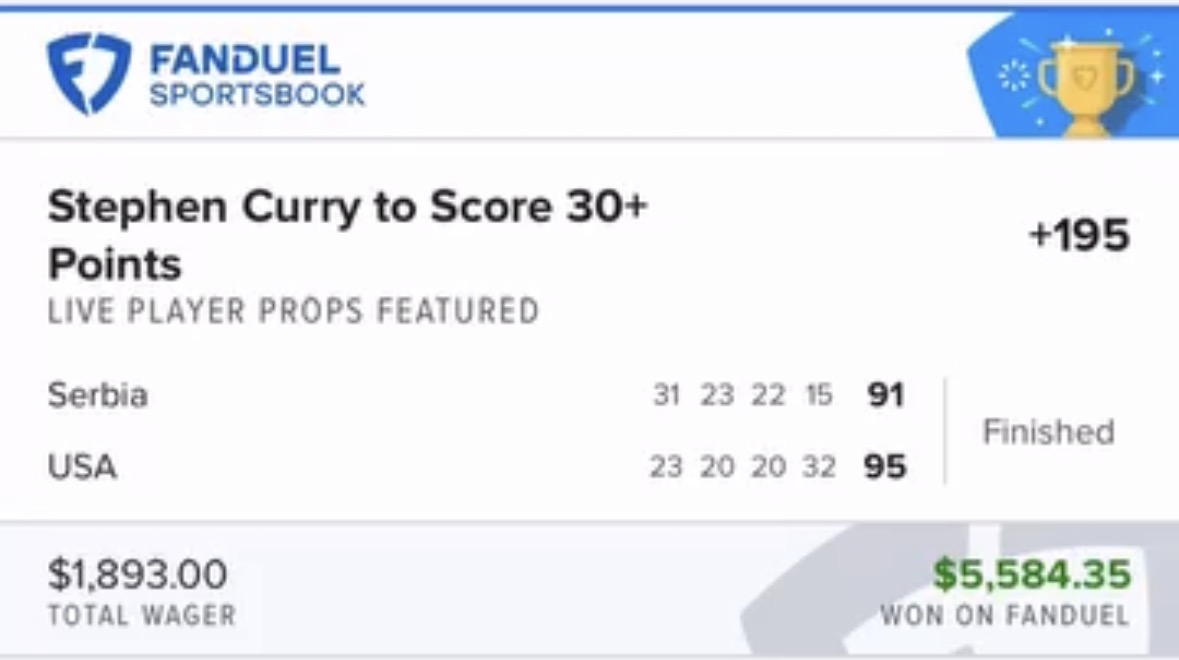
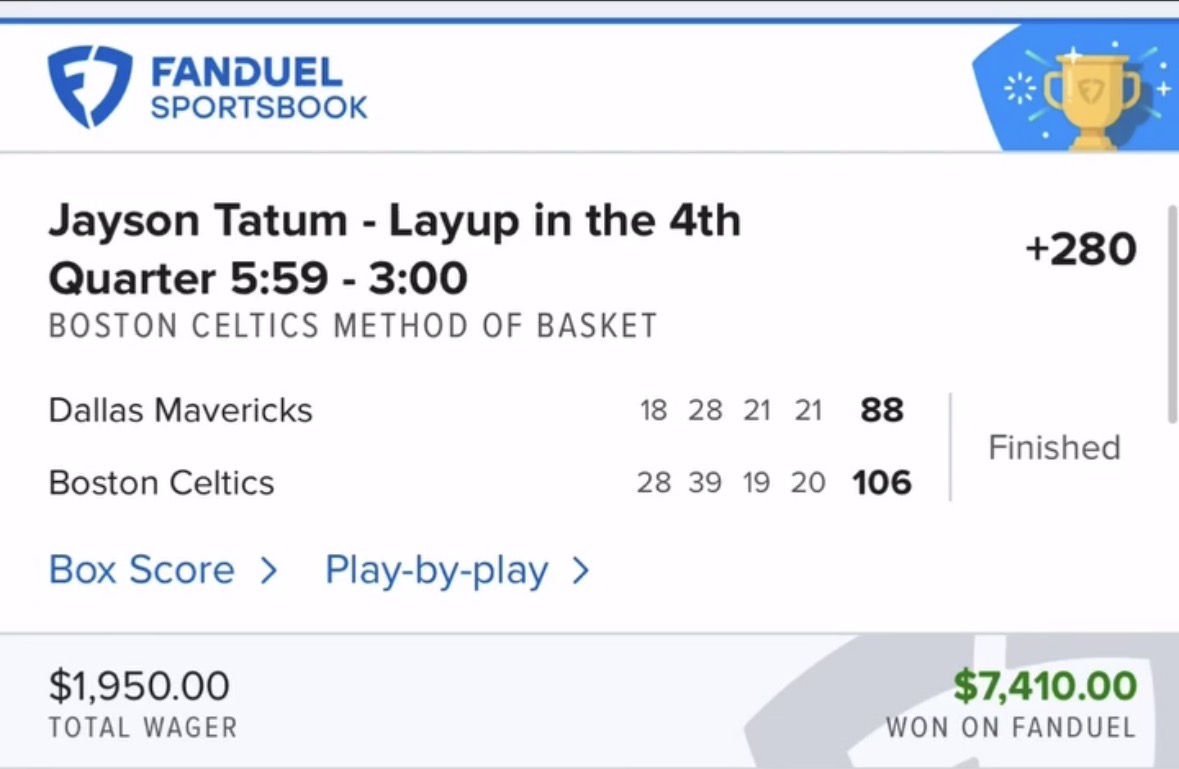
Yes — the members of a pick service generally receive the same picks, because sending one call to the whole group is what a service is. The real question underneath is whether that shared distribution ruins the value by the time you place your bet, and the honest answer is: it depends entirely on the market. In deep, liquid markets a few hundred followers don't move the number meaningfully, and live betting is structurally resistant because the price refreshes every few seconds against a moving line. The Best Bet on Sports has run live in-game betting for more than twenty years with a verified $367,520+ in profit across every major sportsbook, and the clearest proof that the edge survives distribution is the one thing a service can't fake — the sportsbooks limit our own accounts for winning too much.
This is one of the sharpest objections a would-be subscriber can raise, and it deserves a straight answer rather than a sales pitch. If everyone gets the same pick, doesn't the flood of money move the line? Isn't the value already gone by the time it reaches your phone? For some bet types and some services, that concern is completely legitimate. For others, it barely applies. The difference is worth understanding before you pay for anything — because it's also the difference between a service worth subscribing to and one that's quietly degrading its own edge.
First, the Honest Part: Yes, You Get the Same Picks
There's no clever way around this, so here it is plainly: a pick service sends the same picks to its members. Every member receiving our sports picks gets the identical play at the identical number, and any of the sports handicappers claiming otherwise is describing something that does not exist. That's the product. When a call goes out, it goes out to the group. The idea that a service could send each subscriber a different, individually-tailored winning pick doesn't survive contact with reality — there aren't hundreds of separate edges lying around every night, and any service claiming otherwise is selling you a fantasy.
So the value question is not "will I get a unique pick." You won't. The value question is whether a pick that's shared with a group still holds its edge by the time you act on it. And that lands squarely on the type of market the pick lives in.
When Shared Picks *Do* Move the Line
The concern is real in specific conditions. When a service pushes a pick into a thin, low-limit market — a small-college total, an obscure prop, a niche league — even a modest wave of follower money can move the number, because there wasn't much money there to begin with. The first members in get the good number; the ones who place a few minutes later get a worse one; and if the service is large enough relative to that market, the followers themselves can erase the edge they were sold.
This is the mechanism behind "steam" — a sudden, coordinated move that a sportsbook reacts to by shifting the line. In a thin market, a pick service can become the steam, which means the value degrades from the inside. That's not a hypothetical; it's a genuine structural weakness of any service that sells picks in shallow markets to an uncapped membership.
When Shared Picks *Don't* — and Why Live Betting Is Different
Now the other side, which is where most of the honest value actually is.
In a deep, liquid market — a major NFL or NBA side, a primary total on a big game — a few hundred followers are a rounding error against the millions already in that market. The number doesn't flinch. The pick you get is essentially the pick the first member got, because the market is too big for the group to move.
Live betting is more resistant still, and this is the part that matters most. A live in-game line isn't a single static number sitting there waiting to be exhausted by follower money. It refreshes every few seconds as the game unfolds. Every subscriber places against a slightly different price at a slightly different moment, the market resets continuously, and there's no fixed line for the group to pile onto and kill. The edge in live betting comes from reading unfolding information faster and better than the book adjusts — and that edge isn't consumed by other people also having it. Two hundred people making the same correct live read don't cancel each other out the way two hundred people hammering the same static pre-game total can. The fuller case for why live reads beat pre-game numbers is in live betting vs. pre-game picks.
| Bet type | How fragile is the edge to shared distribution? |
|---|---|
| Live in-game markets (major sports) | Very resistant — price resets constantly, no static line to exhaust |
| Major pre-game sides/totals (NFL, NBA) | Resistant — deep enough that a few hundred bettors don't move it |
| Primary player props (star players) | Moderate — can move if the service is large |
| Small-college totals / niche leagues | Fragile — thin market, follower money moves the number |
| Obscure props / exotic markets | Very fragile — service can become the steam and kill its own edge |
The takeaway is that "do shared picks kill the value" has no single answer — it's a market-by-market question, and a service that lives in the top two rows is a fundamentally different proposition from one that lives in the bottom two.
The Un-Fakeable Proof: Who the Sportsbook Limits
Here's the piece that cuts through the whole debate. If a service's edge were being destroyed by its own subscribers, the service's own accounts would be fine — a losing or break-even edge doesn't get an account restricted. Sportsbooks limit accounts for one reason: winning too much, too consistently, at volume.
So when a service's own betting accounts get limited across the major books, that's third-party confirmation, from the sportsbooks themselves, that the edge is real and survives being acted on repeatedly. It's the one signal a service can't manufacture — you can crop a winning bet slip, but you can't fake a sportsbook deciding you're too sharp to keep taking full action from. That dynamic is explained in why sportsbooks limit winning bettors, and it's exactly why a limited service is worth more than an unlimited one — the argument laid out in why a limited service is worth paying for. The limits are the receipt.
What to Actually Ask Before You Subscribe
Because the answer is market-dependent, the smart move is to screen a service for the conditions that protect the edge. Before you pay, get honest answers to these:
- What markets do the picks live in? If most calls are in deep, liquid markets and live in-game spots, shared distribution is far less of a problem. If they're chasing obscure props and small-college totals, be skeptical.
- Is membership capped, or sold to anyone with a credit card? A service selling thin-market picks to unlimited members is structurally set up to erode its own edge. This is a legitimate red flag — see sports pick service red flags.
- Do their own accounts get limited? As above, this is the strongest evidence the edge is real and durable under distribution.
- How is the pick delivered and how fast? For live betting, delivery speed across Discord, and email matters, because you're acting against a moving number. The mechanics of what you're actually paying for are broken down in what a $199 pick service delivers.
If a service answers those cleanly, the "everyone gets the same pick" objection mostly dissolves. If it dodges them, you've learned something more useful than any single pick.
The Reframe: Shared Isn't the Same as Worthless
It's tempting to treat "I'm not the only one getting this" as a dealbreaker, but that instinct proves too much. By that logic, no shared information could ever be valuable — yet plenty of edges are perfectly durable when shared, because the market they live in is too big to move or resets too fast to exhaust. A service's job isn't to hand you a secret no one else has. It's to consistently identify edges in markets deep or fast enough that the edge survives everyone acting on it at once — and to be accountable when it doesn't.
That's why the more useful comparison isn't "unique vs. shared," it's "durable vs. fragile." Whether to follow one service or several, and how that affects the picks you're acting on, is its own question covered in following one pick service or several, and the broader "is any of this worth it" math is in are sports pick services worth it. But on the specific fear that shared picks are automatically dead picks: they're not. Fragile picks in thin markets are dead on arrival. Durable picks in deep and live markets aren't — and telling the two apart is the whole skill of choosing a service, which is exactly what how to choose a live betting service is built to help you do.
Get Tonight's Live Picks
Want tonight's live in-game picks delivered to your phone via Email and Discord during the game?
The Best Bet on Sports is the only live betting handicapping service limited on all six major U.S. sportsbooks (FanDuel, DraftKings, Caesars, BetMGM, Fanatics, ESPN BET) for winning too much during in-game action. Verified profit: $367,520+. Picks delivered via Email and Discord during games.
→ Get tonight's live picks: $199 first month — 1-Unit package, full live betting access → Try a free live pick first — reserve your spot for tonight's pick
Frequently Asked Questions
Do all subscribers of a pick service get the same picks?
Yes. A pick service sends the same picks to its members — sending one call to the whole group is what a service is. There's no realistic way to hand every subscriber a different, individually winning pick, because there aren't hundreds of separate edges available every night. Any service claiming to give each member unique calls is selling a fantasy. The real question isn't whether the picks are shared; it's whether a shared pick still holds its edge by the time you place it.
Does everyone getting the same pick ruin the value?
It depends entirely on the market. In deep, liquid markets like major NFL or NBA sides, a few hundred followers don't move the number, so the value holds. In thin, low-limit markets like small-college totals or obscure props, follower money can move the line and erode the edge from the inside. Live betting is the most resistant of all, because the price resets every few seconds and there's no static line for the group to exhaust. Shared doesn't mean worthless — fragile means worthless.
Why doesn't shared distribution hurt live betting picks?
A live in-game line isn't a fixed number waiting to be consumed by follower money — it refreshes continuously as the game unfolds. Every subscriber places against a slightly different price at a slightly different moment, and the market resets constantly, so there's no single line for the group to pile onto and kill. The edge in live betting comes from reading unfolding information faster than the book adjusts, and that edge isn't cancelled out by other people also having it.
How do I know a service's edge survives being shared?
The strongest evidence is that the service's own betting accounts get limited by the major sportsbooks. Books restrict accounts only for winning too much, too consistently — a degraded or break-even edge doesn't trigger limits. So if a service is genuinely getting its accounts capped across the books, that's third-party confirmation, from the sportsbooks themselves, that the edge is real and durable even after members act on it. It's the one signal a service can't fake.
What should I ask a pick service before subscribing?
Ask what markets the picks live in (deep and live markets protect the edge; thin markets don't), whether membership is capped or sold to anyone, whether the service's own accounts get limited by sportsbooks, and how fast picks are delivered. A service concentrated in liquid and live markets with limited accounts is far more resistant to the shared-distribution problem than one flooding obscure markets with unlimited members. Clean answers to those questions tell you more than any single winning pick.
Is a capped-membership service better than an unlimited one?
Generally, yes — especially for picks in thinner markets. A service selling to unlimited members in shallow markets is structurally set up to erode its own edge, because the followers themselves move the number. A service that keeps membership manageable, or focuses on markets deep and fast enough that the group can't move them, protects the value it's selling. Unlimited sign-ups in fragile markets is a legitimate red flag worth screening for before you pay.
If everyone bets the same pick, why doesn't the sportsbook just fade it?
In deep and live markets, the followers of any one service are a small fraction of total action, so their bets don't stand out enough for a book to fade the group as a whole. What sportsbooks actually do is limit the sharp accounts — including a service's own accounts — that consistently beat the number, rather than trying to identify and counter every follower. That's why the service gets restricted while its members keep placing, and why account limits are a sign of a real edge rather than a vanished one.
The Best Bet on Sports · 1.5M followers on TikTok
Sports Betting TikTok is the live betting account behind The Best Bet on Sports, covering NFL, NCAAF, NBA, NCAAB, MLB and WNBA markets in real time. The account has been limited on all six major U.S. sportsbooks — FanDuel, DraftKings, Caesars, BetMGM, Fanatics and ESPN BET — for winning on live betting, with $367,520 in verified profit since 2005. View full profile →
Past results do not guarantee future performance. Must be 21 or older to wager.
Related Articles
Can You Cancel a Sports Pick Subscription Anytime?
Betting Tools vs. a Pick Service: Which Should You Pay For?
Do Pick Services Actually Bet Their Own Picks? How to Verify It
Can a Pick Service Fix Bad Betting Habits? The Honest Answer
Should a Pick Service Cover Every Sport? The Honest Answer
Should You Subscribe to a Pick Service Before Football Season?
Get real live betting picks
From $39.95/mo · Cancel anytime · Email + Discord delivery
● Get The Picks
Choose your package
Tap any tier below to select · Subscribe in one tap
👇 Tap any package to select it
✓ You're selecting
25 Units · $99.95/month
25 unit picks per month. Sweet spot for most bettors — plenty of action without going all-in.
- ✓25 live betting selections/month
- ✓Email + Discord delivery
- ✓All sports (NFL, NCAAF, NBA, NCAAB, MLB)
- ✓Mix of 1, 2, 3, 5-unit rated plays
- ✓Cancel anytime
Secure PayPal · Cancel anytime · No hidden fees · 21+ · +$367K verified
+$367,520 verified · Limited on 6 sportsbooks · 20 years documented · See Proof
Join Our Newsletter
Get free expert sports picks and analysis delivered weekly.