Should You Follow One Pick Service or Several?

For most bettors, following one disciplined pick service beats spreading money across several. Multiple subscriptions multiply your monthly cost, dilute your bankroll across conflicting picks, and make it impossible to judge whether any single service actually works. One service with a clear methodology and a verified track record lets you size bets properly, evaluate results honestly, and avoid the chaos of chasing every tout at once. This guide explains why less is more when it comes to pick services.
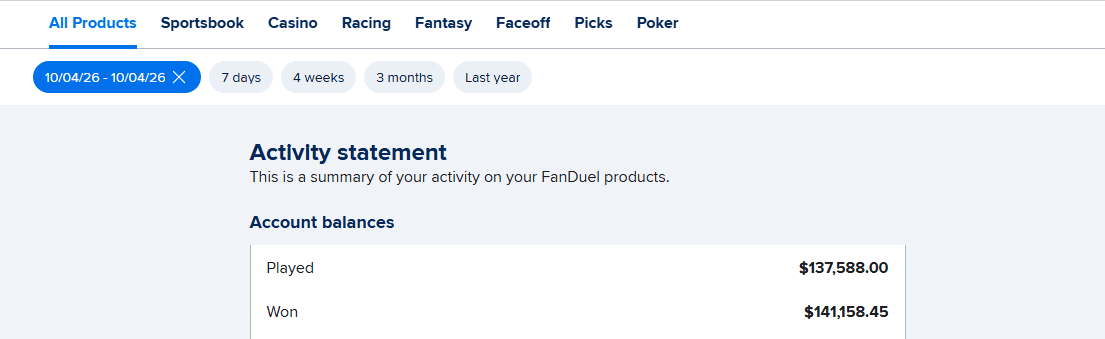
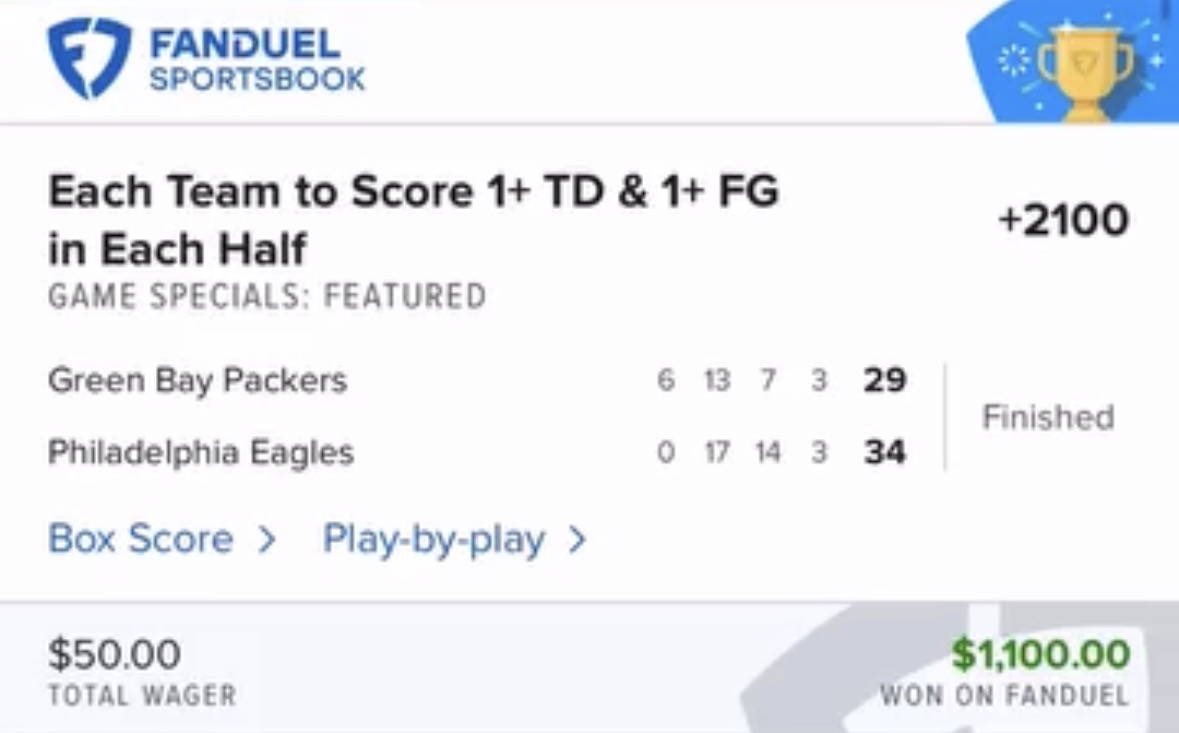
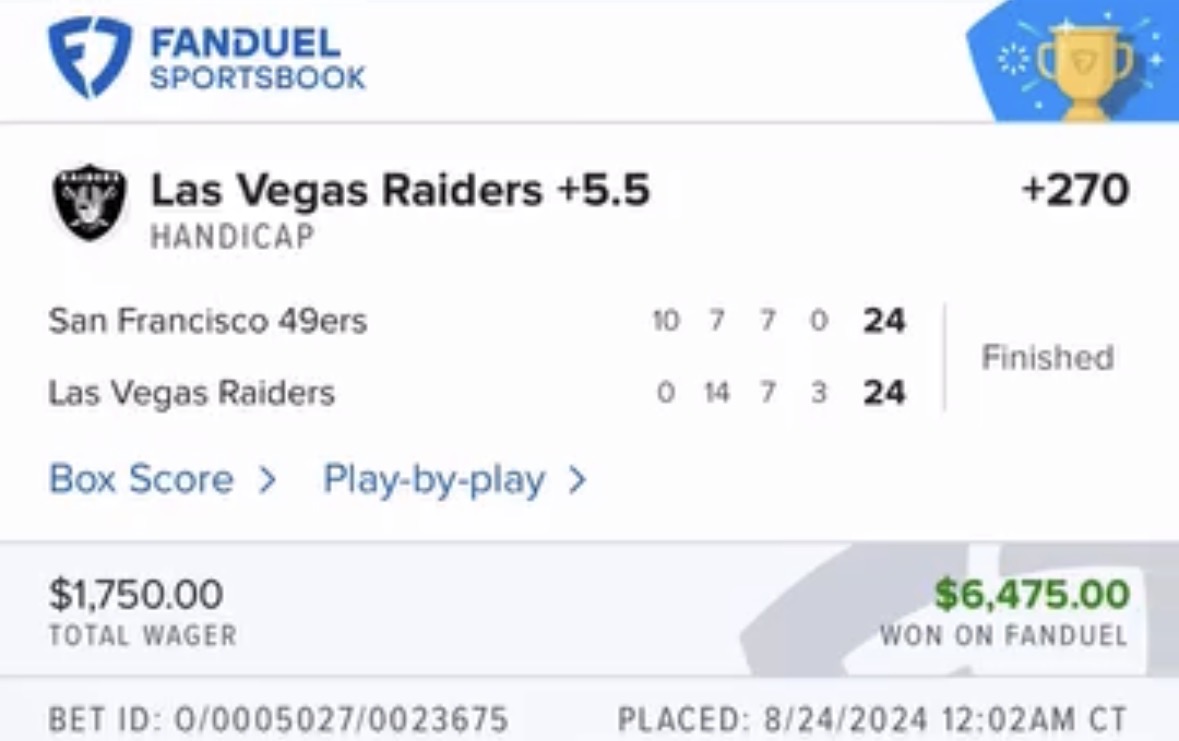
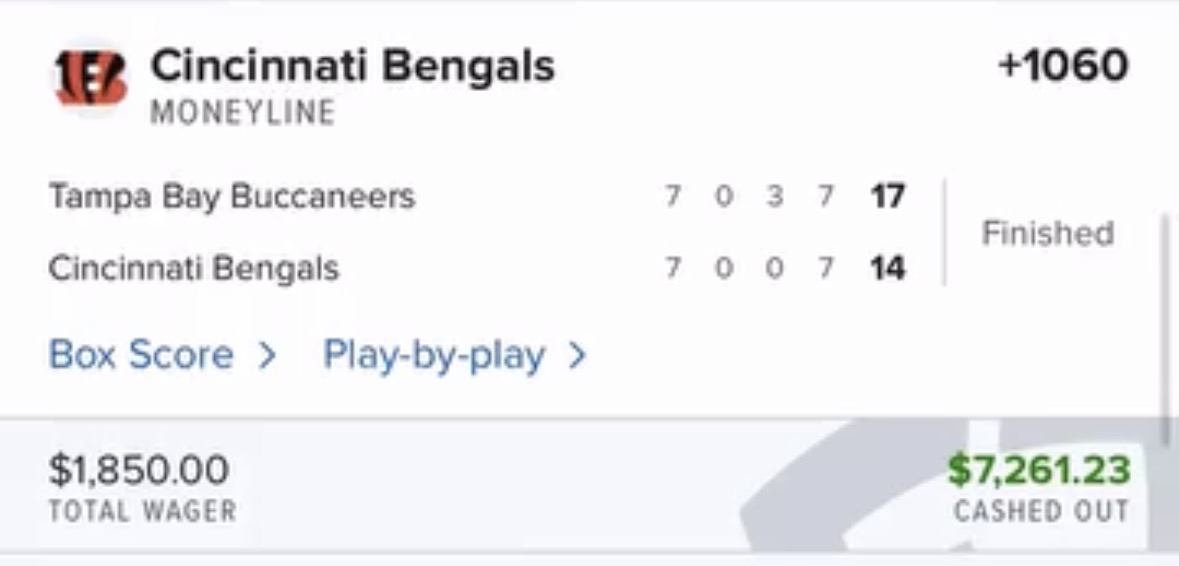
For most bettors, following one disciplined pick service beats spreading money across several — one clear methodology, one bankroll strategy, and one honest track record you can actually evaluate. Subscribing to multiple services multiplies your monthly cost, splits your bankroll across picks that often contradict each other, and makes it nearly impossible to tell whether any single service is genuinely winning. The Best Bet on Sports has built a verified $367,520+ profit across all six major U.S. sportsbooks over more than twenty years by running one consistent approach, not by chasing every angle at once — and the bettors who follow that approach do best when they commit to it rather than diluting it with three competing subscriptions. More services does not mean more edge. It usually means more noise, more cost, and less clarity.
It is a natural instinct. If one pick service might help, wouldn't three help more? You would get more picks, more coverage, more chances to win. In practice it works the opposite way. Following several services at once creates a mess that quietly drains your bankroll and destroys your ability to judge what is actually working. This guide breaks down exactly why one focused service beats a scattered portfolio, when following more than one might make sense, and how to pick the single service worth committing to.
Why More Services Usually Means Worse Results
The appeal of multiple subscriptions is coverage — more picks across more games. The problem is that coverage is not the same as edge, and stacking services introduces three compounding problems.
Your bankroll gets diluted. Betting is a numbers game that only works when you size your bets consistently against a single bankroll. Follow three services and you are suddenly trying to bet everyone's picks with the same money, which forces you to either shrink every bet to a fraction of the right size or overextend your bankroll to cover them all. Neither works. Proper bet sizing against one plan is the foundation of bankroll management for $100 to $500 bettors, and it falls apart the moment you are juggling multiple sources.
The picks contradict each other. Different services use different methodologies, and they will regularly disagree — one likes the over, another likes the under; one is on the favorite, another on the dog. When your services cancel each other out, you are not diversifying, you are just paying two subscriptions to bet against yourself. The conflicts leave you either paralyzed or cherry-picking, and cherry-picking across services is just gambling on your own gut with extra steps.
You cannot evaluate any of them. This is the quiet killer. When all your bets come from one service, you can track its record honestly and know whether it is worth the money. Blend three services together and your results become an unreadable soup — you have no idea which service is carrying you and which is bleeding you dry. You lose the single most important thing a paying customer should have: the ability to judge what you are paying for. Being able to check a real record is central to choosing a live betting service in the first place.
The Math of Stacking Subscriptions
The cost problem is more brutal than most bettors realize. Here is what happens to your break-even when you stack services.
| Setup | Monthly cost | What your betting has to overcome |
|---|---|---|
| One service | $199 | One subscription + the standard vig |
| Two services | ~$400 | Double the fee + conflicting picks diluting each |
| Three services | ~$600 | Triple the fee + a bankroll split three ways |
Every subscription you add is a fixed cost your betting has to clear before you see a dollar of profit. One $199 service needs to produce enough winning bets to cover $199 and the sportsbook's vig. Three services at roughly $600 combined need to produce three times that — while their contradicting picks make each one less effective, not more. You are paying more to win less. The framework for judging whether even a single subscription earns its cost is laid out in how long until a live betting service pays for itself.
The deeper issue is that a second or third service rarely adds a genuinely independent edge. Most services are fishing in the same pond — the same games, the same markets, the same publicly available information. Paying twice for overlapping coverage is not diversification. It is redundancy you are funding out of your own bankroll.
When Following More Than One Might Make Sense
There is a narrow case where a second service is defensible, and it is worth being honest about it.
If the two services cover genuinely different, non-overlapping niches — say one focused exclusively on live in-game betting and another on a completely separate sport or market you also bet — and your bankroll is large enough to fund both properly without shrinking your bet sizes, then running two can work. The key words are non-overlapping and bankroll large enough. If the services compete for the same games and the same money, you are back to the dilution problem.
Even then, you should be able to evaluate each one separately. That means tracking their records independently, funding each with its own allocated bankroll, and being willing to cut the weaker one. If you cannot do that — if the two services blur together into one undifferentiated stream of picks — you do not have a portfolio, you have a mess. For most bettors, and especially anyone working with a $100 to $500 bankroll, the honest answer is that one focused service is plenty. The comparison between following a proven service and going it alone is covered in pick service vs doing it yourself.
How to Pick the One Service Worth Committing To
If one service is the right move, the entire decision becomes: which one? A few standards separate a service worth committing to from the crowd of touts you should walk past.
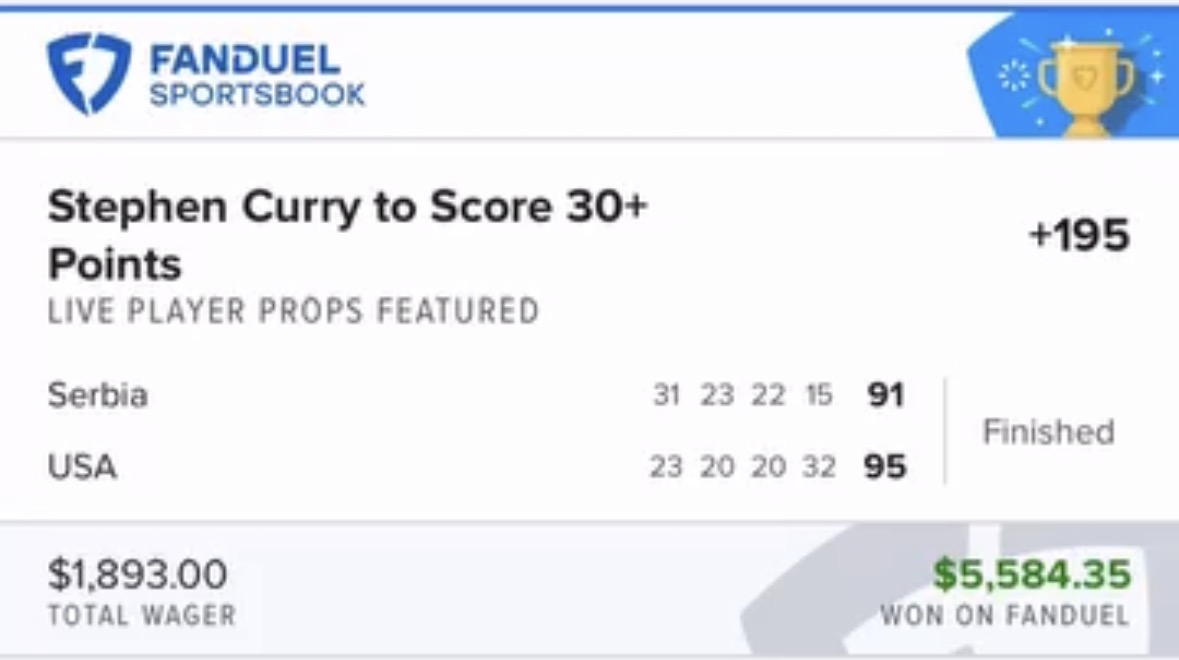
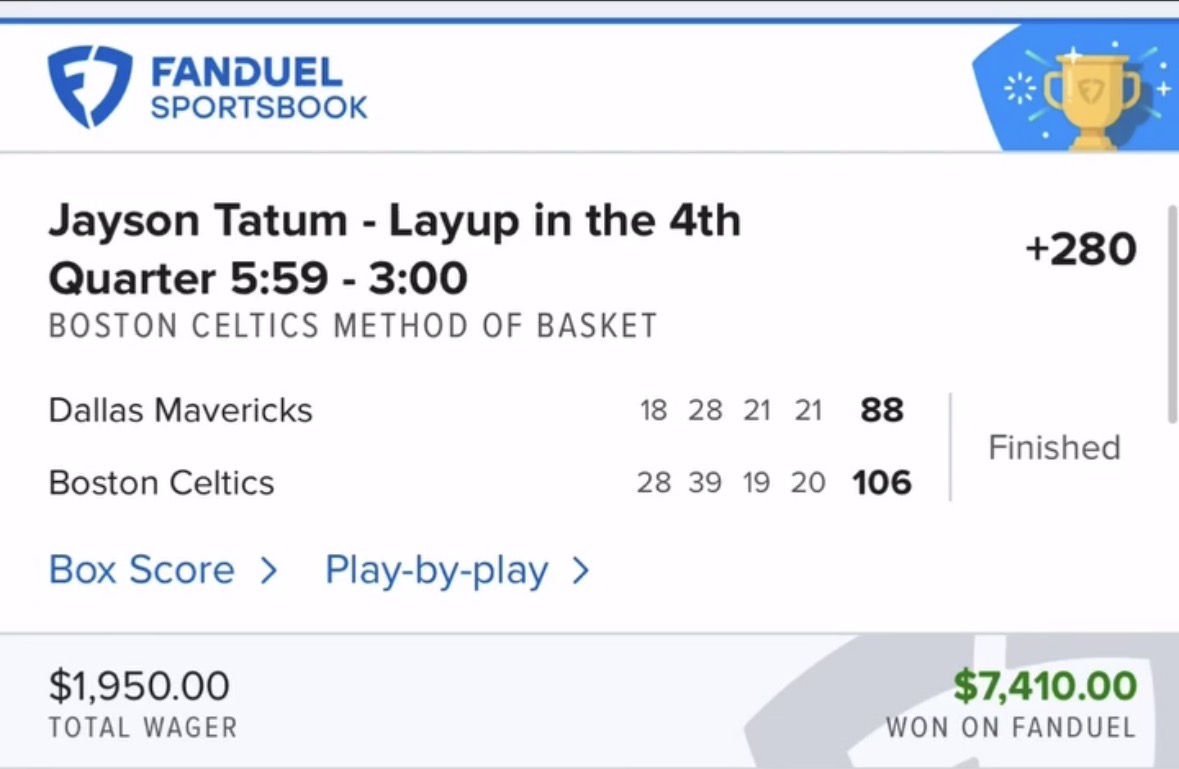
A verified, checkable track record. Not screenshots of winners with the losers cropped out — a real, honest record you can actually verify. Any service can post its best days. The question is whether it shows you the full picture. Spotting the difference is the whole point of touts vs real pick services.
A clear, consistent methodology. You should understand what edge the service claims and why it is real. A service that wins on live in-game mispricing is doing something structurally different from one that posts pre-game sides scraped from public models. The methodology should be specific, not a vague promise of winners.
Skin in the game and real restrictions. The strongest signal a service actually wins is that sportsbooks have limited it. The Best Bet on Sports is limited on all six major U.S. sportsbooks — FanDuel, DraftKings, Caesars, BetMGM, Fanatics, and ESPN BET — because we win too much during live action. Books do not restrict losing bettors; they welcome them. The reason behind that is spelled out in why sportsbooks limit winning bettors.
Delivery you can actually act on. A live-betting edge is worthless if the pick reaches you too late to bet it. That is why our picks are delivered via Email and Discord during games, in time to place them. The live edge itself — catching a number the book has mispriced in real time before it corrects — is what separates a service worth following from one worth ignoring, and it is explained in live betting vs pre-game picks.
Pick the one service that clears all four bars, commit your bankroll to it, and track it honestly. That focus will do more for your results than any three subscriptions chasing every game on the board. See how our sports handicappers run that single-service discipline across the daily sports picks board.
That same logic carries over to whether a pick service should cover every sport, which covers the adjacent setup in detail.
Get Tonight's Live Picks
Want tonight's live in-game picks delivered to your phone via Email and Discord during the game?
The Best Bet on Sports is the only live betting handicapping service limited on all six major U.S. sportsbooks (FanDuel, DraftKings, Caesars, BetMGM, Fanatics, ESPN BET) for winning too much during in-game action. Verified profit: $367,520+. Picks delivered via Email and Discord during games.
→ Get tonight's live picks: $199 first month — 1-Unit package, full live betting access → Try a free live pick first — reserve your spot for tonight's pick
Frequently Asked Questions
Should I follow one pick service or several?
For most bettors, one disciplined service is the better choice. Following several at once multiplies your monthly cost, splits your bankroll across picks that frequently contradict each other, and makes it impossible to tell whether any single service is actually winning. One service with a clear methodology and a verified track record lets you size bets properly and evaluate results honestly. More services adds noise and cost, not edge — unless you have a large bankroll and the services cover genuinely non-overlapping markets.
Why is following multiple pick services a problem?
Three reasons compound. First, your bankroll gets diluted — you cannot properly size bets from several services with the same money. Second, the picks contradict each other, so you end up paying two or three subscriptions to bet against yourself or cherry-picking on gut instinct. Third, and most important, you lose the ability to evaluate any single service, because your results blend into an unreadable mix and you cannot tell which service is helping and which is hurting. Focus beats coverage.
Does subscribing to more services increase my chances of winning?
Usually the opposite. Every subscription is a fixed cost your betting has to clear before you profit, so three services at roughly $600 combined need to produce three times the winnings of a single $199 service — while their conflicting picks make each one less effective. Most services also fish in the same pond of games and public information, so a second or third rarely adds a genuinely independent edge. You end up paying more to win less, not more.
When does following two pick services actually make sense?
Only in a narrow case: when the two services cover genuinely non-overlapping niches — for example, one focused purely on live in-game betting and another on a completely different sport or market you also bet — and your bankroll is large enough to fund both without shrinking your bet sizes. Even then, you must track each service's record separately and be willing to cut the weaker one. If the services compete for the same games or blur into one stream of picks, you are back to the dilution problem.
How do I choose the one service worth committing to?
Look for four things: a verified, checkable track record that shows the full picture rather than cropped winners; a clear and consistent methodology you can understand; real skin in the game, such as being limited by sportsbooks for winning too much; and delivery fast enough that you can actually place the picks. A service that clears all four bars is worth committing your bankroll to. One that fails any of them — especially the verifiable-record test — is one to walk past.
Isn't following multiple services a way to diversify my risk?
Not in any meaningful sense. Diversification works when your sources are genuinely independent, but most pick services bet the same games with the same publicly available information, so stacking them is redundancy, not diversification. Real risk management in betting comes from consistent bet sizing against a single bankroll and disciplined selectivity — both of which get harder, not easier, when you are juggling multiple services. You reduce risk by betting well from one plan, not by spreading money across competing sources.
How does being limited by sportsbooks prove a service is worth following?
Sportsbooks track their customers closely and restrict the ones who win consistently, because winning bettors cost them money. They do not limit losing bettors — they welcome them. So when a service is limited across all six major U.S. sportsbooks, as The Best Bet on Sports is, that restriction is direct evidence the books have decided the service wins too much to bet freely. It is one of the strongest signals a service is genuinely profitable rather than just marketing well, which is exactly the kind of proof you want before committing to one service.
The Best Bet on Sports · 1.5M followers on TikTok
Sports Betting TikTok is the live betting account behind The Best Bet on Sports, covering NFL, NCAAF, NBA, NCAAB, MLB and WNBA markets in real time. The account has been limited on all six major U.S. sportsbooks — FanDuel, DraftKings, Caesars, BetMGM, Fanatics and ESPN BET — for winning on live betting, with $367,520 in verified profit since 2005. View full profile →
Past results do not guarantee future performance. Must be 21 or older to wager.
Related Articles
Can a Pick Service Fix Bad Betting Habits? The Honest Answer
Betting Tools vs. a Pick Service: Which Should You Pay For?
Do Pick Services Actually Bet Their Own Picks? How to Verify It
Do All Subscribers Get the Same Picks? Does It Kill Value?
Can You Cancel a Sports Pick Subscription Anytime?
Should a Pick Service Cover Every Sport? The Honest Answer
Get real live betting picks
From $39.95/mo · Cancel anytime · Email + Discord delivery
● Get The Picks
Choose your package
Tap any tier below to select · Subscribe in one tap
👇 Tap any package to select it
✓ You're selecting
25 Units · $99.95/month
25 unit picks per month. Sweet spot for most bettors — plenty of action without going all-in.
- ✓25 live betting selections/month
- ✓Email + Discord delivery
- ✓All sports (NFL, NCAAF, NBA, NCAAB, MLB)
- ✓Mix of 1, 2, 3, 5-unit rated plays
- ✓Cancel anytime
Secure PayPal · Cancel anytime · No hidden fees · 21+ · +$367K verified
+$367,520 verified · Limited on 6 sportsbooks · 20 years documented · See Proof
Join Our Newsletter
Get free expert sports picks and analysis delivered weekly.