Should You Subscribe to a Pick Service Before Football Season?

Most bettors wait until NFL Week 1 to start a pick service, which means their learning curve — notifications, execution speed, stake discipline — happens during the highest-variance, sharpest-priced weeks of the year. Starting during the summer baseball calendar moves that adjustment period into a lower-stakes environment. Here is the honest case for both timings, and when waiting is genuinely the right call.
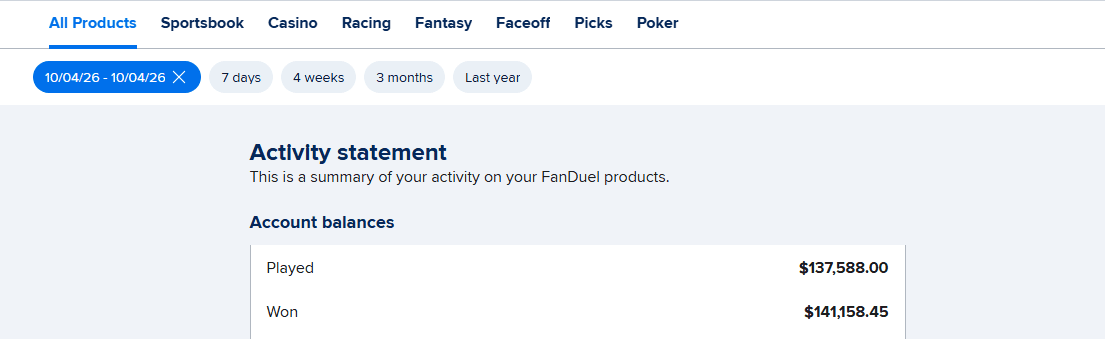
Most bettors sign up for a live betting service the week NFL football starts, which means their entire learning curve — getting notifications working, learning how fast they need to act, figuring out their own stake sizing — happens during the highest-variance, most sharply-priced four weeks of the betting year. The alternative is unglamorous: start during the summer baseball calendar, make your beginner mistakes when the stakes are lower and the schedule is nightly, and arrive at Week 1 already knowing how the system works. The Best Bet on Sports has built a verified profit of $367,520+ over more than twenty years — enough winning that all six major U.S. sportsbooks limit our accounts — and the single most common thing we see from new members is not a bad read on a game. It is being unprepared to execute in the moment. Here is the honest version of the timing question.
To be clear about the incentive: we sell subscriptions, so "start now" is the answer you would expect from us. That is exactly why the rest of this article includes the cases where waiting is the correct decision. If the argument only works when it is one-sided, it is not an argument.
What Actually Takes Time to Learn?
The thing people assume they are buying is picks. The thing that actually determines whether the first month works is a set of operational skills that have nothing to do with handicapping:
Notification setup. Live picks arrive during games via Discord, and email. Getting all three configured, tested, and reliably reaching you — with the right phone settings so an alert during a game doesn't sit silently — takes a night or two of trial and error. Discovering your notifications were muted during an NFL Sunday is an expensive way to learn.
Execution speed. In-game numbers move in seconds. There is a real difference between reading an alert and having the bet placed, and closing that gap is a learned motor skill: knowing where the market lives in your app, having the slip ready, not fumbling the stake field. We cover the mechanics of this in detail in how fast you actually need to act, but reading about it and doing it are different things.
Stake discipline. Almost everyone sizes wrong at first — too large on the plays they like, too small on the ones they don't, and inconsistent when they are down. The unit sizing framework is simple to describe and genuinely hard to follow for the first few weeks.
Emotional calibration. Live betting feels different from pre-game betting. You are acting under time pressure, often against your own instinct about what is happening in the game. Learning to do that without second-guessing takes reps, and reps take games.
None of that is difficult. All of it takes time. The question is whether you want that time to run during August baseball or during the four weeks of the year when your football bets are largest.
Why Are NFL Weeks 1-4 the Worst Time to Be Learning?
Football is the reason most people subscribe, and it is also the worst environment to be figuring out logistics.
| Factor | Summer MLB calendar | NFL Weeks 1-4 |
|---|---|---|
| Games per week | Roughly 100 | 16 |
| Chances to practice execution | Nightly | Once a week |
| Your typical stake size | Smaller | Largest of the year |
| Market sharpness | Moderate | Highest — heavy money, heavy attention |
| Cost of a fumbled alert | One baseball spot | A full week of exposure |
| Variance in the numbers | Normal | Elevated — limited data on new rosters |
The asymmetry is the whole point. In baseball, you get somewhere around a hundred games a week to practice on, and a missed alert costs you one spot out of many. In September football, you get sixteen games a week, your stakes are bigger, and a missed alert can cost you a meaningful share of the week's action. The learning curve is the same length either way. Only the tuition changes.
There is a market argument too. Early-season NFL numbers are priced against limited current-season information about new rosters and schemes, which cuts both ways — it produces genuine opportunity, and it produces genuine noise. Being fully operational before that window opens is worth more than any individual pick inside it.
What Do You Actually Get in the Summer?
This is where the honest answer matters. The summer betting calendar is thinner than the fall. MLB runs nightly, the WNBA season is underway, and international soccer produces occasional major events — the World Cup final falls this weekend. That is real volume, but it is not the seven-day-a-week saturation of NFL, NBA, and college football overlapping in November.
So the trade is straightforward: fewer sports, more reps per sport, lower stakes, and a completed learning curve by the time football arrives. If you subscribe in mid-July, you get roughly six weeks of nightly baseball before NFL Week 1. That is enough to have your notifications tested, your execution automatic, and your sizing settled — and enough to actually evaluate whether the service works for you, using a proper read of the track record rather than a two-week impression formed during the most volatile stretch of the season.
When Is Waiting Actually the Right Call?
Three situations where holding off is the correct decision, stated plainly:
Your bankroll isn't ready. If $199 is a strain, or if your betting bankroll is small enough that proper unit sizing would mean betting a few dollars a play, the subscription is not the constraint on your results — the bankroll is. Build that first. The service is a multiplier on a bankroll, not a substitute for one. Our breakdown of what bankroll you actually need is deliberately blunt about the threshold.
You only bet football. Some people genuinely do not watch or bet baseball, and will not be available on summer weeknights. A live betting service requires you to be present during games. If you will not be there, you are paying for picks you cannot take, and the honest recommendation is to start closer to your actual season.
Your schedule doesn't allow live participation right now. Summer travel, work stretches, anything that means you are not reachable during game windows. Live betting is not a set-and-forget product. If you cannot act on alerts for the next month, wait until you can.
If none of those apply to you, the argument for waiting is mostly inertia — the sense that the season "starts" in September and so should everything else.
Does a Live Betting Service Even Make Sense for Baseball?
Reasonably asked, since football is what most people are here for. Baseball is actually one of the better live betting sports, for a structural reason: it has more natural pause points than any other major sport. Every half-inning is a discrete reset where the game state changes and the market has to reprice. That produces a high volume of in-game moments where the number lags what has actually happened on the field, which is the entire basis of live betting's edge over pre-game pricing.
It also means the summer is not a holding pattern you are paying through. It is a different sport with its own in-game structure, and the volume of nightly games is precisely what makes it a good environment to build the habit. Every play we make is posted publicly on our results page, summer months included — that record is there specifically so this question can be answered with evidence rather than a claim.
How Should You Structure the First Month?
If you do start now, treat the first thirty days as a setup period rather than a profit period. That framing is covered fully in our guide to the first 30 days, but the short version: keep stakes at the low end of your range, take every alert you can reach so you build the reflex, log what you actually executed versus what you missed, and do not judge the service on a two-week sample. Sample size math does not care how impatient you are.
Choose the package based on how much you actually bet, not on aspiration — the package comparison walks through that honestly, and the 1-Unit package at $199 for the first month is the right entry point for most people. What that tier includes is broken down in what a $199 service actually delivers.
For a closer look at this angle, our breakdown of when to start with a sports pick service picks up where this leaves off.
Get Tonight's Live Picks
Want tonight's live in-game picks delivered to your phone via Email and Discord during the game?
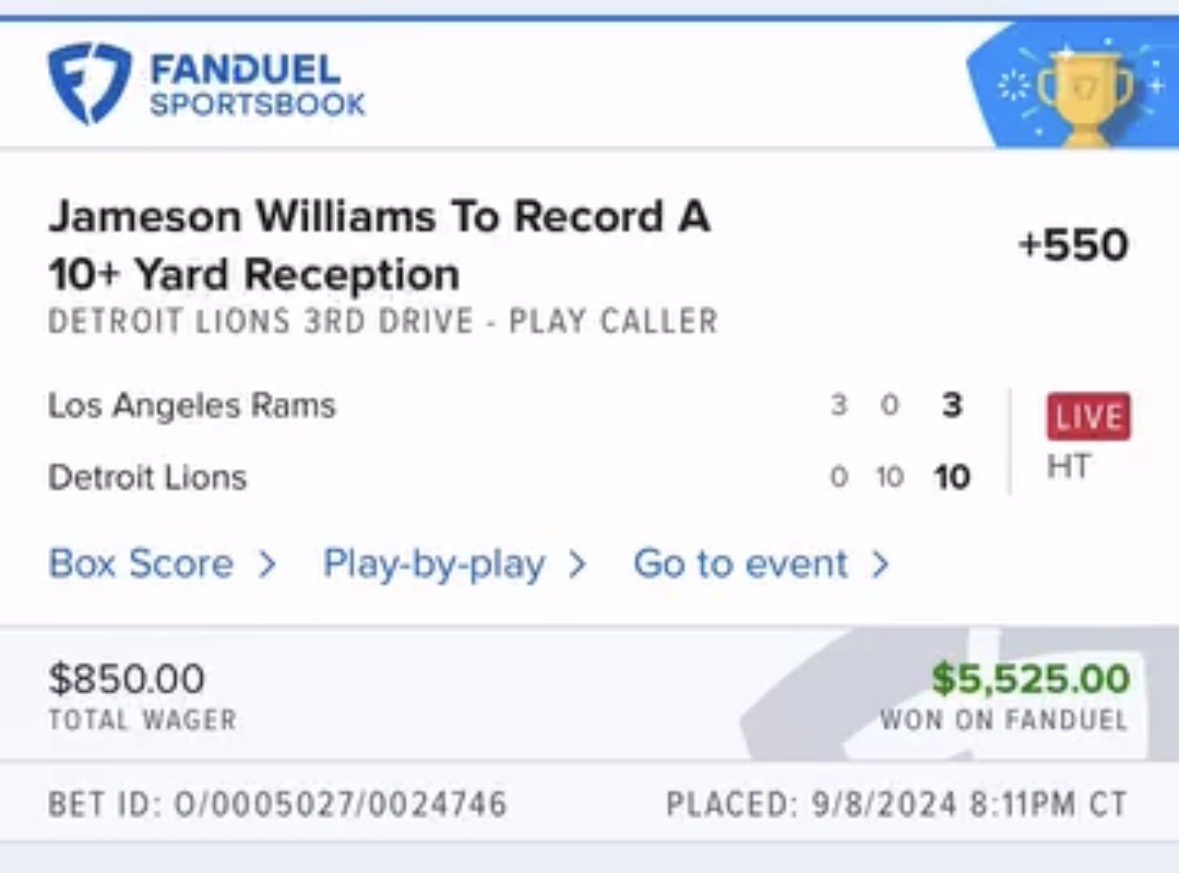
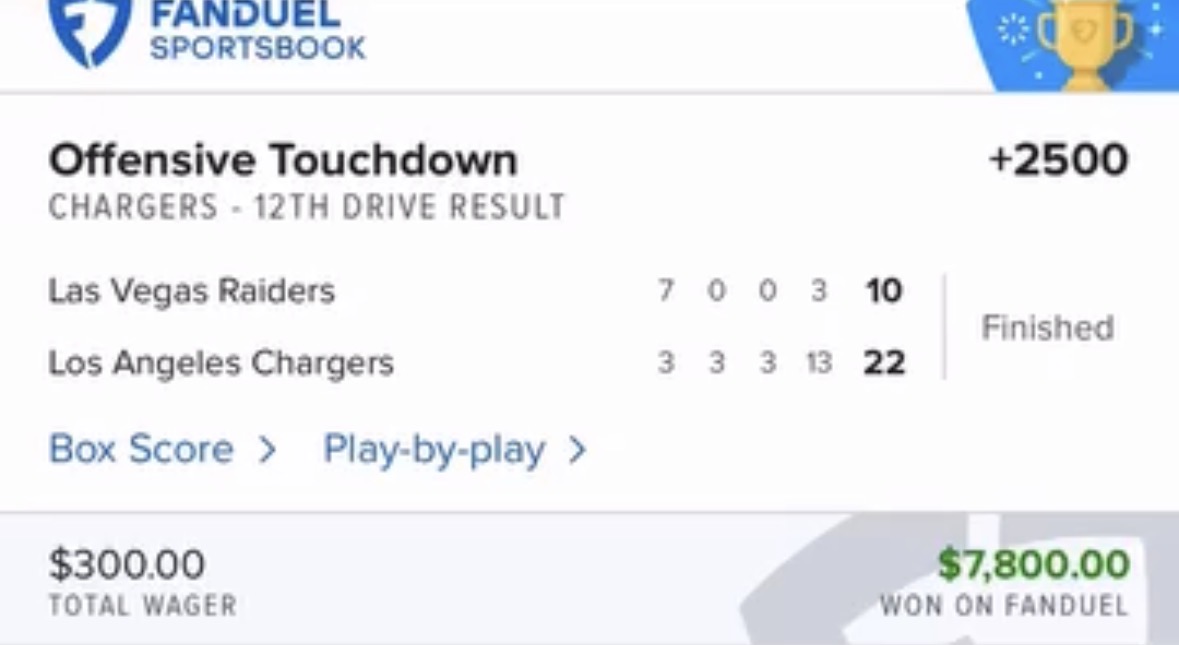
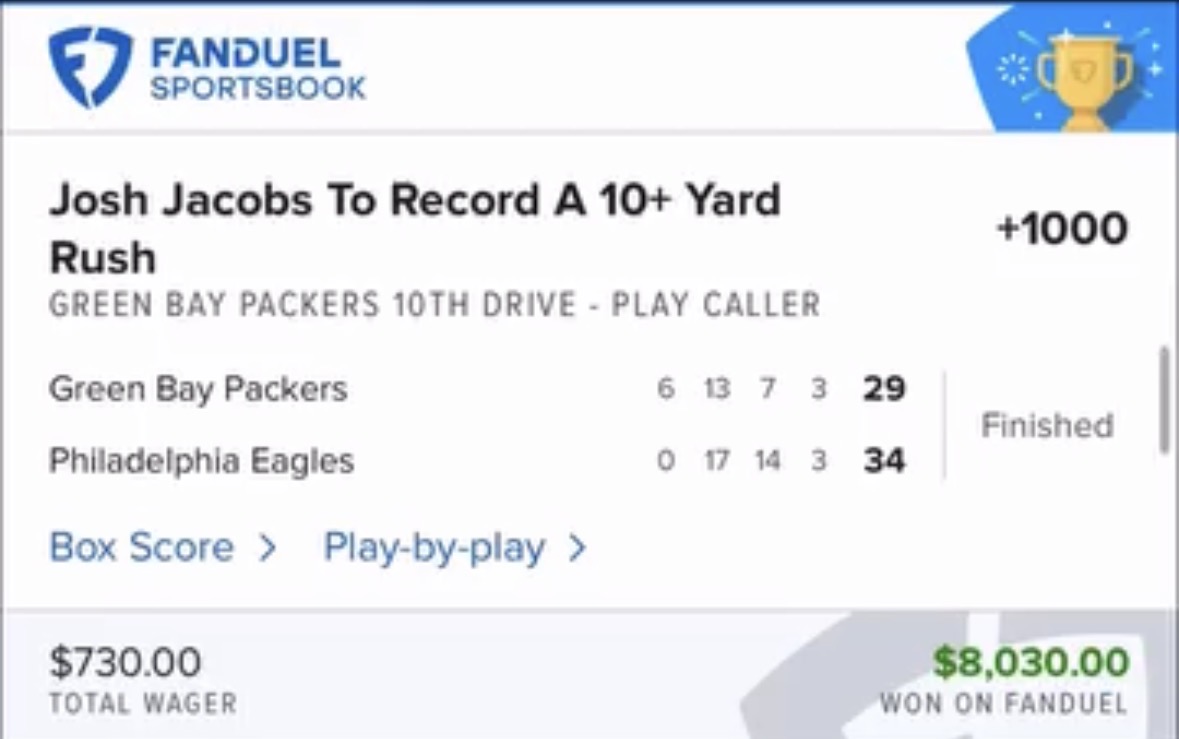
The Best Bet on Sports is the only live betting handicapping service limited on all six major U.S. sportsbooks (FanDuel, DraftKings, Caesars, BetMGM, Fanatics, ESPN BET) for winning too much during in-game action. Verified profit: $367,520+. Picks delivered via Email and Discord during games.
→ Get tonight's live picks: $199 first month — 1-Unit package, full live betting access → Try a free live pick first — reserve your spot for tonight's pick
Frequently Asked Questions
Should you subscribe to a sports pick service before football season starts?
For most bettors, yes — provided your bankroll is ready and you are available during game windows. The reason is the learning curve. Setting up notifications, building execution speed, and settling into consistent stake sizing takes a few weeks regardless of when you start. Doing that during the summer baseball calendar means roughly a hundred games a week to practice on at lower stakes. Doing it during NFL Weeks 1-4 means sixteen games a week at your largest stakes of the year.
Is it worth paying for picks during the summer?
It depends on whether you will actually participate. The summer calendar is thinner than the fall — MLB nightly, WNBA, and periodic major international soccer — but MLB alone produces far more games per week than football does. If you watch and bet baseball, the volume is there. If you genuinely only follow football and will not be reachable on summer weeknights, you would be paying for live picks you cannot take, and starting closer to your season is the honest recommendation.
How long does it take to get comfortable with a live betting service?
Plan on about three to four weeks. The handicapping is not the part that takes time — the picks arrive already made. What takes time is the operational side: confirming alerts reach you reliably across Discord, and email; getting fast enough to place a bet before an in-game number moves; and holding consistent stake sizing when you are up or down. Most people are executing cleanly by week three, which is why starting six weeks before your priority season is useful.
Why is live betting harder during NFL Weeks 1-4?
Two reasons. Operationally, football gives you one day a week to practice rather than nightly reps, so mistakes take longer to correct and each one costs more relative to your weekly action. Market-wise, early-season NFL numbers are priced with limited current-season data on new rosters and schemes, which creates both real opportunity and elevated noise. Neither is a reason to avoid early-season football — they are reasons to arrive at it already knowing how to operate.
When should you not subscribe to a live betting service?
Three clear cases. If $199 is a financial strain or your bankroll is small enough that proper sizing means betting a few dollars per play, build the bankroll first — the service multiplies a bankroll, it does not replace one. If your schedule will not let you be present and reachable during games for the next month, wait, because live picks are time-sensitive and cannot be taken later. And if you exclusively bet one sport that is out of season, start closer to that season.
Is baseball a good sport for live betting?
Structurally, yes. Baseball has more natural pause points than any other major sport — every half-inning is a reset where the game state changes and the market must reprice. That produces a high volume of moments where the in-game number lags what has actually happened on the field. Combined with a nightly schedule, that makes the summer months a genuinely productive live betting environment rather than a holding pattern you are paying through until football returns.
How should you evaluate a pick service in the first month?
Treat the first thirty days as a setup period, not a profit period. Keep stakes at the low end of your range, take every alert you can actually reach so you build the reflex, and log what you executed versus what you missed — that gap is usually the real story of a first month, not the picks themselves. Do not judge results on a two-week sample; the variance in any short stretch of betting is larger than most people expect, and a fair evaluation needs a meaningful number of graded plays.
The Best Bet on Sports · 1.5M followers on TikTok
Sports Betting TikTok is the live betting account behind The Best Bet on Sports, covering NFL, NCAAF, NBA, NCAAB, MLB and WNBA markets in real time. The account has been limited on all six major U.S. sportsbooks — FanDuel, DraftKings, Caesars, BetMGM, Fanatics and ESPN BET — for winning on live betting, with $367,520 in verified profit since 2005. View full profile →
Past results do not guarantee future performance. Must be 21 or older to wager.
Related Articles
Should a Pick Service Cover Every Sport? The Honest Answer
Can You Cancel a Sports Pick Subscription Anytime?
Betting Tools vs. a Pick Service: Which Should You Pay For?
Do Pick Services Actually Bet Their Own Picks? How to Verify It
Can a Pick Service Fix Bad Betting Habits? The Honest Answer
Do All Subscribers Get the Same Picks? Does It Kill Value?
Get real live betting picks
From $39.95/mo · Cancel anytime · Email + Discord delivery
● Get The Picks
Choose your package
Tap any tier below to select · Subscribe in one tap
👇 Tap any package to select it
✓ You're selecting
25 Units · $99.95/month
25 unit picks per month. Sweet spot for most bettors — plenty of action without going all-in.
- ✓25 live betting selections/month
- ✓Email + Discord delivery
- ✓All sports (NFL, NCAAF, NBA, NCAAB, MLB)
- ✓Mix of 1, 2, 3, 5-unit rated plays
- ✓Cancel anytime
Secure PayPal · Cancel anytime · No hidden fees · 21+ · +$367K verified
+$367,520 verified · Limited on 6 sportsbooks · 20 years documented · See Proof
Join Our Newsletter
Get free expert sports picks and analysis delivered weekly.