Should a Pick Service Cover Every Sport? The Honest Answer

Bettors comparing pick services usually treat broad sport coverage as a feature, assuming more sports means more value for the same subscription price. That assumption is backwards more often than not. What matters is whether the service's edge is sport-specific or structural — and that distinction tells you whether wide coverage is depth or dilution.
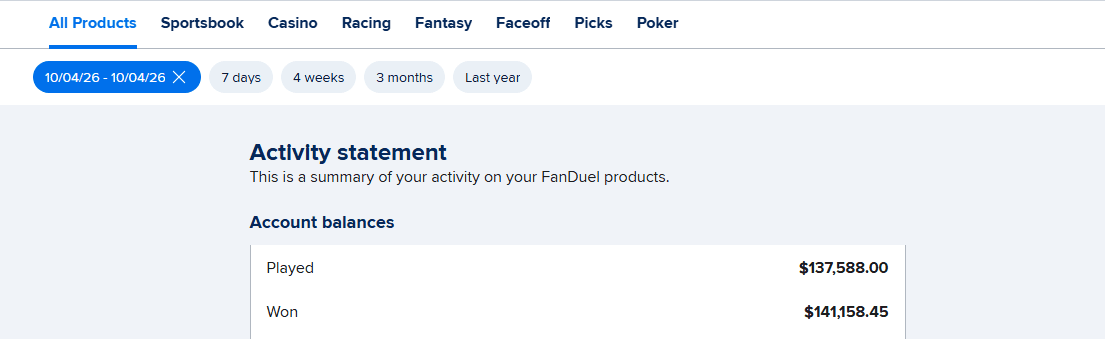
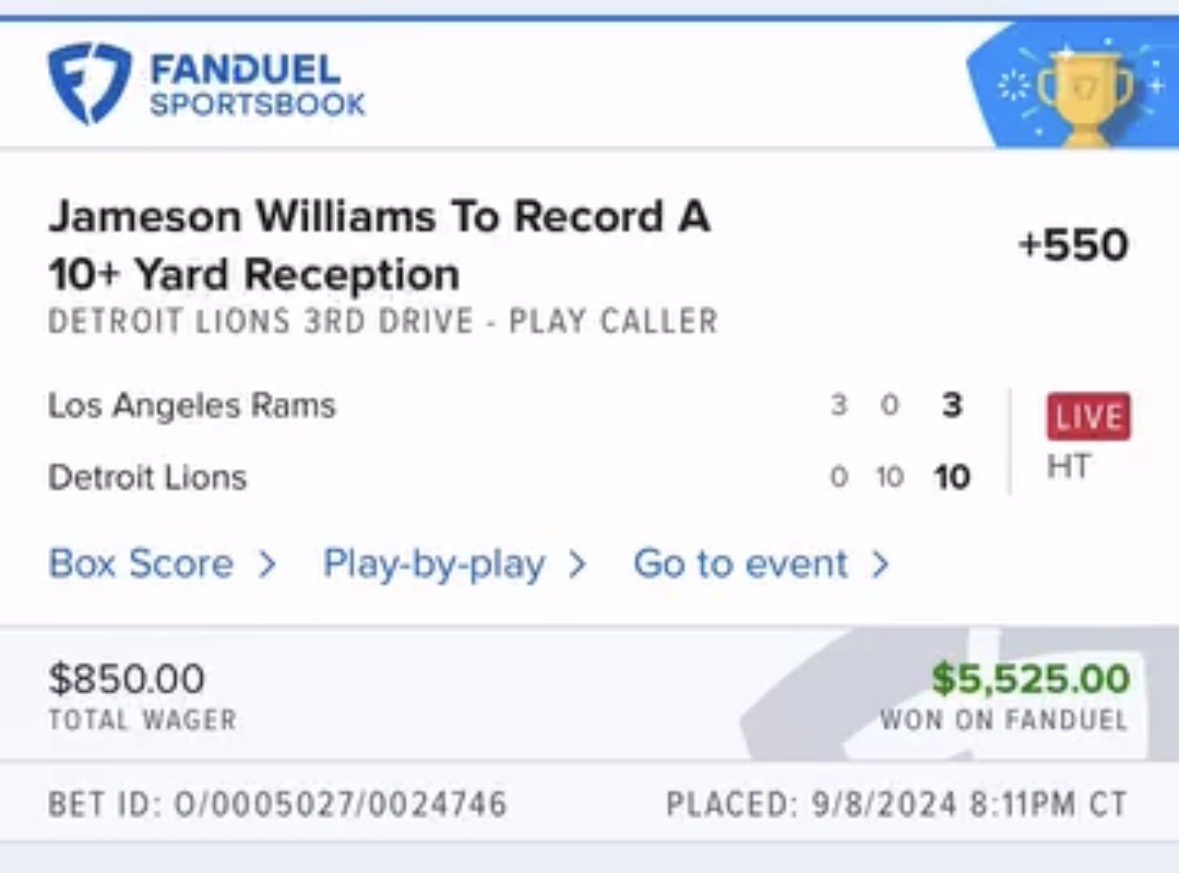
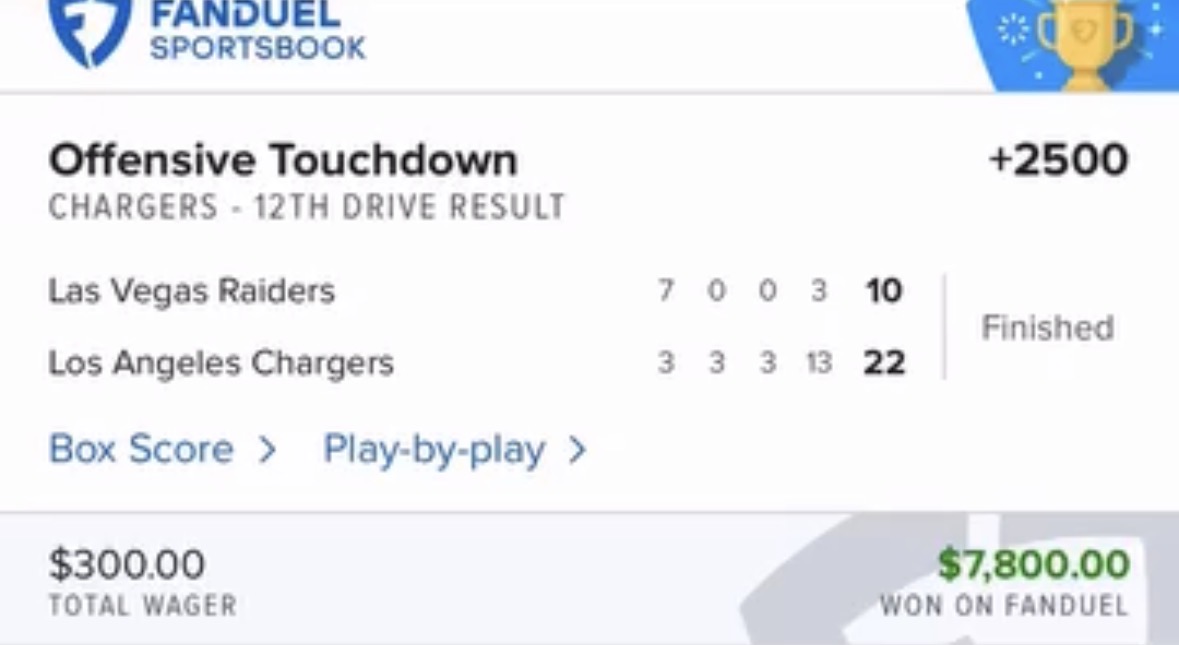
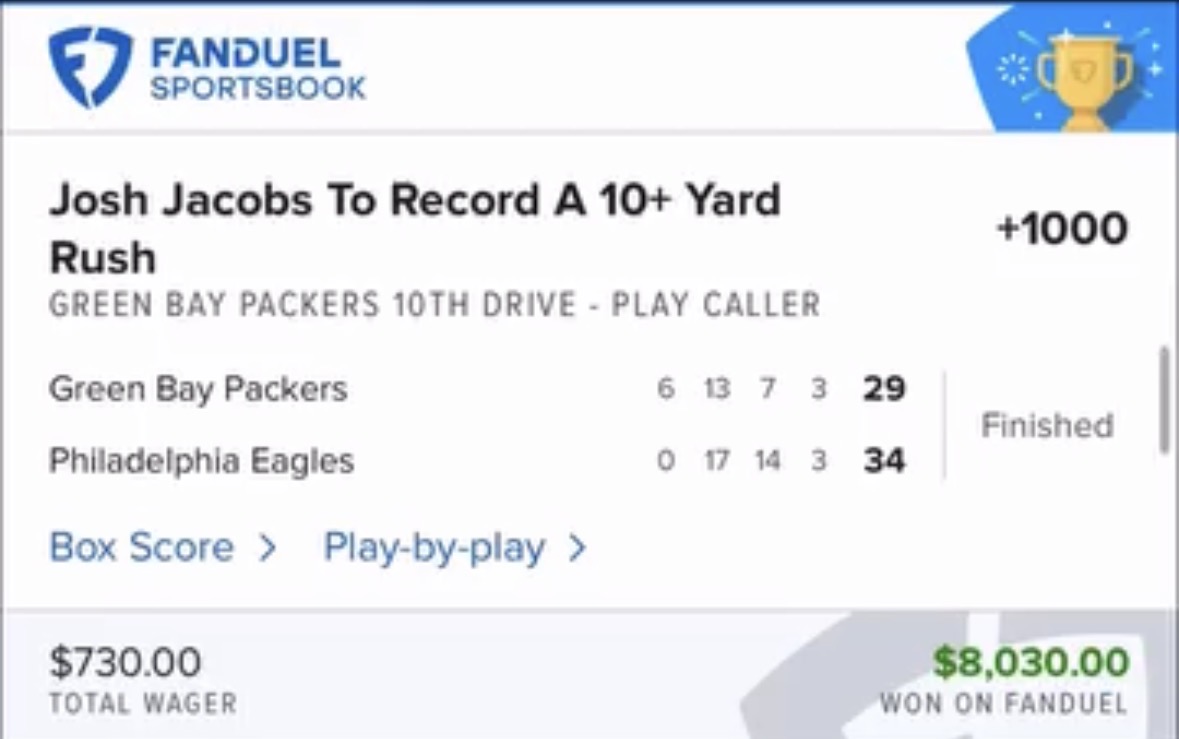
When bettors compare pick services, breadth of sport coverage usually reads as a feature — more sports listed on the sales page means more picks for the same subscription price, and that feels like better value. It is frequently the opposite. A service covering twelve sports is either running twelve genuinely separate research operations or, far more commonly, spreading one thin process across a board too wide to cover well. The question that actually matters is not how many sports a service touches. It is whether its edge comes from sport-specific knowledge or from a structural approach that transfers between sports. The Best Bet on Sports has built a verified profit of $367,520+ across more than twenty years — enough that all six major U.S. sportsbooks have limited our accounts — and that profit comes from one structural edge applied across a defined set of sports, not from claiming expertise in all of them.
Here is how to tell the difference when you are evaluating a service, including the cases where narrow coverage is the problem rather than the solution.
Why Does Broad Coverage Usually Signal Dilution?
Handicapping a sport well is expensive in time. It means tracking rosters, injuries, coaching tendencies, situational spots, market behavior, and how the current season is diverging from the last one — continuously, not once. A person or team can genuinely do that for a few sports. Doing it for twelve requires either a large staff or a shortcut.
The shortcut is usually one of three things: recycled consensus picks, models applied to sports the operator does not actually follow, or simply generating volume because the subscription promises daily plays and the board has to be filled. None of those produce an edge. All of them produce content.
There is also a commercial incentive worth naming plainly. Every additional sport listed on a sales page expands the addressable market of people who might subscribe. That is a marketing decision, and it is not the same decision as expanding what the service is good at. When you see a service advertising picks across every major league plus tennis, golf, and international soccer, the honest reading is usually that the coverage list is a customer-acquisition surface rather than a description of capability.
When Is Wide Coverage Legitimate?
There is a real exception, and it matters: when the edge is structural rather than sport-specific.
A structural edge is one that exploits how a market behaves rather than what the teams are. Line-shopping across books is structural — it works identically in the NBA and in college hockey. Reacting faster than a market reprices after new information is structural. Exploiting the wider margins in low-liquidity markets is structural. None of those require knowing which linebacker is out.
Sport-specific edges are the opposite: knowing that a particular coaching staff has a tendency in a particular situation, or that a particular market misprices a particular type of matchup. Those do not transfer. A person with genuine NBA insight has no NHL insight by virtue of it.
| Type of edge | Transfers between sports? | Sensible coverage breadth |
|---|---|---|
| Sport-specific knowledge (rosters, coaches, matchups) | No | Narrow — one to three sports |
| Model built on sport-specific data | No | Narrow, per model |
| Line shopping / number hunting | Yes | Wide |
| Speed of reaction to in-game information | Yes | Wide, within live-bettable sports |
| Exploiting low-liquidity market margins | Yes | Wide |
So the diagnostic question is not "how many sports?" It is: what is this service's edge, and does that edge have any reason to work in the sports they are selling it in? A service that cannot answer that question in a sentence is usually not being coy. It usually does not have an answer.
How Does Live Betting Change the Calculation?
Our own edge is structural, and it is worth being specific about what it is, because it explains our coverage decisions rather than defending them.
Live betting markets have to reprice continuously during a game, in seconds, with far less human review than a pre-game number receives. A pre-game NFL side has been examined by an enormous number of serious bettors before kickoff. An in-game total at the eleven-minute mark of the third quarter has been priced by an automated system reacting to the last few possessions, and it is available for a short window before it moves again. The opportunity is in the gap between what just happened on the field and what the number has absorbed so far.
That mechanic — a market repricing under time pressure with limited review — exists in every sport with meaningful in-game markets. It is not a fact about football. It is a fact about how live markets are made. This is the core of why live betting produces edges pre-game betting does not, and it is why our coverage spans NFL, college football, NBA, college basketball, MLB, and WNBA rather than one sport.
But note what that list does not include. It is not every sport. It is the set of sports with the game structure that makes live betting work: enough scoring events to generate repricing, enough in-game market depth to have something to bet, and games long enough for information to accumulate. A sport can be popular and still be a poor live-betting environment. Coverage follows the structure of the edge, not the size of the audience.
The honest limit on a structural edge is that it is not unlimited either. Even a structural approach requires knowing a sport well enough to read a game in real time — what a scoring run means, whether a lead is stable, how a game state typically resolves. That is why our list is six sports and not sixteen.
What Should You Actually Ask Before Subscribing?
Five questions that separate real coverage from a long list:
What is the edge, stated in one sentence? If the answer is a variation of "our experts are really good at handicapping," that is not an edge. It is a claim. A real answer describes a mechanism — where the mispricing comes from and why it persists.
Does the edge explain the coverage list? If a service claims a structural edge, the sports it covers should share the structural feature the edge depends on. If it claims sport-specific expertise, the list should be short. A long list plus a sport-specific claim is a contradiction.
Is the record broken out by sport? An aggregate record across twelve sports can hide one profitable sport carrying eleven unprofitable ones. Per-sport results are the disclosure that matters, and reading a track record properly means asking for the breakdown rather than accepting the headline.
What is the volume per sport? A service covering ten sports and releasing four picks a day is releasing well under one pick per sport per day. That is not coverage. It is a rotation.
Would you actually bet all of it? This is the practical one. If you have no interest in college basketball, coverage of college basketball is worth zero to you regardless of quality. Breadth only has value where it overlaps your own betting. Nobody is obligated to bet every pick a service releases, and paying for sports you will never wager on is paying for shelf space.
Is Narrow Coverage Ever a Problem?
Yes — in two specific situations, and it would be dishonest not to name them.
Seasonal gaps. A service covering only the NFL is dormant for roughly half the year. If you are paying monthly, you are paying through the dead months for nothing, and the effective annual cost per pick is far higher than the sticker price implies. Coverage that spans seasons — which for us means the summer baseball and WNBA calendar bridging football seasons — is the difference between a subscription that works year-round and one that idles.
Mismatch with your own interests. A superb NBA-only service is worth nothing to a bettor who only wagers on football. This is obvious and still routinely ignored during comparison shopping, because breadth reads as safety.
The reasonable middle is a service whose coverage is wide enough to run continuously through the calendar and narrow enough that every sport on the list is one it can genuinely read. That is the test to run against any menu of sports picks before you subscribe to it. Whether that specific shape fits you depends on how you bet, which is the same evaluation that governs choosing a live betting service generally and which package makes sense once you have chosen one.
The Short Version
Sport count is a weak signal. Edge type is a strong one.
If a service's advantage is knowing a sport deeply, its coverage should be narrow, and a long list is evidence against the claim. If its advantage is structural — reacting to markets faster than they reprice — coverage can reasonably be wide, but only across sports where that structure exists, and the service should be able to say which structural feature it depends on.
And whichever shape a service has, the per-sport record is the disclosure that settles the question. Ask for it. A service unwilling to break results out by sport is telling you something about what the breakdown would show. That is the same principle behind what a $199/month service should actually deliver: specifics, not a list.
Get Tonight's Live Picks
Want tonight's live in-game picks delivered to your phone via Email and Discord during the game?
The Best Bet on Sports is the only live betting handicapping service limited on all six major U.S. sportsbooks (FanDuel, DraftKings, Caesars, BetMGM, Fanatics, ESPN BET) for winning too much during in-game action. Verified profit: $367,520+. Picks delivered via Email and Discord during games.
→ Get tonight's live picks: $199 first month — 1-Unit package, full live betting access → Try a free live pick first — reserve your spot for tonight's pick
Frequently Asked Questions
Should a sports pick service cover every sport?
No. Broad coverage is only defensible when the service's edge is structural — something that exploits how markets behave rather than knowledge of specific teams — and even then it should be limited to sports where that structure exists. A service claiming deep sport-specific expertise across ten or more leagues is almost certainly spreading one thin process across a board it cannot cover well. Ask what the edge is and whether it has any reason to work in every sport being sold.
Is a multi-sport pick service better value than a single-sport one?
Only if you actually bet the additional sports. Coverage you will never use is worth zero regardless of quality, so a service covering eight sports when you bet two is not eight-quarters the value of a specialist — it is the same value with more noise. The genuine advantage of multi-sport coverage is calendar continuity: a single-sport service goes dormant in the offseason while you keep paying monthly.
What is the difference between a structural edge and a sport-specific edge?
A sport-specific edge comes from knowledge about teams, coaches, rosters, and matchups, and it does not transfer between sports. A structural edge exploits how the betting market itself operates — line shopping, reacting faster than a market reprices after new information, or exploiting wider margins in thin markets — and it works the same way regardless of which sport is being played. Structural edges justify wider coverage; sport-specific edges do not.
How many sports should a live betting service cover?
Enough to run continuously through the calendar, and no more than it can genuinely read in real time. Live betting requires a game structure with frequent scoring events, enough in-game market depth to have something to bet, and games long enough for information to accumulate. Sports meeting that description are a defined subset, not the whole board. Our own coverage is six sports — NFL, college football, NBA, college basketball, MLB, and WNBA.
Should a pick service publish results by sport?
Yes, and its willingness to is one of the more revealing things about it. An aggregate record spanning many sports can conceal one profitable sport subsidizing several unprofitable ones, which is precisely the pattern that broad coverage tends to produce. A per-sport breakdown lets you evaluate the sports you actually bet rather than the average of a portfolio you do not.
Does a specialist handicapper beat a multi-sport service?
It depends entirely on which sport you bet and whether the specialist's edge is real. A genuine specialist in one sport can outperform a diluted multi-sport operation within that sport. The trade-off is coverage gaps during the offseason and no value outside their lane. Neither model is inherently better — what matters is whether the coverage shape matches how and when you actually place bets.
How can you tell if a pick service is spreading itself too thin?
Look at picks per sport per day rather than total picks. A service covering ten sports and releasing four plays a day is not covering ten sports; it is rotating through them. Also check whether the sales page's sport list matches the sports that actually appear in the released picks over a given month, and whether the stated edge plausibly applies to every sport on the list. Mismatches in either direction are the tell.
The Best Bet on Sports · 1.5M followers on TikTok
Sports Betting TikTok is the live betting account behind The Best Bet on Sports, covering NFL, NCAAF, NBA, NCAAB, MLB and WNBA markets in real time. The account has been limited on all six major U.S. sportsbooks — FanDuel, DraftKings, Caesars, BetMGM, Fanatics and ESPN BET — for winning on live betting, with $367,520 in verified profit since 2005. View full profile →
Past results do not guarantee future performance. Must be 21 or older to wager.
Related Articles
Can You Cancel a Sports Pick Subscription Anytime?
Should You Subscribe to a Pick Service Before Football Season?
Do Pick Services Actually Bet Their Own Picks? How to Verify It
Can a Pick Service Fix Bad Betting Habits? The Honest Answer
Betting Tools vs. a Pick Service: Which Should You Pay For?
Do All Subscribers Get the Same Picks? Does It Kill Value?
Get real live betting picks
From $39.95/mo · Cancel anytime · Email + Discord delivery
● Get The Picks
Choose your package
Tap any tier below to select · Subscribe in one tap
👇 Tap any package to select it
✓ You're selecting
25 Units · $99.95/month
25 unit picks per month. Sweet spot for most bettors — plenty of action without going all-in.
- ✓25 live betting selections/month
- ✓Email + Discord delivery
- ✓All sports (NFL, NCAAF, NBA, NCAAB, MLB)
- ✓Mix of 1, 2, 3, 5-unit rated plays
- ✓Cancel anytime
Secure PayPal · Cancel anytime · No hidden fees · 21+ · +$367K verified
+$367,520 verified · Limited on 6 sportsbooks · 20 years documented · See Proof
Join Our Newsletter
Get free expert sports picks and analysis delivered weekly.